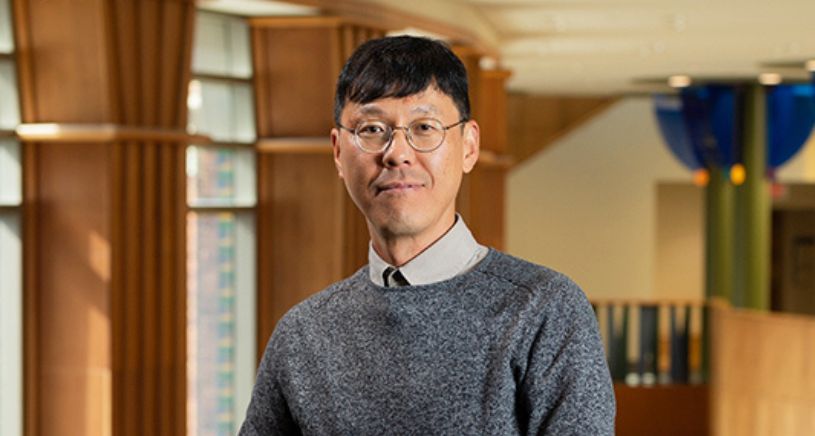
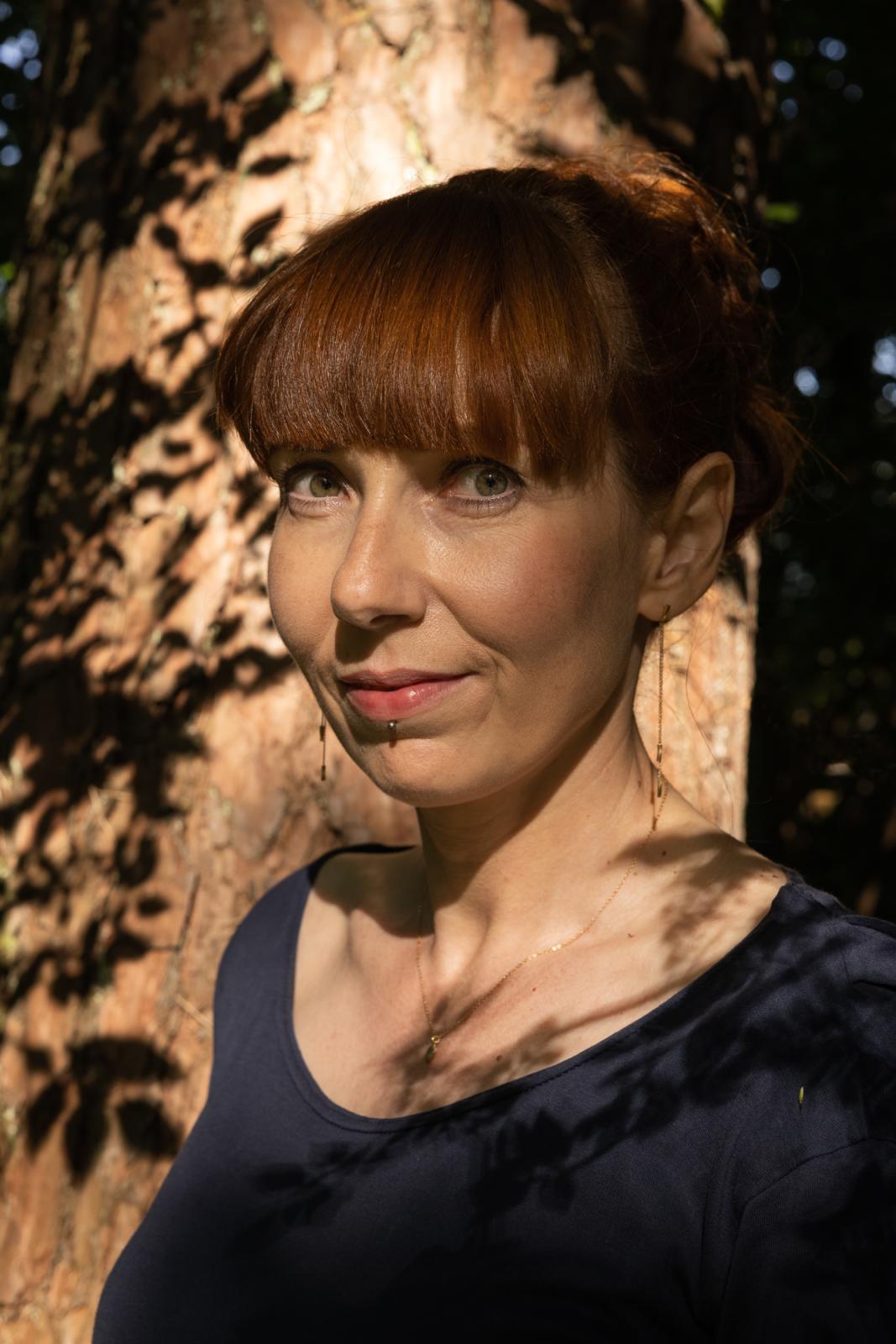
Dr. Kai Schulz is an Associate Professor in the School of Environment, Science and Engineering at Southern Cross University. He holds a PhD from the University of Bremen and focuses on ocean change impacts, mitigation strategies, and biogeochemical cycles. His research employs experimental, observational, and modeling approaches to address topics like carbon sequestration, coral bleaching, and ecosystem restoration. Education: MSc and PhD from the University of Bremen, Germany. Research grants include multiple awards from the Australian Research Council (ARC). Research Interests : Climate change impacts on marine ecosystems, ocean acidification, plankton physiology, and Ocean Alkalinity Enhancement (OAE) technologies. He explores how OAE affects carbon cycling, plankton communities, and sediment dynamics through projects like OAEPIIP. Publications highlight interdisciplinary work on carbon dioxide removal, coral resilience, and plastic pollution effects. Recent studies investigate OAE efficiency, Sargassum decomposition, and coral shading responses under thermal stress. Awards : Senior Researcher Award for Research Excellence (2022). Advising and grants: Supervises research students and leads ARC-funded projects on climate mitigation. Collaborates with global teams on OAE and coral reef metabolism studies. Labs/Teams: Affiliated with Southern Cross University's Environmental Analysis Laboratory and contributes to international initiatives like the Ocean Alk-Align project.
Maria Schönbächler is a Full Professor and Deputy Head of the Institute of Geochemistry and Petrology at ETH Zürich. Her research focuses on the formation of the Solar System and planets, with expertise in cosmochemistry, isotopic analysis, and meteorite studies. She leads projects on nucleosynthetic isotope anomalies, volatile element distribution, and planetary accretion processes. Her recent publications highlight isotopic studies of asteroid Ryugu samples, titanium and zirconium isotope heterogeneity, and volatile depletion in carbonaceous chondrites. Key themes include early solar system water circulation, presolar grain dynamics, and Hadean mantle evolution. Collaborations span planetary science, analytical chemistry, and astrophysics. Notable trends in publications: Isotopic constraints on planetary formation (Ryugu, Vesta, Earth's mantle) Volatile element mobility in meteorites and planetary bodies Protoplanetary disk heterogeneity and nucleosynthetic processes Advanced mass spectrometry techniques (MC-ICPMS, TIMS) Implications for solar system accretion and core formation
Waverly Deutsch is an Adjunct Professor of Entrepreneurship at the University of Chicago's Booth School of Business. She specializes in entrepreneurial execution through courses like Global New Venture Challenge and Building the New Venture , the latter of which earned her the USASBE Innovative Teaching Pedagogy Award in 2004. As Academic Director of University-wide Entrepreneurship Content, she collaborates with the Polsky Center for Entrepreneurship and Innovation to develop curricula and extracurricular programs for students, faculty, and staff. Bachelor's in Computer Science (University of Pittsburgh, 1985) Master's (1989) and PhD in Theater History (Tufts University, 1992) Her research centers on operational challenges faced by entrepreneurs during business growth, particularly in marketing, sales, operations, and team-building. She contributes regularly to the Chicago Booth Review , analyzing topics like cryptocurrency trends, venture capital biases, and resource allocation in startups. Her work integrates behavioral economics, financial innovation, and business model validation. Deutsch has received multiple accolades, including the Phoenix Faculty Award (2015) for her contributions to the Booth student community. She co-founded the Elements of Entrepreneurship summer seminar for Chicago Public School students and has served as a faculty coach for the Polsky Center Summer Accelerator Program since 2012. Advisor to startups: Stylisted, Ascent Technologies, Markit Medical, AMOpportunities, Spott, TAINA, Mindful Urgent Care Advisor to OCA Ventures (Chicago VC firm) Board member: SmartBet Charities, InContext Solutions (2009-2011)
Diana Valencia is an Associate Professor in the Department of Physical and Environmental Sciences at the University of Toronto, with cross-appointments in the Department of Astronomy. She holds positions at both the University of Toronto Scarborough (UTSC) and the St. George campus, focusing her research on the characterization of low-mass exoplanets, particularly super-Earths and mini-Neptunes. Her work aims to determine whether planets with masses between 1-15 Earth masses are scaled-up versions of Earth or scaled-down versions of Neptune in terms of composition, evolution, and physical properties. Ph.D. from Harvard University, Department of Earth and Planetary Sciences (2008) M.Sc. from University of Toronto, Physics Department (2002) B.Sc. (Honours) from University of Toronto, Physics Department (2001) Dr. Valencia's research interests center on the chemical composition and interior structure of super-Earths and mini-Neptunes, formation processes and chemistry of rocky planets, thermal evolution and interior dynamics of rocky and icy planets, and planetary habitability. Her work combines theoretical modeling with observational constraints to understand how planets form, evolve, and develop the properties we observe. She particularly focuses on connecting stellar composition to planetary characteristics and using statistical approaches to infer interior structures from mass-radius relationships. Analysis of her recent publications shows a strong focus on connecting stellar composition to planetary characteristics, with increasing use of advanced statistical methods and machine learning techniques to infer interior structures. Her research spans theoretical modeling of planetary interiors, observational constraints from missions like JWST, and development of instrumentation for exoplanet characterization. The trend shows growing emphasis on understanding the diversity of rocky exoplanets and their formation pathways. Paolo Farinella 2021 Prize awarded by the European Planetary Society (shared with Lena Noack) Dr. Valencia actively mentors PhD students, currently supervising Nathan Winsor (Habitability of M-Dwarf Stars), Jen Scora (Compositional Outcome of Rocky Planet Formation), Bo Peng (Volatile Acquisition of Rocky Planetary Bodies), and Mykhaylo Plotnykov (Statistical Inferences of the Interior Structure and Composition of Exoplanets). Her research group spans a wide variety of topics related to planetary formation and evolution, with particular emphasis on understanding how planets develop their observed properties. She has secured significant research funding, including NASA Sagan Postdoctoral Fellowship and Henri Poincare Postdoctoral Fellowship. Dr. Valencia leads a research group focused on understanding planetary formation and evolution, with projects ranging from statistical inferences of interior structure to thermo-chemical evolution of planetesimals. She has also created the Astro4Kids initiative, providing free astronomy education to children worldwide, demonstrating her commitment to public outreach and science communication.
Sara Mana serves as Chairperson of the Department of Geological Sciences at Salem State University, where she teaches courses spanning Dynamic Earth (GLS 100), Volcanology (GLS 346), Field Geology II (GLS 485), and specialized topics like Geology in the Movies (GLS 108) and Forensic Microscopy (GLS 256). Her research integrates field geology with advanced analytical techniques to investigate active tectonic systems. Dr. Mana's research focuses on active tectonics and quantitative analysis in rift environments, particularly the East African Rift. She employs radiogenic isotope geochemistry , incompatible trace element analysis , and high-precision 40 Ar/ 39 Ar geochronology to study magma evolution, basin development, and deformation processes. Her work connects climate-tectonics interactions with ecosystem evolution, utilizing gas geochemistry and remote sensing for regional-scale analysis. Recent publications reveal persistent focus on East African Rift dynamics, with recurring themes of tephrochronology , rift-related magmatism , and paleoanthropological site correlation . Collaborative work spans Costa Rican volcanism, Appalachian metamorphism, and nuclear forensics, demonstrating interdisciplinary reach across geophysics, archaeology, and critical zone science. Dr. Mana has secured significant National Science Foundation funding: PI on $80,157 NSF award (2018-2021, extended to 2023 with $25,712 supplement) for the East African Rift Tephra Database project PI on $12,885 NSF sub-award for Miocene ecosystem research in Kenya External collaborator on $2,671,455 NSF Frontier Research project examining climate-tectonics interactions in the East African Rift She mentors undergraduates through senior research courses (GLS 500/501) and forensic geoscience internships (GLS 499), emphasizing field-based learning and analytical skill development.
Dr. Juliane Proelss serves as Associate Professor of Finance and Jacques Ménard-BMO Professor in Capital Markets at Concordia University's John Molson School of Business. Her research spans corporate finance, sustainable finance, AI applications in financial markets, and cryptocurrency systems, with expertise in alternative investments, risk management, and Chinese capital markets. She earned her doctorate from the European Business School (EBS), a postgraduate commerce diploma from Lincoln University (New Zealand), and business administration studies at Katholische Universität Eichstaett-Ingolstadt. Prior academic roles include professor of business administration at Trier University of Applied Sciences, following industry experience in Santander Consumer Finance's Risk Management Department. Her publication record features high-impact work in the Journal of Corporate Finance, Strategic Management Journal, and European Financial Management. Recent research demonstrates increasing focus on ESG integration in digital assets, SPAC market dynamics, and AI-driven financial innovation, while maintaining strong contributions to cryptocurrency analysis and sustainable finance frameworks. Dr. Proelss has secured competitive funding including CAD 74,674 from SSHRC (2025-2028) as principal investigator for digital asset pricing research, CAD 148,500 from Autorité des Marchés Financiers (2016-2019) for corporate fraud studies, and CAD 47,126 from FRQ-SC for China innovation research. She co-founded the annual AI in Finance Conference and serves as Associate Editor for the Journal of Sustainable Finance & Investment, actively bridging academic research with industry applications in emerging finance domains.
Jessica Barnes is an Associate Professor at the University of Arizona's Department of Planetary Sciences, specializing in cosmochemistry and lunar studies. Her research focuses on understanding solar system volatiles through microanalytical techniques in the Kuiper-Arizona Laboratory for Astromaterials Analysis. Ph.D. in Planetary and Space Sciences from The Open University and Natural History Museum, London (2015) BSc (Hons) in Geosciences from University of St Andrews (2011) Her work integrates the Apollo Next-Generation Sample Analysis (ANGSA) program and OSIRIS-REx mission, particularly studying preserved Apollo 17 basalts to unravel lunar volatile loss mechanisms and analyzing asteroid Bennu samples for organic and isotopic compositions. Recent publications highlight her expertise in lunar volcanics, Martian meteorite water history, and asteroid chemistry. She leads grants from NASA (ANGSA2, FINESST) and Gordon & Betty Moore Foundation for planetary materials analysis. Principal Investigator for Nanoscale Secondary Ion Mass Spectrometer (Gordon & Betty Moore Foundation, 2020-25) Co-Investigator on OSIRIS-REx Mission (NASA New Frontiers, 2011-25) Principal Investigator for Magmatic History of Steno Crater Basalts (NASA ANGSA, 2019-24) She advises graduate students in the Lunar and Planetary Sciences program and contributes to spacecraft mission working groups, including Sample Archiving and Mineralogy. Her outreach efforts include public lectures on lunar geology and sample curation.
Snehamoy Chatterjee serves as Associate Professor and Witte Family Endowed Faculty Fellow in the Department of Geological and Mining Engineering and Sciences at Michigan Technological University. His expertise spans ore reserve estimation, mine planning optimization, and AI-driven safety systems, with significant contributions to remote sensing applications in mining and geological hazard assessment. Chatterjee earned his PhD in Mining Engineering from the Indian Institute of Technology Kharagpur, followed by postdoctoral research at the University of Alaska Fairbanks and the COSMO Stochastic Mine Planning Laboratory at McGill University. His academic journey includes prior faculty positions at India's National Institute of Technology. His research program integrates cutting-edge artificial intelligence with geospatial technologies to solve critical challenges in mining safety and resource management. Key focus areas include: Generative AI frameworks for real-time mining hazard prediction Hyperspectral and InSAR remote sensing for mineral exploration Deep learning applications in geophysical inversion Stochastic optimization of mine planning under uncertainty Machine learning-driven landslide and earthquake hazard mapping Chatterjee's 15 most recent publications (2023-2024) reveal a pronounced shift toward AI-geospatial fusion , with 60% of works applying deep learning to satellite imagery for hazard monitoring. His team's research spans three critical domains: mining safety systems (33%), geological hazard prediction (47%), and resource optimization (20%), demonstrating strong interdisciplinary collaboration across environmental science and engineering disciplines. Professional recognition includes: Editor's Best Reviewer Award 2014 from Mathematical Geosciences Journal APCOM Young Professional Award 2015 at the 37th APCOM conference Chatterjee actively mentors graduate students and leads multiple federally funded research initiatives focused on mine safety innovation and critical mineral exploration. His professional service includes editorial responsibilities for Mining, Metallurgy & Exploration and committee roles in major international conferences through IAMG, SME, and AGU. Current projects emphasize generative AI applications for predictive safety analytics and hyperspectral remote sensing for critical mineral discovery. His research extends through collaborations with the COSMO Laboratory network and industry partners across North America, India, and Australia, with recent fieldwork focusing on Alaskan platinum deposits and Indian coal reserves.
John R. Morris is a Professor of Chemistry and Associate Dean for Research at the College of Science, Virginia Tech. He holds the Dr. A.C. Lilly Jr. Faculty Fellowship in Nanoscience. His research focuses on interfacial chemistry, with emphasis on gas-surface reactions, catalysis, and chemical sensing. Key projects include chemical warfare agent detection, environmental pollutant interactions, and energy materials. Education: B.S., Aquinas College, 1991 Ph.D., University of Notre Dame, 1996 Postdoctoral Associate, University of Wisconsin-Madison, 1996–1999 Research Interests: Dr. Morris explores molecular mechanisms in gas-surface interactions using advanced techniques like molecular beam scattering and ultrahigh vacuum spectroscopy. His work addresses environmental chemistry (e.g., atmospheric pollutants), energy storage (e.g., MOFs for diborane), and defense applications (e.g., nerve agent decomposition). Recent studies include photocatalytic oxidation mechanisms on Au/TiO₂ and the development of novel sensors for volatile organic compounds. Awards: National Science Foundation CAREER Award (2001) Army Research Office Young Investigator Award (2001) Schug Research Award (2012) Advising & Grants: Morris has mentored over 10 students and led projects funded by NSF, DoD, and industry. His lab (005 Hahn Hall South) focuses on interdisciplinary collaborations in materials science and environmental chemistry. Labs/Teams: The Morris Group operates a state-of-the-art facility for studying gas-surface reactions, including custom-built chambers for CRDS and molecular beam experiments.
Dr. Yue Zhang is an Associate Professor in the Department of Civil, Maritime and Environmental Engineering at the University of Southampton, Faculty of Engineering and Physical Sciences. Her work bridges environmental sustainability, biotechnology, and engineering, with a focus on anaerobic digestion and bioresource recovery. She leads key research projects on bioenergy, CO₂ biomethanisation, and waste valorisation, and teaches core modules in civil and environmental engineering. Research Interests: Optimisation of anaerobic digestion via trace element supplementation and microbial pathway manipulation CO₂ biomethanisation and in-situ hydrogen addition Mixed-culture fermentation for selective carboxylic acid production from protein-rich wastes Nutrient recovery from wastewater and organic residues Microbial electrochemical systems for biofuel (methane, biobutanol) production Her recent publications reflect a strong trend in process optimization, microbial community dynamics, and sustainable resource recovery, particularly in the context of food waste, energy crops, and industrial effluents. A recurring theme is the integration of biological processes with engineering controls to enhance efficiency and environmental benefit. Scientific Awards: Fellow of the Higher Education Academy (FHEA), 2012 Dr. Zhang actively supervises multiple PhD students and has held leadership roles in teaching, including Module Lead for Bioenergy and Urban Water and Wastewater Engineering. She has received research funding from EPSRC, BBSRC, Innovate UK, the European Union, and the Royal Academy of Engineering. Her external roles include chairing committees at BBSRC and EPSRC, and membership in the EPSRC Peer Review College. She is also involved in international collaborations, such as the EU-China ECOFUEL project. Labs and Research Groups: Water and Environmental Engineering Group Southampton Marine and Maritime Institute Environmental Biotechnology Innovation Centre
Jie Li is the Rodney C. Ewing Collegiate Professor of Earth and Planetary Sciences and Professor of Earth and Environmental Sciences at the University of Michigan. She holds a Ph.D. in Earth and Planetary Sciences (Harvard University, 1998) and an M.A. in Geophysics (Harvard University, 1997). Her research focuses on Earth and planetary materials under extreme conditions, leveraging high-pressure techniques like diamond-anvil cells and synchrotron facilities. Key interests include terrestrial planet evolution, core composition, and dynamics of planetary interiors. Recent studies explore light elements in Earth’s core, Mercury’s magnetic field origin, and early Earth crust formation. Her work bridges experimental geochemistry, mineral physics, and computational modeling to understand planetary interiors. Notable contributions include pioneering studies on iron spin states in the lower mantle and the role of metallic melts in mantle dynamics. She collaborates globally, advancing methodologies for high-pressure experiments. Her research has been featured in outlets like Mashable India , highlighting her insights on Earth’s core dynamics and planetary science. Li’s lab emphasizes interdisciplinary approaches to unraveling the origins of planetary materials and their evolution over geological time.
James Day is a Professor in the Geosciences Research Division at the Scripps Institution of Oceanography, UC San Diego. He specializes in high-temperature geochemistry, isotopic geochemistry, planetary sciences, and meteoritics. His research focuses on understanding planetary formation processes, volatile element behavior in planetary interiors, and the petrogenesis of igneous rocks. Day holds a B.S. and PhD from the University of Durham, England, and has conducted fieldwork in Iceland, Mars meteorite analysis, and lunar sample studies. Key research areas include: Volatiles in terrestrial planets and meteorites Mantle dynamics and source heterogeneity Martian and lunar crust-mantle interactions Impact processes and their geochemical signatures Day has received major awards including the 2014 Nier Prize from the Meteoritical Society and the 2013 Houtermans Award from the European Association of Geochemistry. His work leverages advanced analytical techniques like isotopic tracing and microprobe analysis. He directs the Scripps Isotope Geochemistry Laboratory, a facility specializing in high-precision geochemical analyses. Recent studies include investigations into the Fagradalsfjall volcanic eruption in Iceland, the geochemical composition of lunar meteorites beyond the Procellarum KREEP Terrane, and nitrogen recycling in Earth's mantle. His research bridges cosmochemistry with terrestrial magmatism, addressing fundamental questions about planet formation and evolution.
Sung Kyun Park, ScD, MPH is a Professor in both Epidemiology and Environmental Health Sciences at the University of Michigan School of Public Health, with additional affiliation at the Kresge Hearing Research Institute within the University of Michigan Medical School. His academic journey began at Seoul National University where he earned his BS in Food Science and Technology (1998) and MPH in Environmental Health (2000), followed by an ScD in Environmental Epidemiology from Harvard University (2005). Dr. Park's research focuses on environmental epidemiology with particular emphasis on multi-pollutant exposures and their impact on human health. His work spans several critical health domains including cardiometabolic diseases, reproductive aging in women, and neurodegenerative conditions like Alzheimer's disease. He has developed innovative statistical approaches for assessing chemical mixtures through his Environmental Risk Score (ERS) methodology. His laboratory, the Michigan Multi-Pollutant Epidemiology Group (MPEG), leads major research initiatives including the Study of Women's Health Across the Nation Multi-Pollutant Study (SWAN-MPS) and the Study of the Environment and Alzheimer's Disease and related Dementias (SEAD). These projects investigate how environmental exposures individually and as mixtures affect health outcomes across the lifespan. Analysis of Dr. Park's recent publications reveals a strong focus on chemical mixtures, particularly PFAS, heavy metals, and endocrine disruptors, and their associations with metabolic disorders, women's health outcomes, cognitive function, and neurodegenerative diseases. His work frequently employs sophisticated statistical methods to address the complexities of multi-pollutant exposures. Dr. Park serves as Principal Investigator on multiple NIH-funded research projects including R01 grants examining environmental factors in Alzheimer's disease (AG070897) and metabolic disease (ES026578), demonstrating sustained research excellence and funding success. In addition to his research, Dr. Park is actively involved in student mentorship and education, teaching advanced courses in environmental epidemiology data analysis using R programming language. His commitment to training the next generation of environmental health scientists is evident through his course development and teaching of EHS675/EPID675, EPID798, and EPID815.
Prof. Dr. Lenny Winkel is a Full Professor at ETH Zurich's Department of Environmental Systems Science and Deputy Head of the Institute of Biogeochemistry and Pollutant Dynamics. She holds a Master's in Geology from Utrecht University (2000) and a PhD in Earth Sciences from ETH Zurich (2006). Her research focuses on the environmental behavior of selenium and other trace elements, including marine phytoplankton's role in selenium cycles and atmospheric selenium deposition's climatic influences. Education : PhD, Earth Science, ETH Zurich (2006) Master's, Geology, Utrecht University (2000) Research Interests : Global biogeochemical cycles of selenium and arsenic Marine phytoplankton's production of volatile selenium species Atmospheric transport and terrestrial deposition of selenium Awards : 2011 SNSF Professorship for her project on selenium's global cycle Advising & Mentoring : Subproject leader and mentor in the European AquaTRAIN network (2008–2011) Supervised early-stage researchers in environmental geochemistry Labs/Teams : Institute of Biogeochemistry and Pollutant Dynamics (ETH Zurich/Eawag)
Wim van der Putten is a Professor in Functional Biodiversity at Wageningen University & Research and Head of the Department of Terrestrial Ecology at the Netherlands Institute of Ecology (NIOO-KNAW). He holds an honorary professorship at the Chinese Academy of Agricultural Sciences. His research focuses on climate change, land use dynamics, and soil biodiversity. He graduated from Wageningen University in 1984 and completed his PhD in 1989 on coastal dune ecosystems. He has led major projects like the Global Soil Biodiversity Initiative and the EU-funded EcoFinders and Liberation programs. His work bridges fundamental research with practical applications, such as soil health monitoring and ecosystem restoration. Key achievements include ERC and VICI grants, co-authoring the European and Global Soil Biodiversity Atlases, and chairing initiatives like the Heineken Environment Prize. His recent studies explore soil microbial communities, organic farming transitions, and biodiversity responses to global changes. He emphasizes sustainable land management, advocating for 'productive deintensification' in agriculture.