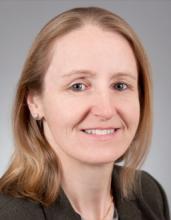
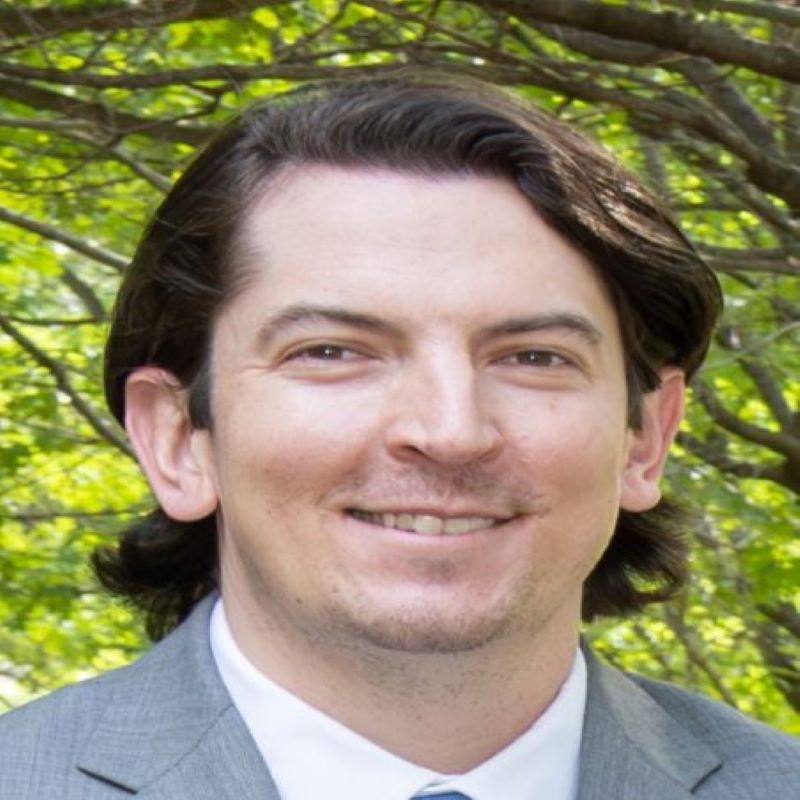
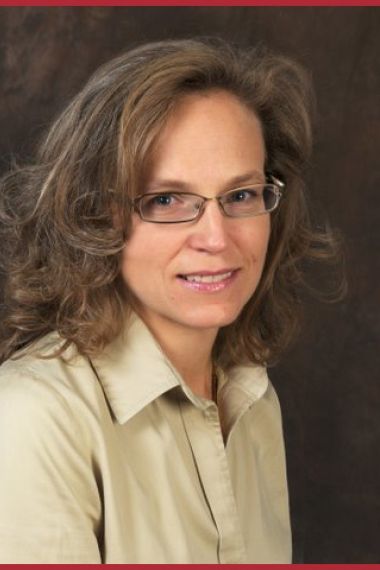
Rosalyn Adam is Associate Professor of Surgery at Harvard Medical School and Director of Basic Science Research in Urology at Boston Children's Hospital. Her cell biology research investigates molecular mechanisms of urologic disease and tissue remodeling. Research focuses: Pathologic bladder remodeling mechanisms Novel therapeutic targets for voiding dysfunction Precision-cut bladder slice technology development Current projects include: NIMBLE: Non-Invasive Markers of Bladder deterioration (NIH R01) PARP inhibition for neurogenic bladder complications (DOD) Botulinum toxin efficacy enhancement (DOD) The Adam Lab employs postdoctoral researchers, PhD students, and technicians investigating smooth muscle physiology using molecular biology techniques and functional assessment platforms.
Lars Lund is a Clinical Professor of Urology at the University of Southern Denmark and a Consultant Urologist at Odense University Hospital. He holds an adjunct professorship at Aalborg University since 2016. His academic career includes leadership roles in the Danish and Nordic renal cancer research communities, such as chairing DaRenCa and NoRenCa. He has extensive clinical experience, including roles as a PhD supervisor for over 14 students and involvement in over 15 clinical trials as a principal investigator. Education includes a DMSci from Aarhus University (2001) and specialized training in urology and surgery. His research focuses on renal cancer, erectile dysfunction, and surgical innovations, with notable contributions to shockwave therapy and cryoablation techniques. He has authored over 230 publications, including peer-reviewed articles, book chapters, and guidelines. Lund’s honors include three best poster awards (2013–2015) and leadership in professional organizations like the Danish Association of Urology. His surgical experimental laboratory has trained numerous surgeons, emphasizing practical skills and simulation-based learning.
Shane F. Batie, M.D., is an Assistant Professor in the Department of Urology at UT Southwestern Medical Center. He holds a medical degree from the University of Arizona College of Medicine - Phoenix. He completed his urology residency at the University of New Mexico and a fellowship in pediatric urology at Children’s Health/UT Southwestern. His clinical and research focus centers on pediatric urologic conditions, including congenital anomalies, surgical interventions, and rare genitourinary disorders. Research interests include bladder exstrophy variants, surgical outcomes of pediatric urologic procedures, and management of complex cases such as renal medullary carcinoma and fibrolipoma of the filum terminale. He also explores the clinical utility of diagnostic tools like video urodynamics and strategies to reduce postoperative complications in pediatric patients. Publications highlight advancements in bladder outlet procedures, sexual function in spina bifida patients, and rare tumor cases such as granular cell tumors. His work emphasizes improving surgical techniques and understanding the pathophysiology of uncommon urologic conditions. No scientific awards are listed, and specific grant details or lab affiliations are not provided in the text.
Marie-Andree Harvey is an Associate Professor in the Departments of Obstetrics & Gynaecology and Urology at Queen’s University, affiliated with the School of Medicine within the Faculty of Health Sciences. She holds cross appointments as Division Chair of Urology and chairs the Scientific Committee of the Canadian Foundation for Research on Incontinence. Her clinical expertise spans urogynecology, pelvic reconstructive surgery, and childbirth-related pelvic floor trauma. Dr. Harvey completed her MD at Université Laval (1992), Fellowship in Obstetrics/Gynaecology at McGill University (1997), and a Master’s in Clinical Epidemiology (University of Ottawa, 2005). Her research focuses on urinary incontinence management, prolapse surgery outcomes, and the natural history of postpartum pelvic floor changes. She has authored over 100 peer-reviewed publications and actively contributes to guideline development for vaginal pessary use, obstetrical anal sphincter injuries, and urodynamic testing standards. Education: MD, Université Laval (1992) Fellowship in Obstetrics & Gynaecology, McGill University (1997) Master’s in Clinical Epidemiology, University of Ottawa (2005) Research Interests: Conservative management of urinary incontinence Surgical innovations for pelvic organ prolapse Impact of childbirth on pelvic floor integrity Long-term outcomes of midurethral sling procedures Neurological mechanisms of pelvic floor dysfunction Awards & Leadership: Past President, Canadian Society of Pelvic Medicine Committee Member, Society of Obstetricians and Gynaecologists of Canada (SOGC) Scientific Committee Chair, Canadian Foundation for Research on Incontinence Grant & Advising Activities: Peer-reviewer for multiple journals and granting agencies Principal investigator on studies evaluating pelvic floor muscle training efficacy Advisor on surgical device safety and clinical trial methodologies Dr. Harvey’s work bridges clinical practice and research, emphasizing patient-centered solutions to pelvic floor disorders while advancing surgical techniques and preventive strategies through epidemiological insights.
Els van Asselt is an Assistant Professor at Erasmus MC, specializing in neuroscience and urology. Her research focuses on androgen receptor distribution in neural structures (e.g., brainstem, spinal cord) and neuromodulation techniques for bladder and anal sphincter dysfunction. She employs animal models (cats, rats) to investigate mechanisms underlying detrusor overactivity and neuromodulation efficacy. Key research areas include androgen receptor localization in the central nervous system, transcutaneous electrical nerve stimulation (TENS) for bladder control, and discriminant analysis for predicting bladder voiding. Collaborations involve interdisciplinary teams exploring neuromodulation protocols and anatomical pathways. Her work has been published in journals like Journal of Anatomy and Biomedical Signal Processing and Control . While no awards are explicitly listed, her research has garnered citations in peer-reviewed articles and Mendeley readership.
Harris E. Foster Jr., MD, is a Professor of Urology at the Yale School of Medicine, specializing in voiding dysfunction, neurogenic bladder, and benign prostatic hyperplasia (BPH). He holds affiliations with the Veteran’s Administration Connecticut Healthcare System, Gaylord Rehabilitation Hospital, and The Hospital for Special Care. His research focuses on pharmacological and phytotherapeutic treatments for BPH and interstitial cystitis. Dr. Foster earned his MD from the University of Miami School of Medicine and completed his urology residency at the University of Michigan Hospitals. He has authored numerous peer-reviewed publications and serves on national guideline committees, including the American Urological Association (AUA) BPH and Overactive Bladder (OAB) guidelines committee. His awards include the Cardura International Competitive Award and the Alpha Omega Alpha honor society membership. Dr. Foster’s clinical interests span general urology, with a focus on non-surgical interventions for urological conditions. Education: MD, University of Miami School of Medicine (1987) Residency in Urology, University of Michigan Hospitals (1992) Research Interests: Pharmacotherapy for BPH and interstitial cystitis Urodynamics and voiding dysfunction Role of α1-adrenoceptors in genitourinary physiology Publications: Dr. Foster’s recent work emphasizes guideline development, clinical trials on BPH treatments, and molecular mechanisms in urological disorders. His articles reflect a focus on improving symptom management and quality of life for patients with chronic urological conditions. Awards: Cardura International Competitive Award (1999, 1998) YSM Award for Urological Teaching (1999) Alpha Omega Alpha Medical Honor Society (1986) Grants & Advising: He has led NIH-funded clinical trials and chairs the Interstitial Cystitis Collaborative Research Network. His mentorship is evident through collaborations with researchers like Robert Weiss and Morton Glickman. Labs & Teams: Active in the Yale Urology Bulldog Debates and interdisciplinary teams addressing BPH and neurogenic bladder management.
Marianne Casilla-Lennon, MD is an Assistant Professor of Urology at Yale School of Medicine. She serves as Director of Medical Education and Director of the Resident Medical Education Fellowship in the Department of Urology, as well as Urology Resident Director at the West Haven Veterans Affairs Medical Center. She provides comprehensive care for both men and women with clinical expertise in erectile dysfunction, kidney stones, urinary incontinence, overactive bladder, benign prostatic hyperplasia (BPH), prostatic diseases, and urinary tract obstruction. Her research focuses on health systems, medical education, and clinical urology. She has published extensively on urologic surgical education, physician pregnancy issues, and pediatric urologic emergencies. Her work demonstrates a commitment to improving both patient care and medical training systems. She has developed innovative educational initiatives including a urologic surgery skills fair for medical students and comprehensive curricula for clerkships and sub-internships. Dr. Casilla-Lennon's publications reveal trends toward improving surgical education, addressing gender-specific issues in medicine, and optimizing emergency urologic care. Her work spans from clinical urology to medical education innovation, with particular emphasis on practical applications that improve patient outcomes and training experiences. She is deeply committed to individualized, patient-centered care, stating: 'My goal is to ensure patients feel heard, informed, and empowered to take an active role in their care.' Her educational leadership extends to mentoring medical students and residents through scholarly projects, professional development, and clinical education, reflecting a dedication to training the next generation of urologists.
Maria Paula Domino, MD, is an Assistant Professor and Associate Program Director in the Department of Surgery at the University of Mississippi Medical Center. A graduate of the University of South Florida (4.0 GPA) and Florida State University College of Medicine (Gold Humanism Honor Society), she completed her urology residency at the University of Florida and a fellowship in Voiding Dysfunction and Pelvic Reconstruction at Memorial Sloan Kettering Cancer Center. Born in Cordoba, Argentina, moved to the U.S. at 18 Specializes in improving quality of life for patients with urinary incontinence Certified in Single Port Robotic Surgery (Intuitive Da Vinci) Her research and clinical focus spans urology, voiding dysfunction, pelvic reconstruction, and robotic surgical techniques. She has received multiple honors for her contributions to women in medicine and patient-centered care. 2024 Recognition for advancing women in medicine and science 2023 T. Leon Howard Imaging Competition First Place Dr. Domino maintains active licensure in Mississippi, New York, and through the DEA, while serving at two UMMC locations in Mississippi (Canton and Ridgeland). She emphasizes holistic patient care influenced by her upbringing in a third-world country.
Dr. Trevor Dorkin is a researcher at Newcastle University, affiliated with the Faculty of Medical Sciences and the Institute of Cellular Medicine. He has made sustained contributions to urology, particularly in clinical urology, urological oncology, and surgical outcomes. His work spans from molecular pathology to health services research and clinical guidelines. Research Interests: His primary fields include Urology , Prostate Cancer , Urethral Stricture , Testicular Torsion , Laparoscopic Surgery , and Molecular Pathology . His research integrates clinical practice with molecular analysis, aiming to improve diagnostic accuracy and treatment outcomes. The recent publications, including the 2022 BURST-BAUS consensus document and the 2021 OPEN trial cost-effectiveness analysis, reflect a strong trend toward evidence-based practice, guideline development, and health economic evaluation in urological care. Earlier works focus on molecular mechanisms in prostate cancer, showing a long-standing interest in oncological pathways and biomarkers. Dr. Dorkin has collaborated extensively with leading urological researchers such as Professor Christopher Harding, Rob Pickard, and Professor David Neal. While no formal awards are listed, his involvement in high-impact clinical trials and systematic reviews underscores his role in advancing urological science. Advising and Grants: There is no explicit mention of students or grant funding in the provided text. However, his repeated involvement in multi-center studies suggests participation in collaborative research networks and likely access to external funding. Labs and Teams: Dr. Dorkin appears to be part of a broader urological research group at Newcastle University, contributing to both clinical and molecular research streams. His work with the BURST-BAUS group indicates active participation in national consensus-building initiatives in urology.
Dr. Andrea Staack is an Associate Professor in the Department of Urology at Loma Linda University School of Medicine. With an MD and PhD, she has established herself as a prominent researcher and clinician specializing in female pelvic medicine and reconstructive urology. Academic Position: Associate Professor of Urology Institution: Loma Linda University School of Medicine Research Focus: Bladder dysfunction, urinary incontinence, sacral neuromodulation Dr. Staack's research interests center on female pelvic medicine, with particular focus on bladder dysfunction, urinary incontinence, and innovative treatment approaches. Her work spans clinical investigations into the effects of lifestyle factors (such as caffeine consumption) on bladder function, advanced imaging techniques including translabial ultrasound for mesh evaluation, and pain management strategies in urological procedures. She has made significant contributions to understanding sacral neuromodulation techniques, particularly in radiation reduction during implantation procedures. Her publication record demonstrates a consistent research trajectory with 58 publications spanning from 2001 to 2024. Recent work shows increased focus on mindfulness interventions in urodynamics, liposomal bupivacaine for pain control, and the complex relationship between caffeine intake and both bladder function and mental health. The research spans multiple methodologies including randomized controlled trials, prospective studies, and retrospective analyses. Dr. Staack has been Principal Investigator on numerous research projects at Loma Linda University Department of Urology, with active projects extending through 2024. Her research portfolio includes investigations into risk factors for dysfunctional voiding, outcomes of various incontinence treatments, and efficacy of novel pain management approaches following reconstructive surgery. Her work demonstrates strong collaboration with colleagues across multiple institutions, with frequent co-authorship with researchers specializing in pelvic floor disorders, radiology, and pain management. Dr. Staack's research has practical clinical applications, directly informing treatment protocols and patient care standards in urology.
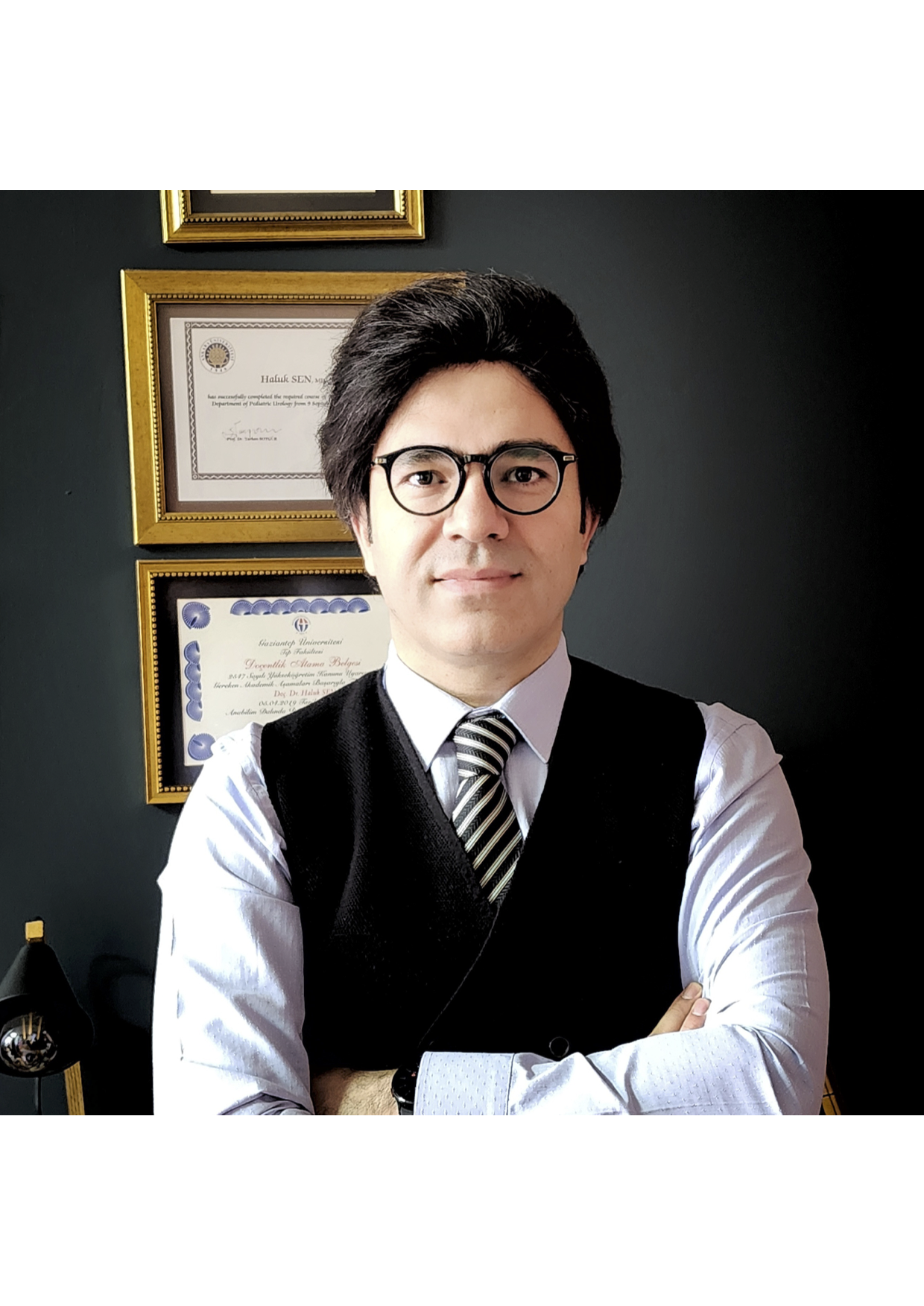
Professor HALUK ŞEN is a distinguished academic and urologist at Gaziantep University Faculty of Medicine, Department of Surgical Medicine, specializing in Urology. He was promoted to Professor in 2024, having previously served as Associate Professor (2018-2024) and Assistant Professor (2013-2018) at the same institution. His academic journey began with medical education at Firat University Faculty of Medicine (1993-1999), followed by specialty training in Urology at Gaziantep University (2003-2007). His extensive research portfolio spans Pediatric Urology, Renal Stones Treatment, Retrograde Intrarenal Surgery, Ureteral Reflux, Non-Neurogenic Voiding Disorders, and Urethral Diseases. Professor ŞEN has authored numerous publications including 50 journal articles and 15 book chapters, with his most recent work focusing on innovative surgical techniques and their outcomes in both pediatric and adult urological conditions. His research demonstrates a clear progression from basic clinical studies to more complex investigations involving molecular markers and advanced surgical techniques. Professor ŞEN has supervised four medical specialization theses and led three university-funded research projects. His work has been recognized with multiple prestigious awards including Best Presentation Awards from the Endourology Association and Turkish Urological Association. He actively participates in national and international conferences, contributing to the advancement of urological knowledge through both oral presentations and poster sessions. His professional affiliations include the European Society for Pediatric Urology, European Association of Urology, Turkish Pediatric Urology Association, and Turkish Urological Association Southeastern Branch. Within Gaziantep University, he holds significant administrative positions including Faculty Board membership and has previously served as Deputy Dean, demonstrating leadership in academic governance and educational administration.
Anubhav Agrawal, M.D., is an Assistant Professor in the Department of Obstetrics & Gynecology at the University of California, San Francisco (UCSF). He is based at the UCSF Fresno campus and holds the formal title of Volunteer Assistant Clinical Professor. His clinical and academic focus is on female pelvic medicine and reconstructive surgery (urogynecology), with particular expertise in robotic and minimally invasive surgical techniques for pelvic organ prolapse, urinary incontinence, and fecal incontinence. Education: MD, New York Medical College (2009) OBGYN Residency, State University of New York, Downstate Medical Center (2013) Female Pelvic Medicine and Reconstructive Surgery Fellowship, University of Louisville (2016) LIGO Surgical Masters Course in Total Laparoscopic Hysterectomy, Fresno (2017) Research Interests: Dr. Agrawal’s research centers on improving surgical outcomes in urogynecologic procedures, particularly through robotic and laparoscopic approaches. His work explores patient education, surgical anatomy, and the safety and efficacy of advanced surgical techniques. He has contributed to understanding vaginal mesh complications, patient perceptions of robotic surgery, and the development of educational tools for both patients and trainees. His publications span a range of topics including vaginal microbiome changes after mesh exposure, accuracy of bladder scanning in prolapse patients, and the readability of patient education materials. These studies reflect a commitment to evidence-based practice and patient-centered care. Awards and Honors: Schuyler G. Kohl Outstanding Chief Resident Teacher Award (2013) UCSF Fresno Physician Champions (2016) 3rd Place, UCSF Fresno Quality Improvement Symposium (2017) CREOG National Faculty Award (2017) UCSF Fresno Outstanding Attending Teacher Award (2018) Clinical Practice and Teaching: Dr. Agrawal is actively involved in clinical practice at UCSF Fresno, where he provides specialized care in urogynecology. He is recognized for his excellence in teaching and mentoring residents and medical students. His clinical expertise includes robotic-assisted surgeries, minimally invasive procedures, and comprehensive management of pelvic floor disorders.
Dr. Yazan Al Salhi is a Researcher at the Department of Medical-Surgical Sciences and Biotechnologies, Sapienza University of Rome, specializing in urology, prostate cancer, and minimally invasive surgical techniques. His work bridges clinical outcomes with emerging technologies, including AI applications in diagnostics. Research focus on prostate cancer detection, robotic surgery, and urinary tract health Active in evaluating surgical technologies and their impact on patient quality of life Contributor to environmental impact assessments of surgical procedures Recent publications highlight his expertise in: Medical imaging (MRI fusion biopsies, PI-RADS scoring) Sexual dysfunction and quality-of-life metrics post-surgery Pharmacovigilance of urological treatments Climate sustainability in surgical practices
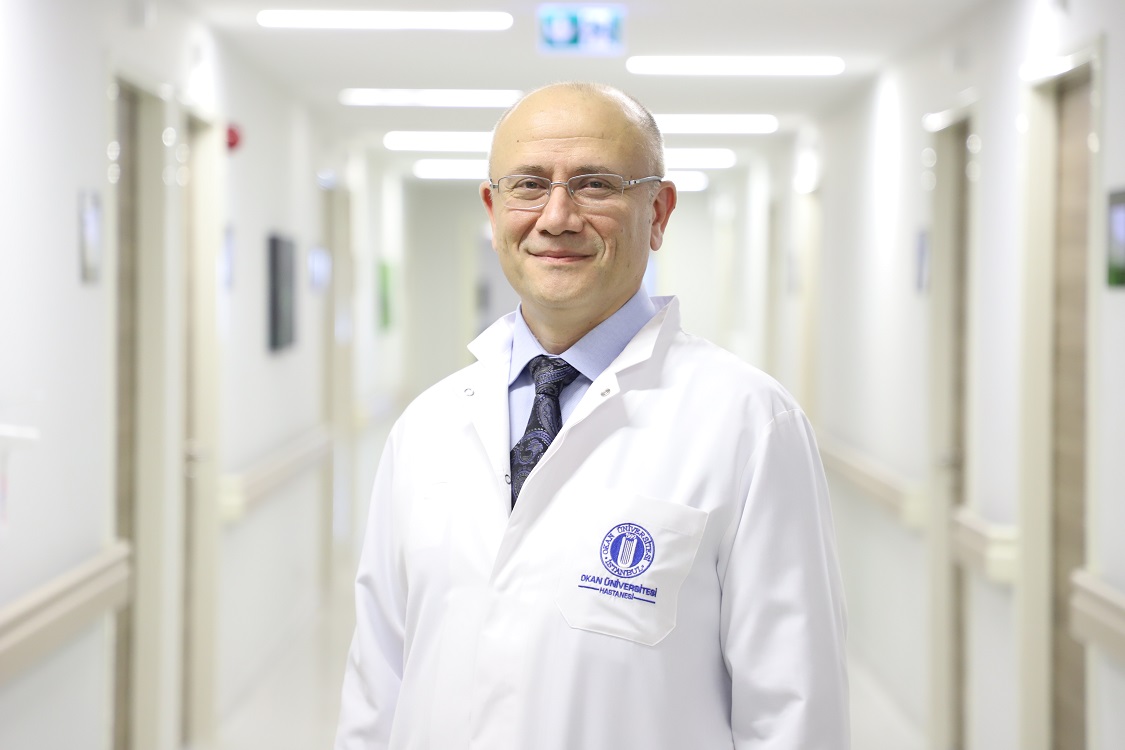
Dr. Mehmet Erkan Erbay is a Lecturer in the Urology Department at Istanbul Okan University Faculty of Medicine, where he has been working since March 2019. Previously, he served at a private hospital in Tuzla until February 2019 and in Istanbul Pendik from 2012-2019. He completed his medical education at Ege University Faculty of Medicine in 1992 and specialized in Urology at Dr. Lütfi Kırdar Kartal Training and Research Hospital, where he also served as Chief Resident until July 2007. His research spans multiple urological subspecialties with particular focus on functional urology and reconstructive procedures. Dr. Erbay has made significant contributions to the understanding of urinary incontinence, urethral strictures, vesicoureteral reflux, and male sexual dysfunction. His work combines clinical practice with translational research, particularly in the areas of urodynamics, endourology, and minimally invasive surgical techniques. Analysis of his publication record reveals a consistent research trajectory with recent emphasis on sexual aspects of urinary function, diagnostic tools for lower urinary tract symptoms, and innovative approaches to complex urological reconstructions. His work bridges basic science with clinical applications, particularly in the areas of pelvic floor disorders and reconstructive urology. Best poster second place award at 1st National Urogynecology Congress (1999) Dr. Erbay has been actively involved in numerous national and international urological associations and has participated extensively in educational activities, serving as a course instructor particularly in urodynamics. His professional memberships include Turkish Urology Association, Incontinence Association, Andrology Association, Marmara Urology Association, Urogynecology Association, Endourology Association, and Urological Surgery Association. He has presented at over 25 national urology congresses and several international meetings including the EAU Congress in Paris.
Aruna V Sarma is a Research Professor in the Department of Epidemiology at the University of Michigan School of Public Health and serves as Assistant Dean of Research Faculty at the University of Michigan Medical School. She also holds the position of Chief and Professor in the Dow Division of Health Services Research within the Department of Urology. Dr. Sarma earned her PhD from the University of Michigan in 1999, following an MHA (1994) and BS (1992) from Indiana University. Her extensive academic background has positioned her as a leading researcher in urological complications of diabetes. Dr. Sarma's research program focuses on the epidemiology and natural history of lower urinary tract dysfunction, particularly examining the relationship between diabetes and urologic complications. Using epidemiologic and clinical datasets, population-based cohort studies, and clinical trials, she has established herself as a prominent researcher in Urology nationally. Her work has played a significant role in developing the epidemiologic approach to urologic research within the Department of Urology. Analysis of Dr. Sarma's recent publications reveals a strong focus on urological complications in diabetes, particularly examining lower urinary tract symptoms, erectile dysfunction, and sexual function in both type 1 and type 2 diabetes patients. Her research often utilizes large cohort studies like the DCCT/EDIC and Diabetes Prevention Program, with particular attention to gender differences in urological outcomes. A notable trend in her recent work includes qualitative studies examining patient experiences with urinary conditions and the psychosocial impact of these conditions. Inducted member of the American College of Epidemiology Chair of the Epidemiology Committee for the International Consultation on Urologic Diseases Dr. Sarma directs the University of Michigan UroEPI Career Development Program, a K12 career development program designed to train academic scholars in benign urology epidemiology. She serves on numerous local and national committees and is an active member of the American Urologic Association, American Diabetes Association, and Society of Epidemiologic Research.