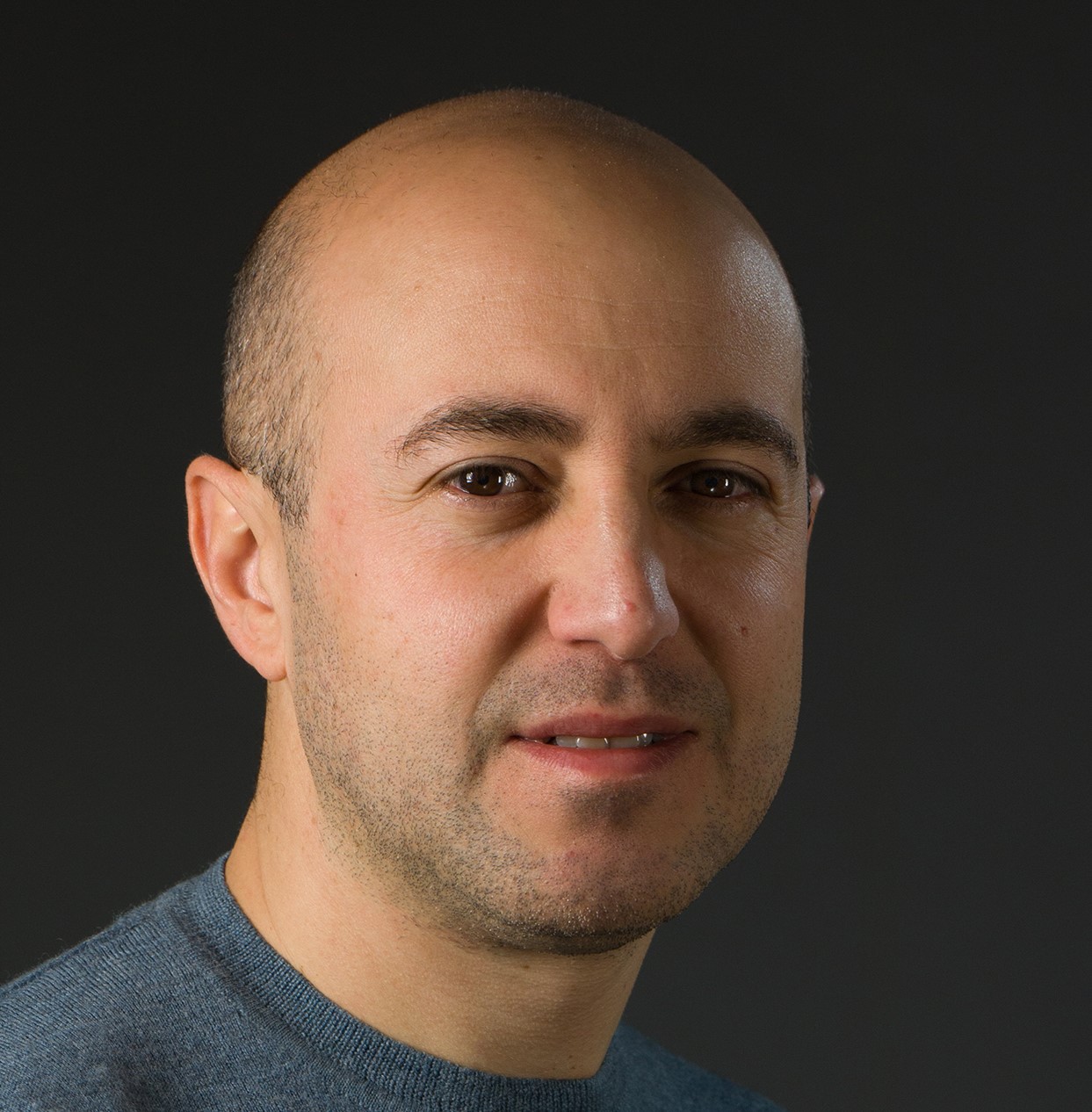
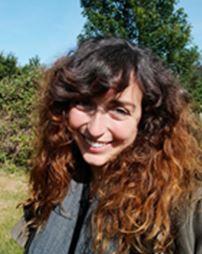
Prof. Helmut Grabner is a Professor at the Zurich University of Applied Sciences (ZHAW), leading the Visual Intelligence and Applications Group and the Entrepreneurship initiatives within the School of Engineering. His work bridges computer science, medical technology, and visual communication, with a focus on Extended Reality (XR), surgical training simulations, and AI-driven decision making. Education: PhD in Computer Science (Graz University of Technology, 2008), Master's in Computer Science (2008), and a Certificate of Advanced Studies in Higher Education (ZHAW, 2021). Prior to academia, he held roles including CTO at Logitech and co-founder of upicto, applying computer vision in industry and startups. Research spans augmented reality medical training tools, NMR spectrum analysis via deep learning, and understanding visual engagement in advertising. Awards include the prestigious Koenderink Prize (2018) for contributions to computer vision. Projects include Immersive Education frameworks, bias-mitigation in venture capital algorithms, and surgical proficiency measurement systems. Teaching includes courses on Visual Computing, Machine Learning, and Deep Learning. His work integrates academic research with practical applications in healthcare, education, and entrepreneurship.
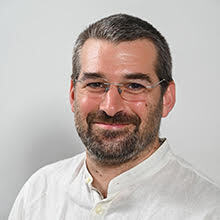
Dr. Chris Chesher is a Senior Lecturer in Digital Cultures within the Discipline of Media and Communications at the University of Sydney's Faculty of Arts and Social Sciences. He co-founded both the Digital Cultures program and the Master of Digital Communication and Culture at the University. Previously, he served as a senior lecturer in the School of Media and Communications at the University of New South Wales. His academic career spans interdisciplinary research at the intersection of digital media, cultural studies, and technology. Dr. Chesher's educational background includes: PhD from Macquarie University Master of Arts (Interdisciplinary Studies) from the University of New South Wales Bachelor of Arts (Media and Communications) from Mitchell CAE (now Charles Sturt University) Dr. Chesher's research adopts a transdisciplinary approach connecting digital cultures, media studies, and cultural studies with philosophy of technology, science and technology studies, games studies, internet studies, sociology of technology, human-computer interaction, social robotics, cultural robotics, and digital humanities. His work challenges conventional understandings of human-machine relations and explores the cultural implications of emerging technologies through projects on robotics beyond anthropomorphism, invocational media theory, and smart urban environments. His recent publications reveal a strong thematic focus on robotics, AI, and digital media theory, with particular attention to non-anthropomorphic approaches to social robotics, invocational media theory, and smart urban environments. The publications demonstrate his consistent engagement with how digital technologies reshape human experience, social relations, and spatial understanding across multiple domains including banking, restaurants, street furniture, and home environments, reflecting both theoretical depth and practical relevance. Dr. Chesher has received recognition for his teaching excellence: 2023 - University of Sydney Faculty of Arts and Social Sciences Teaching Innovation Award As an academic supervisor, Dr. Chesher has guided multiple PhD candidates to completion across diverse topics including digital gambling, game items in digital environments, user regulation on Facebook, and climate change visualizations. His grant history demonstrates sustained research funding, including the Australia-Korea Partnership on Mobile Robot Development in Public Space (2019), Public Forum on Urban Robots and the Future City (2018), and Everyday Social Media Network (2014), highlighting his leadership in collaborative, interdisciplinary research initiatives. Dr. Chesher is actively involved in collaborative research through the Sydney Institute for Robotics and Intelligent Systems (SIRIS) at the University of Sydney, where he contributes to projects examining the cultural dimensions of robotics and AI beyond anthropomorphic frameworks, bridging technical innovation with critical cultural analysis.
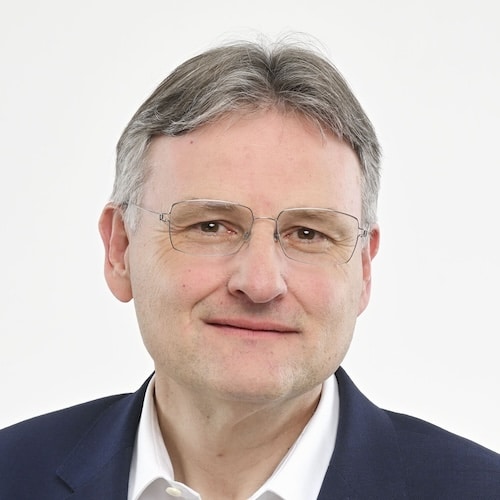
Slim Essid is a Full Professor at Télécom Paris, leading the Audio Data Analysis and Signal Processing (ADASP) group. He holds a Doctorat (Ph.D.) and Habilitation from Université Pierre et Marie Curie (UPMC). With 15+ years of research experience, he has advised 15 PhD graduates and currently co-advises 10 others. His work focuses on machine learning, signal processing, and multimodal systems, publishing over 150 peer-reviewed papers. He serves as a reviewer for top journals/conferences (e.g., IEEE Transactions) and research funding agencies. Education: State Engineering Degree, École Nationale d’Ingénieurs de Tunis (2001) M.Sc. (D.E.A.) in Digital Communication Systems, École Nationale Supérieure des Télécommunications, Paris (2002) Ph.D., Université Pierre et Marie Curie (2005) Habilitation (HDR), UPMC (2015) Research Interests: Multimodal learning, self-supervised representations, audio-visual segmentation, music structure analysis, domain generalization, and speech enhancement. Recent publications highlight innovations like TACO (training-free sound-prompted segmentation) and CLOUDS (domain-generalized semantic segmentation framework using foundation models). His work bridges audio processing with vision and language models, emphasizing unsupervised/zero-shot approaches. Key achievements include state-of-the-art methods in sound event detection, speaker diarization, and music segmentation. He collaborates with 14 post-docs and leads projects funded by French/EU agencies.
Aleksandar Jevremović is a Full Professor at the Faculty of Informatics and Computing, Singidunum University (Belgrade, Serbia), and holds multiple academic and professional roles. He is the Serbian representative at the UNESCO IFIP Technical Committee on Human-Computer Interaction since 2018. He has served as Vice-Dean of his faculty (2015–2018) and held visiting professorships at institutions like Ss. Cyril and Methodius University (North Macedonia) and Tallinn University (Estonia). His research focuses on cybersecurity, IoT, AI, and e-learning innovation. Education and Affiliations: External Researcher at the Mathematical Institute of the Serbian Academy of Sciences and Arts Visiting Scholar at Cyprus Interaction Lab (Cyprus University of Technology) Alumni/Postdoc Researcher at Tallinn University's HCI Group Member of IEEE and the Informatics Association of Serbia Research Interests: Jevremović’s work spans cybersecurity (e.g., intrusion detection, secure IoT protocols), human-computer interaction (HCI), AI-driven education tools, and neurotechnological applications like EEG-based assessment systems. He emphasizes practical solutions for digital safety, such as children’s online protection and cryptographic key generation from biometric data. Grants and Projects: Member of the External Advisory Committee for the EU-funded ONTOCHAIN project (2022–2023) Mentor for training schools like AAPELE Training School and NET4Age-Friendly initiatives Trainer in IoT, cybersecurity, and health promotion programs across Europe Labs and Teams: He collaborates with interdisciplinary teams on projects like CASPER (Children Agents for Secure and Privacy Enhanced Reaction) and led the development of WIDE, a collaborative web development education platform.
Sebastiano Vascon is an Associate Professor at Ca' Foscari University of Venice's Department of Environmental Sciences, Computer Science and Statistics (DAIS), and affiliated with the European Center for Living Technology. He earned his PhD in 2016 from the Italian Institute of Technology and University of Genoa, focusing on evolutionary game theory in pattern analysis and computer vision. His postdoctoral work spanned institutions like the Technical University of Munich and ETH Zurich, where he specialized in Active Learning and multi-object tracking. His research merges AI with interdisciplinary challenges, including climate change, environmental science, and cultural heritage preservation. Key areas include graph neural networks, computer vision, and game-theoretic models. He leads projects like RePAIR (AI for cultural heritage reassembly) and EasyWalk (AI-driven mobility solutions), and contributes to initiatives like MEMEX (digital storytelling). Teaching spans courses in Deep Learning, Machine Learning for Environmental Applications, and AI in Cultural Management. Research projects include: RePAIR: AI-driven 3D puzzle solving for artifact reconstruction EasyWalk: Socially-aware navigation systems MEMEX: AI for inclusive digital storytelling Climate modeling with IceBoost framework Publications highlight innovations in trajectory forecasting, environmental risk assessment, and graph-based methods. He actively reviews for top conferences (CVPR, ECCV) and journals.
Timo Fleischer is an Associate Professor in the Chemistry Didactics Working Group at the University of Salzburg, affiliated with both the Faculty of Natural and Life Sciences and the School of Education. He leads key educational innovation projects including EXBOX-Digital, ChemGerLab-VR, and RECC Salzburg, and plays a significant role in digital science education development. Education: Bachelor of Science in Geography and Chemistry, University of Kiel (2011) Master of Education in Geography and Chemistry, University of Kiel (2013) PhD in Science Education, TUM School of Education (2017) Habilitation in Chemistry Didactics, University of Salzburg (2024) His research focuses on the effectiveness of digital media in teacher education and chemistry classrooms, the development of digital teaching and learning materials, and the integration of experimentation and modeling in science education. He is particularly interested in how digital tools support the learning of chemical language and representations. His work bridges educational theory and practical classroom innovation. His recent publications demonstrate a strong emphasis on digital scaffolding, augmented and virtual reality in chemistry labs, eye-tracking during experiments, and the use of fiction as an anchor in science teaching. These works reflect a trend toward immersive, technology-enhanced, and student-centered learning environments in science education. Scientific Awards: Ehrenurkunde Polytechnik-Preis 2022 – Projekt EXBOX-Digital Kulturfondspreis 2020 für das Projekt MINT:labs Science City Itzling Comenius-EduMedia-Siegel für EXBOX-Digital (2020) Qualitätslabel „Regional Educational Competence Centre“ (RECC) (2018–2021) Junior-Fellowship, Kolleg Didaktik:digital (2016–2017) Timo Fleischer has supervised various research projects and collaborated with numerous colleagues and students, though specific advisees are not listed. He has secured recognition and funding for initiatives such as EXBOX-Digital and MINT:labs, indicating successful grant acquisition. He is actively involved in teacher training, curriculum development, and science communication. He leads several innovative labs and teams, including ChemGerLab-VR (a virtual reality chemistry lab), EdTechAll, and the development of MINT:labs Science City Itzling. These initiatives focus on creating digital, hands-on, and inclusive science learning environments for both students and teachers.
Dr. Gabrie Meesters is an Associate Professor in the Department of Chemical Engineering at Delft University of Technology (TU Delft), Faculty of Applied Sciences. He is affiliated with the Product and Process Engineering (PPE) section, where his research centers on product-driven process design and particle technology, often in collaboration with industrial partners. His academic background includes an MSc and PhD in Chemical Engineering from TU Delft, completed in 1992. He previously balanced his academic role with R&D positions at DSM in Delft, working one day per week at the university until 2019, when he transitioned to full-time academia. His research interests include: Product Driven Process Design Particle Technology Product Formulation Fluidization of Cohesive Powders Hydrodynamics in Multiphase Systems Nanoparticle Clustering and Dispersion Recent publications highlight a strong focus on experimental and imaging techniques such as X-ray imaging and radioactive particle tracking to study fluidization behavior, vibrational effects, and nanoparticle interactions. These works fall within the broader domains of chemical engineering, materials science, and process systems engineering. He supervises PhD candidates, including Rens Kamphorst, and contributes to educational programs by teaching courses such as Product and Process Design (PPD), Conceptual Design Project (CDP), and Particle Technology for Health and Energy. He also serves as a contact person for internship inquiries. His research group maintains active collaborations with industry and academic partners, supported by access to advanced instrumentation and facilities at TU Delft.
Mark Bo Jensen is an Assistant Professor (Tenure track) at the Department of Engineering Technology and Didactics, Energy Technology and Computer Science at the Technical University of Denmark (DTU). His work bridges engineering and cognitive sciences through the emerging field of Perception Engineering. His research focuses on Extended Reality (XR) and Virtual Reality (VR) technologies to model and understand human perception and cognition. With over 10 years of expertise in real-time computer graphics, he develops immersive systems for applications in data visualization, medical testing, and geometric morphometrics. His recent publications highlight a strong trend in leveraging VR for precise human interaction tasks, such as anatomical landmark annotation and visual field testing, as well as advancing rendering techniques using diffusion models and mesh optimization. This reflects a multidisciplinary approach combining computer science, perception, and real-world applications. He has contributed to multiple research projects, including AL-EYE: The Visual Aid and Virtual Reality-Based Visualization of Geometric Data, where he served both as a PhD student and a project participant. These projects emphasize VR-based tools for data understanding and visualization. Assistant Professor (Tenure track), DTU PhD in Virtual Reality-Based Visualization of Geometric Data, completed June 2023 Project participant in AL-EYE: The Visual Aid (2025) While no formal advisees are listed, his role as a faculty member suggests future student supervision. He has collaborated extensively with researchers such as Jeppe R. Frisvad, Jakob Andreas Bærentzen, and Vedrana A. Dahl.
Simone Ferlin is an Adjunct Senior Lecturer at Karlstad University working with 5G and Internet evolution. She completed her PhD in computer science in 2017 at the Simula Research Lab and Universitetet i Oslo under the supervision of Dr. Ozgu Alay and Prof. Michael Welzl. Her PhD dissertation focused on increasing robustness in multipath transport with MPTCP. Dr. Ferlin's educational background includes a PhD in Computer Science from the Simula Research Lab and Universitetet i Oslo (2017). Her doctoral research centered on enhancing robustness in multipath transport protocols, specifically focusing on MPTCP (Multipath TCP). She also completed undergraduate work that contributed to a book project with Prof. Friedrich Oehme on electronics and circuit technology. Dr. Ferlin's research spans multiple domains at the intersection of networking, systems, and performance engineering. Her primary interests include network and system measurements, performance analysis, security, and congestion control. She investigates how networks like the Internet evolve, examining technology development, adoption patterns, and their impacts on various entities. Additionally, she explores ways to harmonize security and privacy while making them more usable and assessable. Her work particularly focuses on transport layer and multipath transport protocols, examining their performance and security aspects. She also investigates application and transport layer performance, automation, and monitoring. Her research extends to network programming in both Linux kernel and user space, mobile broadband networks from 2G to 5G, and their intersection with the Internet. She is deeply engaged in observability, distributed and system performance monitoring, and automation. Analysis of Dr. Ferlin's recent publications reveals a strong focus on next-generation networking technologies. Her work spans multiple domains including 5G/6G networks, transport protocols (particularly QUIC and MPTCP), network virtualization, container orchestration, and the application of machine learning to networking problems. She has increasingly incorporated large language models into network configuration and automation research. Her publications demonstrate a consistent emphasis on performance measurement, optimization, and security across diverse networking environments from the edge to the cloud. Dr. Ferlin has received notable recognition for her research contributions: Best paper award at IEEE ICIN'21 for 'Learning-based Incast Performance Inference in Software-Defined Data Centers' Applied Networking Research Prize (ANRP)'25 winner for 'NetConfEval: Can LLMs Facilitate Network Configuration?' Dr. Ferlin is actively involved in mentoring the next generation of networking researchers. She has co-supervised numerous Master's and PhD students across multiple institutions including Karlstad University, KTH, TU Berlin, University of Oslo, and universities in Brazil. Her students have worked on diverse topics including NAT64 performance comparison, system tracing visualization, network observability, ML applications to multipath transport, FEC integration with QUIC, high-performance networking for 5G, congestion control, shared bottleneck detection, multipath IoT applications, and container runtime performance. She is also involved in several significant research projects including Vinnova's SEMLA (Securing Enterprises via Machine-Learning-based Automation), Horizon Europe's CODECO (Cognitive Decentralised Edge Cloud Orchestration), and the Knowledge Foundation of Sweden's DRIVE (Data-driven Latency-Sensitive Mobile Services for a Digitized Society). Dr. Ferlin serves as Workshop Chair for ACM SIGCOMM '25, is a member of the ACM/IRTF Applied Networking Research Workshop (ANRW) steering committee, and co-chairs the Internet Congestion Control Research Group (ICCRG) at the IRTF. She previously served as Associate Technical Editor for IEEE Communications Magazine and has been active on numerous program committees for major networking conferences including SIGCOMM, CoNEXT, IMC, and PAM.
Cecilio Angulo Bahón is a full Professor at the Polytechnic University of Catalonia (UPC), affiliated with the Barcelona School of Industrial Engineering (ETSEIB) and the Department of Systems, Automatics and Industrial Informatics Engineering . He leads research in Artificial Intelligence and Robotics , with significant contributions to healthcare data analytics, digital twins, and human-robot collaboration. His research spans machine learning for medical data harmonization, generative adversarial networks in health informatics, and evolutionary algorithms for control systems. Recent publications focus on synthetic healthcare data generation, climate-resilient agriculture , and UMAP-based data analysis . His work bridges AI theory with practical applications in industrial and healthcare domains. Scientific awards include the Sant Jordi 2023 Digital Polytechnic Initiative Award . He has supervised doctoral candidates like Carlos Flores-Vázquez and N. Raya, with key collaborations at the IDEAI-UPC Intelligent Data Science and AI Research Group and the Institute of Robotics and Industrial Informatics (CSIC-UPC).
Andreas Kugi is the Scientific Director at the AIT Austrian Institute of Technology and a full professor of Complex Dynamical Systems at TU Wien (Vienna University of Technology) in the Faculty of Electrical Engineering and Information Technology, Institute of Automation and Control. He has held significant academic and leadership roles across Europe, including professorships at Saarland University and offers from TU Dresden and KIT. His research focuses on the modeling, control, and optimization of complex dynamical systems , with strong applications in mechatronics, robotics, and industrial automation . He has led major research centers such as the Christian Doppler Laboratory for Model-Based Process Control in the Steel Industry and the Center for Vision, Automation & Control at AIT. His work bridges theoretical control design and real-world industrial implementation. The recent publications reflect a consistent focus on nonlinear, hybrid, and distributed parameter systems , with applications in robotics, manufacturing, energy, and process industries. His research integrates advanced control theory with practical engineering challenges, emphasizing real-time optimization, robustness, and system efficiency. Scientific Awards: Mechatronic Systems Outstanding Investigator Award (IFAC, 2022) Goldene Stefan-Ehrenmedaille (OVE, 2023) 16 best paper awards Andreas Kugi has supervised over 50 completed PhD dissertations and has been deeply involved in research leadership, including serving as Editor-in-Chief of Control Engineering Practice (2010–2017) and Vice President of the OVE Austrian Electrotechnical Association (2017–2023). He has secured and led numerous research grants, particularly through industrial collaborations in automation and process control. He leads and contributes to major research initiatives, including the Center for Vision, Automation & Control at AIT and the Christian Doppler Laboratory , fostering interdisciplinary teams focused on industrial digitalization and smart systems.
Prof. Maria Alessandra Umiltà is an Associate Professor of General Physiology at the University of Parma’s Department of Food and Drug Sciences. She holds adjunct positions at Columbia University’s Department of Art History and Archaeology (since 2010) and has held visiting roles at University College London. Her research focuses on the cortical motor system’s role in cognitive functions, social cognition, and embodied perception. She has contributed to projects like NeuroProbes and NEUROBOTICS, advancing technology for neural recording. Education: BSc in Biological Sciences (University of Bologna, 1996) PhD in Neuroscience (University of Parma, 2000) Research Interests: Prof. Umiltà investigates how motor systems underlie higher cognitive functions, including action understanding, emotional perception, and aesthetic evaluation. Her work bridges neuroscience with art, film, and social interaction, employing EEG, fMRI, and behavioral studies. Recent studies explore trauma’s impact on social cognition and embodiment in cinematic experiences. Articles Trends: Recent publications emphasize embodied cognition’s role in aesthetic judgment, emotional processing, and motor inhibition in language. Key themes include cross-modal correspondences, trauma’s neurobiological effects, and sensorimotor mechanisms in film perception. Grants & Projects: EU-funded NeuroProbes and NEUROBOTICS projects (neural interface tech) PRIN projects on motor cognition and mirror systems Labs/Teams: Collaborates with interdisciplinary groups studying art neuroscience, trauma effects, and embodied interaction. Leads studies on sensorimotor foundations of perception at the University of Parma.
Jacek Gwizdka is an Associate Professor and Director of the Information eXperience Lab at the University of Texas at Austin's School of Information (iSchool). His research focuses on human-computer interaction, cognitive psychology applied to information retrieval, and neuro-physiological methods to assess cognitive processes during information search. He holds a PhD in Industrial Engineering from the University of Toronto and has held academic roles since 2005, including visiting appointments at Rutgers University and the University of Toronto. Affiliations: ACM Senior Member, ASIS&T Distinguished Member Key Projects: NeuroIS initiatives, health misinformation research, eye-tracking and EEG studies Research Interests: Cognitive load measurement, implicit assessment of information relevance, and neuro-physiological tools for studying human-information interaction. Active in conference organization (CHIIR, SIGIR) and editorial roles (Interacting with Computers). Recent Awards: Distinguished Fellow of the Kosciuszko Foundation, 2025 h-index=42 (Google Scholar). Grants: Google Faculty Award (2020), UT VPR grant on health search behavior & cognitive impairment. Supervises research in areas like generative AI, EEG-text bridging, and health misinformation correction. Labs/Teams: Information eXperience Lab, collaborations with UT’s Communication Sciences & Nursing departments on health search studies.
Baihan Lin is a tenure-track professor in AI, psychiatry, and neuroscience at the Icahn School of Medicine at Mount Sinai, directing the Bytes of Minds Lab. He holds a PhD in computational systems biology from Columbia University and master's degrees in applied mathematics, data visualization, and cellular molecular biophysics from University of Washington, Parsons School of Design, and Columbia University. His research focuses on trustworthy Neuro-AI, computational psychiatry, and real-world applications of deep learning, NLP, and reinforcement learning to improve clinical interactions for neuropsychiatric patients. Notable awards include Bell Labs Prize and XPRIZE finalist recognitions. Industry experience spans Google, IBM, Microsoft, Amazon, and BGI, with over 50 publications and patents. Lin's work bridges neuroscience-inspired AI with mental health support, advancing empathetic AI systems. He actively chairs conferences, serves on editorial boards, and teaches globally on technology-society intersections.
Berta Verd is the Peter Brunet Fellow in Biological Sciences at Jesus College, University of Oxford. She holds a BSc in Mathematics from the Polytechnic University of Catalonia, followed by an MSc in Medicine, Science and Society from King’s College London, an MRes in Systems and Synthetic Biology from Imperial College London, and a PhD in Biomedicine from Pompeu Fabra University. Her research focuses on evolutionary developmental biology, applying dynamical systems theory to biological problems such as embryonic axial elongation, segmentation, and cichlid fish evolution. She teaches Biology courses at Jesus College and actively contributes to interdisciplinary research in developmental dynamics. Her work explores the modularity of segmentation clocks, the role of cell movements in pattern formation, and evolutionary processes in African cichlids. Recent studies include analyses of skeletal diversity in Lake Malawi cichlids using micro-CT imaging and computational modeling of gene regulatory networks. She also investigates critical transitions in developmental systems and the interplay between morphogen gradients and positional information. Advising and grants: No student advisees or grant details are explicitly listed in the provided texts. Her research is supported through her fellowship and institutional affiliations. She is associated with labs focused on systems biology and evolutionary developmental biology at the University of Oxford and collaborating institutions. Labs/Teams: While specific lab names are not mentioned, her research aligns with interdisciplinary teams studying developmental dynamics, evolutionary biology, and systems approaches in the Biological Sciences department at Oxford.