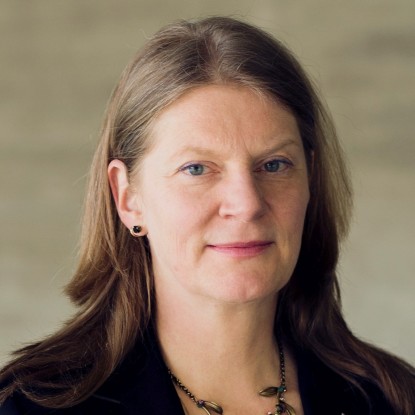
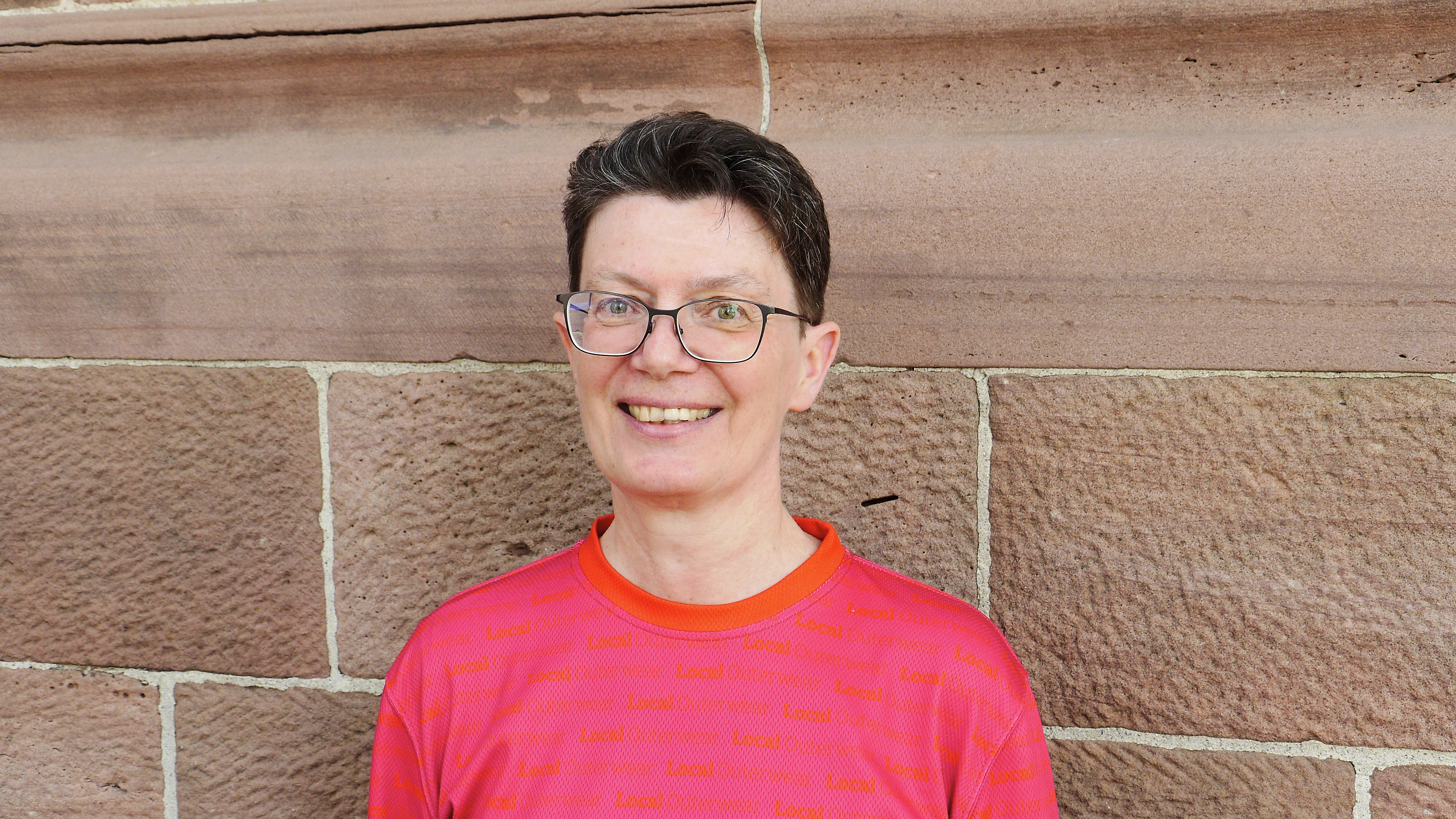
Prof. Dr. Andrea Rapp is a Professor at the Institute of Linguistics and Literature , Technical University of Darmstadt , specializing in Digital Humanities , Computational Philology , and Medieval Studies . She serves as Managing Director of the Institute and Vice President for Scientific Infrastructure (2017–2019), with extensive roles in academic administration, including Senate Representative for Appointment Procedures and member of the Graduate School Topology of Technology. Research Focus: Digital philology, medieval text corpora, digital editions, and lexicography. Teaching: Courses in Digital Humanities, Middle High German, and medieval literature since 2011. Projects: Leadership in initiatives like TextGrid and the Darmstadt Model Edition. Publications span 20+ years, emphasizing digital methodologies, manuscript studies, and interdisciplinary applications of XML encoding, textual criticism, and historical linguistics. Her work bridges traditional philology with computational tools, contributing to sustainable digital research infrastructures. Academic Leadership: She chairs the Scientific Advisory Board of the Marbach-Weimar-Wolfenbüttel Research Association and co-founded the TextGrid Association, while serving on DFG committees and the Academy of Sciences and Literature in Mainz.
Robert Klümpen serves as Professor of Art Education and Painting/Graphic Practice at Burg Giebichenstein University of Art and Design Halle since the 2018/19 winter semester, previously holding a professorship for Painting/Orientation Phase at Dresden Academy of Fine Arts starting in 2014. His internationally exhibited works appear in venues including Ludwig Forum for International Art (Aachen), Kolumba (Cologne), and Museum Goch. Education: Düsseldorf Art Academy (1994-2002) under Prof. A.R. Penck and Prof. Dieter Krieg (Master student) Klümpen's research centers on art pedagogy and studio practice, examining the transformative relationship between artistic creation and educational frameworks. His work challenges conventional boundaries in art education through publications and exhibitions that analyze teacher roles, curriculum evolution, and tactile engagement in artistic processes. Current institutional involvement includes contributions to BurgLabs initiatives exploring materiality and imagination. Award highlights: Villa Romana Prize, Florence (2005) Scholarship from Centro Tedesco Di Studi Veneziani (2004) Travel Scholarship from Düsseldorf Art Academy (1999) His studio practice is supported by international residencies including Cité des Arts, Paris (2014) and Vienna (2003), with works held in public and private collections. Klümpen's pedagogical approach integrates his exhibition experience into teaching, fostering experimental approaches to painting and graphic arts while addressing contemporary challenges in art education systems.
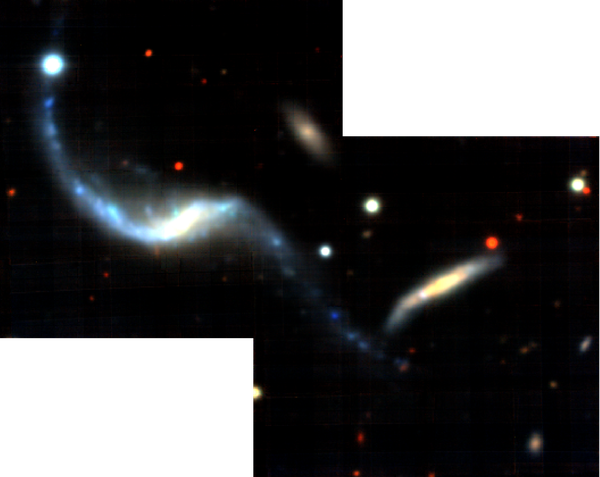
Dr. Peter Weilbacher is a Scientific Staff member at the Leibniz Institute for Astrophysics Potsdam (AIP), working within the 3D and Multi Object Spectroscopy research group. His work focuses on integral field spectroscopy and its application to various astronomical objects including starburst galaxies, interacting and merging galaxies, and dwarf galaxies. Dr. Weilbacher specializes in integral field spectroscopy with particular expertise in data reduction methods and software . His research interests span galaxy evolution studies, instrument development, and data visualization techniques. He has made significant contributions to major astronomical instrumentation projects, particularly the MUSE spectrograph where he designed its data reduction software and wrote most of the code. His recent publication record demonstrates expertise across multiple domains of observational astrophysics, with a strong emphasis on using integral field spectroscopy to study galaxy structures, kinematics, and evolution. His work spans from nearby galaxies like the Orion Nebula and Antennae Galaxy to distant quasars and the circumgalactic medium, showing both depth in specific systems and breadth across cosmic time. Dr. Weilbacher is currently leading AIP's contribution to the development of the BlueMUSE integral-field spectrograph while also contributing to the commissioning of the 4MOST spectrograph and studies for the Wide-Field Spectroscopic Telescope. His work bridges instrumental development with cutting-edge astrophysical research, making him a key figure in advancing observational capabilities in extragalactic astronomy.
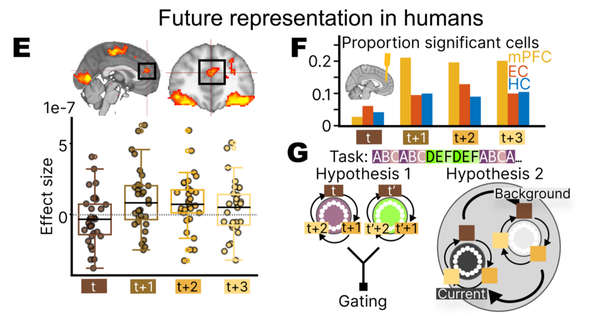
Mathias Sablé-Meyer is a Postdoctoral Researcher at University College London's Sainsbury Wellcome Centre, working in Tim Behrens's lab. He completed his PhD under the supervision of Stanislas Dehaene at PSL/Collège de France and NeuroSpin, CEA, where he investigated humans' ability to manipulate highly abstract structures, particularly focusing on the perception of geometry. His research spans cognitive neuroscience, computational modeling, and experimental psychology, with a focus on understanding the mechanistic implementation of compositional mental representations. He employs methodologies including MEG, fMRI, behavioral experiments, and computational models to investigate how humans mentally represent abstract structures like geometric shapes, language, and mathematical concepts. Sablé-Meyer's work reveals fascinating insights about human cognitive uniqueness, particularly in geometric perception compared to non-human primates. His recent research examines sequence processing mechanisms and aims to establish foundations for mechanistic implementations of Language of Thought models. He has published in top journals including Cognitive Psychology , Trends in Cognitive Sciences , PNAS , and Journal of Neuroscience . Glushko Dissertation Prize from the Cognitive Science Society (2023) As a supervisor, he co-advises Master's students including Maxime Cauté, who is exploring cross-modal representation of sequences, and is involved with several other students including Svenja Kuchenhoff, Amy Wong, and others. His lab follows open science principles, with code systematically published on the Open Science Framework alongside articles. His research program bridges cognitive science, neuroscience, and artificial intelligence, with implications for understanding both human cognition and developing more human-like AI systems. He maintains active collaborations across institutions including UCL, Collège de France, MIT, and École Normale Supérieure.
Professor Enedir Ghisi serves as a full Professor in the Department of Civil Engineering within the College of Engineering at the Federal University of Santa Catarina (UFSC) in Florianópolis, Brazil. His career includes significant international collaboration, notably as a Visiting Researcher at Stanford University during 2020-2023 where his work earned global recognition. His research expertise spans eight core areas with primary focus on Energy Efficiency in Buildings and Water Consumption/Rainwater Harvesting . The fingerprint analysis of his work shows 46% concentration in building-related research, 18% in water consumption studies, and significant contributions to sustainability (11%), rainwater utilization (7%), and climate change adaptation (5%). Professor Ghisi's recent publication output demonstrates continued leadership in building science, with 2025 publications addressing rainwater harvesting in residential/fitness facilities, fire safety compliance, thermal comfort in subtropical offices, and urban heat island impacts in São Paulo. His work consistently bridges experimental field studies with simulation modeling. Recognized as top 100,000 scientist globally by Stanford University (career impact 2020-2023) Recognized as top 100,000 scientist annually (2019-2023) 10 edited books and 14 book chapters demonstrating thought leadership Multiple best-paper awards at international building science conferences He actively supervises 16 graduate students (12 PhD, 4 Masters) while maintaining laboratory operations through the Laboratory of Energy Efficiency in Buildings. His supervision record of 54 completed graduate students (14 PhD, 40 Masters) reflects substantial mentorship capacity. Current research integrates climate change projections with practical building solutions, particularly for water-energy nexus optimization in Brazilian contexts. The Laboratory of Energy Efficiency in Buildings serves as his primary research hub, conducting experimental work on building performance, water harvesting systems, and thermal comfort solutions tailored for subtropical climates. His team maintains strong industry partnerships for real-world implementation of research findings.
Séverine Bérard is a Lecturer in the Computer Science Department at the Faculty of Sciences, University of Montpellier, where she holds a Habilitation à Diriger des Recherches (HDR) since 2016. Her institutional roles include: Co-director of the Bioinformatics Master's program Elected member of the University Board of Directors (since 2021) Elected member of the Faculty of Sciences Council (since 2017) Appointed member of the University Training Committee (since 2016) Her research at ISE-M's Phylogeny and Molecular Evolution Team bridges computer science and bioinformatics, with core focuses on: Development of text algorithms and graph-based methods for genomic analysis Comparative genomics and ancestral genome reconstruction Quality assessment of genome assemblies and meta-assemblies Evolutionary modeling of chromosome rearrangements Her recent publications (2016-2021) demonstrate strong emphasis on algorithmic innovations for evolutionary genomics, including genome scaffolding techniques, DCJ rearrangement models, and ancestral genome reconstruction methods applied to organisms ranging from mosquitoes to bacteriophages. In education, she teaches across all academic levels (L1-M2) in both practical computer science (networks, programming) and theoretical disciplines (discrete mathematics, text algorithms), while leading curriculum development as co-director of the Bioinformatics Master's program.
Takaki Maekawa is a Principal Investigator and group leader at the Institute for Plant Sciences, University of Cologne. Previously, he served as a team leader at the Max Planck Institute for Plant Breeding Research in Cologne, where he studied disease resistance mechanisms mediated by plant NLRs using barley and Arabidopsis thaliana as experimental models. His research focuses on understanding the mechanistic parallels between plant and animal immune systems, with particular emphasis on immunity and cell death pathways. Dr. Maekawa's primary research interest centers on the spatiotemporal coordination of host responses to pathogen attack. His group aims to unravel conserved immune mechanisms by studying structural and functional parallels between plant and animal systems, particularly focusing on NLR receptors and MLKL proteins. The research program employs diverse experimental approaches including genetics, genomics, cellular biology, and structural biology. A key discovery from his lab was identifying plant MLKL proteins that structurally and functionally resemble animal MLKLs, which mediate necroptosis. His current work investigates how these proteins regulate calcium signaling during immune responses and how they execute cell death in plants. Analysis of Dr. Maekawa's publication record reveals a consistent trajectory of research bridging plant and animal immunology, with increasing focus on calcium signaling mechanisms in recent years. His work demonstrates how plants utilize conserved cell death execution mechanisms similar to animals, despite evolutionary divergence. The research employs advanced techniques including super-resolution imaging, structural biology, and spatially resolved omics to visualize and characterize immune responses at cellular and molecular levels. Dr. Maekawa actively mentors several researchers including PhD students Keiichi Hasegawa and Qiaochu Shen, who are studying MLKL mechanisms using biochemical, structural, and imaging approaches. His lab includes research associates investigating calcium signaling patterns during cell death (Frowin Reichhardt) and systemic immunity involving neighboring cells (Anna Prakken). The lab also hosts visiting researchers like Farnaz Faezi from Shiraz University, who studies disease resistance in wild barley. The Maekawa lab is a member of CEPLAS (Cluster of Excellence on Plant Sciences), which provides access to specialized resources including the Plant Metabolism and Metabolomics Facility and Imaging Platform. These resources support the lab's research on spatiotemporal patterns of plant-microbe interactions, particularly focusing on how cell-cell communication shapes host responses to pathogens. Current projects investigate how MLKL proteins regulate immunity both spatially and temporally to provide effective plant protection against diverse pathogens.
Prof. Dr. Korbinian Schneeberger is a Research Professor and Group Leader at the Department of Plant Developmental Biology, Max Planck Institute for Plant Breeding Research in Cologne, Germany. His research focuses on genome plasticity and computational genetics, developing cutting-edge technologies to explore genome evolution. He leads a multidisciplinary team consisting of bioinformaticians, biologists, and biotechnologists driven by curiosity and passion for new genomic technologies. Dr. Schneeberger's research group pioneers genomic biotechnology for crop biology, addressing real-world problems in genomics-assisted science and breeding using Arabidopsis, potato, and fruit trees as model systems. They study genomic differences, how to find and describe them, and their relevance to phenotype. The group specializes in single-cell sequencing technologies to understand controlled (recombination) and uncontrolled (mutations) events that drive genomic diversity. His research spans four main areas: Optimizing Plant Performance by Mapping the Interface between Development and Metabolism, Plant Microbiota Metabolic Networks and Edaphic Adaptation, Synthetic and Reconstruction Biology, and Theoretical Plant Biology and Data Science. The group has developed several important bioinformatics tools including SyRI for finding genomic rearrangements, plotsr for visualization, SHOREmap for mapping-by-sequencing, and findGSE for genome size estimation. Genome Assembly: Developing new methods for genome assembly, particularly using long-read sequencing data Genomic Variation: Studying mutation accumulation and its role in evolution and adaptation Computational Genetics: Bridging genotype and phenotype using next-generation sequencing Association Studies: Creating methods that associate morphological differences to genomic differences Dr. Schneeberger's recent publications focus on somatic mutations in fruit trees, pan-genome analysis of Arabidopsis, and chromosome-scale genome assembly of potato. His work has significant implications for understanding plant evolution and improving crop breeding strategies. He mentors several PhD students and postdocs, with alumni who have gone on to successful careers in academia and industry. His laboratory maintains the Plant Metabolism and Metabolomics Facility and an Imaging Platform.
Prof. Dr. Markus Stetter is a Professor at the Botanical Institute of the University of Cologne, Germany, actively leading research in plant domestication genomics within the CEPLAS Cluster of Excellence on Plant Sciences. His work focuses on evolutionary adaptation in crops, particularly amaranth and maize, using population genetics and molecular approaches to decode how wild plants became globally distributed crops. His research interests include: Genomic signatures of domestication Population and quantitative genetic modeling Molecular mechanisms of trait adaptation Theoretical plant biology and data science applications Edaphic adaptation in crop-wild relative systems Analysis of his 2017-2024 publications reveals a dominant focus on amaranth domestication genomics, with recurring themes in evolutionary rescue by wild relatives, inbreeding depression dynamics, and seed trait adaptation. His work integrates high-throughput sequencing with evolutionary theory to address crop resilience under environmental change. Prof. Stetter co-developed PopAmaranth, a specialized genome browser for amaranth population genetics, and maintains active leadership in CEPLAS Research Area 4 (Theoretical Plant Biology and Data Science). His laboratory utilizes genomic facilities including plant metabolomics and imaging platforms for experimental validation.
Nina Degele is a Professor of Sociology and Empirical Gender Studies at the Institute of Sociology, University of Freiburg, where she has held a C-3 Professorship since 2001 and has directed the Center for Anthropology and Gender Studies (ZAG) since 2000. Her academic career spans over three decades with significant contributions to gender studies, intersectionality, and the sociology of sport. Her research interests focus on sociology of gender relations, modernization theory, gender and social theory, body and sport studies, knowledge and science sociology, sustainability issues, and qualitative research methods. Degele's work demonstrates a consistent evolution from early interests in technology and knowledge sociology toward more focused gender and intersectional analyses, with recent work increasingly addressing climate change through sociological frameworks. Her publications reveal significant scholarly productivity with monographs published from 1994 through 2020 and numerous journal articles extending into 2025. Recent articles show her engagement with contemporary issues including climate change adaptation, privilege-blind behaviors, and critical examinations of political correctness through intersectional lenses. Gendering MINT digital – actively shaping open science (BMBF, 2017-2020) Established Outsiders (DFG, 2017-2019) Body taboos, sexism, and homophobia in football (Friedrich Ebert Foundation, 2010-2011) How We Tell Each Other About Love (DFG, 2008+) Degele's research demonstrates sustained engagement with critical social issues through sophisticated theoretical frameworks, particularly intersectionality, which she has helped develop as a key methodology in German sociology. Her work bridges theoretical sophistication with empirical research, particularly in the sociology of sport where she has made significant contributions to understanding discrimination through intersectional perspectives.
Julia H. Schröder serves as a Lecturer at the Central Institute for Continuing Education and Transfer within Berlin University of the Arts, teaching in the Sound Studies and Sonic Arts (MA) program. Holding a doctorate in musicology, she maintains an active international presence through research and lectures across academic institutions in Berlin. Her scholarly focus encompasses contemporary art music, 20th-century music, sound art, graphic notation systems, interdisciplinary connections between music and dance, and theatrical applications of music/sound design. Schröder investigates aesthetic listener experiences in concert environments and examines sound's role in theatrical contexts, emphasizing cross-disciplinary artistic interdependencies and spatial perception dynamics. Analysis of her recent publications reveals concentrated exploration of 20th-century experimental music traditions, particularly John Cage's collaborations with Merce Cunningham and his conceptual frameworks. Her work consistently bridges musicological analysis with sound studies methodologies, examining acoustic space in North American experimentalism, theater sound design innovations, and the evolution of graphic notation as an artistic medium. No scientific awards or honors were documented in the source material. Information regarding graduate student supervision, research grants, or funded projects was not provided in the available documentation. Schröder co-founded and co-edits the "Auditive Perspectives" section of kunsttexte.de, establishing her leadership within an international editorial collective dedicated to advancing sound studies scholarship through digital publication platforms.
Eray Tüzün is an Associate Professor of Computer Engineering at Bilkent University in Turkey, where he leads the Bilkent University Software Engineering and Data Analytics Research Group (BILSEN). With over 20 years of experience in software design and development spanning both academia and industry, he bridges theoretical research with practical software engineering applications. His educational background includes bachelor's and master's degrees in Computer Science and a PhD in Information Systems. Before joining Bilkent University, he accumulated substantial industry experience including 9 years at HAVELSAN (serving as Productization Lead, Academy Manager, Product Owner, and Software Engineer), plus roles at Microsoft as a Software Design Engineer in the Online Services group, Senior Software Engineer at Howard Hughes Medical Institute, and Research Engineer at CWRU Genomics Center. His professional certifications include Certified Product Manager, MCSD: Application Lifecycle Management, Professional Scrum Master (PSM), and Professional Scrum Product Owner (PSPO). Tüzün's research focuses on several interconnected areas including Software Product Line Engineering , Empirical Software Engineering , Gamification , Software Engineering Education , DevOps & Agile Software Development , and Bioinformatics . His empirical approach involves mining software repositories to analyze development practices, identify patterns, and propose improvements. Recent work increasingly examines the intersection of AI and software engineering, particularly how large language models can enhance code review and comment quality. His research output shows clear trends toward analyzing code quality metrics, identifying 'smells' in development processes, and applying data analytics to software engineering practices. Key themes include bus factor estimation for measuring knowledge concentration in software projects, empirical studies of code review processes, continuous integration practices, and issue tracking systems in open source projects. Tüzün is a senior member of IEEE and an active member of ACM SIGSOFT and IEEE Computer Society. He represents Bilkent University in the International Software Engineering Research Network (ISERN), connecting his research with the global software engineering community. His service to the field includes program committee roles at major conferences such as ASE, ICSE, ESEC/FSE, and ESEM, with leadership positions including PC Co-Chair for ICSSP 2020 and Industry Track Co-Chair for EASE 2023. As head of the BILSEN research group, he mentors graduate students and collaborates on projects that bridge theoretical research with practical applications. His research has been consistently published in top-tier software engineering venues over the past decade, demonstrating both continuity in core research areas and adaptation to emerging trends like AI-assisted software development.
Shing-Chi Cheung is a Professor of Computer Science and Engineering at the Hong Kong University of Science and Technology (HKUST), School of Engineering. He founded the CASTLE research group and co-founded the International Workshop on Automation of Software Testing (AST) in 2006. His leadership includes serving as General Chair of FSE 2014 and chairing multiple APSEC conferences. His research focuses on software quality enhancement through program analysis, testing, debugging, and AI techniques, targeting Android apps, open-source software, deep learning systems, smart contracts, and spreadsheets. Current projects include metamorphic testing frameworks, binary analysis tools, and vulnerability detection systems for emerging technologies. His publication portfolio demonstrates consistent contributions to software engineering since 2016, with recent work emphasizing AI-integrated testing methodologies, smart contract security, and deep learning system reliability. Key trends show increasing focus on cross-language analysis, data visualization quality, and compiler-level verification for modern software stacks. Distinguished Member of the ACM Fellow of the British Computer Society Editorial board member: Science of Computer Programming (SCP), Journal of Computer Science and Technology (JCST) Former editorial board member: IEEE Transactions on Software Engineering (2006-2009), Information and Software Technology (2012-2015) Four patents in China and the United States Cheung actively mentors through the CASTLE research group and serves on program committees for major conferences including ICSE, ESEC/FSE, and ISSTA. His work bridges academic research with practical applications through industry collaborations and tool development. He has contributed to numerous workshops and symposia as steering committee member and program chair.
Dr. Lars Hering is a Postdoctoral Researcher in the Department of Zoology at the University of Kassel, Germany. His research focuses on the evolutionary biology of Panarthropoda, with particular expertise in Onychophora (velvet worms) and Tardigrada (water bears). He collaborates with the Lund Vision Group at Lund University, Sweden, to investigate visual system evolution across these phyla. His primary research interests include evolutionary biology, comparative genomics, visual system evolution, molecular evolution, and arthropod evolution. Dr. Hering employs molecular, anatomical, and electrophysiological methods to study opsin genes, neuropeptides, and other proteins that reveal evolutionary relationships between velvet worms, tardigrades, and arthropods. His work bridges molecular biology with comparative anatomy to understand the evolutionary origins of complex traits. Analysis of Dr. Hering's publication record from 2012-2025 reveals a consistent focus on evolutionary developmental biology, particularly examining how visual and nervous systems evolved in Panarthropoda. His research combines molecular techniques with comparative approaches across multiple phyla, demonstrating interdisciplinary expertise spanning genomics, neurobiology, and evolutionary theory. Key themes include the evolution of opsins for vision, neuropeptide signaling systems, and structural proteins across evolutionary time. Preis für das beste Poster der Fachgruppe 'Zoologische Systematik' Dr. Hering has presented his research at numerous national and international conferences including the Deutsche Zoologische Gesellschaft meetings and BioSyst.EU conferences. His work receives financial support through various research grants that enable his comparative studies of Panarthropod evolution. He is actively involved in collaborative research projects examining the molecular basis of evolutionary innovations.
Mohammad Adnan Hamdaqa is an Associate Professor at the Department of Computer Engineering and Software Engineering at Polytechnique Montréal (Canada), where he leads the Software and Emerging Technologies Lab. He holds a Ph.D. in Software Engineering from the University of Waterloo (2016), along with a Master's in Electrical and Computer Engineering from Concordia University, an MBA from New York Institute of Technology, and a Bachelor's in Computer Engineering from Jordan University of Science and Technology. His research focuses on the intersection of emerging technologies and software engineering, particularly how software engineering approaches can be adapted for new platforms like Cloud Computing and Blockchain. His work spans model-driven software engineering, cloud applications, and blockchain technologies. Analysis of his recent publications reveals a strong emphasis on blockchain technology, especially smart contracts and Ethereum, with significant work on security, evolution, and visualization of these systems. His research also demonstrates growing integration of large language models in software engineering tasks, particularly for model specification and code generation. There's also a notable thread of work on sustainability in infrastructure as code and security practices across cloud platforms. Hamdaqa actively contributes to the academic community as a member of IEEE Computer Society and ACM, and has served on program committees for numerous conferences in software engineering and services communities. He has successfully supervised multiple Master's students, with recent theses focusing on smart contract auditing, epidemiological modeling using model-driven approaches, and security practices in infrastructure as code. His lab maintains active research in both theoretical and applied aspects of software engineering for emerging technologies.