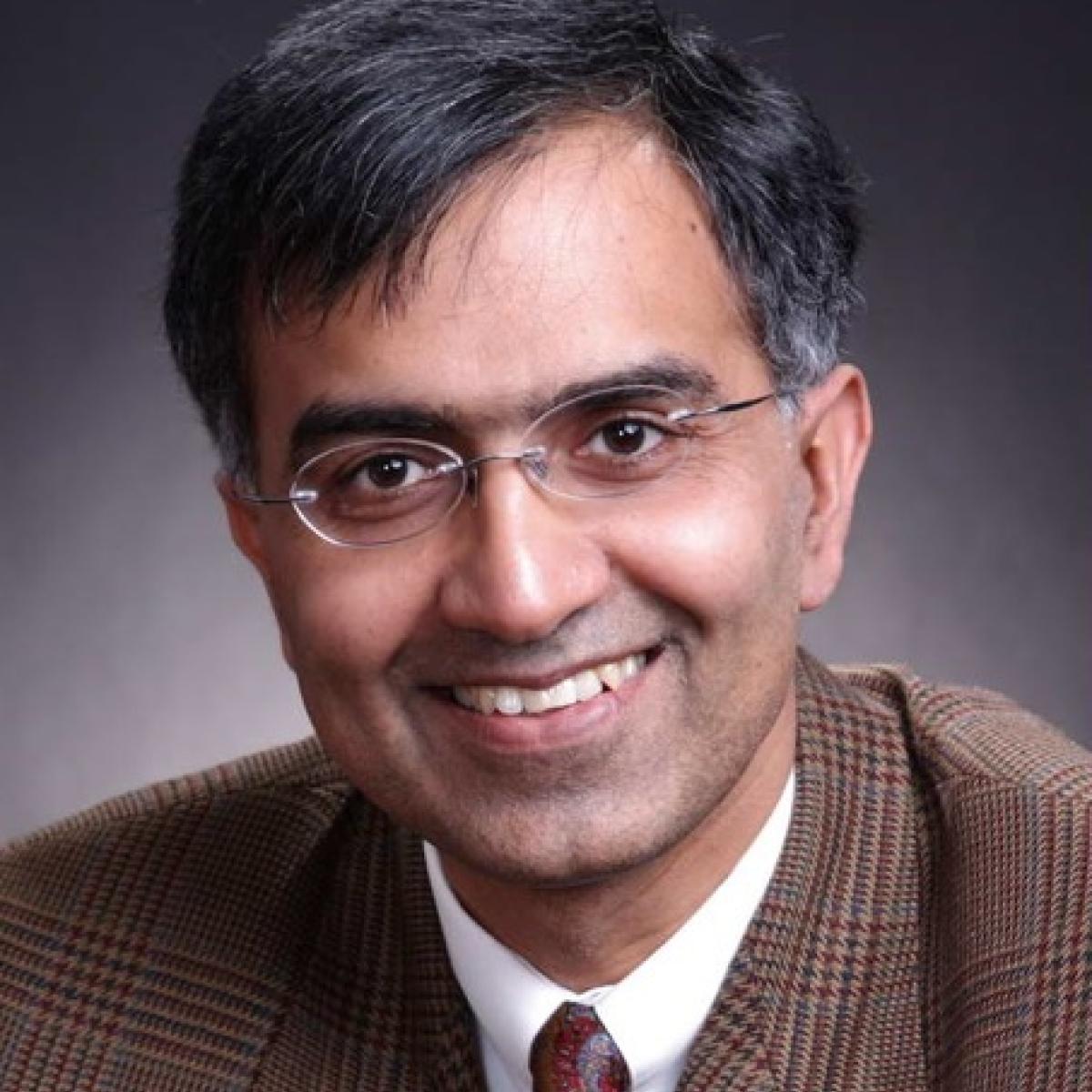
Sanjeev Arora is the Charles C. Fitzmorris Professor of Computer Science at Princeton University , where he has been since 1994. He earned a B.S. in Math with Computer Science from MIT in 1990 and a Ph.D. in Computer Science from UC Berkeley in 1994. Education MIT (B.S. 1990) UC Berkeley (Ph.D. 1994) His research spans theoretical computer science , computational complexity , and machine learning theory . Recent work focuses on mathematical frameworks for AI, including skill-based training, model interpretability, and synthetic data pipelines. Key article trends include automated theorem proving , LLM instruction tuning , topic modeling unlearning , and visual reasoning evaluation . Awards span the ACM-EATCS Gödel Prize , Simons Investigator Award , and ACM Infosys Foundation Award . He advises 18 Ph.D. students and directs the Princeton Language and Intelligence center.
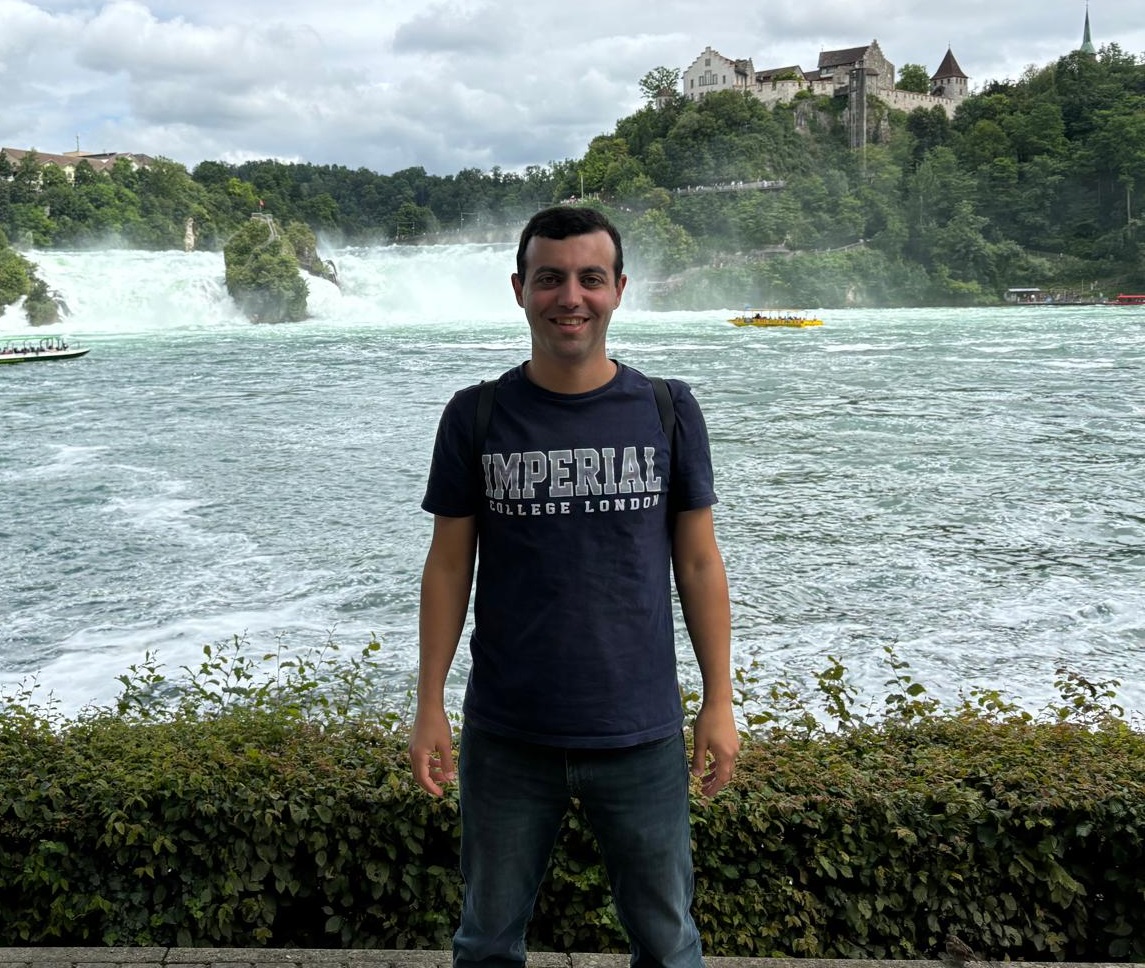
Recep Firat Cekinel is a Turkish NLP researcher who recently obtained his Ph.D. in Computer Engineering from Middle East Technical University (METU). He spent 13 months as a visiting predoctoral researcher at the University of Tübingen and is currently a researcher on the EU-funded EXA4MIND project, where he develops NLP pipelines that convert natural language into database queries using large language models. His research focuses on responsible, scalable AI systems and bridges foundational NLP work with real-world applications. Education: Ph.D. in Computer Engineering, Middle East Technical University (METU), Türkiye Visiting Predoctoral Researcher, University of Tübingen, Germany (13 months) Research Interests: Dr. Cekinel’s work spans natural language processing , multimodal fact-checking , explainable AI , and large language models . He is particularly interested in building responsible and scalable AI systems that integrate foundational research with practical deployments, such as natural-language interfaces for high-performance computing environments. Recent Publication Trends: His 2025 publications reveal a concentrated effort on multilingual and multimodal fact-checking , satire-style debiasing , and NL-to-database-query generation . Earlier work explores graph-based event extraction , Turkish irony detection , and cultural-heritage text mining , demonstrating a trajectory from low-resource Turkish NLP toward globally applicable, responsible-AI systems. Contact & Code: Email: rfcekinel@ceng.metu.edu.tr Office: METU Computer Eng. Dept. A-206, 06800 Ankara, Turkey Phone: +90-(312)-210-5593 GitHub: firatcekinel Google Scholar: profile available
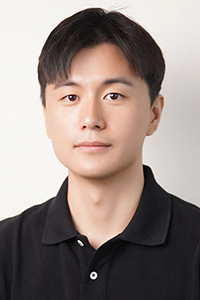
Kangwook Lee serves as an Associate Professor in the Electrical and Computer Engineering Department with a courtesy appointment in Computer Sciences at the University of Wisconsin-Madison, where he also holds a Discovery Fellowship. He concurrently leads deep learning research initiatives at KRAFTON, bridging academic and industry innovation in artificial intelligence. His academic foundation includes a PhD in Electrical Engineering and Computer Sciences from UC Berkeley (2016), preceded by research assistant and postdoctoral positions at KAIST's Information and Electronics Research Institute. Hailing from Seoul, South Korea, Lee maintains active research operations through his laboratory in Madison's Discovery Building. Lee's research program centers on Large Language Models and LLM agents, with rigorous theoretical and empirical investigations into their operational mechanisms and improvement pathways. His work spans in-context learning dynamics, agent-based social simulations, multi-domain reward modeling, and efficient inference techniques, emphasizing both fundamental understanding and practical enhancement of AI capabilities. Recent publications reveal a concentrated effort on overcoming length generalization barriers, enabling compositional reasoning with rare concepts, and developing robust feature selection frameworks. His 2025 publications demonstrate significant advancements across LLM architecture, evaluation methodologies, and application domains. Key trends include the emergence of task vector representations in in-context learning, development of superposition techniques for multi-task processing, and innovative approaches to speculative decoding for multimodal systems. These works collectively advance the field toward more efficient, generalizable, and interpretable language models. Lee's research excellence is recognized through prestigious accolades: NSF CAREER Award (premier early-career grant) IEEE Joint Communications Society/Information Theory Society Paper Award Amazon Research Award KSEA Young Investigator Grant Award As principal investigator of the Lee Lab, he directs a dynamic research group focused on cutting-edge AI challenges. His work integrates theoretical analysis with empirical validation to address fundamental limitations in modern language models, while industry collaborations through KRAFTON ensure real-world impact. Current projects emphasize agent-based social dynamics modeling, efficient inference architectures, and robustness frameworks for diverse deployment scenarios.