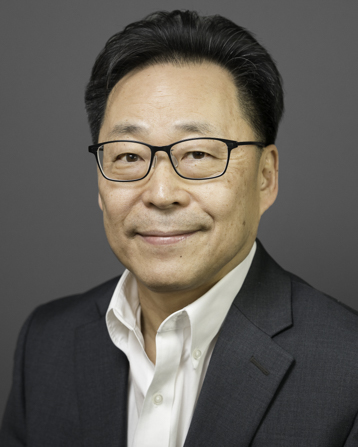
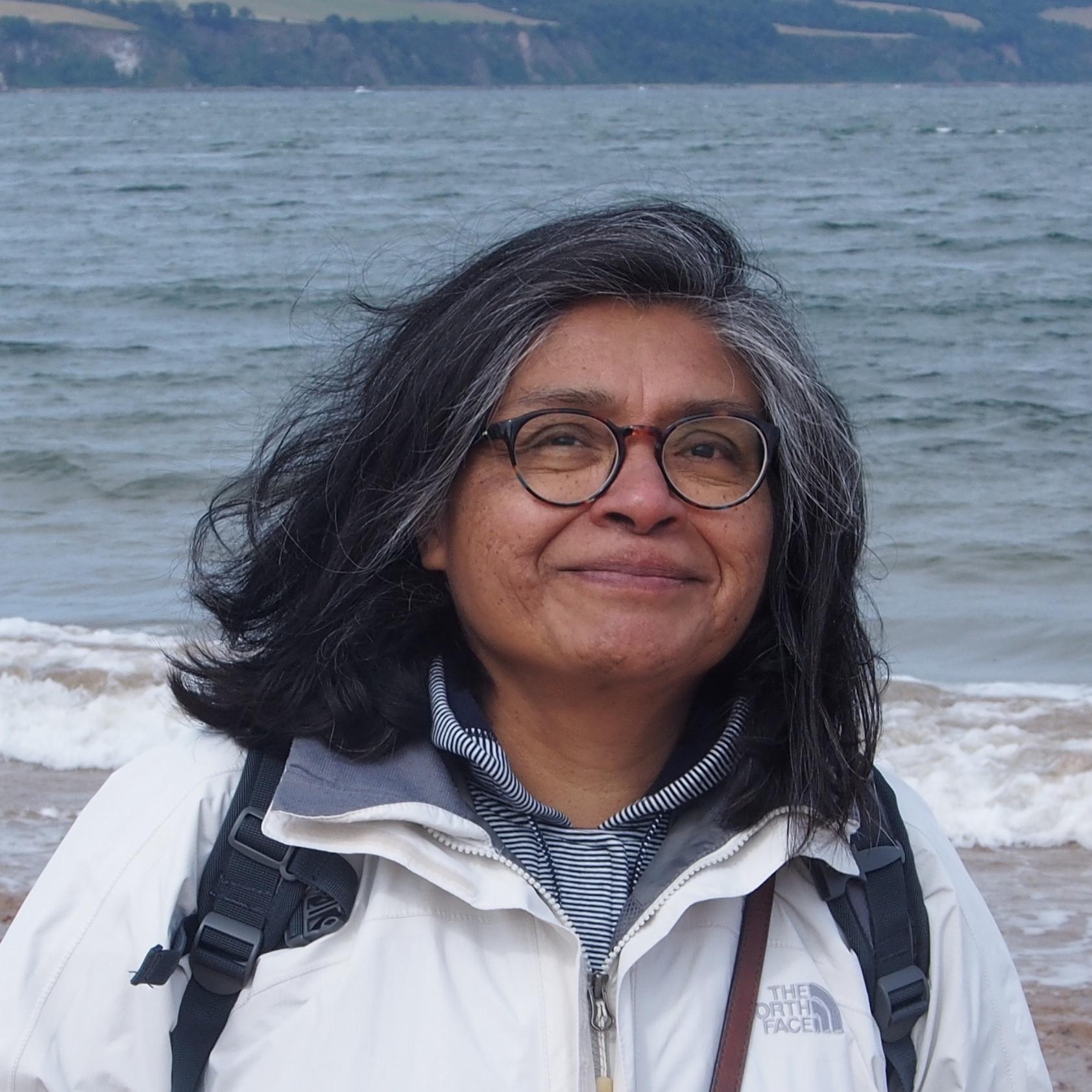
László Antal is a Researcher at RWTH Aachen University's Department of Computer Science, affiliated with the Theory of Hybrid Systems (THS) group. He is pursuing a PhD under Prof. Erika Ábrahám, with additional supervision from Prof. Ana Maria Madureira and industrial advisor Luís Madureira. His research focuses on formal methods for AI-controlled systems and neural network verification, particularly in the context of marine robotics through the REMARO project. Education: B.Sc. and M.Sc. in Computer Science/Data Analysis from Babeș-Bolyai University (Cluj-Napoca, Romania), followed by PhD studies at RWTH Aachen since 2021. Research interests emphasize hybrid systems verification, neural network safety, and autonomous systems applications. His work bridges formal methods with practical robotics challenges, such as underwater vehicle navigation and pipeline inspection. Teaching contributions include leading seminars on formal methods and satisfiability checking from 2021–2024. He has advised four students on theses involving neural network verification, reachability analysis, and dimensionality reduction techniques. László collaborates on the EU-funded REMARO project, developing reliable AI for marine robotics. His work integrates interdisciplinary approaches, combining formal verification with robotics engineering and data science.
Jogchum Jan Beltman is an active researcher contributing to cervical cancer screening strategies and global health initiatives, with recent publications spanning 2024-2025. His work focuses on optimizing screening methods in low-resource settings like Uganda and Bangladesh. Primary Affiliation: Implied through collaborative research with academic institutions (specific university not stated) Academic Role: Researcher Research Interests: Cervical cancer epidemiology, HPV testing, cost-effectiveness of screening programs, and implementation science in global health. Key areas include: High-risk HPV prevalence analysis Screen-and-treat protocol evaluation Cross-sectional behavioral studies Low-resource diagnostic methods Comparative treatment outcomes Health equity in sub-Saharan Africa Recent Publications: Demonstrates expertise in clinical decision-making for cervical cancer (radical hysterectomy vs chemoradiotherapy), HPV triage strategies, and behavioral determinants affecting screening uptake. Collaborates with multidisciplinary teams across Europe and African countries. Scientific Contributions: Specializes in translational research bridging clinical oncology and public health policy, particularly in developing nations. His work includes: Statistical modeling for screening efficiency Health economics of HPV-based protocols Community-based behavioral interventions Collaborative Networks: Engaged in international research partnerships with institutions in Uganda (BMC Cancer), Netherlands (University Medical Center Groningen via co-authors), and Bangladesh. Utilizes mixed-methods approaches combining clinical data with socio-economic factors.
Paul Fieguth is a Professor and Associate Vice President - Academic Operations at the University of Waterloo. He holds affiliations with the Full-time Faculty, Faculty of Mathematics, and the Intelligent and Autonomous Systems research group. His work focuses on interdisciplinary areas including machine learning, computer vision, medical imaging, and deep learning techniques for solving complex engineering and biological problems. He has contributed to advancements in photoacoustic remote sensing, autonomous systems, and large-scale biodiversity datasets like BIOSCAN-5M. His research bridges theoretical foundations (e.g., pattern recognition, inverse problems) with practical applications in robotics, medical diagnostics, and environmental monitoring. Education details are not explicitly provided in the text, but his professional roles suggest advanced training in computer science and engineering disciplines. His research interests span a wide range, including but not limited to: pattern recognition algorithms, deep learning architectures, remote sensing technologies, and computational methods for medical imaging. Recent work emphasizes innovations in rail defect detection, 3D reconstruction, and biodiversity assessment through multimodal datasets. Publications from 2022–2025 highlight contributions to fields like neural network optimization, uncertainty quantification, and generative adversarial networks for medical applications. While no specific awards are listed, his prolific publication record reflects recognition in academic circles. Advising and grants sections remain underdeveloped in the provided information, though his leadership roles suggest involvement in institutional research initiatives. He is a key member of teams advancing technologies such as PARS imaging and autonomous systems at the University of Waterloo.
Sofie Van Hoecke is an Associate Professor at Ghent University, affiliated with the Internet Technology and Data Science Lab (IDLab) - imec. She leads the PreDiCT (Predictive Diagnostics through Contextual and Trustworthy AI) team, which develops innovative machine learning solutions for predictive maintenance and healthcare diagnostics. Her educational background includes: Engineering Degree, Ghent University (2003) PhD in Computer Science Engineering, Department of Information Technology, Ghent University (thesis: 'Efficient service management in healthcare') Van Hoecke's research centers on hybrid AI systems that fuse machine learning with semantic technologies and physical modeling. Her work targets predictive maintenance (e.g., condition monitoring via thermal imaging and vibration analysis) and predictive healthcare (e.g., migraine tracking, COPD management, and infection diagnostics). Key specialties include context-aware modeling, expert-driven machine learning, and dynamic semantic dashboards for real-time decision support. She has pioneered applications in industrial IoT, medical diagnostics, and environmental monitoring. Her 2025 publications reveal a strong interdisciplinary trajectory applying knowledge graphs, conformal prediction, and explainable AI to diverse domains including network security, digital pathology, building inspection, and neurology. A unifying theme is trustworthy AI with emphasis on uncertainty quantification, out-of-distribution robustness, and seamless integration of domain knowledge into ML pipelines. Her work bridges theoretical advances with industrial deployment through imec collaborations. Scientific Awards: No scientific awards mentioned in provided sources Van Hoecke directs the PreDiCT team across multiple EU and industry-funded projects including AI-SWEEP-2 (smart wound care), HEROI2C (ICU infection management), mBrain (migraine monitoring), and SmartWaterConnect 5.0 (water grid analytics). While specific student advisees aren't listed, her leadership of a 15+ member research team and graduate teaching duties indicate active mentorship. Current grants focus on deploying context-aware AI in healthcare (S.E.P.S.I.S. Connect, ADAM) and industrial settings (RE-ENNOVATE, PACSOI). The PreDiCT team operates within IDLab's Ghent University-imec ecosystem, maintaining strong industry partnerships with Siemens, UZ Ghent Hospital, and water management authorities. Their research infrastructure includes specialized testbeds for predictive maintenance validation and clinical trial frameworks for digital health applications. Ongoing work emphasizes real-world validation of hybrid AI models in resource-constrained environments, particularly for neglected tropical diseases and chronic condition management.
Holly Rushmeier is the John C. Malone Professor of Computer Science at Yale University, with affiliations spanning academic leadership and industry collaboration. Previously, she held roles at Georgia Tech, the National Institute of Standards and Technology (NIST), and IBM Research. She earned BS, MS, and PhD degrees in Mechanical Engineering from Cornell University (1977–1988), followed by engineering roles at Boeing and Washington Natural Gas Company. Her research focuses on computer graphics, 3D modeling, material appearance design, and cultural heritage preservation. Notable projects include digitizing Michelangelo’s Florence Pieta and Egyptian artifacts, and developing tools like Hyper3D for cultural heritage analysis. She has led efforts in visualization software for biology, medicine, and environmental monitoring. Rushmeier has held editorial roles for ACM Transactions on Graphics , IEEE Transactions on Visualization and Computer Graphics , and others. Her recent work emphasizes AI-driven tools for 3D hair simulation, motion capture for dance preservation, and ethical considerations in computer graphics research. Her contributions span academic and applied domains, including collaborations with art conservators and biomedical researchers. She has organized major conferences like SIGGRAPH and IEEE Visualization, shaping the field’s trajectory through leadership and innovation.
Kenji Shimada is the Theodore Ahrens Professor of Engineering at Carnegie Mellon University's Department of Mechanical Engineering. His research focuses on geometric computing, mesh generation, and advanced manufacturing technologies, particularly in additive manufacturing, robotics, and biomedical applications. He leads projects in autonomous drone navigation, custom-fit medical devices, and virtual factory simulations. Shimada's work bridges computational engineering with practical industry needs, emphasizing design efficiency and cost reduction. Education: Ph.D. (MIT, 1993), M.S. and B.S. (University of Tokyo, 1985/1983). Affiliations include the Engineering Research Accelerator and NextManufacturing Center. Research interests encompass robotics (aerial/medical), computational geometry, bioengineering, and generative manufacturing. His Bubble Mesh method revolutionizes mesh generation for FEM/BEM analysis. Collaborations with YKK AP and clinical trials highlight his translational research impact. Recent projects include drone navigation in dynamic environments, soft tissue measurement devices for CPAP masks, and AI-driven construction safety monitoring. Media mentions highlight innovations like the Moldable Mask and autonomous window installation robots. Grants and industry partnerships fund his work, with a focus on robotics, medical devices, and advanced manufacturing. Advising emphasizes student-led innovation in surgical training tools and additive manufacturing applications.
John Berezowski is a Professor in Disease Surveillance at Scotland's Rural College (SRUC), affiliated with the Veterinary And Animal Science school and the Centre for Epidemiology and Planetary Health (CEPH). His work focuses on veterinary epidemiology, livestock disease control, and One Health approaches. He leads and collaborates on projects addressing surveillance systems for animal and public health, including avian influenza modeling and pig health monitoring using abattoir data. Key projects include: RESAS 22-27 : Analyzing cervid and camelid sectors' structures (2022–2027). EPIC IV : Enhancing expertise on animal disease outbreaks (2022–2025). Pigdemic : Farmer-centric networks to control pig diseases (2021–2022). His research integrates data visualization tools, communication networks in livestock sectors, and ecosystem health indicators. Outputs include peer-reviewed articles on syndromic surveillance, avian influenza transmission, and public health strategies.
Niklas Kühl is a Full Professor and Chair for Information Systems and Human-Centric Artificial Intelligence at the University of Bayreuth. He holds leadership roles at the WI institute of Fraunhofer FIT, is a member of the core competence center for finance and information management, and serves as a senior expert in artificial intelligence at IBM. His interdisciplinary research bridges technical machine learning methods with human-centered design, focusing on socio-technical systems, human-AI collaboration, fairness in AI decision-making, and sustainability applications. Affiliations: University of Bayreuth (2023–present) Karlsruhe Institute of Technology (2017–2023) IBM (2020–2023) Education: PhD (summa cum laude) in Information Systems, KIT (2017) Diplom (MSc) in Industrial Engineering, KIT Research Interests include: Human-AI collaboration dynamics Fairness and trust in algorithmic systems Privacy-preserving AI Scalable AI product development AI for sustainability His recent publications analyze fairness perception alignment, data marketplace optimization, and explainable AI applications across domains like healthcare and energy. Scientific Contributions Over 100 peer-reviewed articles Best Paper Awards at top AI conferences Leadership in Applied AI in Services Lab (2017–2023) Community Engagement Co-founder of Education for Refugees e.V. (2015–2022) Active in ACM, AIS, and German Data Science Society
Phuong Nguyen is an Assistant Professor in the Department of Construction and Concrete Industry Management at South Dakota State University (SDSU), joining in 2023 after a postdoctoral fellowship at the University of Alberta, Canada. His research focuses on AI applications in construction (e.g., machine learning, reinforcement learning, fuzzy logic), automation, innovative project delivery methods, and improving safety/productivity using sensors and computer vision. He holds a Ph.D. in Civil Engineering (Construction Engineering and Management) from the University of Kansas (2020), an M.S. in Construction Management from California State University, East Bay (2016), and a B.Eng. in Civil Engineering from Vietnam National University (2014). Education: Ph.D. in Civil Engineering, University of Kansas (2020) M.S. in Construction Management, California State University, East Bay (2016) B.Eng. in Civil Engineering, Vietnam National University (2014) His research interests span AI-driven construction automation , safety technologies , project delivery innovation , and GIS-based winter maintenance optimization . He has received multiple Outstanding Reviewer Awards from ASCE journals and serves as an editor/reviewer for several construction-focused publications. His recent work includes grant-funded studies on material testing optimization (South Dakota DOT, $160K) and clinical competency in simulation training (Society for Simulation in Healthcare, $10K). Dr. Nguyen is affiliated with SDSU's Craig and Diane Martin National Center for Construction Safety and Eye-tracking Research initiatives. His publications emphasize data-driven decision-making in construction projects, with a focus on improving efficiency and safety through interdisciplinary approaches.
Khristopher Kabbabe is a Lecturer in Mechanical and Aerospace Engineering at The University of Manchester. His research focuses on developing payloads and operations for Unmanned Aircraft Systems (UAVs), including applications in environmental monitoring, emissions measurement, and volcanic plume analysis. He holds a BEng (Hons) in Aerospace Engineering (2010) and an MSc from the University of Manchester (2011). His professional experience includes roles in the UK GAMMA Programme, where he collaborated with SMEs on robotics and autonomous systems, and projects with multinational companies to advance remote sensing using UAVs. Key research areas include: UAV-based methane and CO₂ emissions monitoring Design of volcanic ash capture mechanisms Safety cases for fluidic/conventional aircraft (MAGMA project) Integration of consumer-grade hardware for onboard imaging systems He has contributed to 19 peer-reviewed publications (2014–2025), with recent work focusing on UAV applications in offshore wind farm inspection, HVDC environment safety, and volcanic plume quantification. His teaching includes advanced aerospace design projects emphasizing industrial relevance, as well as continuing professional development (CPD) courses. Notable collaborations include field campaigns in Italy (Stromboli volcano) and projects with organizations like Chulalongkorn University (ICE Summer Schools). His work aligns with UN Sustainable Development Goals related to clean energy and climate action.
Dr. Mark Quinn is a Senior Lecturer in Mechanical and Aerospace Engineering at the University of Manchester, specializing in experimental aerodynamics and flow diagnostics. He holds Chartered Engineer status and is Programme Co-Director of the Undergraduate Aerospace Engineering program. His expertise includes optical flow diagnostics (schlieren, PIV, PSP), image processing, and compressible aerodynamics. Quinn has conducted research at the Aircraft Research Association, focusing on industrial collaborations and funded projects from organizations like the European Commission and ESA. He actively seeks cross-disciplinary research opportunities in experimentation and image processing. Education: MEng(Hons) in Aerospace Engineering (2009) and PhD in Experimental Aerodynamics (2013), both from the University of Manchester. Research interests span flow diagnostics techniques, unsteady aerodynamics, and miniaturized flow measurement systems. He has developed innovative methodologies such as simultaneous shape/pressure measurement using pressure-sensitive paint and fringe profilometry. Current projects include modular flow diagnostic systems, ramjet unstart mechanisms, and high-speed PSP sensor development. Key achievements include a Teaching Excellence Award (2022) and leadership in academic-industrial partnerships. His work contributes to UN Sustainable Development Goals related to affordable and clean energy, and industry, innovation, and infrastructure.
Gabriela Ramos is Professor of Latin American History at the University of Cambridge and Fellow of Newnham College. Her research focuses on Andean social and cultural history, particularly death rituals and religious conversion during colonial rule. Awarded the Howard F. Cline Prize for her book Death and Conversion in the Andes , she examines Indigenous responses to Catholicism. Research areas include colonial medicine, Indigenous migrants' experiences, and visual culture. Her publications analyze parish visitations, funeral practices, and ecclesiastical politics across Spanish America. Recent work explores epidemic perceptions and rights advocacy in Andean communities. Professor Ramos teaches colonial Latin American history, Spanish expansion, and cultural encounters. She has supervised projects on Indigenous intellectuals and religious transformations.
Dr. Sean Seok-Chul Kwon is a Tenured Associate Professor in the Department of Electrical Engineering at California State University, Long Beach's College of Engineering. He founded and directs the Wireless Systems Evolution Laboratory (WiSE Lab) since Fall 2017, leading research in next-generation wireless systems. His research spans 6G wireless design , machine learning applications for communications, polarization diversity , and body area networks . Current projects focus on AI-driven solutions for wireless channel modeling, federated learning in UAV networks, and polarization-reconfigurable systems. His work bridges theoretical innovation with industry applications through collaborations with Intel, DARPA, NSF, and the US Army. Kwon's publication portfolio shows consistent advancement from polarization channel modeling (2010-2015) to cutting-edge AI-integrated wireless systems (2021-2025), with recent emphasis on interpretable transformers, NOMA optimization, and energy-efficient aerial data delivery. His research trajectory demonstrates progression from foundational channel studies to leadership in 6G-enabling technologies. Award highlights include: 5 IEEE Best Paper Awards Intel Invention Disclosure Awards Multiple TPC Service recognitions As an educator, Kwon advises graduate students through the WiSE Lab and teaches core EE courses. His industry experience at Intel (2015-2017) and Pantech (2001-2004) informs practical curriculum development. Current grants involve Department of Navy, NSF, and aerospace partnerships focused on next-generation wireless standards. The WiSE Lab serves as an innovation hub for wireless research, collaborating with federal agencies and industry on polarization-reconfigurable systems, UAV networks, and 6G standardization efforts.
Kirk Guckenberg is an Associate Professor in the Department of Technology and Occupational Sciences at Northern Michigan University (NMU). His academic and professional career bridges industry expertise with education, focusing on welding technology and industrial fabrication. He joined NMU as a full-time faculty member in 2019, preceding his roles as a welding instructor at Marquette Alger-RESA and adjunct faculty at NMU. Education: M.A.E., Northern Michigan University B.S., Northern Michigan University A.A.S., Northern Michigan University Certificates in CNC and Welding, NMU AWS Certifications: Certified Welding Educator (CWE), Certified Welding Inspector (CWI), AACP Level II Visual Inspection, ASNT His research and teaching interests center on advancing welding technology, fabrication methodologies, and quality assurance in industrial, mining, and marine sectors. He actively collaborates with local industries like Cleveland Cliffs Mining Company and Lundin Mining to train welders and conduct certification testing. Guckenberg has developed key courses such as Weld Testing and Certification (WD270) and played a pivotal role in establishing NMU’s Associate of Applied Science in Welding Technology. His industry experience includes roles as a welder/fabricator, ensuring his curriculum aligns with workforce demands.
Elizabeth A. Gandy is a Senior Lecturer in the Department of Computer Science at the University of Sunderland. She holds a BSc (Hons) in Mathematics (1989) from Durham University and an MSc in Computing (1993). Before academia, she worked as a software engineer in pipeline inspection for seven years. Her teaching focuses on programming modules for BSc Computer Science and BSc Games Software Development, including courses like Computational Thinking and Advanced Software Development. Her research develops software tools for postural assessment in equestrian riders using motion capture technology (e.g., Xsens MVN), with broader applications in health and sports contexts. She is currently pursuing a part-time PhD on visualizing inertial motion sensor data for rider assessment interfaces. Education: BSc (Hons) Mathematics, University of Durham (1989) MSc Computing, University of Durham (1993) Research Interests: Combining software development with biomechanical analysis, particularly asymmetry assessment in horse riders. Collaborates with physiotherapists and equestrian practitioners. Explores data visualization techniques for motion capture data, with potential impact in healthcare and sports science. External Engagements: Research Coordinator for the Saddle Research Trust Member of International Society for Equitation Science (ISES) Regional Committee Member for Riding for the Disabled Association North Region