Josephine VaughanView profile
Lecturer
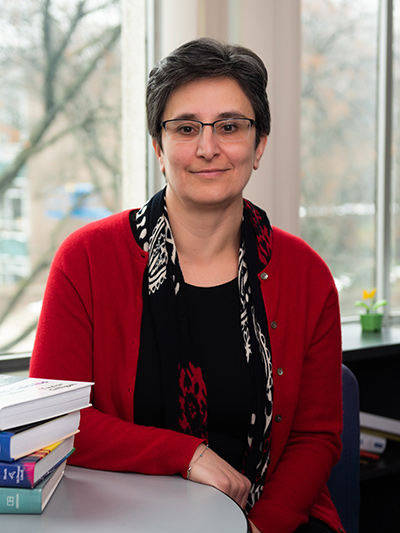
Dr. Josephine Vaughan is a Lecturer in Construction Management (Building) at the University of Newcastle's School of Architecture and Built Environment, part of the College of Engineering, Science and Environment. She holds a PhD in Architecture from the University of Newcastle, complemented by a Bachelor of Science (Architecture) from the University of Sydney and a Graduate Certificate in Ecologically Sustainable Development from TAFE NSW. Her research focuses on ecologically sustainable construction practices, particularly in building materials and embodied carbon reduction. Notable projects include developing removable brick mortar for reuse and researching hempcrete as a sustainable alternative. She collaborates with industry partners like Brickworks and RMIT, and actively engages with organizations such as MECLA and the MidCoast Council’s Sustainable Building Futures Partnership. Research interests span environmental sustainability, circular economy, and community-focused design. Over 50 publications and industry reports highlight her contributions, including award-winning work on thermal comfort in classrooms and embodied carbon analysis. Key grants include funding for circular economy mortar development and material management research. Education: PhD in Architecture, University of Newcastle Bachelor of Architecture, University of Newcastle Bachelor of Science (Architecture), University of Sydney Graduate Certificate in Ecologically Sustainable Development, TAFE NSW Her work aligns with UN Sustainable Development Goals (SDGs 3,7,11,12), emphasizing health, energy, sustainable cities, and responsible consumption. Awards include the 2024 MDPI Best Paper Award and 2023 Global Engagement Excellence Award. She also chairs the MECLA Construction Materials & Assemblies Working Group and coordinates student industry experiences. Recent articles explore thermal comfort, circular economy barriers, and traditional water knowledge applications. Grants total over $682,000, supporting projects like material inventories and mortar innovation. Collaborative international work includes teaching programs in India and Malaysia, reflecting her global impact in sustainable built environment practices.