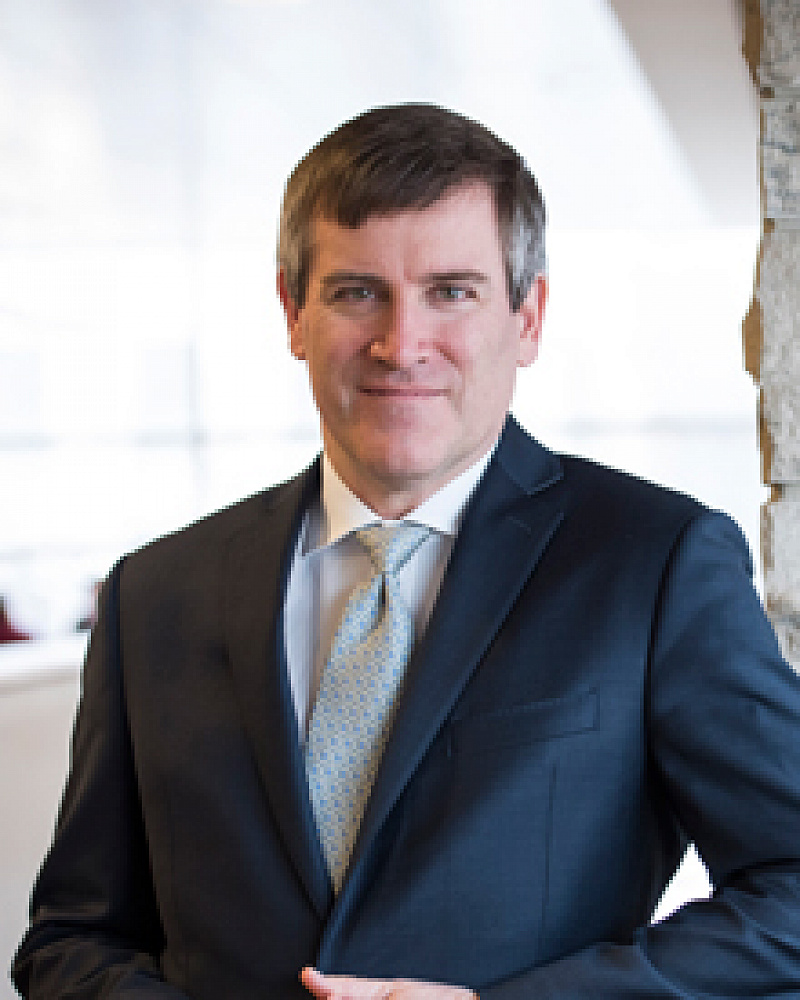
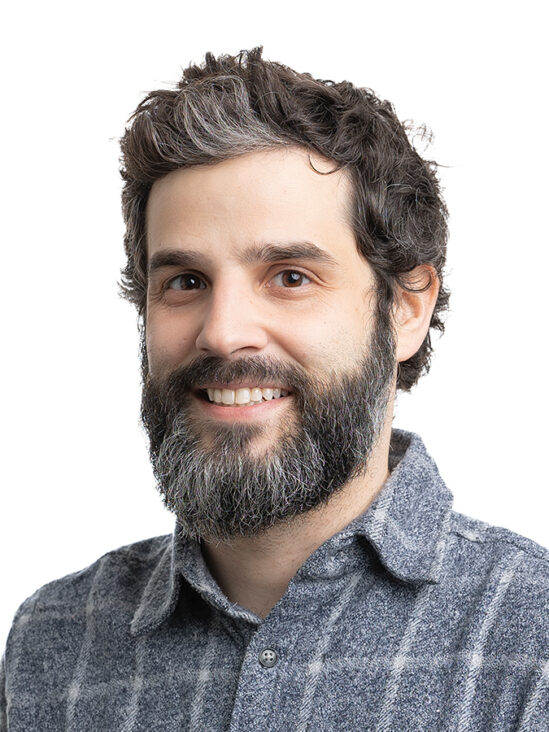
Prof. Tan Yap Peng is a Professor and Chair of the School of Electrical & Electronic Engineering at Nanyang Technological University (NTU), Singapore. He holds the President's Chair in Electrical and Electronic Engineering and serves as Associate Vice President (Lifelong Learning – Postgraduate Programmes by Coursework). His research focuses on multimedia analysis, computer vision, machine learning, and data analytics. He earned his B.S. from National Taiwan University and M.A./Ph.D. from Princeton University. He has led major initiatives including the INFINITUS Infocomm Research Centre and contributed to IEEE technical committees. His over 200 publications span image/video processing, neural network robustness, and cross-modal systems. Awards include IEEE Fellow status. Education: B.S. Electrical Engineering (NTU), M.A./Ph.D. (Princeton) Research interests emphasize interactive digital media, content-based analysis, and AI-driven solutions for visual and signal processing. His work addresses challenges in adversarial attacks, video generation, and low-light image enhancement. He has held editorial roles at IEEE Transactions and EURASIP journals. Conference leadership includes chairs for ICME and ICIP. His contributions bridge academia and industry through collaborative research networks.
Dr Elise Hugueny-Leger is a Senior Lecturer in the French Department at the University of St Andrews' School of Modern Languages. Her research focuses on creative writing pedagogy and life-writing forms, particularly autofiction and autobiography. She has pioneered innovative teaching modules such as 'Creative Writing in French,' which earned a University Teaching Excellence Award and Times Higher Education shortlisting. Her Leverhulme Fellowship (2022-2023) explored creative writing research methodologies in French contexts. Her academic work centers on Annie Ernaux—2022 Nobel Laureate in Literature—with a monograph Annie Ernaux, une poétique de la transgression (2009) and the bilingual annie-ernaux.org resource. Current projects examine intersections between literature and visual media in self-representation, as seen in Projections de soi (2022). She also investigates translingual writing practices to foster cross-cultural dialogue. Teaching spans French language/culture modules including 'Intellectuals in Modern France' and 'Consumerism in Modern France.' Supervised doctoral research includes studies on autofiction, gender, and mourning in contemporary French literature. Awards include the Leverhulme Fellowship and recognition for educational innovation.
Dr. Neha Gupta is a teaching-focused Assistant Professor in the Information Systems Management and Analytics (ISMA) Group at Warwick Business School (WBS), University of Warwick. She holds a PhD in Urban Data Science from the Warwick Institute of Science of Cities (WISC) and is a Fellow of the Higher Education Academy (FHEA) and Warwick Institute of Higher Education (WIHEA). She co-leads the AI in Education Learning Circle and has received awards for teaching excellence and pastoral care. Education: PhD in Urban Data Science, Warwick Institute of Science of Cities (WISC), University of Warwick (2018) Her research focuses on applying AI, Data Science, and Software Engineering to Higher Education and industry sectors. She previously worked in technical, consultancy, and managerial roles at firms like AGCO Corporation, HSBC, and TATA Consultancy Services. She is PRINCE2 certified in Project Management. Key Research Areas: AI in Education Data Science for Social Good Cyber Security in Business Teaching: She teaches modules including Digital Business Services, Artificial Intelligence in Business, Programming for Business Applications, and Cybersecurity in Business across multiple programs like MSc Management of Information Systems, BSc International Management, and MSc Business Analytics. Awards: WBS CORE Award for Excellence in Teaching (2022-23) Outstanding Contribution to Pastoral Care Award (2023-24) Outside academia, she practices yoga, engages in spiritual disciplines, and volunteers with local youth programs.
Jona Ballé is an Associate Professor in the Department of Electrical and Computer Engineering at New York University Tandon School of Engineering. His research focuses on visual media compression, leveraging machine learning and end-to-end optimization to advance compression techniques for traditional and emerging modalities (e.g., AR, plenoptic imaging). He holds a PhD in signal processing from RWTH Aachen University (2012), followed by postdoctoral work at NYU’s Center for Neural Science and a Research Scientist role at Google (2017–2024). His contributions include foundational work on JPEG AI and leadership in conferences such as CLIC and DCC. Education: PhD in Signal Processing, RWTH Aachen University (2012) Master’s in Signal Processing, RWTH Aachen University (2007) Research: Ballé bridges machine learning and perceptual science to improve compression efficiency. Key areas include perceptual metrics, end-to-end optimization, and distributed coding. His work on Wasserstein distortion and Fourier basis models reflects cutting-edge advancements in compression theory. Impact: As co-organizer of the Challenge on Learned Image Compression (CLIC) and program committee member of the Data Compression Conference (DCC), he drives community progress. His industry collaborations and leadership in the JPEG AI standard highlight his translational research.
Dr. JoAnn Kuchera-Morin is a Professor in both the Department of Music and Media Arts and Technology at the University of California, Santa Barbara. She serves as the Director of the Center for Research in Electronic Art Technology (CREATe), established in 1986, and led the Digital Media Innovation Program as its Chief Scientist from 1998-2003. Her research focuses on multi-modal media systems, facility design, and the intersection of art and science through immersive technologies like the Allosphere Research Laboratory—a three-story interactive sphere for multidimensional data exploration. Education: Ph.D. in Music from the Eastman School of Music (University of Rochester, 1984). Her compositional work emphasizes electro-acoustic music, with performances across the U.S., Europe, and Asia. She pioneered natural performance gesture interfaces for digital media control and developed the Allosphere as a cornerstone of UCSB's California Nanosystems Institute. Key contributions include the Digital Media Innovation Program (multi-million dollar research initiative) and the Allosphere lab, which enables collaborative scientific and artistic investigations. Her work bridges computational media, artistic expression, and interdisciplinary research infrastructure.
Kiffer G. Card is an Assistant Professor in the Faculty of Health Sciences at Simon Fraser University, where he leads the Healthy Ecologies and Lifestyles (HEAL) Lab. He holds multiple leadership roles, including Scientific Director of the Canadian Alliance for Social Connection and Health, President and Chair of the Mental Health and Climate Change Alliance, President of the Island Sexual Health Community Health Centre, and Director of Research for GenWell. His work bridges academic research, community engagement, and public policy. Dr. Card’s research focuses on the social and environmental determinants of health, with emphasis on mental health, social connection, climate change, and health equity. His work explores issues such as loneliness, social prescribing, HIV/AIDS, substance use, and LGBTQ+ health. Through community-based and participatory approaches, he investigates how socio-ecological factors influence individual and population wellbeing, particularly during public health crises. His recent publications reveal a strong trend toward interdisciplinary research integrating public health, psychology, and social policy. Themes include social prescribing, climate anxiety, digital health interventions, and health disparities among marginalized populations. He has published extensively on the impacts of the pandemic, HIV prevention, and mental health in sexual and gender minority communities. 2021 MSFHR Scholar Award 2020 CIHR-IHSPR Rising Star Award 2018 CTN Postdoctoral Award 2018 MSFHR Trainee Award 2018 CIHR Health Systems Impact Fellowship Dr. Card has trained over 50 research assistants, undergraduates, graduate trainees, and postdoctoral fellows. His research is supported by approximately $25 million in grant funding. He actively engages in knowledge translation, advising policy stakeholders and contributing to public discourse through media interviews and community partnerships. His work has resulted in over 200 academic and lay publications and more than 100 conference presentations. He leads the HEAL Lab, which focuses on advancing understanding of how to build happier and healthier communities in the face of climate change, pandemics, and economic challenges. The lab emphasizes co-production, community collaboration, and innovative methodologies such as digital data visualization and wastewater-based epidemiology.
Professor Rachel Kennedy is a co-founder and Associate Director (Product Development) at the Ehrenberg-Bass Institute for Marketing Science, the world's largest center for marketing research. Based at the University of South Australia, she plays a pivotal role in translating cutting-edge research into actionable insights and industry products. Her work bridges academia and practice, serving global brands such as Unilever, Mars, Google, and HSBC through evidence-based marketing strategies. Research Interests: Rachel’s research is centered on marketing science, with a focus on advertising effectiveness, brand growth, consumer behavior, and neuromarketing. She investigates how advertising works using biometrics, attention metrics, and single-source data. Her work emphasizes evidence-based approaches, challenging industry myths and promoting scientific rigor in marketing decisions. Key areas include ad likeability, price promotions, packaging design, and the long-term effects of advertising cessation. The analysis of her recent publications reveals a consistent trend toward understanding measurable, long-term brand performance. Her work increasingly incorporates biometric and eye-tracking methods to assess attention and persuasion in advertising. Themes such as duplication of purchase, brand user profile similarity, and the validity of marketing metrics recur across her research, reinforcing foundational principles of marketing science. Scientific Awards and Recognition: Incorporated Society of British Advertisers award for advancing understanding of advertising Named one of 'Advertising’s Big Thinkers' by the UK Advertising Association Advising and Grants: While specific students are not listed, Rachel has mentored and collaborated extensively with researchers at the Ehrenberg-Bass Institute. Her role in product development implies leadership in research funding and industry sponsorship programs. She has led and contributed to numerous market research projects funded by global advertisers and media organizations, helping to embed evidence-based practices across industries. Labs and Teams: Rachel is a core member of the Ehrenberg-Bass Institute, a world-renowned research center with over 60 marketing scientists. The institute operates as a collaborative hub for empirical marketing research, offering executive programs like 'How Brands Grow – Live!' and conducting large-scale studies on consumer behavior, advertising, and brand strategy.
Professor Jenni Romaniuk is a Research Professor of Marketing and Associate Director (International) at the Ehrenberg-Bass Institute for Marketing Science, formally affiliated with the University of South Australia through UniSA Business School. She is a leading authority in marketing science, particularly in brand growth, mental availability, and distinctive brand assets. Her research focuses on understanding how brands grow through empirical generalizations, with significant contributions to the measurement of brand health, category entry points, and advertising effectiveness. She has authored three major books: Building Distinctive Brand Assets , How Brands Grow Part 2 , and Better Brand Health , all published by Oxford University Press. The 15 most recent publications reveal a strong trend in consumer behavior across diverse contexts, including non-profits, luxury brands, co-branding, and emerging markets. Her work integrates quantitative modeling with behavioral insights, often using large-scale datasets to validate marketing laws such as the Pareto principle and mental availability theory. She frequently publishes in top journals like the European Journal of Marketing , International Journal of Market Research , and Journal of Advertising Research . She is a past editor and current member of the Senior Advisory Board of the Journal of Advertising Research , reflecting her leadership in the academic marketing community. Her collaborations span global researchers, contributing to foundational knowledge in brand equity, private labels, and word-of-mouth dynamics. Jenni Romaniuk has not disclosed any PhD or Master’s students in the provided text. She is actively engaged in research and has no indication of part-time status, retirement, or former staff designation. She is not listed with any specific email address in the text.
Rebecca Moosavian is an Associate Professor in Law at the University of Leeds' School of Law, part of the Faculty of Social Sciences. She specializes in media law, intellectual property law, and constitutional law, with a focus on privacy rights, free expression, and legal critiques of governmental actions such as the Iraq War and pandemic measures. Her research integrates critical legal theories to analyze law's role in shaping knowledge and power dynamics. Education includes an LL.B (Hons), Legal Practice Certificate, Postgraduate Certificate in Academic Practice, and MPhil. Professional memberships include the Society of Legal Scholars and Socio-Legal Scholars Association, where she serves on the executive board of the latter. Research interests center on Article 8 (privacy) and Article 10 (free expression) conflicts, particularly in misuse of private information cases involving photography and image rights. She also examines constitutional issues such as executive power in wartime and pandemic governance, employing proportionality analysis and critiques of legal language's idiosyncrasies. Recent articles focus on privacy vs free speech tensions, pandemic proportionality, and SLAPP litigation. While no awards are listed, her work engages deeply with public interest law, gender politics, and legal reform. She supervises postgraduate researcher Christopher Robinson and leads the LLB (Graduate Programme). Affiliated with the Centre for Business Law and Practice and Centre for Law and Social Justice, her scholarship bridges legal theory and societal impact.
Dr. Michael S. Mulvey is an Associate Professor of Marketing at the University of Ottawa's Telfer School of Management and a member of the LIFE Research Institute. He holds a Ph.D. from Penn State University and has held prior positions at Rutgers University, Penn State, and the Bucharest School of Management. His teaching excellence has been recognized through awards like the GE Teaching Fellowship and multiple nominations for teaching accolades. His research focuses on consumer behavior, brand positioning, and qualitative methodologies, with a particular emphasis on aging, accessibility, and dementia-inclusive travel. He leads the Daring to Travel initiative to enhance travel accessibility for older adults and individuals with disabilities. His work spans over $1.4M in research funding, including grants from the National Research Council of Canada and the Public Health Agency of Canada. Dr. Mulvey advises on brand strategy and has provided expert testimony in legal cases involving trademark infringement and consumer protection. He collaborates with industry stakeholders to bridge academic research and public discourse, appearing as a media commentator on consumer trends and branding in outlets like CBC and CPAC.
Dr. Lindsay Persohn is an Assistant Professor in the Department of Language, Literacy, and ED.D. at the University of South Florida's Sarasota-Manatee campus. She holds a Ph.D. in Curriculum and Instruction (2018), an M.L.I.S. in Library Science (2010), and a B.S. in Pre-K/Primary/Elementary Education (2003), all from the University of South Florida and Florida Southern College. Her research focuses on arts-based qualitative methodologies, children’s literature, visual literacy, and the illustrations of Alice’s Adventures in Wonderland . She also explores podcasting as a tool for public knowledge dissemination through her podcast Classroom Caffeine , and investigates Extended Reality (XR) technologies for educational applications. Dr. Persohn teaches undergraduate literacy courses and is actively involved in service roles, including leadership in state/national literacy organizations, manuscript reviewing, and book reviews for School Library Journal . She has held roles as a classroom teacher, school librarian, and district library services coordinator. Her work emphasizes democratizing knowledge through accessible storytelling and community-engaged learning. Education Ph.D., Curriculum and Instruction, University of South Florida (2018) M.L.I.S., Library Science, University of South Florida (2010) B.S., Pre-K/Primary/Elementary Education, Florida Southern College (2003) Research Interests Dr. Persohn’s research bridges creative and technological approaches to understanding stories and their societal impact. She analyzes children’s literature illustrations (e.g., Alice in Wonderland ) to uncover cultural narratives and employs methods like time-lapse photography and curation to explore large datasets. Her podcasting work investigates how audio storytelling can make academic research accessible to practitioners and the public. She also explores XR technologies to enhance critical thinking through community-driven projects. Recent Article Trends Her recent articles focus on podcasting as a legitimate scholarly medium (e.g., Scholarly Podcasting for Research Dissemination ), mentorship’s role in literacy development (e.g., Nurturing Lifelong Readers ), and the evolution of Alice’s Adventures in Wonderland illustrations ( The Metafictional Evolution of Wonderland Illustration ). These works highlight her dual focus on innovative research methods and community-oriented knowledge sharing. Awards & Grants Marcus “Pop” Woods Foundation Scholarship (2015–2018) USF Student Government Conference Travel Grants (2013, 2016) USF World Study Abroad Scholarship (2013) Service & Leadership She serves on the College of Education’s Faculty Success Committee, chairs local literacy initiatives like Polk Vision Literacy Team, and leads the LLEEP Department Governance. Her efforts emphasize equity, mentorship, and interdisciplinary collaboration. Labs & Teams Dr. Persohn collaborates with the Language, Literacy, Ed.D., and Physical Education (LLEEP) department and leads podcasting and XR projects through her faculty role.
Pedro M. Cruz is an Associate Professor in the Art + Design Department at Northeastern University, where he co-directs the Co-Lab for Data Impact and serves as a core faculty member of the Center for Design. His work bridges information design, data visualization, and computational art, featuring nature-inspired metaphors to convey complex data through visual narratives. Education includes a PhD in Information Science and Technology from the University of Coimbra (Portugal), with visiting research at MIT’s Senseable City Lab and the Singapore-MIT Alliance for Research and Technology. His research focuses on bio-inspired visualization, generative design, and the intersection of art and science. Awards include the 2018 Gold Award at the Information is Beautiful Awards, the 2017 CAMD Excellence in Teaching Award, and recognition as one of the top 10 global information designers (2013). His work has been showcased at MoMA, the London Design Biennale, and featured in WIRED, National Geographic, and Fast Company. Key projects include 'Visualizing Empires Decline' (2009), an animated visualization of maritime empire dissolution, and collaborations on exhibits at the Museum of Science and the Museum of Fine Arts in Boston. His teaching spans courses like Information Design Studio and Visualization Technologies.
Hyunseon Lee is a Privatdozent in Media Studies and Modern German Literature at the Department of German, Faculty of Philosophy, University of Siegen, Germany. She also holds a position as Professorial Research Associate at the Department of East Asian Languages and Cultures and the Centre for Creative Industries, Media and Screen Studies at SOAS, University of London, and is a Professional Researcher at the Institute of Humanities, Yonsei University in Seoul. Her academic affiliations reflect a transnational and interdisciplinary profile bridging German, East Asian, and global cultural studies. PhD in Modern German Literature, University of Dortmund (with distinction) Habilitation, University of Siegen (2013) Studies at Yonsei University, Ruhr-University Bochum, and Freie Universität Berlin Her research focuses on Korean cinema, war and memory, gender, shamanism, intercultural narratives (especially the global Madame Butterfly phenomenon), and visual culture. She explores how films serve as living archives of trauma, identity, and national memory, particularly in postwar and divided societies. Her scholarship combines discourse analysis, comparative literature, and media theory. The 15 most recent publications highlight a consistent engagement with Korean war films, memory studies, intermediality (especially opera and film), exoticism, and gender. Her work spans historical analysis, festival studies, and transnational cultural flows, with a strong emphasis on South and North Korean cinema, Zainichi narratives, and the global reception of Korean films. Author of Metamorphosen der Madame Butterfly (2020) and Geständniszwang und ‘Wahrheit des Charakters’ (2000) Solo Editor of Korean Film and History (2023) and Korean Film & Festivals (2022) Co-editor of works on opera, Kurosawa, and gender in media Creator of the Korean Peninsula Cinema database (2018) Hyunseon Lee has held research fellowships at Columbia University, Seoul National University, Chuo University, and the University of London. She is actively involved in public scholarship through platforms like The Conversation and has contributed to exhibition catalogues and public lectures. She leads research on memory, war, and K-culture, with no indication of retirement or reduced activity. Her work bridges academia and public discourse, emphasizing the cultural and ethical dimensions of cinema. She is affiliated with research teams at the University of Siegen, SOAS, and Yonsei University, focusing on memory studies, East Asian screen cultures, and intercultural media. Her projects often involve international collaboration, particularly between German, British, and Korean institutions. She continues to supervise and mentor emerging scholars through collaborative publications and academic networks.
Dr Marios Samdanis is a Senior Lecturer in Strategy, Entrepreneurship and International Management at Brunel Business School, Brunel University London, within the College of Business, Arts and Social Sciences. He is also the Director of the Centre for Entrepreneurship and Sustainability (CES), reflecting his leadership in academic and research initiatives. Previously, he served as a Lecturer in Digital Creativity and New Media Management at Birkbeck College, University of London, and as a Lecturer in Art Business at Sotheby’s Institute of Art, London. Research Interests: His research lies at the intersection of innovation, entrepreneurship, and organizational theory, with a focus on creative industries such as contemporary visual arts, architecture, and design. He investigates leadership, diversity, and authenticity in cultural and technological contexts, drawing on frameworks like new institutionalism and sociomateriality. His work explores how technology and institutional forces shape creative practices and entrepreneurial ecosystems. Publication Trends: His recent publications (2023–2024) show a strong focus on leadership diversity, authenticity, and institutional dynamics, particularly in unregulated or neoliberal environments. He also explores digital transformation in art markets, knowledge-based views in international business, and the sociocultural dimensions of appearance and identity. His research is interdisciplinary, blending insights from management, sociology, and cultural studies. Scientific Awards: No specific awards or fellowships were mentioned in the provided text. Advising and Grants: While no formal list of students or grants is provided, his extensive co-authorship with scholars like Prof. Mustafa Ozbilgin, Dr. Janja Tardios, and Dr. Ozlem Ayaz suggests active mentorship, collaboration, and likely involvement in funded research projects. He is also an active reviewer for journals in innovation and entrepreneurship. Labs and Research Groups: Dr Samdanis leads the Centre for Entrepreneurship and Sustainability (CES), which serves as a hub for interdisciplinary research on sustainable innovation and entrepreneurial practices within cultural and business contexts.
Fatma Sinem Özgür is an Assistant Professor in the Department of Architecture at Mimar Sinan Fine Arts University's Faculty of Architecture, specializing in the Building Information subdivision. Her academic trajectory includes a Bachelor of Architecture (2004–2009), MSc in Architecture (Non-thesis, 2009–2011), and PhD in Architectural Design (2012–2019), all completed at Istanbul Technical University. She demonstrates proficiency in English, evidenced by her YDS (Foreign Language Proficiency Exam) score of 83.75 in 2020. Research Focus: Her work centers on architectural theory, urban studies, and cultural narratives, with emphasis on: Mimesis and precedent knowledge in design processes Semiotics and meme theory in architectural epistemology Urban identity, transnational spaces, and sensory experiences in cities Narrative structures as tools for spatial analysis Publication Trends: Her 15 most recent articles (2011–2023) reveal consistent engagement with architectural phenomenology, cultural transmission, and urban morphology. Key thematic clusters include: Mimesis and knowledge representation in design (2023, 2019, 2018) Urban identity in Istanbul, Lyon, and Aegean towns (2016, 2015, 2013, 2011) Temporality and existential dimensions of space (2021, 2018) Methodologically, she integrates semiotics, phenomenology, and memetics to analyze spatial narratives. Awards & Advising: No awards, supervised students, or grants are documented in the available sources.