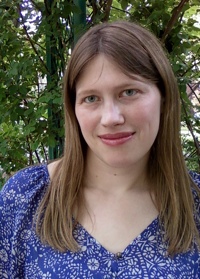
Paul Stillman is an Assistant Professor in the Department of Marketing at Boston University's Questrom School of Business. His office is located in the Rafik B. Hariri Building at 595 Commonwealth Avenue, Boston, MA 02215, and he can be reached at pstill@bu.edu . Research Focus: Consumer behavior, self-control mechanisms, and decision-making processes using interdisciplinary approaches combining behavioral economics, cognitive psychology, and neuroimaging. Techniques: Mouse-tracking, computational modeling, and brain network analysis. Recent publications examine temporal reasoning in self-control, sustainability labeling in food choices, and neural correlates of construal level theory. His work bridges marketing science with cognitive neuroscience , emphasizing behavioral interventions and dynamic decision analysis .
Harald Gjermundrod is a Professor of Computer Science in the Department of Computer Science at the University of Nicosia's School of Sciences and Engineering, where he has served since September 2008. Previously, he was a Post-Doctorate Associate (2006-2008) at the High-Performance Computing Systems Laboratory, University of Cyprus. Education: PhD in Computer Science, Washington State University (2006) MS in Computer Science, Washington State University (2001) BS in Computer Science, Washington State University (1999) Dipl.-Ing, Oslo Metropolitan University (1998) His research spans Distributed Computing Systems , Computer Security , Blockchain Technology , and Data Protection , with emphasis on practical implementations like GridStat middleware for power grids and privacyTracker for GDPR compliance. As co-director of the Informatics Security Laboratory, he leads research on active defense mechanisms and data protection frameworks. His 87+ publications since 2001 show evolving focus from grid computing (2006-2010) to blockchain applications (2016-present), with recent work emphasizing privacy engineering, secure e-voting, and AI-driven security analytics. Key trends include transitioning from infrastructure-focused research (GridStat, ICGrid) to policy-compliant systems (privacyTracker, HoneyCY). Scientific Recognition: Senior Member of ACM Eclipse Committer Status (Alumni) Chair of ACM Cyprus Chapter (2015-2018) He has secured funding from EU programs, US National Science Foundation, and National Institute of Technology, developing software products including GridStat (critical infrastructure middleware), ICGrid (medical data sharing), and ReProTool (Bologna Process compliance). His supervision has produced student-developed prototypes like NoteLocker and HoneyCY. Current projects include privacyTracker (GDPR compliance) and SmartTeV (blockchain voting). As co-director of the Informatics Security Laboratory, he oversees research on active defense systems, honeypot frameworks (HoneyCY), and verifiable data traceability, with applications in e-government and healthcare security.
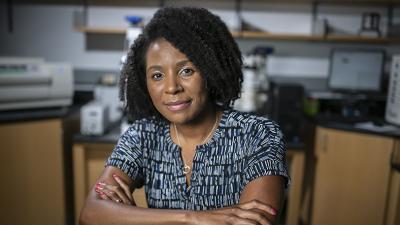
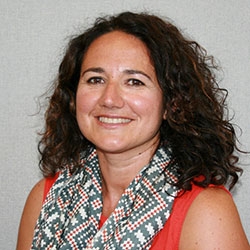
Chantell Skye Evans is an Assistant Professor of Cell Biology at Duke University's School of Medicine, where she leads a research laboratory focused on mitochondrial quality control mechanisms in neurons. She is also a Duke Science and Technology Scholar and was named a HHMI Freeman Hrabowski Scholar in 2023. Her research focuses on understanding mitochondrial quality control pathways including mitochondrial fusion and fission events, mitochondrial-derived vesicles, and mitophagy. She investigates how these pathways collaborate to regulate the mitochondrial network in healthy neurons and what goes wrong in neurodegenerative disease. Her lab integrates advanced live-cell microscopy to visualize mitochondrial dynamics with biochemical techniques and proteomics to define the specificity of these mechanisms in primary neurons, iPSCs, and mouse models of disease. Dr. Evans' publication record demonstrates consistent research output with a focus on mitochondrial dynamics, neuronal health, and neurodegenerative disease mechanisms. Her recent work has appeared in high-impact journals including Nature, Cell, Nature Cell Biology, and Journal of Cell Biology, reflecting her significant contributions to understanding how mitochondrial quality control mechanisms function in neurons and how their dysfunction contributes to neurodegenerative conditions. HHMI Freeman Hrabowski Scholar (2023) Sloan Research Fellow (2022) Duke Science and Technology Scholar (2021) Hanna Gray Fellow, Howard Hughes Medical Institute (2017) The Brilliant 10: The top up-and-coming minds in science (2022) Dr. Evans actively mentors students in her laboratory, which includes undergraduate research assistants, PhD students, and research technicians. She has secured multiple significant research grants including the HHMI Hanna H. Gray Fellows Program and various NIH-funded projects focused on mitochondrial regulation in neurodegeneration. Beyond her research, she is deeply committed to diversity in STEM and serves as a visible role model for underrepresented groups in science, having overcome her own challenges as a Black woman in academia.
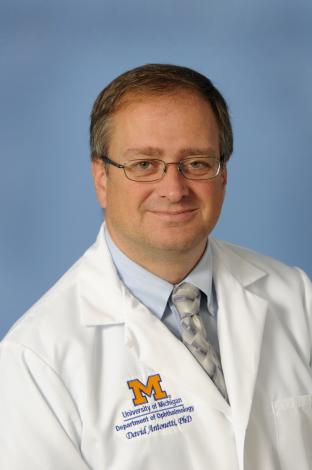
David Antonetti, Ph.D., serves as Professor and Scientific Director at the University of Michigan's Kellogg Eye Center within the Department of Ophthalmology and Visual Sciences. His laboratory actively accepts new students and maintains dual appointments in Molecular & Integrative Physiology. Antonetti directs research focused on vascular barrier mechanisms with significant implications for diabetic complications and stroke. His research centers on the tight junction complex in blood-retinal and blood-brain barriers, investigating how diabetes and stroke compromise vascular integrity. Antonetti's lab pioneered the discovery that occludin phosphorylation regulates barrier properties, demonstrating that transgenic mice expressing phosphorylation-resistant occludin mutants preserve retinal vascular function during diabetes. Current work explores Norrin cytokine therapy for barrier restoration and occludin phosphorylation targeting for stroke treatment using biochemical, cell biological, and transgenic approaches. Award highlights include the Jules Francois Prize (2004), Hinkle Society Translational Research Award (2007), and Roger W. Kittendorf Research Professorship (2019). His publication trends reveal sustained focus on vascular permeability mechanisms, with recent emphasis on Norrin signaling, disheveled-claudin interactions, and therapeutic repurposing for diabetic retinopathy and stroke. Jules Francois Prize for Young Investigator in Ophthalmology (2004) Hinkle Society Mid-Career Translational Research Award (2007) Most Inspirational Teacher Award (2009) Jules and Doris Stein Professorship (2011) Roger W. Kittendorf Research Professorship (2019) Antonetti leads collaborative research with Dr. Dan Lawrence on blood-brain barrier mechanisms in stroke, and directs multiple institutional resources including the Michigan Research Experts Profile. His laboratory develops transgenic models and molecular techniques to translate barrier biology discoveries into novel therapeutics, with recent work focusing on controlled antibody delivery systems and repurposed drugs for vascular protection. The Antonetti lab operates within the Kellogg Eye Center's research infrastructure, utilizing advanced techniques including mass spectrometry, mutational analysis in endothelial cell culture, transgenic mouse modeling, and optical coherence tomography. Current projects investigate neurovascular unit interactions, occludin-dynein mechanics, and Norrin-based therapeutics for diabetic retinopathy, with strong translational emphasis on vision preservation.
Szilárd Svitek is Assistant Professor and Head of the Department of Mathematics at the Faculty of Economics and Informatics, J. Selye University , Komárno, Slovakia. Holding a PhD in the Theory of Mathematics and Informatics Education, he has continuously served the university since 2018, leading curriculum development and research initiatives while lecturing in both Slovak and Hungarian. Education 2012–2015: Teaching of German Language & Literature and Mathematics – Faculty of Education, J. Selye University 2015–2017: Master’s continuation in the same programme – Faculty of Education, J. Selye University 2020–2024: PhD in Theory of Teaching Mathematics and Informatics – Faculty of Economics and Informatics, J. Selye University Research Focus His scholarly work straddles pure mathematics and mathematics education . In pure mathematics he investigates densities, distribution and convergence properties of numerical sequences, while in education he explores digital distance learning, comparative competences of Slovak and Hungarian secondary students, and innovative didactic methods including visualization and open-ended problem solving. Publications & Impact Since 2021 he has authored or co-authored 20 scholarly outputs indexed in Web of Science Core Collection, Scopus and Current Contents Connect, accruing 19 citations (10 without self-citations). His works appear in journals such as Mathematics (MDPI), Journal of Humanistic Mathematics and Annales Mathematicae et Informaticae . Grants & Projects VEGA 1/0663/19 (2019–2021): Analysis of science & mathematics education in secondary schools and innovation of subject-didactic content VEGA 1/0386/21 (2021–2023): Reasons for student success/failure in mathematics with emphasis on electronic distance education VEGA 1/0776/21 (2021–2023): Densities, distribution and convergence properties of number sequences Department Leadership & Collaboration As Head of the Department of Mathematics, he coordinates curriculum design, supervises junior colleagues and fosters international cooperation, notably through Erasmus+ partnerships and cross-border Slovak–Hungarian educational projects.
Robert F. Hess, Ph.D., D.Sc. is a Professor and Director of Research in the Department of Ophthalmology at McGill University. He also serves as the Director of the McGill Vision Research Unit, a leading center for vision science research. His work focuses on understanding visual perception mechanisms, particularly in conditions like amblyopia. Dr. Hess's research interests span multiple areas of vision science including: Adult Neuroplasticity Amblyopia (both clinical and laboratory aspects) Visual contour processing Brain imaging related to vision Motion perception Shape perception Spatial vision Stereo vision Transcranial Magnetic Stimulation (TMS) His recent publications reveal a strong focus on amblyopia research, particularly examining binocular vision deficits, spatial scrambling effects on visual perception, and novel treatment approaches. Dr. Hess has been investigating how dichoptic training methods can improve visual function in amblyopia, moving beyond traditional patching approaches. His work often combines psychophysical testing with computational modeling to understand the neural mechanisms underlying visual perception deficits. As Director of the McGill Vision Research Unit, Dr. Hess leads a collaborative research environment that brings together multiple investigators studying various aspects of vision. The unit appears to be well-integrated with both basic science and clinical ophthalmology at McGill University.
Anne de Jong is a researcher in the Molecular Genetics department at the University of Groningen, specializing in bioinformatics and computational biology. Her work focuses on developing user-friendly pipelines and web servers for integrating data mining and statistics, particularly in bacterial genetics and transcriptomics. She contributes to tools like BAGEL3, PePPER, and Genome2D, which aid in analyzing prokaryotic genome and transcriptome data. Her group utilizes Linux servers to manage large datasets from techniques such as Next Generation Sequencing and proteomics analysis. Her research interests include RNA folding, biospectroscopy, and translating big-data into biological knowledge. She has published extensively on bacteriocin detection, promoter prediction, and data visualization frameworks for prokaryotic systems biology.
Jan von der Assen is a doctoral student at the Communication Systems Group (CSG) within the Department of Informatics at the University of Zurich . His research focuses on Holistic Cybersecurity , spanning Threat and Asset Management , Security Economics , and AI-powered Malware Mitigation . Education : MSc in Software Systems from University of Zurich (2021) Research Affiliations : Involved in 12+ national/EU projects (2021–2025) including CheeseChain , CONCORDIA , and DSI Cybersecurity . His work emphasizes Moving Target Defense (MTD) for IoT security, Decentralized Federated Learning with blockchain-based reputation systems, and Ransomware Detection using hypervisor-level system call monitoring. Recent publications include: GuardFS (JISA 2025) for Linux ransomware mitigation HyperDtct (IEEE CSR 2025) on hypervisor-based detection ThreatFinderAI (CNSM 2024) for LLM threat modeling
Begona Rodriguez De Cespedes is a Senior Lecturer and Course Leader of the MA Translation Studies at the University of Portsmouth , affiliated with the School of Education, Languages and Linguistics and the Centre for European and International Studies Research . Her work bridges academic translation education with industry practices. Research Interests : Focuses on pedagogical challenges in translator training, professionalisation, automation's impact, enterprising education, and UK language service provision. Her studies explore employability, industry training practices, and technology integration. Recent Research Trends : Analysis of AI's role in translation, digital transformation of language service providers, and curriculum innovations for freelance readiness. Collaborative projects include the European Master’s in Translation and National Network for Translation. Scientific Awards : No specific awards listed in the provided text. PhD Supervision & Grants : Supervises PhD students and participates in knowledge exchange projects. Served as Portsmouth coordinator for the European Project OPTIMALE and EMT (European Master’s in Translation) from 2011-2021. Labs & Teams : Active in the Sociology and Social Theory Research Group and ELIA Exchange UK , collaborating with language service providers and European universities.
Sarah Matej is a Researcher at the Institute for Social Ecology , affiliated with the University of Natural Resources and Life Sciences, Vienna (BOKU) . Her work focuses on global land use systems, human-nature interactions, and environmental sustainability metrics. Research Interests : Human Appropriation of Net Primary Production (HANPP) Carbon cycle and land use change GIS and spatial modeling Urban-rural telecoupling Biodiversity footprint analysis Notable Contributions : Co-developed the Biospheremetrics R package for assessing biosphere integrity Published in Scientific Data , Global Ecology and Biogeography , and Journal of Cleaner Production Projects : EO AFRICA - Continental Demonstrator LUISA (2023-2025) LandCube: Global Land Use Data Cube (2022-2026) Biodiv Vienna: Urban Biodiversity Footprint (2018-2022)
Dr. Melike Schalomon serves as Dean of the Faculty of Arts and Science and Professor in the Department of Psychology at MacEwan University, Edmonton, Alberta. Her enduring commitment since completing her PhD has shaped the university's academic trajectory and research infrastructure, particularly through pioneering animal research programs. Her academic foundation includes advanced training in neuroscience: PhD, University of Alberta M.Sc., University of Alberta B.Sc., Laurentian University Dr. Schalomon's research centers on behavioural neuroscience using zebrafish models to investigate anxiety, memory, and neuropharmacological mechanisms. She develops innovative behavioural paradigms to assess pharmaceutical impacts on neural function, bridging neuroanatomy, psychopharmacology, and animal methodology. Her secondary research explores human sexuality in autism spectrum disorder, examining sexual orientation dynamics in neurodiverse populations. Analysis of her publication history reveals a dominant focus on zebrafish behavioural pharmacology since 2016, with increasing sophistication in anxiety and memory testing methodologies. Earlier work (2012-2014) established foundational contributions to autism and sexuality research, while recent publications (2023-2024) demonstrate methodological innovation in behavioural assessment and cross-disciplinary educational studies. Her distinguished contributions include: Distinguished Teaching Award, MacEwan University (2010) Dr. Schalomon actively mentors honours students and supervises senior independent research projects. Her institutional leadership spans multiple high-impact committees including Academic Planning and Quality Assurance (2020-present), Crisis Management Team (2018-present), Deans' Council (2018-2019, 2020-present), and Strategic Enrolment Management Steering Committee (2023-present), reflecting deep engagement in university governance. Her research operations involve specialized zebrafish behavioural neuroscience facilities at MacEwan, supporting collaborative work in anxiety pharmacology and memory mechanisms through standardized testing protocols developed within her team.
Ekateryna Todorova, PhD, is an Associate Professor at the Department of Health Care and Social Work, New Bulgarian University. She specializes in developmental dyslexia, speech therapy, and special educational needs. Her career spans over two decades in academic and clinical roles. Research Interests: Dyslexia diagnostics and therapy Articulation and phonological disorders Executive function in learning disabilities Educational technology for special needs Developmental language impairments Inclusive education practices Academic Contributions: She has authored multiple books and chapters on developmental dyslexia and articulation disorders, including Bulgarian adaptations of international diagnostic tools like DDE-2. Her recent research focuses on literacy training for children with physical disabilities using assistive technologies. Professional Roles: Former dean of the Bachelor's Faculty (2016-2020), former director of quality commission, and academic mentor in EU-funded projects like Erasmus+ and Human Resources Development Program.
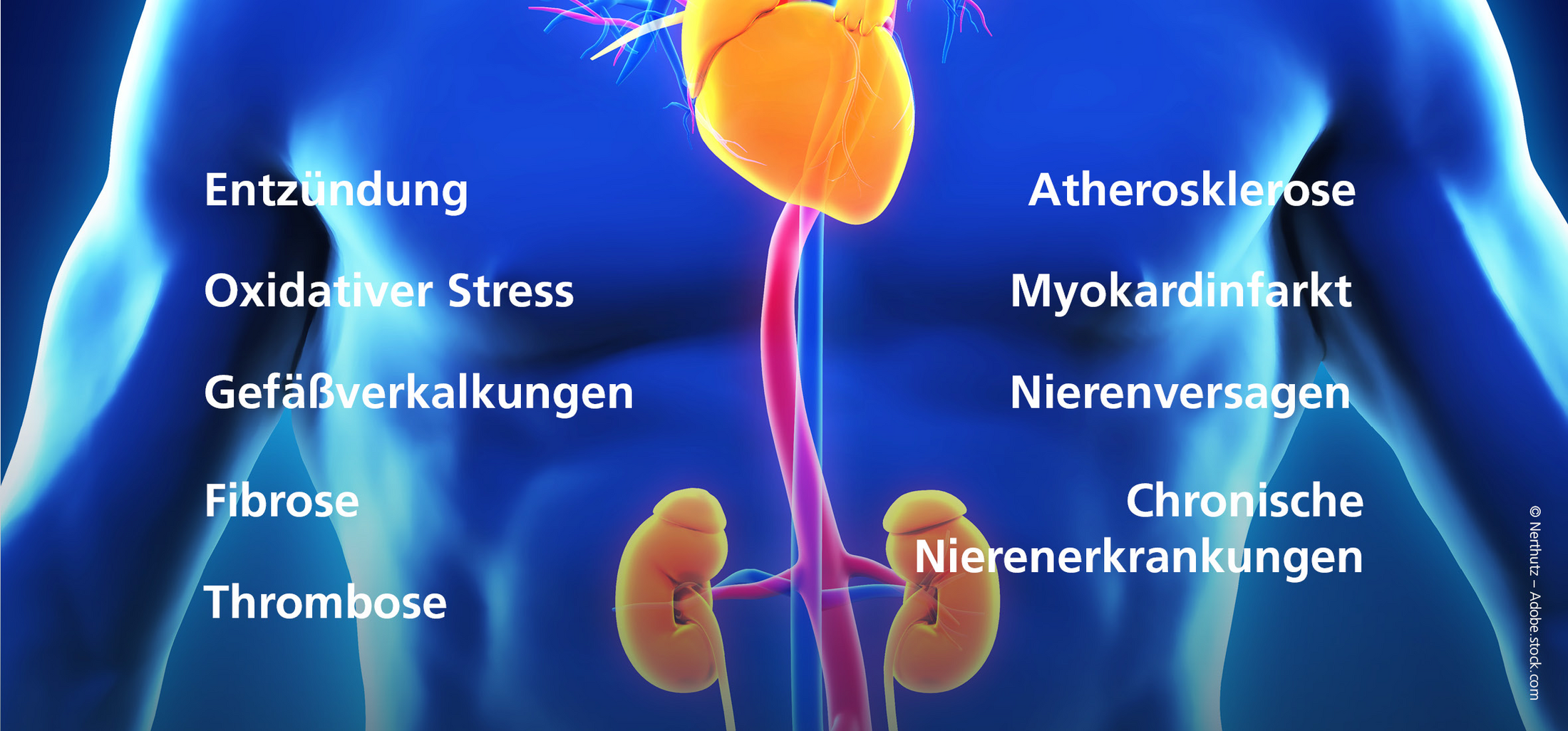
Dr. Emiel van der Vorst is a cardiovascular researcher focusing on atherosclerosis, immunometabolism, and translational medicine . His work spans molecular mechanisms, therapeutic targeting, and omics-based approaches. Affiliation: Institute for Molecular Cardiovascular Research (IMCAR) Research Focus: Chemokine signaling, microRNA therapeutics, immune-metabolic interactions Research Trends: Recent publications highlight his exploration of microRNA-26b in metabolic liver disease GPR55 receptor in cardiomyocyte adaptation calcium-sensing receptor in sex-specific atherosclerosis aryl hydrocarbon receptor in gut-liver-cardiovascular axis His work integrates nanomedicine, genetic models, and clinical biomarker development .
Amanda Tarullo is an Assistant Professor at Boston University, specializing in the neural and behavioral development of infants and young children. Her research focuses on how early experiences, particularly stress, shape brain development and subsequent cognitive and socio-emotional outcomes. Education: Ph.D. in Psychology, University of Minnesota Research Interests: Dr. Tarullo employs electroencephalogram (EEG) to study infant brain activity, identifying patterns that predict later developmental outcomes. Her work spans both typically developing and at-risk populations, aiming to understand resilience mechanisms in children exposed to early adversity. Key research areas include: Neurodevelopmental effects of early life stress EEG biomarkers of socio-emotional and cognitive functioning Cross-cultural developmental psychology Biological stress regulation in early childhood Publications Overview: Her extensive publication record (2005-2025) demonstrates a longitudinal commitment to understanding early brain development across diverse global contexts. Recent work examines maternal and child health in South Africa, neural activity in Pakistani children, and the intersection of poverty, sleep, and stress physiology. The research consistently integrates neuroscience methodologies with developmental psychology frameworks. Contact: atarullo@bu.edu
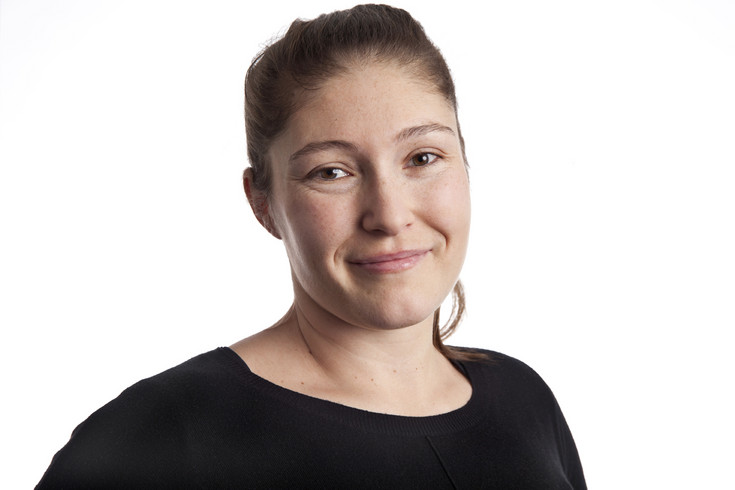
Dr. Ariel Greiner is an NSERC Postdoctoral Fellow in the Department of Biology at the University of Oxford and Pennsylvania State University, supervised by Dr. Katrina Davis and Dr. Katriona Shea. Her interdisciplinary research applies mathematical and statistical modeling to conservation challenges, with current focus on optimizing coral reef management in Melanesia through value-of-information frameworks and socioeconomic integration. Her academic foundation includes: PhD in Ecology and Evolutionary Biology from the University of Toronto (supervised by Dr. Martin Krkošek, Dr. Marie-Josêe Fortin, and Dr. Emily Darling) Bachelor of Science from McGill University (research with Dr. Andrew Gonzalez on ecosystem functioning debts and global genetic diversity patterns) Dr. Greiner's research centers on coral reef resilience under anthropogenic pressures, employing network theory and dynamical systems to model connectivity, regime shifts, and climate impacts. Her work bridges theoretical ecology with practical conservation, emphasizing equity in scientific practice. Recent publications demonstrate methodological innovation in state-space modeling, macrogenetics, and disease epidemiology while maintaining consistent focus on coral reef sustainability. Analysis of her 15 most recent publications reveals dominant themes in coral reef dynamics (73% of works), with significant contributions to disease modeling (13%) and conservation genetics (13%). Temporal trends show increasing integration of socioeconomic factors since 2021, while mathematical approaches consistently emphasize network connectivity and stability analysis across all publications. Her accolades include: Excellence in Doctoral Research Award (Canadian Society of Ecology and Evolution) Harold H. Harvey Prize for Academic Leadership NSERC Doctoral Scholarship NSERC Postdoctoral Fellowship Supported by NSERC funding throughout her career, Dr. Greiner has collaborated extensively with the Wildlife Conservation Society (WCS) Fiji and Melanesia, including fieldwork surveying Fijian reefs. While no formal advisees are documented, her work demonstrates strong mentorship through collaborative publications and educational contributions like the 'Ten Simple Rules' modeling guide. Her current Melanesian reef project exemplifies her signature approach: integrating mathematical optimization with community engagement to develop context-specific conservation strategies that balance ecological resilience and human needs.