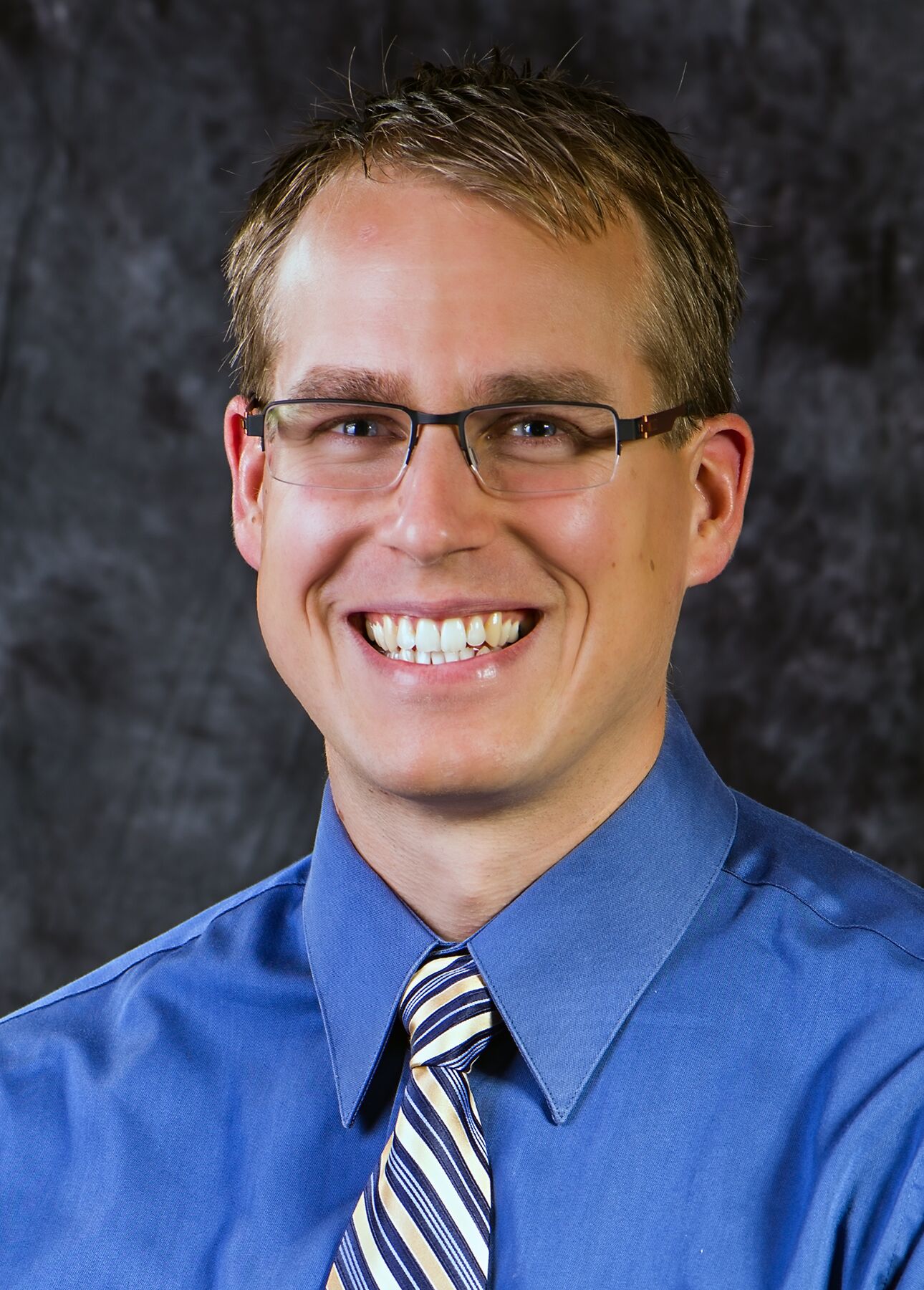
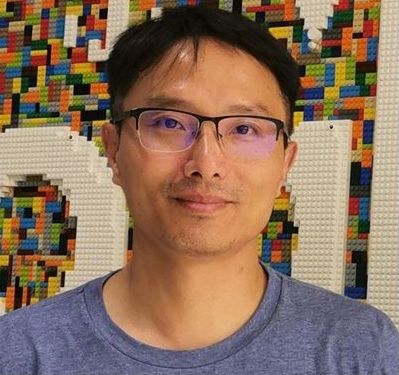
Dr. Ruiyang He is a Postdoctoral Research Associate at the School of Engineering, Cardiff University. His research focuses on optimizing wind energy systems, particularly in wake dynamics, turbine control strategies, and structural fatigue analysis. He holds a BEng, MSc, and PhD in engineering-related fields. Education: BEng (Bachelor of Engineering) MSc (Master of Science) PhD (Doctor of Philosophy) Ruiyang's work emphasizes computational modeling and machine learning applications in wind energy. His recent studies include optimizing floating offshore wind farm layouts, quantifying turbulence intensity in turbine wakes, and mitigating fatigue through yaw control strategies. His publications span journals like Renewable Energy and Applied Energy . Key Research Themes: Wake steering and power enhancement in wind farms Machine learning for predictive turbine performance Rotating stall phenomena in compressors and fans Contact: HeR8@cardiff.ac.uk | Office: Queen's Buildings - South Building, Room S/3.27b
Dr. Kristof Kipp is a Professor and Program Director of Exercise Science in the Department of Physical Therapy at Marquette University. He also serves as Co-Director of Graduate Studies for Sport and Data Analytics. His research focuses on sports science and biomechanics, particularly in musculoskeletal modeling, injury prevention, and athletic performance optimization. Dr. Kipp leads Marquette's Motion Analysis and Biomechanics Laboratory, applying advanced techniques to study movement patterns in athletes and clinical populations. Education: PhD in Nutrition and Exercise Sciences (Oregon State University), postdoc at University of Michigan Key Roles: Exercise Science Program Director, Co-Director of Graduate Studies Research interests include joint-level biomechanics, neuromuscular control, and the application of machine learning in sports analytics. He teaches courses like Introduction to Research in Biomechanics and Advanced Applied Biomechanics in Injury Prevention. Recent studies analyze weightlifting techniques, youth pitching biomechanics, and the effects of chronic ankle instability on movement. His work bridges clinical rehabilitation and elite athletic performance through innovative biomechanical modeling and data-driven approaches.
Dr Lee How Chinh is a Senior Lecturer (Practice) in the Department of Econometrics and Business Statistics at the School of Business, Monash University Malaysia. He is actively involved in teaching, research, and industry collaboration, particularly in data science and analytics. Education: PhD in Statistics, Universiti Sains Malaysia Master of Applied Statistics, Universiti Putra Malaysia Master of Science in Mathematics, Universiti Kebangsaan Malaysia Bachelor of Science (Hons) in Mathematical Sciences, Universiti Kebangsaan Malaysia Dr Lee's research centers on applying statistical and machine learning methods to business and industrial problems. His key interests include predictive modeling, statistical business analysis, and anomaly detection in operational data. He emphasizes practical applications and bridges academia with industry through training and consultancy. The recent publications reflect a strong trend in statistical process control, AI-driven environmental modeling, and educational technology. His work combines theoretical rigor with real-world impact, particularly in quality control and data-driven decision-making. Scientific Awards and Recognitions: Hadiah Sanjungan from PERSAMA for PhD thesis Professional Technologist (MBOT) SAS Certified Professional: AI and Machine Learning Dr Lee actively supervises students and contributes to academic service as a peer reviewer for journals like IEEE Access and PLoS ONE. He is a chief investigator in an active research project focused on building data-driven organizations using AI and data warehousing. He also collaborates with SAS Institute Malaysia as an accredited trainer, delivering data science programs to industry and government. He is involved in professional communities and serves as a technical reviewer and judge for data science competitions and conferences, contributing to the advancement of the field in Southeast Asia.
Prof. Dr. Thomas Indinger is a Professor at the Chair of Aerodynamics and Fluid Mechanics at the Technische Universität München (TUM). He leads the Automotive Aerodynamics Group, established since 2006, and has held academic roles such as Akademischer Oberrat (Senior Academic Councillor) since 2016. His affiliations include the TUM School of Engineering and Design and the Department of Aerodynamics and Fluid Mechanics. Educations: Diplom (Master's) in Mechanical Engineering, TU Dresden (2000) PhD (Dr.-Ing.) in Aerodynamics, TUM (2005) Habilitation in Fluid Mechanics, TUM (2013) Research Interests: Focuses on automotive aerodynamics, numerical flow simulation (using GPUs), experimental investigation of turbulent boundary layers, and unsteady fluid mechanics in rotating systems. His work integrates advanced computational methods like lattice-Boltzmann, dynamic mode decomposition (DMD), and quantum algorithms for CFD. He explores applications in vehicle design optimization, heat transfer, and wind tunnel testing. Publications: Recent works address quantum algorithms for fluid dynamics, surrogate models for turbulence closure, and CFD validation in automotive contexts. His research spans topics like wheel aerodynamics, battery module flow, and high-performance computing. Awards: No specific awards listed. Grants/Advising: Leads projects such as DrivAer and FURADO, involving aerodynamic design and simulation frameworks. Active in collaborative initiatives like NFDI4ING. Labs/Teams: Part of the Aerodynamics and Fluid Mechanics group, utilizing TUM's wind tunnels (Windkanal A/B/C) and GPU-based simulation infrastructure.
Professor Kathy T. Mullen is a distinguished academic at McGill University's Department of Ophthalmology, affiliated with the McGill Vision Research unit. Her research focuses on understanding visual pathways and color perception through human behavioral experiments and brain imaging techniques like fMRI and MEG. She investigates how the brain processes color differences to construct spatial maps and perceives objects, with particular attention to chromatic and achromatic contrast encoding. Her work also explores developmental aspects of color cognition in young children. Her studies use advanced neuroimaging to identify brain regions involved in color processing, including the lateral geniculate nucleus (LGN) and visual cortex. Key areas of inquiry include cross-orientation masking in color vision, fMRI adaptation effects, and the impact of attention on binocular vision dynamics. Notable projects address amblyopia mechanisms, contrast sensitivity deficits, and the role of different visual pathways (parvocellular vs. magnocellular) in perception. Recent research highlights include uncovering 'coarse-to-fine' temporal dynamics in color representation and demonstrating how monocular attention can shift eye dominance. Her work bridges fundamental neuroscience with clinical applications, such as understanding neuroretinal dysfunction in multiple sclerosis and optimizing contrast sensitivity assessments for clinical use. No specific awards or grants are listed in the provided materials. Her lab's outputs emphasize methodological innovation in neuroimaging and psychophysics, with a focus on translating findings to improve understanding of visual disorders.
Professor Irene Tracey is the Vice-Chancellor of the University of Oxford, effective from January 2023. She holds a Professorship in Anaesthetic Neuroscience within the Nuffield Department of Clinical Neurosciences. Previously, she served as Warden of Merton College and Head of the Nuffield Department of Clinical Neurosciences (2015–2019). Her academic journey began at Oxford, where she earned degrees in Biochemistry under Sir George Radda, followed by postdoctoral work at Harvard Medical School. Tracey’s research focuses on pain mechanisms, anaesthesia, and neuroimaging. As a founding member and director of the Wellcome Centre for Integrative Neuroimaging (formerly FMRIB), she pioneered techniques like functional MRI to study pain processing and neural pathways. Her work bridges discovery science and clinical translation, challenging traditional views of pain as merely nociceptive input. She has supervised over 35 PhD students and mentors numerous early-career researchers. Awards include the CBE (2022), Feldberg Prize (2017), and the British Neuroscience Association’s Outstanding Contribution Award (2018). She advocates for women in science and chairs committees like the Federation of European Neuroscience Societies (FENS). Her leadership roles span institutional governance, national academies, and global health initiatives. Key research themes include the neural basis of chronic pain, central sensitization, and anaesthetic agents’ effects on consciousness. Collaborations with industry and academia aim to develop pain biomarkers and therapeutics, reflected in her extensive publication record on neuroimaging, pain modulation, and interdisciplinary methods.
Dagmar Reinhardt is an Associate Professor at the School of Architecture, Design and Planning at The University of Sydney, where she leads the robotics research group and the Master of Digital Architecture Research stream. With a PhD from Sydney, a Master of Architectural (Concept Design) from Hochschule der Bildenden Künste in Frankfurt, and a Diploma in Architectural Studies from Hanover, she has established herself as a leading figure in digital architecture and robotic fabrication. Her educational background includes: PhD, University of Sydney Master of Architectural (Concept Design), Hochschule der Bildenden Künste, Frankfurt Diploma, Architectural Studies (Technical), Hanover Dagmar Reinhardt's research sits at the intersection of architecture, acoustics, structure, robotics, fabrication, and material science. She investigates how robotic fabrication methods can adapt geometry, materiality, and construction techniques within design technology, exploring new solutions for the relationship between human labor and construction automation. Her work spans from theoretical investigations of design robotics to practical applications in building environments. She leads two substantial industry and state-government funded projects on new robotic applications for workspace scenarios and for safer construction work environments. As an associate editor of the Springer Journal of Construction Robotics, she networks the Australian section and is currently writing a book on 'Design Robotics' that bridges robotic approaches between construction robotics, social robots, and collaborative and creative robotics. Analysis of her recent publications reveals a strong focus on human-robot collaboration in architectural contexts, with particular attention to accessibility applications, material innovation using mycelium-based composites, and the social implications of robotics. Her work demonstrates a consistent trajectory toward making robotic fabrication more accessible, inclusive, and integrated with human workflows in the architecture, engineering, and construction industries, while maintaining a strong emphasis on interdisciplinary approaches that connect architectural design with social and environmental concerns. As an educator, Reinhardt has led the Master of Digital Architecture Research stream and has taught courses including 3D Computer Design Modelling, Digital Architecture Research Studio, and Code to Production. Her design research studios have been regularly awarded the prestigious National Student Award for Structural Innovation and for Digital Innovation by the AIA Institute of Architects, Sydney. She was the Foundational Program Director of the Bachelor of Architecture and Environments (BAE, 2014-2018) and has lectured internationally. Reinhardt's current research students are working on innovative projects focused on acoustic retroreflection, techno-subjectivities, inclusive playground design for visually impaired children, eco-cartography, and human-robot collaboration toolkits. She serves as an External Examiner for multiple prestigious institutions worldwide and maintains active collaborations across architecture, computer science, and human-computer interaction fields.
Gábor Erdei is an Associate Professor at the Department of Atomic Physics, Budapest University of Technology and Economics (BME). He specializes in optical design, materials science, and advanced imaging systems. His work focuses on scintillator arrays for PET detectors, holographic storage technologies, and biomedical optics applications. Dr. Erdei has contributed to projects involving photon pair sources, quantum interference, and ophthalmic lens design. Research Interests: Optical system design and optimization Scintillator material characterization Quantum photonics and entanglement Holographic data storage systems Medical imaging technologies Key Research Trends: His recent work explores advancements in quantum optics for secure communication, novel materials for improved PET detector performance, and personalized optics for enhanced visual acuity. He has also contributed to interdisciplinary projects combining machine learning with particle analysis in fluidization processes. Scientific Awards: None explicitly listed in available materials. Advising & Grants: No formal advisee records found. Involved in SPADnet project collaborations and holographic storage system developments. Labs/Teams: Active in BME's Optics and Photonics Research Group, contributing to projects on diffractive optics and biomedical imaging systems.
Karolina Matejak Cvenić is a Senior Lecturer at the Department of Physics, Faculty of Science, University of Zagreb. She specializes in physics education, focusing on improving teaching methods and student understanding in wave optics and related fields. Her roles include lecturing in laboratory courses and teaching practices for physics education programs. Her research interests center around educational research in physics, construction and validation of conceptual tests, curriculum development, and student participation in national/international competitions (IJSO, EOES). She has contributed to developing the Conceptual Survey on Wave Optics and assesses its effectiveness across different education systems. Dr. Cvenić has published extensively on student reasoning in wave optics, inquiry-based teaching methods, and the design of investigative experiments. Her work highlights challenges in teaching interference, diffraction, and polarization concepts, with studies using eye-tracking and cross-cultural comparisons to understand learning dynamics. She is involved in educational outreach and the Physics Education Research Group, contributing to pedagogical innovations and resource development for physics educators. Her teaching responsibilities span laboratory modules and practical training for future physics teachers.
Andrew S. Gurwood, OD, FAAO is a Professor of Clinical Sciences at Drexel University’s College of Optometry and Co-chief at The Eye Institute. His roles include overseeing clinical education and patient care in Module 1 and Suite 3 of the Eye Institute. Dr. Gurwood specializes in clinical optometry with a focus on anterior and posterior segment diseases. He holds dual BS degrees from Indiana University of Pennsylvania and Pennsylvania College of Optometry, followed by a residency in Primary Care at his alma mater. His research and clinical expertise span ocular diseases such as giant cell arteritis, diabetic retinopathy, corneal abrasions, and thyroid-related eye disorders. He has authored over 20 peer-reviewed articles in journals like Clinical Experimental Optometry , Review of Optometry , and Optometry , emphasizing practical clinical management strategies. Dr. Gurwood’s professional accolades include being named Young Optometrist of The Year by both the Pennsylvania and American Optometric Associations in 1998. He serves on editorial boards for Optometry Today , Optometric Management , and Review of Optometry , and has held leadership roles in the American Academy of Optometry, including chairing their Primary Care Section Symposium. His clinical interests also extend to immunologic conditions like Graft vs. Host Disease and managing complex cases involving systemic diseases. Dr. Gurwood’s contributions bridge academic teaching, patient care, and interdisciplinary collaboration, particularly in high-stakes conditions requiring urgent intervention. His work emphasizes translating research into actionable clinical practices for optometrists worldwide.
Jakub Nedbal is a Researcher at King’s College London’s Department of Physics within the Faculty of Natural, Mathematical & Engineering Sciences. He holds a Master’s in Physics from Masaryk University (Czech Republic) and a Master’s in Immunology from King’s College London, alongside a PhD focused on imaging techniques in B cell biology. His research specializes in developing advanced fluorescence-based imaging technologies, particularly leveraging SPAD arrays and time-correlated single-photon counting (TCSPC) techniques. Notable contributions include creating the first fluorescence lifetime flow cytometer using TCSPC and co-developing a fast TCSPC microscope with parallelized SPAD array detectors. Current work focuses on spatially resolved TCSPC detectors for thick-sample imaging and low-phototoxicity techniques. Outside academia, Jakub served as Product Development Lead for a startup commercializing TCSPC array cameras until 2018. His innovations have been applied to art conservation via fluorescence lifetime imaging (FLIM) for varnish analysis and have advanced microalgae cultivation bioreactor designs. His research interests span fluorescence lifetime imaging, microscope development, SPAD arrays, and photosynthesis studies. Recent work highlights include a novel dual-excitation fluorometer for photosynthesis research and a SPAD array camera for lightsheet FLIM. His techniques address challenges in live-cell imaging phototoxicity and high-throughput FRET screening.
Tim McLain is a Professor in the Department of Mechanical Engineering at Brigham Young University (BYU), College of Engineering. He has been a core faculty member since 1995, advancing from Assistant to Associate and full Professor by 2007. He served as Department Chair from 2007 to 2013 and continues to lead research in unmanned aircraft systems and control theory. Research Interests: His work centers on the dynamics, guidance, control, and autonomy of unmanned aircraft systems (UAS). Key areas include cooperative control, vision-based navigation, state estimation, and precision landing for UAVs. His research integrates control theory with practical implementation in aerial robotics. The recent publications reflect a strong trend in autonomous UAV operations, particularly in GPS-denied environments, vision-based navigation, and cooperative mission planning. His work spans theoretical control design, real-time estimation, and experimental validation on small aerial platforms. He has also contributed to MEMS sensor integration and modeling. Scientific Awards: No specific awards are listed in the provided text. Advising and Grants: Dr. McLain has advised over 25 graduate students, primarily on UAV-related thesis topics. His research has likely been supported by grants from agencies such as AFRL and NSF, inferred from collaborations and research topics, though specific grants are not listed. Labs and Teams: He is affiliated with UAV research teams at BYU, collaborating closely with R. Beard and others on autonomous flight projects, including formation control, search missions, and cooperative surveillance.
Zhuowen Tu is a Professor in the Department of Cognitive Science at the University of California, San Diego (UCSD), with an affiliate appointment in the Department of Computer Science and Engineering. He leads the Machine Learning, Perception, and Cognition Lab (mlPC), where his research lies at the intersection of computer vision, machine learning, deep learning, natural language processing, and neural computation, focusing on statistical models for structured, large-scale, and multi-modal data. He received his Ph.D. from The Ohio State University and held faculty positions at UCLA before joining UCSD in 2013. He also served as a Lead Researcher at Microsoft Research Asia (2011–2013) and was an Amazon Scholar (2021–2022). His academic trajectory includes progression from Assistant to Associate and then Full Professor at UCSD. His research interests span computer vision , deep learning , generative modeling , vision-language models , diffusion models , and structured prediction . He has made seminal contributions to image parsing, auto-context models, introspective neural networks, and holistically-nested edge detection. His recent work emphasizes Bayesian diffusion models, panoptic 3D parsing, and multimodal learning. The analysis of his recent publications shows a strong trend toward diffusion-based generative modeling , particularly in 3D vision, image restoration, and vision-language tasks. He also continues to advance work in multimodal understanding, continual learning, and efficient transformers. His lab actively publishes in top venues such as CVPR, ICCV, NeurIPS, and TPAMI. Selected Scientific Awards and Honors: IEEE Fellow David Marr Prize (2003) David Marr Prize Honorable Mention (2015) NSF CAREER Award (2009) Test-of-Time Award, AISTATS 2025 (for Deeply-Supervised Nets) First Prize, MICCAI Grand Challenge on Caudate Segmentation (2007) Talbert Abrams Award Honorable Mention (2003) Advising and Grants: He has advised numerous PhD students who are now faculty at NYU, CMU, and Stanford, or research scientists at Apple, Microsoft, Intel, and Facebook. His lab has been supported by significant grants from the National Science Foundation (NSF) , Office of Naval Research (ONR) , Intel , Qualcomm , Samsung , and Northrop Grumman . Current and recent grants include NSF IIS-2433768 on Bayesian Diffusion Models and NSF IIS-2127544 on Panoptic 3D Parsing. Laboratories and Teams: He leads the Machine Learning, Perception, and Cognition Lab (mlPC) at UCSD, which brings together students and researchers working on fundamental and applied problems in AI, vision, and cognition. The lab has strong collaborations with industry and other academic institutions.
Juan Manuel Núñez Martí is an Associate Professor in the Department of Dentistry at the Faculty of Medicine and Dentistry, University of Valencia. He holds dual PhDs from the University of Valencia, both awarded with Outstanding Cum Laude distinction, and has completed advanced training in dental pathology, prosthetics, occlusion, and implantology, including programs at New York University and Park-Dental Research Corporation. His educational background includes a Diploma in Advanced Studies, three Master’s degrees, and multiple certificates in Oral Surgery, Primary Health Care Dentistry, and specialized dental fields. He is an honorary member of the Spanish Society of Minimally Invasive Dentistry. Dr. Núñez Martí's research focuses on bioreactive dental materials for tissue regeneration and remineralization , as part of the BIODENT-REG research group. His work spans clinical dentistry, biomaterials, and global health, with publications and presentations at national and international levels. The recent articles reflect strong engagement in regenerative dentistry, prosthetics, implantology, and humanitarian oral care , particularly in underserved regions affected by leprosy. Recognition of the Grand Mastership of the Sovereign Military Order of Malta (1991) Federico Carbonell award for best scientific photography (2001) Honorary member of the Spanish Society of Minimally Invasive Dentistry He has tutored 9 final degree projects and co-directed a doctoral thesis, demonstrating active mentorship. His humanitarian efforts include over 1,000 projects across 100 countries with the Fontilles Foundation and volunteer work at the San Francisco de Asís Reception Center. While no specific grants are mentioned, his extensive course participation and international collaboration suggest active professional development and outreach. He is a member of the BIODENT-REG research group, focusing on innovative materials for dental tissue repair, indicating ongoing lab-based and clinical research activities.
Dr.-Ing. Peter Scholz is a Senior Research Fellow at the Institute of Fluid Mechanics , Technische Universität Braunschweig. With a PhD in Mechanical Engineering (2009) and a background in Aerospace Engineering from TU Braunschweig, he specializes in aerodynamics , active flow control , and experimental fluid dynamics , particularly using fluidic vortex generators and numerical simulations . He leads research groups and played a pivotal role in designing the university’s large water tunnel. Core Research Areas: Aerodynamics, Flow Control, Fluid Mechanics, Experimental Methods, Numerical Simulations, Aerospace Applications. His recent publications focus on supersonic flow dynamics , laminar flow control , and wake structure analysis , with methodologies spanning Large-Eddy Simulation , PIV measurements , and high-speed flow diagnostics . Though no formal awards are documented, his work is integral to Germany’s flow control research initiatives. Dr. Scholz collaborates extensively with institutions like DLR and Fraunhofer WKI, advancing sustainable propulsion and flow control technologies.