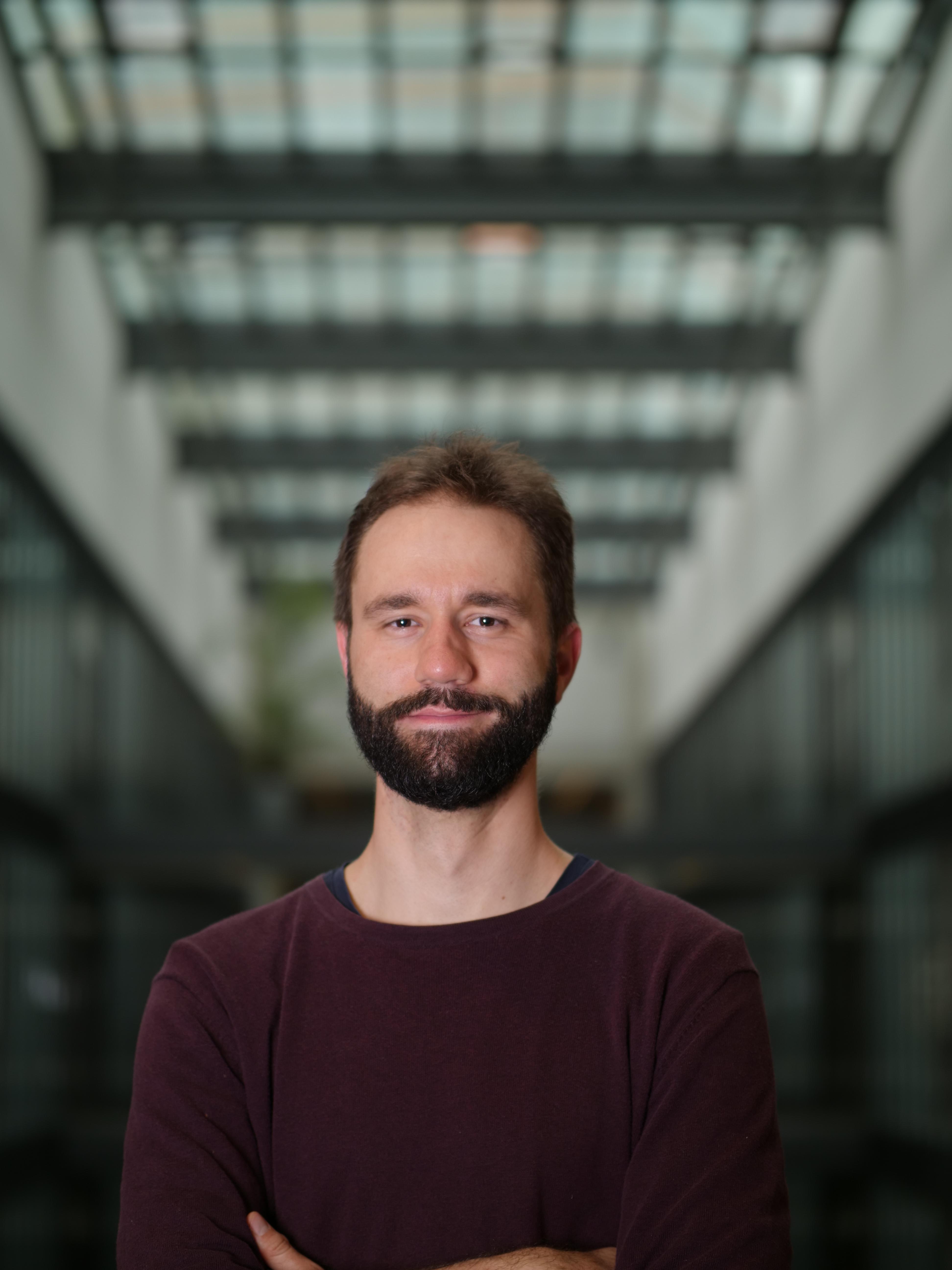
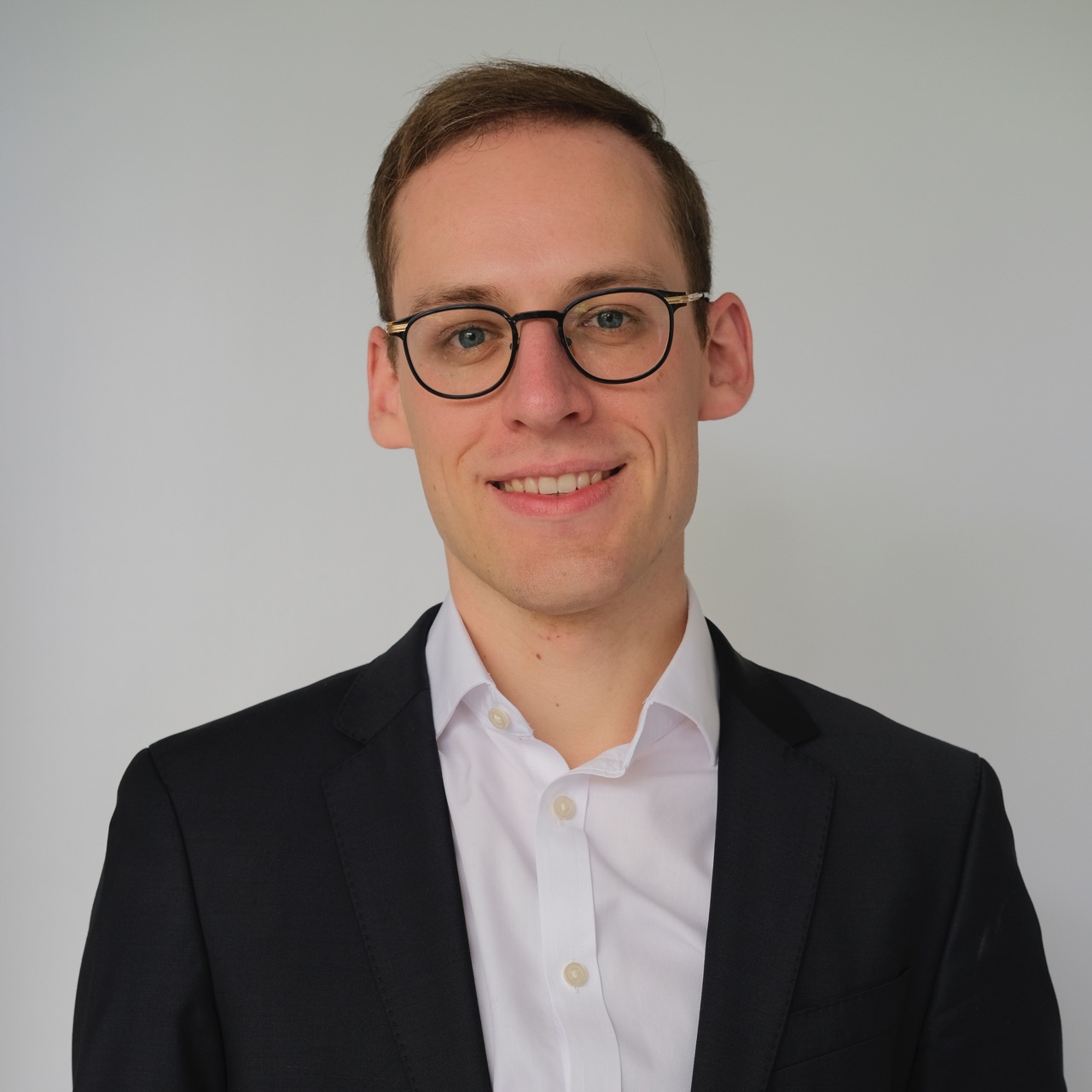
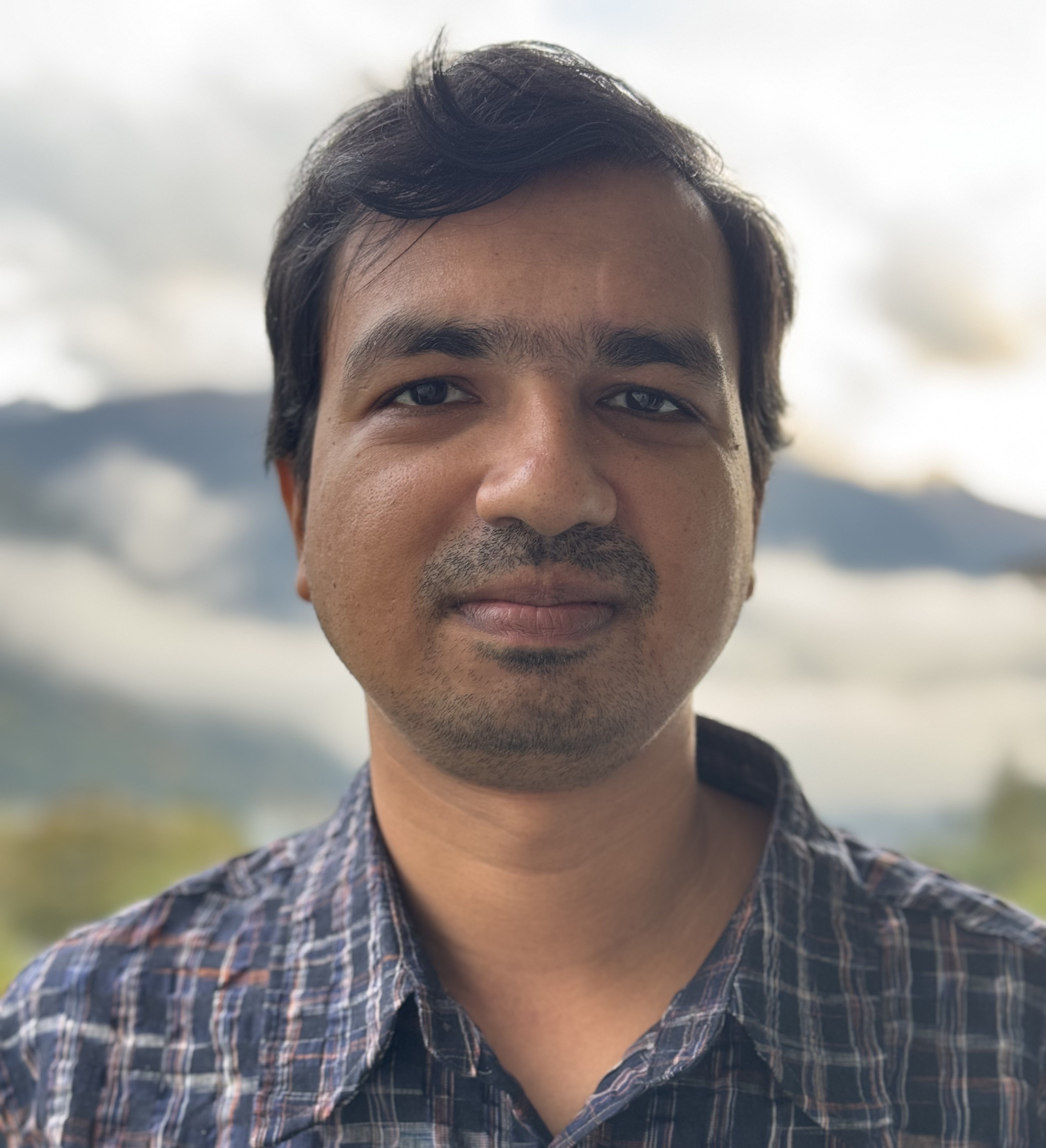
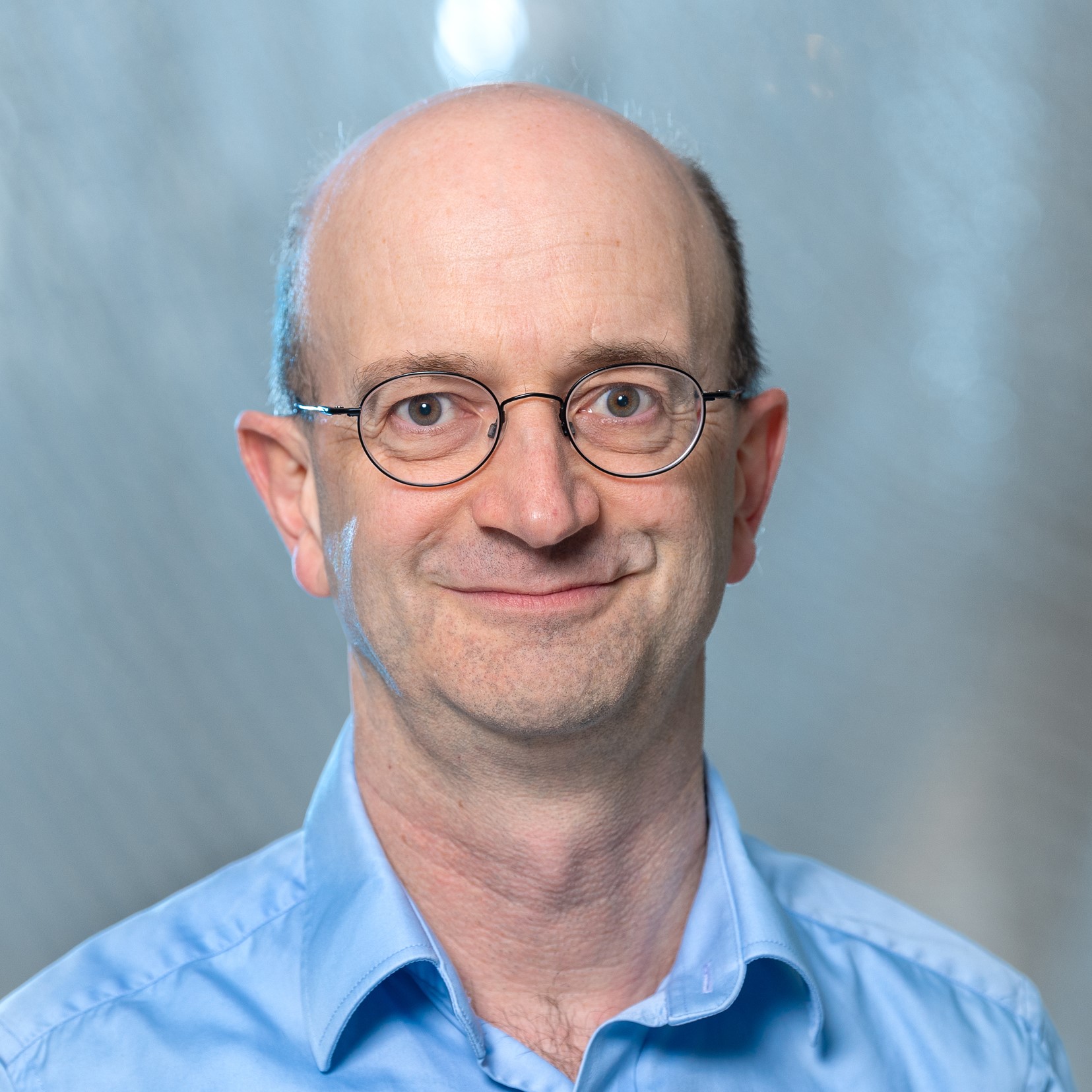
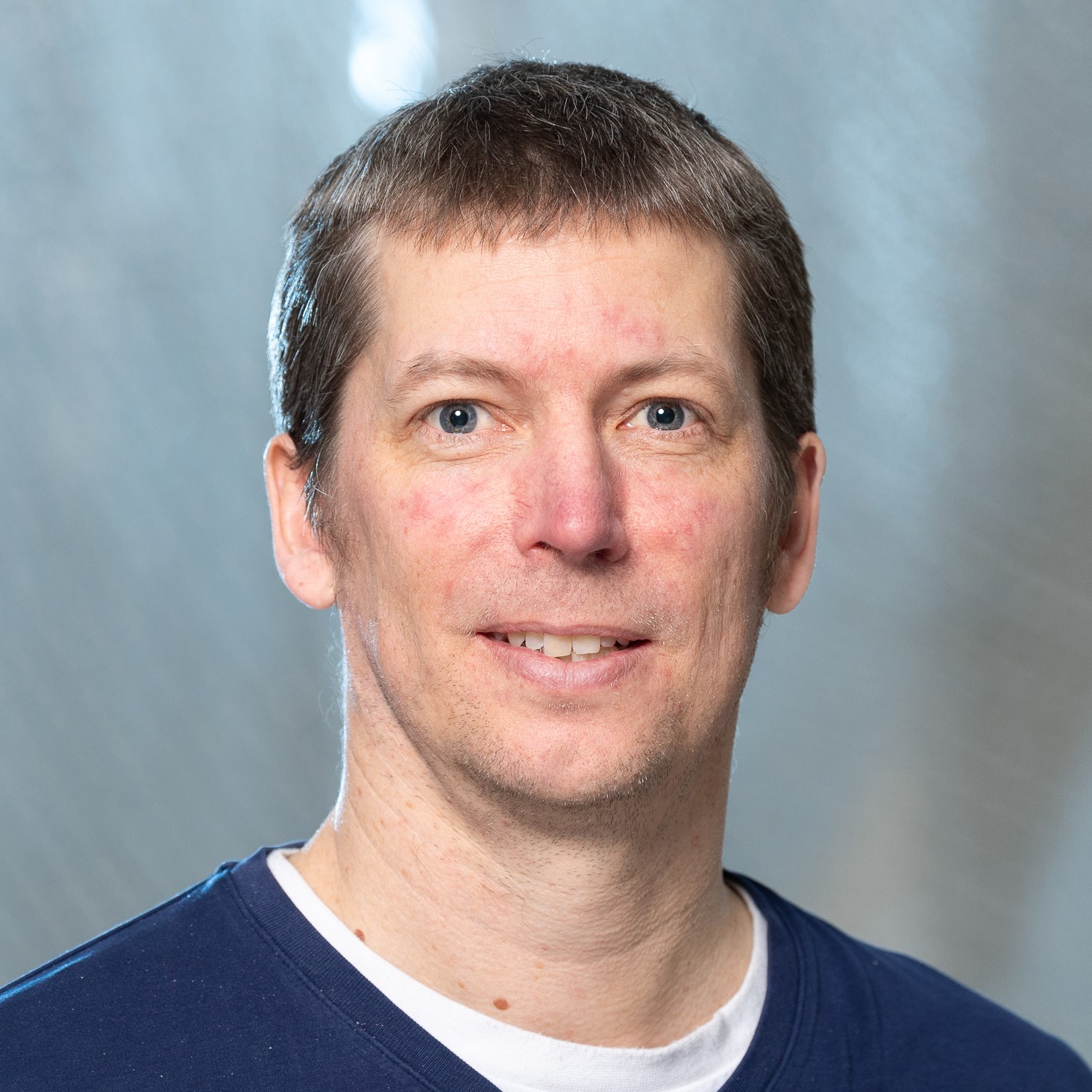
Matija Piškorec is a Senior Research Associate at the Faculty of Informatics, University of Zurich. His research spans machine learning, complex systems, and blockchain technologies, with a focus on statistical inference of social influence and network analysis. Primary Affiliation: Faculty of Informatics, University of Zurich Research Interests Machine learning and complex systems Statistical inference of influence in online social networks Blockchain technologies and distributed ledger systems Information visualization and interactive web applications in computational biology Publications His recent work explores blockchain networks like Polkadot and Ethereum, analyzing their structure and consensus mechanisms. Earlier research focuses on social network influence, financial data cohesiveness, and computational biology tools. Awards No scientific awards or honors were explicitly mentioned in the text. Additional Contributions Developed web-based visualization tools (e.g., MultiNets) and applied machine learning to diverse domains, including microbiology and finance.
Chat Wacharamanotham is an external lecturer and researcher at Swansea University's Computational Foundry, having joined from the University of Zurich (UZH) in July 2022. Prior to UZH, he was affiliated with RWTH Aachen University in Germany. His work bridges interactive technologies and scientific decision-making, particularly in the context of statistics. His research interests lie at the intersection of Human-Computer Interaction, Interactive Statistics, and Scientific Decision-Making . He investigates how interactive tools can support scientists in planning experiments and interpreting statistical reports, using methodologies such as Human-Centered Design, Contextual Inquiry, and lab experiments with eye- and motion-tracking. His work emphasizes transparency, usability, and cognitive support in data analysis workflows. The recent publications highlight a consistent focus on interactive statistical tools, experimental design support, and gaze-based analysis . Projects like Argus, Touchstone2, and Statsplorer demonstrate a trajectory toward building interactive systems that guide users through complex statistical reasoning. The research integrates visualization, user interface design, and empirical evaluation, primarily within the HCI domain. While no scientific awards are listed in the provided text, his contributions to the field are evident through his active publication record in premier venues like CHI and IEEE TVCG. Chat Wacharamanotham is involved in teaching, including a seminar on Experiments in Human-Computer Interaction for Master's students. Although he is no longer available for thesis supervision, he continues to contribute to academic instruction at UZH. His research is conducted within a collaborative lab environment, as evidenced by co-authored works with teams from various institutions.
Gaétan Raynaud is a Researcher and Doctoral Assistant at the École Polytechnique Fédérale de Lausanne (EPFL) , affiliated with the Unsteady Flow Diagnostics Laboratory (UNFOLD) within the Institute of Mechanical Engineering (IGM) under the School of Engineering (STI) . His research focuses on fluid-structure interaction, fluid dynamics, and robotics, with applications in areas such as soft robotics, material design, and real-time sensing systems. He contributes to projects like the development of highly agile flat swimming robots and studies on flapping flag dynamics. His work integrates experimental fluid mechanics, computational modeling, and machine learning approaches, such as Physics-Informed Neural Networks (PINNs), to solve complex fluid-structure interaction problems and optimize robotic systems. Labs/Teams: UNFOLD Lab (EPFL), collaborating on interdisciplinary projects involving robotics, fluid dynamics, and soft materials. Technical Expertise: Event-based sensing, soft robotics actuation, data-driven modeling, and computational fluid dynamics.
Luciano Andres Abriata is a Researcher and Lecturer at École Polytechnique Fédérale de Lausanne (EPFL), affiliated with multiple departments including the School of Engineering (SV), the Protein Production and Structure Core Facility (PTSPS), and educational units like EDCH and EDMS. His primary role is within the UPDALPE group under Prof. Dal Peraro, focusing on structural biology and molecular modeling. Research Interests: Protein NMR and paramagnetic systems analysis Structural studies of metalloproteins and biomolecular spectroscopy Development of web-based tools for molecular modeling (e.g., HandMol, MoleculARweb) AI-driven approaches in structural biology and protein engineering Teaching & Courses: Integrative Structural Biology for Life Sciences Recombinant Protein Expression in Animal Cells Bio-NMR Techniques (Levels 1 & 2) Labs & Collaborations: Active in the Laboratory of Bioengineering and Microtechnology (LBM) and involved in interdisciplinary projects blending computational methods with experimental structural biology. His work emphasizes translating molecular insights into educational tools and sustainable biocatalysis applications.
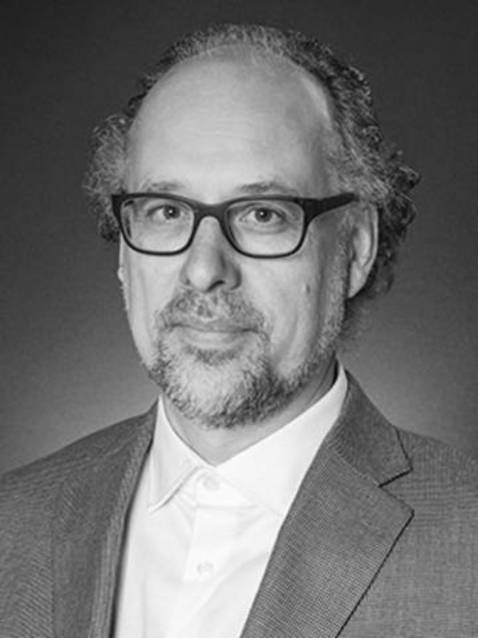
Prof. Dr. Thomas Hodel is a faculty member at the University of Applied Sciences of the Grisons (FHGR), where he serves as a lecturer at the Institute for Multimedia Production (IMP) within the Department of Applied Future Technologies. He has played a pivotal role in shaping academic programs, notably as one of the initiators of the Multimedia Production program at Bern in collaboration with BFH, and as a member of the MMP steering committee. His academic leadership extended to serving as head of the WGS (Business, Health, Social Sciences) department at BFH. Institution: University of Applied Sciences of the Grisons School: Department of Applied Future Technologies Department: Institute for Multimedia Production (IMP) Academic Rank: Professor Location: Ringstrasse 34, 7000 Chur, Switzerland Contact: Phone: +41 81 286 37 95 Thomas Hodel holds a doctorate in computer science (Dr.rer.inf.) and a licentiate in theology. His educational background combines technical and humanistic disciplines, reflecting a multidisciplinary approach to his work. His research and expertise lie in the domain of multimedia systems and AR/VR/MR in the context of AI , with a specific focus on content visualization and media production technologies. His work bridges applied computer science with creative media applications, contributing to the advancement of digital communication and immersive technologies in educational and industrial contexts. With extensive experience in both academia and industry—having held positions at ETH Zurich, University of Zurich, Free University of Bozen-Bolzano, and BFH—Prof. Hodel possesses deep insight into the higher education landscape. He previously worked in the IT industry in leadership roles such as head of application architecture and head of research and development, bringing practical expertise into his academic contributions. While no scientific awards or publications are listed in the provided text, his influence is evident through program development, academic governance, and cross-institutional collaboration. He has been instrumental in establishing joint bachelor’s programs and advancing media-related curricula. Prof. Hodel has advised and led academic initiatives, particularly in the development of the MMP joint bachelor's program, though no named students are mentioned. He has not received any grants or led specific research projects detailed in this document. He is associated with the Institute for Multimedia Production, which operates within the broader ecosystem of applied future technologies at FHGR, including labs focused on digital media, usability, and innovation in media production.
Junchao Hu is a Research Fellow at the Department of Psychology, Faculty of Philosophy, University of Fribourg. His work bridges cognitive psychology , neuroscience , and machine learning , focusing on sensory integration and developmental disorders. Education : Doctoral degree in progress at University of Fribourg Email : junchao.hu@unifr.ch ORCID : 0000-0002-6296-5639 His research explores how auditory stimuli influence visual attention, threat detection mechanisms, and computational approaches to speech disorders. Key methods include eye-tracking and machine learning to decode cognitive processes and stuttering patterns. Recent publications highlight cross-modal sensory interactions (2024), pre-conscious gaze biases toward emotional stimuli (2024), and AI-driven stuttering detection (2022). These works span neuroscience , psycholinguistics , and computational modeling . Scientific Awards : SNSF Ambizione Scholarship As a graduate researcher, he collaborates with interdisciplinary teams at the intersection of psychology, technology, and health sciences.
Andreas Sonderegger is a Lecturer at the Department of Psychology , University of Fribourg , and group leader of the Human Factors Lab . His research focuses on Human-Computer Interaction , Usability Engineering , and User Experience (UX) , with particular emphasis on: Web accessibility for diverse user groups Neurofeedback systems for cognitive enhancement Human factors in automated driving Cross-cultural usability testing Physiological computing for user state assessment His recent publications analyze: Neurofeedback applications for tinnitus treatment Human-AI decision-making comparisons Physiological indicators in automated driving Usability of no-code robotics programming He has contributed to journals such as: Computers in Human Behavior Scientific Reports Ergonomics International Journal of Human Computer Studies
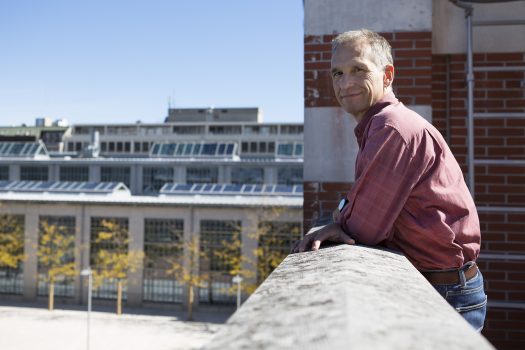
Mark Sawley is a Senior Scientist at École Polytechnique Fédérale de Lausanne (EPFL) with dual appointments in the Institute of Mechanical Engineering (IGM) for administration and the School of Management (SGM) for teaching. With over 30 years of experience in academic, government laboratory, and private institutions across Switzerland and Australia, he holds a PhD in Physics and has founded/co-founded two high-tech startup companies. His administrative roles include coordinating ACCES for Computational Engineering promotion and serving as Coordinator for Academic Affairs at the STI Faculty. Dr. Sawley's research spans computational fluid dynamics, discrete element method simulations, and high-performance computing applications. His work bridges multiple disciplines with applications in materials science (concrete simulation), bioengineering (blood flow modeling), marine engineering (America's Cup yacht design), avalanche dynamics, and industrial particulate processing. His recent publications (2018-2021) demonstrate continued activity in applying numerical methods to solve complex engineering problems. His scientific contributions include 37 peer-reviewed journal papers, 58 conference proceedings, and 21 articles for general audiences. His work uniquely connects technical research with science communication through projects like TIMBRE!! and the DEM Gallery, emphasizing the relationship between science and art. 37 scientific papers in international peer-reviewed journals 58 papers in international conference proceedings 21 science communication articles for general audiences Professor Sawley has advised PhD students including Serge Wüthrich (1992) and Olivier Byrde (1997). His Computational Granular Dynamics lab (http://cgd.epfl.ch) provides a platform for interdisciplinary research connecting physics, engineering, and computational science. His administrative leadership in academic affairs and computational engineering promotion demonstrates his commitment to advancing both research and education at EPFL.
Professor Patrik Vuilleumier leads the neuroimaging research group at Campus Biotech, University of Geneva Faculty of Medicine. His work focuses on cerebral mechanisms of cognition, emotion, and consciousness using advanced neuroimaging techniques like fMRI and ERPs. Research explores visual object recognition, voice identification, emotion perception, and social signal processing Specializes in amygdala function and brain lesion impacts on cognitive processes Current projects examine emotion regulation, stress response, and social feedback processing through multimodal datasets including the groundbreaking Emo-FilM collection. His team investigates how emotions influence perception and behavior across various populations including healthy adults, clinical groups, and developmental samples. Recent work demonstrates that positive emotion upregulation shapes prefrontal-amygdala interplay, with sociality scores modulating connectivity between affective and social networks. The group studies both conscious and unconscious emotional processing mechanisms. Active clinical trials with adolescents examining stress vulnerability Develops therapeutic approaches for hemineglect and attention deficits 15+ peer-reviewed publications since 2020
Current research associate and doctoral student at ETH Zurich's Chair of Production and Operations Management (POM), focusing on industrial engineering and augmented reality applications in manufacturing. Holds M.Sc. with distinction in Industrial Engineering and Management from Karlsruhe Institute of Technology (KIT), with research conducted at University of Cambridge's Institute of Manufacturing. Educational background: B.Sc. & M.Sc. Industrial Engineering and Management, KIT, Germany Master's thesis research at University of Cambridge, UK Research integrates machine learning and augmented reality into manufacturing processes, particularly for quality inspection and guided assembly systems. Publications examine data application frameworks in VUCA environments and evaluate AR technology effectiveness in industrial settings. Recent publications highlight: Contextual AR evaluation methodologies Smart manufacturing data integration User-centered quality inspection systems Scientific achievements: Published in IEEE Transactions on Visualization and Computer Graphics Presented at IEEE ISMAR-Adjunct Contributed to Springer LNCS series publications Also develops public transport navigation apps integrating 50+ networks across Germany, Austria, and Switzerland, while maintaining active engagement in sports and outdoor activities.
Lena Jaeger is an Associate Professor of Digital Linguistics at the University of Zurich, where she leads research at the intersection of linguistics, computational cognitive science, and machine learning. She joined the Chair of Computational Linguistics at UZH in July 2020 after establishing a Machine Learning Junior Research Group at the University of Potsdam, funded by the German Federal Ministry of Education and Research. Her educational background spans multiple disciplines: she earned an MA in Chinese Language and Culture (Sinology) from the University of Freiburg im Breisgau, Tongji University Shanghai, Beijing Language and Culture University, and Université Paris 7 Denis-Diderot; followed by an MSc in Experimental and Clinical Linguistics at the University of Potsdam; and completed her doctorate in cognitive science at the same institution. Notably, she also earned a bachelor's degree in computer science during or after her doctoral studies. Professor Jaeger's research focuses on investigating cognitive mechanisms underlying human language processing using experimental psycholinguistics, computational modeling, and machine learning methods. Her current work develops machine learning techniques for analyzing eye-tracking data to understand cognitive processes reflected in eye movement behavior. This interdisciplinary approach combines insights from linguistics, cognitive science, and artificial intelligence to create models that bridge human and machine language understanding. Her recent publications reveal a strong trend toward developing eye-tracking methodologies, creating multilingual corpora, and applying machine learning to understand reading behavior and language processing. Her work spans from fundamental research on cognitive mechanisms to practical applications in educational technology, medical diagnostics, and AI development. Best student late breaking work award for Reporting Eye-Tracking Data Quality: Towards a New Standard Best short paper award for Bridging the Gap: Gaze Events as Interpretable Concepts to Explain Deep Neural Sequence Models Professor Jaeger actively supervises multiple PhD students across computational linguistics, machine learning, and phonetics disciplines. Her research group collaborates extensively on large-scale projects like the MultiplEYE initiative, which establishes standards for multilingual eye-tracking data collection. She has secured significant research funding, including a Machine Learning Junior Research Group grant from the German Federal Ministry of Education and Research before moving to UZH. Her laboratory work centers on eye-tracking methodologies, developing tools like pymovements for eye movement data processing, and creating comprehensive corpora such as MECO (Multilingual Eye-Movement Corpus), MultiplEYE, and CoLAGaze. These resources support cross-linguistic research on reading behavior and language processing across diverse populations.
Dr. Srikanth Madikeri is a Lecturer and Senior Researcher at the University of Zurich's Department of Computational Linguistics. He holds a Ph.D. in Computer Science from IIT Madras (2013) and a Bachelor of Engineering from Anna University (2008). Before joining UZH, he spent 11 years at Idiap Research Institute as a Postdoctoral Researcher and Research Associate. His research focuses on low-resource speech technologies, including Automatic Speech Recognition (ASR), Speaker Diarization, Language Recognition, and Spoken Dialog Systems. He specializes in adapting models for challenging domains like air traffic control and criminal investigations. Recent publications demonstrate strong trends in multimodal systems, domain adaptation for ASR, and efficient data selection techniques. His work frequently integrates speech processing with NLP tasks and criminal network analysis. Awards: Best Paper Award in Signal Processing Track (NCC 2011) International Create Challenge 2017 Winner He teaches Speech Technology and Machine Learning for Computational Linguistics at UZH. Professional activities include serving as Area Chair for Interspeech (2021-2022) and developing open-source toolkits like pkwrap for LF-MMI training.
Prof. Dr. Christian von Mering is a Professor in the Department of Molecular Life Sciences at the University of Zurich, where he leads an active research group focusing on bioinformatics, systems biology, and microbial ecology. His laboratory maintains strong collaborations across multiple institutions and has established several widely used bioinformatics resources including the STRING database, eggNOG, and PaxDb. His research spans computational biology with a particular emphasis on protein-protein interaction networks, microbial community analysis, and genomic data integration. The von Mering group employs advanced computational methods to analyze large-scale biological datasets, with significant contributions to understanding microbial ecosystems, protein networks, and genomic evolution. Their work bridges theoretical computational approaches with experimental validation. The research output from von Mering's laboratory demonstrates consistent productivity across multiple domains, with recent publications showing particular strength in microbial ecology, protein interaction networks, and genomic resource development. The group's work on the STRING database represents one of their most significant and widely adopted contributions to the field of systems biology. As a research leader, von Mering supervises multiple postdoctoral fellows, PhD students, and research associates. His group includes senior researchers like Dr. Damian Szklarczyk and Dr. Janko Tackmann, along with several postdoctoral fellows and PhD candidates working on diverse projects within the lab's research scope.
Mark Robinson is a Professor at the Department of Molecular Life Sciences, University of Zurich, and affiliated with the Swiss Institute of Bioinformatics. He leads the Robinson Research Group, focusing on Computational Biology Bioinformatics Single-Cell RNA Sequencing Statistical Genomics His work bridges computational method development with applications in cancer immunology, epigenetics, and developmental genetics. Key research contributions include Development of bioinformatics tools like pubassistant.ch, scDblFinder, and DESpace Advancements in spatial transcriptomics and single-cell data analysis Studies on epigenetic aging and tumor microenvironment dynamics Notable collaborations span institutions in Switzerland, Germany, and international agricultural pest research groups. His recent publications (2023-2025) emphasize Spatial omics data interpretation Interdisciplinary collaboration frameworks Optimized tissue processing methods Computational benchmarks for reproducible research While no specific scientific awards are mentioned in the data, his software tools and methodological papers demonstrate significant impact on open science and bioinformatics communities.
Zhang Xiaomin is an Assistant Professor of Neuroscience at the Brain Research Institute, University of Zurich. Her research focuses on understanding the cellular and circuitry mechanisms underlying episodic memory consolidation in the hippocampus, with particular relevance to early-onset Alzheimer's disease. She employs advanced in vivo electrophysiological recordings and optical tools to investigate single-neuron dynamics, neuronal population coding properties, and the role of neuromodulation during spatial memory consolidation. Her educational background includes: Bachelor's degree in Biomedicine from China Master's degree in Neuroscience from China Ph.D. from University of Heidelberg, Germany under Prof. Andreas Draguhn Postdoctoral fellowship at Institute of Science and Technology, Austria under Prof. Peter Jonas Dr. Zhang's research primarily investigates how episodic memories, which initially are fragile, become consolidated for long-term retention. She has established in vivo whole-cell patch-clamp recording techniques in head-fixed behaving animals to study memory consolidation mechanisms. Her work bridges cellular neuroscience with cognitive function, focusing on how disruptions in these processes contribute to Alzheimer's disease pathology. The laboratory employs cutting-edge methodologies including advanced electrophysiology, optical tools, and computational approaches to understand neural coding during memory formation. Analysis of her publication record reveals a strong focus on hippocampal function, particularly dentate gyrus circuitry and granule cell dynamics. Her research trajectory shows progression from basic cellular mechanisms to more complex network-level questions, with increasing emphasis on computational approaches and disease models. The publications demonstrate expertise in both experimental neuroscience and computational analysis, with significant contributions to understanding how neural circuits process spatial information and consolidate memories. Her scientific achievements have been recognized through prestigious awards: SNSF Prima Fellowship Synapsis Foundation Career Development Award Dr. Zhang leads the Laboratory of Memory Consolidation at the University of Zurich, where she mentors a diverse research team including multiple PhD students and research assistants. Her group continues to investigate the neuronal mechanisms underlying impaired episodic memory formation, with the ultimate goal of identifying potential therapeutic targets for Alzheimer's disease and related memory disorders. The laboratory maintains active collaborations with other neuroscience research groups at the Brain Research Institute and beyond.