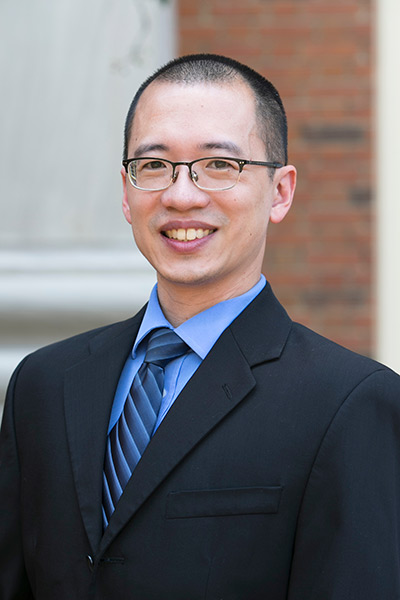
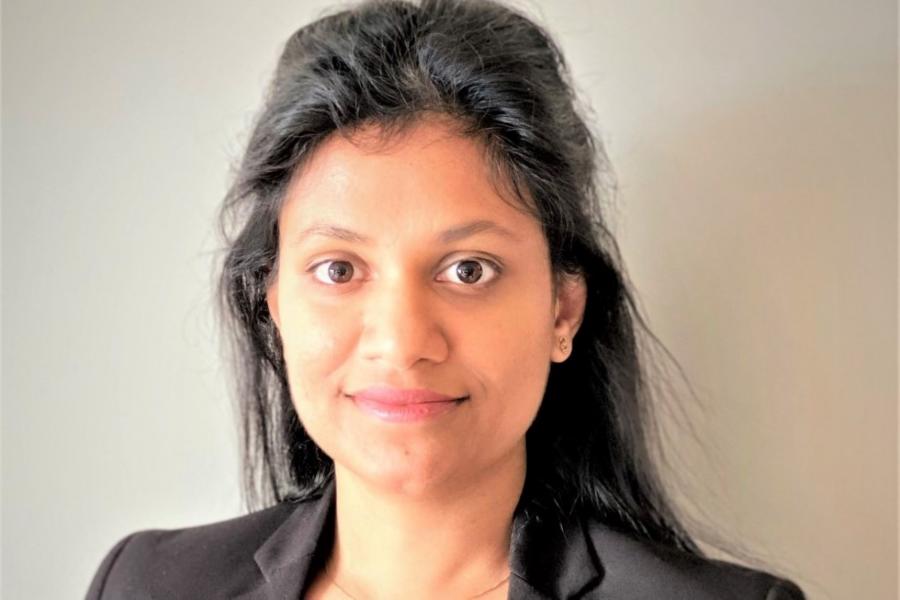
Pedro Antonio Garcia TudelaView profile
Researcher
Pedro Antonio Garcia Tudela is a researcher at Universidad de Murcia specializing in Educational Technology, with a focus on Smart Learning Environments and Digital Entrepreneurship. He completed his PhD in 2023 with a thesis on intelligent learning environments supervised by Dr. María Paz Prendes Espinosa and Dr. Isabel María Solano Fernández. His educational background centers on advanced educational technology studies at Universidad de Murcia, culminating in his 2023 doctoral dissertation that established foundational frameworks for smart learning environments. This research positioned him at the forefront of educational innovation in Spanish-speaking contexts. Garcia Tudela's research explores the intersection of digital tools and pedagogical innovation, with emphasis on gamification, computational thinking development through Arduino, and digital entrepreneurship education. His work addresses critical gaps in teacher training for future classrooms and develops practical models like EmDigital for fostering entrepreneurial competencies in digital contexts. He investigates how educational escape rooms, flipped learning, and gender-inclusive technology integration transform learning experiences across K-12 and higher education. Analysis of his 15 most recent publications reveals a clear trajectory toward practical applications of educational technology: 40% focus on digital entrepreneurship frameworks, 30% on smart learning environment design, and 30% on gamification and computational thinking implementation. His research increasingly addresses cross-cultural applications, with comparative studies of future classrooms in Spain and Portugal. As an active thesis supervisor within the Educational Technology research group, Garcia Tudela mentors students in developing innovative educational methodologies. His work demonstrates strong industry-academia connections through practical frameworks for professional development and employability. The Educational Technology research group serves as his primary collaborative environment, driving projects that translate theoretical models into classroom applications while addressing contemporary challenges in digital education transformation.