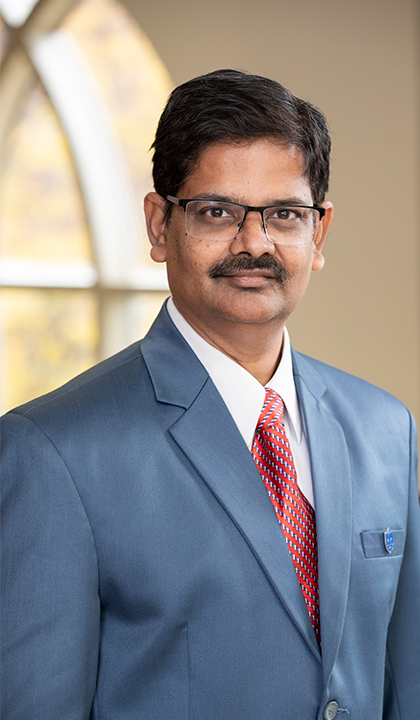
Palash Bera is Professor and Chair of Operations and IT Management at Saint Louis University's Chaifetz School of Business. His research develops analytical methods for conceptual modeling, requirements engineering, and business intelligence systems. Bera employs eye-tracking technology to study how users comprehend models, revealing cognitive patterns that inform better design practices. Bera's recent work bridges conceptual modeling with agile software development, creating tools that automatically generate test cases from behavioral requirements. He has secured funding from SERDP, USDA, and other agencies for projects on supply chain analytics and resource recovery. Bera directs the Business Analytics Practicum, connecting students with industry partners like Nestlé Purina. His research has appeared in MIS Quarterly, Information Systems Research, and other leading journals.
Susan E. Brennan is a Distinguished Professor in the Department of Psychology at Stony Brook University, with joint appointments in Computer Science and an affiliation in Linguistics. She holds a Ph.D. from Stanford University (1990) and has been a faculty member since 1990. Her research focuses on the cognitive science of language use, particularly interactive spoken dialogue, eye-tracking as a communication tool, and human-AI interaction. She is also involved in projects exploring how technology interfaces with communication, including speech and language systems. Her academic roles include serving as Director of Graduate Studies and Associate Chair in Psychology. Brennan’s work has been continuously supported by the NSF, totaling over $3.5M in grants. Notable awards include the Chancellor’s Award for Excellence in Scholarship (2003) and the Dean’s Award for Excellence in Service (2012). Research interests span the psychology of language, multimodal communication, and the neural basis of dialogue. She has published extensively on topics like common ground in conversation, coordination signals, and the role of gaze in collaborative tasks. Her lab integrates behavioral experiments, eye-tracking, and computational models to study real-world communication dynamics.
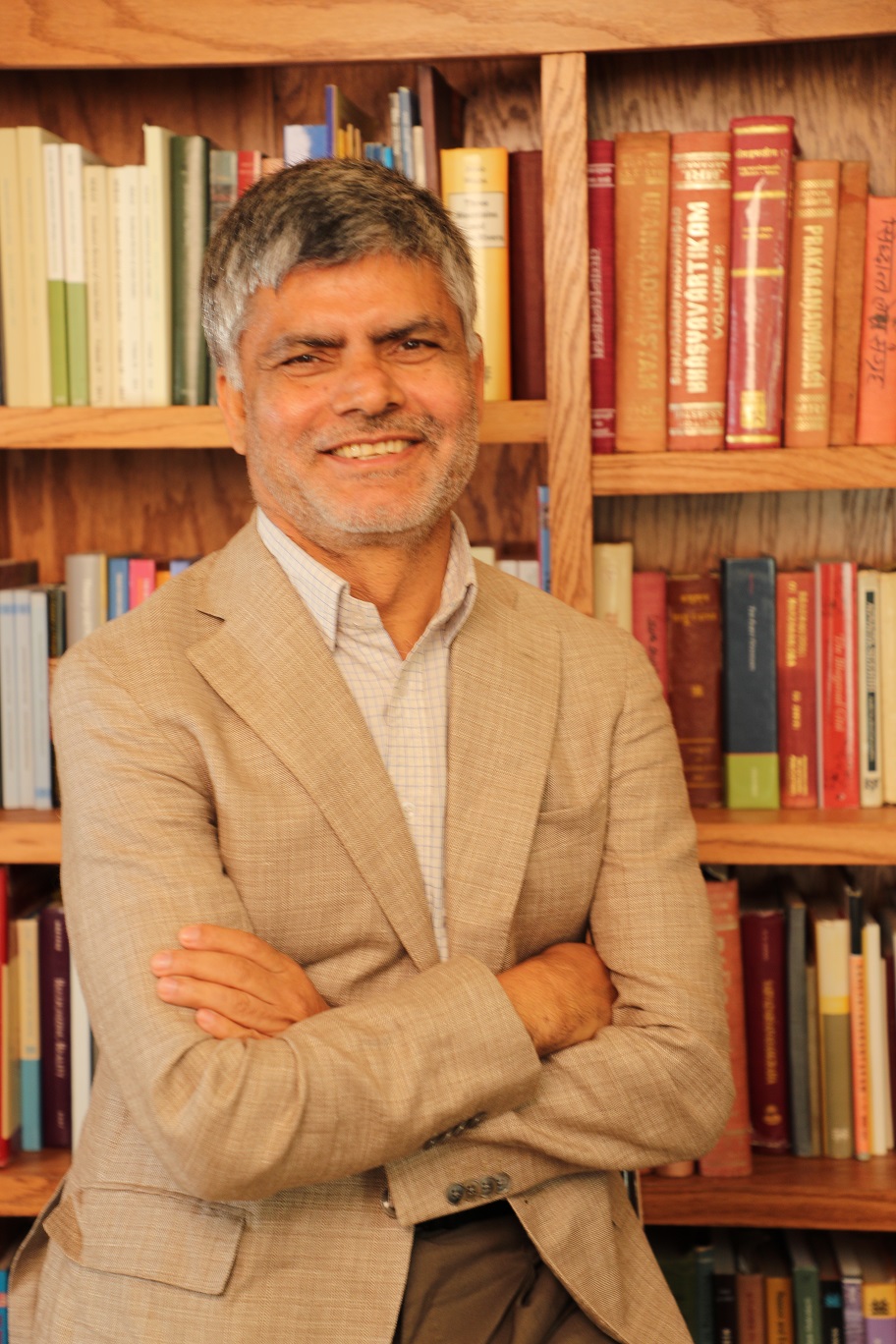
Sthaneshwar Timalsina holds the Nirmal K. and Augustina Mattoo Endowed Chair in Classical Indic Humanities at Stony Brook University's Department of Asian & Asian American Studies, part of the College of Arts & Sciences. He also teaches at San Diego State University's Departments of Religions and Philosophy. His academic journey includes a master’s from Sampurnananda Sanskrit University, a Ph.D. from Martin Luther University (Halle, Germany), and teaching stints at UC Santa Barbara and Washington University in St. Louis. Research focuses on Hindu philosophy, comparative religions, and Tantric studies. He explores Advaita Vedanta, consciousness studies, tantric symbolism, and yoga traditions through philological and cognitive approaches. Over 80 scholarly articles and multiple books including Seeing and Appearance (2006), Consciousness in Indian Philosophy (2009), and works on tantric visual culture (2015) reflect this. His writings synthesize classical Sanskrit scholarship with modern analytical frameworks. He launched the Vimarsha Foundation (2019) to globalize Sanskrit-based philosophical education through immersive courses.
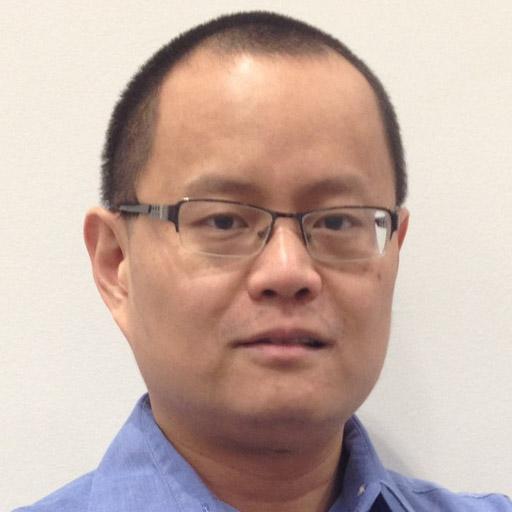
Dr. Yang Wang is an Associate Professor in the Department of Computer Science and Software Engineering at Concordia University. His research focuses on computer vision and machine learning, with a particular emphasis on domain adaptation, meta-learning, and privacy-preserving techniques. He actively advises prospective graduate students through a dedicated webpage outlining application procedures. Research interests include few-shot learning, test-time adaptation, and cross-modal applications such as handwritten text recognition and gaze estimation. His work explores how models can adapt dynamically to new domains using limited labeled data, with applications in crowd counting, medical data analysis, and cybersecurity. He also investigates privacy-preserving methods for deep learning models to protect user attributes and sensitive information. Recent publications highlight advancements in meta-auxiliary learning frameworks and efficient user adaptation techniques. His contributions span journals and conferences, showcasing innovations in both foundational machine learning methodologies and real-world applications.
Dr. Indratmo is an Associate Professor and Chair of the Department of Computer Science at MacEwan University. He holds a PhD from the University of Saskatchewan, an M.Sc. from the University of Manitoba, and a B.Eng. from Petra Christian University. His research focuses on information visualization, human-computer interaction, and social computing, with a particular emphasis on developing tools for analyzing social media data. He has contributed to projects like a visual analytical tool for sentiment analysis in Edmonton's traffic-related social media data and studies on multimedia content effectiveness in communication strategies. Indratmo teaches a range of computer science courses, emphasizing student engagement through transparent pedagogical practices. His work bridges technical innovation with social impact, aiming to enhance communication strategies for organizations through data-driven insights. He has published extensively in journals like Big Data Research and Visual Informatics , and his research spans topics from educational visualization tools to smart mirror applications and geospatial heritage systems. Outside academia, he enjoys outdoor activities in the Canadian Rockies. Notable collaborations include work on stacked bar chart efficacy, web-based course registration models, and exploratory browsing frameworks. His research portfolio demonstrates a commitment to both theoretical advancement and practical applications in computing.
Kannan Srinivasan is the H.J. Heinz II Professor of Management, Marketing and Business Technology at Carnegie Mellon University's Tepper School of Business, a position he has held since 1999. Prior to joining CMU, he taught at the business schools of the University of Chicago and Stanford University. His academic career spans over three decades with significant contributions to marketing science and data analytics. His educational background includes: Ph.D. in Management from University of California Los Angeles (1986) MBA in Marketing/Finance from Xavier School of Management, Jamshedpur, India (1980) BA in Engineering from University of Madras, Chennai, India (1978) Srinivasan's research focuses on advanced data analytics models applied to marketing problems, with particular expertise in internet-generated large-scale data analysis. His work bridges the gap between theoretical marketing models and practical business applications, especially in the areas of algorithmic pricing, consumer behavior analysis, and AI-driven marketing strategies. He has pioneered research in dynamic pricing systems, location-aware marketing technologies, and the economic implications of AI in consumer markets. Analysis of his recent publications reveals a strong trend toward examining the intersection of artificial intelligence, consumer welfare, and market dynamics. His work increasingly focuses on ethical implications of AI in marketing, algorithmic bias, and the socioeconomic impacts of digital platforms across various sectors including real estate, social media, and e-commerce. His scientific achievements include: Elected Fellow of the Informs Society of Marketing Science (2013) for lifetime contribution to the field Served as President of the Informs Society of Marketing Science Holds multiple patents related to time and location aware dynamic push content, dynamic pricing, and online advertising Srinivasan has advised numerous doctoral students whose careers have led them to faculty positions at top institutions including Duke, Harvard, Columbia, Yale, University of Chicago, Wharton, University of Michigan, and Indian Institute of Management Bangalore. He has extensive consulting experience with large firms and startups, translating academic research into practical business applications. His professional service includes editorial roles at prestigious journals including Management Science, Marketing Science, and Quantitative Marketing and Economics, as well as significant committee service within CMU including the Elliott D. Smith Award Committee and various Dean's Advisory committees. His research is organized around several key initiatives focused on applying advanced analytics to solve complex marketing problems, with particular emphasis on developing interpretable AI models that balance business objectives with consumer welfare considerations.
Meredith A. Martin is a Professor of English at Princeton University and serves as the Faculty Director of the Center for Digital Humanities (CDH), established under her leadership in 2014. She specializes in anglophone poetry, historical prosody, and the intersection of digital humanities with literary studies. Her work bridges traditional literary analysis with computational methodologies, as seen in projects like the Princeton Prosody Archive (1570–1923) and her forthcoming book Poetry’s Data (2025), which explores critical data studies in humanities contexts. Her research interests extend to Victorian literature, modernism, and interdisciplinary approaches to poetry. She holds leadership roles in multiple initiatives, including co-editing the Journal of Cultural Analytics and serving on committees for the Princeton AI Lab and Language and Intelligence Center. Martin is also affiliated with the Center for Statistics and Machine Learning and the Program in Media and Modernity. Recognized for her mentorship, she has received the Princeton University Graduate Mentoring Award (2021) and the Clio Award (2023). She advises graduate students on digital humanities, critical data studies, and comparative poetics, while overseeing collaborative projects like the Nineteenth-Century Data Collective and the Historical Poetics Reading Group. Her publications include The Rise and Fall of Meter (2012), which won multiple awards, and recent contributions to PMLA , Victorian Studies , and Paideuma . She actively promotes interdisciplinary dialogue through teaching courses on digital culture, poetry, and literature’s relationship with other disciplines.
Dr Andrew Killick is a Reader in Ethnomusicology at the University of Sheffield’s School of Languages, Arts and Societies, and Director of the MA in Traditional and World Music (distance learning). His research focuses on Korean traditional music, global notation systems, and world music analysis. He holds a BMus from the University of Edinburgh, an MA from the University of Hawaii, and a PhD from the University of Washington, with extensive fieldwork in Korea. His work emphasizes holistic musicological approaches, including the development of Global Notation , a universal music transcription system. He has published widely on topics such as Korean musical theatre (Ch’angguk), Hwang Byungki’s compositions, and cross-cultural musical analysis. Killick has supervised over 20 PhD students, covering diverse topics from Nigerian popular music to Cretan flute adaptations. Key research areas include ethnomusicological methodology, the interconnectedness of global musical traditions, and the role of notation in preserving cultural heritage. His recent projects explore how musical ideas spread through cultural contact and aim to challenge Eurocentric narratives in world music studies. Education: PhD in Music (Ethnomusicology), University of Washington, 1998 MA in Music (Ethnomusicology), University of Hawaii, 1990 BMus in Music, University of Edinburgh, 1984 Professional Roles: Co-editor, Yearbook for Traditional Music (2007–2010) President, Association for Korean Music Research (2000–2002) Notable Publications: Hwang Byungki: Traditional Music and the Contemporary Composer (2013) In Search of Korean Traditional Opera: Discourses of Ch’angguk (2010) Co-author of Garland Encyclopedia of World Music, Vol. 7: East Asia (2002) Labs/Initiatives: Founder of Global Notation , a project promoting culturally inclusive music transcription
Emily Whiting is an Associate Professor of Computer Science at Boston University and Director of the Shape Design & Computation Lab. She also serves as Director of PhD Admissions and Co-Director of the BU Computer Graphics Lab. Her research focuses on computational fabrication, architectural geometry, and computer-aided design, bridging digital geometry processing, engineering mechanics, and rapid prototyping. She holds a PhD from MIT (2012), an SM in Design & Computation from MIT (2006), and a BASc in Engineering Science from the University of Toronto (2004). Previously, she was faculty at Dartmouth and a Marie Curie Postdoctoral Fellow at ETH Zurich. Her research interests include 3D printing optimization, structural design for fabrication, and tools for functionally-valid object creation. Notable projects include work on elastic garments, climbing experience replication, and print-wind instrument design. Her work has been featured on TEDx and PBS NOVA, and she has received awards such as the NSF CAREER Award and Sloan Research Fellowship. Education: PhD (MIT), SM (MIT), BASc (University of Toronto) Labs: Shape Design & Computation Lab, BU Computer Graphics Lab Key Projects: Knitting 4D garments, Environment-Scale Fabrication, Thermal-comfort casts Recent professional activities include program committee roles at SIGGRAPH 2025 and UIST 2024, and serving as Program Co-Chair for Pacific Graphics 2024. She advises a team of PhD and MS students, with alumni now in academia and tech industries.
Shinichi Nakagawa is a Professor of Evolutionary Ecology and Synthesis at the University of Alberta's Faculty of Science, Biological Sciences Department. He holds the Canada Excellence Research Chair in Open Science and Synthesis in Ecology and Evolution. His research focuses on quantifying biological variation through meta-analysis and synthesis, with a strong emphasis on open science practices. He leads a lab that explores topics in ecology, evolutionary biology, and environmental sciences, while also advancing meta-science to improve research transparency and reproducibility. Dr. Nakagawa earned his BSc(Hons) at the University of Waikato and PhD at the University of Sheffield. He previously held positions at the University of Otago (2008–2015) and the University of New South Wales (2015–2024). He is the founder of EcoEvoRxiv, a preprint server for ecology and evolution, and actively promotes open science through initiatives like the Society for Open, Reliable, Transparent Ecology and Evolutionary Biology (SORTEE). His research interests include quantitative ecology, statistical methodology for meta-analysis, and understanding biological variability. Key areas of focus include thermal physiology in ectotherms, sexual selection, and the impacts of climate change on biodiversity. He has authored influential papers on meta-analytic techniques, including location-scale models and variance-based analyses. Notable contributions include the development of the 'orchard plot' visualization tool for meta-analyses and advocacy for preregistration and open data practices. His work bridges ecological theory with data synthesis, emphasizing reproducibility and methodological rigor. Awards include the Canada Excellence Research Chair, recognizing his leadership in advancing open science and ecological synthesis.
Professor Daniel Angus is a faculty member at Queensland University of Technology (QUT), holding the position of Professor of Digital Communication in the School of Communication and serving as Director of QUT's Digital Media Research Centre (DMRC). His research focuses on computational methods applied to communication and media studies, with a particular emphasis on AI, automation, misinformation, and digital societal impacts. He holds a PhD in computer science from Swinburne University of Technology and has extensive experience in interdisciplinary research across computer science, design, communication, linguistics, and journalism. Affiliations: ARC Centre of Excellence for Automated Decision Making & Society, ARC Centre of Excellence for the Dynamics of Language. Research Projects: Leads projects like 'Using Machine Vision to Explore Instagram’s Everyday Promotional Cultures' and 'Evaluating the Challenge of ‘Fake News’ and Other Malinformation'. Research Interests: Daniel’s work bridges technology and society, exploring AI ethics, algorithmic transparency, social media governance, and computational methodologies for analyzing communication patterns. He develops tools like Discursis and PauseCode to study discourse and conversational dynamics in healthcare, aged care, and media contexts. Grants & Awards: Principal Investigator on multiple ARC grants and collaborates with industry stakeholders to address challenges like unhealthy food advertising and platform accountability. His research has informed policy submissions to parliamentary committees on social media regulation and AI adoption. Supervision: Current PhD students focus on topics like algorithmic transparency, computational methods for meme analysis, and AI in publishing. Labs/Teams: Directs the Digital Media Research Centre, fostering interdisciplinary projects on digital culture and platform studies.
Christian Jacob is a Professor in the Department of Computer Science within the Faculty of Science at the University of Calgary . He holds a B.S. in Computer Science and a Doctor of Engineering Science from Erlangen University . His research focuses on nature-inspired algorithms, biocomputing, and agent-based simulations applied to biological systems and education. Key initiatives include the LINDSAY Virtual Human Project , which uses immersive virtual reality to explore human anatomy and physiology. He contributes to the university's strategic priorities in Digital Worlds and Health and Life initiatives. His work integrates evolutionary algorithms, cellular automata, and swarm intelligence into creative and medical applications. Notable achievements include the ASTech Award (2015) from Alberta Science and Technology. His projects emphasize interactive education through tools like LeukemiaSIM , Eukaryo , and the Giant Walkthrough Gut . Jacob also explores visualization techniques, such as evoVision3D and LifeBrush , to enhance scientific understanding. His research bridges computational methods with real-world applications in healthcare, architecture, and game design. Collaborative efforts include developing agent-based models for immune systems, nervous responses, and crowd behavior. Jacob's work spans interdisciplinary fields, blending computer science with biology, engineering, and the arts.
Dr. Shiyan Jiang is an Assistant Professor in the Learning Design and Technology Program at North Carolina State University’s College of Education . She joined NC State in 2019 and specializes in integrating digital literacy into STEM education, particularly through AI-driven curriculum design and technology-enhanced interdisciplinary learning. Her work emphasizes empowering K-12 students with tools like narrative modeling, data visualization, and machine learning to explore STEM identities and career pathways. Education : Dr. Jiang holds a Ph.D. in Teaching and Learning (Specialization: Technology-Enhanced STEM Education) from the University of Miami (2018). Research Focus : Her research centers on: AI and data science education in K-12 classrooms Multimodal composing environments for STEM identity development Technology-mediated interdisciplinary learning Epistemic agency and data literacy Key Achievements : Recipient of NSF Awards #1949110 (2019) and #2241671 (2022) for AI-in-education projects Co-chair of the Technology Committee at the International Society of the Learning Sciences (ISLS) Editorial board member of Journal of Educational Technology Research and Development and Journal of Science Education and Technology Teaching : Courses include Data Visualization, Machine Learning, and Text Mining in Education, alongside doctoral seminars in Learning Sciences. Grants & Outreach : Collaborates with educators and institutions to design AI-infused curricula, such as the i-SAIL (integrated Science and AI Learning) program. She also develops tools like StoryQ for K-12 machine learning education. Labs & Teams : Active in the Friday Institute for Educational Innovation and the Belk Center, focusing on scalable educational technologies.
Dr. Petya Eckler is a Senior Lecturer in Journalism, Media and Communication at the University of Strathclyde, part of the Faculty of Humanities & Social Sciences. Her research focuses on health communication through social media, particularly examining how young people's body image and mental health are influenced by social media use. She leads the Working Group on Body Image and Eating Disorders, fostering collaboration between academics, clinicians, and advocacy groups. Dr. Eckler holds a PhD in Electronic Word of Mouth from the University of Missouri and has contributed to advisory groups like the Scottish Government’s Healthy Body Image Advisory Group. She has received awards including the Runner-up Prize for Outstanding Impact on Society (2020) and multiple Scottish Student Journalism Awards. Her work spans topics such as vaccination hesitancy, social media addiction, and crisis communication. She teaches courses in journalism, strategic communication, and media and health. Dr. Eckler actively engages in public outreach through media talks, TEDx presentations, and collaborative projects like the #HealthySocialMedia initiative. She supervises PhD students exploring themes like the 'ideal beach body,' influencer identity, and K-pop fandom dynamics. Key research projects include the Health Literacy in Crisis project (Newton Funds, 2017–2018) addressing gender-based violence among Syrian refugees. Her interdisciplinary collaborations extend to departments like Marketing and Psychology, reflecting her commitment to addressing complex societal issues through media and health studies.
Dr. Nicole Hartnett is a Senior Marketing Scientist at the Ehrenberg-Bass Institute for Marketing Science, University of South Australia, where she conducts high-impact research on advertising effectiveness, brand performance, and consumer behavior. She serves as Associate Editor of the Journal of Advertising Research , contributing to the advancement of marketing science globally. Research Focus: Nicole's work centers on how advertising content influences sales, with particular emphasis on creative drivers, distinctive brand assets, and media planning. Her research integrates data analytics with behavioral insights to improve advertising measurement and strategic decision-making for consumer packaged goods companies. Her recent publications reveal a consistent focus on advertising effectiveness, brand health, and consumer response across digital and traditional media. She frequently investigates how brands perform when advertising is reduced or paused, the role of attention in video ads, and the validity of persuasion frameworks—demonstrating a strong commitment to evidence-based marketing. Scientific Recognition: Associate Editor, Journal of Advertising Research Prolific contributor to top-tier marketing journals including International Journal of Market Research , European Journal of Marketing , and Australasian Marketing Journal Advising & Grants: While no formal students are listed, Nicole collaborates extensively with global sponsors of the Ehrenberg-Bass Institute, managing brand health trackers and delivering strategic insights. Her work is applied in real-world contexts with major CPG firms, suggesting active engagement in funded research projects and industry partnerships. Labs & Teams: She is a core member of the Ehrenberg-Bass Institute, the world’s largest center for marketing science research, working within a team of over 60 marketing scientists focused on evidence-based brand growth.