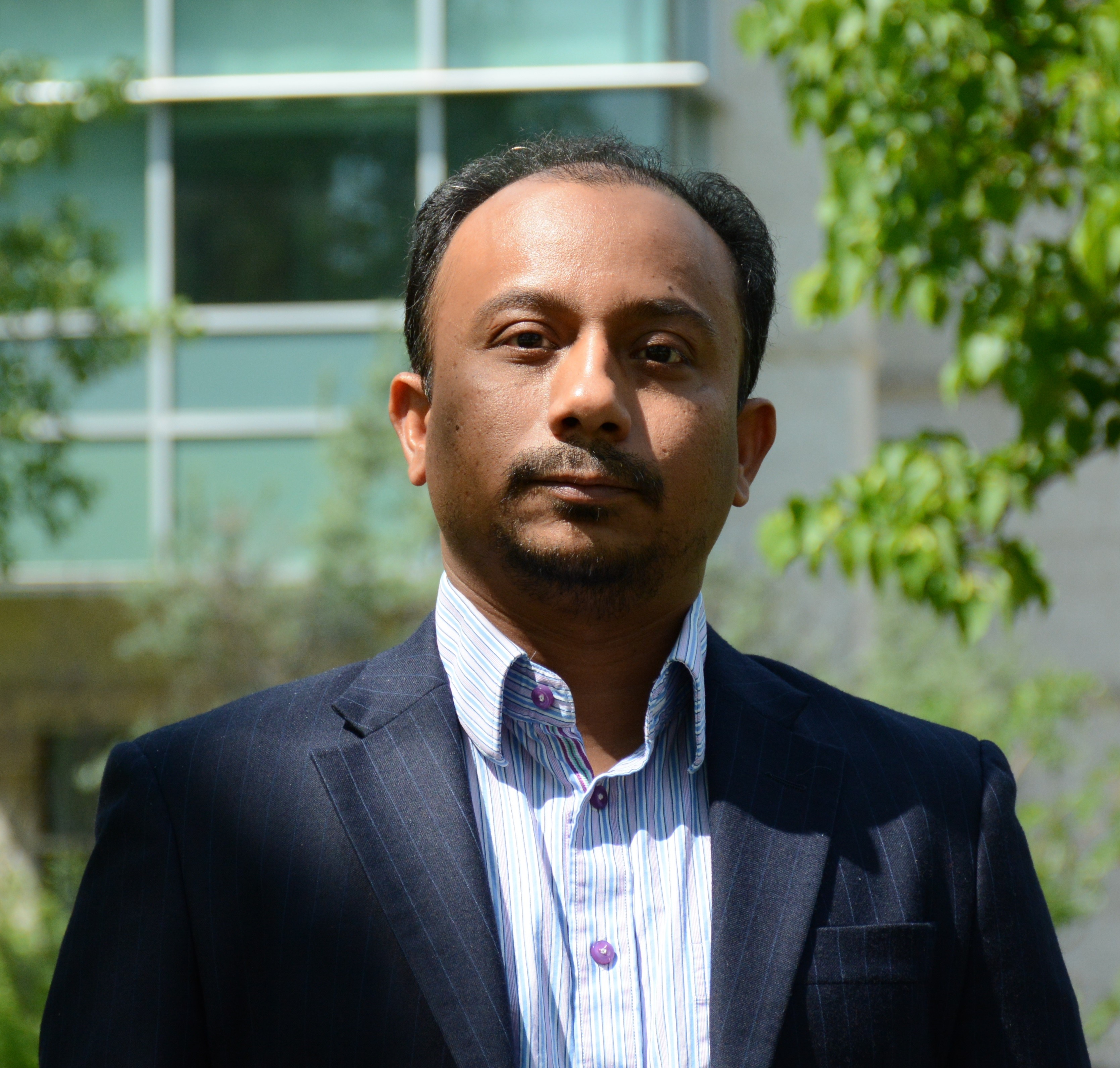
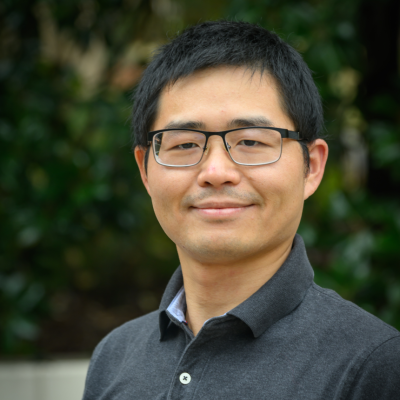
Nashid Shahriar is an Assistant Professor in the Department of Computer Science at the University of Regina, Faculty of Science. His research addresses resource allocation challenges in next-generation networks including 5G, elastic optical networks, cloud infrastructures, and IoT systems. He holds a Ph.D. in Computer Science from the University of Waterloo, an M.Sc. from Bangladesh University of Engineering and Technology (BUET), and a B.Sc. from BUET. His work leverages optimization, machine learning, and AI for network management. Recent publications focus on 5G network slicing, intrusion detection, and NFV security. Research emphasizes practical AI-driven solutions for telecommunications and cloud systems.
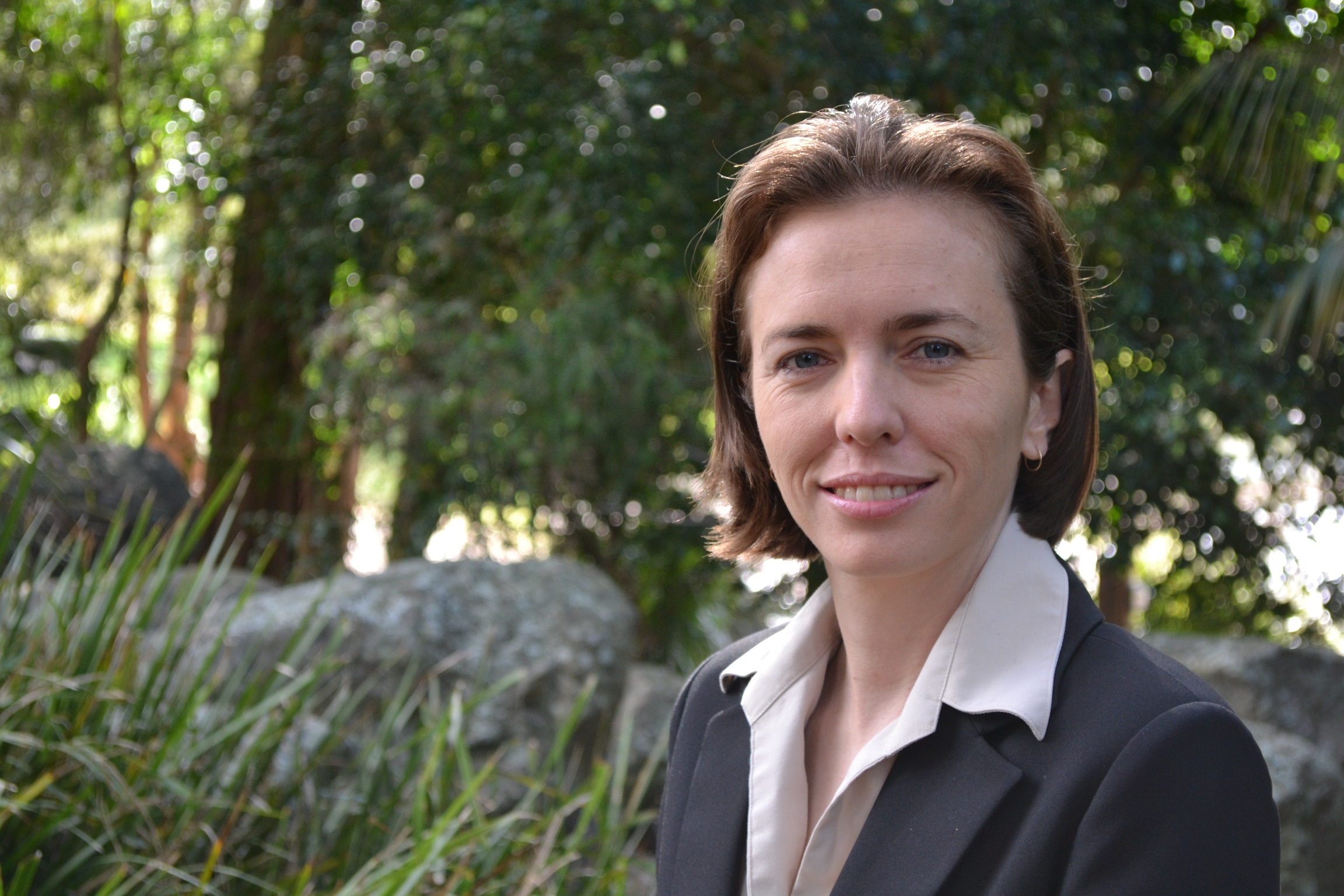
Emil Salib is a Professor in the Department of Computer Science and Information Technology Program at James Madison University (JMU), part of the College of Integrated Science & Engineering. His expertise spans networking, cybersecurity, and cloud computing. He holds a Ph.D. in Solid State Physics from the University of Wollongong and dual bachelor's degrees in Electrical Engineering and Physics from Cairo University. Education: Ph.D. in Solid State Physics, University of Wollongong, Australia M.S. in Telecommunications Networks, Cairo University B.S. in Electrical Engineering (Electronics and Communications), Cairo University B.S. in Physics, Cairo University Research Interests: Focuses on DevOps tools (Git, Ansible), cloud platforms (OpenStack), SDN/SD-WAN, wireless security algorithms, and blockchain applications. His work bridges theoretical physics and practical network engineering, emphasizing automation and infrastructure orchestration. Experience: Executive Director at Ericsson/Telcordia Technologies Director at Bellcore for network software systems Postdoctoral Researcher at University of Hull's Magneto-Optics Group Courses Taught: Includes advanced networking, cybersecurity, telecommunications, and capstone project courses. Employs industry-relevant tools like Docker, Kubernetes, and OpenStack in curriculum. Labs/Teams: Leads initiatives in JMU's Information Technology program integrating industry standards with academic rigor.
Riccardo Lancellotti is an Associate Professor at the Department of Engineering 'Enzo Ferrari' of the University of Modena and Reggio Emilia. His research focuses on Edge/Fog/Cloud Computing, Cyber Security, and Resource Management in distributed systems. He has extensive contributions in optimizing infrastructure performance, load balancing, and energy efficiency in cloud and fog environments. His work often combines theoretical models with practical simulations, addressing challenges like stale information in edge systems and heterogeneous resource allocation in smart cities. Key research areas include: Fog/Edge computing infrastructure design and optimization Cloud resource provisioning and SLA compliance Security for Industry 4.0 and automotive systems Genetic algorithms for service placement Scalable VM clustering and resource allocation Publications highlight trends in cloud/fog integration, robust game theory for microservices, and distributed load balancing under dynamic conditions. His work emphasizes practical applications, such as pharmaceutical distribution routing and smart city sensor management. No awards are explicitly listed, but his extensive publication record reflects recognition in the field.
Harmen Oppewal is a Professor of Marketing at Monash Business School, Monash University. He holds a PhD from Eindhoven University of Technology and degrees in geography and social psychology from the University of Groningen. His research focuses on consumer behavior in retail, tourism, and urban planning contexts, employing experimental, modeling, and interpretative methods. He has served as Head of the Marketing Department (2012–2018) and is actively involved with the Monash Business Behavioural Lab since 2010. Education : PhD, Urban Planning, Eindhoven University of Technology Master's/Master of Science in Geography and Social Psychology, University of Groningen Research Interests : Consumer behavior, choice modeling, experimental research, retail marketing, tourism, pricing strategies, and visual attention. His work contributes to SDGs related to sustainable cities and communities (SDG 11) and responsible consumption (SDG 12). Recent Articles : Focus on scarcity tactics' impact on consumer decisions, spatial choice modeling, and the integration of VR/eye-tracking in retail research. Key areas include brand perception, tourist behavior, and pricing dynamics. Awards : ANZMAC Distinguished Researcher of the Year (2008) Fellow of ANZMAC (2013) Journal of Retailing Outstanding Reviewer Award (2020) Grants & Supervision : Secured funding from ARC, EU, and industry partners. Supervised over 20 PhD completions. Active on editorial boards of Journal of Retailing , European Journal of Marketing , and Journal of Travel Research . Collaborations : Global partnerships in tourism, urban planning, and consumer behavior research, with projects funded by UK's Advanced Institute of Management and Sustainable Tourism CRC.
Maria Y. Rodriguez is a Principal Research Scientist in the Department of Computer Science and Engineering at the University at Buffalo's School of Engineering and Applied Sciences, with affiliate appointments at the Gender Institute and Digital Scholarship Studio and Network. Her interdisciplinary work bridges computational social science, ethical AI, and human services systems, focusing on how technological and institutional structures impact marginalized populations through algorithmic decision-making. Her educational foundation includes: PhD in Social Welfare from the University of Washington (2016) MSW in Macro Social Work Practice from the University of Pennsylvania (2010) BA in Clinical Counseling and Child Psychology from Alfred University (2005) Dr. Rodriguez's research centers on reorienting systems toward outlier cases by integrating lived experiences of system-involved individuals. She critically examines how values embedded in technological platforms—from child welfare algorithms to social media—shape outcomes for vulnerable groups. Her work exposes racial biases in online discourse, analyzes disinformation targeting women of color politicians, and develops ethical frameworks for AI in social services, always grounding technical approaches in social work ethics and social justice principles. Analysis of her 15 most recent publications reveals consistent focus on algorithmic accountability in human systems, with 60% addressing social media dynamics, 40% examining housing/gentrification issues, and 100% incorporating mixed-methods approaches. Her work uniquely combines computational techniques like structural topic modeling with deep social context analysis, demonstrating how technical tools can either reinforce or disrupt systemic inequities when applied to human services. Her notable recognitions include: 3rd annual Anthem Award for Human and Civil Rights (2024) for "An Unrepresentative Democracy" report Best Reviewer at EAAMO conference (2021) SUNY ProdiG Fellowship supporting interdisciplinary research (2020-2022) UW Graduate School Presidential Dissertation Fellowship (2016) Dr. Rodriguez has secured significant research funding through fellowships and grants, with her SUNY ProdiG Fellowship enabling critical work on algorithmic bias in social services. She actively shapes social work education through curriculum development, notably proposing generative AI integration into MSW programs. Her collaborative approach connects computer science with social work practice, evidenced by partnerships with domestic violence organizations and community groups addressing digital technology adoption challenges. Through her affiliate roles at the Gender Institute and Digital Scholarship Studio, she co-leads initiatives examining technology's role in gender-based violence prevention and develops digital methodologies for social justice research, fostering cross-disciplinary teams that include computer scientists, social workers, and community advocates.
Marylynn Steckley is an Associate Professor at Carleton University, affiliated with the Arthur Kroeger College of Public Affairs. She holds a Ph.D. in Geography and Migration/Ethnic Relations from Western University, with post-doctoral research in Indigenous Health and Food Systems. Her work bridges socio-cultural and environmental determinants of health, particularly in food systems and global inequities. She has conducted extensive fieldwork in Haiti, Thailand, and Cambodia, focusing on food sovereignty, climate resilience, and gender equity. Education: B.A., Brock University (Human Geography/English Literature) M.A., University of Waterloo (Human Geography/International Development) Ph.D., Western University (Geography and Migration/Ethnic Relations) Post-Doc, Western University (Indigenous Health and Food Systems) Research Interests: Dr. Steckley’s research focuses on two streams: 1) Food systems and health equity, including political ecology of commodities like coconut water and community-based food sovereignty assessments in Haiti; and 2) Equity, diversity, and inclusion (EDI) in higher education pedagogy, emphasizing virtual experiential learning and climate-friendly global connections. Her work critiques food security paradigms that perpetuate dependency, advocating for frameworks centering community agency and environmental sustainability. Global Engagement: Her international experience includes disaster response coordination post-2004 tsunami in Thailand, policy analysis in international development, and over five years living in Haiti. She collaborates with communities to design participatory research tools addressing food systems and health. Teaching Innovations: She co-edits a forthcoming volume on critical pedagogies in Global Development Studies and explores creative methods to enhance student well-being and equity in education. Her research on EDI in Students as Partners (SaP) programs at Carleton highlights inclusive academic practices.
Achim Goerres is Professor of Empirical Political Science at the University of Duisburg-Essen, where he is affiliated with the Faculty of Social Sciences and Institute of Political Science. He is also a member of the Priority Research Area 'Transformation of Contemporary Societies' (which he chaired from 2014-2018) and the Interdisciplinary Centre for Immigration and Integration Research. Since May 2021, he has been a founding board member of the German Centre of Social Policy Research based jointly in Duisburg and Bremen, and since September 2021, he has been part of the International Max Planck Research School on the Social and Political Constitution of the Economy. Goerres is a comparative political scientist and political sociologist working at the intersection of political behavior and welfare state research. His primary research interests include: Political Demography Political Integration of Immigrant-origin Citizens, particularly Electoral Behaviour Comparative Politics of Ageing Political Solidarities Survey Research Methodology His research focuses on how large-scale social changes manifest themselves in the politics of individuals, with particular emphasis on population ageing and immigrant political behavior. Empirically, he employs both qualitative and quantitative approaches with a strong focus on survey research, including the Immigrant German Election Study (IMGES) that he co-founded. Goerres has published over 150 scholarly works and secured significant research funding, most notably a prestigious ERC Consolidator Grant in 2019 for 'POLITSOLID – The Ties that Bind: Experimental Analyses of Political Solidarities in Modern Democracies.' His recent publications examine immigrant voting patterns, political solidarities across demographic groups, and the political consequences of demographic change. Among his scientific recognitions, the ERC Consolidator Grant stands out, identifying him as one of only eight political scientists in Germany to receive an ERC Starting, Consolidator, or Advanced Grant between 2007 and 2020. As an educator, Goerres teaches empirical methods for political science and supervises PhD students including Paul Vierus, Hayfat Hamidou-Schmidt, and Jonas Elis. He has also received grants for the Immigrant German Election Study I and II, and projects on societal risk perception. His work on political integration and electoral participation provides valuable insights for democracies navigating increasing electorate diversity.
Dr. Diane B. Mitschke is a Professor and former Associate Dean of Academic and Student Affairs at the University of Texas at Arlington's School of Social Work. She holds a PhD in Social Work from the University of Hawaii System, an MSW from the University of Michigan, and a BSW from the University of Texas at Austin. Her academic career includes roles as Director of Graduate Programs and Master of Social Work Program Director. Education: PhD (2006), MSW (2001), BSW (2000) Licensures: Licensed Master Social Worker (2023–2026), Specialist in Aging Certificate (2001) Her research focuses on refugee resettlement, mental health interventions, and cultural integration. Notable projects include evaluations of teen pregnancy prevention programs (Crossroads) and studies on refugee mental health. She has secured over $1.5M in grants for initiatives like Project Match Made in Schools (2019–2021) and Refugee Mental Health Comparisons (2012–2013). Awards include the Academy of Distinguished Teachers (2021) and President's Award for Excellence in Teaching (2020). Her pedagogy innovations include virtual peer mentoring during the pandemic and the Ecological Devastation Bus Tour for environmental social work education. Teaching: Courses on diverse populations, human behavior, and social work practice Service: Leadership roles in university committees, NASW Texas, and refugee advocacy groups She advises over 30 graduate students and collaborates with interdisciplinary teams on projects addressing health disparities and resettlement challenges.
Dr. Hailey Austin is a Lecturer in Visual Media and Culture at Abertay University's Department of Games and Arts, part of the Faculty of Design, Informatics and Business. Her research focuses on comics, video games, and transnational creative industries, with particular emphasis on gender representation and cultural exchange between China and the UK. She holds a PhD in English from the University of Dundee (2021) and has conducted extensive research through projects like the InGAME International initiative. Education: B.A. English & Spanish (Creighton University, 2016); M.Litt Comics & Graphic Novels (University of Dundee, 2017); PhD English (University of Dundee, 2021). Research Interests: Comics studies, feminist media analysis, transmedia storytelling, digital humanities, and the global game development industry. She has authored over 30 publications including peer-reviewed articles, conference proceedings, and creative works like comic-based research outputs. Awards: 2022 Scottish Funding Council People's Choice Award for Public Engagement; 2017 Grant Morrison Prize for Comics Studies. Grants: Secured £10k+ in funding from AHRC, SGSAH, SFC, and other bodies. Current roles include Co-Investigator on InGAME International (until Jan 2024) and editorial work for journals like Journal of Gaming & Virtual Worlds . Creative Work: Author of educational comics for film noir courses, public information campaigns, and scripts for DC Thomson titles (e.g., Commando ). Her PhD research produced a series of comics analyzing anthropomorphic bodies in genre works.
Dr. Meredith Carroll is a Professor of Aviation Human Factors and Director of the ATLAS Lab at Florida Institute of Technology's College of Aeronautics. She holds a B.S. in Aerospace Engineering from the University of Virginia, an M.S. in Aviation Science from Florida Tech, and a Ph.D. in Applied Experimental Psychology and Human Factors from the University of Central Florida. Her research focuses on human performance in aviation systems, including decision-making under stress, human-autonomy teaming, advanced air mobility (AAM), and cybersecurity education. Key research initiatives include: Investigating trust dynamics in human-agent teams funded by AFOSR User-centered design of multi-UAV ground control stations for NASA eVTOL battery display design and pilot interface studies Cybersecurity curriculum development for underrepresented high school students Adaptive flight training strategies funded by the Naval Air Warfare Center Her lab facilities include Florida Tech's Center for Aeronautics and Innovation with advanced flight simulators and UAS testing environments. Current projects explore VR training immersion effects, multi-agent team repair strategies, and AAM operational challenges. She advises 12+ graduate and undergraduate researchers and collaborates with industry partners like P17 Solutions and Rockwell Collins. Recent publications emphasize trust calibration in autonomous systems, IoT-based cybersecurity education, and adaptive training efficacy. She has secured grants from NASA, FAA, AFRL, ONR, and NAWC totaling over $5M in external funding.
Angelo Corallo is an Associate Professor at the Department of Experimental Medicine, University of Salento, specializing in technologies and methodologies for collaborative processes in industrial systems. His research spans Digital Business Ecosystems , Cybersecurity , and Collaborative Product Design , focusing on the interplay between technology and organizational dynamics. He leads interdisciplinary research divisions in Open Networked Business Management , Learning and Innovation , and Collaborative Product Design . Research Interests : Corallo's work integrates Information and Communication Technologies (ICT) with Business Management, particularly in Digital Twins for healthcare and manufacturing Knowledge Modeling and Ontology Engineering Industry 4.0 and Smart Manufacturing Agri-Food Sustainability through digitalization Scientific Contributions : His recent articles explore trends in Cybersecurity for Industrial IoT Metaverse Applications in business models Traceability Systems in food supply chains Collagen-Based Biomaterials from aquaponics
Wenwen Wang is an Associate Professor in the School of Computing at the University of Georgia's Franklin College of Arts & Sciences. His research focuses on computer systems, compiler design, and embedded systems security. He holds a Ph.D. in Computer Science from the University of Chinese Academy of Sciences (2014). Education: Ph.D., Computer Science, University of Chinese Academy of Sciences, 2014 His research emphasizes dynamic binary translation, compiler optimization, and secure embedded systems. Notable contributions include frameworks like JavART (JIT compiler optimization) and BSan (memory error detection). He received the 2021 M. G. Michael Award for Sciences from the Franklin College. Wang has secured two NSF grants totaling $1.2 million, including CSR: Small grants for FALCON (2023–2027) and Modernizing Dynamic Binary Translation Systems (2023–2027). He advises three graduate students: Ruili Fang, Yage Hu, and Boyang Yi. His work addresses challenges in cross-architecture virtualization, GPU-based graph computing, and hardware-triggered security mechanisms. Recent projects include Liberator (GPU graph processing) and InvisiGuard (embedded device integrity).
Holly Golecki is a Professor in the Department of Bioengineering at the University of Illinois at Urbana-Champaign (UIUC), affiliated with the Grainger College of Engineering. Her research focuses on the interface of humans and materials in medical devices and engineering education, emphasizing biomaterials in robotic systems, medical device design, and experiential learning. She leads initiatives such as the SIIP & Share Podcast , aimed at disseminating education innovations in engineering, and mentors programs like the UIUC First Gen Scholars Research Program. Her educational background includes contributions to bioengineering curriculum development, including courses on soft robotics and neural organoid biofabrication. She has secured funding through NSF grants, including the SCI-LSAMP project and the Jump Arches Program for wheelchair seat cushion development. Her work bridges research and practice, with a focus on increasing STEM participation through outreach and inclusive pedagogy. Golecki’s research group explores topics such as neural organoid engineering, soft robotics for medical applications, and adaptive scaffolding in capstone design. Collaborations include partnerships with institutions like Harvard Biodesign Lab and Sandia National Labs. Her lab activities include projects on biofabrication, tissue engineering, and robotics-enabled solutions for healthcare challenges. Notable contributions include over 20 peer-reviewed articles, conference presentations, and educational modules. She actively mentors students, supporting their transition to graduate programs and fostering interdisciplinary teamwork. Her efforts in grant acquisition and program leadership highlight her commitment to advancing both academic and practical contributions to biomedical engineering.
Susanta Sarkar is a Research Professor at Arizona State University's School of Molecular Sciences, affiliated with the Tempe campus. His email is Susanta.Sarkar@asu.edu. He holds a NIH R01 GM145210 grant as the sole PI ($1.1 million), focusing on MMP1's role in collagen degradation. His research integrates biophysics, enzyme dynamics, and drug development to target matrix metalloproteases (MMPs) in diseases like cancer and neurodegeneration. He employs single-molecule techniques to study enzyme-substrate interactions, aiming to develop precision therapies with minimal side effects. Education : Ph.D. in Physics, University of Oregon (2006) M.S. in Physical Sciences, Indian Institute of Science (2000) Postdoctoral Associate, Cornell University (2008), NIH Research Fellow (2013) Research Interests : MMPs' role in human health, single-molecule biophysics, allosteric modulation, and drug screening for Parkinson’s/Alzheimer’s. His work bridges fundamental biology and translational medicine, funded by NIH. Publications : Recent work includes substrate-specific MMP dynamics, alpha-synuclein interactions, and biofilm inhibition. His 2020 Biophysical Journal study was cover-selected and F1000-recommended. Over 15 publications since 2016 address enzyme activity, thermodynamics, and imaging. Grants & Awards : NIH R01 GM145210 (2022-2026), $2.25 million in total funding. Recognized for innovative methodologies in single-molecule studies. Advising & Training : Supervised 54 trainees, including 3 PhDs securing >$1.5M in grants post-graduation. Emphasizes financial literacy alongside science, with students averaging $30K+ retirement savings. Service : Served on 12 NSF/NIH panels, reviewer for 20+ journals including Nature Communications and Biophysical Journal. Labs/Teams : Integrates personal finance education in group meetings to boost focus and career readiness. Lab focuses on MMPs, antimicrobial biopolymers, and fluorescent nanodiamond imaging.
Montserrat Ros is an Associate Professor and Associate Dean (Education) at the School of Electrical, Computer and Telecommunications Engineering within the Faculty of Engineering and Information Sciences at the University of Wollongong, Australia. She has been with the university since 2006, initially joining as a Lecturer in Computer Engineering and progressing to her current senior academic and leadership roles. Her educational background includes: B.E.(Hons1)/B.Sc. double degree majoring in Computer Systems Engineering and Mathematics from the University of Queensland (2000) Ph.D. degree in Computer Engineering from the University of Queensland (2007) Professor Ros's research focuses on the intersection of embedded computing systems and practical engineering applications. Her work spans several key areas including embedded systems design, sensor network data fusion, cyber-physical systems development, and innovative approaches to engineering education. She has particular expertise in sensor-based localization techniques, computer architecture optimization, and code compression methodologies for resource-constrained environments. More recently, her research has expanded into machine learning applications for constrained systems and Internet of Things implementations. Analysis of her recent publication record reveals a strong emphasis on Internet of Things networks, UAV-based systems, and applications of artificial intelligence in both engineering education and manufacturing processes. Her work demonstrates a consistent pattern of bridging theoretical computer engineering concepts with practical real-world applications across diverse domains including healthcare, environmental monitoring, and industrial automation. Her significant contributions to academia have been recognized through numerous prestigious awards: 2019: AAUT Citation for Outstanding Contribution to Student Learning 2018: IEEE TALE 2018 Meritorious Service Award 2018: Featured in UOW Leadership in Education Booklet 2017: UOW Vice Chancellor's Award for Outstanding Contribution to Teaching and Learning 2016: UOW Women of Impact for inspiring young women in STEM 2015: UOW Vice Chancellor's Interdisciplinary Research Excellence Award 2012 & 2007: UOW Vice Chancellor's Awards for Teaching Excellence 2011: UOW Vice Chancellor's Award for Community Engagement Senior Fellow of WATTLE (Wollongong Academy for Tertiary Teaching & Learning Excellence) Professor Ros has secured substantial research funding across multiple projects spanning from 2006 to the present. Her grant portfolio demonstrates a consistent focus on engineering education innovation, sensor network development, and practical applications of embedded systems. Notable projects include "The AI Tutor: Enabling 24x7 student support across engineering" (2024), "AI/IoT-powered Airborne System for Monitoring Water Level and Tidal Floods" (2023), and "Smart Eye: Airborne and AI-Driven Assessment Solution of Sugarcane" (2022). She actively supervises HDR students and has completed multiple successful candidatures. Her leadership extends beyond research and teaching, as evidenced by her role as Associate Dean (Education) for the Faculty of Engineering and Information Sciences. She is also actively involved in community engagement through volunteering with the State Emergency Service (Wollongong SES) and Athletics Wollongong Club.