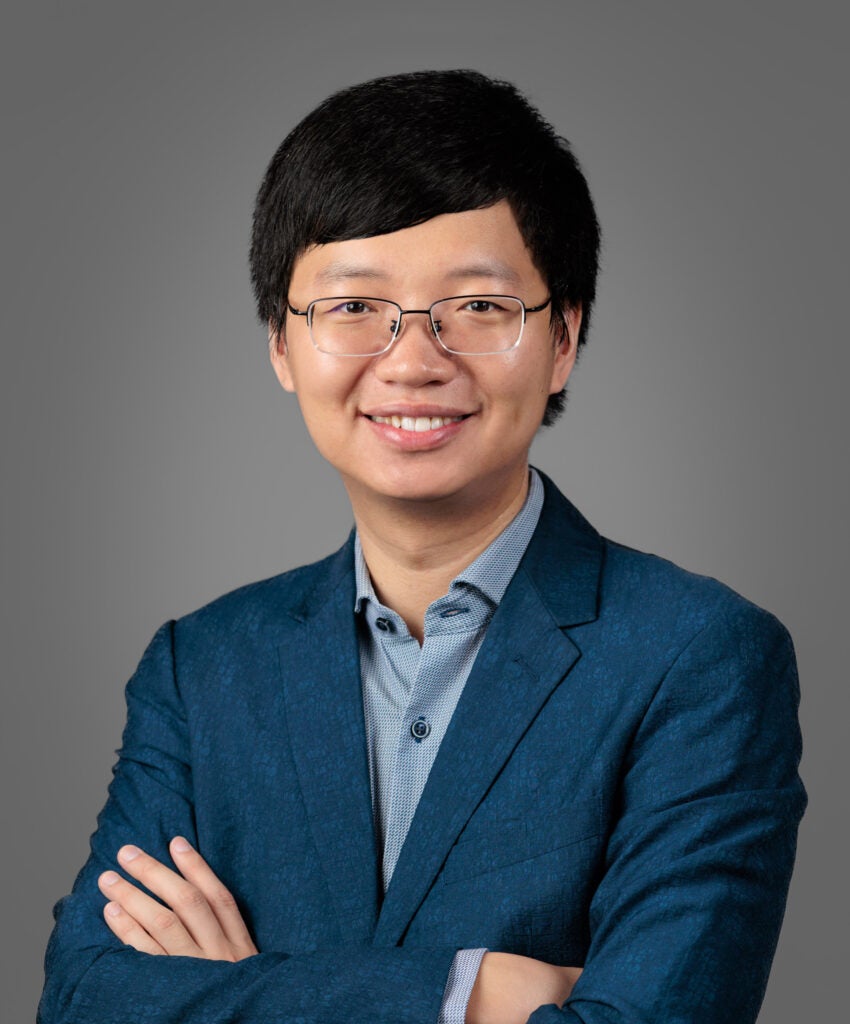
Dr. Changsheng Wu is a Professor at the National University of Singapore (NUS), leading the Lab for Intelligent Sensing, Harvesting and Actuation (LISHA). He holds a Bachelor's from NUS and a PhD from Georgia Tech, with postdoctoral research at Northwestern University. His work focuses on wireless wearables, bioelectronics, energy harvesting, and advanced manufacturing for sustainable solutions. Education: Bachelor in Engineering Science (First Class Honours), NUS PhD in Materials Science and Engineering, Georgia Institute of Technology Postdoctoral Research, Querrey Simpson Institute for Bioelectronics, Northwestern University Research Interests: Wireless bioelectronics for clinical health monitoring Energy harvesting via nanogenerators Soft skin-electronics interfaces using metastructures Programmable materials for adaptive systems Advanced manufacturing techniques for wearable devices Key Achievements: Over 50 publications and 5 patents Recipient of TechConnect 2018 Innovation Award and 56th R&D 100 Award Developed wireless implantable sensors for tissue monitoring and bioresorbable medical devices Teaching: MLE5220: Finite Element Method in Materials MLE5238: Bioelectronics Laboratory: His LISHA lab pioneers innovations in self-powered systems, wearable health monitoring, and biohybrid robots. Current projects include metamaterial-based sensors and sustainable energy conversion materials.
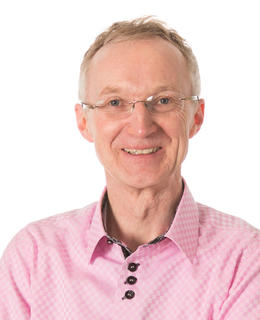
Michael Dumbser is a Full Professor at the University of Trento's Department of Civil, Environmental and Mechanical Engineering. His research focuses on computational fluid dynamics, numerical methods for hyperbolic conservation laws, and high-performance computing. He specializes in developing structure-preserving numerical schemes such as discontinuous Galerkin and finite volume methods for continuum mechanics, relativistic fluid dynamics, and multiphase flows. Teaching responsibilities include courses like Calcolo numerico e programmazione , High-Performance Computing for Multi-Functional Metamaterials , and Metodi numerici per l'ambiente . His work emphasizes thermodynamically compatible formulations and adaptive numerical methods for complex physical systems. Recent research trends involve hyperbolic reformulations of classical models (e.g., Navier-Stokes-Korteweg, Einstein equations), staggered semi-implicit schemes for incompressible flows, and GPU-accelerated algorithms. His publications span topics from geophysical fluid dynamics to relativistic astrophysics, with a focus on maintaining physical conservation principles in numerical implementations. No scientific awards are explicitly listed in the provided information. His advising record is not detailed here, though his courses suggest involvement in student mentorship. Research collaborations include projects on metamaterials and computational geophysics. Current initiatives include developing unified models for earthquake rupture dynamics, non-Newtonian fluid simulations, and adaptive mesh refinement techniques. His lab work involves high-performance computing frameworks like ExaHyPE for large-scale wave propagation studies.
Dr. Andy Nguyen is a Senior Lecturer in Structural Engineering at the University of Southern Queensland, within the School of Engineering. He is an active researcher and educator, specializing in the Structural Health Monitoring (SHM) of critical civil infrastructure such as bridges, buildings, and transport tunnels. Bachelor of Engineering (BEng), NUCE, 1999 Master of Engineering (MEng), NUCE, 2003 Doctor of Philosophy (PhD), Queensland University of Technology (QUT), 2014 Dr. Nguyen's research is at the forefront of integrating advanced technologies into civil engineering. His primary focus is on developing and deploying sophisticated SHM systems that utilize sensors, data analytics, and machine learning to provide real-time insights into the structural integrity of ageing infrastructure. His work aims to enable proactive maintenance, extend the lifespan of structures, and enhance public safety. He has successfully implemented monitoring systems on major bridges and high-rise buildings in Queensland and New South Wales, with systems capable of even detecting distant earthquake events. His research interests span Structural Health Monitoring, Machine Learning for Engineering, Damage Detection, Finite Element Model Updating, Sustainable Building Materials like bamboo, and the application of AI for automated condition assessment of transport infrastructure. The analysis of his recent publications reveals a strong and consistent research trajectory centered on the application of data-driven and AI methods to solve practical problems in civil infrastructure. His work frequently combines signal processing techniques (like Stockwell Transform) with deep learning models for tasks such as crack detection in concrete and pavement. He also conducts significant research on model updating for complex structures like cable-stayed and arch bridges, using vibration data and optimization algorithms. The integration of machine learning for overload classification and the development of cost-effective, automated monitoring systems are key trends in his recent output. Advanced Queensland Fellow (2024-2027) Dr. Nguyen is actively involved in research supervision and collaboration. He is currently supervising several postgraduate students on projects related to AI-powered condition assessment, bamboo as a sustainable building material, and railway track design. He receives research funding from the Queensland Government through his Advanced Queensland Fellowship. His research has direct practical applications, as evidenced by his public engagement, such as writing for The Conversation on safeguarding ageing bridges, and his work with the Australian Network of Structural Health Monitoring. Dr. Nguyen's work embodies the development of a next-generation 'Living' Laboratory for engineering education, where research, teaching, and real-world infrastructure monitoring are integrated. His current projects involve creating smart, automated fault detection systems and advancing 'digital twin'-based monitoring platforms for infrastructure.
Christian Jacob is a Professor in the Department of Computer Science within the Faculty of Science at the University of Calgary . He holds a B.S. in Computer Science and a Doctor of Engineering Science from Erlangen University . His research focuses on nature-inspired algorithms, biocomputing, and agent-based simulations applied to biological systems and education. Key initiatives include the LINDSAY Virtual Human Project , which uses immersive virtual reality to explore human anatomy and physiology. He contributes to the university's strategic priorities in Digital Worlds and Health and Life initiatives. His work integrates evolutionary algorithms, cellular automata, and swarm intelligence into creative and medical applications. Notable achievements include the ASTech Award (2015) from Alberta Science and Technology. His projects emphasize interactive education through tools like LeukemiaSIM , Eukaryo , and the Giant Walkthrough Gut . Jacob also explores visualization techniques, such as evoVision3D and LifeBrush , to enhance scientific understanding. His research bridges computational methods with real-world applications in healthcare, architecture, and game design. Collaborative efforts include developing agent-based models for immune systems, nervous responses, and crowd behavior. Jacob's work spans interdisciplinary fields, blending computer science with biology, engineering, and the arts.
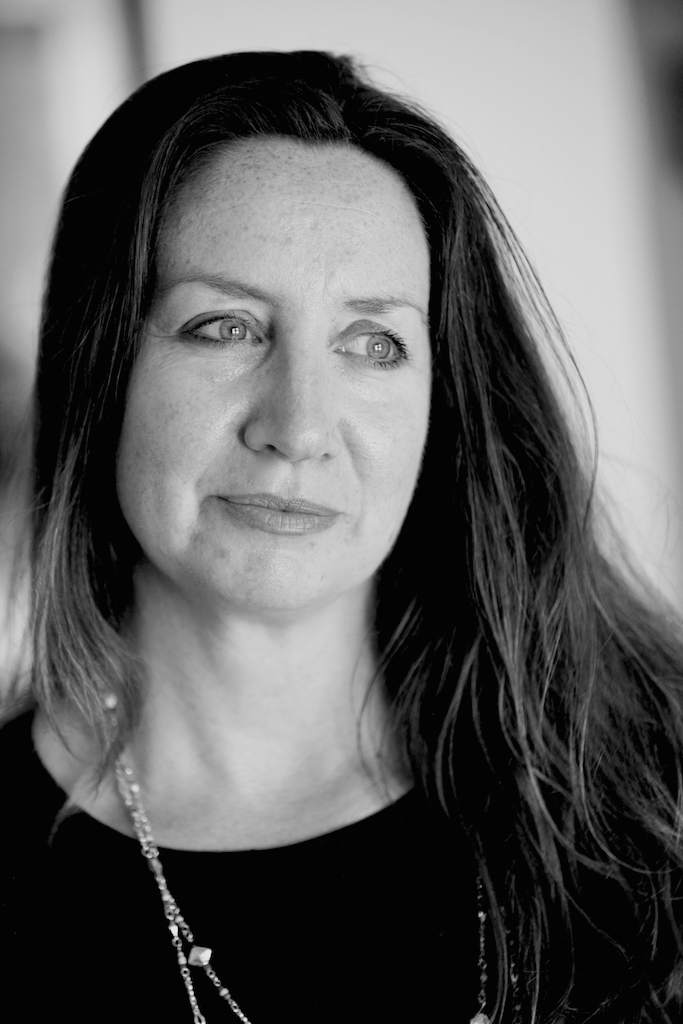
Anna Weinstein is an Associate Professor of Screenwriting in the Department of English at Kennesaw State University, where she coordinates the Graduate Certificate in Screen & Television Writing. She is a core faculty member in the Master of Arts in Professional Writing program and an affiliated faculty member in the Gender and Women's Studies program. Her educational background includes an M.F.A. in Creative Writing & Writing for the Performing Arts from the University of California, Riverside, and a B.A. in Speech Communication from the University of North Carolina, Chapel Hill. Anna's research focuses on screenwriting, women's representation in film and television, and industry studies. Her creative work includes developing a limited series on Georgian author Lillian E. Smith and adapting 'The Jack Tales' for film. She frequently explores contributions of women both in front of and behind the camera, advancing critical discourse on gender in media. Analysis of her recent publications reveals a consistent emphasis on female-driven narratives and global women directors. Her work predominantly features interviews with filmmakers and critical analyses of women's roles in cinema history, highlighting diverse voices and underscoring her commitment to documenting underrepresented perspectives in screenwriting and media studies. Anna Weinstein serves as Secretary for the Screenwriting Research Network (2022-2024) and Co-chair of the Film Area for the Popular Culture Association (2021-present). As Coordinator of the Graduate Certificate program, she mentors students in screenwriting and professional writing, fostering next-generation media creators through curriculum development and personalized guidance.
Alex Munt is an Associate Professor at the University of Technology Sydney (UTS), affiliated with the Faculty of Design and Society. He serves as a key member of the Creative Practice Research Group and previously held the position of Acting Dean for Strategic Higher Degree Research Development at the UTS Graduate Research School from January to December 2021. With a background spanning both creative industries and academia, Munt brings extensive practical experience to his academic role, having worked for a decade in design, architecture, and 3D digital media before transitioning to film and academic work. Munt's educational background includes a PhD in Communications from Macquarie University (2010), a Graduate Certificate in Media Arts and Production (Film & Video) from the University of Technology Sydney (2004), and a Bachelor of Architecture (Hons) from the University of Adelaide (1996). His academic journey reflects a deliberate movement from architecture to film and media studies, creating a unique interdisciplinary perspective that informs his research and teaching. Munt's research expertise focuses on microbudget screen development and production in Australian and international contexts, with particular interest in expanded screenwriting practices, innovative screen aesthetics, and alternative models of film production. He examines granular aspects of film style, particularly diverse approaches to mise-en-scène, and explores how non-industrial filmmaking environments produce distinctive cinematic results. His work extends to expanded modes of moving image production, including video art, artist's moving image installations, and Cinematic Virtual Reality (CVR). Munt's research has been incorporated into Screen Australia's Story Development documents to support Australian low-budget screenwriters and directors. An analysis of Munt's recent publications reveals a clear trajectory toward immersive media and virtual reality storytelling. His work increasingly focuses on the theoretical and practical challenges of screenwriting for virtual reality environments, exploring spatial narrative structures, user embodiment, and the relationship between traditional filmmaking techniques and emerging immersive technologies. The research demonstrates how cinematic virtual reality requires rethinking fundamental elements of screen storytelling, particularly in relation to spatiality, narrative emphasis, and structural elements that differ significantly from conventional film. Four feature films as writer/director: LBF (2010), Poor Little Rich Girls (2013), Collectors (2021), and Isaac's Dream (2023) International recognition with award-nominated films screened and distributed worldwide Contributions to Screen Australia's Story Development documents Editor of the significant anthology 'Screenwriting for Virtual Reality: Story, Space and Experience' (2024) Munt supervises Higher Degree Research students with a particular emphasis on working with industry-based creatives who seek to rethink, reshape, and sustain their creative screen practices. His teaching philosophy draws on the lineage and evolution of indie, alternative, DIY, and microbudget approaches to film conception, development, and production. He views these approaches as creatively sustainable methods that both stand apart from and inform industrial modes of screen production. His research, teaching, and engagement all focus on creativity, creative practice research, and professional practice in film and creative screen media. As a practicing filmmaker and academic, Munt bridges theory and practice through the Creative Practice Research Group at UTS. His work demonstrates how academic research can directly inform and enhance creative practice while simultaneously advancing scholarly understanding of emerging media forms. His current focus on cinematic virtual reality represents a natural evolution of his longstanding interest in innovative screen aesthetics and alternative production models.
Prof. Wim Desmet is a full professor at the Faculty of Engineering Science and head of the Department of Mechanical Engineering at KU Leuven . His research focuses on advanced modeling techniques for mechanical systems, including: noise and vibration control in automotive and industrial systems computational acoustics and interval field uncertainty modeling metamaterials for broadband vibroacoustic performance AI-driven diagnostic systems in renewable energy and manufacturing Current research projects address challenges in electric vehicle drivetrains, wind turbine monitoring, and multi-physical digital twin development. He actively contributes to academic governance as: Managing Director of KU Leuven Head of Subdivision HIST Chair of multiple executive committees Member of 15+ academic and administrative councils
Dr. Mani Khezri is a Lecturer in the School of Civil Engineering at The University of Sydney since 2014, specializing in structural mechanics and innovative numerical methods. His research focuses on cold-formed steel structures, buckling behavior of plates and laminated assemblies, and functionalizing buckling for structural morphing. He holds a Ph.D. in Structural Engineering from UNSW, an M.Sc. from SUT, and a B.Sc. from IUT. Key research areas include extending cold-formed steel applications to mid-rise structures through built-up sections, analyzing buckling and post-buckling behaviors, and leveraging buckling for smart technologies like kinetic façades. He collaborates with industry to develop affordable, prefabricated structures and sustainable materials through additive manufacturing. His work bridges theoretical analysis (e.g., meshfree methods) with practical applications, such as optimizing ventilation systems via buckling-induced airflow control. He leads grants like 'Solid-State Additive Manufacturing For Recycled Aluminium Alloys' and 'Complete limit state analysis of steel structural framework.' Students include Pouya AFSHAR IMANI (additive manufacturing), Cynthia LIU (built-up columns), Emad TAYARANINAJJARAN (floor systems), and Ruilin ZHANG (serviceability analysis). His lab, the Centre for Advanced Structural Engineering, explores advanced structural systems and computational mechanics.
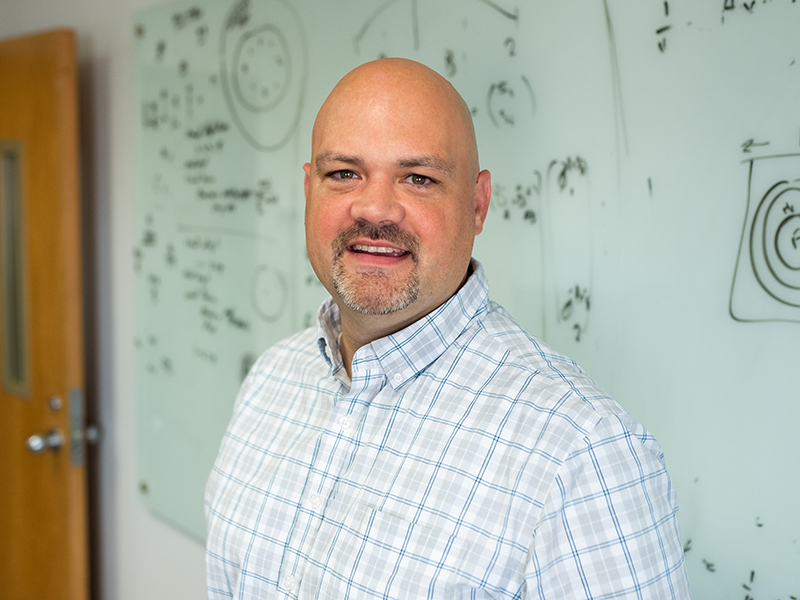
Kevin Clarno is a tenured Associate Professor in the Department of Nuclear and Radiation Engineering at the University of Texas at Austin, holding the Charlotte Maer Patton Centennial Fellowship in Engineering. His research focuses on computational nuclear energy, multiphysics reactor simulation, and high-performance computing (HPC). Previously, he spent 15 years at Oak Ridge National Laboratory (ORNL), where he led major initiatives such as the Consortium for Advanced Simulation of Light Water Reactors (CASL) and contributed to the development of software tools like SCALE, CTF, and VERA. Education and Career: Assistant Professor at University of Tennessee-Knoxville (2010–2016) Senior Research Scientist at ORNL (2006–2021) Research Interests: Multiphysics coupling methods for reactor simulation Multiscale neutronics and thermal-hydraulics modeling Advanced reactor design (e.g., molten salt reactors) HPC-driven software integration for nuclear analysis Uncertainty quantification in coupled simulations Grants and Projects: Lead of CASL’s Physics Integration Focus Area Development of the Advanced Multi-Physics (AMP) fuel code ORNL-led strategic research projects in reactor simulation Labs and Tools: VERA: Virtual Environment for Reactor Applications CTF: Thermal-hydraulic solver for PWR analysis MPACT: Neutronics simulation tool within SCALE
Hannah Blum serves as the Alain H. Peyrot Associate Professor in Structural Engineering within the Department of Civil and Environmental Engineering at the University of Wisconsin-Madison. Her research program focuses on infrastructure resilience, next-generation structural design methodologies, and advanced visualization techniques including extended reality applications, supported by funding from federal agencies, industry associations, and private companies. Her academic credentials include a PhD in Civil Engineering from the University of Sydney (2017), complemented by MS (2012) and BS (2010) degrees in Civil Engineering from Johns Hopkins University. Dr. Blum's research program spans critical domains in structural engineering with particular emphasis on steel systems. Key focus areas include: Steel, cold-formed steel, and stainless-steel structural systems Steel deck and joist system behavior Structural stability and reliability analysis Virtual and augmented reality applications in structural steel fabrication Data-driven approaches to structural engineering problems Analysis of her 15 most recent publications (2023-2025) reveals a concentrated research trajectory centered on data-driven design methodologies, advanced material systems (particularly stainless steel and high-strength alloys), and immersive technology integration. Notable trends include machine learning applications for buckling prediction, experimental validation of novel structural systems, and mixed-reality solutions for fabrication processes. Her distinguished recognition includes: University of Wisconsin-Madison Chancellor’s Teaching Innovation Award (2024) College of Engineering Harvey Spangler Award for Innovative Teaching (2023) American Institute of Steel Construction Terry Peshia Early Career Faculty Award (2023) Structural Stability Research Council McGuire Award for Junior Researchers (2022) Structural Stability Research Council Yoon Duk Kim Young Researcher Award (2021) Dr. Blum actively mentors graduate students through CIV ENGR 790 (Master's Research) and 890 (Pre-Dissertator's Research) courses while securing diverse research funding streams. Her professional service includes active participation in steel design standards committees for structural, cold-formed, and stainless-steel systems through organizations like the Structural Stability Research Council. Her experimental and computational research requires specialized facilities for structural testing and digital visualization, though specific laboratory names are not documented in the provided materials. Current projects demonstrate strong industry collaboration, particularly with steel manufacturing and construction technology firms.
Prof. Ing. Juraj Beniak, PhD is a leading academic at the Institute of Production Engineering and Production Quality (Faculty of Mechanical Engineering, Slovak University of Technology in Bratislava, STU). He serves as a Professor CSc., PhD and holds external collaborator roles at the Institute of Computer Engineering and Applied Informatics (FIIT) and the Institute of Manufacturing Technologies (MTF). His research bridges mechanical engineering and sustainable production. Office: U.V.I.P. SjF, Office 537 Contact: +421 2 57296 537 | +421 905 593 953 (mobile) Beniak's research focuses on additive manufacturing , biomass compaction , and smart production technologies . He investigates 3D printing parameter optimization, surface modification techniques, and composite material development from renewable sources. His work addresses both industrial applications and environmental sustainability through advanced manufacturing. Key projects include: OP R&I: Automation in freight railway vehicle production (2019–2023) APVV-18-0527: Additive manufacturing technology development (2019–2022) Recovery Plan: AI-driven waste management systems (2024–2026) As a KEGA grant guarantor and APVV co-investigator , he leads initiatives in CAx education, virtual laboratories, and biofuel production optimization. His contributions span from experimental equipment design to mathematical modeling of compaction processes.
Bernhard Thomaszewski is a Lecturer at the Department of Computer Science at ETH Zürich. His research focuses on computational mechanics, robotics, and computer graphics, with an emphasis on simulation-based design and material modeling. He explores topics such as deformable contact, flexible materials, and robotic mechanisms. His work bridges theoretical foundations and practical applications, including medical imaging, garment simulation, and biomechanical systems. Notable research interests include the development of novel algorithms for real-time simulation, optimization-driven design of mechanical systems, and integration of machine learning with physical models. He has contributed to advancements in finite element modeling, differentiable simulation, and topology optimization for robotic and biomedical applications. His recent projects highlight interdisciplinary collaboration, addressing challenges in areas like orthodontic treatment prediction, automated pipeline design, and neural network-driven material characterization. While no specific grants or awards are explicitly listed, his prolific publication record underscores his impactful contributions to computational engineering and computer science.
Naveen Chandrashekar is an Associate Professor in the Department of Mechanical and Mechatronics Engineering at the University of Waterloo. His work bridges orthopaedic biomechanics, biomedical device design, and tissue engineering with significant contributions to understanding anterior cruciate ligament (ACL) injuries. Doctorate in Mechanical Engineering (2005, Texas Tech University) Master's in Mechanical Engineering (2003, Texas Tech University) Bachelor's in Mechanical Engineering (2000, Bapuji Institute of Engineering and Technology) Research focuses on: Knee mechanics and ACL injury prevention Development of human knee simulators Sensor-integrated ligament damage measurement Virtual laboratory pedagogy effectiveness Tissue engineering applications Implant design and fixation devices Recent publications examine ACL strain mechanics, knee brace efficacy, and cervical spine dynamics. Key funding sources include: Natural Sciences and Engineering Research Council of Canada Ontario Centres of Excellence Canada Foundation for Innovation Scientific accolades include awards from Pi Tau Sigma, ASME, and Texas Tech University. Teaching portfolio covers core mechanical engineering subjects including: Mechanics of Deformable Solids (BME 281, ME 220) Finite Element Methods (ME 559) Statics (MTE 119)
Colby C. Swan is a Professor in the Department of Civil and Environmental Engineering at the University of Iowa's College of Engineering, where he has been a faculty member since 1993. He leads the Swan Research Lab and maintains active memberships in ASCE, ASME, ISSMO, and USACM, contributing to computational mechanics and digital human modeling research. His educational background includes a PhD in Civil Engineering from Princeton University (1993), an MS in Ocean Engineering from the University of Miami (1985), and a BS in Civil Engineering from the University of Maine (1983). Professor Swan's research spans Computational Mechanics , Topology Optimization , and Biomechanics , with pioneering work on multi-scale computational clothing models for digital humans and structural topology optimization of compliant mechanisms. His lab develops physics-based simulation frameworks for applications in civil infrastructure, protective clothing design, and bone adaptation phenomena, integrating advanced computational methods with real-world engineering challenges. His publication trends reveal a sustained focus on digital human modeling (notably the Santos virtual human environment) and topology optimization, with significant contributions to continuum structural optimization, woven fabric mechanics, and human locomotion analysis. Recent work emphasizes virtual prototyping for protective systems and computational morphogenesis for structural design. American Society of Civil Engineers (ASCE) American Society of Mechanical Engineers (ASME) The Fiber Society International Society for Structural & Multidisciplinary Optimization (ISSMO) United States Association for Computational Mechanics (USACM) Professor Swan directs the Swan Research Lab, which collaborates on interdisciplinary projects involving computational modeling for engineering design and human performance analysis. His work bridges civil engineering with biomechanics through digital human simulation, particularly in protective gear development and structural optimization applications.
Dr. Shabnam Sadeghi Esfahlani is an Associate Professor in Robotics at the School of Engineering and the Built Environment, Anglia Ruskin University , where she serves as Deputy Leader of the BORI research group and leads the Automation & Robotics MSc program. Her interdisciplinary expertise spans mechatronics, artificial intelligence, virtual reality, and serious games , with a focus on applications for rehabilitation, medical training, and autonomous systems . As a Chartered Engineer and Senior Fellow of the Higher Education Academy , she has secured significant funding from Innovate UK, Horizon 2020, and GCRF , with grants exceeding £3 million. Education PhD in Mechanical Engineering, Anglia Ruskin University BSc (First Class) in Statistics & Mathematical Science, Shahid Beheshty University Her research integrates AI with robotics for societal impact, exemplified by the open-source SROBO ground robot and projects like Rehabgame and the Assistive Feeding Robot . She has published over 45 peer-reviewed articles and contributes to academic communities as a journal guest editor and conference organizer . Key collaborations include IET, IMechE, and the Nuffield Foundation as a mentor for young students. Scientific Awards & Recognitions: Chartered Engineer (CEng), Engineering Council UK Senior Fellow (SFHEA), Higher Education Academy Student-Voted 'Made a Difference Award' (2018) Post-Graduate Certificate in Higher Education