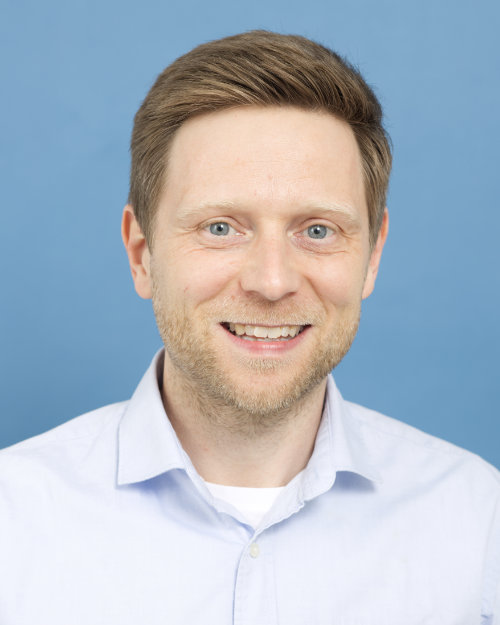
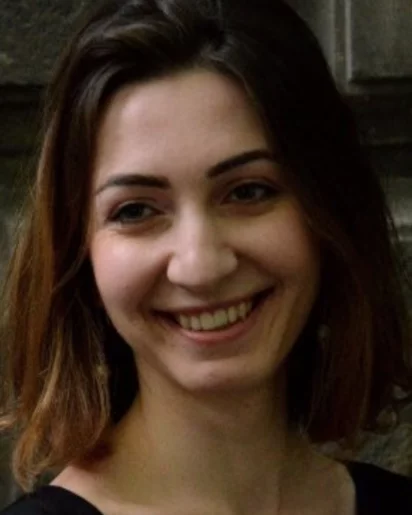
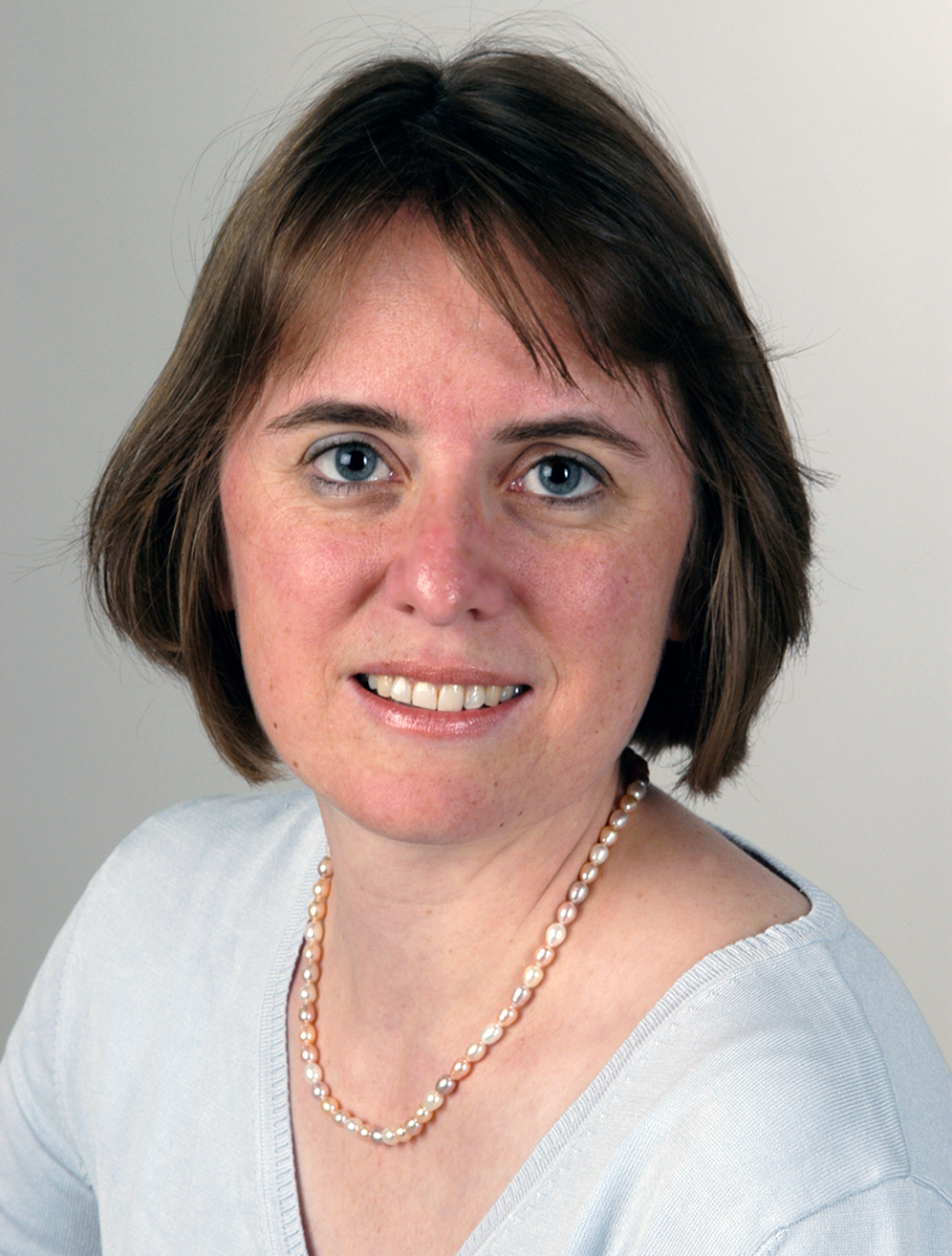
Thomas Radtke is a Senior Researcher at the University of Bern, affiliated with both the Division of Occupational and Environmental Medicine and the Division of Chronic Disease Epidemiology. He earned his PhD in Health Sciences from the University of Bern after studying Sports Science at Martin-Luther University of Halle-Wittenberg in Germany. As coordinator of the Exercise Working Group of the European Cystic Fibrosis Society, his research focuses on non-invasive respiratory diagnostics, physical activity interventions for chronic lung diseases, and behavioral change programs. His academic contributions include leading studies on cardiopulmonary exercise testing (CPET) standardization diffusion capacity measurement exercise training for cystic fibrosis (CF) and COPD post-COVID-19 rehabilitation His work spans clinical trials, systematic reviews, and guideline development for respiratory conditions. Recent publications highlight innovative blood flow restriction exercise protocols Swiss physical activity guideline adaptation immunological responses during pandemics quality of life assessments in chronic disease He employs rigorous methodologies across cross-sectional, longitudinal, and randomized controlled trial designs.
Swiss Federal Institute of Technology in LausanneSwitzerland
Professor Giovanni D'Angelo is an Associate Professor at EPFL's School of Life Sciences, leading the D'Angelo Lab within the Interschool Institute of Bioengineering (IBI-SV). His primary affiliation is with the Molecular and Cellular Biology section, with additional roles in doctoral education programs (EDMS). He holds the Kristian Gerhard Jebsen Chair on Metabolism. Education: D'Angelo earned a MSc in Medical Biotechnology (2003) from the University of Naples and a PhD in Cell Biology (2008) from the Consorzio ‘Mario Negri’ SUD. Postdoctoral training followed at the Telethon Institute for Genetics and Medicine and the National Research Council of Italy. He joined EPFL in 2018 as an Assistant Professor and transitioned to Associate Professor. Research: His lab focuses on lipid biology's role in cell identity and development, particularly sphingolipid metabolism, membrane composition dynamics, and lipid heterogeneity in neural and fibroblast systems. Techniques include single-cell lipidomics (MALDI-IMS), lipid imaging, and biochemical approaches. Key areas include lipid-driven cell fate decisions, viral infection mechanisms (e.g., SARS-CoV-2), and metabolic disorders like obesity. Advising & Funding: Supervises ~10 doctoral students and has trained postdocs in lipidomics and cell biology. Active in doctoral committees (e.g., Molecular Approaches to Living Organisms program). Research is supported by grants from SNF and EPFL initiatives. Labs/Teams: Head of the D’Angelo Lab, collaborating with experts in neurodegeneration (e.g., Hilal Lashuel) and virology. The lab integrates lipidomics, cell biology, and advanced imaging to study lipid-cell interactions in health/disease.
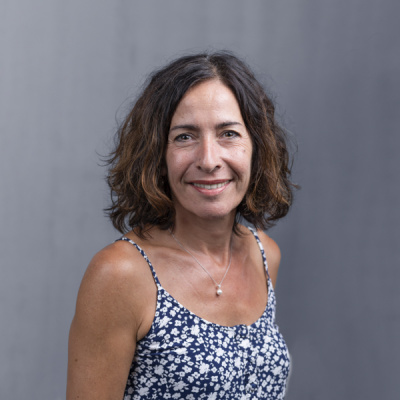
Marie Schölmerich is an Assistant Professor of Environmental Microbiology at ETH Zurich's Department of Environmental Sciences , affiliated with the Institute of Biogeochemistry and Pollutant Dynamics. Her research focuses on anaerobic microorganisms and their roles in greenhouse gas cycling, particularly the Wood-Ljungdahl pathway in anoxic ecosystems. She employs metagenomics, fieldwork, and biochemical methods to study microbial physiology and biogeochemical processes. Education: B.Sc. Biochemistry (Leipzig University, 2011), M.Sc. Molecular Biosciences (Frankfurt University, 2013), Ph.D. Biology (Frankfurt University, 2018). Postdoctoral training included positions at Hamburg University (2018–2020) and UC Berkeley (2021–2023). Research Interests: Anaerobic microbiology, environmental metagenomics, microbial physiology, and protein biochemistry. Her lab investigates methane and CO₂ conversion mechanisms in anaerobic archaea, leveraging extrachromosomal elements and genomic diversity. Awards: SNSF Starting Grant (2025) Walter Benjamin Fellowship (DFG, 2020) Postdoc Plus Stipend (Claussen-Simon Foundation, 2019) Advising & Grants: Leads the Schölmerich Lab at ETH Zurich, mentoring students and securing grants like the SNSF Starting Grant. Her work bridges environmental microbiology with applied biotechnology. Labs/Teams: Schölmerich Lab, ETH Zurich. Focus areas include anaerobic metabolism, microbial symbiosis, and biogeochemical modeling.
Swiss Federal Institute of Technology in LausanneSwitzerland
Romuald Houdré is a Full Professor at the École Polytechnique Fédérale de Lausanne (EPFL), affiliated with the School of Basic Sciences (SB) and the Department of Physics (IPHYS). He holds dual roles in teaching and research within the School of Physics (SB-SPH). His research focuses on photonic crystals, optical microcavities, and their applications in biophotonics, semiconductor physics, and quantum optoelectronics. Education and Career: PhD in Condensed Matter Physics from École Polytechnique (France), 1985 Habilitation, Pierre and Marie Curie University, Paris 6, 1998 Joined EPFL in 1988, leading molecular beam epitaxy and microcavity activities Appointed Full Professor at EPFL in 2011 Research Interests: Photonic crystal cavities and optical trapping for biomedical sensing Nanophotonics and semiconductor materials (GaN-based systems) Nonlinear optics and quantum phenomena in polaritonic systems Development of lab-on-chip technologies for single-cell analysis Achievements: Over 220 publications, including 89 invited talks 5 patents and 4 book chapters High h-index (H=56 in WOS, H=68 in Google Scholar) Teaching: Optics II (Bachelor in Physics) Photonics for the Doctoral School in Photonics (EDPO) Supervised over 20 doctoral students Labs/Groups: Research conducted in the Quantum Optoelectronics Laboratory (LOEQ) and the SCI-SB-RH group, focusing on integrated photonics and biophotonics applications.
Emiliya Poghosyan is a Senior Scientist at the Paul Scherrer Institute (PSI) in Switzerland, affiliated with the Laboratory for Multiscale Bioimaging and the Electron Microscopy Facility. Since 2018, she provides user support, training, and manages advanced electron microscopy equipment while developing biological imaging methodologies. Her educational background includes: Bachelor of Science in Physics (with honours) from Yerevan State University Master's Degree in Nano-biophysics from Technical University of Dresden PhD in Cryo-electron microscopy from ETH Zurich Postdoctoral work on single particle cryo-EM of membrane proteins at University of Basel Her research focuses on cryo-electron microscopy techniques, structural biology, and membrane protein imaging. Recent publications highlight advancements in ptychography tools, X-ray tomography, and deep learning applications for electron microscopy. She actively contributes to method development and facility management. Scientific achievements include DAAD Long-Term Fellowships (2010-2012), PSI Research Grants (2021), and SDSC Collaborative Data Science Projects. She is a member of the Swiss Society for Optics and Microscopy (SSOM) and has delivered lectures at the University of Zurich (PHY 427). Teaching roles span multiple international cryo-EM schools and hands-on training programs since 2018, emphasizing practical microscopy education.
Christophe Graf is an Assistant Professor and Chief Physician at Geneva University Hospitals (HUG), affiliated with the University of Geneva. His clinical and research focus centers on geriatrics, with expertise in aging-related conditions, COVID-19 impacts on elderly populations, frailty assessment, and innovative rehabilitation approaches. His research explores: Geriatric care models for neurodegenerative diseases and multimorbidity Nutritional interventions and body composition analysis in aging Digital health technologies (AI wearables, serious games) for rehabilitation Pandemic responses in long-term care settings, including infection control and post-COVID sequelae Recent publications (2022-2024) demonstrate strong thematic coherence around geriatric adaptations to global health challenges, with 73% focusing on COVID-19 impacts and 27% on technological innovations in elderly care. The work shows increasing interdisciplinary collaboration across neurology, virology, and digital health fields. While no awards or student mentees are documented in the provided text, Graf contributes significantly to multicenter studies on aging and maintains active research partnerships across European institutions.
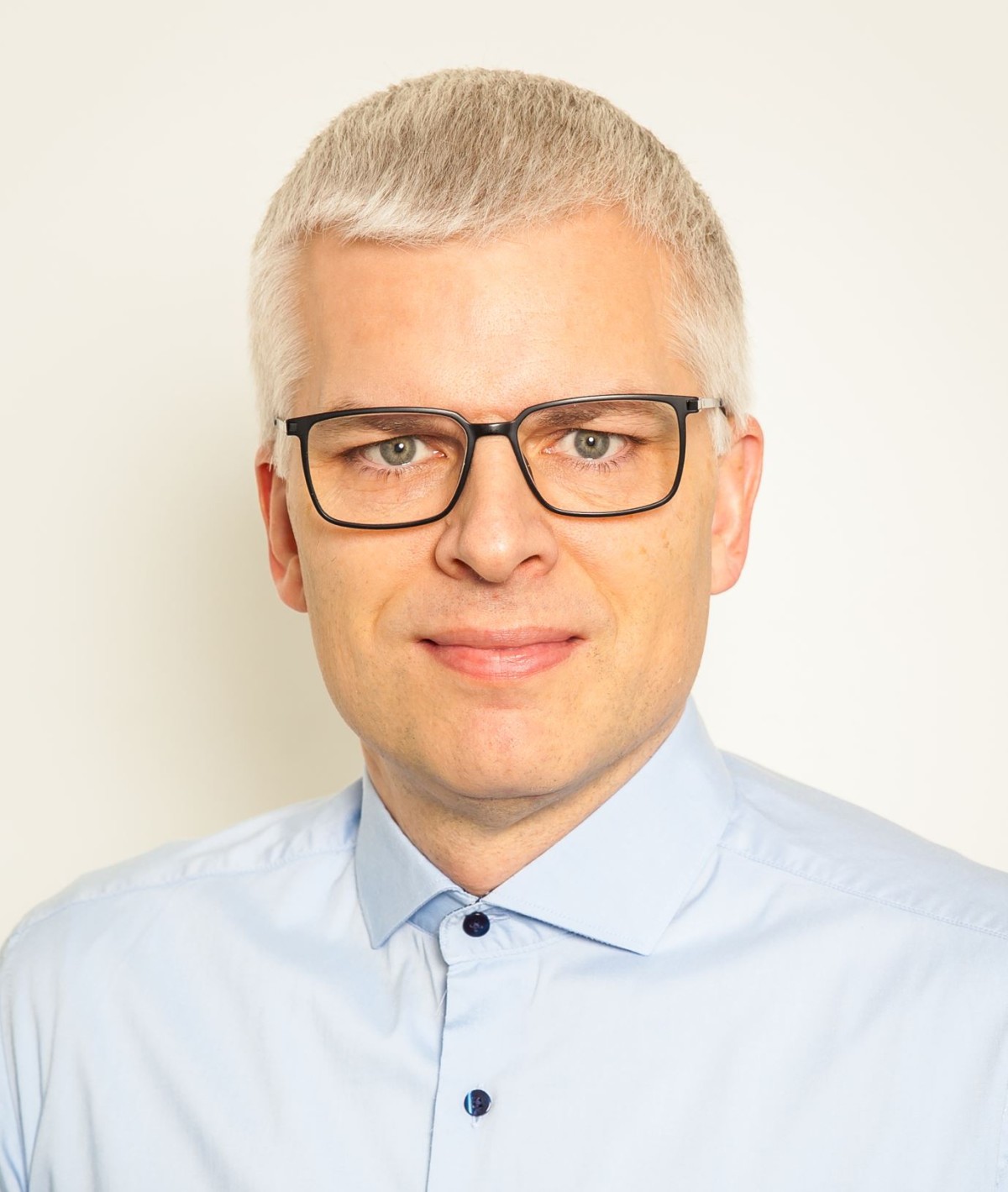
Michael Huber, PD Dr., is the Head of the Research Group Huber at University Hospital Zurich, specializing in diagnostics and development. His work focuses on advanced viral diagnostics using Next-Generation Sequencing (NGS) for immunocompromised patients. Research Interests: His research bridges virology, metagenomics, and infectious disease etiology, particularly in immunocompromised settings such as transplantation, primary immunodeficiencies, and HIV infection. He aims to improve tailored diagnostics and treatment options through viral metagenome analysis. Scientific Contributions: Recent publications highlight virus sequence-independent amplification by random PCR combined with NGS to study emergent disease-specific viruses. These methods aim to address previously undetermined infection causes.
Prof. Dr. med. Janine Reichenbach is a full professor and head of the Somatic Gene Therapy department at the University of Zurich, affiliated with the University Children's Hospital Zurich. She holds dual board certifications in Pediatrics and Adolescent Medicine (Germany/Switzerland) and Allergology & Clinical Immunology (Switzerland). Her career spans over two decades of translational research bridging basic science and clinical implementation of gene therapies. Education: MD from Goethe University Frankfurt (1995-1997), medical training in Germany (1997-2000), and specialist certifications in Switzerland (2005-2009). Research Focus: Translational development of hematopoietic stem cell-based gene therapies for primary immunodeficiencies, particularly chronic granulomatous disease (CGD) and ataxia telangiectasia (A-T). Key projects include lentiviral vector design, genome editing at ATM locus, and myeloid-targeted therapies with brain-crossing potential. Awards: Recipient of the 2010 Walther und Gertrud Siegenthaler Stiftung prize. Grants: Leads Swiss National Science Foundation projects, University Research Priority Programs (URPP Itinerare), Clinical Research Priority Programs (CRPP ImmuGene), and Wyss Centre collaborations. Leadership: Principal investigator in EU-FP7 projects CELL-PID and NET4CGD, steering committee member for SCID newborn screening, and co-founder of international research networks.
Berit Ada Siedentop serves as a Visiting Professor in Theoretical Biology at ETH Zurich, Switzerland, based at the CHN K 16 building (Universitätstrasse 16, 8092 Zürich) within the Bonhoeffer research group. Her work bridges mathematical modeling and empirical microbiology to address evolutionary dynamics in bacterial systems. Her core research spans Theoretical Biology , Evolutionary Microbiology , and Antimicrobial Resistance , with specialized focus on plasmid transmission mechanisms, CRISPR-Cas defense systems, and antibiotic combination therapies. She employs meta-analytical frameworks to quantify resistance evolution and investigates how bacterial innate/adaptive immunity constrains horizontal gene transfer. Recent publications (2022-2024) reveal a cohesive trajectory examining microbial conflict systems: three 2024 papers dissect plasmid-phage-antibiotic interactions through CRISPR-mediated defense, conjugative plasmid barriers, and resistance meta-analysis, while her 2022 work established foundational models for plasmid co-infection dynamics. This body of work consistently integrates ecological modeling with evolutionary genetics to predict pathogen adaptation. Dr. Siedentop actively collaborates with the Bonhoeffer group on theoretical frameworks for microbial evolution, maintaining laboratory operations at ETH Zurich's Center for Microbiology and Environmental Systems Science infrastructure.
Prof. Alexander Barnes is a Full Professor at the Department of Chemistry and Applied Biosciences and Head of the Institute of Molecular Physical Science at ETH Zürich. His research focuses on advanced magnetic resonance techniques, gyrotron technology, and biomolecular structural analysis. Key areas include high-power microwave source development for NMR applications, structural characterization of viral proteins (e.g., SARS-CoV-2), and cryogenic instrumentation for enhanced spectroscopy. Barnes has pioneered innovations in dynamic nuclear polarization (DNP) systems, frequency-agile gyrotrons, and miniaturized superconducting magnets. His work bridges fundamental physics with biomedical and materials science applications. Current projects address protein-membrane interactions, THz gyrotron design, and cryogenic NMR probe optimization. Barnes collaborates extensively with international research groups and industry partners to advance analytical instrumentation and disease-related molecular mechanisms. Publications reflect a sustained focus on experimental and computational methods for magnetic resonance, including breakthroughs in electron beam modeling, frequency-chirped DNP, and ultra-high-field magnet development. His engineering contributions include spherical rotor systems for magic-angle spinning and lightweight gyrotron cavities. Barnes also leads initiatives in solid-state NMR for drug discovery, particularly targeting protein kinase modulation in T-cells and viral assembly mechanisms.
Swiss Federal Institute of Technology in LausanneSwitzerland
Bruno Correia is an Associate Professor at the Laboratory of Protein Design & Immunoengineering (LPDI) within the Institute of Bioengineering at École Polytechnique Fédérale de Lausanne (EPFL) , Switzerland. His work bridges computational protein design with experimental validation, focusing on immunoengineering applications for vaccines and cancer immunotherapy. PhD in Computational Biology (Universidade Nova de Lisboa, 2010) BSc in Chemistry (Universidade de Coimbra, 2004) Correia's research spans protein engineering , synthetic biology , and computational design , with key contributions in: Developing MaSIF for protein surface interaction analysis Designing chemically-controlled protein switches for CAR T-cell therapy Creating de novo functional proteins for vaccine development His publications highlight vaccinology , structural bioinformatics , and machine learning applications in protein science. Awards include the Protein Society Young Investigator Award (2021) and ERC Starting Grant (2016) . Scientific contributions: Protein surface fingerprinting for interaction prediction Rational immunogen design for HIV and hepatitis C Deep learning frameworks for protein structure generation
Swiss Federal Institute of Technology in LausanneSwitzerland
Michael Jon Mattle is a Lecturer at the Institute of Environmental Engineering (SSIE) within the School of Architecture, Civil and Environmental Engineering (ENAC) at École polytechnique fédérale de Lausanne (EPFL). His expertise lies in water and wastewater treatment, with a focus on process engineering, virus inactivation, and environmental chemistry. He has extensive professional experience in both academic and industrial settings, including roles at EPFL, Eawag, and HOLINGER SA. PhD in Environmental Sciences, EPFL (2009–2013) M.Sc. in Chemistry (Physical Chemistry focus), EPFL (2005–2007) B.Sc. in Chemistry, EPFL (2002–2005) Exchange year at Universidad de Sevilla, Spain (2004–2005) Master project at Indian Institute of Technology Madras, India (2006–2007) Michael Jon Mattle's research centers on environmental processes critical to public health and sustainable water systems. His work spans photocatalytic degradation of pollutants, solar disinfection (SODIS), virus inactivation mechanisms, and process optimization in communal and industrial wastewater treatment. His interdisciplinary background combines chemistry, engineering, and environmental science to develop practical, scalable solutions for water quality challenges. His publication record reflects a strong focus on the fate and control of viruses in water systems, particularly through UV and chemical disinfection, with attention to the impact of viral aggregation and shielding. He has also contributed to research on microplastics in effluents and the development of carbon-doped TiO2 photocatalysts for degrading stable organic molecules using sunlight. Why weaker is stronger (News journal article on aggregation studies), Swiss National Science Foundation (2013) Fluoride Removal in Ethiopia, Eawag (2009) Improving Fluoride Removal Efficiency, Eawag (2008) Mattle has advised on defluoridation projects in Ethiopia and has worked as a scientific advisor and process engineer. His teaching includes applied wastewater engineering at EPFL, where he continues to contribute to the education of future environmental engineers. He is fluent in German, French, English, and Spanish, with good oral skills in Italian and Portuguese, reflecting his international experience across three continents. He has held positions as a postdoctoral researcher and lecturer at EPFL, and as a process engineer at HOLINGER SA. His field experience in Ethiopia with Swiss Interchurch Aid (HEKS/EPER) demonstrates a commitment to applying scientific knowledge in real-world, resource-limited settings.
PD Dr. Philippe Plattet serves as Head of the Research Group in the Division of Neurological Sciences at the University of Bern's Faculty of Veterinary Medicine (Vetsuisse Faculty). He maintains dual affiliations with the Multidisciplinary Center for Infectious Diseases (MCID) and Clinical Neuroscience Bern, conducting research at the intersection of virology and oncology. His laboratory pioneers synthetic oncolytic RNA virus platforms using attenuated measles and canine distemper viruses integrated with nanobody-delivery systems. This innovative approach targets tumor microenvironments through pharmacologically controlled virological functions, aiming to overcome limitations of conventional chemotherapy. Research methodologies include reverse genetics of envelope RNA viruses, high-throughput screenings, and biophysical/virological functional assays. Contact details: philippe.plattet@unibe.ch | philippe.plattet@vetsuisse.unibe.ch | Phone: +41 31 631 23 70
Prof. Stéphanie Hugues is a Full Professor in the Department of Pathology and Immunology at the University of Geneva (UNIGE) Faculty of Medicine, and currently serves as Vice-Dean for Careers, Equality, Diversity, Inclusion, and Platforms. She holds a PhD in Immunology from the University of Nice (2002) and completed postdoctoral training at the Institut Curie (Paris) and INSERM. Her research focuses on immune tolerance mechanisms mediated by lymphatic endothelial cells (LECs), particularly their roles in autoimmunity and tumor immunity. Key contributions include elucidating MHC-II-dependent antigen presentation pathways in LECs and their impact on T cell regulation. Education: PhD in Immunology, University of Nice, 2002 Postdoctoral training at Institut Curie (2002–2006) and INSERM (2006–2007) Research and teaching position at UNIGE Faculty of Medicine (2007–2010) Research Interests: Mechanisms of immune tolerance via lymphatic endothelial cells Role of LECs in tumor immunity and metastasis inhibition MHC-II antigen presentation pathways in autoimmunity Circadian rhythms in cancer immunotherapy efficacy Recent work highlights the immunoregulatory functions of LECs in tumor microenvironments and their potential as targets for immunotherapy. Her group also investigates how autophagy and oxysterol metabolism modulate autoimmune responses. Scientific Awards: SNSF Fellowship (2010) Advising & Grants: Supervised over 10 doctoral and master’s students, including notable theses on tumor immunology and autoimmune mechanisms. Active in securing research grants focusing on lymphatic endothelium biology and translational immunology. Labs/Teams: Leads the Immunomodulation by Stromal Cells group at the Geneva Centre for Inflammation Research, collaborating with teams investigating T cell tolerance and tumor immunotherapy strategies.
PD Dr. Jochen Klumpp is a Senior Lecturer in the Department of Health Sciences and Technology (D-HEST) at ETH Zurich. His research focuses on bacteriophage biology, bacterial pathogenesis, and antimicrobial strategies. He leads studies on phage-host interactions, phage-based diagnostics, and phage therapy applications, particularly targeting pathogens like Campylobacter, Salmonella, and Mycobacterium tuberculosis. Key research areas include phage resistance mechanisms, genomic analysis of bacterial pathogens, and development of broad-spectrum phage cocktails. His work spans food safety, clinical microbiology, and evolutionary virology. Recent studies emphasize engineering phages for rapid pathogen detection in clinical samples and exploring phage diversity in environmental and clinical settings. Publications highlight innovations in phage taxonomy, CRISPR-Cas9 systems in bacteria, and structural biology of phage-tail components. Collaborations with global institutions, including Thailand and Kenya, underscore his commitment to addressing global health challenges through phage research. Awards: None explicitly listed. Advising/Grants: No student names or grant details provided. Research is supported through institutional and collaborative funding. Labs/Teams: Part of D-HEST's microbiology and biotechnology research groups, focusing on applied and fundamental phage research.