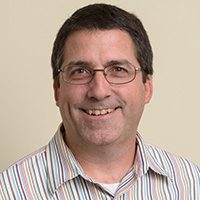
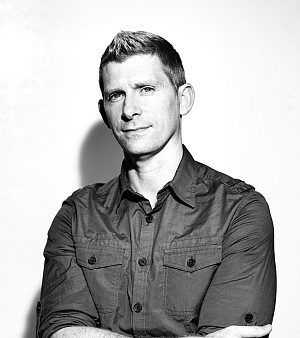
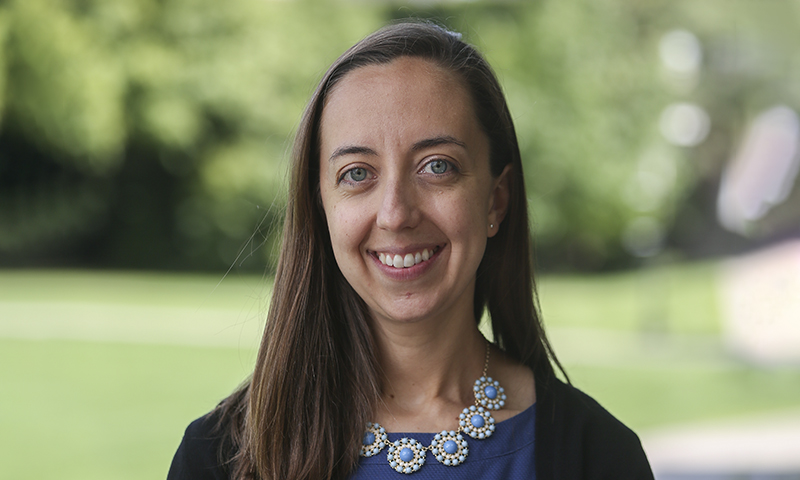
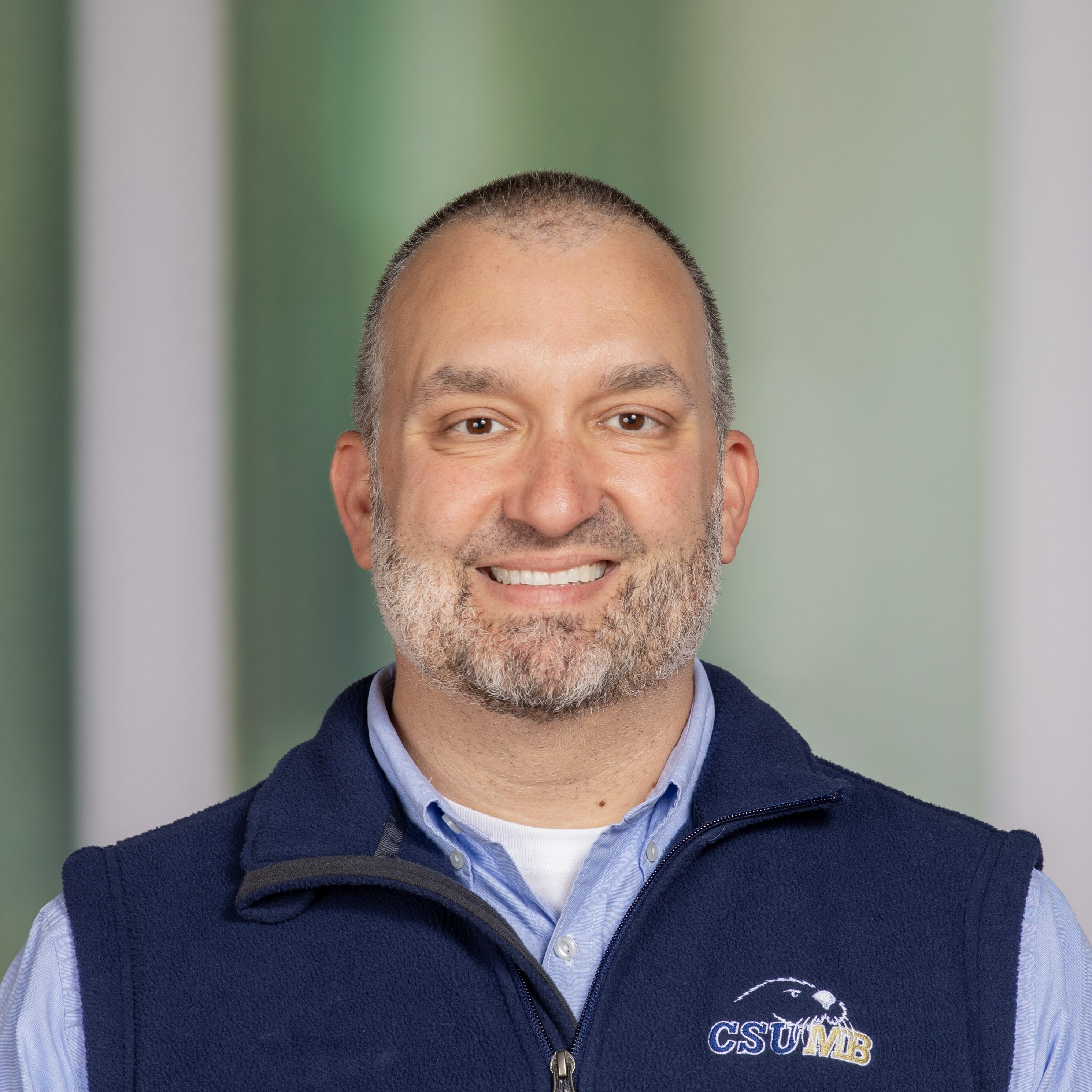
Professor Thomas Keating serves as the Coordinator of the CSU Theatre Program and holds the academic rank of Professor of Theatre at Columbus State University. He teaches courses in Acting, Directing, Stagecraft & Design, Acting for the Camera, and Voice & Movement. His professional experience includes directing two annual productions at CSU, such as "The Diary of Anne Frank" , "West Side Story" , and "Hamlet" , and he is a member of Actors’ Equity Association (AEA). Keating also collaborates with local companies like Moondog Animation Studio as a writer and voice actor and directs at The Footlight Players theatre. Education: Master of Fine Arts (MFA) in Acting, Columbia University Bachelor of Arts (BA) in Drama, University of Georgia Research & Practice: Combines academic training in Viewpoints and Kristin Linklater’s vocal techniques with real-world theatre experience. His work emphasizes fostering student creativity through practical, industry-relevant mentorship. Awards: 2020 Excellence in Teaching Award Additional Activities: Assists with productions at Seacoast Church (e.g., Easter Passion play "The Thorn" ) and serves as a Consulting Producer for upcoming musicals like "Daniel and the Kings."
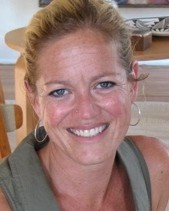
Tanya Kane-Parry is a Professor in the Department of Theatre and Dance at California State University, Los Angeles (CSULA), where she has served since 2001. She is also the Artistic Director and co-founder of Opera del Espacio, a company specializing in innovative, site-specific performances and multimedia adaptations. Her work spans directing, choreography, and interdisciplinary projects across theatre, opera, and dance. Education: MFA in Directing from the University of Massachusetts, Amherst (2001), and BFA in Acting from New York University’s Circle-in-the-Square/Experimental Theatre Wing (1988). She has trained extensively in Viewpoints, physical theatre, and vocal techniques. Research & Creative Work : Known for politically charged, socially engaged performances such as Fighting Back (satire on fascism), Harvested (climate change advocacy), and La Panza Monologues (immigration narratives). Her projects often blend multimedia, site-specificity, and audience interaction, addressing themes like environmental justice, gender politics, and globalism. Awards & Recognition : Includes the Aurora Foundation Challenge Grant, ATHE Innovative Teaching Award, and NEA/TCG Theatre Director Fellowship. Her work has been praised for its bold staging and thematic depth in outlets like LA Weekly and The Guardian . Teaching & Mentorship : Led workshops worldwide on Viewpoints technique, feminist performance, and site-based theatre. Coordinates academic programs like the American College Dance Association conference and guest-lectures at institutions from Stuttgart to Lima. Labs & Collaborations : Operates labs in non-traditional spaces (e.g., desert ruins, urban sites) and has collaborated with international companies like the Canadian Opera Company and Festival Opera. Her work emphasizes interdisciplinary creativity and community engagement.
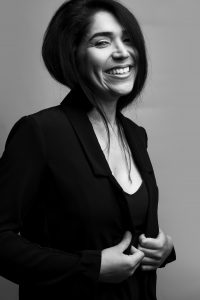
Bengisu Yilmaz is a Researcher at the Ultrasound Research Institute of Kaunas University of Technology (KTU), actively pursuing her PhD while leading the Marie Curie-funded "NDT on Air" project focused on non-destructive evaluation of aircraft bonding structures. Her work aims to reduce aircraft weight through improved adhesive testing methodologies, contributing to environmentally sustainable aviation solutions. Yilmaz holds a Mechatronics Engineering degree from an Istanbul private university where she served on the gender awareness committee, implementing anti-stereotype training for high school educators. Her academic journey reflects a deliberate shift from initial interests in political studies and medicine toward engineering, driven by her passion for tangible creation and handicraft. Her research integrates aerospace engineering, materials science, and electronics within interdisciplinary teams of physicists and chemists, emphasizing the critical role of visual communication in science. She pioneered approaches linking art education to technical presentation, arguing that effective image-based communication enhances research dissemination in non-destructive testing applications. As a Marie Curie Fellow, Yilmaz advocates for expanded diversity beyond gender to include LGBT communities, disabled researchers, and international perspectives, believing multidimensional viewpoints drive technological innovation. She challenges the notion that women must outperform men in STEM, instead promoting self-improvement over comparison while noting improving gender ratios from undergraduate (30% women) to PhD levels (50% women) though senior roles remain male-dominated. Yilmaz manages significant project responsibilities including international travel for the "NDT on Air" initiative while navigating financial constraints common to non-wealthy PhD candidates. Her future plans remain fluid between academia and industry due to her aversion to teaching, with current residence in Lithuania complicated by unfavorable research conditions in her native Turkey and workplace sexism regarding appearance-based judgments.
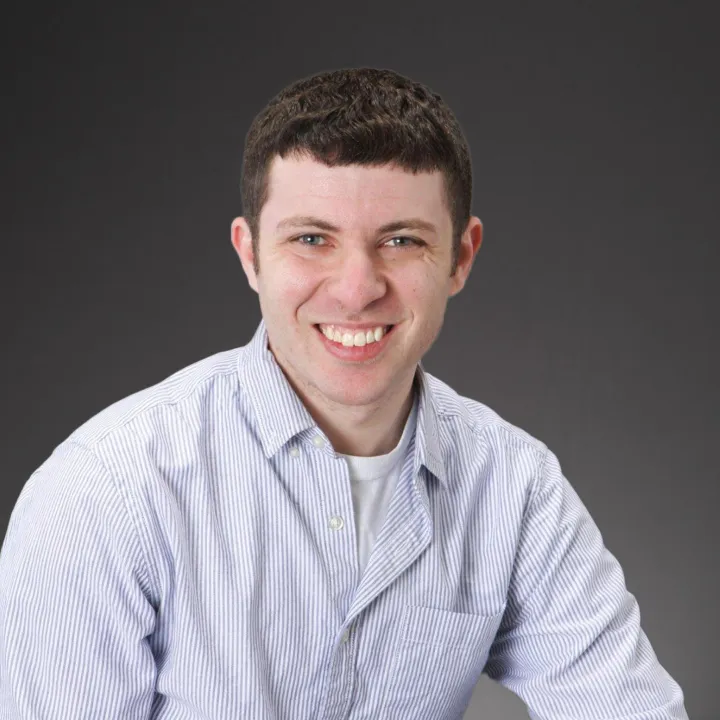
J Briggs Cormier serves as External Relations Coordinator and Adjunct Assistant Professor of Theatre, Film, and Media Arts at The Ohio State University's College of Arts and Sciences, supporting departmental marketing, communications, recruitment, and event planning initiatives. His academic credentials include: PhD from The Ohio State University MFA from University of Memphis BA from Rhodes College Research and professional interests focus on avant-garde theatre directing methodologies, drag performance aesthetics, Viewpoints/Suzuki actor training systems, and British theatrical traditions, complemented by expertise in arts administration spanning admissions, public relations, and alumni engagement. Prestigious recognitions include the university-wide Distinguished Diversity Enhancement Award, Multicultural Center Director's Award, and University Senate Commendation for Service and Leadership. As Resident Director for the London Theatre Program, he helmed landmark productions including The Seagull (2021), the department's first post-pandemic audience performance, and She Kills Monsters (2023), inaugural show in the new Theatre, Film, and Media Arts Building, with Acute Exposure (Spring 2026) upcoming as the EMOS Ecodrama Playwrights’ Festival winner.
Wolfgang Stuerzlinger is a Professor at Simon Fraser University's School of Interactive Arts & Technology, where he leads research in virtual reality, 3D user interfaces, and human-computer interaction. His work focuses on developing novel interaction techniques for virtual environments, with particular emphasis on eye-tracking systems, text entry methods, and immersive analytics. His research interests span multiple domains within human-computer interaction, with significant contributions to virtual reality interaction techniques, gaze-based interfaces, and 3D navigation systems. He has developed innovative approaches to eye-hand coordination training, text entry in VR, and multiscale environment navigation, advancing our understanding of how users interact with complex virtual spaces. Analysis of his recent publications reveals a strong focus on practical interaction techniques for virtual and augmented reality, with particular attention to gaze-based interaction, 3D pointing performance, and the development of novel input methods. His work often combines empirical studies with practical system development, resulting in both theoretical contributions and usable interfaces. Dr. Stuerzlinger has received recognition through numerous high-impact publications in top venues including CHI, IEEE TVCG, and VR conferences. His research has been consistently funded and has influenced both academic research and industry applications in the VR space. He actively supervises doctoral students and maintains extensive collaborations with researchers worldwide. His current work explores the integration of AI with user interface design, personalized navigation systems, and advanced techniques for distant object manipulation in virtual environments.
Dongang Wang is a Research Fellow at the Brain and Mind Centre, University of Sydney since 2019, holding a PhD in Medicine and Health (2024) specializing in Neuroimaging Analysis using Artificial Intelligence. He earned a Master of Science in Electrical Engineering from Columbia University (2015) and a BEng. His work focuses on integrating AI into clinical neuroimaging workflows, particularly addressing challenges like limited annotations, data heterogeneity, and federated learning in multi-center studies. He contributes to FDA/TGA-approved medical devices through software like VeriScout and iQ-solutions, collaborating with academic and industrial partners. Research interests include AI-driven clinical validation of MRI/CT tools, lesion segmentation in multiple sclerosis, and improving algorithmic explainability. He has conducted projects under CRC-P and MRFF grants, emphasizing translational research and real-world clinical applicability. He is affiliated with the Sydney Neuroimaging Analysis Centre and maintains an active Google Scholar profile. His publications span 2018–2025, focusing on federated learning frameworks, deep learning applications in neuroimaging, and clinical validation of AI tools. No awards are explicitly listed, though his work reflects significant contributions to medical AI adoption.
Wolfgang Stuerzlinger is a Professor and Director of the VVISE Lab at Simon Fraser University's School of Interactive Arts & Technology. His research focuses on 3D user interfaces, virtual/augmented reality (VR/AR), and human-computer interaction. He holds a Doctorate from the Vienna University of Technology and has held academic roles at York University and the University of North Carolina. **Education**: PhD (Dr. techn.) in Computer Science, Technical University of Vienna, Austria Dipl.-Ing. (Master's equivalent), Computer Science, Technical University of Vienna **Research Interests**: Specializes in VR/AR interaction techniques, 3D user interfaces, and visual/immersive analytics. Current projects address 3D interaction challenges, occasionally failing systems, and hardware/software innovations for extended reality. Notable contributions include studies on vergence-accommodation conflict, gaze-based text entry, and locomotion techniques in VR. **Awards**: Member of the IEEE VGTC Virtual Reality Academy (2023) and ACM SIGCHI Academy, recognizing leadership in VR and HCI research. **Grants & Labs**: Leads the VVISE Lab, collaborating on projects like RedirectedStepper and Depth3DSketch. Active in grant-funded research on immersive analytics and accessibility in XR navigation. **Teaching**: Teaches courses such as IAT 445 (Immersive Environments) and IAT 848 (Mediated Reality Systems).
Dr. Daniel Rakita is an Assistant Professor of Computer Science at Yale University, specializing in robotics and human-robot interaction. His research focuses on developing real-time motion planning algorithms and intuitive shared-control interfaces to enable robots to safely assist humans in critical tasks such as healthcare, disaster relief, and manufacturing. He holds a Ph.D. and M.S. in Computer Science from the University of Wisconsin-Madison. His work integrates robotics, machine learning, and human factors to create end-to-end solutions for robot manipulation. Key contributions include RelaxedIK (real-time collision-free motion synthesis) and CollisionIK (per-instant pose optimization). His research also explores teleoperation systems and adaptive viewpoints for remote control in complex environments. Education: Ph.D./M.S., University of Wisconsin-Madison (Computer Science) Affiliations: School of Engineering & Applied Science, Yale University Labs/Teams: Robotics and Human-Computer Interaction research groups at Yale His publications span top venues like Robotics: Science and Systems (RSS), ICRA, and HRI. Notable awards include the Microsoft PhD Fellowship (2019-2021) and Best Paper Awards at HRI 2018. Current projects emphasize diffusion policies for manipulation learning and optimization-based motion generation frameworks.
Donnie Mather serves as a Lecturer in the Department of Theatre and Performance within Purchase College's Conservatory of Theatre Arts, specializing in physical and collaborative actor training methodologies with over 25 years of professional experience. Educational background: BFA from Western Kentucky University His research centers on Devised Theatre, Physical Theatre, and Actor Training frameworks including Suzuki and Viewpoints. Trained directly under Anne Bogart and SITI Company, his international practice spans Brazil, Chile, Colombia, Germany, Mexico, Puerto Rico, Thailand, and Turkey, informing innovative pedagogical approaches that integrate global performance traditions. Mather's artistic contributions include original productions 'A SHOW OF FORCE' and 'KADDISH (OR THE KEY IN THE WINDOW)' based on Allen Ginsberg's poem. As founder of The Adaptations Project, he develops experimental theatre works while establishing Winwick Studio—an upstate New York artist residency designed to foster cross-disciplinary collaboration. His extensive teaching portfolio includes appointments at Atlantic Acting School, NYU, Columbia, Harvard, Wesleyan, NYCDA, Bard, Fordham, New School, and Marymount. Current initiatives focus on creating sustainable artistic ecosystems through Winwick Studio, which will provide dedicated space for creators to develop new works while advancing his research in embodied performance practices.
Anne Therese Frederiksen is an Assistant Professor in the Department of Communication, Arts, Sciences, and Disorders at Brooklyn College, City University of New York (CUNY) . Her work bridges psycholinguistics and sign-language linguistics, with a particular focus on how bilingualism in signed and spoken languages illuminates broader questions about language and cognition. Education: Ph.D. in Linguistics and Cognitive Science, University of California, San Diego (Mayberry Lab for Multimodal Language Development) Postdoctoral fellowships: UC Irvine Chancellor’s Postdoctoral Fellow (2019–2020) and NSF-funded postdoc under Dr. Judith Kroll (2020–2022) Research Interests: Frederiksen’s research centers on bimodal bilingualism —the simultaneous use of a signed and a spoken language—examining how this unique bilingual experience shapes cognitive control, referential cohesion, and discourse processing. She investigates American Sign Language (ASL) pronouns and spatial grammar, gesture–language interaction, and the developmental trajectories of both native and late learners of ASL. Publications at a glance: Since 2015 she has published nine peer-reviewed articles and numerous conference presentations. The corpus spans high-impact journals such as Language, Cognition and Neuroscience , Frontiers in Psychology , and Lingua . Collectively, the work traces a trajectory from foundational descriptions of reference tracking in novice ASL learners to sophisticated models of bilingual language control and the semantics-pragmatics interface in sign languages. Scientific Awards & Funding: National Science Foundation research grant (2020–2022) UC Irvine Chancellor’s Postdoctoral Fellowship (2019–2020) Advising & Collaborative Networks: While the supplied text does not list individual advisees, Frederiksen has collaborated closely with Prof. Judith Kroll (UC Irvine) and Prof. Rachel Mayberry (UC San Diego), indicating active mentoring of graduate students and postdocs within large, federally funded research teams. Labs & Research Groups: During her doctoral training she was a member of the Mayberry Lab for Multimodal Language Development at UC San Diego, and she maintains collaborative ties with language-science groups at UC Irvine and CUNY.
Professor Alun Williams is a leading expert in Sport and Exercise Genomics at Manchester Metropolitan University, with honorary positions at University College London and Swansea University. His research investigates genetic determinants of elite athletic performance, injury resistance, and sex category eligibility policies in sports, particularly focusing on rugby and endurance running. Current affiliations: Manchester Metropolitan University (Institute of Sport), University College London (Honorary Senior Research Associate), Swansea University (Honorary Research Fellow) Research focus: elite athlete genetics, concussion risk, testosterone's role in performance, DSD/transgender athlete eligibility His recent publications examine polygenic injury resistance profiles, concussion-associated gene variants, and ethical implications of genetic testing in sports. He has served as expert witness in the Caster Semenya sports arbitration case and frequently advises sports governing bodies on policy matters. Scientific awards: Fellow of British Association of Sport and Exercise Sciences, Fellow of The Physiological Society Available for PhD supervision in human performance, physiology, or genetics with sport/exercise components
Christine Woodworth is a Professor of Theatre and Chair of the Theatre Department at Hobart and William Smith Colleges (HWS), where she has been a core faculty member since 2013. She holds a Ph.D. in Theatre and a Graduate Certificate in Women’s Studies from Bowling Green State University, an M.A. in Theatre and Drama from Indiana University, and a B.A. in Speech & Theatre and English Literature from St. Lawrence University. Her academic home is the Department of Theatre within the School of Humanities and Sciences at HWS. Ph.D. in Theatre and Graduate Certificate in Women’s Studies, Bowling Green State University, 2005 M.A. in Theatre and Drama, Indiana University, 2001 B.A. (summa cum laude) in Speech & Theatre, English Literature, St. Lawrence University, 1999 Her research centers on feminist theatre historiography, particularly the intersections of first-wave feminism, suffrage, reproductive politics, and performance. She has published extensively on activist actress Kitty Marion and explores how theatre functions as a site of social justice and historical reckoning. Her work bridges traditional scholarship with embodied practice, including aerial arts, Viewpoints, Suzuki, and physical theatre training. The 15 most recent publications reflect a consistent focus on gender, labor, activism, and historical performance. Themes include suffrage theatre, theatrical labor, reproductive politics, class dynamics, and the representation of violence. Her scholarship appears in journals like Theatre History Studies , Theatre Symposium , and Journal of Dramatic Theory and Criticism , as well as in edited collections from university presses. Her scientific recognition includes: Safe Harbors Volunteer of the Year (2015) Christine Woodworth advises undergraduate honors students and has mentored several, including Gretty Hollister and Austin Jennings on a local theatre history project. She has secured institutional and community support for public-facing scholarship, including NEH-funded initiatives, public lectures, and historical tours. Her service includes leadership as President of the Mid-America Theatre Conference and editorial roles for scholarly journals. She is actively involved in community-based theatre and research, serving on the board of the Smith Opera House and creating public history projects such as the Finger Lakes Photo/Plays series. Her work exemplifies the integration of academic scholarship, artistic practice, and civic engagement.
Elzbieta Strzelecka serves as a Senior Lecturer in the Department of Humanities and Social Sciences at Mid Sweden University in Sundsvall, specializing in Swedish language didactics and linguistic research. Her academic career spans decades with significant contributions to cognitive linguistics and grammar pedagogy, particularly for Swedish as a second language. Her research centers on cognitive linguistics frameworks applied to Swedish grammar instruction, with emphasis on particle verb semantics, container metaphors, and cross-linguistic comparisons between Swedish and Polish. She pioneered phenomenographic analyses of students' grammar histories, revealing emotional and cognitive dimensions of language learning. Her work bridges theoretical linguistics with practical classroom applications, focusing on spatial language concepts and teacher strategy development. Analysis of her publication trajectory shows consistent evolution from foundational cognitive linguistic studies of particle verbs toward contemporary grammar pedagogy innovation. Recent work emphasizes teacher training methodologies and student-centered approaches, with strong collaboration patterns particularly with Lena Boström. Her publications demonstrate interdisciplinary reach spanning cognitive science, educational psychology, and contrastive linguistics while maintaining focus on practical Swedish language instruction.
Justin L. Matthews is a Professor of Psychology at California State University, Monterey Bay (CSUMB) within the College of Arts, Humanities and Social Sciences. He specializes in experimental psychology with extensive expertise in social cognition, experimental design, research methods, and statistics, teaching courses including Introduction to Research Methods and Advanced Psychological Statistics. Dr. Matthews earned his PhD in Cognitive & Information Sciences from UC Merced (2011-2014), following an MS in Social & Cognitive Science from the same institution (2006-2011), and both MA and BA in Psychology from California State University, Fresno (2002-2005 and 2000-2002). As a first-generation college graduate from California's central San Joaquin Valley, he brings unique perspective to his academic work. His research consistently explores the intersection of spatial and social cognition, examining how concepts like friendship influence physical distance perception, how virtual experiences affect bodily descriptions of artifacts, and how media representations shape perceptions of gender and status. His work bridges theoretical cognitive psychology with practical applications in education, digital heritage preservation, and social justice issues. Dr. Matthews' scholarly output demonstrates sustained productivity across multiple domains, with recent publications focusing on forensic psychological assessment, writing skills in psychology education, and virtual reality applications in cognitive research. His methodological approach combines experimental design with innovative technological applications. CSUMB Faculty Senate Award for Outstanding Teaching - Immediate Impact (2024) Fresno State Psychology Department Alum of the Year Award (2024) CSUMB Faculty Senate Award for Excellence in Professional Application (2020) He has served on the Monterey County Equal Opportunity and Civil Rights Advisory Commission (2016-2021) and is an active advocate for LGBTQIA+ visibility in STEM as part of the @500QueerSci community. His commitment to science communication and inclusive education is evident throughout his professional activities and public engagement.
Shadi Rezapour is an Assistant Professor in the Department of Information Science at Drexel University's College of Computing & Informatics. She serves as Principal Investigator of the SocialNLP Lab and co-director of the DONUTS Lab at Drexel University, focusing on bridging computational methods with social science theories to analyze human language in social contexts. Dr. Rezapour received her educational training at the University of Illinois at Urbana-Champaign: PhD in Information Sciences, School of Information Sciences MSc in Information Management, School of Information Sciences Her research lies at the intersection of computational social science and natural language processing (NLP), with a focus on developing "socially-aware" NLP models that incorporate cultural and social contexts to better understand human behavior, attitudes, and cultures through language analysis. She investigates how language shapes public opinion and conveys complex social and cultural information, particularly in online communities and social media platforms. Her work addresses important societal issues including substance use disorder narratives, podcast analysis, controversial topics and polarized viewpoints, and the impact of information products on socio-cultural environments. Dr. Rezapour's recent publications demonstrate a strong focus on applying NLP techniques to social good, with particular emphasis on reducing stigma in substance use conversations, analyzing narratives in media coverage, and examining the societal impacts of AI technologies. Her research combines technical innovation with social relevance, often employing network analysis alongside linguistic approaches to gain deeper insights into human communication patterns. Among her professional recognitions: NCWIT/Bloomberg grant to attend the Grace Hopper Celebration (2020) Dr. Rezapour actively contributes to the academic community through service roles including ICWSM 2025 tutorial co-chair, IC2S2 2024 local co-chair, ACM FAccT proceeding co-chair, and CSCW area chair. She has successfully secured research funding for her work on computational social science and NLP applications, mentoring students and early-career researchers in her labs. As leader of the SocialNLP Lab and co-director of the DONUTS Lab, Dr. Rezapour fosters interdisciplinary research that brings together computer science, linguistics, and social sciences to address complex societal challenges through computational approaches.