Swiss Federal Institute of Technology in LausanneSwitzerland
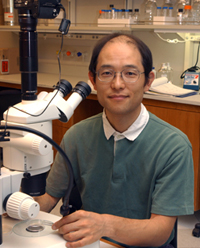
Sangwoo Kim is a Tenure Track Assistant Professor at the Swiss Federal Institute of Technology Lausanne (EPFL) in the Institute of Mechanical Engineering. He leads the Mechanics of Soft and Biological Matter Laboratory (MESOBIO), focusing on the interplay between mechanics, physics, and biology in living systems. His research spans soft matter physics, developmental biology, and mechanical engineering. 2023–Present: Tenure Track Assistant Professor, EPFL School of Engineering Postdoctoral Fellow, UC Santa Barbara Mechanical Engineering Ph.D. in Theoretical and Applied Mechanics, University of Illinois at Urbana-Champaign Kim’s research investigates fundamental properties of biological and soft materials, including: Tissue morphogenesis and embryonic development Mechanical behavior of amorphous and active matter Non-equilibrium dynamics in cellular systems Phase transitions in biological tissues Stress and osmotic pressure quantification His recent publications reveal a focus on: Biological jamming and fluidization Zebrafish axis elongation mechanics Energy landscapes of cellular matter Active matter modeling Statistical mechanics of soft materials Developmental force transmission Kim supervises PhD students and teaches courses in structural mechanics at EPFL, emphasizing problem-solving in engineering design.
Gerald H. Thomsen is a Professor in the Department of Biochemistry and Cell Biology at Stony Brook University, where his research focuses on molecular mechanisms of embryonic development using Xenopus frogs and Nematostella vectensis sea anemones. His laboratory investigates growth factor signaling pathways, ubiquitin-mediated protein degradation, and transcriptional regulation during early development. His primary research areas include TGFß superfamily signaling (specifically Vg1/nodal/activin and BMP pathways), ubiquitin ligase function in cell differentiation, and evolutionary developmental biology through comparative studies of vertebrates and cnidarians. Current projects examine Smad-interacting factors, Smurf ubiquitin ligases, and the molecular basis of regeneration in sea anemones, with implications for understanding human developmental disorders and birth defects. Dr. Thomsen's publications reveal consistent focus on developmental signaling mechanisms across diverse model organisms, with recent work emphasizing CRISPR/Cas9 applications in Xenopus and evolutionary conservation of developmental pathways. His laboratory maintains active collaborations with researchers at the University of Florida and University of Hawaii, particularly on Nematostella vectensis functional genomics and regeneration studies, as evidenced by co-authored publications on cnidarian developmental mechanisms.
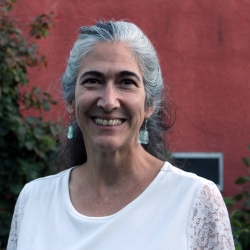
Dr. Frank Schubert is an academic at the University of Portsmouth, serving as Associate Head (Research and Innovation) and PhD Supervisor in the School of Biological Sciences under the Faculty of Science and Health. He holds affiliations with the Institute of Life Sciences and Healthcare , Institute of the Earth and Environment , and Centre of Excellence for Heritage Innovation . Education: Dr. Schubert studied Biology at the Universities of Kiel and Heidelberg, graduating in 1989. He earned his PhD at the Max-Planck Institute of Biophysical Chemistry (1989–1994) under Prof. Peter Gruss, focusing on Hox cluster evolution. Research Interests: His primary research explores gene regulatory networks controlling neurogenesis and cell fate in early brain development, axon guidance of pioneer tracts, and brain vascularization. He also investigates evolutionary mechanisms through phylogenetic reconstruction and ancient DNA analysis of museum samples. His chicken embryo model aids in studying pediatric brain tumors. Publication Trends: His work spans developmental neurobiology, evolutionary genetics, and biomedical applications, with recent studies on axon scaffold conservation (2025), avian models (2024), and skeletal muscle dynamics (2023). Keywords like Developmental Biology Neurobiology Evolutionary Genetics Biomedical Research dominate his contributions. Teaching: He lectures on modules such as Biodiversity and Evolution, Genetics, Cell Biology, and Bioinformatics, emphasizing developmental and evolutionary themes. Collaborations: Dr. Schubert partners with Dr. Susanne Dietrich, Dr. Garry Scarlett, and Dr. Sam Robson on projects involving axon guidance, ancient DNA, and biomedical models.
Ann C. Burke is an academic specializing in Evolutionary Developmental Biology with research focused on vertebrate mesoderm development and embryogenesis. Her work bridges evolutionary theory and developmental mechanisms. Research Interests: Evolutionary developmental mechanisms in vertebrates Mesoderm formation and patterning across species Integration of embryological data with evolutionary theory Publications Trend: Her 2020 work demonstrates specialization in vertebrate mesoderm evolution, emphasizing comparative approaches to understanding developmental constraints and innovations in body plan formation. Academic Service: Contributed to the reference work Evolutionary Developmental Biology - A Reference Guide (Springer, 2020) as chapter author.
Dr. Li-Fang Chu serves as an Assistant Professor (Teaching & Research) in the Department of Comparative Biology & Experimental Medicine at the University of Calgary's Faculty of Veterinary Medicine. He holds a Tier II Canada Research Chair in Cellular Reprogramming and maintains significant affiliations with the Alberta Children's Hospital Research Institute (ACHRI) as a Child Health & Wellness Researcher and with the McCaig Institute for Bone and Joint Health as an Associate Member. Dr. Chu leads the Reproduction and Regenerative Medicine Research Group and directs the Chu Lab, which focuses on fundamental questions in developmental biology. Dr. Chu received his BSc from National Taiwan University followed by a PhD in cell and molecular biology from Baylor College of Medicine. He completed postdoctoral training with Dr. James Thomson at the Morgridge Institute for Research, University of Wisconsin-Madison, where he developed expertise in stem cell biology and developmental timing. He joined the University of Calgary in August 2020. Dr. Chu's research program centers on understanding the principles governing temporal and spatial patterning in development and disease. His lab is particularly interested in the developmental clock - investigating why different species have vastly different gestation periods and how genes regulate the tempo of embryonic development. The Chu Lab developed an in vitro segmentation clock model derived from human embryonic stem cells, which recapitulates species-specific gene oscillatory periodicity. This innovative system allows researchers to study how the developmental clock operates and how its misregulation causes congenital vertebral malformations. Analysis of Dr. Chu's publication record reveals a consistent focus on developmental timing mechanisms, cellular reprogramming, and stem cell-based disease modeling. His work bridges fundamental developmental biology with potential clinical applications in regenerative medicine. The research demonstrates increasing sophistication in methodology, incorporating advanced techniques like single-cell transcriptomics, real-time live-cell imaging, and 3D organoid systems to address complex questions in developmental biology. Dr. Chu's scientific recognition includes: Tier II Canada Research Chair in Cellular Reprogramming (CIHR, 2021) Dr. Chu teaches several courses including VETM 422 Virology, VETM 702 Advanced Topics in Stem Cell Biology and Regenerative Medicine, VETM 324 Genetics and Molecular Biology, and MDSC 609.02 Genes and Development. His research has attracted significant attention, with multiple news features highlighting his work on pig-human genetic relationships, pig retinal cells for eye treatments, reindeer antlers and human limb regeneration, and the observation of the human developmental clock. The Chu Lab employs a multidisciplinary approach combining pluripotent stem cell culture, differentiation, organoids, cellular reprogramming, gene editing, real-time live-cell imaging, luminescence imaging, lineage-tracing, mouse genetics, flow cytometry, and single-cell and bulk RNA-seq. The lab's long-term goals include understanding fundamental mechanisms regulating developmental timing, identifying genetic factors controlling developmental clocks across species, and pursuing novel therapeutic strategies for disorders caused by misregulation of developmental clocks.
William Gillis is an Associate Professor in the Department of Biological Sciences at the State University of New York at Old Westbury. His research focuses on molecular and developmental biology, with a strong emphasis on understanding evolutionary processes and gene regulation mechanisms. Key areas of interest include signal transduction pathways (e.g., Wnt, BMP, TGF-β), GATA transcription factors, and systems biology approaches to biological network modeling. His work spans from molecular genetics to evolutionary genomics, often utilizing model organisms like Xenopus and Platynereis dumerilli. Gillis's publications (2003–2016) highlight interdisciplinary research at the intersection of developmental biology and computational methods. Notable topics include the role of Gtpbp2 in Wnt/BMP signaling, evolutionary divergence of GATA factors, and multi-agent systems for simulating biological networks. His contributions bridge experimental and theoretical approaches to unravel complex biological systems. No scientific awards or formal advisees/students are explicitly listed in the provided texts. His professional presence is centered at SUNY Old Westbury, with no indications of part-time roles or former institutional affiliations.
Deborah L. Chapman is an Associate Professor at the University of Pittsburgh, specializing in developmental biology. Her research focuses on the molecular mechanisms governing mesoderm specification and patterning during embryogenesis, particularly the roles of T-box transcription factors T and Tbx6 in somite formation and birth defects such as rib fusions and scoliosis. Dr. Chapman received her Ph.D. in 1993 from Columbia University under Debra Wolgemuth, followed by postdoctoral work with Virginia Papaioannou at the same institution. She joined her current department in 1998, where she investigates how altered T-box gene expression disrupts embryonic development using mouse models and molecular techniques like luciferase assays and chromatin immunoprecipitation. Research Themes: Mesoderm fate decisions, T-box competition, segmentation clock, Notch/Wnt signaling, human birth defect modeling. Methods: Transgenic mice, gene knockout analysis, enhancer studies, transcriptional profiling. Recent publications highlight her work on Tbx6 dosage effects, evolutionary conservation of T-box functions, and integrative signaling pathways in somitogenesis. Her lab continues to explore gene regulatory networks in embryonic patterning and their clinical implications. Contact: dlc7@pitt.edu
Amanda Cass is a Lecturer in the Department of Biology at the University of Massachusetts , where she focuses on teaching vertebrate anatomy, genetics, and introductory biology. She has developed course-based undergraduate research experiences and previously conducted research on gene regulatory networks and morphological diversity in ray-finned fishes. Education: AB from Mt Holyoke College (2004), PhD in Ecology & Evolutionary Biology from Cornell University (2014) Research Interests: Amanda's work explores developmental mechanisms generating morphological novelty, particularly in ray-finned fishes. She uses gene expression analysis to test hypotheses about regulatory network evolution and morphological diversity, though she now emphasizes teaching over research. Recent Publications: Her publications span DNA barcoding methods, fin and limb evolution, and regenerative medicine. Key themes include evolutionary developmental biology (evo-devo), gene regulatory dynamics, and comparative anatomical studies in vertebrates.
Dr. Matthew Towers is a Reader of Developmental Biology and Wellcome Trust Senior Fellow at the University of Sheffield's School of Biosciences. His research focuses on vertebrate limb development using chick embryo models, with particular emphasis on intrinsic timing mechanisms in embryonic patterning. His work bridges developmental biology, evolutionary studies, and clinical applications for understanding congenital limb malformations and cancer mechanisms. His research interests center on how complex structures form during embryonic development, specifically investigating: How intrinsic cell cycle timers control limb patterning and scaling The integration of extrinsic signals (like Sonic hedgehog and Fgf) with intrinsic timing mechanisms Evolutionary aspects of limb development across species Hypothalamic development through collaborations with Prof. Marysia Placzek His technical approach combines embryological manipulations with molecular analyses in chick embryos to dissect timing mechanisms in vivo. Key scientific awards include: Wellcome Trust Senior Fellow in Basic Biomedical Science (2017-present) MRC Career Development Fellowship (2011-2016) His lab has secured significant grant funding through these fellowships, supporting research into developmental timing mechanisms. Current lab members include Connie Rich, Holly Stainton, Lara Busby, and Aragorn Jones. The group maintains active collaborations with researchers at the University of Cantabria (Spain) and publishes regularly in high-impact journals including Nature Communications and Development.
Yukio Saijoh is an Adjunct Assistant Professor of Neurobiology at the University of Utah, affiliated with the Molecular Biology Program. His research delves into vertebrate pattern formation, particularly focusing on left-right asymmetry and heart development using chick and mouse models. Education: B.S. in Biology from Tohoku University, Japan Ph.D. in Biology from Tohoku University, Japan Research Interests: Dr. Saijoh's primary research revolves around understanding how vertebrates establish their complex body plans during embryogenesis. He investigates the genetic cascades that regulate left-right asymmetry, which is crucial for proper organ positioning and function. His work emphasizes the roles of endoderm in asymmetry establishment, cardiac looping morphogenesis, and intestinal asymmetric morphogenesis. These studies aim to elucidate the molecular mechanisms underlying congenital disorders such as biliary atresia, omphalocele, and cardiac malformations. His research employs a multi-faceted approach, utilizing chick embryos for in vivo observations and mouse models for genetic manipulations. By examining cell behaviors like proliferation, migration, and differentiation, Dr. Saijoh uncovers the fundamental principles governing organogenesis and morphogenesis. Publications Overview: Dr. Saijoh has contributed extensively to developmental biology, with publications spanning from 2007 to 2018. His work covers a broad spectrum of topics including heart tube formation, gallbladder development, left-right asymmetry signaling, and the genetic basis of congenital diseases. His research integrates molecular genetics, embryology, and disease modeling to advance our understanding of vertebrate development. Laboratory and Collaborations: While specific details about his laboratory or team are not provided, Dr. Saijoh's collaborative efforts are evident through his extensive publication record with various co-authors. His affiliations with the University of Utah and Tohoku University underscore his active engagement in both research and academic communities. Future directions likely involve continued exploration of developmental genetics and their implications for human health.
Ann F. Ramsdell is an Associate Professor in the Department of Cell Biology and Anatomy at the University of South Carolina School of Medicine Columbia. She also holds ancillary appointments in Women's and Gender Studies and the Department of Regenerative Medicine and Cell Biology, and is a member of the Hollings Cancer Center. Her research explores how positional information informs organ development and disease susceptibility, with particular emphasis on left-right asymmetry in mammary gland biology and breast cancer. Education: 1991: B.S. in Biology (Minor: Philosophy) from the College of Charleston 1996: Ph.D. in Cell Biology and Anatomy from the Medical University of South Carolina Ramsdell's work bridges developmental biology, cancer biology, and epigenetics, focusing on molecular and cellular laterality in mammalian systems. Her lab pioneered the discovery that left-right differences in mammary glands predict patient survival outcomes, suggesting tumor laterality remains an underexplored factor in oncology. Using mouse models, she investigates epigenetic regulation of stem cells during mammary development and oncogenesis. Her publications since 2004 highlight cross-disciplinary contributions to understanding left-right axis determination, cardiac development, and neoplastic transformation. Recent studies employ fractal analysis and molecular profiling to detect early cancer-related changes.
Shahragim Tajbakhsh is a Professor and Head of the Stem Cells & Development laboratory within the Department of Developmental & Stem Cell Biology at the Institut Pasteur in Paris, France. He leads a dynamic research group investigating the molecular and cellular mechanisms of skeletal muscle stem cells during embryonic and postnatal development, regeneration, and aging. His work integrates advanced genetic models, live imaging, and genomic approaches to understand stem cell fate decisions. His research focuses on stem cell biology , developmental biology , and regenerative medicine , with specific interests in asymmetric vs. symmetric cell divisions, stem cell quiescence, the stem cell niche, gene regulatory networks, Notch signaling, and metabolic regulation in muscle stem cells. He employs genetically modified mouse models to dissect the roles of transcription factors such as Pax7, Myf5, and Tbx1 in myogenesis. Recent publications highlight ongoing research in muscle stem cell dynamics, extraocular muscle development, and vertebrate evolution. His work shows a strong trend toward understanding cellular heterogeneity, temporal regulation of gene expression, and the interplay between genetics and physiology in tissue regeneration. Scientific Awards: ERC Advanced Grant 2022 (STENIPATH: Stem and niche cell dynamics in normal and pathological conditions) ERC Advanced Grant 2012 (StemDNAFate: Genetic and Epigenetic Regulation of Stem Cell Fate) He actively mentors a team of PhD students, postdoctoral researchers, and permanent scientists, contributing to training the next generation of scientists. His lab has secured continuous funding through competitive grants, indicating sustained research productivity. He is also involved in teaching, co-organizing advanced courses such as the Pasteur Course on Advances in Stem Cell Biology. The laboratory operates within the Stem Cells & Development team, utilizing cutting-edge technologies including single-cell assays, ChIP-seq, confocal microscopy, and mouse genetics, contributing to the broader mission of the Institut Pasteur in fundamental biological research and regenerative medicine.
Carmen Domingo is Dean of the College of Science and Engineering and a Professor at San Francisco State University (SFSU). She holds a Ph.D. from the University of California, Berkeley. Her primary research focuses on vertebrate development, particularly skeletal muscle system formation in Xenopus laevis . She also leads initiatives to enhance STEM education and diversity, including the SF State NSF ADVANCE program and the PINC computing initiative. Domingo’s lab investigates cellular and molecular mechanisms underlying embryonic pattern formation. She oversees numerous training programs like SF BUILD, CIRM-Bridges, and PSM-STEM, aimed at fostering student success across disciplines. Her education work emphasizes strategies to improve retention and graduation rates in STEM, particularly for underrepresented groups. She has developed innovative curricula integrating computational methods with biology through programs like the Computing Application Minor. Domingo collaborates extensively on interdisciplinary projects, linking developmental biology with educational outreach. Her administrative role as Dean reflects her dual commitment to academic excellence and institutional equity. Key contributions include advancing understanding of somite morphogenesis, muscle cell differentiation, and the role of signaling pathways in embryonic development. She mentors students at all levels, from undergraduates to graduate researchers, fostering a collaborative lab environment. Domingo’s efforts have been recognized through interdisciplinary grants and her leadership in national STEM education reforms.
Dr. Brian Eames is a Professor in the Department of Anatomy, Physiology and Pharmacology at the University of Saskatchewan's College of Medicine. His research focuses on skeletal development and evolution, molecular genetics, synchrotron imaging, and 3D bioprinted tissue engineering. He leads an interdisciplinary lab of evolutionary and developmental biologists and tissue engineers. University of Saskatchewan, College of Medicine, Department of Anatomy, Physiology and Pharmacology Research Interests: Skeletal cell differentiation mechanisms External signals directing bone/cartilage cell fate Pathway activation in skeletal development Application to osteoarthritis therapies Evolutionary variation in skeletal genetics Comparative transcriptomics across chordates Publication Trends (2016-2025): His work spans developmental biology, evolutionary genetics, biomedical engineering, and imaging technology. Key themes include proteoglycan signaling, 3D bioprinting for cartilage, comparative skeletal evolution in cartilaginous fishes, and gene network analysis using bioinformatics tools. Scientific Awards: CIHR New Investigator Salary Award Faculty of 1000 'Must Read' recognition Cover image in Tissue Engineering Part C Methods ACS Editors’ Choice feature Laboratory Overview: The Eames Lab integrates molecular genetics, advanced imaging, and tissue engineering to explore skeletal development and evolution. They employ zebrafish and pig models, synchrotron radiation imaging, and computational approaches to analyze gene co-expression networks.
Michael Barresi is a Professor of Biological Sciences at Smith College and holds the Helen and Laura Shedd Professorship. His research investigates glial-neuronal interactions during embryonic brain development using zebrafish as a model system. Research Focus The Barresi Lab studies how astroglial cells guide axon pathfinding in the embryonic zebrafish forebrain, examining molecular cues controlling glial positioning, cellular identity establishment, and active roles in neural circuit formation. The lab leverages zebrafish for live imaging of single-cell dynamics during neurodevelopment. Recent Honors Helen and Laura Shedd Endowed Professorship Student Advising Dr. Barresi mentors undergraduate and graduate researchers who regularly present at national conferences. Recent honors thesis students: Nalini Oliver (human brain organoids at Harvard Stem Cell Institute) and Shay Iyer (computational developmental genetics PhD candidate). Publication Themes His publications focus on Hedgehog signaling pathways in neural patterning, somite development, and evolutionary conservation of vertebrate developmental mechanisms. Recent work emphasizes glial cell functions in axon guidance and neural circuit assembly.