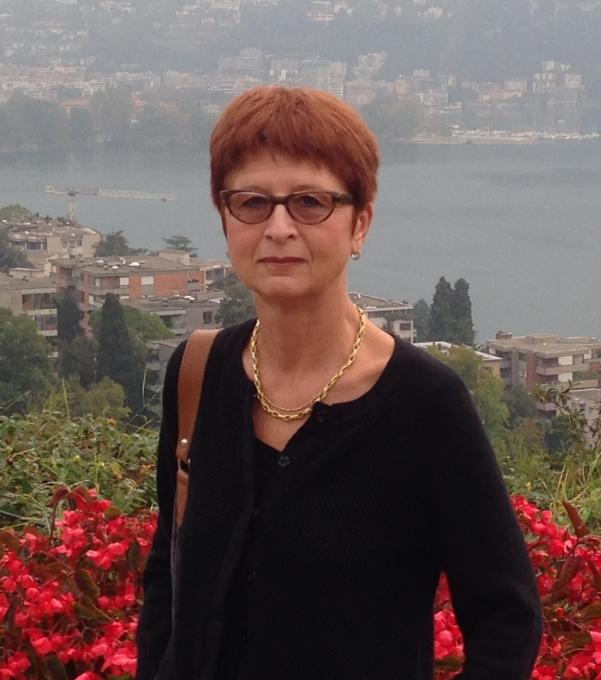
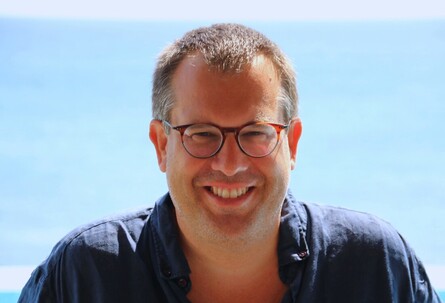
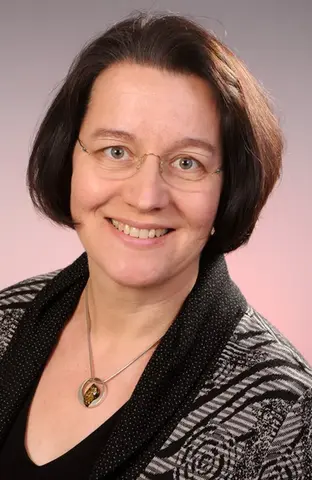
Bram Bulté is an academic researcher at the Vrije Universiteit Brussel (VUB), affiliated with the Brussels Centre for Language Studies and the Linguistics and Literary Studies department within the Faculty of Arts and Philosophy. His research focuses on second language acquisition, syntactic complexity, and verb morphology, with particular emphasis on L2 writing and processing mechanisms. He has published extensively since 2007, with recent work appearing in journals like Journal of Second Language Writing and Applied Psycholinguistics . Key research interests include the interface between lexis and grammar in L2 writing, predictive processing of verb morphology, and automated analysis of syntactic complexity. His work often integrates experimental methods like eye-tracking and corpus linguistics. In 2018, he received the Best Paper Award at EAMT for collaborative research. Bulté holds a Master's and PhD from VUB, with his doctoral thesis addressing complexity development in SLA through a dynamic systems framework. He regularly presents at international applied linguistics conferences and serves as a peer reviewer for Language Learning . Recent collaborations include studies on aphasia diagnostics and clinical applications of linguistic research. His work bridges theoretical linguistics with practical applications in education and clinical settings.
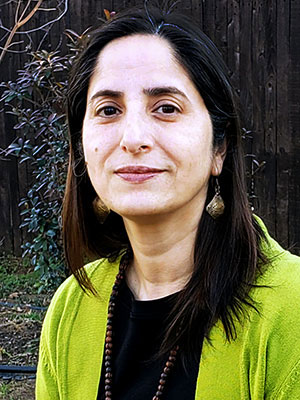
Asia Pietraszko is an Assistant Professor in the Department of Linguistics at the University of Rochester, where she directs the Field Syntax Lab. She holds a PhD from the University of Chicago's Linguistics Department. Her research focuses on syntax and morphology, particularly verbal morphosyntax in Bantu languages like Ndebele and Swahili. She investigates clausal architecture, selection processes, and head movement, with notable work on periphrasis, A-movement, and the syntax-phonology interface. Her recent NSF award (BCS 2214933) supports her research. She has taught courses at the University of Rochester, University of Connecticut, and the University of Chicago, including advanced syntax, field methods, and syntactic theory. Her work has been published in top journals like Linguistic Inquiry , Natural Language and Linguistic Theory , and Glossa . Pietraszko frequently presents at conferences such as NELS, WCCFL, and the Linguistic Society of America meetings. Her research explores topics like backward control, cyclic selection, and the relationship between head displacement and periphrasis. She collaborates extensively with Karlos Arregi on projects involving morphosyntactic phenomena in Bantu and other languages.
Dr. Kira Gor is a Professor of Second Language Acquisition at the University of Maryland's School of Languages, Literatures, and Cultures. She holds dual Ph.D.s in Linguistics and Experimental Phonetics (St. Petersburg State University) and Russian and Second Language Acquisition (Bryn Mawr College). Her research focuses on nonnative lexical access, phonological encoding, and morphological processing in L2 learners, particularly in Russian. She co-authored multimedia Russian language courses and leads projects funded by the Department of Education. Education: Ph.D., Linguistics and Experimental Phonetics, St. Petersburg State University Ph.D., Russian and Second Language Acquisition, Bryn Mawr College Research interests include: Nonnative mental lexicon development Phonology-orthography interface Heritage speaker proficiency Morphological decomposition in L2 processing Key contributions include the Ontogenesis Model of the L2 Lexical Representation (2021) and studies on phonological priming effects in nonnative speech processing. Her work bridges cognitive linguistics and applied language pedagogy.
Sadaf Munshi is a Professor in the Department of Linguistics at the University of North Texas. Her research focuses on language documentation, historical linguistics, and language contact, particularly in South Asian languages like Burushaski and Indo-Aryan languages. Education: PhD in Linguistics from University of Texas at Austin (2006), MPhil and MA in Linguistics from University of Delhi, India (2001/1999), BS in Biosciences from University of Kashmir, India (1996). Research Interests: Language documentation of endangered languages (Burushaski), comparative linguistic analysis, language contact phenomena, and grammatical theory development. Ongoing projects include the Burushaski Language Corpus and Kashmir Oral History Project. Teaching: Courses in Historical Linguistics, Phonology, Field Methods, and World Englishes. Her work bridges theoretical linguistics with applied documentation efforts. Key Projects: Burushaski Language Documentation Project Kashmir Oral History Project
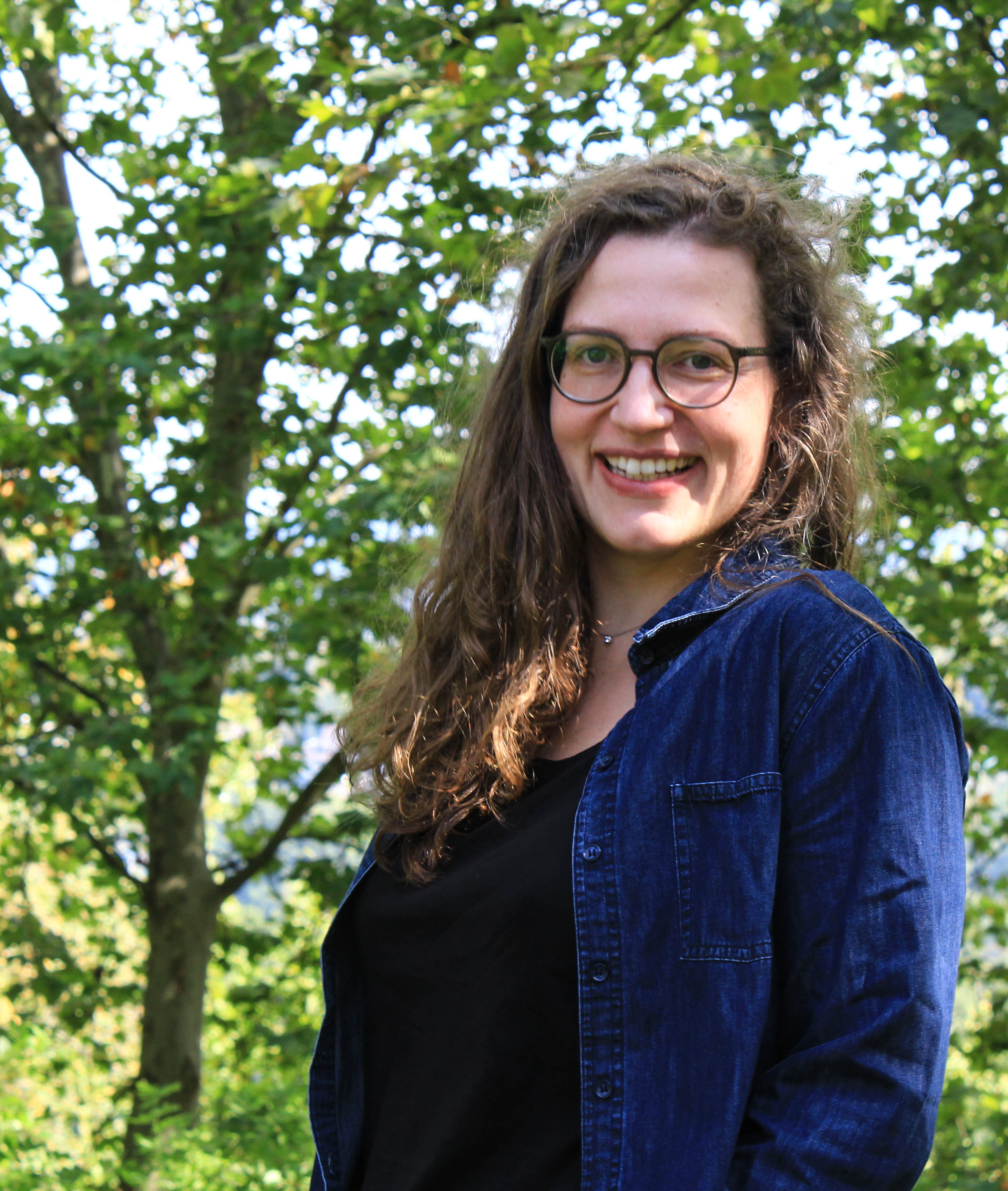
Carolin Gerwinski is an academic at the University of Siegen, affiliated with Faculty I in the Department of German Studies - Linguistics. She has served as an Academic Councillor since October 2017, following her role as a research assistant from 2010 to 2017. She earned her doctorate in April 2017 with a dissertation on German modal verbs. Her research centers on linguistic perspective, particularly through modal, negating, and evaluative expressions. She investigates morphosyntactic polyfunctionality, the categorical transition of linguistic elements like modal verbs and evaluative adjectives, and the interplay between modality and evaluation. Her current projects include the study of not as a polyfunctional perspective expression, linguistic expressivity, and reduplication in German. Her publications span topics such as grammatical doubt, word formation, and professional conversation norms. The body of work shows a consistent focus on the semantics and pragmatics of German, with an emphasis on how language reflects speaker perspective and social interaction. She has contributed both as an author and editor in peer-reviewed volumes. Editorial Assistant, Journal of Word Formation (ZWJW) Provider of language and name advice at the University of Siegen Active teacher of core and advanced linguistics courses She has been involved in academic self-governance, serving on the spokesperson team of the Association of Scientific Mid-Level Staff and as a representative in the Senate Commission for Quality Improvement in Teaching and Studies from 2016 to 2018.
Dr Joshua Matthews is a Senior Lecturer and Head of Department (Curriculum) in the School of Education at the University of New England (UNE), Australia. He is actively involved in teaching, research, and academic leadership within the Faculty of Humanities, Arts, Social Sciences and Education. Research Interests: Dr Matthews specializes in second language acquisition, with a focus on vocabulary knowledge, listening comprehension, language testing, and the integration of technology in language learning. His work investigates aural vocabulary, decoding errors, derivational morphology, and mobile-assisted language learning (MALL). He also explores teacher identity in EAL/D education and the impact of AI tools like ChatGPT on academic writing. Recent Research Trends: His most recent publications (2023–2025) reveal a consistent focus on measuring and enhancing aural vocabulary, understanding how learners process derivational forms, and evaluating the role of mobile applications and AI in language education. His research combines empirical studies, cross-linguistic comparisons, and theoretical insights, often involving international collaborations. Scientific Awards: No awards explicitly mentioned in the text. Supervision and Grants: Dr Matthews welcomes research students in TESOL, second language learning, and related areas. He has led and co-led multiple funded research projects, including an ongoing 2022 study on vocabulary lists and PTE writing (AU$23,011), and past projects on mobile learning, automated text analysis, and phonological knowledge in L2 listening, funded by the University of Newcastle, British Council, and AALL. Labs and Teams: While no formal lab is named, Dr Matthews collaborates extensively with researchers such as Dr Junyu Cheng, Dr Kiyomi Lange, Dr Scott McLean, and Dr Ingrid Wijeyewardene. He is part of an international research network focused on language assessment, vocabulary, and technology-enhanced learning.
Maria Dolores García-Pastor is an Associate Professor in the Department of Teaching Languages and Literature at the Faculty of Education, University of Valencia, Spain. Her academic work focuses on English as a Foreign Language (EFL) teaching and learning, with particular emphasis on identity, digital storytelling, grammar instruction, and written corrective feedback. Research Interests: Her research spans several interconnected areas in language education, including learner identity construction in digital environments, multimodal composition, pragmatics in second language acquisition, reflective and interlinguistic grammar teaching, and the role of corrective feedback in EFL writing. She investigates how students develop linguistic and personal identities through digital narratives and classroom interactions, and how pedagogical strategies can support metalinguistic awareness and transfer across languages. Recent Research Trends: Her recent publications (2023–2025) highlight a growing focus on digital multimodal identity construction, written corrective feedback practices among secondary teachers, and grammar instruction in multilingual contexts. She frequently employs qualitative and mixed methods, drawing on frameworks such as Systemic Functional Linguistics, positioning theory, and task-based learning. Scientific Contributions: Extensive research on digital storytelling and identity texts in EFL classrooms. Studies on grammar instruction, metalinguistic reflection, and textbook analysis in primary and secondary education. Exploration of emotional and cognitive factors in language learning, including anxiety and stuttering. Advising and Grants: While no specific students or grant funding are mentioned in the provided texts, her involvement in research projects such as 'Identity in EFL learning' and the Egramint project (SDGE) suggests active research leadership and potential supervision of academic advisees. She likely contributes to teacher training and curriculum development initiatives. Labs and Teams: She is a member of the GIEL (Research Group in the Teaching of Languages) at the University of Valencia, which supports collaborative research in language pedagogy and didactics.
Milagros Aleza Izquierdo is a Professor in the Department of Spanish Philology at the Universitat de València, affiliated with the Faculty of Philology, Translation and Communication. She has been a researcher and professor since 1980, specializing in Spanish language and linguistics. She is a member of the ELEAM research group, focusing on Spanish language studies in Latin America. University: Universitat de València School: Faculty of Philology, Translation and Communication Department: Department of Spanish Philology Research Group: ELEAM (Spanish Language Studies in Latin America) Her research interests include Hispanic linguistics, sociolinguistics, Spanish dialectology, Caribbean Spanish (especially Cuban, Puerto Rican, and Dominican varieties), corpus linguistics, morphology, syntax, and orthographic norms. She has conducted in-depth analyses of grammatical variation, pronominal usage, verb constructions, and diminutive formation in spoken Caribbean Spanish. Her work often involves corpus-based methodologies to examine syntactic change and language use across generations. The recent publications highlight her focus on syntactic and morphological variation in Caribbean Spanish dialects. Key themes include the pluralization of impersonal 'haber' in Puerto Rican Spanish, clitic pronoun usage in Cuban Spanish, diminutive suffixes in Dominican Spanish, and orthographic standards in Spanish writing. Her work bridges descriptive linguistics with practical applications in language teaching and publishing. Scientific Awards: No scientific awards mentioned in the provided text. Advising and Grants: No information available regarding students, advising, or grant funding. Labs and Teams: She is actively involved in the ELEAM (Spanish Language Studies in Latin America) research group, which supports collaborative linguistic research on Latin American Spanish varieties.
Bożena Rozwadowska is a full Professor at the University of Wrocław, Faculty of Philology, where she is affiliated with the Department of English and Comparative Linguistics. She has held visiting positions at prestigious institutions including Rutgers University, Princeton University, and the University of Southern California, and has delivered guest lectures across Europe and North America. She has served in leadership roles in major linguistic organizations, notably as President of GLOW (Generative Linguists of the Old World) in 2010 and as a board member of PASE and PTJ. MA in Computer Science and Management, Wrocław University of Science and Technology (1979) MA in English Philology, University of Wrocław (1982) PhD in Humanities, University of Wrocław (1988) MA in Linguistics, University of Massachusetts at Amherst, USA (1991) Habilitation in English and General Linguistics, University of Wrocław (1998) Her primary research interests lie at the intersection of syntax and semantics, with a particular focus on theoretical syntax, lexical semantics, nominalization, aspect, psych predicates, and cross-linguistic comparison between Polish and English. Her work employs formal generative frameworks to analyze argument structure, event semantics, and morphosyntactic interfaces. She has made significant contributions to the understanding of aspectual composition, the syntax-semantics interface in Slavic languages, and the categorial status of adverbs and adjectives. The most recent publications highlight a consistent focus on formal Slavic linguistics, particularly the structural and semantic properties of Polish nominalizations, psych constructions, and aspectual phenomena. Her work spans theoretical syntax, lexical semantics, and comparative analysis, demonstrating a deep engagement with event structure, argument realization, and cross-linguistic variation. She frequently employs data from Polish to test and refine broader syntactic and semantic theories. Her scientific recognition includes: Ministry of Education Award for the Habilitationschrift (1999) Bożena Rozwadowska has supervised 6 PhD dissertations and 85 MA theses, underscoring her role as a dedicated academic mentor. She has received competitive research grants, including a 9-month Fulbright senior research grant at Rutgers University (2001) and multiple international fellowships (AAUW, P.E.O., TEMPUS). She is an active reviewer for major journals and conferences such as GLOW, CCG, and CSSP. She has also organized significant academic events, including the 33rd GLOW conference in Wrocław (2010) and the PASE meeting in 1999. She is an active member of several academic communities, including GLOW (Generative Linguists of the Old World), PTJ (Polish Linguistic Society), and WTN (Wrocław Scientific Society), and has served on the board of PASE. Her professional engagement includes extensive conference participation, guest lectures, and editorial work, such as co-editing PASE Papers 2008.
Prof. Dr. Christina Kauschke is a faculty member at the Philipps University of Marburg , affiliated with the Institute for German Linguistics under the German Studies and Arts department. Her expertise lies in Clinical Linguistics , focusing on language disorders in developmental contexts. Education : Magisterabschluss in Linguistics, German Studies, and Psychology (1994), followed by a doctorate (1999) and habilitation (2005) in Linguistics. Research Interests : Christina Kauschke investigates typical and atypical language acquisition , diagnostic and therapeutic methods for childhood language disorders , and language-emotion interactions . Her work emphasizes the acquisition and processing of nouns vs. verbs , lexical-semantics , and morphophonological/prosodic development . She also explores metaphorical emotional language and its clinical applications in populations such as autism and depression . Scientific Contributions : She has developed standardized tools like the Patholinguistic Diagnostic and Therapy Procedures (PDSS, 2022) and contributed to interdisciplinary S3-Leitlinie guidelines (2022) for language disorder interventions. Her publications span monographs on German language acquisition and edited volume chapters. Advising and Leadership : Since 2007, she has led research at the Institute for German Linguistics , mentoring students in clinical linguistics and psycholinguistics . She has held academic roles at the University of Potsdam and Freie Universität Berlin.
Andrea Drocco is an Associate Professor in the Department of Asian and North African Studies at Ca' Foscari University of Venice, specializing in Modern Languages and Literatures of the Indian Subcontinent. He holds a PhD in Indological and Tibetological Studies from the University of Turin and has been a fixed-term researcher (RTDb) since 2020. His academic career includes teaching Hindi and Indo-Aryan linguistics at the University of Turin and Ca' Foscari, as well as delivering lectures at Adam Mickiewicz University in Poland. His research focuses on Indo-Aryan linguistics, particularly the historical development of Hindi, ergativity, dialectology (including Baṅgāṇī and Pahāṛī), and the linguistic traditions of Sanskrit and Prakrit. He has conducted extensive fieldwork in India and the UK, and has published widely in international journals and edited volumes. His recent publications reveal a consistent focus on syntactic and morphological analysis of Hindi and related languages, with particular attention to compound verbs, ergativity, and historical development. The articles span topics such as Braj-Bhāṣā, Kharī-bolī Hindi, and Western Pahāṛī, reflecting his deep engagement with both classical and modern linguistic forms in South Asia. Drocco is actively involved in academic service, including peer reviewing for journals such as Annals of Ca' Foscari – Oriental Series and Kervan , and has participated in organizing international conferences. He is also engaged in third mission activities, such as public outreach and educational presentations on Hindi and Sanskrit studies. He advises no formal students listed in the provided text, but has served as a thesis advisor and examiner. He has received research grants and fellowships from institutions including the Italian Glottology Society, the Indian Embassy in Paris, and the UK’s Arts and Humanities Research Council. Drocco is proficient in Hindi, English, French, Braj-Bhāṣā, Sanskrit, Urdu, Spanish, Portuguese, and Pali, which supports his extensive research and fieldwork in South Asian linguistics.
Lorenzo Nespoli is a Researcher at the Department of Asian and North African Studies, Ca' Foscari University of Venice, where he is currently working on the project A Corpus-based Morphosyntactic Analysis of Early Modern Japanese Translations from Dutch and Portuguese (CŌMŌ). He has previously held teaching and research positions at the University of Padua, University of Turin, and Alma Mater Studiorum, University of Bologna. His academic journey reflects a deep engagement with Japanese-Dutch cultural and linguistic exchange in early modern Japan. PhD in Asian and North African Studies, Ca' Foscari University of Venice (35th cycle), cotutelle with Leiden University Master's Degree in Languages, Economies and Institutions of Asia and Northern Africa (Japanese Language), Ca' Foscari University of Venice (2015–2018) Bachelor's Degree in Foreign Languages and Literatures, Alma Mater Studiorum, University of Bologna (2012–2015) Advanced Japanese Business Course, Kyoto Japanese Language School (2017–2018) Dutch Language Summer Course, Escola oficial d'Idiomes Barcelona (2014) Lorenzo Nespoli's research interests center on the linguistic and cultural interactions between Japan and Europe during the Edo and Meiji periods, with a particular focus on Rangaku (Dutch learning), the reception of European scientific and grammatical theories in Japan, and the role of translation in cultural transfer. His work bridges historical linguistics, philology, and literary studies, emphasizing manuscript analysis and multilingual didactic texts. He investigates how Dutch and Portuguese knowledge was adapted into Japanese intellectual frameworks, especially through the works of scholars like Shizuki Tadao. His recent publications reveal a strong trend in analyzing early modern Japanese translations of Dutch scientific and grammatical texts, exploring how European concepts were linguistically and culturally reinterpreted. Topics include poetic influences (e.g., Jacob Cats), morphosyntactic adaptations, and the role of language in knowledge transmission. His research increasingly incorporates interdisciplinary methods, linking linguistic analysis with cultural history and education. Scientific awards and recognition include: Seal of Excellence for HORIZON-MSCA-2023-PF-01-01 Postdoctoral Fellowship Scholarship from the Nederlandse Taalunie for PhD studies in Dutch studies Nespoli has advised and collaborated on multiple academic projects and publications, though no formal PhD or Master’s students are currently listed. He has secured competitive research grants and is involved in international collaborations, particularly with Leiden University and institutions in Italy, the Netherlands, and Belgium. He actively participates in academic conferences and symposia across Europe, often organizing events on translation, cultural memory, and linguistic heritage. He is a member of several scholarly associations, including AISTUGIA (Italian Association for Japanese Studies), MediterraNed, IVN (International Association for Dutch Studies), and the European Association for Japanese Studies (EAJS). His current work involves building a corpus of early modern Japanese translations to analyze morphosyntactic patterns and the role of translation in knowledge dissemination during Japan’s period of limited foreign contact.
Grégoire Coline serves as a Research Fellow at the Center for Research on Cognition and Learning (CeRCA) at the University of Tours, France, where he investigates cognitive control mechanisms in normal aging through behavioral and neurofunctional approaches using MRI and EEG methodologies. His core research focuses on: Resistance-to-interference and inhibition processes Metamemory and self-regulation in aging populations Impulsivity and attentional control decline with age Neural substrates of executive functions across the lifespan Psychopathology of memory in aging contexts Coline leads the "Aging and Psychopathology of Memory" (ViPsyM) research group at CeRCA, conducting interdisciplinary work spanning cognitive psychology, psychobiology, and neuroscience. His methodological expertise includes advanced neuroimaging techniques and behavioral paradigms for studying cognitive aging. His recent publications reveal consistent investigation into interference resolution mechanisms across phonological, semantic, and visual domains, with significant contributions to understanding neural specificity in cognitive control processes. His work demonstrates strong international collaboration patterns with institutions across Europe. Coline maintains active scientific partnerships with researchers from the University of Liège (Belgium), University of Geneva (Switzerland), and University of Grenoble (France), reflecting his integrated approach to cognitive neuroscience research.
Guido Melchior is a philosopher at the University of Graz, Austria, where he is affiliated with the Department of Philosophy. He earned his PhD in 2009 and habilitation (venia docendi) in 2018, both from the University of Graz. He is currently Principal Investigator of the FWF project ‘Knowing, Checking, and Other Epistemic Standings’ and a key researcher in the Cluster of Excellence ‘Knowledge in Crisis’. He is also a recurring visiting scholar at the University of Arizona and the University of California, Irvine, and was previously a visiting scholar at Rutgers University. His research lies primarily in epistemology, with a focus on the nature of knowing, checking, skepticism, and self-knowledge. His work explores the distinctions between epistemic standings, the structure of knowledge ascriptions, and the role of checking in belief formation. He is the author of the book Knowing and Checking: An Epistemological Investigation (Routledge, 2022) and serves as one of the editors of Grazer Philosophische Studien . The recent publications reflect a sustained investigation into epistemic concepts such as knowledge, justification, and cognitive control. They span philosophical logic, metaepistemology, and the semantics of epistemic verbs, often engaging with contemporary debates in analytic philosophy. Themes include the normative role of knowledge, the limits of skepticism, and the functional distinctions between knowing and checking in practical reasoning. Guido Melchior has not been mentioned as receiving specific scientific awards in the provided text. He advises research projects and leads an FWF-funded research initiative, contributing to collaborative philosophical inquiry. While no formal list of students is provided, his role as PI and key researcher indicates active mentorship within research teams. He is associated with major research initiatives including the FWF project ‘Knowing, Checking, and Other Epistemic Standings’ and the international Cluster of Excellence ‘Knowledge in Crisis’, which likely involve collaboration with philosophers across Europe and North America.
Beate Hampe is a Professor of Language and its Structure (English Linguistics) at the Department of Linguistics, Faculty of Philosophy, University of Erfurt. She serves as Vice President for International Affairs and Founders Service Representative at the university. Academic Focus: Cognitive Linguistics, Construction Grammar, Corpus Linguistics, Metaphor Theory, Embodied Cognition, and Discourse Studies. Leadership: Associate Editor of Cognitive Semantics (2019-2022), Board Member of the Yearbook of the German Cognitive Linguistics Association (GLCA), and active reviewer for major linguistic journals and funding bodies like the Humboldt Foundation and DFG. Research Trends: Her recent publications examine the intersection of embodiment, constructional networks, and corpus-driven analyses of syntactic patterns. She investigates multimodal constructions, metaphor dynamics, and quantitative approaches to constructional polysemy. Advising: Supervised Ph.D. students Matthias Altmann (ongoing), Volodymyr Dekalo (2018), and Susanne Hoppe (2013). She has conducted external reviews for Ph.D. and Habilitation theses at multiple institutions. Collaborative Work: Engaged in cross-institutional research groups like "Kulturtechniken des Sammelns" and "Medienvertrauen in der digitalen Welt," with collaborations involving Irene Mittelberg, Peter Uhrig, and Mark Turner on multimodal constructions.