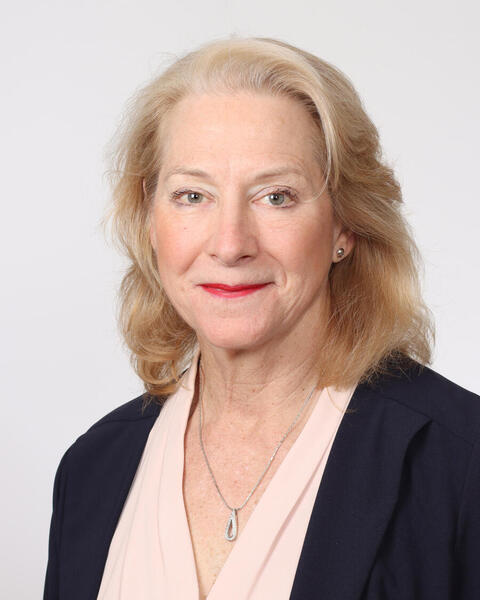
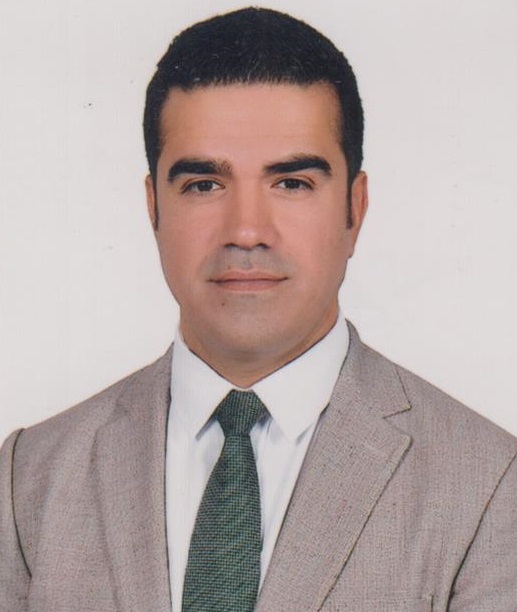
Prof. Dr. Dennis Säring is a faculty member at the University of Applied Sciences Wedel , specifically affiliated with the School of Engineering. His academic and research activities focus on Deep Learning , Medical Image Analysis , and applications of Artificial Intelligence in healthcare and biomedical imaging. He has led seminars on Deep Learning topics and supervised student projects in Autonomous Driving at Audi's AADC 2018 competition. Research Highlights : Cardiovascular imaging, forensic age estimation via MRI, neural network-based bone segmentation, and cerebrovascular aneurysm analysis. Technical Expertise : Cardiac MRI, 3D/4D image processing, parametric mapping, and spatiotemporal data fusion. His recent publications (2018-2023) emphasize 3D MR segmentation for age assessment, CMR strain analysis in athletes, and T1/T2 mapping for myocarditis. Key collaborations include institutions like the University Medical Center Hamburg-Eppendorf and Wedler Hochschulbund, with funding for autonomous vehicle research. While no explicit scientific awards are listed, his work spans clinical cardiology, forensic radiology, and AI-driven medical diagnostics.
Prof. Dr. Melanie Zeilinger is an Associate Professor at the Department of Mechanical and Process Engineering at ETH Zurich, leading the Intelligent Control Systems group at the Institute for Dynamic Systems and Control. She holds a diploma in Engineering Cybernetics from the University of Stuttgart (2006) and a Ph.D. in Electrical Engineering from ETH Zurich (2011). Her postdoctoral research included stints at EPFL (2011–2012), a Marie Curie fellowship at UC Berkeley and the Max Planck Institute (2012–2015), and a professorship at the University of Freiburg (2018–2019). Her research focuses on learning-based control, distributed control systems, and robotics , with applications to medical devices (e.g., hydrocephalus shunts) and human-in-the-loop systems. She organizes the Conference on Learning for Dynamics and Control (L4DC) and contributes to initiatives like the "Algorithm on My Team" project. Her awards include the ETH Medal for her PhD thesis, a Marie-Curie IO Fellowship , and an SNF Assistant Professorship grant . She serves as an Associate Editor for IEEE Control Systems Letters and actively reviews for top journals/conferences like IEEE TAC, Automatica, and NeurIPS. Key projects include: VIEshunt: A smart ventricular shunt for hydrocephalus treatment, combining control systems and medical engineering. Autonomous Racing: Contextual tuning and safety-certified learning-based MPC for real-time obstacle avoidance. Data-Driven Control: Integrating Gaussian processes and state-space models into MPC frameworks for uncertain systems. Her work bridges control theory, machine learning, and robotics, addressing societal challenges such as healthcare and energy efficiency.
David J Mehlman, MD serves as an Associate Professor in the Department of Medicine (Cardiology) at Northwestern University's Feinberg School of Medicine, with clinical practice at Northwestern Memorial Hospital. His expertise spans echocardiography, general cardiology, and prosthetic heart valve disease management. His academic training includes: MD from Johns Hopkins University (1973) Internal Medicine Intern at Johns Hopkins Hospital (1974) Medicine Resident at Johns Hopkins Hospital (1976) Cardiology Fellowship at University of Chicago Hospitals (1978) Dr. Mehlman's research focuses on structural heart disease mechanisms and diagnostic applications, particularly in valve prostheses evaluation and exercise-induced cardiac adaptations. His work bridges clinical cardiology with cardiovascular imaging techniques to address complications in valvular interventions and transplant-related cardiomyopathies. His publication history reveals consistent contributions to cardiovascular pathology, with emphasis on aortic homograft performance, amyloidosis-related cardiac deterioration, and athlete physiology. Key methodologies involve advanced echocardiography and radiofrequency ultrasound for prosthetic valve assessment. He maintains prestigious recognition as a Castle Connolly Top Doctor across multiple years: Castle Connolly Top Doctor (2019) Castle Connolly Top Doctor (2018) Castle Connolly Top Doctor (2017) Castle Connolly Top Doctor (2016) Castle Connolly Medical Top Doctor (2006) Castle Connolly Medical Top Doctor (2005) Castle Connolly Medical Top Doctor (2005) Castle Connolly Medical Top Doctor (2004) Board certified in Internal Medicine and Cardiovascular Disease by the American Board of Internal Medicine, Dr. Mehlman integrates clinical practice with ongoing research in structural heart disease while adhering to Northwestern's professional disclosure standards.
Professor Shaun Gregory is the Director of the Centre for Biomedical Technologies at Queensland University of Technology (QUT), where he also serves as Co-Director of the Artificial Heart Frontiers Program, Founder and Director of the Heart Hackathon student team competition, and Director of the CardioRespiratory Engineering and Technology Laboratory. He holds appointments in the Faculty of Engineering, School of Mechanical, Medical & Process Engineering. His educational background includes Bachelor, Masters (research), and PhD degrees, all awarded by QUT. He also holds both NHMRC and Heart Foundation fellowships, demonstrating his significant contributions to cardiovascular research. Professor Gregory's research applies a translational approach to cardiovascular engineering with a particular focus on devices used to support or replace the heart. His work brings together multidisciplinary teams of engineering, biomedical science, design, and medicine to develop novel technical solutions for clinically relevant problems. His research has changed clinical practice on numerous occasions and assisted with the regulatory approval of medical devices. His areas of interest include mechanical circulatory support, artificial heart development, cardiovascular device engineering, and hemodynamics. His publication portfolio demonstrates a strong focus on extracorporeal membrane oxygenation (ECMO), ventricular assist devices, and cardiovascular device testing. His recent work has explored computational fluid dynamics in blood flow analysis, novel cannula design for circulatory support, and the hemodynamic effects of various cardiovascular devices. His research often bridges engineering principles with clinical applications, resulting in practical innovations in cardiac support technologies. NHMRC Fellowship Heart Foundation Fellowship President-Elect of the International Society for Mechanical Circulatory Support Professor Gregory has successfully secured more than $65 million in research funding and has published over 100 research articles in his field. He is actively involved in mentoring the next generation of researchers, currently accepting Honours, Masters, and PhD students. His CardioRespiratory Engineering and Technology Laboratory serves as a hub for interdisciplinary research that brings together engineering, biomedical science, and clinical expertise to address critical challenges in cardiovascular medicine.
Evelyn Lake is an Associate Professor in the Department of Radiology and Biomedical Imaging at Yale University, with affiliations to the Wu Tsai Institute and Yale Biomedical Imaging Institute. Her research focuses on functional neuroimaging, particularly using rodent models to study brain connectivity, neurovascular coupling, and disorders like Alzheimer’s disease and autism spectrum disorder. PhD in Medical Biophysics, University of Toronto (2016) Postdoctoral Associate, Yale University (2019) BSc (Honors) in Biophysics, University of Guelph (2010) Her work spans multimodal imaging techniques (e.g., simultaneous Ca2+ and fMRI), examining how genetic mutations (e.g., PTEN, KATNAL2) affect cerebrospinal fluid dynamics and neuronal connectivity. She investigates longitudinal changes in Alzheimer’s models and methodological aspects of animal neuroimaging, such as sample size optimization and awake imaging protocols. Recent publications highlight her contributions to understanding autism-related white matter abnormalities, transdiagnostic connectome predictive modeling, and the impact of neurovascular uncoupling in awake mice. Collaborations include Todd Constable, Francesca Mandino, Xilin Shen, and Xenophon Papademetris.
Vitaly Kheyfets, PhD, serves as Associate Professor in the Department of Pediatrics-Critical Care Medicine at the University of Colorado Anschutz Medical Campus School of Medicine, where he directs research at the intersection of pediatric critical care and cardiopulmonary pathophysiology with emphasis on pulmonary arterial hypertension (PAH). His primary research focuses on right ventricular adaptation to pulmonary hypertension, utilizing machine learning-driven multi-omics analysis to identify disease biomarkers and molecular networks. He pioneers computational fluid dynamics approaches for hemodynamic modeling in congenital heart conditions like Glenn physiology, while also investigating sleep oscillatory patterns as neurodegenerative biomarkers. His methodology integrates proteomics, spatial transcriptomics, and pressure waveform analysis to dissect vascular remodeling mechanisms. Publication trends reveal a strong emphasis on translating computational models into clinical applications for PAH prognostication, with recent work developing AI-cooperative diagnostic platforms and characterizing microvascular changes in the right ventricle. Cross-disciplinary collaborations span proteomics, imaging, and sleep neuroscience, demonstrating consistent innovation in both pulmonary hypertension and neurodegenerative disease biomarker discovery.
Dr. Xin Zhou is an Oxford-Bristol Myers Squibb Fellow at the Department of Computer Science, University of Oxford. Her research integrates computational modeling, clinical data, and experimental findings to investigate cardiac disease mechanisms and develop human-based simulations for drug evaluation. BSc and MSc in Life Sciences, Beijing Normal University DPhil in Computational Biology, University of Oxford Her work focuses on multi-scale cardiac modeling , particularly in ischemic heart disease and heart failure, exploring ionic currents, tissue conduction, and organ-level dynamics. She develops electromechanical simulations to study cardiac alternans and arrhythmic risks, translating these into clinical applications for patient stratification and pharmaceutical testing. Recent publications emphasize in silico clinical trials , sex-specific cardiometabolic analysis, and Purkinje network modeling. Collaborative efforts with clinicians and pharmaceutical partners highlight her translational approach to regulatory science. Model of the Year 2024, BioModels EPSRC Impact Acceleration Account Microsoft Research Project Award Recognition Award, University of Oxford She supervises PhD and MSc students in computational cardiology, while serving on the editorial board of Frontiers in Physiology . Her current projects involve digital twinning and predictive cardiac safety models to reduce animal testing reliance.
Thomas Grenier is an Associate Professor in the Department of Electrical Engineering at INSA Lyon and a member of the CREATIS laboratory (CNRS UMR 5220, INSERM U1294). He obtained his HDR (Habilitation à Diriger des Recherches) in 2023 and his Ph.D. in Image Processing from INSA Lyon in 2005. His research focuses on medical image segmentation, clustering, and filtering using feature space, scale-space, and deep learning approaches. Doctoral School: EEA (Electronics, Energy, and Automatics) Research Affiliation: CREATIS Lab (CNRS/INSERM/INSA Lyon/Université Lyon 1/Université Jean Monnet Saint-Etienne) He has contributed to 20 papers and co-supervised 5 PhD students, including Léo Dumortier and Florent Guépin. Grenier leads the annual Deep Learning for Medical Imaging (DLMI) school, which he co-founded, and has organized five editions across Lyon and Montreal since 2019. The school emphasizes practical deep learning applications in medical imaging for participants of all expertise levels. His work spans interdisciplinary domains such as medical imaging , deep learning , and image processing , with recent publications on generative AI for MRI synthesis, explainable networks, and segmentation of neurological pathologies in preclinical models. He manages pedagogical platforms, coordinates LabEx PRIMES project activities, and oversees lab room infrastructure for 200 hours/year across 10 training programs. Grenier also leads the MUSIC transversal project on Multiple Sclerosis since 2019.
Francesco Maisano, MD , is Full Professor of Cardiac Surgery at Vita-Salute San Raffaele University (Milan) since 2021, where he also serves as Director of the Cardiac Surgery Clinic and of the Valve Center at IRCCS San Raffaele Hospital. From 2014 to 2020 he held the Chair of Cardiac Surgery and directed the Department at University Hospital Zurich. Education & Training 1990 – MD, Catholic University of Rome 1994 – Clinical Fellowship, University of Alabama at Birmingham 1995 – Specialization in Cardiac Surgery, La Sapienza University of Rome Research Interests Professor Maisano’s work centres on innovative therapies for heart-valve disease, spanning surgical reconstruction, catheter-based interventions (TAVI, MitraClip, transcatheter tricuspid devices), and hybrid approaches. He leads translational programmes in biomedical engineering, multimodality cardiac imaging, and artificial-intelligence-guided interventions, with emphasis on the multidisciplinary “Heart Team” model for complex cardiovascular disease. His recent publications (2024-2025) demonstrate intense activity in transcatheter mitral and tricuspid repair, long-term durability of surgical mitral repair, AI-driven procedural guidance, and renal protection strategies during mechanical circulatory support. A dominant theme is translating imaging innovations and device concepts into first-in-human studies and large-scale registries. Scientific Awards & Recognitions European Society of Cardiology Silver Medal (2018) ICI Lifetime Achievement in Research & Teaching (2018) ICI Best Technology Parade Presentation (2010) C. Walton Lillehei Young Investigator Award (1999) Leadership & Grants He directs multiple postgraduate programmes, including Certificate of Advanced Studies (CAS) tracks at the University of Zurich in multimodality imaging, aortic valve, and mitral–tricuspid interventions. He is principal investigator on investigator-initiated grants, coordinates industry-partnered device trials, and mentors numerous doctoral and post-doctoral researchers. His team has filed >24 patents and spun off several cardiovascular start-ups. Labs & Teams At IRCCS San Raffaele he leads the Valve Science Center , a multidisciplinary hub integrating cardiac surgeons, interventional cardiologists, imaging specialists, biomedical engineers, and data scientists focused on next-generation valve repair/replacement technologies and personalised cardiovascular medicine.
Joe Stock is an Assistant Professor in Kinesiology at East Carolina University's College of Health and Human Performance. He operates the Human Performance Lab, focusing on cardiovascular wellness in aging and at-risk populations. B.S. in Exercise Science, Slippery Rock University M.S. in Health, Physical Activity and Chronic Disease, University of Pittsburgh Ph.D. in Kinesiology and Applied Physiology, University of Delaware His research examines aortic hemodynamics, vascular function, and lifestyle interventions through echocardiography, blood vessel ultrasound, and non-invasive blood pressure analysis. He explores sex differences in neurocardiovascular responses and salt sensitivity mechanisms. Recent publications demonstrate expertise in chronic kidney disease adaptations, exercise-induced vascular changes, and central sodium sensing. Collaborations span cardiovascular physiology, nephrology, and autonomic neuroscience. National Heart, Lung, and Blood Institute grant (2021-2023) University of Delaware Dissertation Fellowship (2019) University of Delaware Summer Doctoral Fellowship (2018) Professional service includes American Heart Association membership, ACSM regional committee work, and development of clinical exercise programs for renal patients. His work integrates applied physiology with translational medicine.
DE BONIS MICHELE is a Professor at San Raffaele Vita-Salute University , where he serves as the Director of the Cardiothoracic Surgery School. He is also the Chief of the Advanced and Research Cardiothoracic Surgery Unit at Ospedale San Raffaele , actively contributing to clinical and academic advancements in cardiovascular surgery since 2017. Research Interests : His work focuses on complex cardiac surgical techniques, including mitral and tricuspid valve repair, transcatheter interventions, and management of complications like pseudoaneurysms and thrombotic events. His recent publications highlight innovations in cardioplegia delivery, CT imaging for endocarditis, and outcomes of surgical and transcatheter approaches. Scientific Awards and Leadership : He has received notable awards such as the Premio "Eccellenze Lucane" (2018), Premio Nazionale Ciociaria (2005), and Premio di Medicina "Prof. Potito Petrone" (1995). He has held key roles in international societies, including President of the European Society of Cardiology's Cardiovascular Surgery Working Group (2014-2016) and Scientific Director of ESC/EACTS guidelines task forces. Teaching and Editorial Contributions : He supervises internships in surgery and cardiovascular diseases for the 6-year Master's Degree in Medicine and Surgery. He also serves as Editor-in-Chief and editorial board member for the International Journal of Cardiology .
Kyle W. Klarich is Professor of Medicine and consultant in both the Division of Structural Heart Disease and Division of Echocardiography at Mayo Clinic. His clinical practice and research focus on structural heart disease, cardiac tumors, hypertrophic cardiomyopathies, and valvular heart disease. Dr. Klarich investigates complications prevention and quality-of-life improvement for patients with rare cardiac conditions. As Cardiovascular Disease Fellowship program director since 2010, he is extensively involved in medical education and has received multiple teaching awards including the ACGME's Parker J. Palmer Courage to Teach Award finalist recognition.
Dr. Manuel Carro Dominguez is a Researcher at the Department of Neural Control of Movement, ETH Zürich. His work focuses on understanding the neural mechanisms underlying sleep dynamics, arousal regulation, and their impact on motor performance and cardiovascular function. He specializes in techniques such as auditory stimulation, pupil-based neurofeedback, and EEG/ECG monitoring to explore sleep oscillations, cortical excitability, and their clinical applications. His research bridges neuroscience, biomedical engineering, and sleep medicine, with a particular emphasis on enhancing human physiology through targeted interventions during sleep. Key research interests include: sleep modulation via auditory stimuli, pupilometry as a marker of arousal states, and the development of medical devices for gas sensing and closed-loop biofeedback systems. His studies often integrate multidisciplinary approaches to address translational challenges in neurophysiology and cardiovascular health. Recent publications highlight advancements in auditory stimulation effects on cardiac function, the role of K-complexes in sleep dynamics, and the design of gas sensing technologies for biomedical applications. His work contributes to both fundamental neuroscience and applied biomedical engineering, aiming to improve clinical outcomes through innovative sleep-based interventions.
Mehmet Karahan is an Associate Professor in the Department of Cardiovascular Surgery at Gaziantep University Faculty of Medicine. He specializes in cardiovascular surgery with a focus on mechanical circulatory support, left ventricular assist devices (LVAD), heart transplantation, and endovascular procedures. His clinical and research work centers on innovative approaches to treating complex cardiac conditions. His educational background includes: Medical License (English Program): Hacettepe University Faculty of Medicine (2004-2011), Turkey Specialization in Cardiovascular Surgery: Health Sciences University, Ankara High Specialized Health Application and Research Center (2012-2017), Turkey Dr. Karahan's research interests span multiple areas within cardiovascular medicine. He has made significant contributions to the field of mechanical circulatory support, particularly focusing on left ventricular assist devices (LVAD) and their applications in both adult and pediatric patients. His work explores minimally invasive approaches to LVAD implantation, management of complications, and integration with other cardiac procedures. Additionally, he has expertise in endovascular aortic repair techniques, including complex cases involving traumatic injuries and challenging anatomies. His research also extends to heart transplantation, anticoagulation management, and thrombophilia in vascular disease. Analysis of Dr. Karahan's recent publications reveals a strong focus on advancing mechanical circulatory support technologies, particularly LVAD systems. His work addresses critical challenges in the field including pediatric applications, minimally invasive techniques, management of complications like pump thrombosis, and integration with other cardiac procedures. He has also made significant contributions to endovascular aortic repair, developing innovative techniques for complex cases. His research demonstrates a multidisciplinary approach that bridges surgical innovation with patient-centered outcomes. Dr. Karahan is an active member of several professional organizations: European Association for Cardio-Thoracic Surgery (EACTS) - Member since 2024 International Society for Heart and Lung Transplantation (ISHLT) - Member since 2023 National Association of Vascular and Endovascular Surgery - Member since 2020 Turkish Cardiovascular Surgery Association - Member since 2014 He has served as an editor for The Turkish Journal of Thoracic and Cardiovascular Surgery (2025). His clinical work involves complex cardiovascular procedures, with a particular emphasis on innovative approaches to mechanical circulatory support and endovascular interventions. Dr. Karahan has presented his research at numerous national and international conferences, contributing to the advancement of cardiovascular surgical techniques. His professional experience includes positions at Gaziantep University, Ankara Bilkent City Hospital, and Turkey High Specialization Hospital. He has also gained international experience through observer positions at Paracelsus Medical University-Nuremberg Clinic, Hannover Medical School, University of Geneva, and Harvard University.
Douglas Slobod, MD, FRCPC serves as an Investigator at the Research Institute of the McGill University Health Centre (RI-MUHC) at the Glen site, affiliated with the Translational Research in Respiratory Diseases Program within the Centre for Outcomes Research and Evaluation (CORE). He maintains dual roles as both a research scientist and clinical intensivist in the Critical Care Medicine Program at the McGill University Health Centre. Dr. Slobod's research program centers on cardiopulmonary interactions in critically ill patients, with particular emphasis on how mechanical ventilation impacts right ventricular function. His work spans physiological investigations of lung injury mechanisms and clinical development of personalized respiratory support strategies for patients with acute respiratory failure. This research has significant implications for optimizing mechanical ventilation in acute respiratory distress syndrome (ARDS) while minimizing cardiovascular compromise. Analysis of his publication record reveals a consistent trajectory of high-impact research in critical care physiology. Recent work demonstrates growing sophistication in monitoring techniques (including electrical impedance tomography and esophageal pressure monitoring) and a shift toward personalized ventilation approaches. His publications frequently address the complex interplay between respiratory mechanics and cardiovascular function, with particular attention to right ventricular performance during different ventilation strategies. Dr. Slobod maintains an active collaborative network with researchers across North America and Europe, contributing to both clinical trials and physiological investigations that address fundamental questions in mechanical ventilation. His work appears in premier journals including the American Journal of Respiratory and Critical Care Medicine, Critical Care, and Intensive Care Medicine. As a clinician-scientist, Dr. Slobod exemplifies the translational research model, directly connecting physiological insights from the laboratory to clinical practice at the bedside. His ongoing research continues to refine our understanding of how to optimize respiratory support while preserving cardiovascular function in critically ill patients.