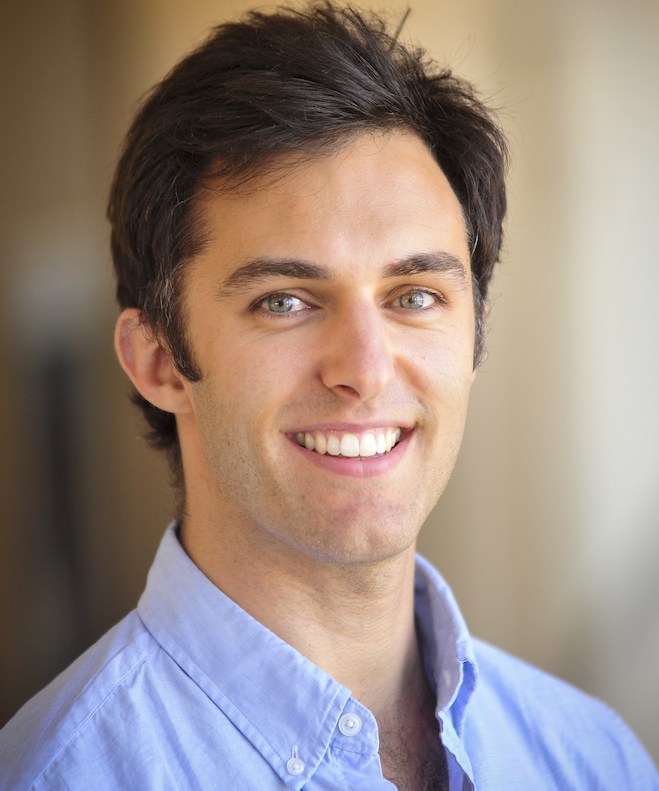
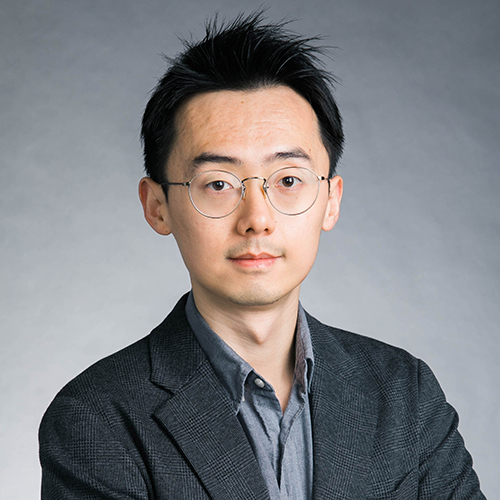
Adam Bennett is an Associate Professor of Epidemiology & Biostatistics at the University of California, San Francisco School of Medicine. His primary research focuses on malaria epidemiology, global health equity, and implementation science, with extensive field work in Southeast Asia (Laos, Thailand, Vietnam) and Africa (Zambia, Namibia). He is affiliated with UCSF's Institute for Global Health Sciences. Dr. Bennett's research examines innovative malaria control strategies including: Targeted interventions for high-risk populations (forest-goers, miners, agricultural workers) Reactive drug administration strategies Genomic epidemiology of malaria transmission Cost-effectiveness of elimination approaches Implementation science in low-resource settings His recent publications demonstrate a strong focus on malaria elimination methodologies, spatial epidemiology, and intervention studies in endemic regions. Research consistently addresses diagnostic approaches, drug administration protocols, and vector control methods tailored to specific transmission contexts.
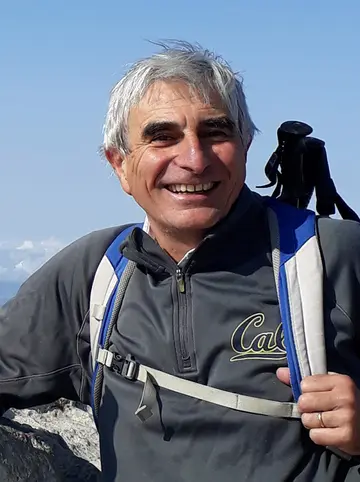
Giorgio Ottaviani is a Professor of Geometry at the University of Florence with significant affiliations as a visitor at the Max Planck Institute for Mathematics in the Sciences (MPI-MIS) in Leipzig. He participated in the 2016 workshop "Tensors: Algebra meets Numerics" and was listed among the Nonlinear Algebra People from 2017 to 2022. His academic foundation includes a diploma thesis supervised by Francesco Gherardelli, doctoral research under Vincenzo Ancona, and formative periods as a junior visitor at the University of Bayreuth with Michael Schneider, focusing on vector bundles of small rank. He began his professorial career in L'Aquila, where he pioneered Computational Algebraic Geometry courses against the backdrop of Gran Sasso mountains. Ottaviani's research bridges classical algebraic geometry (including derived categories) with applied domains like tensor spaces and quantum information. He actively investigates matrix multiplication complexity while promoting "mathematics for teaching" pedagogy. His work exemplifies cross-disciplinary synthesis, as seen in his undergraduate teaching example involving polynomial root dynamics using Macaulay2. Outside academia, he combines passions for bicycle riding, wine tasting (noting the practical challenges of merging these hobbies), and popular astronomy—recommending M81/M82 galaxy observation for "zen relaxation."
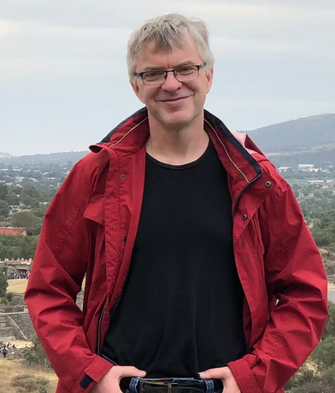
Stephen Terry is an Associate Professor of Economics at the University of Michigan's College of Literature, Science, and the Arts. He is also a Research Associate at the National Bureau of Economic Research (NBER) and serves as Co-Editor of the Review of Economics and Statistics. His research focuses on macroeconomics, particularly firm investment and the impact of micro-level frictions on long-term growth and business cycles. Dr. Terry received his PhD in Economics from Stanford University in 2015. Prior to joining the University of Michigan, he served as an Assistant Professor at Boston University. Professor Terry's research spans several key areas in macroeconomics, with a particular emphasis on understanding how micro-level frictions affect macroeconomic outcomes. His work investigates firm investment behavior, economic growth dynamics, and business cycle fluctuations. He employs both theoretical models and empirical analysis to examine how factors like uncertainty, immigration, innovation, and financial constraints shape economic performance at the aggregate level. His research often bridges micro and macroeconomic perspectives to provide deeper insights into economic mechanisms, with special attention to how short-term phenomena can have long-term consequences for economic growth. Analysis of Professor Terry's recent publications reveals a consistent focus on macroeconomic dynamics, particularly the relationship between micro-level frictions and macroeconomic outcomes. His work spans topics including economic uncertainty, firm dynamics, innovation, immigration effects, and business cycle analysis. A notable trend is his examination of how short-term phenomena can have long-term economic consequences, as seen in his research on short-termism and its macroeconomic impact. His collaborative work with leading economists across various institutions demonstrates the interdisciplinary nature of his research. Professor Terry has earned significant recognition in his field: Research Associate, National Bureau of Economic Research (NBER) Co-Editor, Review of Economics and Statistics As an academic advisor, Professor Terry has mentored numerous PhD and Master's students in economics. His research has been supported by various grants that have enabled extensive empirical analysis and theoretical modeling. His work on economic uncertainty, firm dynamics, and growth mechanisms has contributed significantly to our understanding of macroeconomic phenomena. Professor Terry actively collaborates with researchers across institutions, fostering interdisciplinary approaches to economic questions, and frequently participates in academic discussions at major conferences including the NBER Summer Institute. Professor Terry is affiliated with several research groups at the University of Michigan, including the Research Seminar in Quantitative Economics (RSQE). His work connects with various subfields within economics, particularly Macroeconomics, and contributes to ongoing research in economic growth, business cycles, and firm dynamics. His position as Co-Editor of the Review of Economics and Statistics places him at the forefront of scholarly communication in economics.
William A. Nyberg is an Assistant Professor at the Department of Medicine, Huddinge, Karolinska Institutet. His research focuses on the in vivo genetic modification of T cells for cancer treatment, utilizing chimeric antigen receptors (CARs), CRISPR/Cas9, and synthetic vectors like adeno-associated viruses (AAVs) and lipid nanoparticles (LNPs). The lab aims to eliminate time-consuming ex vivo manufacturing processes and enhance CAR-T cell efficacy in immunosuppressive tumor microenvironments. Assistant Professor, Department of Medicine, Huddinge (2024–2030) SciLifeLab Fellow (2024–2030) European Research Council grant recipient (2025–2029) Recruiting postdoctoral fellows, doctoral, and master's students His work intersects Genetic Engineering, Immunology, and Oncology, with key subfields including CAR-T cell therapy, CRISPR/Cas9, tumor microenvironment, and synthetic biology. Collaborative projects involve Yenan Bryceson's group and translational humanized/syngeneic mouse models. Scientific Awards: SciLifeLab Fellow (Karolinska Institute, 2024–2030) Advising: Julian Fischbach (Doctoral student)
Daniel Roy is a Full Professor at the University of Toronto, holding cross-appointments in the Department of Statistical Sciences, Computer Science, Electrical and Computer Engineering, and the Department of Computer and Mathematical Sciences at UTSC. He is also a Canada CIFAR AI Chair and Research Director at the Vector Institute, reflecting his leadership in AI and machine learning research. His educational background includes a PhD, MEng, and BSc in Computer Science from MIT, where his doctoral work earned the MIT EECS Sprowls Award. Prior to joining Toronto, he was a Newton International Fellow at the Royal Society and a Research Fellow at Emmanuel College, University of Cambridge. His research centers on foundational principles in machine learning, statistics, and probabilistic reasoning. Key interests include statistical learning theory, Bayesian nonparametrics, probabilistic programming, and information-theoretic generalization. His work bridges theoretical computer science, mathematical logic, and applied probability. His recent publications, appearing in ICML, NeurIPS, COLT, and JMLR, reflect a strong focus on theoretical advances in generalization, online learning, and stochastic optimization. Themes include minimax rates, conditional mutual information, and the role of data in PAC-Bayes bounds. His group has made foundational contributions to probabilistic programming, including work on Church and the computability of conditional probability. NSERC Discovery Accelerator Supplement Ontario Early Researcher Award Google Faculty Research Award Newton International Fellowship MIT EECS Sprowls Award Daniel Roy advises numerous PhD students and postdoctoral researchers, many of whom have gone on to prestigious positions in academia and industry. His group actively collaborates with leading researchers in machine learning and statistics. He is also an Action Editor for the Journal of Machine Learning Research and Transactions of Machine Learning Research, underscoring his role in shaping the field. He leads a vibrant research group focused on theoretical machine learning and probabilistic modeling, and maintains active collaborations with institutions such as MIT, Cambridge, and the Vector Institute. He is also the founder and maintainer of the probabilistic-programming.org wiki, a key resource in the community.
Frédéric Calon is a Full Professor in the Faculty of Pharmacy at Université Laval, where he leads a prominent research program focused on neurodegenerative disorders, particularly Alzheimer’s and Parkinson’s diseases. His work bridges molecular neuroscience, nutritional interventions, and blood-brain barrier drug delivery, using both animal models and human post-mortem studies. He is actively involved in training graduate students and postdoctoral fellows and maintains international collaborations, including the LIA OptiNutriBrain with Bordeaux. B.Sc. in Biochemistry, Université Laval (1989–1992) M.Sc. in Pharmacy, Université Laval (1992–1995) B.Pharm., Université Laval (1994–1998) Ph.D. in Pharmacy, Université Laval (1998–2001) Postdoctoral Training, University of California, Los Angeles (UCLA), Dept. of Medicine (2001–2003) Dr. Calon’s research centers on three main axes: (1) the role of nutrition—especially omega-3 fatty acids—in neurodegeneration; (2) synaptic and molecular pathology in Alzheimer’s and Parkinson’s diseases; and (3) the interplay between peripheral metabolic disorders and brain health, including insulin signaling and thermoregulation. He also investigates the blood-brain barrier as a therapeutic gateway for drug delivery. His recent publications reflect a strong focus on Alzheimer’s disease mechanisms, including tau phosphorylation, amyloid-beta pathology, synaptic dysfunction, and the impact of diet and metabolism. He has also made key contributions to understanding essential tremor through post-mortem brain studies. His work frequently involves transgenic mouse models, such as the 3xTg-AD, and integrates behavioral, biochemical, and imaging techniques. Dr. Calon’s research is supported by major grants from CIHR and the Alzheimer Society of Canada. He mentors a large team of doctoral, master’s, and postdoctoral researchers, many of whom are supported by competitive scholarships. His lab has developed unique expertise in in situ brain perfusion and quantitative BBB transport analysis. He leads studies on novel therapeutic strategies, including repurposing beta-3 adrenergic agonists, optimizing nutraceutical formulations, and enhancing brain delivery of biologics via transferrin receptor-targeted vectors. His work on essential tremor has identified GABA receptor deficits and amyloid-beta accumulation in the cerebellum, suggesting a neurodegenerative basis for the disorder.
Eckhard Meinrenken is a Professor in the Department of Mathematics at the University of Toronto , specializing in Symplectic Geometry , Mathematical Physics , Lie Theory , and Differential Geometry . His research spans geometric structures in infinite-dimensional settings, including Hamiltonian loop group spaces, Dirac geometry, and applications of equivariant cohomology. Fellow of the Royal Society of Canada (FRSC) Author of influential monographs such as Clifford Algebras and Lie Theory (Springer, 2013) and Manifolds, Vector Fields and Differential Forms (Springer, 2023) Research Trends: Recent work focuses on moduli spaces, singular weightings, Manin pairs, and Verlinde formulas, bridging symplectic geometry with algebraic and topological invariants. His publications emphasize geometric quantization, Poisson structures, and infinite-dimensional Lie theory. Scientific Awards: Fellow of the Royal Society of Canada (FRSC) Collaborations: Frequent collaborations with researchers like Anton Alekseev, Yiannis Loizides, and David Li-Bland on problems in symplectic topology, loop groups, and Dirac geometry.
Laura M. Anderson is an Associate Professor in the Department of Mathematics and Statistics at Binghamton University. Her research bridges combinatorics and topology, focusing on oriented matroids, convex polytopes, and discrete geometry. Education: PhD and MS from Massachusetts Institute of Technology, BS from California Institute of Technology Her work develops combinatorial models for topological structures, including differential manifolds and vector bundles, aiming to solve topological problems through combinatorial methods and vice versa.
Dr. Fendy Santoso is a leading researcher and Cyber-Physical Lead at the Artificial Intelligence and Cyber Futures Institute, Charles Sturt University, Australia. He also holds a Visiting Fellow position at the School of Engineering and Technology, UNSW Canberra, and has held visiting roles at the University of Cambridge and Cranfield University. His work bridges cybersecurity, AI, and autonomous systems, with significant impact in UAV security and cyber-physical resilience. Education: PhD in Electrical Engineering, University of New South Wales (Awarded: 21 Jun 2012) Master of Electrical and Computer Systems Engineering, Monash University (Awarded: 07 Jun 2007) Dr. Santoso’s research focuses on adversarial machine learning, UAV security, intrusion detection in robotic systems, and cyber-secure digital twins. His work integrates AI, control theory, and cybersecurity to enhance the resilience of autonomous systems. He has pioneered research in securing ROS-based platforms and defending against GPS spoofing and DoS attacks in unmanned vehicles. His recent publications (2020–2025) highlight a strong trend in applying deep learning, fuzzy logic, and physics-informed models to detect and mitigate cyberattacks in UAVs and UGVs. Key themes include intrusion detection systems, secure digital twins for agriculture, and intelligent transportation systems enabled by drones. His work is frequently published in IEEE Transactions and top-tier conferences. Scientific Awards and Grants: Vice-Chancellor’s Distinguished Early Career Travel Fellowship, University of Wollongong (2019) ARC Linkage Project Grant (LP230100083) on adversarial machine learning for UAVs (2024) CSIRO-funded AgriTwins project on cyber-secure digital twins for agriculture (2024) Dr. Santoso has secured over AUD 3 million in competitive research funding and actively supervises postgraduate students. He serves as a reviewer for the Australian Research Council and technical program committees of major AI and engineering conferences. His collaborative work spans defence organisations like DSTG and the U.S. Army Ground Vehicle Systems Centre, as well as international academic institutions. He is a Senior Member of IEEE and leads research in labs focused on cyber-physical systems, autonomous robotics, and AI-driven security frameworks. His team develops real-time detection tools for cyberattacks on military and agricultural robots, contributing to critical infrastructure resilience.
Giuseppe Cavaliere is a Full Professor of Econometrics at the University of Bologna (since 2006) and a Distinguished Research Professor at Exeter Business School. He holds affiliations with the University of Copenhagen and Aarhus University. His research focuses on time series econometrics, financial econometrics, statistical inference, and empirical macroeconomics. He serves as co-editor of the Journal of Econometrics and associate editor of the Journal of Time Series Analysis. Key roles include being an Elected Fellow of the International Association for Applied Econometrics (IAAE), Fellow of the Journal of Econometrics, and Research Fellow of the Granger Centre for Time Series Econometrics. He previously served as President of the Italian Econometric Association (SIdE). His publications appear in top journals like Econometrica, Annals of Statistics, and Journal of Econometrics. Current research emphasizes bootstrap inference, cointegration, and volatility modeling in nonstationary environments. His work addresses challenges in econometric theory, financial data analysis, and macroeconomic policy evaluation. Awards and recognitions highlight his contributions to econometric methodology and its applications in finance and macroeconomics. His advisory and editorial roles reflect his influence in shaping the field's theoretical and practical advancements.
Mateo Valero Cortés is a renowned Professor of Computer Architecture at the Polytechnic University of Catalonia and Director of the Barcelona Supercomputing Center (BSC). He has held academic and leadership roles since 1974, advancing high-performance computing (HPC) and computer architecture research. His work includes pioneering contributions to vector architectures, multithreading, and instruction-level parallelism. Education includes a Telecommunications Engineering degree from the Polytechnic University of Madrid (1974) and a PhD in Telecommunications Engineering from the Polytechnic University of Catalonia (1980). His research spans over 700 publications, focusing on HPC systems, parallel computing, and supercomputing infrastructure. Key research interests include vector processing, super-scalar processors, and task-based programming models. Recent work emphasizes scalable architectures for exascale computing and energy-efficient hardware-software co-design. Notable achievements include the Eckert-Mauchly Prize (highest in computer architecture), Seymour Cray Award, and Charles Babbage Prize. He has led initiatives like the Spanish Supercomputing Network (RES) and PRACE (European HPC partnership). Academic affiliations include the Royal Academy of Engineering of Spain, ACM Fellow, and IEEE Fellow. He has received 13 honorary doctorates and awards such as Mexico’s Order of the Aztec Eagle. Current projects include the Mont-Blanc HPC prototype and ERC-funded research on multi-core chip design. His BSC oversees over 300 researchers and manages MareNostrum supercomputers.
Shixiang (Woody) Zhu is an Assistant Professor in Data Analytics at the Heinz College of Information Systems and Public Policy, Carnegie Mellon University. He holds a PhD in Machine Learning from Georgia Institute of Technology (2022) and B.S./M.S. in Computer Science from Beijing University of Posts and Telecommunications (2017). His research bridges machine learning, operations research, and statistics, focusing on sequential modeling, human-AI collaboration, and energy systems operations. He has received awards including the IEEE Power & Energy Society Best Paper Award (2025) and was a finalist for the INFORMS Wagner Prize (2021). Education : PhD in Machine Learning, Georgia Tech (2017–2022) B.S./M.S. in Computer Science, BUPT (2010–2017) His research emphasizes spatio-temporal data analysis , decision making under uncertainty , and applications to energy systems, healthcare, and public policy. Notable projects include optimizing police zone design (Wagner Prize finalist) and enhancing grid resilience through robust optimization. He actively collaborates with institutions like Argonne National Laboratory and NSF-funded projects. Awards : Best Paper Award, IEEE Power & Energy Society (2025) Gen-AI Fellows (2024) Finalist, INFORMS Wagner Prize (2021) Advising & Grants : Advises PhD students Zekai Fan, Wenbin Zhou, and others Recipient of Block Center Seed Grant (2024), NSF funding (2024) His work spans energy resilience, public policy optimization, and causal inference in social systems. He co-leads the INFORMS Data Mining Society and reviews for top journals like Operations Research and Management Science.
Ryomei Iwasa is an Associate Professor at the Department of Mathematical Sciences , University of Copenhagen. His research focuses on advancing motivic homotopy theory, particularly extending Voevodsky's framework to address non-A1-homotopy invariant phenomena. He has made significant contributions to algebraic K-theory, étale cohomology, and related fields through his work on derived correspondences and motivic spectra. University: University of Copenhagen Department: Department of Mathematical Sciences Academic Rank: Associate Professor Iwasa's research aims to unify cohomology theories in algebraic geometry, such as crystalline cohomology and syntomic cohomology, within a novel motivic spectra category (MSp). His work establishes equivalences between Grassmannians and vector bundles and provides new characterizations of algebraic K-theory. Recent publications highlight his applications of motivic homotopy theory to Milnor excision, cdh descent, and deformation theory. These papers also explore connections to Beilinson's conjecture and Weibel's conjecture via derived blow-ups. Notable awards include the Marie Skłodowska-Curie Grant (Horizon 2020, Grant Agreement No. 896517), supporting his research into foundational motivic homotopy theory. Email: ryomei@math.ku.dk Office: Universitetsparken 5, 2100 Copenhagen Ø
Privatdozent Dr. Marcela Suarez-Rubio is a Senior Scientist at the Institute of Zoology, University of Natural Resources and Life Sciences Vienna (BOKU) , specializing in urban ecology, biodiversity research, and wildlife monitoring . Her work integrates landscape ecology, remote sensing, and conservation biology to study how land-use changes affect birds and bats in temperate and tropical regions. She has led projects in Austria, Myanmar, and Bhutan, focusing on habitat connectivity, urban green spaces, and endangered species conservation . Education: PhD in Ecology, University of Maryland, USA (2011) MSc in Biology, University of Puerto Rico (2005) BSc in Biology, Universidad del Valle, Colombia (2000) Research Themes: Urbanization gradients and their nonlinear effects on avian and bat communities Biodiversity assessment in remote areas like Hkakabo Razi National Park Telemetric and acoustic methods for wildlife monitoring Conservation strategies for critically endangered species (e.g., White-bellied Heron) Ecosystem management in agricultural and forested landscapes Scientific Awards: ERASMUS+ Teaching Mobility (2022, 2018, 2017) National Parks Austria Research Award (2022) BOKU Teaching Award (2016) NASA-MSU Professional Enhancement Award (2011) Golden Key International Honour Society (2008) Advising and Grants: Supervised 14 theses and secured funding from National Parks Austria, Austrian Academy of Sciences, and international organizations . Active in scientific peer-review (Philosophical Transactions of the Royal Society B, Journal of Urban Ecology) and conservation policy for UNESCO World Heritage nominations.
Professor Ole-Christoffer Granmo is a distinguished academic at the University of Agder, Norway, where he serves as Professor in the Department of Information and Communication Technology. He is the Founding Director of the Centre for Artificial Intelligence Research (CAIR) at the University of Agder, leading cutting-edge research in artificial intelligence and machine learning. Dr. Granmo obtained his master's degree in 1999 and his PhD in 2004, both from the University of Oslo. His academic journey has been marked by significant contributions to the field of AI, most notably the creation of the Tsetlin machine in 2018, for which he received the AI research paper of the decade award from the Norwegian Artificial Intelligence Consortium (NORA) in 2022. Professor Granmo's research primarily focuses on logical and causal world modeling across multiple modalities including images, sound, and natural language. His work spans logical auto-encoding, convolution, regression, transformer architectures, and reinforcement learning, all with the overarching goal of creating ultra-low-power artificial general intelligence through transparent logical learning and reasoning. His publications reveal a strong emphasis on interpretable AI systems, hardware implementations, and applications across diverse domains including cybersecurity, healthcare, social media analysis, and bioinformatics. AI Research Paper of the Decade (2022) - Norwegian Artificial Intelligence Consortium (NORA) Eight paper awards in machine learning Professor Granmo has coordinated over seven research projects and mentored 55+ master's students and nine PhD students. His leadership extends to co-founding the Norwegian Artificial Intelligence Consortium (NORA) and establishing two companies: Anzyz Technologies AS and Tsense Intelligent Healthcare AS. As an advisor at Literal Labs, he actively bridges academic research with practical industry applications, demonstrating his commitment to translating theoretical innovations into real-world solutions that address complex challenges across multiple sectors.