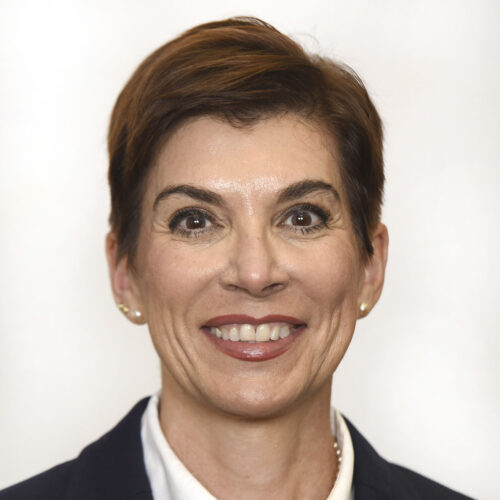
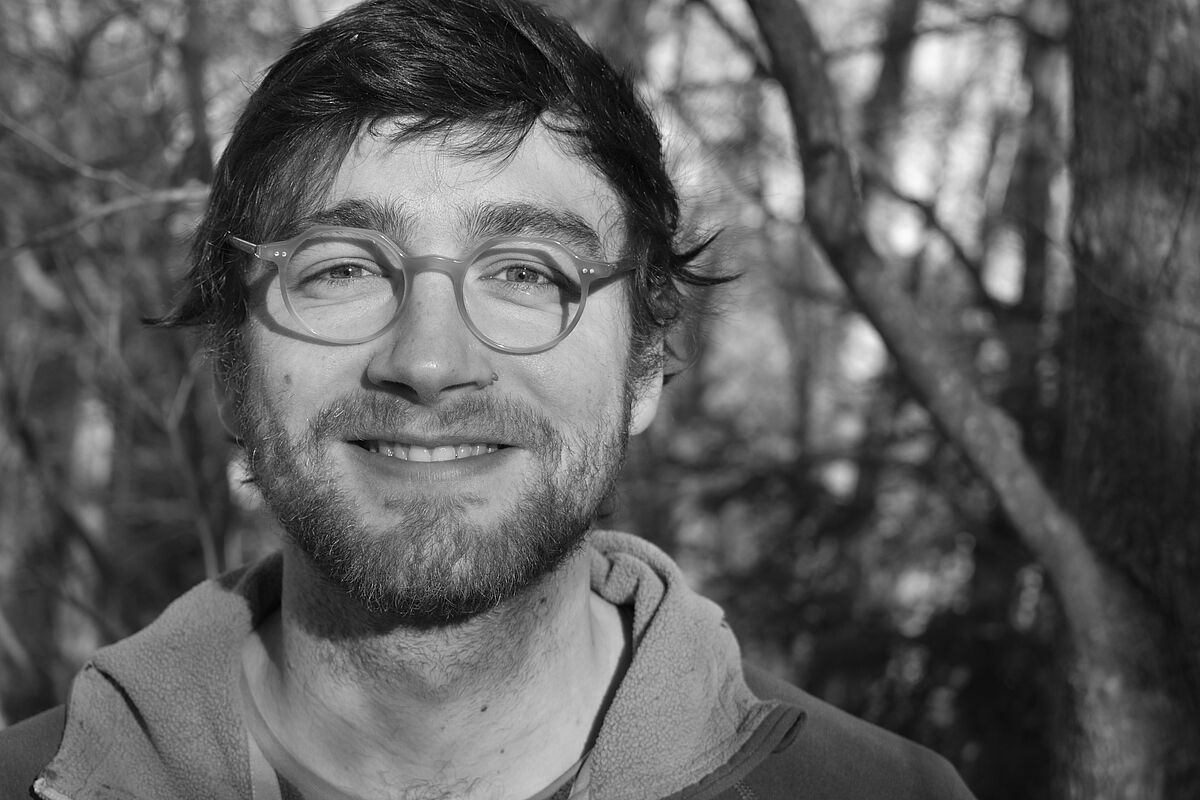
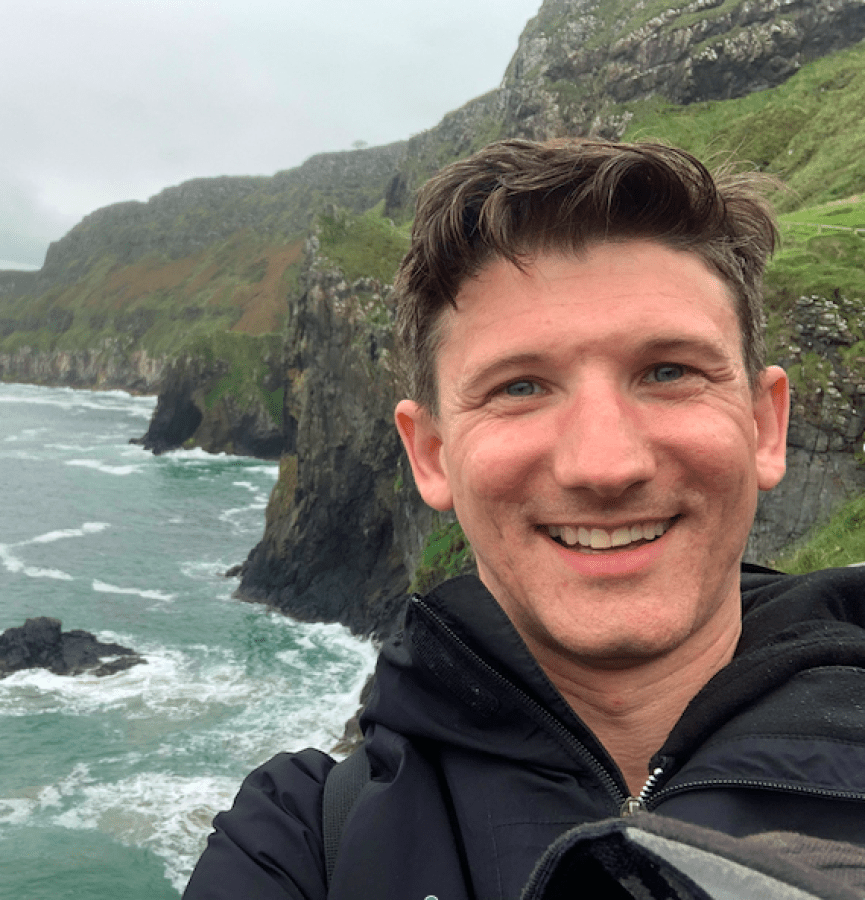
Pallavi Singh is an Associate Research Scientist at Yale School of Medicine's Department of Internal Medicine, specializing in infectious diseases including malaria and babesiosis. Her research focuses on understanding host-parasite interactions, vector-borne disease transmission mechanisms, and developing diagnostic tools and therapies. She holds a PhD in Parasite and Insect Vectors from Institut Pasteur (2017) and an MSc in Genetics from University of Delhi (2012). Key research areas include Babesia species pathogenesis, polyamine metabolism in parasites, and multi-omics approaches to identify drug targets. Collaborates extensively with teams studying malaria and tick-borne diseases. Has developed novel culture systems for Babesia parasites and fluorescent assays for enzyme activity measurements. Her work bridges basic science and translational medicine, addressing critical gaps in understanding and combating vector-borne infections.
Dr. Michael Walsh is a Senior Lecturer in the Sydney School of Public Health at the University of Sydney and Co-Lead of the One Health Node. He is affiliated with the Sydney Institute for Infectious Diseases, Sydney Institute of Agriculture, and Sydney Southeast Asia Centre. His work focuses on landscape epidemiology and One Health approaches to zoonotic diseases, particularly at wildlife-livestock-human interfaces. Research interests include zoonotic pathogen ecology, disease spillover mechanisms, and interventions at anthropogenic landscape interfaces. Current projects involve biosurveillance of zoonoses in India and Australia, climate-driven arbovirus dynamics, and urban ecology impacts on disease. Teaching includes PUBH5400 One Health and PUBH5300 Infectious Disease Epidemiology. He has taught for 21 years at institutions including NYU and the University of Sydney. Publications emphasize JE virus epidemiology, Kyasanur Forest disease, and Rift Valley fever. Key grants include a biosurveillance collaboration in India (2018) and a food safety initiative (2017). His lab (EpiBio) explores transdisciplinary solutions to emerging zoonoses, with fieldwork in deforested regions and high-risk agricultural zones.
Nolwenn Dheilly is a researcher at the Pasteur Institute in Paris, France, contributing to studies on emerging infectious diseases, particularly in the areas of virology, parasitology, and microbiome science. She is actively involved in pathogen discovery and molecular characterization of viruses and parasites, with a focus on zoonotic agents and host-pathogen interactions. Her research interests span Virology , Parasitology , Microbiome , Emerging Infectious Diseases , Zoonoses , Metagenomics , Molecular Virology , and Host-Pathogen Interactions . Her work integrates molecular biology, genomics, and ecological perspectives to understand how microbial communities influence parasitic life cycles and disease transmission. The recent publications highlight a strong trend in viral discovery and classification, including work on Jingchuvirales, circoviruses, and flaviviruses like West Nile and tick-borne encephalitis virus. Her research also explores the virome of parasites and the role of symbiotic microbes in helminth evolution. These studies are critical for advancing diagnostics, understanding disease emergence, and informing public and veterinary health strategies. Scientific Awards: No awards listed in the provided text. Advising and Grants: No formal students or grants are mentioned in the available information. However, her collaborative work across multiple institutions and projects, including Labex IBEID and ANR PREZODE AMAZED, suggests active participation in funded research initiatives and interdisciplinary teams. Labs and Teams: She is part of a research group at the Pasteur Institute led by Marc Eloit, focusing on pathogen discovery and metagenomics. Her collaborations extend to teams working on veterinary virology, arboviruses, and parasitic microbiomes, indicating integration within a broad network of infectious disease research.
Ilaria Dorigatti is an Associate Professor in Infectious Disease Analysis & Modelling at the School of Public Health within the Faculty of Medicine at Imperial College London. She holds a Sir Henry Dale Fellowship (Wellcome Trust & Royal Society) focusing on arbovirus dynamics and vaccination strategies. Her affiliations include the MRC Centre for Global Infectious Disease Analysis, Climate and Health, Grantham Institute, and Earth Observation Network. Her research integrates mathematical models to study viral epidemiology, including dengue, SARS-CoV-2, Ebola, and Zika viruses. Key areas include vaccine efficacy, intervention impact assessment, and real-time outbreak analysis. Notable contributions include quantifying asymptomatic SARS-CoV-2 transmission (up to 40%) and the role of pre-existing dengue immunity on vaccine outcomes with Sanofi-Pasteur. Research interests span dengue virus dynamics, climate influences on virus spread, and novel vector control strategies like Wolbachia. She collaborates globally, including WHO Ebola Response Team and University of Padua. Her publications emphasize outbreak modeling, environmental drivers, and public health implications of emerging pathogens. Recent work addresses West Nile virus in avian populations and SARS-CoV-2 variant transmission patterns. Awards: Sir Henry Dale Fellowship (Wellcome Trust & Royal Society) Grants include funding for arbovirus research and collaborations with industry partners. She contributes to Imperial's COVID-19 Response Team, analyzing intervention efficacy and pandemic trends. Her work bridges epidemiology, ecology, and public health policy.
Xuguang (Sean) Li is an Adjunct Professor at the Department of Biochemistry, Microbiology and Immunology at the University of Ottawa , and a Senior Research Scientist at Health Canada . He holds a MD from Suzhou University and a PhD in Experimental Medicine from McGill University, followed by postdoctoral training at Harvard Medical School. Research Interests : Immunopathogenesis of RNA viruses (e.g., influenza, RSV, SARS-CoV-2, Zika), targeted gene therapy, universal vaccine epitopes, antibody engineering, and emerging pathogens like Lyme disease. Publications : Focused on respiratory virus vaccines, CD40 ligand-enhanced immunogenicity, and viral antigen quantification methods. Recent work spans SARS-CoV-2 variants, influenza B cross-protection, and RSV vaccine development. Emails : sean.li@canada.ca , sl3@uOttawa.ca Advising : Actively recruits graduate students. His collaborations span institutions including Harvard, McGill, and Health Canada’s National Microbiology Laboratory. His research integrates virology, immunology, and biotechnology for vaccine innovation.
Professor Ellie (Eleanor) Barnes is a leading academic in hepatology and experimental medicine at the University of Oxford, affiliated with the Nuffield Department of Medicine, the Translational Gastroenterology Unit, the Ludwig Institute for Cancer Research, the Jenner Institute, and the Oxford NIHR Biomedical Research Centre. She leads a multidisciplinary research group focused on applied immunology in liver disease, including cancer and viral hepatitis. Her research spans vaccine development for hepatitis C and B, early detection of hepatocellular carcinoma (HCC), pathogenesis of IgG4-related disease, and stratified medicine approaches in chronic liver conditions. She leads major national and international consortia such as STOP-HCV and DeLIVER, integrating viral sequencing, host genetics, immune profiling, and biomarker discovery. The recent publications highlight a strong focus on HCV persistence post-treatment, metabolic liver disease in HBV, and innovative clinical trials for HCV elimination. Her work emphasizes translational impact, combining cutting-edge genomics, immunology, and clinical experimental medicine. Fellow of the Academy of Medical Sciences (FMedSci) Fellow of the Royal College of Physicians (FRCP) Prof. Barnes oversees a portfolio of clinical studies as NIHR CLRN lead for hepatology in the Thames Valley and collaborates with industry partners like Vaccitech. Her team also develops non-invasive liver imaging and novel blood-based DNA detection methods (e.g., TAPS) for early cancer diagnosis. She mentors a research group and contributes to science communication and gender equity in STEM.
Professor Kyung-Nam Kim is a faculty member at Sejong University's Department of Bioindustry and Bioresource Engineering. Specializing in plant molecular biology, he leads research on calcium signaling networks and stress tolerance mechanisms in crops. His work bridges fundamental biology with agricultural applications for drought and salt resistance. Ph.D., Penn State University (1997) M.S., Korea University (1988) B.S., Korea University (1984) Research interests focus on: CBL-CIPK calcium signaling networks in plants Development of drought and salt tolerant crops Natural rubber biosynthesis in lettuce Recent publications highlight his work on CRISPR-mediated genome editing in tomatoes (2025), fungal pathogenesis inhibition through autophagy modulation (2024), and calcium sensor protein pathways in stress tolerance (2018, 2021). The plant biology fingerprint reveals dominant expertise in Arabidopsis genetics, calcineurin pathways, protein kinase mechanisms, and stress response systems.
Dr. Luke Bergmann is an Associate Professor in the Department of Geography at the University of British Columbia . He holds a Canada Research Chair in GIS, Geospatial Big Data and Digital Geohumanities , reflecting his interdisciplinary focus on geographic computation, social justice, and environmental health. His work bridges theoretical and applied domains, including agroecology , disease ecology , and digital geographies . Education: PhD in Geography (University of Minnesota, 2012) MA in Geography (University of Minnesota) BS in Physics (Duke University) His research interests span relational geographic computation, sociospatial theory, and the intersection of technology with ecological and social systems. Recent work explores climate change impacts on vector-borne diseases , industrial agricultural environments , and critical GIS pedagogy. He has pioneered methods for non-Euclidean spatial analysis and speculative cartography . Scientific Awards: Canada Research Chair in GIS, Geospatial Big Data and Digital Geohumanities Publications highlight his engagement with global challenges: Ensemble distribution modeling for malaria and dengue vectors, spatial cluster analysis in pediatric IBD, and critical examinations of land use narratives in pandemic emergence. His lab/studio fosters collaborative research in geospatial methodologies and their social applications.
Miia Lindström is a Professor at the University of Helsinki's Faculty of Veterinary Medicine, specializing in Food Hygiene and Environmental Health. She serves as a Supervisor for the Doctoral Programme in Clinical Veterinary Medicine and the Doctoral Programme in Food Chain and Health, and is a key member of Helsinki One Health (HOH), which aims to make the University of Helsinki one of the world's most recognized institutions in One Health research by 2025. Her research primarily focuses on veterinary science, particularly Clostridium botulinum and botulinum neurotoxins, food safety, microbiology, and food hygiene. Her work spans fundamental research on bacterial pathogenesis, sporulation mechanisms, and neurotoxin production, as well as practical applications in food safety and public health. She has contributed significantly to understanding how bacterial pathogens contaminate food sources and how they can be controlled. Analysis of her recent publications reveals a strong trend toward molecular and genomic approaches to understanding bacterial pathogenesis, particularly focusing on Clostridium botulinum. Her research increasingly integrates structural biology, genomics, and microbiome analysis to understand bacterial adaptation, toxin mechanisms, and host-pathogen interactions. She has also expanded her research to include insect vectors of bacterial pathogens and the role of mobile genetic elements in bacterial adaptation. As an active member of Helsinki One Health, Professor Lindström has contributed to profiling One Health research at the University of Helsinki, focusing on food safety, antimicrobial resistance, and risk management. Her research has substantial societal impact, particularly evident during the COVID-19 pandemic where HOH researchers were frequently featured in Finnish and international media. Professor Lindström has supervised numerous Master's and doctoral students, including Sirja Koskensalo, Anna Mertaoja, Tinja Toikka, and Hanna Castro. She has been involved in multiple significant research projects, including 'Understanding the Clostridium Spore' (CLOSPORE) and 'A Clostridal Biology Network' (CLOSTNET), which have received substantial funding and involved international collaborations. Her professional activities include extensive conference participation, peer reviewing for journals like Food Control and Research in Microbiology, and numerous public engagements. She has been particularly active in the Annual Finnish Veterinary Congress and various international conferences on botulism research and food microbiology.
Frederick D. Quinn is a Professor and Department Head of Infectious Diseases in the College of Veterinary Medicine at the University of Georgia. He holds the title of Athletic Association Professor of Infectious Diseases and serves as Interim Director of the Center for Vaccines and Immunology. His research focuses on Mycobacterium tuberculosis and M. bovis pathogenesis, vaccine development, and zoonotic transmission mechanisms. Quinn previously led CDC bacterial disease outbreak investigations involving Brazilian Purpuric Fever, Cat Scratch Disease, and tuberculosis. Expertise: Bacteriology, Mycobacterial Diseases, Zoonotic Transmission Key Projects: Tuberculosis vaccine efficacy testing, ferret transmission models, global tuberculosis transmission studies in Uganda/Morocco/Mozambique Current research priorities include defining tuberculosis transmission rates, developing mucosal vaccines, and studying co-infections with influenza/malaria. His laboratory investigates virulence factors in tuberculosis latency and diagnostic accuracy. Publications span molecular mechanisms of mycobacterial infection, host-pathogen interactions, and emerging mycobacterial diseases. Collaborative efforts involve international field trials and social network analyses of tuberculosis spread patterns.
Dr. Susan Sanchez is a tenured Professor in the Department of Infectious Diseases at the University of Georgia's College of Veterinary Medicine, serving as Assistant Director of the Biomedical Health Science Institute and Chair of One Health initiatives. She holds a Ph.D. and B.Sc. from Universidad Complutense (Madrid) and an M.Sc. from the Royal Veterinary College (London). Her research focuses on antimicrobial resistance ecology, zoonotic pathogens, and wildlife disease dynamics. She chairs the NIH Council of Councils, advising on strategic research initiatives. Key research areas include bacterial evolution, disease ecology, and clinical microbiology. Over 150 peer-reviewed articles highlight her work on pathogens like Rhodococcus equi, Mycobacterium species, and emerging zoonoses. Awards include the Society of Biology Fellowship for scientific contributions. Dr. Sanchez mentors students in DVM, PhD, and Master’s programs, many now leading roles in global health sectors. Her leadership spans the NIH's strategic advisory role and collaborative projects with Vet-LIRN, focusing on antimicrobial resistance surveillance. Active in One Health, she bridges veterinary, human, and environmental health challenges through interdisciplinary approaches.
Dr. Jan Gogarten is a researcher at the University of Greifswald within the Applied Zoology and Nature Conservation department. Their work focuses on primate-associated organism communities, including bacterial microbiomes, eukaryotic parasites, and pathogen-carrying flies, investigating how these communities shape primate health and conservation. Key collaborations with Helmholtz Institute for One Health , Robert Koch Institute , and Max Planck Institute for Evolutionary Anthropology Research spans zoonotic pathogen detection , molecular method development for genomic data generation, and climate change impacts on primate populations . Methodologies include longitudinal studies in Taï National Park and Kibale National Park, fly-derived DNA for biodiversity monitoring, and comparative datasets on sociality costs/benefits.
Els Henckaerts is a Professor at KU Leuven's Faculty of Medicine, Department of Cellular and Molecular Medicine, where she serves as head of the Trellis Research Group and Virus-Host Interactions and Therapeutic Approaches (VITA) Research Group. She additionally holds leadership roles as division head of the Virology Division Group 4 – Rega and is an active member of the KU Leuven Brain Institute and Leuven Institute for Rare Diseases. Her research integrates virology, molecular biology, and gene therapy with emphasis on adeno-associated virus (AAV) vector development for rare genetic disorders. Current investigations focus on dual AAV intein-based systems for DFNB9 deafness, nanobody-conjugated vectors for enhanced targeting specificity, and preclinical Parkinson's disease therapies. Her work bridges fundamental viral mechanisms with translational applications in inherited sensory and neurodegenerative conditions. Analysis of recent publications reveals dominant themes in AAV vector engineering, analytical characterization methods, and rare disease applications. Key trends include standardization of rAAV production processes, novel conjugation technologies for tissue-specific delivery, and advanced quantification techniques using digital droplet PCR and nanopore sequencing. Henckaerts leads multiple major initiatives including the European Research Alliance for Rare Diseases (2024-2031), an integrated AAV therapy development ecosystem (2025-2030), and the Gene Therapy Innovation Training Network (GET-IN). Her grant portfolio demonstrates significant funding for translational gene therapy projects with clinical endpoints. The Trellis Research Group operates across KU Leuven's Herestraat and Gaston Geenslaan campuses, maintaining specialized facilities for vector production, preclinical testing, and analytical characterization. The team collaborates extensively with clinical partners through the Rega Institute and participates in European consortia focused on rare disease therapeutics.
Andrew J. Broadbent is an Assistant Professor in the Department of Animal and Avian Sciences at the University of Maryland, College Park, within the College of Agriculture & Natural Resources. His research focuses on the molecular virology of avian viruses, including avian influenza virus (AIV), infectious bursal disease virus (IBDV), and avian reovirus (ARV), with an emphasis on vaccine development, pathogenesis, and zoonotic disease prevention. Education and Experience 2002-2005: MA in Pathology, University of Cambridge 1999-2002: MA in Pathology, University of Cambridge 2006-2010: PhD in Microbiology & Immunology, Imperial College London 2010-2014: Postdoctoral Visiting Fellow, NIH 2014-2019: Research Fellow, The Pirbright Institute 2019-2021: Group Leader, The Pirbright Institute 2020-2021: Teaching Fellow, University of Surrey 2021-Present: Assistant Professor, University of Maryland Research Focus Broadbent's work centers on understanding how avian RNA viruses replicate and cause disease, particularly their interactions with host immune systems. His lab investigates immunosuppression mechanisms, viral evolution, and vaccine efficacy using in vitro and in vivo models like chicken bursal cells and molecular imaging techniques. Article Trends His publications emphasize segmented RNA viruses (IBDV, influenza), viral replication structures (virus factories), immune evasion strategies, and cross-species transmission dynamics. Recent studies explore antigenic drift modeling and zoonotic potential of avian pathogens. Scientific Contributions MPower Partnership Seed Grant ($300,765) for zoonotic virus prevention Involved in six UMD Grand Challenge Grants Elected ASV Veterinary Virology Councilor Students and Lab Current lab members include PhD students Andrew Brodrick and Jyothsna Girish, postdoc Dr. Sofia Egana-Labrin, and technician Alex Broadwway. The lab utilizes primary tissue culture, molecular biology, and bio-imaging to study avian viral diseases.
Corinne Wallace is an Adjunct Assistant Professor in the Department of Civil Engineering at McMaster University , with research expertise at the intersection of water security, climate change, public health, and gender equity. Her work spans both technical engineering analysis and community-engaged studies, particularly focusing on marginalized populations in Canada, East Africa, and South America. Dr. Wallace's research interests include: Water-Health Nexus Climate Change Impacts on Disease Gender Equity in Water Access Indigenous Water Governance Mosquito-Borne Disease Modeling Rainwater Harvesting Systems Her publication trends show increasing focus on climate-health interactions (2025), gender-water linkages (2024), and machine learning applications for water quality analysis (2025). She employs mixed-methods approaches and works closely with First Nations communities and international development organizations. Dr. Wallace utilizes art-science communication strategies like the Virtual Water Gallery to transform water and climate knowledge dissemination. Her recent work explores EDI (Equity, Diversity, Inclusion) implementation in large research networks and conceptual frameworks for climate-water equity.