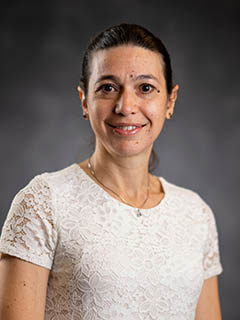
Katherine Fitzgerald is Professor and Vice Chair of Medicine at UMass Chan Medical School, holding the Worcester Foundation Research Chair. She directs research on innate immune signaling pathways. Her laboratory investigates: Innate immune receptors and inflammasomes Nucleic acid sensing mechanisms Interferon and cytokine biology Host-pathogen interactions Recent publications focus on cell death pathways, viral immunity, and immune regulation. Notable honors include: National Academy of Sciences membership Milstein Award for cytokine research Thermo-Fischer Meritorious Career Award She mentors graduate students and postdocs through multiple NIH-funded projects on infectious disease and inflammation. Her work bridges basic immunology and therapeutic development.
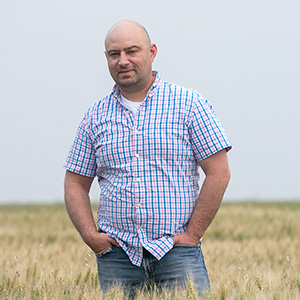
Sean Prager is an Associate Professor in the Department of Plant Sciences at the University of Saskatchewan, within the College of Agriculture and Bioresources. His research focuses on insect ecology, including both fundamental studies of multitrophic interactions and adaptive traits, and applied work on ecologically sustainable pest management strategies, particularly for disease vectors. He holds an adjunct role in the Department of Biology and collaborates widely on interdisciplinary projects. Education: Ph.D. in Entomology from Brock University (Canada) and B.A. in Biology from Clark University (USA). His research group emphasizes understanding insect behavior, plant-pathogen-vector interactions, and the impacts of biotic/abiotic stressors on ecological systems. Current projects include developing economic thresholds for pea aphid management, evaluating climate change impacts on pest distributions, and investigating plant defense signaling pathways in phytoplasma-infected insects. Led by the Prager Lab, his work bridges fundamental ecology with applied solutions, with a focus on crops like lentil, faba bean, and potato. The lab provides limited virus detection services for plant diseases and collaborates on pollinator protection strategies. Recent publications highlight innovations in molecular diagnostics, pest behavior analysis, and sustainable IPM approaches.
Dr. Jessica Light is a Professor and Curator of Mammals in the Department of Wildlife and Fisheries Science at Texas A&M University, part of the College of Agriculture & Life Sciences. She holds a B.S. in Biology and Resource Ecology & Management from the University of Michigan, and a Ph.D. in Zoology from Louisiana State University (2005). Her research focuses on evolutionary biology, mammalogy, parasitology, systematics, phylogenetics, and population genetics, using multidisciplinary methods to study host-parasite relationships and biodiversity conservation. Dr. Light has secured nearly $7 million in National Science Foundation grants, authored 70 peer-reviewed articles, and contributed to two book chapters. She teaches undergraduate courses in natural history and mammalogy, and graduate seminars in evolutionary biology, receiving multiple teaching awards. Professional leadership includes associate editor roles for top-tier journals and active participation in academic societies. Her work emphasizes biodiversity preservation through projects like the digitization of parasite-host associations and natural history collections. She collaborates on initiatives such as the March Mammal Madness educational outreach program. Dr. Light’s research spans topics including bat population genetics, rodent systematics, and the ecology of tick-borne pathogens, with a focus on conservation implications of captive breeding and urban species adaptation.
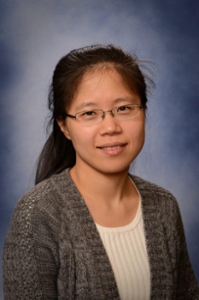
Zhilei Chen, PhD, is an Associate Professor in the Department of Microbial Pathogenesis & Immunology at Texas A&M University's Health Science Center. His research focuses on advancing protein therapeutics through innovative engineering, targeting infectious diseases such as Clostridium difficile and viral infections. The Chen Lab develops novel approaches like engineered DARPin proteins for toxin neutralization, SMURF technology for membrane protein binders, and artificial viral prophylaxis strategies. Research interests include protein engineering, antiviral therapies, and affordable treatments for infectious diseases. Key projects involve creating broadly neutralizing non-antibody proteins for C. difficile infections and developing viral 'sink' cells to block viral spread. The lab integrates genetics, virology, and imaging techniques to engineer therapeutic proteins. Awards: NSF CAREER Award, TEES Select Young Faculty Award, Air Force Young Investigator Award, NIH New Innovator Award. Lab Highlights: Moved to MREB II in 2023, hosted new graduate students (2025), published breakthroughs in SARS-CoV-2 neutralization (2023) and C. difficile toxin inhibitors. Grants: Funded by NSF, NIH, and the Air Force for protein engineering and prophylactic development. Lab activities emphasize interdisciplinary collaboration, with projects spanning from molecular engineering to clinical translation. Ongoing efforts aim to address unmet needs in infectious disease treatment through novel protein-based solutions.
Jason F. Huntley, PhD, is the Senior Associate Dean for Faculty Affairs and Professional Development at the Texas A&M College of Medicine and a Professor in the Department of Microbial Pathogenesis & Immunology. He oversees faculty development programs, promotion/tenure reviews, and retention initiatives. Previously, he spent 14 years at the University of Toledo as a tenured professor and associate dean. Education: B.S., Biology, Iowa State University, 1996 M.S., Veterinary Microbiology, Iowa State University, 1999 PhD, Veterinary Pathology, Iowa State University, 2004 Infectious Disease Fellowship, University of Texas Southwestern Medical Center, 2010 Research Focus: Dr. Huntley investigates host-pathogen interactions in Francisella tularensis (tularemia), tick vector transmission mechanisms, and development of vaccines/therapeutics. He also pioneers environmental biotechnology solutions for cyanotoxin (microcystin-LR) degradation in water systems using natural bacterial strains. Awards: Academic Leadership Development Program Fellow (MAC, 2018-2019) President’s Award for Excellence in Grantsmanship (UT, 2017) Dean’s Award for New Investigator Research (UTCOM, 2016) Administration & Grants: Oversees faculty affairs at Texas A&M College of Medicine, managing policy development, faculty searches, and retention programs. His research has been supported by grants focused on infectious disease and environmental health innovations. Labs/Teams: Active in microbial pathogenesis research within Texas A&M’s Department of Microbial Pathogenesis & Immunology, contributing to both clinical and environmental microbiology initiatives.
Jenny Hyde, PhD, is an Associate Professor in the Department of Microbial Pathogenesis & Immunology at Texas A&M University's School of Medicine. Her research focuses on Borrelia burgdorferi (Lyme disease) pathogenesis, host-pathogen interactions, and tick vector biology. She holds affiliations with the Texas A&M Health Science Center and is based in Bryan, TX. Education: BS (Texas A&M, 2000), PhD (Texas A&M Health Science Center, 2005), Postdoctoral training (2005-2010) Research Interests: Investigates genetic mechanisms enabling B. burgdorferi survival in ticks and mammals, immune responses to the pathogen, and virulence factors. Uses molecular genetics, bioluminescent imaging of infections, and in vivo models to study disease progression and inflammation. Awards: 2023 Junior Faculty Research Excellence Award No advised students or specific publications listed in available data. Contact via jhyde@tamu.edu.
Adam Nock, PhD, is an Assistant Professor in the Department of Microbial Pathogenesis & Immunology at Texas A&M University's School of Medicine. His research focuses on the intracellular bacterium Rickettsia rickettsii, the causative agent of Rocky Mountain spotted fever. Dr. Nock studies how this pathogen navigates transitions between tick vectors and vertebrate hosts, particularly through sensing environmental changes and regulating virulence factors like actin-based motility. Education BA in Biology, Rutgers University (2005) PhD in Microbiology & Immunology, University of Vermont (2011–2018) Postdoctoral Training at Rocky Mountain Laboratories (NIAID, NIH) under Dr. Ted Hackstadt (2018–2024) Research Interests Development of genetic tools for Rickettsia species Mechanisms of actin-based motility regulation via proteins like RoaM Host cell metabolism hijacking by obligate intracellular pathogens Genomic stability and phenotypic variation in Rickettsia strains Publications Focus on molecular mechanisms of Rickettsia pathogenesis, CRISPRi systems in bacteria, and bacterial genome sequencing. Recent work highlights inducible gene expression tools and characterization of Rickettsia surface proteins. Labs & Affiliations Directs the Rickettsial Lab (www.rickettsialab.org), specializing in bacterial genetics and microscopy. Collaborates with NIAID on tickborne disease research.
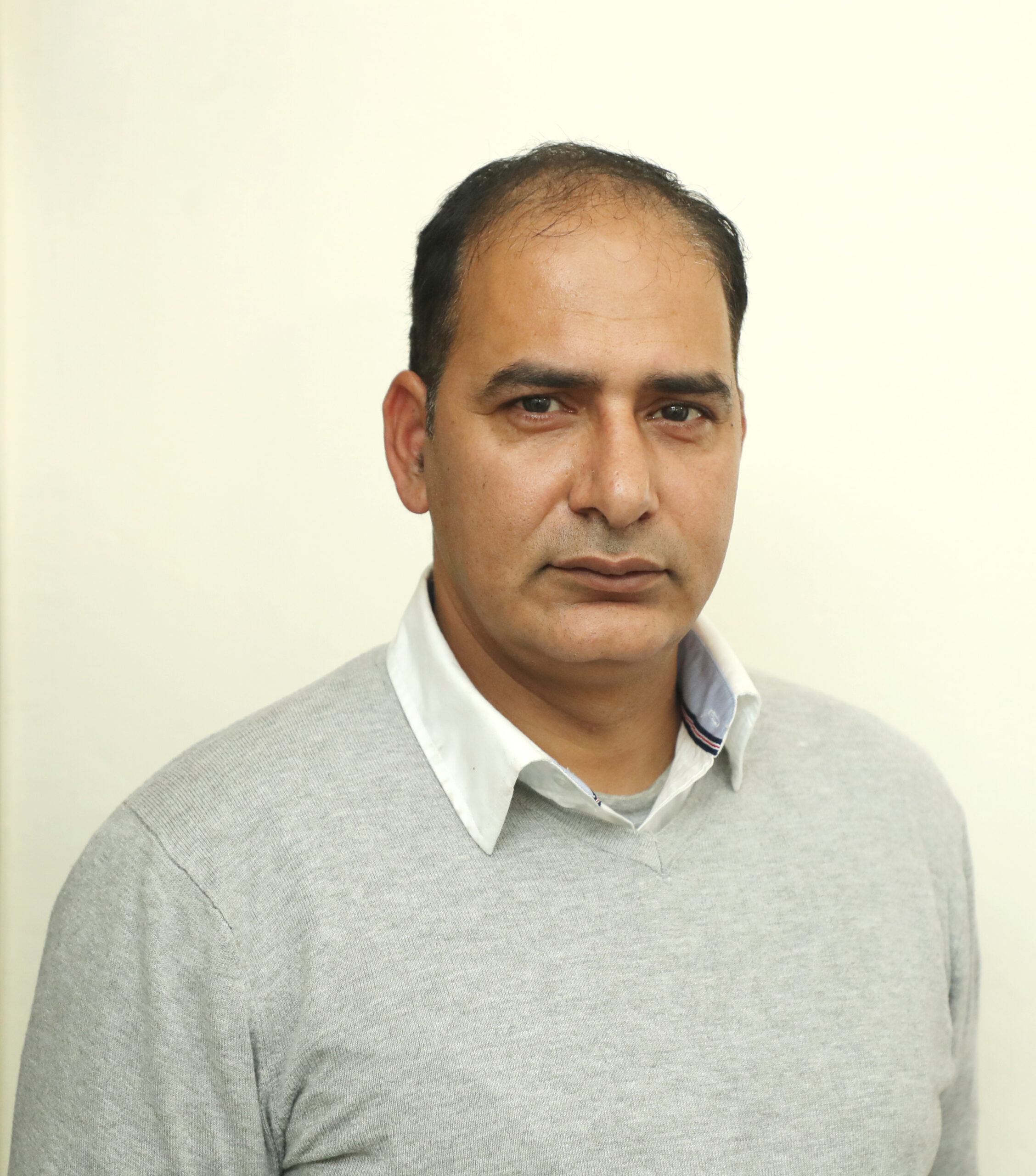
Surender Kumar is a Postdoctoral Research Associate at Texas A&M University's Department of Entomology, affiliated with the College of Agriculture & Life Sciences. He works under Dr. Kiran Gadhave and is based at the Bushland, Amarillo research center. His research focuses on plant virology, vector biology, and molecular interactions between viruses, plants, and insects, with goals of developing sustainable agricultural practices to reduce crop losses. Dr. Kumar holds a Ph.D. and specializes in viral genome characterization, protein-protein interactions, and antiviral defense mechanisms. Research Interests: Understanding molecular mechanisms of virus-plant and virus-insect interactions. Host/vector-virus interactions and functional outcomes for host and pathogen. Protein biochemistry and antiviral defense strategies. Awards/Grants: No awards or grants explicitly listed in the provided text. Advising & Labs: While no students are listed, he collaborates within Dr. Kiran Gadhave's research group at the Texas A&M AgriLife Research Center in Bushland.
Dr. John Jifon is a Professor in the Department of Horticultural Sciences at Texas A&M AgriLife Research and Extension Center. His research examines environmental stress physiology in plants, focusing on mechanisms of tolerance to drought, temperature extremes, and nutrient imbalances affecting photosynthetic efficiency and crop quality. Research integrates measurements across biological scales from leaf biochemistry to stand-level productivity. Key themes include optimizing water/nutrient use efficiency, assimilate partitioning, and developing strategies to enhance productivity under environmental constraints. His investigations encompass: Drought response mechanisms in bioenergy crops Metabolomic profiling of fruit quality traits Soil-plant-microbe interactions Bioenergy crop performance under marginal conditions Virus-host interactions in horticultural crops Recent publications reflect diverse methodological approaches including metabolomics, soil science, plant pathology, and crop physiology. Studies frequently employ multi-location trials to assess genotype × environment interactions in specialty and bioenergy crops. Current projects focus on sustainable bioenergy production systems, drought resilience in sugarcane, and quality optimization in melon breeding programs. Research outputs contribute to improved crop management strategies for water-limited environments.
Cecilia Tamborindeguy is a Professor in the Department of Entomology at Texas A&M University's College of Agriculture & Life Sciences. Her research focuses on molecular mechanisms of plant pathogen transmission by insects, with $4+ million in external funding and over 2,700 citations. She teaches graduate and undergraduate entomology courses, including a specialized course in plant-insect-microbe interactions. Research encompasses vector biology, host-pathogen interactions, and molecular adaptations in agricultural pests. Recent genomic studies explore evolutionary adaptations in beetles, ticks, and hemipteran insects. She chairs editorial boards for Scientific Reports and Insect Molecular Biology. Supervised six doctoral students including two Comstock Award winners Leads Aggie Women in Entomology mentoring program Published extensively on insect genomics and vector-pathogen coevolution
Dr. Esen Sefik is an Assistant Professor in the Department of Immunobiology at Yale University School of Medicine. She holds affiliations with the Center for Infection and Immunity, Immunobiology, and the Janeway Society. Her research focuses on host-microbe interactions, immune system development, and chronic infections, utilizing humanized mouse models to study diseases like fibrosis, cancer, and inflammation. She received her B.S. from Yale College and her PhD in Immunology from Harvard University. Dr. Sefik’s work explores how microbiota influence immune cell regulation, particularly T cell differentiation, and their role in maintaining tissue homeostasis. Her postdoctoral research modeled humanized mice for severe COVID-19 and fibrotic diseases, revealing insights into macrophage-driven lung pathology and immune cell contributions. Her lab investigates therapeutic advancements through engineered mouse models and collaborative studies with experts like Richard Flavell and Akiko Iwasaki. Key research themes include regulatory T cell dynamics, tumor immunity (via IL-7R licensed CD8+ T cells), and the interplay between microbial ecosystems and immune responses. Her publications span immunology, virology, and bioinformatics, emphasizing translational applications in human health.
Dr. Ishi M. Keenum is an Assistant Professor in the Department of Civil, Environmental, and Geospatial Engineering at Michigan Technological University (MTU), joining in Fall 2023. Her research focuses on environmental microbiology, particularly antibiotic resistance dissemination in engineered systems, wastewater surveillance, and microbial ecology. She leads the Keenum Research Group, emphasizing data standardization for microbiome research and bioinformatic tool development. Education : PhD, Civil Engineering, Virginia Tech University MS, Environmental Engineering, Virginia Tech University BS, Environmental Engineering, University of Michigan Research Interests : Dr. Keenum’s work addresses antibiotic resistance in agricultural and wastewater systems, pathogen detection, and establishing standards for microbiome data. Her lab develops methods for comparable metagenomic analysis and promotes open-access tools like the ARGem pipeline. Key areas include wastewater-based public health surveillance and disaster-impacted water systems. Publications Overview : Her recent work includes studies on wastewater surveillance standards, antibiotic resistance in full-scale water reuse systems, and the impacts of composting on cattle manure. She has contributed to high-impact journals such as Environmental Science & Technology , Microbiome , and Environmental Microbiology . Labs & Teams : The Keenum Group at MTU combines computational, lab, and field methods to tackle environmental challenges. They prioritize reproducibility and maintain a GitHub repository for open-access tools. The lab also collaborates on international standards through initiatives like the National Microbiome Data Collaborative. Grants & Mentorship : Dr. Keenum emphasizes funding applications and student mentorship. Her group’s policies include weekly lab meetings, rigorous data documentation, and a focus on creating a diverse, inclusive environment. Undergraduates and graduate students are encouraged to pursue NSF fellowships and present at conferences.
Priscilla Johanesen is a Professor of Microbiology at Monash University and currently serves as Associate Dean, Research Training. She holds leadership roles including Deputy Head (Teaching and Learning) in the Department of Microbiology and previously directed graduate programs at the Monash Biomedicine Discovery Institute. Her expertise spans microbiology, antibiotic resistance, and education innovation. Holds Graduate Certificates in Education (RMIT) and Higher Education (Monash), alongside a PhD in Microbiology from Monash. Leadership roles: Chair of Australian Society for Microbiology's Professional Development Committee, Education Special Interest Group leader, and mentoring program coordinator. Research focuses on mobile genetic elements in Clostridium species, antibiotic resistance mechanisms, and graduate education reform. She pioneered initiatives like the biomedical laboratory class efficacy study (2018 Monash project). Recipient of 10+ awards including the ASM Teaching Excellence Award (2014), Monash BDI Above and Beyond Award (2021), and multiple team citations for educational innovation. Her work aligns with UN Sustainable Development Goal 4 (Quality Education).
Dr. Jane Hawkey is a Research Fellow in Infectious Diseases at Monash University, specializing in bacterial genomics and antimicrobial resistance. Her work focuses on genomic evolution of hospital pathogens and mobile genetic elements. She holds a PhD from the University of Melbourne (2017) and a BSc (Honours) in Microbiology from the same institution (2012). Her research interests include bacterial genomics, mobile genetic elements, and the development of genomic methods for tracking pathogens. She has led projects such as the RESERVOIR initiative for antimicrobial resistance surveillance and was awarded the Endeavour Fellowship (2019) and VESKI Victoria Fellowship (2017). Education: PhD in Microbial Genomics, University of Melbourne (2017) Bachelor of Science (Honours) in Microbiology, University of Melbourne (2012) Research Focus: Her work addresses the genomic dynamics of antimicrobial resistance dissemination, particularly through mobile elements like insertion sequences and plasmids. She has developed tools like ISMapper for detecting insertion sequences in bacterial genomes and contributed to global surveillance of pathogens like Shigella sonnei and Klebsiella pneumoniae. Key Projects: Primary Investigator for 'Advancing diagnosis and prevention of antimicrobial-resistant infections with genomics' (2025–2029) Co-Investigator for 'RESERVOIR: Hospital wastewater surveillance for antimicrobial resistance' (2024–2027) Awards: Endeavour Fellowship (2019) VESKI Victoria Fellowship (2017) Advising & Grants: While no students are explicitly listed, her projects involve collaborative teams with global partners. Her work has been supported by competitive fellowships and grants focusing on genomic surveillance and clinical applications. Labs & Teams: Affiliated with the Holt Group at Monash University's Department of Infectious Diseases, contributing to multidisciplinary research on pathogen evolution and clinical microbiology.
Christopher Dietrich serves as Principal Systematic Entomologist and Section Leader at the Illinois Natural History Survey, with affiliate appointments in the Entomology Department and the Center for Latin American and Caribbean Studies at the University of Illinois. His work bridges systematic entomology, evolutionary biology, and conservation science with a specialized focus on Hemiptera insects. Education PhD in Entomology from North Carolina State University (1990) BS in Biological Sciences from University of Pittsburgh (1984) Dietrich's research centers on insect systematics with particular emphasis on leafhoppers and related Hemiptera. His work spans evolutionary biology, biodiversity assessment, and conservation of these insects. His laboratory conducts phylogenomic analyses of Membracoidea lineages while developing online identification tools for genus and species-level classification. A significant portion of his research investigates the complex relationships between leafhoppers and plant pathogens, particularly phytoplasmas, and their implications for both natural ecosystems and agricultural systems. Analysis of his recent publications reveals a strong trend toward integrating genomic approaches with traditional morphological systematics. His work increasingly focuses on tripartite relationships between insects, pathogens, and host plants, using next-generation sequencing to unravel complex evolutionary histories. There's a notable emphasis on practical applications of systematic research for understanding disease transmission and developing conservation strategies for grassland insect communities. Professional Service Subject Editor for ZooKeys Membracoidea Editor for Zootaxa Hemiptera Editor for European Journal of Taxonomy Member of Standing Committee, International Auchenorrhyncha Society Dietrich teaches Systematics Discussion Seminar (IB 514) and serves as curator of the Insect Collection. His professional affiliations include the Society of Systematic Biologists, Entomological Society of America, and Entomological Collections Network. His research program has produced nearly 300 scholarly outputs and 23 datasets, demonstrating sustained productivity in insect systematics and related fields. His laboratory maintains active collaborations across multiple institutions, with particular strength in phylogenomic analyses of leafhopper lineages and their associated pathogens. The research group combines morphological expertise with cutting-edge genomic techniques to address fundamental questions in insect evolution and systematics.