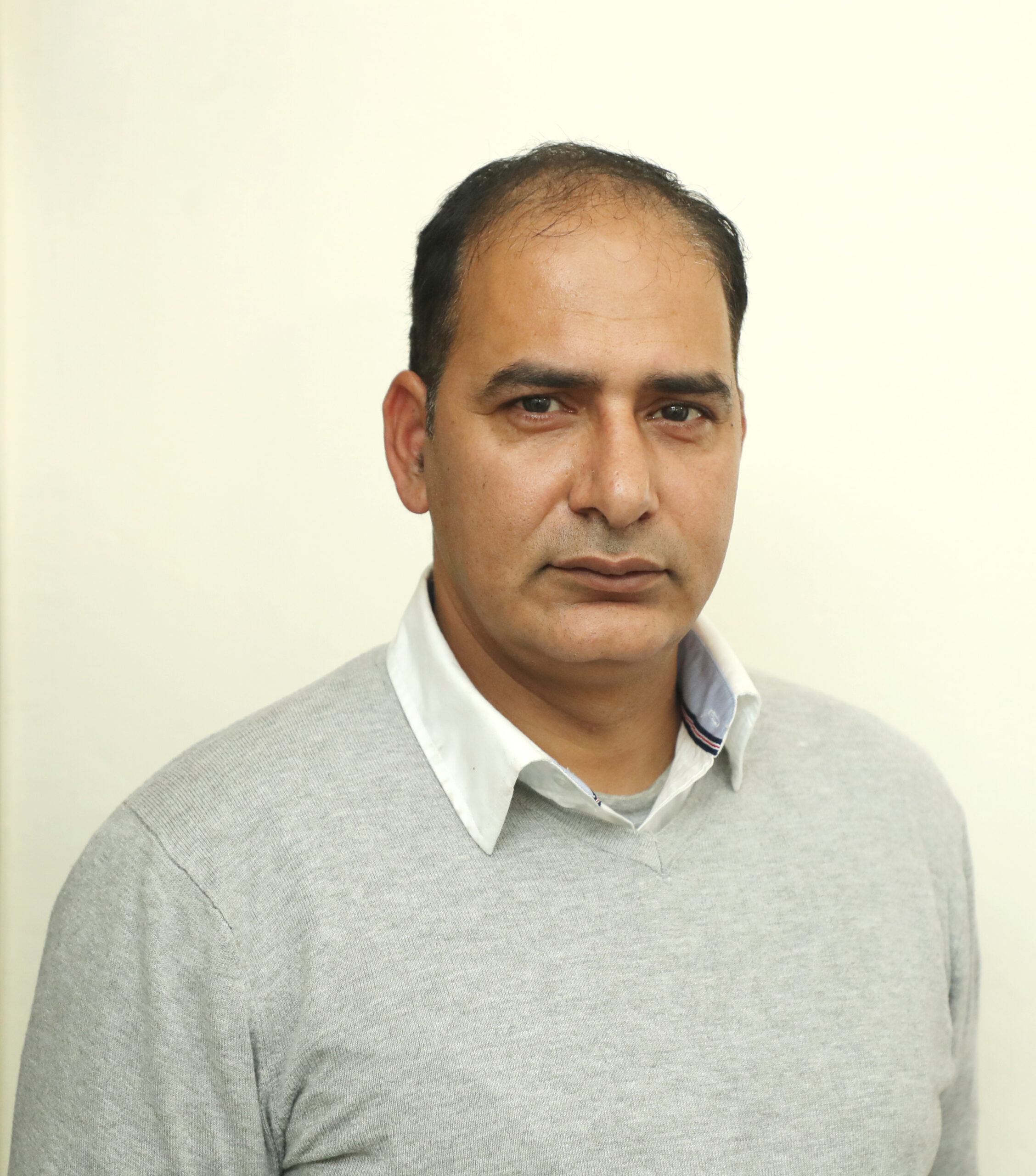
Surender Kumar is a Postdoctoral Research Associate at Texas A&M University's Department of Entomology, affiliated with the College of Agriculture & Life Sciences. He works under Dr. Kiran Gadhave and is based at the Bushland, Amarillo research center. His research focuses on plant virology, vector biology, and molecular interactions between viruses, plants, and insects, with goals of developing sustainable agricultural practices to reduce crop losses. Dr. Kumar holds a Ph.D. and specializes in viral genome characterization, protein-protein interactions, and antiviral defense mechanisms. Research Interests: Understanding molecular mechanisms of virus-plant and virus-insect interactions. Host/vector-virus interactions and functional outcomes for host and pathogen. Protein biochemistry and antiviral defense strategies. Awards/Grants: No awards or grants explicitly listed in the provided text. Advising & Labs: While no students are listed, he collaborates within Dr. Kiran Gadhave's research group at the Texas A&M AgriLife Research Center in Bushland.
Dr. John Jifon is a Professor in the Department of Horticultural Sciences at Texas A&M AgriLife Research and Extension Center. His research examines environmental stress physiology in plants, focusing on mechanisms of tolerance to drought, temperature extremes, and nutrient imbalances affecting photosynthetic efficiency and crop quality. Research integrates measurements across biological scales from leaf biochemistry to stand-level productivity. Key themes include optimizing water/nutrient use efficiency, assimilate partitioning, and developing strategies to enhance productivity under environmental constraints. His investigations encompass: Drought response mechanisms in bioenergy crops Metabolomic profiling of fruit quality traits Soil-plant-microbe interactions Bioenergy crop performance under marginal conditions Virus-host interactions in horticultural crops Recent publications reflect diverse methodological approaches including metabolomics, soil science, plant pathology, and crop physiology. Studies frequently employ multi-location trials to assess genotype × environment interactions in specialty and bioenergy crops. Current projects focus on sustainable bioenergy production systems, drought resilience in sugarcane, and quality optimization in melon breeding programs. Research outputs contribute to improved crop management strategies for water-limited environments.
Cecilia Tamborindeguy is a Professor in the Department of Entomology at Texas A&M University's College of Agriculture & Life Sciences. Her research focuses on molecular mechanisms of plant pathogen transmission by insects, with $4+ million in external funding and over 2,700 citations. She teaches graduate and undergraduate entomology courses, including a specialized course in plant-insect-microbe interactions. Research encompasses vector biology, host-pathogen interactions, and molecular adaptations in agricultural pests. Recent genomic studies explore evolutionary adaptations in beetles, ticks, and hemipteran insects. She chairs editorial boards for Scientific Reports and Insect Molecular Biology. Supervised six doctoral students including two Comstock Award winners Leads Aggie Women in Entomology mentoring program Published extensively on insect genomics and vector-pathogen coevolution
Dr. Esen Sefik is an Assistant Professor in the Department of Immunobiology at Yale University School of Medicine. She holds affiliations with the Center for Infection and Immunity, Immunobiology, and the Janeway Society. Her research focuses on host-microbe interactions, immune system development, and chronic infections, utilizing humanized mouse models to study diseases like fibrosis, cancer, and inflammation. She received her B.S. from Yale College and her PhD in Immunology from Harvard University. Dr. Sefik’s work explores how microbiota influence immune cell regulation, particularly T cell differentiation, and their role in maintaining tissue homeostasis. Her postdoctoral research modeled humanized mice for severe COVID-19 and fibrotic diseases, revealing insights into macrophage-driven lung pathology and immune cell contributions. Her lab investigates therapeutic advancements through engineered mouse models and collaborative studies with experts like Richard Flavell and Akiko Iwasaki. Key research themes include regulatory T cell dynamics, tumor immunity (via IL-7R licensed CD8+ T cells), and the interplay between microbial ecosystems and immune responses. Her publications span immunology, virology, and bioinformatics, emphasizing translational applications in human health.
Dr. Ishi M. Keenum is an Assistant Professor in the Department of Civil, Environmental, and Geospatial Engineering at Michigan Technological University (MTU), joining in Fall 2023. Her research focuses on environmental microbiology, particularly antibiotic resistance dissemination in engineered systems, wastewater surveillance, and microbial ecology. She leads the Keenum Research Group, emphasizing data standardization for microbiome research and bioinformatic tool development. Education : PhD, Civil Engineering, Virginia Tech University MS, Environmental Engineering, Virginia Tech University BS, Environmental Engineering, University of Michigan Research Interests : Dr. Keenum’s work addresses antibiotic resistance in agricultural and wastewater systems, pathogen detection, and establishing standards for microbiome data. Her lab develops methods for comparable metagenomic analysis and promotes open-access tools like the ARGem pipeline. Key areas include wastewater-based public health surveillance and disaster-impacted water systems. Publications Overview : Her recent work includes studies on wastewater surveillance standards, antibiotic resistance in full-scale water reuse systems, and the impacts of composting on cattle manure. She has contributed to high-impact journals such as Environmental Science & Technology , Microbiome , and Environmental Microbiology . Labs & Teams : The Keenum Group at MTU combines computational, lab, and field methods to tackle environmental challenges. They prioritize reproducibility and maintain a GitHub repository for open-access tools. The lab also collaborates on international standards through initiatives like the National Microbiome Data Collaborative. Grants & Mentorship : Dr. Keenum emphasizes funding applications and student mentorship. Her group’s policies include weekly lab meetings, rigorous data documentation, and a focus on creating a diverse, inclusive environment. Undergraduates and graduate students are encouraged to pursue NSF fellowships and present at conferences.
Priscilla Johanesen is a Professor of Microbiology at Monash University and currently serves as Associate Dean, Research Training. She holds leadership roles including Deputy Head (Teaching and Learning) in the Department of Microbiology and previously directed graduate programs at the Monash Biomedicine Discovery Institute. Her expertise spans microbiology, antibiotic resistance, and education innovation. Holds Graduate Certificates in Education (RMIT) and Higher Education (Monash), alongside a PhD in Microbiology from Monash. Leadership roles: Chair of Australian Society for Microbiology's Professional Development Committee, Education Special Interest Group leader, and mentoring program coordinator. Research focuses on mobile genetic elements in Clostridium species, antibiotic resistance mechanisms, and graduate education reform. She pioneered initiatives like the biomedical laboratory class efficacy study (2018 Monash project). Recipient of 10+ awards including the ASM Teaching Excellence Award (2014), Monash BDI Above and Beyond Award (2021), and multiple team citations for educational innovation. Her work aligns with UN Sustainable Development Goal 4 (Quality Education).
Dr. Jane Hawkey is a Research Fellow in Infectious Diseases at Monash University, specializing in bacterial genomics and antimicrobial resistance. Her work focuses on genomic evolution of hospital pathogens and mobile genetic elements. She holds a PhD from the University of Melbourne (2017) and a BSc (Honours) in Microbiology from the same institution (2012). Her research interests include bacterial genomics, mobile genetic elements, and the development of genomic methods for tracking pathogens. She has led projects such as the RESERVOIR initiative for antimicrobial resistance surveillance and was awarded the Endeavour Fellowship (2019) and VESKI Victoria Fellowship (2017). Education: PhD in Microbial Genomics, University of Melbourne (2017) Bachelor of Science (Honours) in Microbiology, University of Melbourne (2012) Research Focus: Her work addresses the genomic dynamics of antimicrobial resistance dissemination, particularly through mobile elements like insertion sequences and plasmids. She has developed tools like ISMapper for detecting insertion sequences in bacterial genomes and contributed to global surveillance of pathogens like Shigella sonnei and Klebsiella pneumoniae. Key Projects: Primary Investigator for 'Advancing diagnosis and prevention of antimicrobial-resistant infections with genomics' (2025–2029) Co-Investigator for 'RESERVOIR: Hospital wastewater surveillance for antimicrobial resistance' (2024–2027) Awards: Endeavour Fellowship (2019) VESKI Victoria Fellowship (2017) Advising & Grants: While no students are explicitly listed, her projects involve collaborative teams with global partners. Her work has been supported by competitive fellowships and grants focusing on genomic surveillance and clinical applications. Labs & Teams: Affiliated with the Holt Group at Monash University's Department of Infectious Diseases, contributing to multidisciplinary research on pathogen evolution and clinical microbiology.
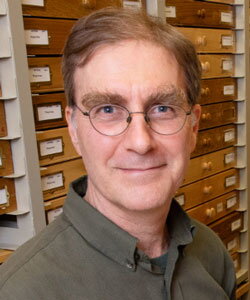
Christopher Dietrich serves as Principal Systematic Entomologist and Section Leader at the Illinois Natural History Survey, with affiliate appointments in the Entomology Department and the Center for Latin American and Caribbean Studies at the University of Illinois. His work bridges systematic entomology, evolutionary biology, and conservation science with a specialized focus on Hemiptera insects. Education PhD in Entomology from North Carolina State University (1990) BS in Biological Sciences from University of Pittsburgh (1984) Dietrich's research centers on insect systematics with particular emphasis on leafhoppers and related Hemiptera. His work spans evolutionary biology, biodiversity assessment, and conservation of these insects. His laboratory conducts phylogenomic analyses of Membracoidea lineages while developing online identification tools for genus and species-level classification. A significant portion of his research investigates the complex relationships between leafhoppers and plant pathogens, particularly phytoplasmas, and their implications for both natural ecosystems and agricultural systems. Analysis of his recent publications reveals a strong trend toward integrating genomic approaches with traditional morphological systematics. His work increasingly focuses on tripartite relationships between insects, pathogens, and host plants, using next-generation sequencing to unravel complex evolutionary histories. There's a notable emphasis on practical applications of systematic research for understanding disease transmission and developing conservation strategies for grassland insect communities. Professional Service Subject Editor for ZooKeys Membracoidea Editor for Zootaxa Hemiptera Editor for European Journal of Taxonomy Member of Standing Committee, International Auchenorrhyncha Society Dietrich teaches Systematics Discussion Seminar (IB 514) and serves as curator of the Insect Collection. His professional affiliations include the Society of Systematic Biologists, Entomological Society of America, and Entomological Collections Network. His research program has produced nearly 300 scholarly outputs and 23 datasets, demonstrating sustained productivity in insect systematics and related fields. His laboratory maintains active collaborations across multiple institutions, with particular strength in phylogenomic analyses of leafhopper lineages and their associated pathogens. The research group combines morphological expertise with cutting-edge genomic techniques to address fundamental questions in insect evolution and systematics.
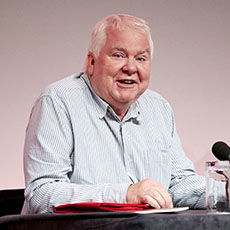
Professor Steve Busby FRS is a leading academic at the University of Birmingham's School of Biosciences, holding the title of Professor of Biochemistry. His research focuses on molecular mechanisms controlling bacterial gene expression, particularly transcription initiation in Escherichia coli , with emphasis on virulence factors in pathogenic strains. He has administrative experience as Head of the School of Biosciences (2012-2016) and served on the BBSRC Committee E. His educational background includes a BA from the University of Cambridge (1972) and a DPhil from the University of Oxford (1975). Professor Busby teaches across undergraduate programs, specializing in bacterial genetics and gene regulation. He coordinates the School's Taught Masters and MRes Programmes. His research interests span bacterial gene regulation, pathogen virulence, and stress response mechanisms. Key honors include Fellowship of the Royal Society (FRS). Recent activities include invited lectures at institutions worldwide and keynote roles at international conferences such as the FASEB meetings and the Microbiology Society Annual Meeting. His work bridges fundamental biology with applied biotechnology, particularly in protein production systems and antimicrobial resistance studies. Awards: Fellow of the Royal Society (FRS) Grants and advising: Professor Busby has contributed to numerous collaborative projects, though specific grant details are not listed here. His lab's innovations include novel recombinant protein expression systems and insights into transcriptional regulation mechanisms.
Dr. Scott E. Lindner is an Associate Professor in the Department of Biochemistry and Molecular Biology at Pennsylvania State University. His research focuses on molecular parasitology and structural biology, particularly studying the malaria parasite Plasmodium to uncover vulnerabilities in its lifecycle. He holds a BS in Molecular Biology from Florida Institute of Technology (2001), a PhD in Cancer Biology from the University of Wisconsin-Madison (2006), and an MBA in Corporate Innovation and Entrepreneurship from Penn State (2024). Lindner leads the Lindner Laboratory, which investigates translational control during malaria transmission and parasite cell division. He co-directs the Huck Center for Malaria Research, chairs sessions at major conferences, and serves on advisory boards for the Schreyer Honors College and the Biotechnology Curriculum Committee. His research interests span cell biology, microbiology, structural biology, and infectious diseases, with a focus on RNA biology, gene regulation, and proteomics. Lindner’s lab employs cutting-edge techniques like proteomics and ultrastructure-expansion microscopy to study parasite development and transmission. His work has led to breakthroughs in understanding translational repression mechanisms and specialized ribosomes in Plasmodium . Key awards include the FASTMH fellowship, the Huck Leadership Fellowship, and multiple teaching accolades. Lindner’s contributions extend to vaccine development, as seen in his work on SARS-CoV-2 nanoparticle vaccines. He has trained numerous graduate and undergraduate students, fostering a collaborative environment with affiliations to the Center for Infectious Disease Dynamics and the Center for RNA Molecular Biology.
Kristiāns Meidrops is an Assistant Professor in the Department of Surgery at Rīga Stradiņš University, Faculty of Medicine. His academic and clinical work centers on cardiac surgery, with a specialized focus on infective endocarditis, particularly its microbiological causes, immune response mechanisms, and patient outcomes. His research interests include the role of neutrophilic leukocytes and neutrophil extracellular traps (NETs) in endocarditis, Bartonella-associated infections, blood culture analysis, and molecular biology findings in cardiac surgery patients. These areas are reflected in his publications and doctoral thesis, which integrates clinical, cellular, and molecular data. The trend in his recent publications (2022–2024) shows a strong focus on clinical cardiology and infectious disease, particularly in the context of surgical intervention. His work combines observational clinical studies, molecular pathology, and immunological investigation, often utilizing data from Latvian patient cohorts. Key themes include mortality risk assessment, microorganism-specific treatment outcomes, and inflammatory responses in endocarditis. He has been involved in EU-funded projects supporting doctoral education and has presented findings at academic conferences. His work contributes to UN Sustainable Development Goal 3 (Good Health and Well-being), particularly in advancing clinical medicine and patient care in cardiovascular infections. Scientific Activities and Recognition: Active contributor to peer-reviewed journals including Cells , International Journal of Cardiology , and Proceedings of the Latvian Academy of Sciences . Presented oral talks at academic events in 2023 on preoperative risk assessment and causative microorganisms in endocarditis. Featured in press coverage for research on mortality risk factors in endocarditis patients. Participated in a European Social Fund–supported project for doctoral student integration into research. Advising and Grants: While no formal students are listed, Meidrops was himself a doctoral student in an ESF-funded project, suggesting engagement with academic training. His involvement in EU Structural Funds projects indicates access to research grants focused on academic development and clinical studies. Laboratories and Research Teams: He collaborates closely with researchers at Rīga Stradiņš University, including V. Groma, P. Stradiņš, and N. R. Goldiņš, particularly in studies involving heart valve pathology and immune response. His network extends to Central and Southeastern Europe, especially in studies on congenital heart disease and endocarditis management.
Prof. Dr. Jelena Ajtić holds the position of a Full Professor at the Department of General Education Subjects within the Faculty of Veterinary Medicine, University of Belgrade. Her work bridges veterinary science, environmental science, and biophysics, focusing on radiation monitoring, climate interactions, and vector-borne diseases in animals. Research Interests: Environmental Radioactivity and Its Impact on Ecosystems Biochemical and Biophysical Processes in Veterinary Medicine Climate Variability and Atmospheric Chemistry Public Health Implications of Environmental Exposure Her research spans over three decades, with notable contributions to understanding beryllium-7 atmospheric transport, the role of meteorology in disease spread, and radiation monitoring in Serbia’s mountainous regions. She has co-authored over 50 peer-reviewed papers, including influential studies on Babesia canis infections in dogs and radioecological assessments in agricultural systems. Grants & Collaborations: Her work involves international collaborations on atmospheric modeling and environmental health, supported by Serbian and European research networks.
Jason R. Rohr is an Assistant Professor in the Department of Integrative Biology at the University of South Florida. His research focuses on ecotoxicology, conservation biology, and disease ecology, particularly investigating how anthropogenic stressors like pollution and climate change impact wildlife populations and disease dynamics. He uses interdisciplinary approaches combining lab experiments, field studies, and mathematical modeling to address environmental challenges. Key research interests include amphibian conservation, the ecological effects of agrochemicals, and the interplay between environmental changes and infectious diseases such as schistosomiasis. His work emphasizes understanding complex interactions between biotic and abiotic factors to develop sustainable solutions for human and wildlife coexistence. Rohr leads the Rohr Ecology Lab, which integrates laboratory and field studies to explore ecological and epidemiological processes. His research has been published in high-impact journals like Nature Communications and Philosophical Transactions of the Royal Society B, focusing on topics ranging from amphibian habitat management to the effects of nutrient enrichment on disease transmission.
Geraldine O'Connor is a Principal Lecturer in the School of Medicine and Dentistry at the University of Central Lancashire (UCLan). She leads academic activities for Year 1 of the MBBS (Medicine) program and serves as course leader for the BSc Medical Science degree. Her research focuses on molecular and cellular mechanisms within the immune system, particularly immunology and haematology. O'Connor is a key academic contributor to integrated science and clinical medicine curricula, emphasizing translational research between basic science and clinical practice. Roles: Principal Lecturer, Academic Lead for MBBS Year 1, Course Leader for BSc Medical Science Key Responsibilities: Curriculum design, student mentorship, research supervision Her research explores immune system dynamics, including NK cell receptor interactions, HLA molecule recognition, and immune checkpoint pathways. This work has implications for cancer immunotherapy, infectious disease responses, and hematopoietic stem cell transplantation. O'Connor collaborates globally on studies involving HIV-1 immune evasion mechanisms and dengue virus interactions with immune receptors. Publications span over a decade, with recent emphasis on bioinformatic analyses of PD-1/PD-L1 pathways in cancer and structural studies of KIR-HLA interactions. Her work bridges basic immunology with clinical applications, contributing to both academic knowledge and patient care innovations.
Kim Kenobi is a Statistics Lecturer at Aberystwyth University since October 2014. She holds a PhD in Statistical Shape Analysis (2007) from the University of Nottingham, followed by 6.5 years as a postdoc in multidisciplinary plant biology. She teaches courses like Statistical Concepts, Methods and Tools, and Skills in Bioinformatics for Biologists. Research interests include Statistical Shape Analysis (applied to protein surfaces, vertebrae, dolphins, plant roots, and Cichlid fish in African lakes) and species distribution modeling, notably leading a study on Curlew ecology in the ECHOES project. She currently co-supervises PhD projects on dolphin datasets and bacterial genetics. Key collaborations include work with Emily Coles and Dom Rowley in the Department of Mathematics. Recent research focuses on ecological impacts of climate change, prokaryotic gene prediction tools, and root architecture in plants.