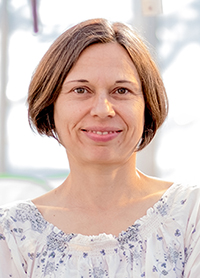
Zsofia Szendrei is a Professor in the Department of Entomology at Michigan State University (MSU), affiliated with the College of Agriculture & Natural Resources. Her work spans teaching (10%), research (40%), and extension (50%), focusing on vegetable production entomology. She leads the Szendrei Lab, which explores chemical ecology, biological control, and sustainable pest management. Her research emphasizes reducing reliance on synthetic pesticides through integrated approaches like habitat manipulation and molecular detection of trophic interactions. She collaborates closely with growers and extension educators to implement practical solutions for vegetable pest challenges. Education: M.Sc. in Horticulture (Hungary, 2001), Ph.D. in Entomology (MSU, 2005). Professional roles include Co-Editor-in-Chief of American Entomologist (2021–present) and leadership in MSU's Extension programs. She prioritizes student mentorship, fostering creativity and hands-on research in a collaborative lab environment. Key research themes include agroecology, pest-behavioral interactions, and pollinator conservation. Her extension efforts target reducing insecticide use while maintaining crop profitability. Recent work investigates heatwave impacts on crop-pest dynamics and pollinator protection. She has authored/co-authored over 50 peer-reviewed articles, with a focus on topics like cover crops, pathogen management, and invasive species. Her lab’s findings inform both academic discourse and real-world agricultural practices.
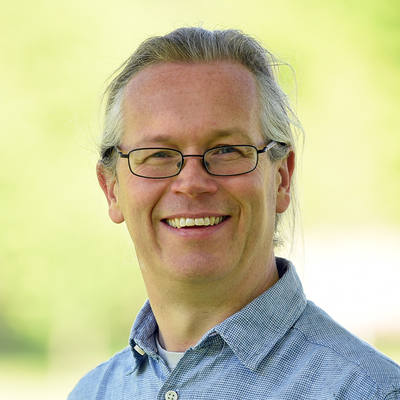
Professor Dieter Hochuli leads the Integrative Ecology research group in the School of Life and Environmental Sciences at the University of Sydney. His research focuses on biodiversity conservation in urban environments, with particular emphasis on arthropod ecology, habitat management, and the ecological dynamics of human-dominated landscapes. His work bridges community ecology and landscape-scale conservation strategies. Research interests center on urban biodiversity conservation, insect-plant interactions, ecosystem function in modified environments, and the ecological impacts of invasive species. Current projects examine how urban planning decisions affect biodiversity, the role of green infrastructure in supporting ecosystem services, and human-wildlife interactions in urban fringes. Analysis of recent publications reveals consistent themes: urban pollinator ecology, wildlife disease ecology at the urban interface, experimental approaches to urban green space management, and biodiversity responses to urbanization. His work integrates ecological theory with practical conservation applications. Professor Hochuli leads field-based ecology projects across Sydney's urban environments and collaborates with local councils on biodiversity mapping initiatives. He currently supervises graduate students researching urban arthropod communities, wildlife conservation, and ecosystem restoration.
Philippe Christe is an Associate Professor in the Department of Ecology and Evolution at the University of Lausanne (UNIL), Faculty of Biology and Medicine. His research centers on host-parasite interactions, with a focus on bats, birds, and their ectoparasites, integrating behavioral, physiological, and genetic approaches. He leads the Christe Group, which investigates evolutionary and ecological dynamics in host-parasite systems, particularly avian malaria and bat-mite relationships. He is actively involved in conservation initiatives, including the Jorat Peri-Urban Nature Park, and collaborates with KORA on human-wildlife interactions. Bachelor's degree in biology, UNIL (1989) PhD in Zoology and Animal Ecology, UNIL (1994) Philippe Christe’s research interests lie at the intersection of parasitology, evolutionary ecology, and conservation biology. He investigates how host defenses evolve in response to parasitic pressures, examining trade-offs between immunity and life history traits such as reproduction and survival. His work often integrates field studies with experimental and molecular techniques. Key model systems include Parus major (great tit) and Culex pipiens in avian malaria, and bat species with their ectoparasitic mites. He also explores broader ecological interactions, including predator-prey dynamics and wildlife conservation in human-modified landscapes. His recent publications reflect a strong emphasis on disease ecology, wildlife conservation, and molecular methods. Articles span topics such as avian malaria transmission, lynx population dynamics, snow leopard behavior, and habitat fragmentation effects on insects. These works employ advanced techniques like DNA metabarcoding, spatial modeling, and long-term monitoring, demonstrating a trend toward interdisciplinary, data-driven ecological research with direct conservation applications. Dubois Foundation Prize for an educational CD-Rom on bats (2004) Communication Award from the Faculty of Biology and Medicine of UNIL (2017) Philippe Christe has supervised numerous PhD and Master’s students, contributing significantly to training the next generation of ecologists and evolutionary biologists. His group collaborates widely with institutions such as the Museum of Zoology in Lausanne and KORA, and participates in large-scale conservation projects involving snow leopards, lynx, and bats. He has been involved in research grants related to host-parasite coevolution, wildlife monitoring, and conservation strategies. His leadership in establishing the Jorat Peri-Urban Nature Park and involvement in the UNIL Interdisciplinary Center for Mountain Research highlight his commitment to applied science and environmental stewardship. He leads the Christe Group, which conducts research on host-parasite coevolution, with a focus on bats and their ectoparasites, and birds affected by avian malaria. The group combines fieldwork, laboratory experiments, and molecular analyses, and includes post-docs, PhD students, and technical staff. Collaborations extend to researchers in Bern, Paris, and Spain, fostering an international and interdisciplinary research environment.
Rachel Sippy is a Research Fellow at the University of Cambridge , specializing in epidemiology and infectious disease dynamics within the Department of Psychiatry . Her work bridges public health, climate science, and computational methods.
Adam Caparco is the DiPietro Assistant Professor of Chemical Engineering at Northeastern University, with a 25% joint appointment in the Department of Chemistry and Chemical Biology. He leads the Caparco Research Group, focusing on agricultural and environmental biotechnology, enzyme immobilization, and protein assemblies. His work integrates plant virology, nanotechnology, and molecular engineering to address sustainability challenges in agriculture and environmental remediation. He is a member of the Institute for Plant-Human Interface and holds affiliations with Northeastern’s College of Engineering and School of Arts and Sciences. Education: B.S. in Chemical and Biomolecular Engineering from UCLA (2015), Ph.D. from Georgia Tech (2020) under Julie Champion and Andreas Bommarius, followed by a USDA NIFA Postdoctoral Fellowship at UC San Diego under Nicole Steinmetz. His research spans plant immunoengineering, biomanufacturing in plants, and protein-based nanomaterials for bioremediation. Research Interests Plant excretion pathways for pathogen defense and environmental remediation Design of immobilized enzymes for green chemical synthesis Plant virus nanoparticles for nucleic acid delivery and immunity modulation Multifunctional protein engineering for sustainable agriculture Recent articles highlight advancements in plant virus-based delivery systems, enzyme immobilization strategies, and nano-enabled precision agriculture. Awards include the USDA NIFA Postdoctoral Fellowship. Caparco advises graduate and undergraduate researchers, including Julia Hilgemberg Merlin (PhD ChE), Olha Bereziuk (PhD CCB), and Paul Carter (PhD ChE). He collaborates widely and seeks to expand interdisciplinary research in plant biotechnology. Labs/Teams: Caparco Research Group (EXP 420 lab, EXP 530B office) and the Institute for Plant-Human Interface.
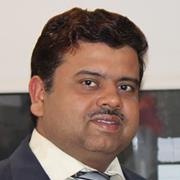
Professor Ravi Shukla is a faculty member at RMIT University's School of Science, holding the title of Professor and Deputy Head of Department (Research). He specializes in Nanobiotechnology, with research spanning biomaterials, drug delivery systems, and medical diagnostics. His work integrates biosciences, materials science, and food technology to advance understanding of nanomaterial-biomolecular interactions. Academic History: Professor Shukla has held roles at RMIT since 2011, progressing from Research Fellow to his current professorship. He also serves as an Adjunct Professor at the University of Missouri and Theme Leader for Nanobiotechnology at RMIT’s Center for Advanced Materials and Industrial Chemistry. His teaching focuses on fostering student belonging and innovation in biotechnology education, including coordinating RMIT’s undergraduate Biotechnology program. Research Interests: His lab explores hybrid biomaterial synthesis, nano-enabled proteomics, and non-viral gene therapy using MOFs. Recent work emphasizes applications in diabetes biosensing, CRISPR/Cas9 delivery, and antimicrobial resistance mitigation through nanostrategies. Over 130+ publications and substantial research funding highlight his interdisciplinary impact. Professional Engagement: Editor roles in Frontiers in Bioengineering and Biotechnology , Co-Editor-in-Chief of Current Research in Nutrition and Food Science , and advisor to the Australasian Association of Ayurveda underscore his leadership. He actively mentors students in projects like nano-antimicrobial wound healing and aptamer-based hepatitis A detection. Key Achievements: Pioneered nucleic acid-encapsulated MOFs for cancer therapy and developed paper-based biosensors for rapid diagnostics. His work aligns with UN Sustainable Development Goals 2 (Zero Hunger) and 3 (Good Health).
Caitlin Mullarkey is an Associate Professor in the Department of Biochemistry and Biomedical Sciences at McMaster University's Faculty of Health Sciences. She teaches across multiple undergraduate programs including Biochemistry, Biomedicine, and Health Sciences, with courses ranging from Cellular and Molecular Biology to Immunological Principles in Practice and Principles of Virology. Dr. Mullarkey's research focuses on immunology and virology with particular emphasis on influenza virus immunity, antibody-mediated responses, and vaccine development. Her work explores intricate mechanisms of antibody function including Fc-mediated effector functions, neutrophil responses to viral infection, and the role of broadly neutralizing antibodies. She also investigates innovative approaches to biomedical education through virtual laboratory simulations and online course development. Analysis of her publication record reveals a strong focus on influenza immunology, with particular expertise in antibody structure-function relationships, hemagglutinin stalk-specific antibodies, and Fc-mediated immune responses. Her work bridges basic immunological mechanisms with practical vaccine development approaches, demonstrating consistent contributions to understanding host-pathogen interactions and immune protection mechanisms. Scientific Awards: Equality of Opportunity Award from the Government of Ontario (2024) for developing and leading McMaster's Biochemistry and Biomedical Sciences Summer Scholars Program Dr. Mullarkey actively supervises undergraduate research through Senior Research Thesis and Senior Thesis courses, providing mentorship to students across multiple academic years. Her teaching portfolio demonstrates significant commitment to both foundational and advanced topics in biochemistry and immunology. Beyond formal teaching, she leads the Summer Scholars Program which provides full research scholarships to students who identify as Black, Indigenous, and/or 2SLGBTQIA+, addressing barriers to participation in STEM research through comprehensive support for training, mentorship, and living expenses. As Chair of the Biochemistry and Biomedical Sciences Summer Scholars Program, Dr. Mullarkey has graduated 17 diverse scholars in just two years, with many continuing research at McMaster and receiving competitive awards. The program, supported by McMaster's Global Nexus and Michael G. DeGroote Institute for Infectious Disease Research, exemplifies her commitment to creating inclusive research opportunities in biomedical sciences.
Vera D'Urso is an Associate Professor of Zoology at the Department of Biological, Geological and Environmental Sciences, University of Catania, where she has been employed since 1994. Her academic career began with a CNR scholarship from 1977-1980, followed by work as a Confirmed Researcher at the Faculty of Natural and Mathematical Sciences, University of Catania from 1980-1994. She has received DAAD scholarships for research at the University of Marburg in Germany in 1984 and 1987. Dr. D'Urso earned her Degree in Biological Sciences from the University of Catania with a grade of 110 cum laude. She furthered her expertise with postgraduate courses in "Quantitative Methods in Ecology" at the International Center of Theoric Physics in Miramare, Trieste in 1980. Dr. D'Urso is a leading expert in several entomological fields, with primary research interests in: Insecta Homoptera Auchenorrhyncha (leafhoppers and related insects) Insecta Diptera Phlebotominae (sand flies) Systematics and biodiversity of Mediterranean insects Insect vectors of phytoplasmas affecting economically important plants Alien species and their ecological impact Tardigrades and their taxonomy Her extensive publication record spanning over 95 scientific papers demonstrates her expertise in insect systematics, morphology, and ecology. Recent research has focused on Mediterranean biodiversity, particularly examining alien species like Balclutha brevis and their impact on local ecosystems. She has also made significant contributions to understanding phytoplasma transmission in grapevines, sandfly vectors of leishmaniasis in Sicily, and tardigrade taxonomy in extreme environments including Antarctica. Dr. D'Urso has served on numerous scientific committees including the editorial board of Biodiversity Journal, and has been a referee for multiple prestigious journals. She has participated in research projects including "Morphology, Systematics, Biology and Biogeography of Rhynchota Insects" (1994-99) and studies on sandflies in areas with high canine leishmaniasis endemicity (2004-06). Her academic service includes membership on doctoral committees at the University of Catania, participation in national evaluation committees for associate professor positions in Zoology, and serving on the Department Board of the Department of Biological, Geological and Environmental Sciences (2018-2020). She has also conducted numerous entomological collection missions in Italy and abroad including Greece, Bulgaria, Macedonia, former Yugoslavia, Germany, Tunisia, Libya, and Malta.
Professor Tariq Butt of Swansea University's Faculty of Science and Engineering leads the Biocontrol and Natural Products (BANP) group , focusing on entomopathogenic fungi and natural product-based biopesticides for managing pests impacting food security , human health , and agriculture . He co-directs the Natural Products BioHub and Health Technology Solutions Research Institute . His cross-disciplinary research includes collaborations with Dr Joel Loveridge (Chemistry) for chemical ecology, Professor Chedly Tizoui (Engineering) for plant-based molluscicides, and Professor Dan Eastwood (Biosciences) for fungal biocontrol. Externally, he works with experts in Greece, Brazil, Turkey, Saudi Arabia , and companies like Certis Belchim and Lallemand . Recent publications highlight his work on fungal volatile organic compounds for pest control, mosquito repellents , and microbial consortia to reduce chemical dependencies. He has supervised over 35 PhD/MSc students and contributed to 174+ peer-reviewed articles and 14 book chapters .
Dr. Andrew Bassett serves as Head of the Cellular and Gene Editing Research group at the Wellcome Sanger Institute, where he develops cutting-edge genome engineering techniques using human pluripotent stem cells to investigate neurodegenerative diseases including Alzheimer's and Parkinson's. His work focuses on scaling genetic screening approaches and improving CRISPR specificity for modeling complex disease mechanisms. His academic training includes: PhD at the MRC Laboratory of Molecular Biology (MRC-LMB) with Andrew Travers on chromatin remodelling in heterochromatin formation Postdoctoral research with David Baulcombe at the University of Cambridge studying small RNA roles in chromatin modification Additional postdoctoral work with Chris Ponting at the MRC Functional Genomics Unit (MRC-FGU) in Oxford, where he pioneered CRISPR applications in Drosophila Bassett's research program centers on developing advanced genome engineering methodologies for precise modulation of gene expression networks during development and neurodegeneration. His group specializes in creating complex editing events (SNPs, paired knockouts, enhancer perturbations) within iPSC-derived models, with particular emphasis on epigenetic regulation and transcriptional control. Current projects integrate single-cell 'omics and phenotypic assays to decode genetic causes of neurodegenerative disorders through the OpenTargets consortium. Analysis of his 15 most recent publications reveals dominant trends in CRISPR technology development (35%), neurodegenerative disease modeling (30%), and single-cell functional genomics (25%). His work consistently bridges methodological innovation with disease mechanism studies, increasingly incorporating multi-omics approaches and expanding into cancer immunology and infectious disease applications since 2022. As group leader, Bassett mentors postdoctoral researchers and PhD students while securing major funding for genome engineering initiatives. His team operates within the Sanger Institute's Cellular Operations division and maintains critical partnerships with the OpenTargets consortium for therapeutic target validation. The laboratory specializes in high-throughput screening platforms using iPSC-derived neural and microglial models, with recent methodological advances including scSNV-seq and ONE-STEP tagging systems that significantly enhance precision genome editing capabilities.
Dr. Mohsen Yoosefzadeh Najafabadi is an Assistant Professor in the Department of Plant Agriculture at the University of Guelph, Ontario Agricultural College. He holds a PhD in Plant Breeding from the University of Guelph (2022), following M.Sc. and B.Sc. degrees from the University of Tehran. His research focuses on dry bean breeding, computational biology, and integrating omics technologies to enhance crop resilience and productivity. Key areas include developing stress-tolerant dry bean varieties, leveraging remote sensing for trait prediction, and optimizing genomic selection methods. He leads the Dry Bean Breeding & Computational Biology Program and has contributed to over 30 peer-reviewed publications since 2017. Education : PhD, Plant Breeding, University of Guelph (2022) M.Sc., University of Tehran B.Sc., University of Tehran Research interests emphasize computational tools development (e.g., AllInOne preprocessing framework), omics-based selection strategies, and non-Mendelian heredity mechanisms. His lab combines machine learning with field phenotyping to address agricultural challenges such as disease resistance and climate adaptation. Collaborative projects include soybean cold stress analysis and cannabinoid profile prediction in cannabis. Publications span genomic approaches to crop improvement, remote sensing applications, and transcriptomic studies. He teaches courses in plant breeding methodologies and actively engages in technology transfer initiatives. Lab activities include developing high-yielding dry bean cultivars resistant to biotic/abiotic stresses and advancing data-driven pipelines for crop breeding. Future work aims to synergize AI with multi-omics data to enhance crop resilience in diverse environments.
Ananias A. Escalante is a Professor in the Department of Biology at Temple University's College of Science and Technology, and a core faculty member of the Institute for Genomics and Evolutionary Medicine (iGEM). He holds a PhD in Biology from the University of California, Irvine (1995), and has held roles at the CDC (1995–2005) and Arizona State University (2005–2015). His research integrates population genetics with epidemiology, focusing on malaria parasites' evolution, drug resistance mechanisms, and biodiversity. Key areas include Plasmodium falciparum resistance mutations, primate malaria origins, and molecular tools for surveillance. Education: PhD in Biology, University of California, Irvine (1995) MSc in Ecology, Universidad Simón Bolívar, Venezuela Bachelor's Degree in Biology, Universidad Simón Bolívar, Venezuela Research interests span evolutionary genomics, malaria parasite diversity, and the application of genomic tools to epidemiology. He investigates how genetic diversity in parasites influences drug resistance and transmission dynamics, with a focus on nonhuman primate malaria as a model for human malaria origins. His work includes phylogenetic studies of Plasmodium species and the development of mitochondrial genome protocols for pathogen analysis. Notable contributions include studies on Plasmodium vivax population genetics in the Americas, the impact of drug resistance mutations (e.g., pfhrp2/pfhrp3 deletions), and the molecular characterization of novel malaria parasites in reptiles and birds. He collaborates on initiatives like the Amazonian International Center of Excellence for Malaria Research. Advising and grants: While specific student names aren’t listed, his research team likely includes graduate students focused on evolutionary parasitology. Grants support projects on malaria genomics and vector ecology. He leads Temple’s iGEM lab, advancing interdisciplinary research in genomics and evolutionary medicine. Labs/Teams: Core faculty at Temple’s Institute for Genomics and Evolutionary Medicine (iGEM), collaborating on projects integrating genomics, epidemiology, and evolutionary biology.
Paul Klenerman is a Professor at the Nuffield Department of Medicine within the Medical Sciences Division , University of Oxford. His research focuses on immune responses to infectious diseases including HIV, hepatitis B/C, and SARS-CoV-2, with emphasis on T-cell biology, vaccine development, and host-pathogen dynamics. Email: paul.klenerman@medawar.ox.ac.uk Collaborators: Ellie Barnes (Oxford), Adrian Hill (Oxford), Georg Lauer (Harvard), Robert Thimme (Freiburg), and others across 12 institutions. Key research themes include: CD161++/MAIT cell biology (bacterial/viral defense, liver immunology), HCV immune defense (vaccine trials using adenoviral vectors), and memory inflation (persistent immune responses post-viral infections). Recent publications (2024-2025) span vaccine immunology (hybrid immunity, bivalent boosters), liver immunobiology (MAIT cell repair mechanisms), infectious disease dynamics (HCV persistence, dengue progression), and single-cell analysis of gut/lung pathologies.
Hakan Fidan is an Associate Professor in the Department of Plant Protection at Akdeniz University's Faculty of Agriculture in Antalya, Turkey. With over two decades of experience in plant virology and molecular plant pathology, Dr. Fidan leads research focused on viral diseases affecting vegetable crops, particularly tomatoes, peppers, cucurbits, and cereals. He serves as Director of the Seed and Agricultural Biotechnology Research and Application Center at Akdeniz University and has previously directed the Serik Gulsun-Suleyman Sural Vocational School. Dr. Fidan's academic journey includes: Doctorate (2004-2010): Cukurova University, Faculty of Agriculture, Plant Protection Department Postgraduate (2000-2004): Cukurova University, Faculty of Agriculture, Phytopathology/Virology Undergraduate (1992-1996): Cukurova University, Faculty of Agriculture, Plant Protection Department Dr. Fidan's research spans several interconnected areas in plant pathology and virology. His primary focus is on plant viruses affecting economically important crops in the Mediterranean region, with particular emphasis on molecular characterization of viral pathogens, development of resistance mechanisms, and implementation of sustainable disease management strategies. His work integrates molecular biology techniques with traditional plant pathology approaches to address real-world agricultural challenges. His specific research interests include: Plant Virology and Molecular Plant Pathology Development of molecular markers for disease resistance Complete genome molecular biology of plant viruses Plant resistance mechanisms against viral pathogens CRISPR/Cas9 genome editing for developing virus-resistant crops Host-pathogen interactions in vegetable crops Analysis of Dr. Fidan's recent publications reveals a strong focus on emerging viral threats to Turkish agriculture, particularly tomato brown rugose fruit virus (ToBRFV), tomato spotted wilt virus (TSWV), and zucchini yellow mosaic virus (ZYMV). His research demonstrates a strategic progression from basic viral characterization to developing practical solutions through molecular diagnostics, resistance breeding, and genome editing approaches. A notable trend is the increasing application of CRISPR/Cas9 technology in his recent work, reflecting a shift toward genetic solutions for viral disease management. Dr. Fidan has supervised 10 graduate theses across master's and doctoral levels, focusing on viral diseases of economically important crops. His students' research has addressed critical issues including ToBRFV management, TSWV resistance breaking, ZYMV resistance in cucurbits, and molecular characterization of emerging viral pathogens. His research program is supported by multiple projects (14 listed in the metrics), indicating successful grant acquisition for molecular virology research and crop protection initiatives. As Director of the Seed and Agricultural Biotechnology Research and Application Center at Akdeniz University, Dr. Fidan leads a multidisciplinary team focused on agricultural biotechnology and seed science. His research group specializes in plant virology, with expertise spanning molecular diagnostics, host-pathogen interactions, and genetic approaches to disease management. The team maintains strong connections with national and international research institutions, as evidenced by collaborative publications, and works closely with agricultural extension services to translate research findings into practical solutions for Turkish farmers.
Staffan Bensch is a Professor at Lund University, holding roles in the Molecular Ecology and Evolution Lab, Lund Migration Group, and Immunogenetics and Infection Biology. His research focuses on evolutionary biology, particularly bird migration genetics and host-parasite interactions of avian malaria. He leads projects on migratory divides in willow warblers and chiffchaffs, and maintains the MalAvi database of bird malaria lineages. Education: PhD in 1993 from Lund University, with postdoctoral work at UC San Diego. Techniques: Molecular Ecology methods including genomics and tracking technologies. Research Interests: Genetic basis of migration Host-parasite evolution Avian malaria biodiversity Publications: Over 267 articles, including recent work on migratory genetics and parasite population structures. Awards: Rosén Linnaeus Prize (2019), Katma Award (2016), Elliott Coues Award (2014). Grants: Active projects on climate adaptation in willow warblers and comparative studies of migration genetics. Supervised 11 students including Violeta Caballero-Lopez (PhD). Labs/Teams: Molecular Ecology and Evolution Lab, Lund Migration Group.