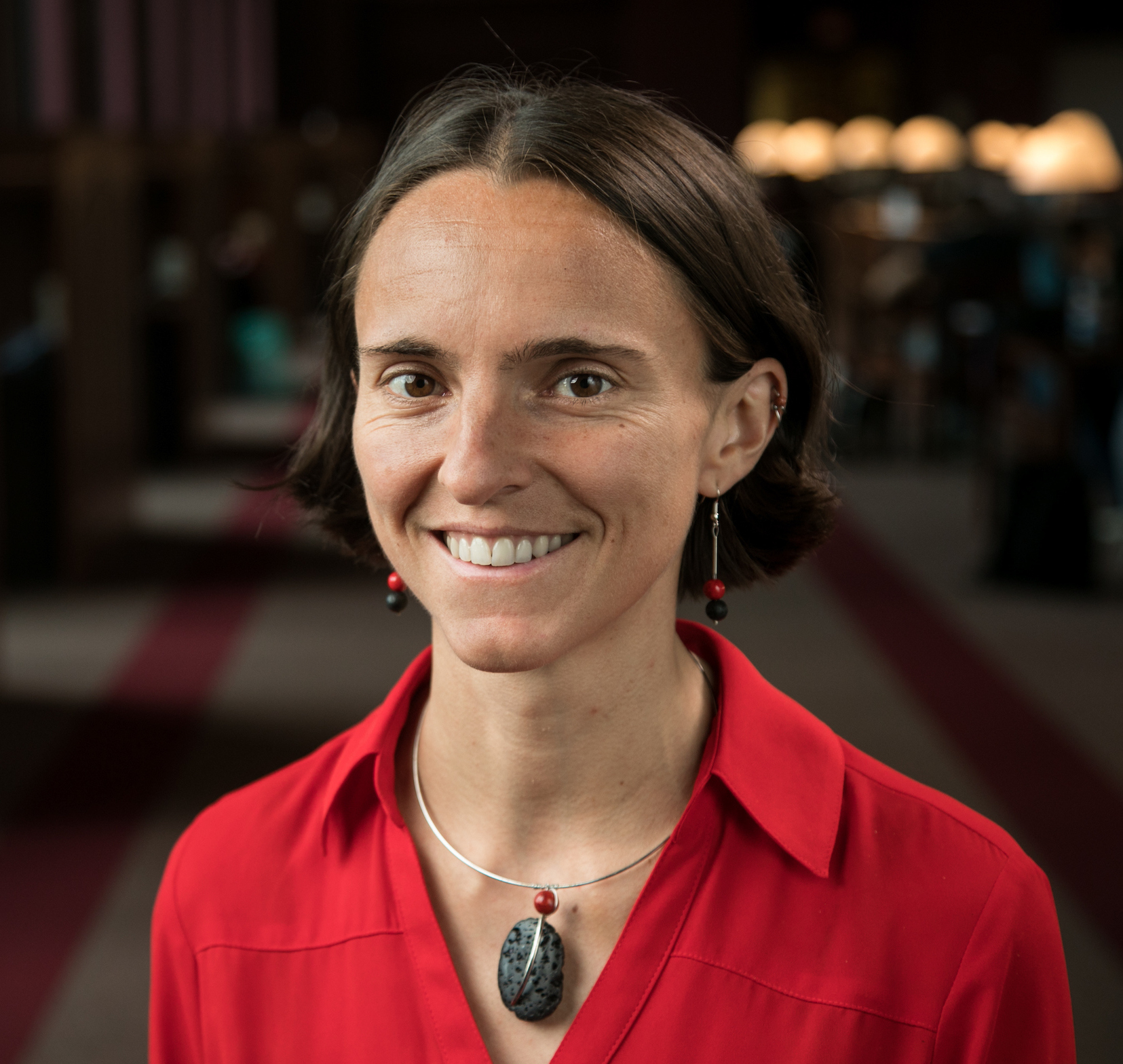
Nienke Hartemink is a lecturer at Wageningen University & Research , affiliated with the Biometris department. Her academic work focuses on mathematical and statistical modeling of infectious disease dynamics, particularly zoonotic diseases involving wildlife, livestock, and vectors. Research Focus : Epidemiology of tick-borne diseases (e.g., East Coast fever, Lyme disease) and bovine tuberculosis. Methodology : Spatial-temporal modeling, host-pathogen interactions, intervention strategies. Her recent publications highlight collaborations on Mathematical Modeling , Bovine Tuberculosis , and Vector-Borne Disease Control . Key projects include: ERRAZE Framework : Simulation models for zoonotic disease outbreaks. Bovine TB Eradication : Co-promoted PhD research in Ireland (2019–2024).
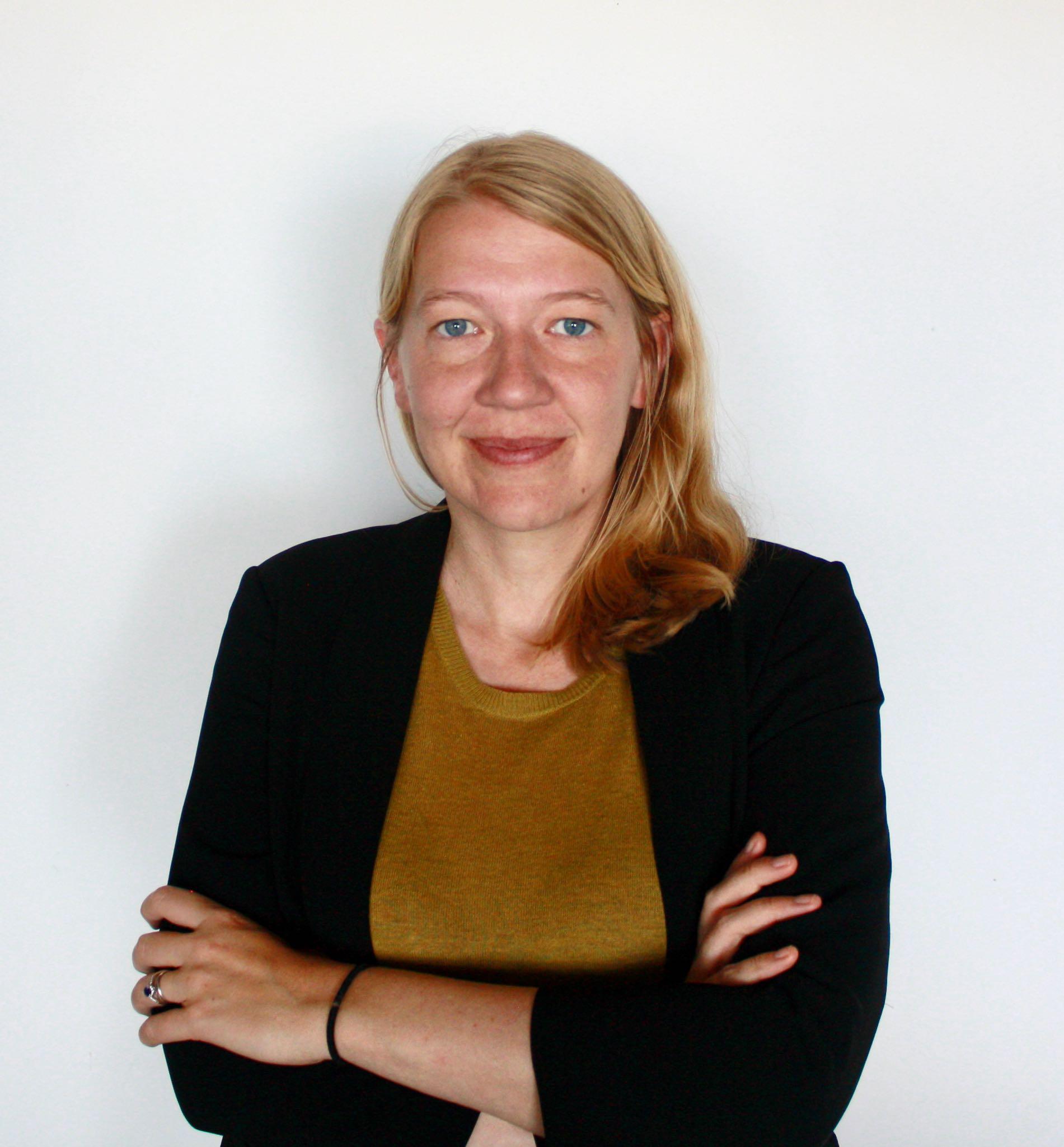
Lauren M. Childs is an Associate Professor in the Department of Mathematics at Virginia Tech , where she has been since 2016. She serves as the Cliff and Agnes Lilly Faculty Fellow and Associate Director of the VT Center for the Mathematics of Biosystems . Her research focuses on mathematical and computational models for biologically motivated questions, particularly in infectious diseases , immunology , and ecology . Education: Ph.D. in Applied Mathematics, Cornell University (2010) M.S. in Applied Mathematics, Cornell University (2007) B.S. in Mathematics and Chemistry, Duke University (2004) Her work combines analytical and numerical approaches to address challenges in disease transmission dynamics , including malaria , dengue , and COVID-19 . She has developed models for multi-scale epidemiological systems , explored the role of mosquito life history traits in vector control, and investigated human behavioral responses in epidemic settings. Key contributions include: Scientific Awards: 2023-2024 Michler Award Cliff and Agnes Lilly Faculty Fellowship NSF CAREER Award Grants and Collaborations: NSF EEID Grant VT Pandemic Preparedness Destination Area Funding VT Seed Grant for transdisciplinary research
Karl Meerbergen is a Full Professor in the Department of Computer Science at KU Leuven, Faculty of Engineering Sciences. He leads research in numerical analysis and applied mathematics with a focus on eigenvalue problems, model order reduction, and computational linear algebra. He is a member of the Numerical Analysis and Applied Mathematics (NUMA) research unit and holds affiliations with multiple KU Leuven institutes including iSi Health, Leuven.AI, Leuven.AM, and the LGI Gravitation Institute. His research spans several key areas of numerical mathematics with emphasis on algebraic eigenvalue problems, algebraic model order reduction, preconditioning techniques, computational acoustics, tensor computations, exascale computing, generic programming, and parallel computing. His work bridges theoretical numerical analysis with practical applications in engineering and scientific computing. Analysis of his recent publications shows a strong focus on advanced numerical methods for eigenvalue problems, model order reduction techniques, and parallel computing approaches. His work frequently addresses challenges in large-scale scientific computing, with applications in structural dynamics, acoustics, and optimization problems. The research demonstrates increasing sophistication in handling nonlinear and parametric systems through rational approximation methods and specialized preconditioning techniques. Dr. Meerbergen actively contributes to the academic community through his teaching responsibilities and supervision of graduate students. His work has significant implications for computational science and engineering applications requiring efficient numerical solutions to complex mathematical problems.
Rachel Elizabeth Baker is the John and Elizabeth Irving Family Assistant Professor of Climate & Health at Brown University, holding a joint appointment in the Department of Epidemiology (School of Public Health) and the Institute at Brown for Environment and Society. Her research program investigates the complex links between climate change and human health, with a primary focus on infectious disease dynamics using advanced modeling techniques. Dr. Baker's educational background includes: PhD in Climate and Energy (CPREE program, SPIA), Princeton University, 2018 BA in Mathematics, University of Cambridge BA in Physics, University of Bristol Her research interests center on understanding how climate variability and change impact the transmission of infectious diseases. She specializes in mechanistic disease modeling and statistical inference to study diseases such as influenza, respiratory syncytial virus (RSV), dengue, and visceral leishmaniasis. Her work spans diverse geographical contexts, from tropical Brazil to temperate Japan, and examines the effects of weather extremes, seasonal patterns, and long-term climate trends on disease outbreaks. Recent publications (2023-2025) reveal a consistent theme: the interplay between climate drivers and infectious disease dynamics. Dr. Baker has published on the impact of climate extremes on visceral leishmaniasis in Brazil, influenza in tropical settings, and dengue in Bangladesh. Additionally, she explores the secondary effects of climate change on workplace conditions and the interactions between non-pharmaceutical interventions for COVID-19 and other respiratory viruses. Her modeling approaches are increasingly used to project future disease patterns and inform public health strategies. Dr. Baker's work has been featured in top-tier journals including Science , PNAS , and Nature Communications , as well as major media outlets such as The New York Times and Scientific American . While no specific scientific awards are listed in the provided materials, her research has garnered significant attention in both academic and public spheres. At Brown University, Dr. Baker mentors undergraduate and graduate students, particularly those with strong quantitative skills. She encourages students interested in climate and health to join her research group, emphasizing the need for mathematical and coding expertise. Although specific grant details are not provided, her research is supported by her faculty position and collaborations within Brown's interdisciplinary institutes. As a member of the Institute at Brown for Environment and Society, Dr. Baker collaborates with a diverse team of climate scientists, ecologists, and public health experts. Her coauthor network reflects strong interdisciplinary connections across Brown University, facilitating research that bridges climate science and epidemiology.
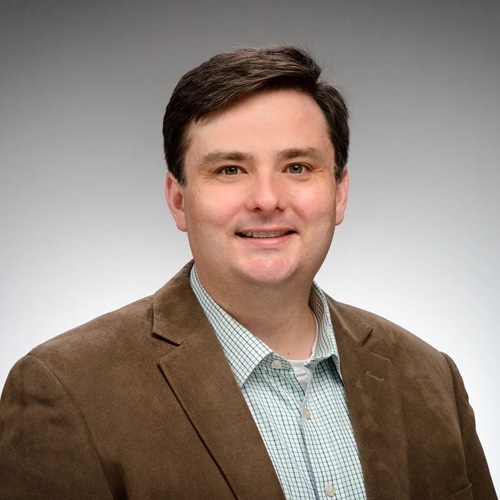
Matthew McGinley, Ph.D. is an Assistant Professor in the Department of Neuroscience at Baylor College of Medicine and faculty at the Jan and Dan Duncan Neurological Research Institute at Texas Children's Hospital. His laboratory investigates how neural networks process sensory information to make sense of the world and guide behavior. B.S. in Physics and Mathematics, University of Wisconsin-Madison (2002) M.S. in Biomedical Engineering, University of Wisconsin-Madison (2004) Ph.D. in Neuroscience, Oregon Health & Science University (2010) Postdoctoral Fellowship in Neuroscience, Yale University (2015) Dr. McGinley's research focuses on neural mechanisms of auditory perceptual decision making behaviors in mice. His lab primarily uses whole-cell recording and two-photon imaging in head-fixed mice while they perform auditory perceptual decision-making tasks. They also employ computational approaches, optogenetics, multi-channel extracellular recording, pupillometry, and histological methods. His three main research projects investigate: 1) Neuromodulatory mechanisms of attentional effort; 2) Improved perceptual learning with peripheral nerve stimulation; and 3) Brain circuits for navigation in acoustic virtual reality. Analysis of Dr. McGinley's recent publications reveals a consistent research trajectory focused on the relationship between brain state, arousal, and sensory processing. His work demonstrates how pupil-linked neuromodulation, particularly cholinergic and noradrenergic systems, influence perceptual decision making across species. Recent publications increasingly explore therapeutic applications of these findings, particularly in the areas of attention disorders and neural stimulation therapies. Dr. McGinley has secured significant research funding including an R03 grant from the National Institute of Deafness and Communication Disorders for studying the neuromodulatory mechanisms of listening effort (2016-2019) and funding from the Defense Advanced Research Projects Agency for targeted neuroplasticity training (2017-2021). His laboratory is also supported by the Cain Foundation Laboratories. The McGinley Lab operates within the Duncan Neurological Research Institute, leveraging state-of-the-art facilities including the In vivo Neurophysiology Core and Optogenetics and Viral Vectors Core. The lab has recently collaborated with Caleb Kemere on a research seed grant from the John S. Dunn Collaborative Research Awards to develop a platform for neuroscience experiments involving mice navigating virtual reality environments using acoustic landmarks.
Alvaro Acosta Serrano is a Professor in the Department of Biological Sciences at the University of Notre Dame, where he leads research in molecular parasitology and vector biology. He previously held academic positions at the Liverpool School of Tropical Medicine as Senior Lecturer and Reader, and has been affiliated with institutions including the Marine Biological Laboratory and University of Glasgow. Current: Professor, Department of Biological Sciences, University of Notre Dame (2023–Present) 2021–2023: Reader in Molecular Parasitology and Vector Biology, Liverpool School of Tropical Medicine 2015–2021: Senior Lecturer / Assistant Professor, Liverpool School of Tropical Medicine 2019–2022: Honorary Faculty, Marine Biological Laboratory, Woods Hole His research focuses on vector-borne diseases, particularly the molecular mechanisms by which parasites like Trypanosoma and Leishmania interact with their insect vectors. Key areas include parasite glycobiology, salivary biomarkers, transmission-blocking strategies, and the role of the insect microbiome. His work bridges basic science and applied public health, with implications for vaccine development and disease control in endemic regions. The 15 most recent publications reflect a strong trend in molecular parasitology, vector biology, and global health. Topics span from fundamental glycobiology of parasite surface molecules to applied studies on transmission-blocking interventions and diagnostics for cutaneous leishmaniasis. Notably, his team has contributed to understanding SARS-CoV-2 infection mechanisms through glycosylation inhibition and explored drug repurposing for African trypanosomiasis. The work is frequently published in high-impact journals such as PLoS Biology , mBio , and PLoS Neglected Tropical Diseases , indicating a broad interdisciplinary reach across parasitology, virology, and immunology. Scientific awards and honors are not explicitly listed in the provided text. However, his sustained research funding and leadership roles suggest recognition in the field. Deputy Editor, PLoS Neglected Tropical Diseases (2017–Present) Associate Editor, PLoS Neglected Tropical Diseases (2014–2017) Editorial Board Member, Molecular and Biochemical Parasitology (2018–Present) Editorial Board Member, Experimental Parasitology (2019–Present) Guest Editor, Parasitology – Special Issue on 'Parasite Glycobiology' (2019) Co-editor, 'Trypanosomes — after the genome', Horizon Press (2007) Dr. Acosta-Serrano has advised numerous researchers and students, though specific names are not listed. His group has secured grants for research on Old-World cutaneous leishmaniasis in the Middle East, development of transmission-blocking vaccines for trypanosomiasis, and studies on vector salivary biomarkers. He actively collaborates with international teams across the Americas, Europe, and the Middle East. His lab at Notre Dame continues to pioneer research on parasite-vector interactions, with future work likely focusing on novel interventions for neglected tropical diseases and the impact of climate and migration on disease spread. His research group operates at the intersection of molecular biology and global health, with strong ties to field studies in endemic regions. The team employs advanced techniques in glycobiology, genomics, and immunology to dissect host-parasite-vector interactions. Collaborative networks include institutions in Venezuela, Brazil, the UK, and the United States, supporting both laboratory and epidemiological investigations.
Alex Perkins is a Professor in the Department of Biological Sciences at the University of Notre Dame, where he also holds a concurrent faculty position in Applied and Computational Mathematics and Statistics. He is the Ann and Daniel Monahan Collegiate Professor, reflecting his distinguished contributions to infectious disease epidemiology. Perkins' research focuses on the application of mathematical, computational, and statistical methods to understand the ecology and epidemiology of infectious diseases, particularly mosquito-borne and vector-borne diseases. His work spans three major themes: enhancing infectious disease mapping through transmission dynamics theory, improving disease forecasting with mechanistic models, and advancing the modeling of public health interventions. His research aims to provide decision-makers with rigorous, uncertainty-quantified predictions about disease burden and intervention impact. His recent publications reveal a strong emphasis on modeling dengue, Zika, yellow fever, and the indirect effects of the COVID-19 pandemic on vaccination programs. The articles frequently employ ensemble forecasting, data integration, and cost-effectiveness analysis, demonstrating a consistent focus on predictive modeling and public health application across diverse disease systems and global regions. Ann and Daniel Monahan Collegiate Professor Perkins leads the Perkins Lab at Notre Dame, where he mentors a research group focused on computational epidemiology. His work is highly collaborative, involving numerous national and international partners, and is supported by significant research funding, as evidenced by his publication record in top-tier journals. His lab applies theoretical ecology and mathematical biology to solve pressing public health problems.
Professor Rolf Lutz Eckstein at Karlstad University specializes in plant community ecology, focusing on climate change impacts, invasive species, and functional trait dynamics. His research spans Baltic uplift islands, mountain meadows, and riparian systems. Key projects: Garden Lupine control (Swedish Transport Administration 2021-2025), invasion effects on grasslands (DBU 2018-2021), Baltic island diversity (DFG-funded). Teaching: Floristics & Faunistics , Botany , Landscape Ecology , and thesis supervision in biology programs. Recent publications analyze invasive legume phenology, dam removal impacts on fish, and seed dispersal mechanisms. Collaborators include Annette Otte, Yves Klinger, and Kristin Ludewig. Research keywords: plant community diversity , climate change , invasive species , functional traits , riparian ecosystems , island biogeography .
Miles H Dinner is a Clinical Professor in the Department of Anesthesiology at Weill Cornell Medical College, Cornell University, holding dual appointments in Anesthesiology since 2003 and Clinical Pediatrics since 2007. His clinical and academic work bridges pediatric care with advanced anesthetic practice. His educational background includes: M.D. from Cornell University Medical College (1978) B.A. from Queens College, City University of New York (1974) Dr. Dinner's research centers on Pediatric Anesthesiology and Clinical Procedure Innovation , with emphases on airway management safety, vascular access techniques, and anesthesia for children with genetic disorders. His work addresses critical challenges like intraocular pressure changes during surgery, bacteremia prevention in intubation, and specialized care for syndromes such as Russell-Silver. He pioneered transillumination-assisted venipuncture for children and contributed to gene therapy protocols for neurodegenerative conditions. Analysis of his publications reveals consistent focus on pediatric applications and interdisciplinary problem-solving. His research bridges anesthesiology with neurology, ophthalmology, and surgery, demonstrating strong translational impact. Key themes include physiological responses to anesthetics, complication prevention in vulnerable populations, and novel techniques for infants and children. His 1992 desflurane study (170 citations) and 2004 gene therapy protocol (100 citations) highlight significant influence in clinical practice. Dr. Dinner has authored numerous high-impact publications in journals including Anesthesiology and Anesthesia & Analgesia , with several works exceeding 50 citations. His research on succinylcholine's ocular effects (50 citations) and central venous access (18 citations) established important safety benchmarks. While no awards are specified in available records, his citation metrics indicate substantial scholarly impact. Information regarding graduate student advising, research grants, laboratory affiliations, or team leadership is not documented in the provided materials.
Natalie Vinkeles Melchers-Martinez is an Assistant Professor in the Department of Health and Society at Wageningen University & Research. Her research centers on neglected tropical diseases (NTDs), with a focus on onchocerciasis, lymphatic filariasis, and vector-borne diseases, integrating epidemiological modeling, public health interventions, and a One Health perspective. Her research interests span Neglected Tropical Diseases , Onchocerciasis , Vector Control , One Health , Disease Modeling , and Global Health Policy . She investigates the impact of interventions such as ivermectin and vector control on disease transmission, and contributes to surveillance strategies for diseases like malaria and leishmaniasis. The most recent articles highlight trends in onchocerciasis control, integrated diagnostic approaches, and the application of the One Health framework to vector-borne diseases. These works reflect a strong emphasis on empirical evidence, public health implementation, and interdisciplinary research to address complex global health challenges. She actively supervises PhD research as a co-promotor in projects related to antimalarial resistance and integrative health models for leishmaniasis, demonstrating her role in academic mentorship and collaborative research. She has delivered multiple keynote talks on planetary health and NTDs, and contributed expert commentary to media on emerging health threats like avian flu. Dr. Vinkeles Melchers-Martinez is involved in advancing policy through research that bridges science and public health practice, with her work referenced in policy sources. She participates in international collaborations, particularly in Africa, focusing on disease surveillance and control in endemic regions.
Dr. Irosh Fernando is a Conjoint Senior Lecturer at the School of Medicine and Public Health , University of Newcastle , with a dual background in psychiatry and computer science. He holds medical degrees (MBBS, 2000; MD Psychiatry, 2006) from the University of Colombo, a MPhil in Computer Science (Open University Sri-Lanka, 2006), and a PhD in Computer Science (University of Newcastle, 2017), complemented by a Master of Biostatistics (University of Sydney). PhD Research: Diagnostic Algorithms Subspecialty: Medical Expert Systems Research Interests focus on revitalizing medical expert systems through: Development of orthogonal vector projection for diagnostic reasoning Clinical decision support system design Mathematical modeling of depression dynamics Pattern-based formulation methodologies Integration of biostatistics in psychiatric assessment Telepsychiatry and mobile health applications Scientific Contributions include creating the Mental State Examination Scale (MSES) and Pattern-Based Formulation (PBF) framework. His work combines control theory with clinical data to model illness trajectories and treatment responses. Grant Leadership shows sustained funding from Hunter New England Local Health District and Priority Research Centre for Brain and Mental Health Research for projects like: 2020-2023 : Online mental health assessment trials 2018-2022 : Mobile application for psychiatric triaging 2022-2023 : Chest pain diagnostics via algorithms
Prof. Dr. Stefan Schmid serves as Professor and Head of the Spinal Movement Biomechanics Group at Bern University of Applied Sciences' School of Health Professions. He is also Deputy Head of Research at the Division of Physiotherapy and a Privatdozent at the University of Basel. PhD in Biomechanics (ETH Zurich, 2016) Habilitation in Experimental Medicine (University of Basel, 2021) His research focuses on spinal biomechanics, musculoskeletal modeling, and movement analysis, particularly for: Low back pain mechanisms Scoliosis treatment optimization Workplace ergonomics Machine learning applications in biomechanics Recent publications emphasize: Spinal movement pattern quantification Pain-related fear analysis Computational spine modeling Wearable sensor validation He leads multiple funded projects including: ScolioGroMod (SNSF-funded spinal growth modeling) LBPredict (AI-based lifting risk assessment) International collaborations with Harvard Medical School and Polytechnique Montréal
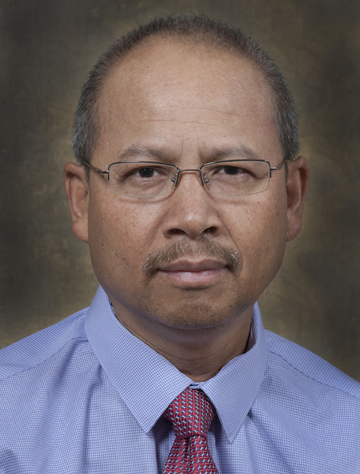
Raghavendar Thipparthi is an Associate Professor in the Department of Biochemistry, Microbiology and Immunology at Wayne State University School of Medicine. He obtained his PhD from the University of Hyderabad, India, and has held academic positions since joining the faculty in 2000. His research focuses on post-transcriptional regulation of HIV-1 gene expression, particularly the roles of Rev protein and cellular cofactors like Sam68 and Hsp22. Education: PhD in Biochemistry from University of Hyderabad, India Program Leadership: Director of IM PhD/MS Program Teaching: Courses include Fundamentals of Research and Molecular Biology of Viruses Dr. Thipparthi's work investigates how HIV-1 differentially controls viral protein expression through RNA splicing and nuclear export mechanisms. Key findings include Sam68's functional substitution for Rev, Hsp22's role in modulating Sam68 activity, and Rev's mislocalization in astrocytes contributing to HIV latency. His publications span topics in retroviral replication, protein-RNA interactions, and heat shock protein functions. His laboratory employs molecular biology techniques to study Rev's interaction with cellular components, Sam68's phosphorylation status, and Hsp22's regulatory effects on HIV production. Current projects examine viral latency in astrocytes and potential therapeutic interventions targeting these mechanisms.
Lalit Pukhrambam is an Associate Professor in the Department of Ophthalmology, Visual and Anatomical Sciences at Wayne State University School of Medicine. He holds a Ph.D. in Biochemistry from the Indian Institute of Science, Bangalore, India. His research investigates diabetic retinopathy mechanisms, emphasizing mitochondrial dysfunction, oxidative stress, and TXNIP-mediated inflammasome activation. Current work is supported by NIH/NEI R01 grant EY023992, with prior funding from the American Diabetes Association and JDRF. Research Focus: Dr. Pukhrambam explores TXNIP's role in mitochondrial quality control, mitophagy, NLRP3 inflammasome signaling, and epigenetic regulation in diabetic retinopathy. His lab employs RNAi, CRISPR/Cas9, and gene therapy approaches to develop neurovascular protective strategies. Key areas include redox imbalance, ferroptosis, and metabolic dysregulation in retinal cells. Publication Trends: Recent articles emphasize mitochondrial bioenergetics, barrier dysfunction diagnostics (e.g., ECIS technology), and combination therapies targeting mitophagy. Interdisciplinary themes span molecular pharmacology, epigenetics, and neurodegenerative cross-talk in ocular diseases. Grants & Labs: Primary funding via NIH/NEI supports research on TXNIP-mediated mitochondrial retrograde signaling. Lab activities focus on in vitro retinal models (endothelial/pericyte/Müller cells) and in vivo diabetic rodent studies using streptozotocin induction.
Christian Parcher Nixon is an Associate Professor of Pathology and Laboratory Medicine at Brown University's Alpert Medical School, specializing in transfusion medicine and malaria research since joining the faculty in 2014. He received dual MD/PhD degrees from Brown University in 2008 after completing clinical pathology residency at UCSF and anatomic pathology training at Yale Medical School, followed by a blood bank fellowship at Harvard Medical School. Education: MD (2008) and PhD (2005) from Brown University, BS (1995) from UC Santa Barbara His Nixon laboratory focuses on malaria immuno-epidemiology, particularly antibody responses to novel vaccine candidates and gametocyte transmission mechanisms. Research integrates geographical information systems for malaria risk stratification in Southeast Asia. Collaborations span Brown's Department of Pediatrics, Biostatistics, and Epidemiology. Key research themes include: Antibody-targeted cellular responses in malaria immunity Geospatial analysis of malaria risk factors Transfusion medicine safety and diagnostics Malaria vaccine candidate PfSEA-1 and rhoptry-associated antigens As attending physician on Transfusion Medicine and Coagulation Service at Rhode Island Hospital, his work bridges clinical pathology with global health research. The lab collaborates extensively with Jonathan Kurtis (Brown) and other international researchers on malaria vaccine development.