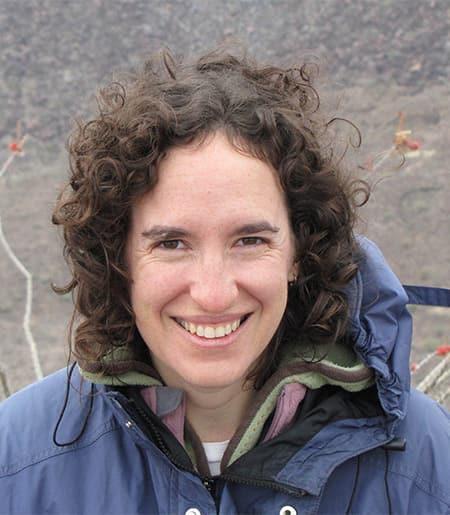
Jennifer S. Thaler is a Professor in the Department of Ecology and Evolutionary Biology at Cornell University, affiliated with the College of Arts and Sciences. She holds a Ph.D. from the University of California, Davis (1999) and a B.A. from Wellesley College (1993). Her research focuses on tri-trophic interactions between plants, herbivores, and predators, with an emphasis on chemical ecology, plant defense mechanisms, and pest control strategies. She teaches courses such as Chemical Ecology and Insect Ecology, and her work bridges fundamental ecological theory with applied agricultural challenges. Dr. Thaler’s research investigates how plant traits, predator presence, and nutritional states influence herbivore behavior and population dynamics. Notable projects include studying non-consumptive predator effects, plant genotypic diversity’s impact on herbivores, and the evolutionary potential of antipredator plasticity. Her publications span journals like Ecology , Oecologia , and Proceedings of the Royal Society B . Her scientific contributions include winning the 2nd place Elton Prize (2015) for research on predator effects on aphids. She actively engages in departmental initiatives, including the Graduate Program and the Plant-Insect Interactions Seminar. Affiliated with the Cornell Stable Isotope Laboratory, she contributes to interdisciplinary efforts in ecological research and education.
Dr. Ryan Carney is an Associate Professor of Digital Science at the University of South Florida's Department of Integrative Biology (College of Arts and Sciences). His research bridges paleontology and epidemiology, using cutting-edge technologies like 3D imaging, AI, and VR/AR. He studies dinosaur biomechanics (e.g., Archaeopteryx flight mechanics) and mosquito-borne diseases (e.g., malaria, Zika) through NSF/NIH-funded collaborations with agencies like NASA and the CDC. His work integrates citizen science platforms (iNaturalist, Mosquito Alert) for disease surveillance and develops AI tools for mosquito classification. Education: PhD (Brown), MPH/MBA (Yale), B.A.'s in Biology & Art (UC Berkeley) Lab: SCA 107 (focuses on digital paleontology and disease modeling) Research interests span dinosaur functional morphology, epidemiological modeling using GIS/remote sensing, and translating science through immersive technologies. He received awards like the National Geographic Emerging Explorer and multiple USF teaching/research accolades. Awards: CAS Liberal Arts Teaching Award, Outstanding Research Achievement, etc. Grants include NSF funding for AI-driven mosquito surveillance and NIH support for disease control. His lab's innovations include the Global Mosquito Observations Dashboard (GMOD) and VR reconstructions of prehistoric species.
Massachusetts Institute of TechnologyUnited States
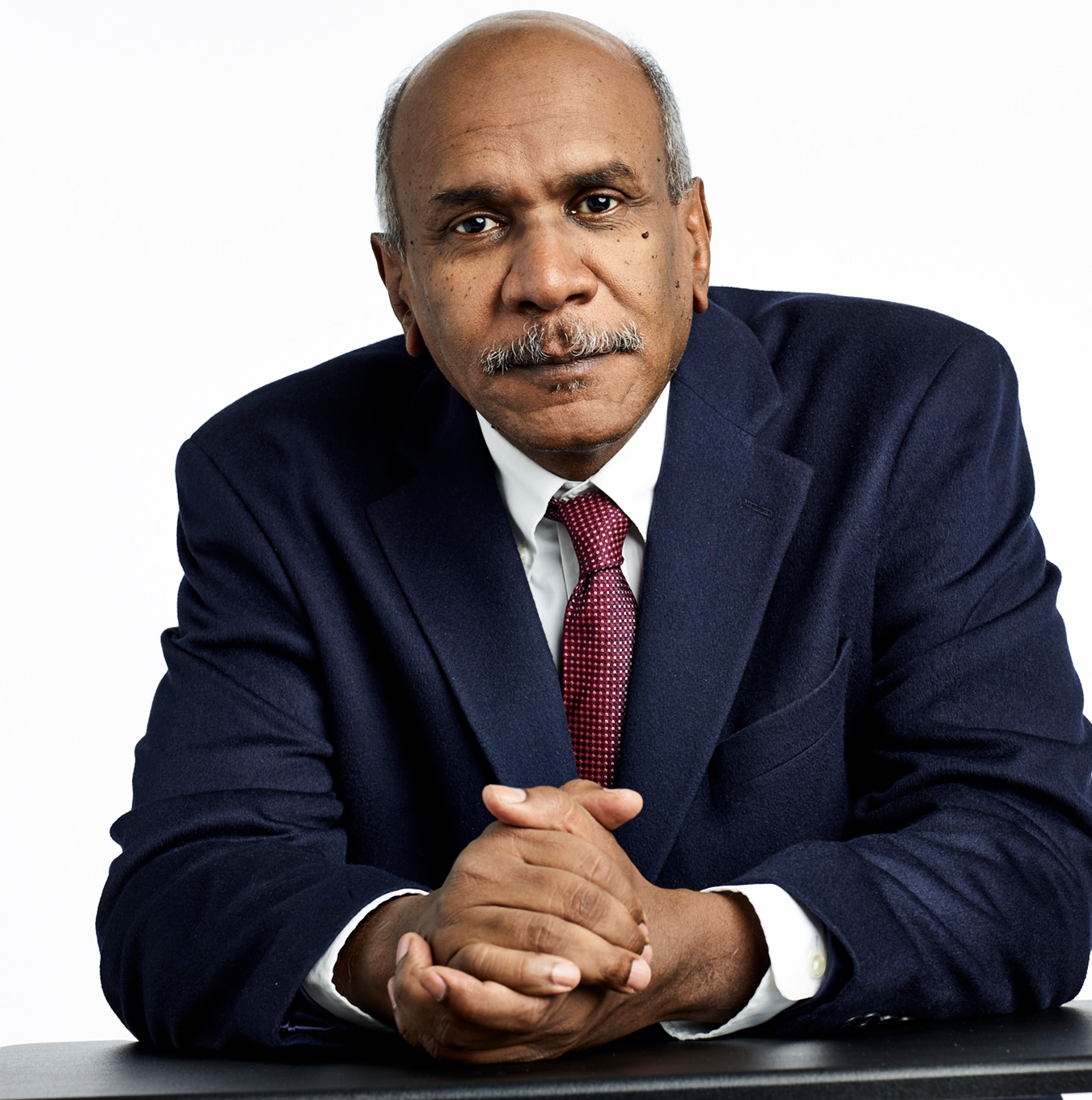
Elfatih Eltahir is the H. M. King Bhumibol Professor at MIT, affiliated with the Climate and Environment faculty and the Department of Civil and Environmental Engineering. He holds a B.Sc. in Civil Engineering (University of Khartoum, 1985), M.Sc. in Hydrology (National University of Ireland, 1988), and S.M. and Sc.D. in Meteorology/Hydroclimatology (MIT, 1993). His research focuses on climate change impacts on water availability, extreme weather, and vector-borne diseases, with a particular emphasis on developing numerical models like the MIT Regional Climate Model (MRCM) and the Hydrology-Entomology-Malaria Transmission Simulator (HYDREMATS). Key research areas include projecting climate change effects on regions such as the Mediterranean, South Asia, and West Africa, with a focus on adaptation strategies. He has pioneered the concept of 'outdoor days' to quantify climate impacts on human activity. Awards include membership in the National Academy of Engineering (2023), World Academy of Sciences (2023), and American Geophysical Union Fellowship (2008). Teaching: Global Change Science (1.071), Surface Hydrology (1.714), Environmental Data Analysis (1.073) Projects: UM6P-MIT Research Program, Jameel Observatory Climate Resilience Early Warning System Network (CREWSnet) His work has addressed societal challenges like Nile River water management, malaria transmission dynamics, and climate adaptation in vulnerable communities. Field campaigns and collaborations with institutions like the United Arab Emirates reinforce his applied research focus. Awards: 2023: National Academy of Engineering Member 2023: World Academy of Sciences Fellow 2008: AGU Fellow 2017: Hydrologic Science Award Research grants and funding support impactful projects such as climate modeling for the Middle East, Africa, and the U.S., with a focus on interdisciplinary solutions.
Jeff Schorey is the George B. Craig Jr. Professor and a full Professor in the Department of Biological Sciences at the University of Notre Dame, where he has been a faculty member since 2004. He currently serves as Director of the Integrated Biomedical Sciences (IBMS) graduate program and previously held leadership roles including Chair of the Institutional Animal Care and Use Committee (IACUC) and Associate Director of the Eck Institute for Global Health. His research focuses on the pathobiology of mycobacterial diseases, particularly Mycobacterium tuberculosis and M. avium . His work investigates the molecular interactions between mycobacteria and host macrophages, with a special emphasis on the role of exosomes in immune modulation, diagnostics, and vaccine development. He also explores novel antibiotic development in collaboration with chemists at Notre Dame and global partners. His recent publications reveal a strong trend in extracellular vesicle biology, host-pathogen signaling, and translational applications in TB diagnostics and treatment. The articles span immunology, microbiology, and molecular biology, with recurring themes in exosome function, RNA sensing, and antimicrobial development. George B. Craig Jr. Collegiate Professor Dr. Schorey has advised graduate students and leads an active research lab focused on mycobacterial pathogenesis. His work is supported by collaborations across disciplines and institutions, particularly in drug development and clinical translation. He has contributed significantly to understanding how exosomes can serve as both biomarkers and therapeutic tools. His lab employs cellular immunology, animal models, and clinical sample analysis to study mycobacterial infections. He leads the IBMS program, shaping graduate education in biomedical sciences at Notre Dame.
Michael Z. Levy is a Professor of Epidemiology in the Department of Biostatistics and Epidemiology at the University of Pennsylvania Perelman School of Medicine. He co-directs the University of Pennsylvania/Universidad Peruana Cayetano Heredia Zoonotic Disease Research Laboratory in Arequipa, Peru, and holds secondary affiliations with the Center for Clinical Epidemiology and Biostatistics, Center for Public Health Initiatives, History and Sociology of Science, and Latin American and Latinx Studies. His research spans interdisciplinary domains including vector-borne diseases, computational biology, urban ecology, and social justice. Education: B.A. in Philosophy and Biology from Amherst College (1998), PhD in Population Biology, Ecology, and Evolution from Emory University (2007). Levy's work focuses on urban zoonotic diseases , particularly Chagas disease and canine rabies , integrating ecology, epidemiology, and computational methods. He investigates how insect vectors interact with social systems, housing policies, and climate change, extending to pandemic modeling during the Covid-19 crisis. His research group (28 members) collaborates with Peruvian Ministry of Health to control Chagas and rabies outbreaks in Arequipa. Notable contributions include novel geospatial surveillance models , behavioral economics applications for vector control, and bed bug epidemiology linking infestations to public health challenges. Recent publications highlight 2025-2024 trends in Chagas vector dynamics , zoonotic rabies control , vaccine strategies , and genomic outbreak analysis , emphasizing interdisciplinary approaches to urban disease ecology. He has participated in cluster randomized trials and behavioral design studies to improve community engagement in vector control campaigns in Peru, focusing on incentive mechanisms and surveillance equity . The Zoonotic Disease Research Lab in Arequipa employs interdisciplinary methods combining biological research , social science , and computational modeling to address urban disease transmission.
Jaline L Gerardin is an Associate Professor in Preventive Medicine (Epidemiology) and McCormick School of Engineering at Northwestern University. She is affiliated with the Center for Global Health, Institute for Public Health and Medicine (IPHAM), Northwestern Institute on Complex Systems, and Robert J. Havey, MD Institute for Global Health. Her career focuses on malaria modeling and public health interventions. Current affiliations: Northwestern University, IPHAM, NICO, Center for Global Health Prior role: Malaria lead at Institute for Disease Modeling Research Focus: Gerardin specializes in malaria transmission modeling and public health intervention optimization . Her work addresses subnational tailoring of malaria strategies, intervention mix analysis for elimination, and ethical modeling practices. She integrates multidisciplinary data (entomology, immunology, demography) into agent-based models to guide policy in resource-limited settings. Article Trends: Recent publications emphasize subnational malaria intervention prioritization (Guinea, Nigeria), diagnostic performance evaluation, human mobility impacts on transmission, and wastewater surveillance applications for disease modeling. Leadership Roles: Co-chair: American Society of Tropical Medicine and Hygiene symposia Member: WHO working groups, Malaria Modeling Consortium Advisor: WHO Malaria Multi-Model Comparison initiatives Education: PhD from University of California, San Francisco (2013)
Dr. Gary Brewer is a Professor in the Department of Entomology at the University of Nebraska-Lincoln, with a 60% research and 40% teaching appointment. He has served as department head at NDSU (1997-2006) and UNL (2006-2018). His research focuses on field crops entomology, IPM of pasture cattle flies, salt creek tiger beetle conservation, and pollinator health. He has pioneered a push-pull strategy using coconut oil-derived repellents and led curriculum design for Rwanda’s Conservation Agriculture program. Education: B.S. in Zoology, University of Nebraska-Lincoln (1974) M.S. in Entomology, University of Nebraska-Lincoln (1978) Ph.D. in Entomology, Kansas State University (1984) Research Interests: Brewer’s work spans insect ecology, pest management, and conservation. Key areas include stable fly and horn fly control, pollinator protection, and endangered species recovery (e.g., Salt Creek tiger beetle). His lab develops natural product-based pest repellents and evaluates biopesticides for sustainable agriculture. Grants & Contributions: $362,150 USDA grant for undergraduate research in beneficial insect protection (2018) $325,000 USDA grant for multi-tactic stable fly control (2017) NE Game and Parks funded salt creek tiger beetle reintroduction programs Labs & Teams: Brewer’s team collaborates with industry (e.g., Vestergaard Frandsen) and international partners to advance IPM strategies. His work bridges field research with applied solutions for farmers and conservationists.
Dr. Samuel Cheng is an Associate Professor at the Gallogly College of Engineering , University of Oklahoma , specializing in Electrical and Computer Engineering . He holds a Ph.D. in Electrical Engineering from Texas A&M University (2004), preceded by M.S. and M.Phil. degrees from the University of Hawaii and Hong Kong University of Science and Technology. Education: B.S. (University of Hong Kong, 1995), M.Phil. (HKUST, 1997), M.S. (University of Hawaii, 2000), Ph.D. (Texas A&M, 2004) Professional Experience: Senior Research Engineer at Advanced Digital Imaging Research (2004-2005), prior internships at Microsoft Asia and Panasonic Technologies His research focuses on Information Theory , Signal and Image Processing , and Pattern Recognition , with applications in remote sensing, urbanization analysis, and disaster monitoring. His publications span topics including urban impervious surface mapping , nighttime light analysis , and machine learning for environmental data . His work often integrates multi-source datasets (e.g., Landsat, LiDAR, social media) for spatiotemporal modeling. Technical Expertise: Spectral unmixing, machine learning, thermal remote sensing, GIS integration Key Applications: Power outage detection, vegetation-crime correlation, PM2.5 estimation, smart meter data fusion Dr. Cheng holds three US patents in digital watermarking and is affiliated with IEEE, Sigma Xi, and AAAS. His recent articles demonstrate a trend toward leveraging AI for remote sensing challenges and analyzing urbanization impacts on ecosystems.
Viviane Sanfelice is an Assistant Professor in the Department of Economics at Temple University's College of Liberal Arts. She joined the faculty in Fall 2019 after earning a Ph.D. in Economics from the University of Rochester (2014), an M.A. in Economics from Fundação Getúlio Vargas (2010), and a B.A. in Applied Mathematics from the University of São Paulo (2008). Her professional experience includes roles at the World Bank as a junior professional associate and at São Paulo’s Education Department as a technical advisor. Education: Ph.D. in Economics, University of Rochester (2014) M.A. in Economics, Fundação Getúlio Vargas (2010) B.A. in Applied Mathematics, University of São Paulo (2008) Her research focuses on applied microeconomics, particularly in public and urban economics. Key areas include the economic impacts of crime, maternal labor supply dynamics, health outcomes affected by environmental factors, and poverty/labor market analysis in developing contexts. She has contributed to software tools like ADECOMP for econometric welfare decomposition. Recent publications analyze housing policy and crime reduction (2025), maternal childcare policy in Brazil (2023), and urban safety programs in Chicago (2019). Her work spans journals such as Journal of Public Economics , Journal of Urban Economics , and Health Economics . Teaching responsibilities include courses in microeconomic principles, econometrics, and advanced econometric methods.
Heidi Brown is a Professor and Program Director at the University of Arizona , affiliated with multiple programs including the Mel and Enid Zuckerman College of Public Health, Entomology and Insect Science, Remote Sensing and Spatial Analysis, and the School of Geography and Development. PhD in Epidemiology of Microbial Diseases (Yale University) MPH in International Health Promotion (George Washington University) Postdoctoral experience at Oxford University (Zoology) and CDC (Bacterial Diseases Branch) Her research focuses on infectious disease epidemiology , emphasizing the spatial and temporal dynamics of diseases, vector-borne/zoonotic transmission, and environmental determinants of health. She integrates epidemiological and spatial analysis to address climate change impacts on disease patterns. Recent publications highlight her work linking climate variability to infectious diseases like Campylobacter, stakeholder engagement in climate adaptation, and dual hazard response strategies during the 2020 heat-COVID overlap. Her 2019 Fulbright in Brazil and 2023 sabbatical at Heidelberg Institute of Global Health underscore her international expertise. Scientific Awards: Fulbright (2019) She leads projects such as Adaptation Mal-Adaptation Assessment , Climate and Health Adaptation Monitoring Program (CHAMP) , and initiatives on heat health resilience. Her work bridges academic research with practical implementation for state and local health departments.
Dr. Kiran T. Thakur serves as the Herbert Irving Associate Professor of Neurology at Columbia University Irving Medical Center and practices as an inpatient neurologist at NewYork-Presbyterian/CUIMC. Her clinical expertise spans neuroinfectious diseases, neuroimmunology, emergency neurology, and global health, with active clinical and research engagements across eight countries in Africa, Southeast Asia, and the Caribbean. She holds leadership roles including Neurology Clerkship Director at Perdana University Graduate School of Medicine (Malaysia) and serves as a neurology consultant for the World Health Organization. Her educational background includes an MD from Tufts University School of Medicine (2008), internship at Johns Hopkins Hospital's Osler Medical Service, neurology residency at Harvard's Brigham & Women's Hospital (where she served as chief resident), and fellowship in neuroinfectious disease/neuroimmunology at Johns Hopkins Hospital. She is additionally pursuing a Master of Science in clinical trials at the London School of Tropical Medicine and Hygiene. Dr. Thakur's research program focuses on improving detection and management of neuroinfectious diseases in hospital settings, with particular emphasis on vulnerable populations including HIV-positive individuals and immigrants. Her work integrates clinical, translational, and implementation science approaches to address cerebral malaria, tuberculous meningitis, Zika-related complications, and SARS-CoV-2 neurological outcomes. Current projects investigate novel diagnostics for infectious meningoencephalitis, risk factors for neuroinvasive infections, and therapeutic strategies for viral encephalitis. Analysis of her 15 most recent publications reveals consistent focus on neuroinfectious disease epidemiology (particularly in resource-limited settings), diagnostic challenges in immunocompromised patients, and global health implementation strategies. Her work prominently features Zika virus complications, tuberculous meningitis management, and CNS infections in travelers, reflecting her dual expertise in tropical medicine and neuroimmunology. Scientific recognition includes: Lewis P. Rowland Teaching Award (Columbia University, 2016) CDC Nakona Citation Award (2014) Dr. Thakur directs the NIH NINDS K23-funded study on pathogen identification in neurological infections (2018-2023) and leads Columbia's post-doctoral neuroinfectious disease fellowship for physician-scientists from low/middle-income countries. Her research program receives support from the NIH, World Federation of Neurology, and American Academy of Neurology, with implementation studies conducted in collaboration with WHO, PAHO, and CDC. The Thakur Laboratory at Columbia's Neurological Institute coordinates international research networks across Malawi, Vietnam, Bangladesh, Uganda, and the Dominican Republic. Her team conducts clinical trials on antimicrobial dosing, develops diagnostic algorithms for resource-limited settings, and implements training programs to build neuroinfectious disease capacity in underserved regions, with current emphasis on SARS-CoV-2 neurological sequelae and tropical disease management.
Cynthia C. Lord is an Associate Professor specializing in population modeling at the University of Florida's Institute of Food and Agricultural Sciences (UF/IFAS), specifically at the Florida Medical Entomology Laboratory (FMEL) in Vero Beach, Florida. Her academic appointment is within the Entomology and Nematology Department, where she contributes to research on vector-borne diseases and pathogen transmission dynamics. Dr. Lord's research focuses on medical entomology with particular expertise in vector-borne diseases transmitted by ticks and mosquitoes. Her work encompasses population modeling of disease vectors, analysis of transmission dynamics for pathogens including Rickettsia, Ehrlichia, Anaplasma, and Zika virus, and investigation of vector-pathogen-host relationships. Her research has significant implications for public health interventions and vector control strategies. Her recent publications demonstrate expertise in analyzing the epidemiology and transmission patterns of vector-borne diseases. Her work on Rickettsia pathogens provides comprehensive information on disease-causing species in the United States, while her research on Zika virus examines the emergence and spread of this mosquito-borne pathogen in the Americas. Her publications serve as valuable resources for vector control agencies, public health officials, and medical professionals. Dr. Lord's research has contributed to understanding the distribution and transmission of vector-borne diseases in Florida and throughout the United States, with particular attention to the ecological and epidemiological factors that influence disease emergence and spread.
James Meek is the Associate Director of the Yale Emerging Infections Program at the Yale School of Public Health , collaborating with the Connecticut Department of Public Health and CDC. His roles include overseeing population-based surveillance systems for tickborne, foodborne, respiratory, and other emerging infections, and implementing applied public health research to evaluate prevention strategies. Education: Master of Public Health (MPH) from the University of Connecticut (2000) His research spans infectious disease epidemiology , focusing on zoonoses , vector control , and healthcare-associated infections , particularly through the Connecticut Emerging Infections Program . Publications highlight work on COVID-19 hospitalization trends , C. difficile recurrence risks , and tickborne disease prevention . Recent articles emphasize surveillance methodology (Bayesian modeling), vaccine effectiveness (JYNNEOS, SARS-CoV-2), and environmental interventions (4-Poster tick control devices). Collaborations include researchers from CDC, Connecticut DPH, and Yale departments like Epidemiology of Microbial Diseases and Biostatistics . Meek's work trains over 300 MPH and doctoral students through internships and thesis projects, while engaging in public health practice across respiratory viruses , antimicrobial resistance , and epidemiological modeling .
Eli Rosenberg is an Adjunct Associate Professor in the Department of Epidemiology and Biostatistics at the University at Albany School of Public Health, State University of New York. He concurrently serves as Deputy Director for Science in the Office of Public Health at the New York State Department of Health. His work bridges academia and public health policy. Education: Ph.D. in Epidemiology (Emory University) B.S. in Biometry and Statistics (Cornell University) Research Interests: Dr. Rosenberg focuses on addressing public health challenges through epidemiological methods. Key areas include HIV/AIDS prevention, sexually transmitted infections, viral hepatitis, drug-user health, emerging infectious diseases (including pandemic responses like COVID-19), and vector-borne/zoonotic diseases. He emphasizes behavior change, statistical modeling for disease surveillance, and policy-relevant research. Professional Affiliations: PRISM Health Research Group (Emory University, 2013–2021) New York State Department of Health Grants & Advising: No specific grants or advising roles listed in the provided text. Collaborations with PRISM faculty (e.g., Jodie Guest, Patrick Sullivan) suggest mentorship opportunities in public health research.
Crystal R. Watson is an Associate Professor in the Department of Environmental Health and Engineering at Johns Hopkins University, with a joint role as Senior Associate at the Johns Hopkins Center for Health Security. She specializes in public health preparedness, risk assessment during emergencies, and biodefense policy. She holds a DrPH and MPH from the Johns Hopkins Bloomberg School of Public Health and a BA from the University of Colorado. Her research focuses on federal funding and management of biodefense programs, crisis decision-making, and global health security. Notable projects include assessments of Taiwan’s IHR compliance and analysis of Hurricane Katrina’s medical response. She serves as Associate Editor of Health Security and has authored over 30 peer-reviewed articles. Key contributions include publications on biological threat characterization, pandemic event management, and Ebola risk perception. She advises on policies to address catastrophic biological risks and has led projects funded by federal agencies.