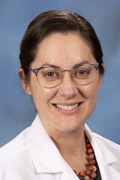
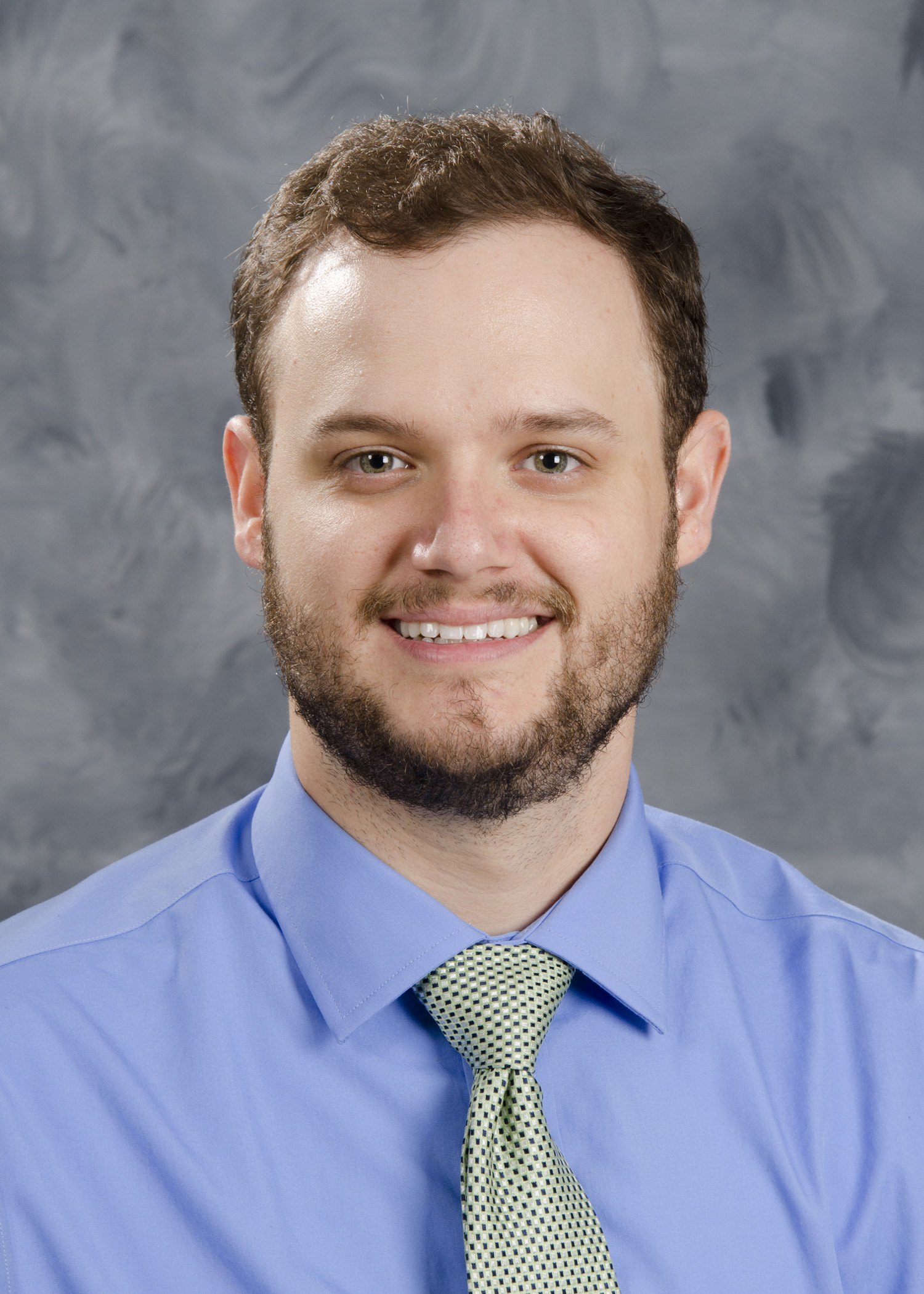
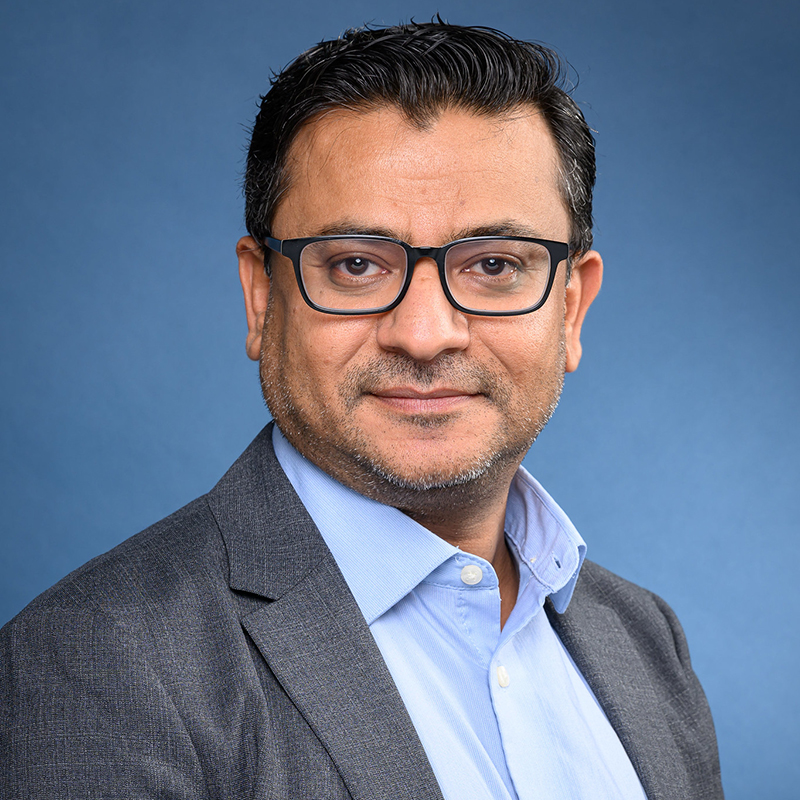
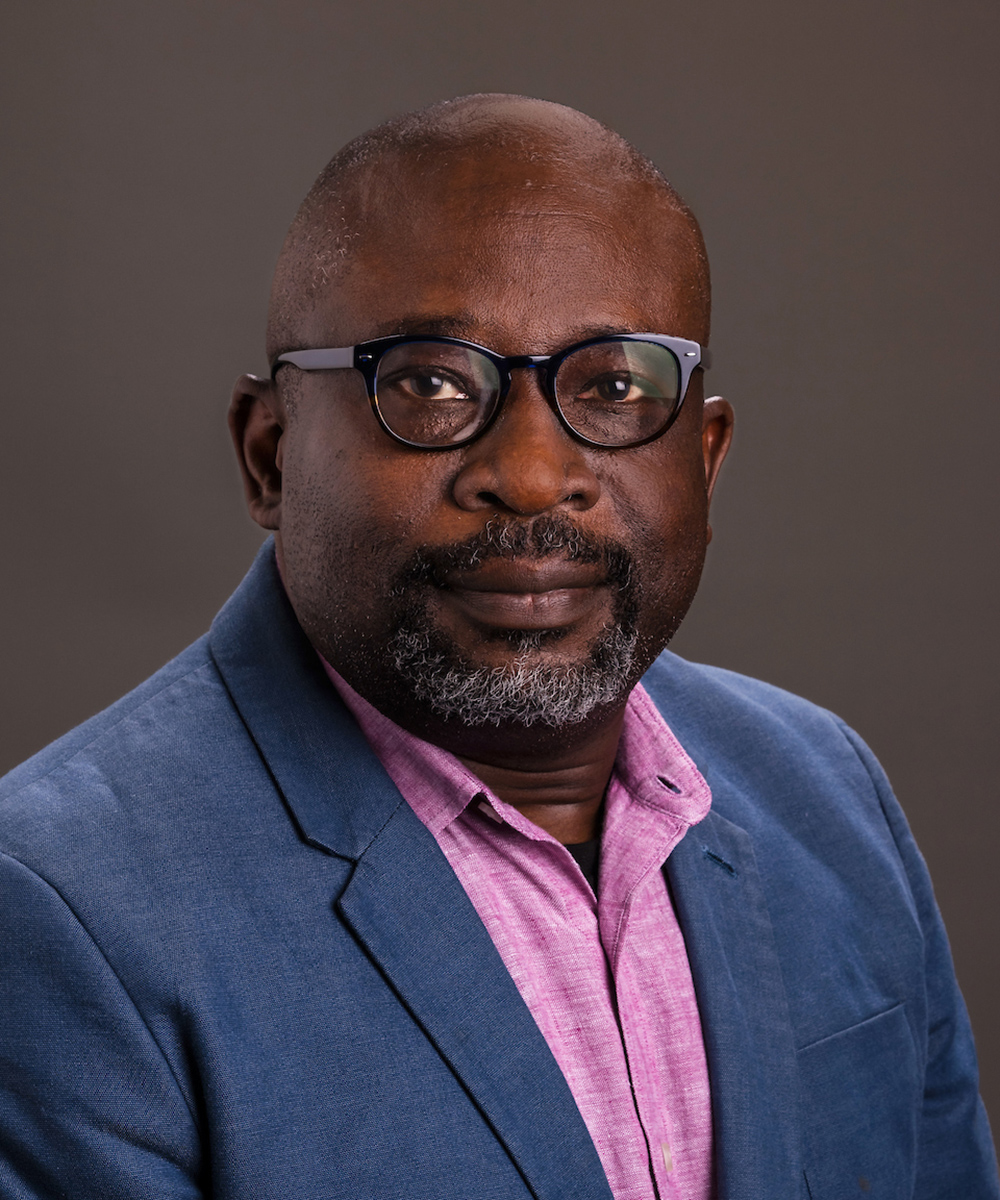
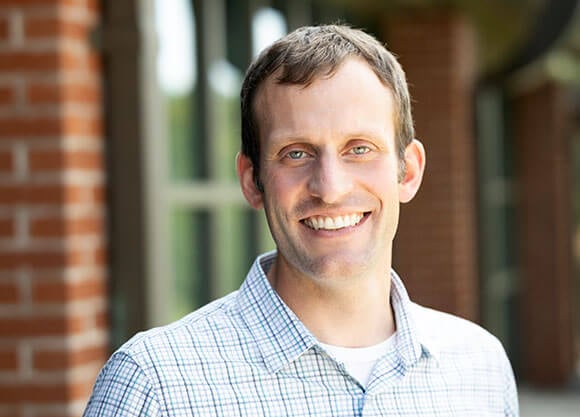
Dr. Arti Shankar is a Professor in the Biostatistics and Data Science Department at Tulane University School of Public Health and Tropical Medicine. With a PhD from Indian Institute of Technology and postgraduate degrees from Gorakhpur University, she specializes in applying advanced statistical methods to public health research, particularly in the Caribbean region. PhD, Indian Institute of Technology, India MS, Gorakhpur University, India BS, Gorakhpur University, India Her research focuses on: Multivariate analysis Spatial analysis using GIS and SAS Temporal/spatial data merging Environmental health epidemiology Regression modeling Dr. Shankar's recent work examines environmental exposures in Suriname, including heavy metal contamination, climate change impacts on disease dynamics, and digital health interventions. She teaches graduate biostatistics courses both in-person and online, emphasizing methodological rigor in public health applications. Scientific Contributions Developed innovative GIS-based spatial interpolation methods Created frameworks for merging EPA environmental data with health records Pioneered environmental health literacy scales Her teaching portfolio includes BIOS 6030 Introductory Biostatistics, delivered through asynchronous and synchronous distance learning modalities.
Lindsay McAlpine, MD is an Assistant Professor in the Department of Neurology at Yale University School of Medicine, specializing in neuroimmunology and neuro-infectious diseases. She founded and directs the NeuroCOVID Clinic at Yale, which treats patients with persistent neurological symptoms following COVID-19 infection, including brain fog, headaches, neuropathy, and cognitive impairment. Her work bridges clinical care with cutting-edge research on the neurological consequences of viral infections. Dr. McAlpine received her medical degree from Sidney Kimmel Medical College at Thomas Jefferson University in 2017, completed her residency at Yale-New Haven Hospital in 2021, and finished her fellowship training at Yale University in 2023. Her educational background includes a BSc in Environmental Science from Brown University (2009) and a Post-Baccalaureate program at the University of California, Berkeley (2013). Her research focuses on understanding the neuropathophysiology of Long COVID using advanced imaging techniques, particularly MRI. She investigates how viral infections like SARS-CoV-2 trigger neuroinflammation and lead to persistent neurological symptoms. Her work spans multiple domains including cognitive neuroscience, cerebrovascular circulation, and autoimmune responses in the central nervous system. She employs a comprehensive approach that combines advanced neuroimaging, biomarker testing, and extensive neuropsychological assessments to understand damage to the central, autonomic, and peripheral nervous systems. Analysis of Dr. McAlpine's recent publications reveals a strong focus on the neurological manifestations of COVID-19, particularly small fiber neuropathy, cognitive impairment, and autonomic dysfunction. Her work demonstrates how advanced MRI techniques can identify biomarkers of cerebral dysfunction in patients with post-COVID cognitive impairment. She has also contributed to understanding the role of autoimmunity in Long COVID and investigated potential therapeutic approaches for post-viral neurological conditions. NIMH Grant to advance research into Long COVID and related brain changes (2025) Grant to investigate causes of post-COVID-19 neurologic condition (2024) Dr. McAlpine serves as a sub-investigator for multiple clinical trials related to Long COVID, including 'The Brain Shuttle Study' and research on brain fog in Long COVID patients. She leads the McAlpine Lab, which focuses on understanding the mechanisms that damage the nervous system after COVID-19. Her lab collaborates extensively with the Clinical Neurosciences Imaging Center (CNIC) and the Center for Infection & Immunity at Yale. The McAlpine Lab conducts research using advanced MRI techniques to study structural, vascular, and functional changes in the brains of Long COVID patients. The lab works with a team including postgraduate associates and collaborates with researchers across Yale University. They recruit research participants both locally and throughout the United States to better understand the impact of Long COVID on the nervous system.
Dr. Anna Plourde is a Clinical Assistant Professor in the Department of Pathology at SUNY Downstate Health Sciences University, where she serves as Director of Clinical Microbiology and Virology Laboratories and Associate Program Director. She oversees clinical microbiologic testing and provides diagnostic consultation for infectious diseases. Education: Undergraduate: University of Massachusetts, BA Advanced Degree: University of California Berkeley, MPH Medical School: University of Massachusetts Medical School Residency: University of California San Francisco Fellowship: University of Chicago Medical Center & NorthShore University Health System Her research focuses on three interconnected domains: molecular microbial testing methodologies, clinical utility of diagnostic approaches for infectious diseases, and epidemiological patterns of infections. She actively collaborates with Infectious Disease and Infection Control departments on diagnostic stewardship initiatives. Dr. Plourde's publications demonstrate expertise spanning virology (COVID-19, Zika), clinical microbiology, genetic epidemiology, and surgical infections. Recent work emphasizes public health applications of diagnostic testing, while earlier research explored genetic markers in neurological disorders and novel infection control techniques. She contributes to medical education through teaching pathology residents and medical students during Clinical Microbiology rotations. As laboratory director, she leads diagnostic operations and partners with clinical teams on therapeutic stewardship programs.
University of Texas Southwestern Medical CenterUnited States
Robert W. Haley, M.D., is a Professor in the Department of Internal Medicine at UT Southwestern Medical Center, where he holds the U.S. Armed Forces Veterans Distinguished Chair for Medical Research Honoring America's Gulf War Veterans. He founded the Division of Epidemiology and Preventive Medicine (now part of the Division of Infectious Diseases & Geographic Medicine) and directs courses in clinical epidemiology, biostatistics, and disease prevention. Education: B.A. in Philosophy and Social Sciences, Southern Methodist University M.D., UT Southwestern Medical Center Research Interests: Dr. Haley's work spans two major domains: epidemiology of nosocomial infections and Gulf War illness research. His infection control studies focus on hospital safety metrics, MRSA eradication, and financial incentives for prevention programs. His Gulf War illness research investigates neuroepidemiology, autonomic dysfunction, and environmental exposures from the 1991 conflict. Scientific Awards: U.S. Public Health Service Commendation Medal for research contributions Professional Leadership: He chaired the Infection Control Indicators Task Force for JCAHO, served on the National Advisory Committee on Hospital Infection Control Practices, and was Senior Editor of the American Journal of Epidemiology. He is a Fellow of the American College of Physicians and the American College of Epidemiology. Clinical Roles: Dr. Haley has been an attending physician at the Dallas VA Medical Center and Parkland Memorial Hospital, contributing to infection control committees for major Dallas hospitals.
Cooper Brookshire is an Assistant Clinical Professor at the Mississippi State University College of Veterinary Medicine (MSU CVM). He holds a Doctor of Veterinary Medicine (D.V.M.) and a Master of Science (M.S.) in Veterinary Medicine and Science from Mississippi State University, along with a Bachelor of Science in Animal and Dairy Science from the same institution. Education: DVM (2010), MS (2015), BS (2007) from Mississippi State University His research focuses on Epidemiology , Preventive Medicine , Antimicrobial Resistance , and Shelter Medicine . His work spans infection control in veterinary hospitals, antibiotic stewardship, wildlife feeding impacts on ecosystems, and surgical techniques in spay/neuter clinics. Recent publications highlight collaborations with the American College of Veterinary Internal Medicine and Southern Regional Meeting for the Southern Society for Clinical Investigation. Cooper Brookshire's publications from 2020–2024 reflect expertise in antimicrobial resistance , tick ecology , and shelter medicine . Key themes include nosocomial infections , surgical suture techniques , and environmental impacts of wildlife feeding . His areas of expertise include Epidemiology , Preventive Medicine , Antimicrobial Resistance , and Shelter Medicine , with clinical work emphasizing infection control and surgical optimization.
David Gauthier is a Professor in the Department of Biological Sciences within the College of Sciences at Old Dominion University. His research integrates marine science, microbiology, and molecular biology to address critical issues in aquatic animal health, particularly focusing on fish diseases in the Chesapeake Bay ecosystem and their broader ecological implications. His educational background includes a Ph.D. in Marine Science from the Virginia Institute of Marine Science, The College of William & Mary (2004) and a B.S. in Zoology from Michigan State University (1996). This foundation enables his interdisciplinary approach to aquatic pathogen research. Dr. Gauthier's research spans mycobacteriosis in striped bass , eco-epidemiology of tick-borne pathogens , and genomic analysis of fish pathogens . His work examines how environmental stressors like temperature and hypoxia interact with infectious diseases, while developing molecular tools for pathogen detection and population genetics. Recent publications reveal a strong emphasis on methodological innovation in genomics alongside field studies of marine disease systems. His scientific contributions have been recognized through significant awards for mentorship and teaching excellence: College of Sciences Undergraduate Advisor Award (2014) Provost’s Award for Outstanding Undergraduate Research Faculty Mentor (2014) Shining Star Award from ODU Division of Student Affairs (2009) As a principal investigator, he has secured over $12 million in research funding from federal agencies (NIH, NSF), state programs, and private foundations. His grants include major projects like the MARC Undergraduate Training Program ($1.5M) and spatial eco-epidemiology studies of tick-borne diseases ($2.5M), demonstrating his leadership in both research and undergraduate training. His collaborative network spans multiple institutions with frequent partnerships on fish health and vector-borne disease projects. Dr. Gauthier maintains an active research program involving genomic analysis of fish pathogens and eco-epidemiological field studies, primarily focused on the Chesapeake Bay ecosystem and its economically important fish species.
Linda Niccolai is a Professor in the Department of Epidemiology of Microbial Diseases at Yale School of Public Health and the Senior Associate Dean for Education. She specializes in infectious disease epidemiology, focusing on vaccine-preventable diseases and sexually transmitted infections (STIs), particularly HPV and HIV. She directs the Connecticut Emerging Infections Program and the HPV Working Group at Yale, with research funded by NIH, CDC, and private foundations. Education : PhD from Tulane University (2000), ScM from Harvard School of Public Health (1995), BS in Mathematics from Georgetown University (1991) Her research integrates behavioral, clinical, and surveillance epidemiology to address health disparities in HPV vaccination and STI prevention. She has led studies on HPV vaccine impact, social determinants of HIV risk, and community-based interventions for vaccine uptake. Her recent articles focus on HPV vaccine effectiveness, STI trends linked to environmental factors, and public health strategies for vaccine compliance. These span keywords like Epidemiology , Vaccinology , and Health Equity . Scientific Awards : Fellow, ELAM Program (2023-2024); Chair, NIH Study Section (2021); Elected to Connecticut Academy of Science and Engineering (2021); Population Science Research Prize (2019); CDC Immunization Champion (2017) She teaches epidemiology methods to MPH, MS, and PhD students and oversees interdisciplinary research initiatives at Yale, including collaborations with the Yale Cancer Center and Yale Institute for Global Health.
Imran Ahmad, Ph.D., is a Research Assistant Professor at Florida International University’s Chaplin School of Hospitality & Tourism Management, where he leverages 16 years of combined academic and industry experience to advance food-process and bioprocess engineering research. Before joining FIU, he served as affiliated faculty in the Biosystems Engineering Program at the Asian Institute of Technology (AIT) in Thailand, developing and teaching courses such as Food Analysis and Quality Assurance, Engineering Properties of Food & Bio-materials, and Biosystems Engineering Applications. From 2008-2015 he acted as instructor for AIT’s Food Engineering and Bioprocess Technology (FEBT) graduate program, coordinating three laboratory courses annually while directing the Food Processing and Bioprocess Research Laboratories. Education & Training: Although explicit degree details are not provided, Dr. Ahmad’s extensive teaching record at graduate level, coupled with his authorship of high-impact journal articles and textbooks, indicates advanced training in Food/ Bioprocess Engineering or a closely related discipline. Research Interests: Dr. Ahmad’s work centers on quality management of fresh produce, agri-food supply-chain optimization, post-harvest technology, predictive modelling, and the application of artificial intelligence and machine-learning techniques to food systems. He is particularly interested in how engineering properties of food materials influence processing outcomes, and how data-driven models can forecast shelf-life and safety parameters for seafood and other perishables. Publications Trend: Across his recent works, a clear trajectory emerges from traditional food-engineering experimentation toward integration of machine-learning and AI tools for predictive quality assurance. Studies on shrimp shelf-life estimation via micro-calorimetry and machine-learning illustrate this convergence of engineering rigor with advanced analytics. Scientific Awards & Recognition: While no formal awards are explicitly listed, Dr. Ahmad has earned international recognition through invitations to deliver professional training and outreach programs across Thailand, Pakistan, Myanmar, Sri Lanka, Laos, Vietnam, and Cambodia under AIT-sponsored initiatives. Advising & Grant Activity: Dr. Ahmad has co-supervised numerous graduate research projects covering cereals, fruits, vegetables, dairy, and value-added food production. His industry background includes serving as Project Manager (Manufacturing) for Dutch Mill Group, Thailand’s largest dairy company, where he oversaw scale-up and quality-assurance operations. Laboratories & Teams: At AIT he spearheaded two key graduate research laboratories—the Food Processing Laboratory and the Bioprocess Laboratory—managing facilities and mentoring teams of master’s and doctoral students for eight consecutive years.
Adebowale Adebiyi, PhD is a Professor of Medical Pharmacology & Physiology at the University of Missouri School of Medicine, where he holds the Russell D. and Mary B. Shelden Missouri Chair in Anesthesiology. He serves as a NextGen Precision Health Investigator with a focus on Vascular and Kidney Disorders, conducting research at the NextGen Precision Health Center in Columbia, Missouri. Dr. Adebiyi's educational background includes: Postdoctoral Research Fellow, Department of Physiology, University of Tennessee Health Science Center (2009) PhD, National University of Singapore, Singapore (2004) Bachelor of Science (Honors), College of Medicine, University of Lagos, Nigeria (1996) His research program focuses on renal and vascular pathophysiology in neonates and adults, utilizing an integrative approach that combines molecular, biochemical, electrophysiology, imaging, and whole animal methodologies. Dr. Adebiyi's laboratory specializes in investigating ion channels, G protein-coupled receptors, oxyradicals, and regulatory proteins that control vascular and kidney function. A significant contribution to the field is his development of translational swine models to study vascular and kidney disease, with particular emphasis on neonatal renal microcirculation. His laboratory is among the few research groups worldwide that utilize translational swine models to investigate kidney microcirculation and dysfunction within the first week of life. Analysis of Dr. Adebiyi's publication record reveals a consistent focus on renal vascular physiology, with particular emphasis on TRP channels in kidney function, mechanisms of acute kidney injury, and the development of novel diagnostic tools and therapeutic targets. His work spans basic science investigations to translational research with clinical applications, especially in the areas of neonatal kidney function, sickle cell nephropathy, and diabetes-related kidney complications. Recent publications demonstrate growing interest in biomarker development and novel therapeutic targets for kidney diseases. Dr. Adebiyi's significant contributions to the field have been recognized through numerous awards: Outstanding Reviewer Award: Experimental Biology and Medicine (2020) John F. Perkins, Jr. Research Career Enhancement Award: American Physiological Society (2020) Publication recommendation: Faculty of 1000 - Renal, Fluid & Electrolyte Physiology (2019) University of Tennessee Research Foundation Technology Maturation Award (2018) American Heart Association Research Leaders Academy selection (2017) Research Recognition Award: American Physiological Society Renal Section (2013) Dr. Adebiyi's research has been consistently supported by NIH funding, with recent projects using swine models to explore the physiology and pathophysiology of neonatal renal microcirculation. His laboratory investigates the mechanisms underlying vascular and kidney function with the goal of developing novel therapeutic and diagnostic approaches. He anticipates his research will yield findings with significant clinical impact for patients with vascular and kidney disorders. Based at the NextGen Precision Health Center, Dr. Adebiyi's laboratory is equipped to study vascular and kidney pathophysiology using small and large animal disease models, including hypertension, acute kidney injury, chronic kidney disease, diabetic kidney disease, and sickle cell nephropathy. His work represents a critical bridge between basic science discoveries and clinical applications in renal and vascular medicine.
Nils Pilotte is an active Assistant Professor of Biology in the Department of Biological Sciences at Quinnipiac University, where he teaches courses including Genetics Lab (BIO 282L) and Research Methods in Biology. His office is located in Buckman Center 144 with mail drop SI-TE1. Dr. Pilotte maintains an active research laboratory focused on molecular approaches to studying parasites that cause neglected tropical diseases. Education: MS, Smith College PhD, University of Massachusetts-Amherst PhD, College of Our Lady of the Elms Dr. Pilotte's research focuses on applying molecular tools to study parasites causing neglected tropical diseases, with special emphasis on developing improved diagnostic strategies and understanding repetitive DNA sequences in parasitic organisms. His work bridges laboratory and field-based applications, exploring host-vector relationships and advancing disease monitoring through innovative insect surveillance approaches. His teaching interests include molecular biology, molecular techniques, genetics, parasitology, and tropical disease. Analysis of Dr. Pilotte's recent publications reveals a strong focus on molecular detection methods for parasitic diseases, particularly filarial infections and soil-transmitted helminths. His work demonstrates expertise in qPCR techniques, xenosurveillance, and diagnostic development for neglected tropical diseases, with significant contributions to understanding Mansonella perstans, Onchocerca volvulus, and Schistosoma japonicum detection. Scientific Awards: Byron Prize recipient at the 2021 University of Massachusetts Amherst Molecular and Cellular Biology Annual Retreat Awarded over $180,000 in grants to study parasites that cause neglected tropical diseases Dr. Pilotte actively mentors students in his research lab, with recent graduates including Anissa Benbrahim (B.S.), Isabelle Miserani (M.S.), David Russell (M.S.), and Gabriel Trajkovic (B.S.). His lab has received funding supporting research on molecular diagnostics for parasitic diseases, including collaborations with Smith College, LSTM, The Wellcome Trust Research Laboratory, and icddr,b in Bangladesh. Current projects include developing CRISPR-Cas12 diagnostics for Ascaris and Necator americanus, and evaluating impacts of improved flooring on soil-transmitted helminth transmission. The Pilotte Lab, established in Fall 2021, has grown to include research associates like Dr. Megan Fris and Dr. Rachael Sirois, along with numerous undergraduate and graduate students. The lab maintains active collaborations with institutions including Smith College, University of California Berkeley, North Carolina State University, and the Richardson Lab. Dr. Pilotte regularly presents his work at national conferences including the American Association of Veterinary Parasitologists and the American Society of Tropical Medicine and Hygiene.
Susan "Sue" Jarvi is a Professor in the Department of Pharmaceutical Sciences at the Daniel K. Inouye College of Pharmacy, University of Hawaii at Hilo. She also holds joint affiliations with the Tropical Conservation Biology and Environmental Science (TCBES) program. Previously, she served as Department Chair in both the Biology Department (2006-2009) and Pharmaceutical Sciences Department (2015-2016). Education: M.S. in Veterinary and Animal Sciences (Genetics) - University of Massachusetts, Amherst Ph.D. in Biology - Northern Illinois University, DeKalb Postdoctoral Fellow - Beckman Research Institute, California Postdoctoral Fellow - Smithsonian Institution, Washington DC Jarvi's research focuses on parasitology and conservation biology, particularly investigating Rat Lungworm Disease , avian malaria , and avian poxvirus in Hawaiian ecosystems. Her work bridges molecular biology with tropical conservation efforts, addressing both human and wildlife health. Her recent publications highlight trends in parasitic disease diagnostics , avian immune system genetics , and ecohealth approaches to zoonotic disease management. Key journals include Current Tropical Medicine Reports, ACS Chemical Neuroscience, and PLOS ONE. Scientific Awards: UH Hilo Excellence in Scholarly Creative Activities Award (2014-2015) Current funding includes grants from the Hawaii Community Foundation Medical Research ($50,000), Hawaii Invasive Species Council ($65,634), and recurring state legislative appropriations totaling $1,770,000 (2018-present). She also generates laboratory revenue through diagnostic testing fees. The Jarvi Lab at Daniel K. Inouye College of Pharmacy Building (room 258) serves as her research hub, where she leads the Hawaii Island Rat Lungworm Working Group. Her work integrates tropical medicine, molecular diagnostics, and conservation science to address Hawaii's unique ecological challenges.
Michelle Heck is an Adjunct Associate Professor at Cornell University's School of Integrative Plant Science and a Research Molecular Biologist at the USDA Agricultural Research Service Robert W. Holley Center. She leads a vector biology research group at the Boyce Thompson Institute (BTI), focusing on molecular interactions between plant pathogens, insect vectors, and plant hosts. Broad research areas include Plant Pathology, Entomology, Molecular Biology, Vector Biology, and Proteomics Develops pest management tools for insect vector-borne plant diseases Contact: Email: mlc68@cornell.edu Address: 533 Tower Rd., Ithaca, NY 14853 Scientific Awards: USDA grants for plant virus and insecticide research (2020)
Gabriel Vecchi is a Professor of Geosciences and the High Meadows Environmental Institute at Princeton University, where he serves as Director of the Cooperative Institute for Modeling the Earth System. His research focuses on climate science, extreme weather events, hurricanes, precipitation variability, ocean-atmosphere interactions, and climate change detection and attribution. His recent work includes analyzing the impact of CO2 forcing on the North Atlantic Oscillation, hurricane rainfall risks during extratropical transitions, and climate-infectious disease dynamics. He has collaborated with graduate students Maya Chung and Ivan Mitevski on interdisciplinary studies linking climate patterns to public health outcomes. Vecchi’s publications span climate modeling, drought attribution, and tropical cyclone behavior under global warming. His group employs high-resolution simulations to improve climate and weather risk predictions, with applications to flood resilience and disease control strategies.
The University of Texas Medical Branch at GalvestonUnited States
Dennis A. Bente, DVM, PhD is a Professor in the Department of Microbiology & Immunology at the University of Texas Medical Branch (UTMB). He maintains his laboratory within the Galveston National Laboratory (GNL), a BSL-4 facility, reflecting his specialized work with high-containment pathogens. His academic affiliations include the Institute for Human Infections & Immunity, the Center for Biodefense and Emerging Infections, the Center for Tropical Diseases, and the Sealy Center for Vaccine Development. Dr. Bente's research program focuses on the pathogenesis and transmission of tick-borne hemorrhagic fever viruses, representing a unique intersection between arbovirology and hemorrhagic fever research. His laboratory pioneered the first tick-host transmission model in a BSL-4 setting, requiring sophisticated integration of virology, immunology, and tick physiology expertise. His work spans multiple dangerous pathogens including Crimean-Congo hemorrhagic fever virus (CCHFV), Kyasanur forest disease virus, Alkhurma hemorrhagic fever virus, and West-Nile virus. His publication portfolio demonstrates consistent expertise in hemorrhagic fever viruses and vector biology. Recent work shows expanding research scope into related areas such as SARS-CoV-2 inhibitors and environmental pathogen monitoring, while maintaining his core focus on tick-borne hemorrhagic fevers. His fingerprint analysis confirms strong specialization in CCHFV (100%) and related hemorrhagic fever research topics. Dr. Bente serves as Principal Investigator on multiple significant research projects: Evaluating the Virucidal Efficiency of Xpert® Hemorrhagic Fever Test Sample Reagent (2025-2026) Transmission Dynamics of Crimean-Congo hemorrhagic fever virus with NBAF (2022-2026) Quantitative Analysis of Fomite Transport Risk Reduction (2021-2025) Development of Novel Small Molecule Antivirals (2023-2025) Analysis of a novel CCHFV vaccine (2022-2025) His laboratory maintains specialized capabilities for working with BSL-4 pathogens and tick vectors, representing a critical resource for high-containment research on dangerous emerging infectious diseases. The Bente Lab's work has significant implications for global health security and development of countermeasures against pathogens with high mortality rates and limited treatment options.
Joao H.F. Pedra is a Professor at the Department of Microbiology and Immunology within the University of Maryland School of Medicine , where he directs faculty mentoring initiatives. His research focuses on tick immunology , vector biology , and host-pathogen interactions , particularly mechanisms of resistance to tick-borne pathogens like Borrelia burgdorferi and Anaplasma phagocytophilum . Education : B.Sc. (1998) and M.Sc. (2000) from Universidade Federal de Vicosa, Brazil; Ph.D. (2004) in Entomology from Purdue University; Postdoc (2004-2007) at Yale University School of Medicine (HHMI). His lab investigates non-canonical immune deficiency (IMD) pathways in ticks, immunometabolism , and the role of tick saliva in modulating host immunity and microbial transmission. Recent work includes tick genome editing, metabolic reprogramming by bacteria, and machine learning applications for Lyme disease diagnosis. Key awards include the 2024 Purdue University Distinguished Alumnus Award and the 2022 Dr. Mark E. Shirtliff Mentor Award . He is affiliated with the American Society for Rickettsiology , American Society for Microbiology , and American Association of Immunologists .