Professor James Bull is a faculty member in the School of Biosciences, Geography and Physics at Swansea University, within the Faculty of Science and Engineering. His academic rank is Professor, specializing in population dynamics, disease ecology, and spatial connectivity in ecological systems. He conducts research using mathematical modeling, field observations, and experimental approaches to address challenges in marine conservation, agri-environmental sustainability, and biodiversity loss. Research Interests: Spatial connectivity and movement patterns in populations Marine mammal ecology and seagrass dynamics Pest control strategies and pollinator biology Climate change impacts on species resilience Recent Articles: His work spans studies on seagrass restoration, mosquito repellent development, and grey seal phenology. Key areas include habitat suitability modeling, biological control agents, and the impacts of environmental changes on species distribution. Grants & Projects: He has led projects funded by EU ERDF (SEACAMS2), INTERREG (BLUEFISH), and DEFRA, focusing on coastal management and pest control. Labs/Teams: Coordinates the Biosciences Maths and Statistics Support (BioMaSS) and supervises postgraduate research in ecology and conservation biology.
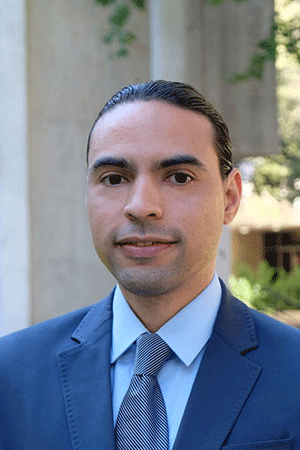
Jose Manuel Mota Aquino is an Assistant Professor of Economics at the University of Nebraska-Omaha's College of Business Administration. He earned his Ph.D. in Economics from the University of Houston (2023) and holds prior degrees from Pontificia Universidad Católica de Chile and Instituto Tecnólogico de Santo Domingo. His research focuses on macroeconomic policy, international migration, and the economics of epidemics, with notable work on pandemic containment strategies and household decision-making under policy interventions. Education : Ph.D., University of Houston (2023); MA, Pontificia Universidad Católica de Chile (2014/2011); BS, Instituto Tecnólogico de Santo Domingo (2008) His research interests span: - Macroeconomic policy design and evaluation - Drivers and impacts of global migration trends - Economic behavior during health crises - Household-level responses to policy changes Major publications include analyses of targeted containment policies during the COVID-19 pandemic and interest rate dynamics in emerging economies. He has received awards including the Dissertation Completion Fellowship (2022) and the Dr. Walter J. Primeaux Jr. Scholarship (2021). Teaching expertise includes macroeconomics, development economics, and quantitative methods. Professional experience includes research roles in Dominican Republic government institutions and a visiting Ph.D. fellowship at the University of Pennsylvania.
Associate Professor Sanjeeva Balasuriya is affiliated with the School of Computer and Mathematical Sciences at the University of Adelaide, within the Faculty of Sciences, Engineering and Technology. His research focuses on fluid dynamics, dynamical systems, uncertainty quantification, and mathematical biology. He has contributed to studies on Lagrangian coherent structures, stochastic sensitivity in flows, and biofilm expansion modeling. His work bridges applied mathematics with real-world phenomena, including environmental modeling and turbulence analysis. Recent publications explore topics like stochastic differential equations, optimal vector field reconstruction, and flow control strategies. He is eligible to supervise PhD and Master’s students in these areas. His research emphasizes interdisciplinary applications of mathematical techniques to complex fluid systems and nonlinear dynamics.
Osmo Rätti is a University Researcher and Vice Director at the Arctic Centre, University of Lapland, specializing in population ecology and wildlife biology. His work focuses on grouse population dynamics, parasite-vector-host interactions, and the impacts of habitat fragmentation and climate change. He holds a Docent title from the University of Jyväskylä in Ecology and Evolutionary Biology. Research interests include studying how parasites influence grouse survival and predator vulnerability, viral epidemiology in birds, and sustainable hunting practices. He has led projects like PROFI 5 (Competitive funding for university research profiles) and participated in strategic initiatives to strengthen Arctic research and ecotourism. Rätti has published extensively on grouse ecology, small rodent population cycles, and Sindbis virus infections. His work spans 45 peer-reviewed articles and 7 funded projects since 2013. Collaborations include international studies on Arctic ecosystems and wildlife health. Key roles: Vice Director (Arctic Centre), Principal Investigator (PROFI projects) Education: Docent in Ecology/Evolutionary Biology (University of Jyväskylä) Labs/Teams: Arctic Centre Global Change Research group Grants and projects focus on biodiversity conservation, sustainable tourism, and Arctic environmental policy. He advises on wildlife management and participates in policy-making through roles in Lapin Liitto and Arktikum Palvelu Oy.
Dr. Tassos Patokos is a Senior Lecturer in Economics at the Hertfordshire Business School, University of Hertfordshire. His research focuses on Game Theory, Social Choice Theory, Behavioral Economics, and Political Economy, with applied work in food redistribution policy and energy market analysis. He leads a key project with charity FareShare to optimize surplus food distribution in the UK. Education & Roles: Principal Lecturer in Economics Member of the Organisation, Markets and Policy Research Group Research Interests: Game Theory applications in decision-making and education Political Economy of market structures Behavioral Economics in social policy design Evaluating nonlinear pricing strategies in regulated industries Current Projects (2024-2026): "A Web-based Tool to Enhance Social Value Measurement in Healthcare, Social Care and VCFSE" (lead researcher) Labs/Teams: Collaboration with FareShare on food redistribution economics Energy Market Analysis Group (prior work)
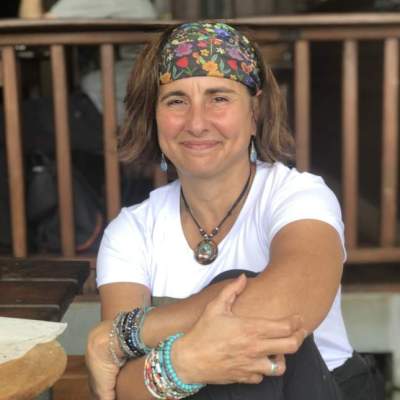
Dr. Sonia M. Hernandez is a Josiah Meigs Distinguished Professor at the University of Georgia, holding a joint appointment in the Warnell School of Forestry and Natural Resources and the College of Veterinary Medicine since 2008. She earned her DVM from Louisiana State University (1996), a PhD in Ecology from UGA (2008), and Diplomate status in Zoological Medicine (ACZM, 2002). Her research focuses on wildlife diseases, particularly how human activities impact wildlife health and biodiversity conservation. She teaches courses in wildlife disease investigation, conservation medicine, and ornithology. Her awards include the Fulbright Scholarship (2021), UGA Alumni Excellence in Teaching Award (2021), and the University-wide Richard B. Russell Award for Excellence in Teaching (2017). Dr. Hernandez leads the Wildlife Disease Lab and co-hosts the Wildlife Diseases Association’s annual conference. She advises students in graduate, veterinary, and undergraduate programs, emphasizing urban wildlife health and pathogen dynamics. Research interests include: 1) anthropogenic influences on wildlife disease ecology, 2) One Health approaches to zoonotic pathogens, and 3) conservation medicine strategies for endangered species. Her lab collaborates internationally, notably in Costa Rica, and hosts training programs like the Conservation Medicine & Biology course. Key grants support work on urban wildlife health, avian pathogen dynamics, and amphibian conservation. Her lab’s activities include field studies, epidemiological modeling, and policy recommendations for wildlife health management. She mentors >30 students annually across disciplines, emphasizing fieldwork and interdisciplinary collaboration.
Angela Anna ALBANESE is a Full Professor in the Department of Mathematics and Physics "Ennio De Giorgi" at the University of Salento, Italy, a position she has held since October 1, 2021. She previously served as an Associate Professor in the same department from 1998 to 2021. She earned her degree in Mathematics from the University of Lecce in 1991 and began her academic career there as a researcher from 1993 to 1998. She has held visiting positions at the Polytechnic University of Valencia (Spain) and the University of Tübingen (Germany), and was a CNR-Italy fellow at the Polytechnic University of Valencia. Her research is centered on Functional Analysis , particularly in Operator Theory , Ultradifferentiable Classes , Sequence Spaces , and Spectral Theory . Her work investigates the properties of Cesàro and related operators in various function and sequence spaces, including Fréchet and Banach spaces, with a strong emphasis on regularity, spectral behavior, and dynamical properties. Her expertise also extends to partial differential equations and harmonic analysis. The recent publications highlight a sustained focus on operator theory in function spaces , with a particular concentration on the Cesàro operator and its generalizations across different topological vector spaces. A significant trend is the analysis of spectral properties and dynamics of composition, multiplication, and convolution operators. Her work increasingly bridges classical functional analysis with applications in harmonic analysis and PDEs, as seen in her research on time-frequency representations and hypoellipticity. National Scientific Qualification (ASN) as Full Professor of Analysis (2013) National Scientific Qualification (ASN) as Full Professor of Analysis (2019, 1st quarter) Prof. ALBANESE plays a significant role in academic leadership and service. She is the Coordinator of the PhD School in "Mathematics and Computer Science" at the University of Salento (since 2019) and a member of the Doctoral School Board (since 2024). She has been a member of the Teaching Committee for the PhD School in Mathematics since 2007. She has served as an Assistant Editor for the journal Note di Matematica (2009–2019) and is currently a member of the Editorial Board of the Banach Journal of Mathematical Analysis (since 2023). She is a prolific reviewer for numerous journals and funding bodies, including Zentralblatt MATH, the Austrian Science Fund (FWF), and the VQR. Her research has been supported by several national and international projects. She was the main researcher for a project on "Functional Analysis and Applications-Young Researchers" at the University of Lecce and has participated in multiple projects funded by the National Institute of Higher Mathematics (INdAM) and the Italian Ministry of University and Scientific Research. She was also a researcher on a Spanish Ministry of Science and Innovation project titled "Metodos de analisis funcional para el analisis matematico".
James Knierim is a Professor of Neuroscience at the Solomon H. Snyder Department of Neuroscience, Johns Hopkins University School of Medicine, and a researcher at the Zanvyl Krieger Mind/Brain Institute. His laboratory investigates the neurophysiology of memory and spatial navigation in the hippocampal formation using advanced techniques such as multi-electrode recordings, optogenetics, and virtual reality systems like the Dome apparatus. PhD, California Institute of Technology BA, Psychology, Haverford College Dr. Knierim's research focuses on how the brain forms cognitive maps of the environment through the activity of place cells, grid cells, and head direction cells. His work explores the roles of the medial and lateral entorhinal cortex in providing allocentric spatial context and egocentric content representations, respectively, which are integrated in the hippocampus to form episodic memories. He investigates neural computations such as pattern separation and pattern completion across hippocampal subfields (DG, CA3, CA1), and how these processes are affected by aging. His lab also studies path integration and its recalibration through sensory feedback. The recent publications from his lab span topics including neural coding in the dentate gyrus, functional heterogeneity in CA3, aging-related neural changes, multiplexing of spatial and temporal information, and closed-loop control of place cells. These works reflect a strong trend toward integrating behavioral paradigms with computational modeling and advanced neurophysiological techniques to understand memory and navigation at the systems level. Notable scientific contributions include: Discovery of functional differences between CA1 and CA3 place cells supporting attractor network theories Demonstration of non-spatial coding in the lateral entorhinal cortex First physiological demonstration of path integration recalibration in freely moving rodents Identification of distinct firing properties of dentate gyrus mossy cells vs. granule cells Dr. Knierim mentors a team of postdoctoral fellows and graduate students and collaborates with researchers in engineering, psychology, and biomedical sciences. His lab is supported by grants from the NIH and DOD, enabling interdisciplinary projects on neural basis of navigation and memory. He has trained numerous former lab members who have gone on to faculty and research positions worldwide. The Knierim Lab operates within the Zanvyl Krieger Mind/Brain Institute and collaborates closely with the LIMBS Lab in Mechanical Engineering, reflecting a strong interdisciplinary approach to understanding brain function. The lab utilizes cutting-edge tools including Neuropixels probes, miniscopes for calcium imaging, and the Dome virtual reality system for studying freely moving rodents.
John Carlson is the Eugene Higgins Professor of Molecular, Cellular, and Developmental Biology at Yale University, where he is a full Professor in the Department of Molecular, Cellular, and Developmental Biology (MCDB) within the Yale School of Medicine. He also holds affiliations with the Interdepartmental Neuroscience Program, Kavli Institute for Neuroscience, Wu Tsai Institute, and the Biological & Biomedical Sciences Graduate Program (BBS). Education: Ph.D. in Biochemistry, Stanford University (1982) A.B. in Biochemistry, Harvard University (1977) John Carlson’s research centers on the molecular and neural mechanisms of chemoreception. His lab investigates how Drosophila and disease-transmitting insects such as mosquitoes detect odors, tastes, and pheromones. His groundbreaking work includes the discovery of the first insect odor and taste receptors and the elucidation of the logic underlying sensory coding in olfactory and gustatory systems. His current research extends to understanding how these mechanisms influence behavior in vectors of global disease. His recent publications (2022–2025) highlight advances in insect chemoreception, including the structural basis of sugar detection, the function of ionotropic receptors in mate recognition, and the role of taste in mosquito biting behavior. These works reflect a strong trend toward integrating molecular genetics, structural biology, and behavioral analysis to decode sensory systems. Scientific Awards and Honors: Elected Member, National Academy of Sciences Elected Member, American Academy of Arts and Sciences Guggenheim Fellow Fellow, American Association for the Advancement of Science (AAAS) Genetics Society of America Medal Kornberg-Berg Lifetime Achievement Award (Stanford) Max Mozell Award for Outstanding Achievement in the Chemical Senses Yale College Dylan Hixon Prize for Teaching Excellence Yale College Byrnes/Sewall Teaching Prize Yale Postdoctoral Mentoring Prize John Carlson is a dedicated mentor and educator. Seventeen of his PhD students have won dissertation awards, and he has received multiple honors for teaching and mentoring. He leads an active research lab that fosters collaboration and interdisciplinary inquiry. His lab has frequent co-authors including Gaëlle J. S. Talross, Yichen Luo, Hany Dweck, and Lisa Baik, indicating a strong team-based research environment focused on sensory biology and vector behavior.
Dr. Rockie Kuok is a Lecturer in Aviation at the Department of Aviation, School of Engineering, Swinburne University of Technology. He holds a PhD in Business Administration with a specialization in aviation and tourism economics from the University of Macau and brings both academic and industry expertise to his role. Education: PhD in Business Administration (Aviation and Tourism Economics/Econometrics), University of Macau Integrated Air Transport Pilot Licence (ATPL) training, École Nationale de l'Aviation Civile (ENAC), France Chartered Financial Analyst (CFA) Level 1 and Level 2 passed His research focuses on aviation economics, tourism demand modeling, sustainable aviation, and airline market competition . Using advanced econometric techniques such as panel cointegration and Global Vector Autoregressive (GVAR) models, he investigates the long-term relationships between air transport supply and tourism demand, the impact of economic policy uncertainty on international travel, and the interaction effects of air service attributes. His work has been published in top-tier journals including Annals of Tourism Research , Journal of Travel Research , and Tourism Economics . The recent publications reflect a strong trend in applying rigorous quantitative methods to real-world aviation and tourism policy issues, particularly in the context of post-pandemic recovery and sustainable air transport development. His studies emphasize cross-sectional dependence, endogeneity, and dynamic shock responses in global tourism systems. Scientific Awards and Recognitions: Passed CFA Level 1 Examination Passed CFA Level 2 Examination Dr. Kuok is actively involved in PhD supervision , with current research exploring cost-efficiency in aircraft maintenance through third-party outsourcing post-pandemic. He also contributes to the academic community as an anonymous reviewer for high-impact journals such as Annals of Tourism Research , Journal of Air Transport Management , and Journal of Hospitality & Tourism Research . He teaches courses in aviation analytics, flight operations, and future aviation technologies. Laboratories and Research Teams: While no specific lab is mentioned, Dr. Kuok is affiliated with aviation and transportation research initiatives within the School of Engineering at Swinburne, focusing on data-driven policy and operational analysis in air transport.
Joanna J. Waniek is a Professor at the Leibniz Institute for Baltic Sea Research (IOW) in Warnemünde, Germany, where she leads the Bio-physical Interactions Group. Her research spans physical-biological processes across the North Atlantic, Baltic Sea, and South China Sea marginal systems, with current projects focused on microplastic dynamics and pollutant transport. She maintains active field work at deep-sea observatories including the long-term Kiel276 station (33°N, 22°W) established in 1980. Her primary research interests involve: Marine pollution mechanisms, particularly microplastics as vectors for persistent organic pollutants Biogeochemical cycling of carbon, nitrogen, and phosphorus in marginal seas Physical controls on particle flux and sedimentation patterns in deep ocean basins Anthropogenic impacts from megacities on coastal ecosystems (e.g., Pearl River Delta) Climate-driven changes in ocean circulation and their ecological consequences Analysis of her 2023-2025 publications reveals dominant patterns: 80% focus on Baltic Sea pollution dynamics (chlorinated hydrocarbons, microplastics in ice) 60% investigate South China Sea systems (Pearl River estuary, Kuroshio intrusion) Emerging emphasis on microplastic-biofilm interactions and pollutant vector behavior Methodological innovations in microplastic separation and quantification techniques Integration of 40+ years of Kiel276 time-series for climate impact assessment Waniek has secured major funding as principal investigator: NAPOLY: DFG project (WA2157/12-1, 2024-2027) on microplastic-POP correlations E-POLIO: BMBF project (03G0305TA, until 2026) examining Indian Ocean pollutants MEGAPOL: BMBF consortium (03F0786A, 2017-2020) on megacity fingerprints in Chinese seas Decade: DFG project (WA2175/5-1, 2011-2014) analyzing Kiel276 time-series SMIS: BMWi project (03SX348F, 2013-2016) developing deep-sea monitoring swarms She operates within IOW's Bio-physical Interactions Group, collaborating across physical oceanography, marine chemistry, and biological oceanography disciplines. Her work utilizes sediment traps at 2000m depth, expedition-based water column sampling (e.g., RV SONNE cruises), and partnerships with Chinese institutions including Guangzhou Marine Geological Survey and Shanghai Jiao Tong University for South China Sea research.
Hugh Lefcort is a Professor in the Department of Biology at Gonzaga University, within the College of Arts and Sciences. He is an active researcher and educator, specializing in behavioral ecology and ecotoxicology, with a focus on how pollution and parasites affect invertebrate behavior. He teaches a range of courses including Physiology and Biodiversity, Ecology, Parasitology, and Climate Change Science and Policy. Education: Ph.D. in Zoology, Oregon State University, 1993 B.A. in Anthropology, University of Washington, 1985 His research centers on the behavioral responses of invertebrates—particularly snails and ticks—to environmental stressors such as heavy metals, elevated CO2, and pathogens. He investigates how these stressors alter predator avoidance, physiological responses, and species interactions. His work often involves undergraduate researchers, reflecting his commitment to training critical thinkers through hands-on research. The 15 most recent publications reveal a consistent focus on ecotoxicology and climate change impacts, with recurring themes in chemical sensing, stressor interactions, and evolutionary adaptation. His studies span terrestrial and aquatic systems, with strong emphasis on bioindicators and vector behavior, particularly in the context of human-altered environments. Scientific Awards: No formal awards listed in the provided text. Lefcort actively mentors undergraduate students, many of whom co-author his publications. His lab investigates the effects of Rickettsia bacteria on tick behavior, the influence of rising atmospheric CO2 on tick questing, and the neurobehavioral impacts of PFAS on snails. He welcomes intellectually curious students to join his research team. While no external grants are explicitly mentioned, his sustained publication record suggests ongoing research support. He maintains an active research program with a strong emphasis on undergraduate involvement, ecological monitoring, and the intersection of environmental change and animal behavior.
Egbert van Nes is a Senior Researcher at Aquatic Ecology and Water Quality Management , Wageningen University & Research, with extensive expertise in Ecology , Dynamical Systems , and Climate Change . His work spans ecological modeling, critical transitions in ecosystems, and applications of dynamical systems theory to both environmental and psychiatric contexts. Key Research Themes : Ecological Resilience and Tipping Points Biodiversity Dynamics and Species Rarity Dynamical Systems in Psychiatry Climate Change Impacts on Forests Notable Publications : Developed network theory models for panic disorders Studied boreal forest transitions under climate change Explored stochastic processes in species distribution Created AI tools for ecosystem resilience monitoring Validated early warning signals for disease and climate Collaborative Projects : Co-promotor for climate-forest resilience PhD projects Contributor to interdisciplinary mental health research Key role in datasets for paleoclimatic reconstruction His methodological innovations in early warning indicators and critical transition analysis have been applied to aquatic systems, boreal forests, and psychiatric disorders. Current projects include AI-driven resilience monitoring and climate-chemical interaction modeling.
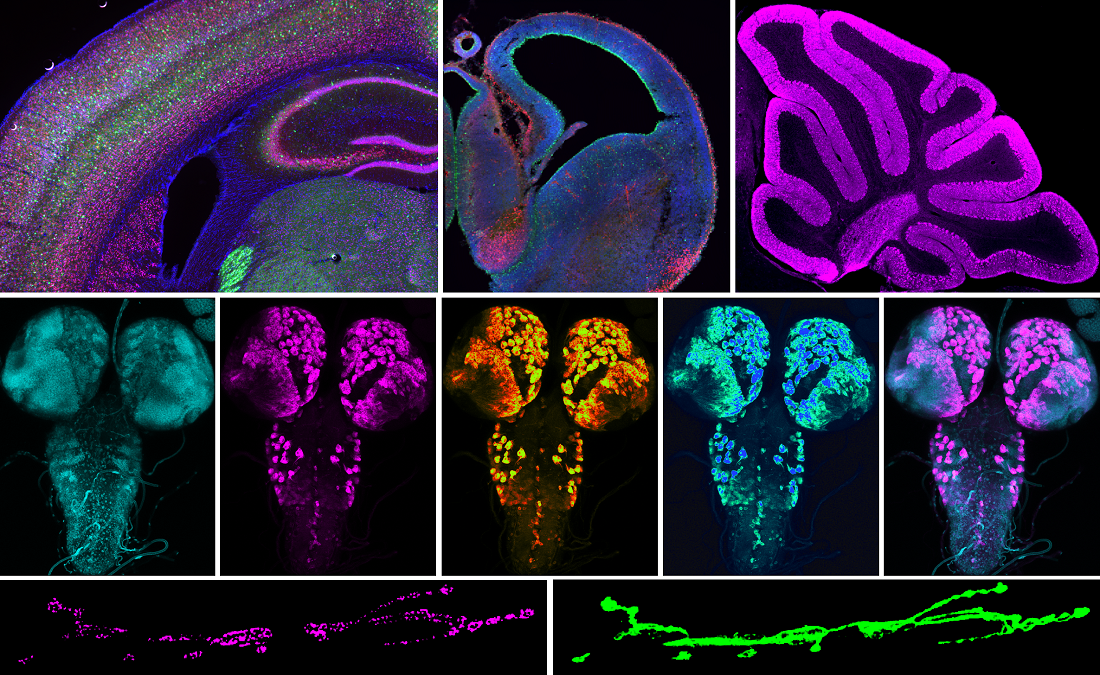
Dr. Hsiao-Tuan Chao is an Assistant Professor at Baylor College of Medicine with primary appointments in the Department of Pediatrics (Division of Neurology and Developmental Neuroscience), Department of Molecular and Human Genetics, and Department of Neuroscience. She serves as an Investigator at the Jan and Dan Duncan Neurological Research Institute and Texas Children's Hospital, and is a McNair Scholar at the McNair Medical Institute. Dr. Chao also holds leadership roles as Associate Program Director for the Basic Neuroscience Pathway in the Child Neurology Residency Training Program and as a Faculty Senator at Baylor College of Medicine. Dr. Chao's educational background includes: MD from Baylor College of Medicine (2012) PhD in Neuroscience from Baylor College of Medicine (2010) BS in Neuroscience and BA in Biochemistry (summa cum laude) from University of Texas at Austin (2002) Plan II Honors in Liberal Arts (summa cum laude) from University of Texas at Austin (2002) Her research focuses on understanding the genetic and neurophysiologic underpinnings of neurodevelopmental disorders including intellectual disability, epilepsy, autism, and schizophrenia. A central theme in her work is examining how disrupted inhibitory neuronal development and function contribute to these conditions. The Chao Lab integrates cross-species approaches using human genomics to uncover genetic etiologies, fruit flies to elucidate molecular pathways, and mice to explore consequences in the mammalian brain. Key research areas include EBF3-related disorders (HADDS syndrome), STXBP1 encephalopathy, EIF2AK variants (LEUDEN and LEMPSAD syndromes), and PPFIA3-related neurodevelopmental disorders. Analysis of Dr. Chao's recent publications reveals a strong focus on identifying novel disease genes and characterizing genotype-phenotype relationships in neurodevelopmental disorders. Her work spans multiple technical approaches including whole-genome sequencing, RNA sequencing, DNA methylation analysis, and functional validation using model organisms. A significant portion of her research examines how specific genetic variants impact protein function and neuronal development, with particular attention to transcriptional regulation, protein translation, and synaptic function. Dr. Chao has received numerous prestigious awards recognizing her contributions to neuroscience and neurology: 2022 "40 Under 40" List of Autism Researchers (Global Rising Stars in Autism Research) 2022 Young Investigator Award from Baylor College of Medicine Department of Pediatrics 2022 Induction to the Society for Pediatric Research 2020 Philip R. Dodge Young Investigator Award from the Child Neurology Society 2019 Health Care Heroes - Rising Star Award from Houston Business Journal 2017 STAT Wunderkind Award Dr. Chao actively mentors a large team of researchers including postdoctoral fellows, graduate students, medical students, and genetic counseling students. Her lab has secured significant funding including an NIH R01 grant (Molecular and Cellular Mechanisms of Cerebellar Dysfunction in Neurodevelopmental disorders), a DP5 Early Independence Award from NIH, and funding from the Burroughs Wellcome Fund. Current research initiatives include the Undiagnosed Epilepsy Genetics Initiative, EBF3-related disorders research study, and a Phase 1/2a clinical trial of CAP-002 Gene Therapy for STXBP1 Encephalopathy. The Chao Lab operates within the Jan and Dan Duncan Neurological Research Institute, leveraging multiple core facilities including the Microscopy Core, Rodent Neurobehavior Core, High Throughput Behavioral Screening Core, and Optogenetics and Viral Vectors Core. Her team collaborates extensively with the Undiagnosed Diseases Network and maintains active partnerships with clinicians at Texas Children's Hospital to translate research findings into clinical applications.
Guoyuan Li is a Professor at the Department of Ocean Operations and Civil Engineering, Faculty of Engineering, Norwegian University of Science and Technology (NTNU), Ålesund Campus. His work bridges digitalization , artificial intelligence , and maritime engineering , focusing on ship maneuvering, robotics, and human-machine interaction. Ph.D. in Computer Science, University of Hamburg (2013) M.S. & B.S. in Computer Science, Chongqing University (2009 & 2006) Research Interests: Digital twin systems for ships, adaptive locomotion control in bio-inspired robotics, trajectory prediction for marine vessels, and human visual attention analysis in maritime operations. He integrates machine learning and physics-based models to enhance safety and efficiency in marine environments. Publications highlight trends in ship motion prediction , collision avoidance , and environmental disturbance modeling , with applications in digital twin technology and remote control centers . His work spans IEEE and Springer journals. Awards include multiple Best Paper Awards at IEEE conferences (2024-2014). He serves as Associate Editor for IEEE Journal of Oceanic Engineering and IEEE Transactions on Intelligent Transportation Systems . Projects include EU’s RoboSapiens (robot adaptation), Digital Twin for Green Ship Operations (Norway), and AuReCo (remote control systems). He collaborates with the Intelligent Systems Lab at NTNU.