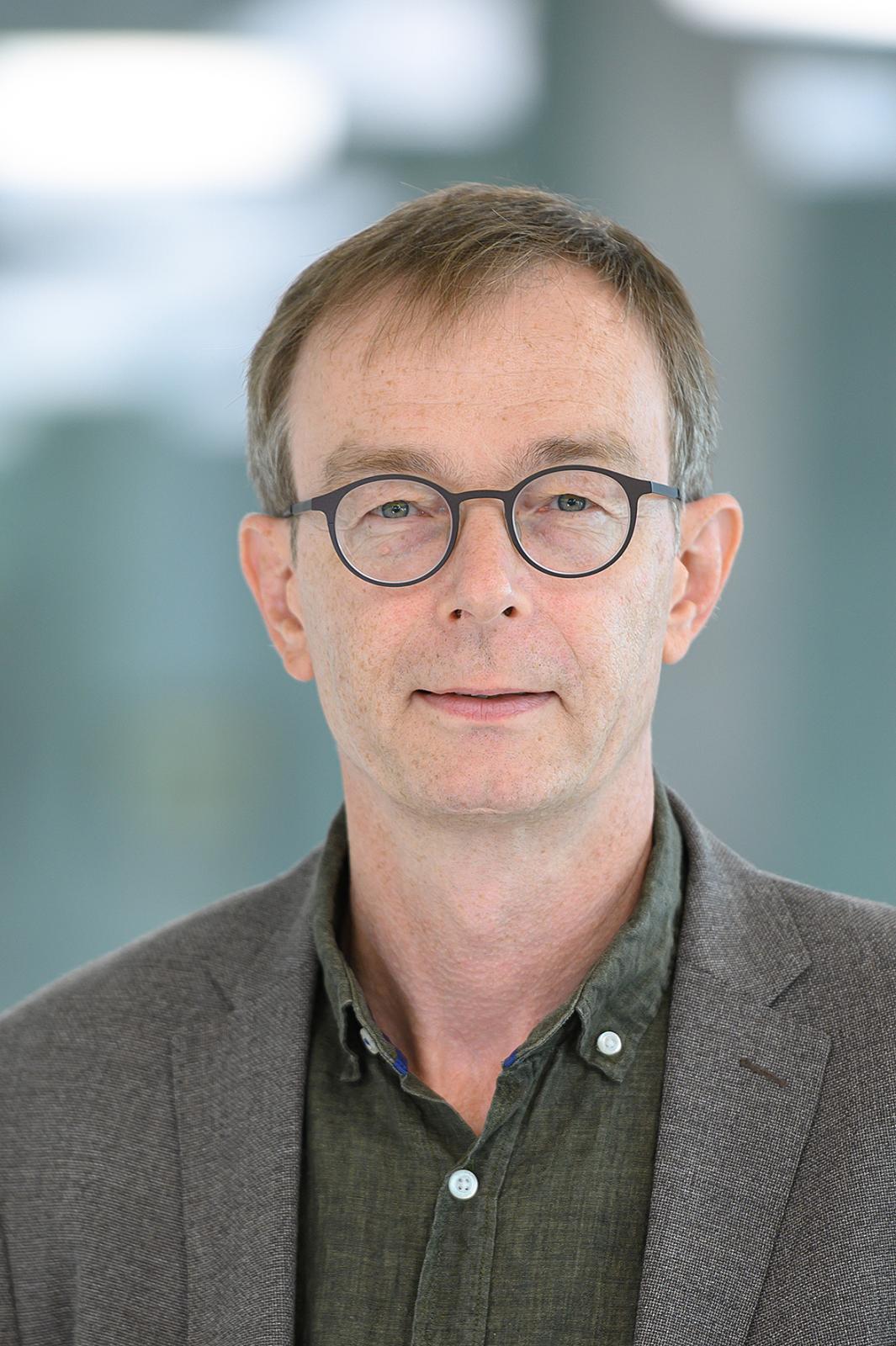
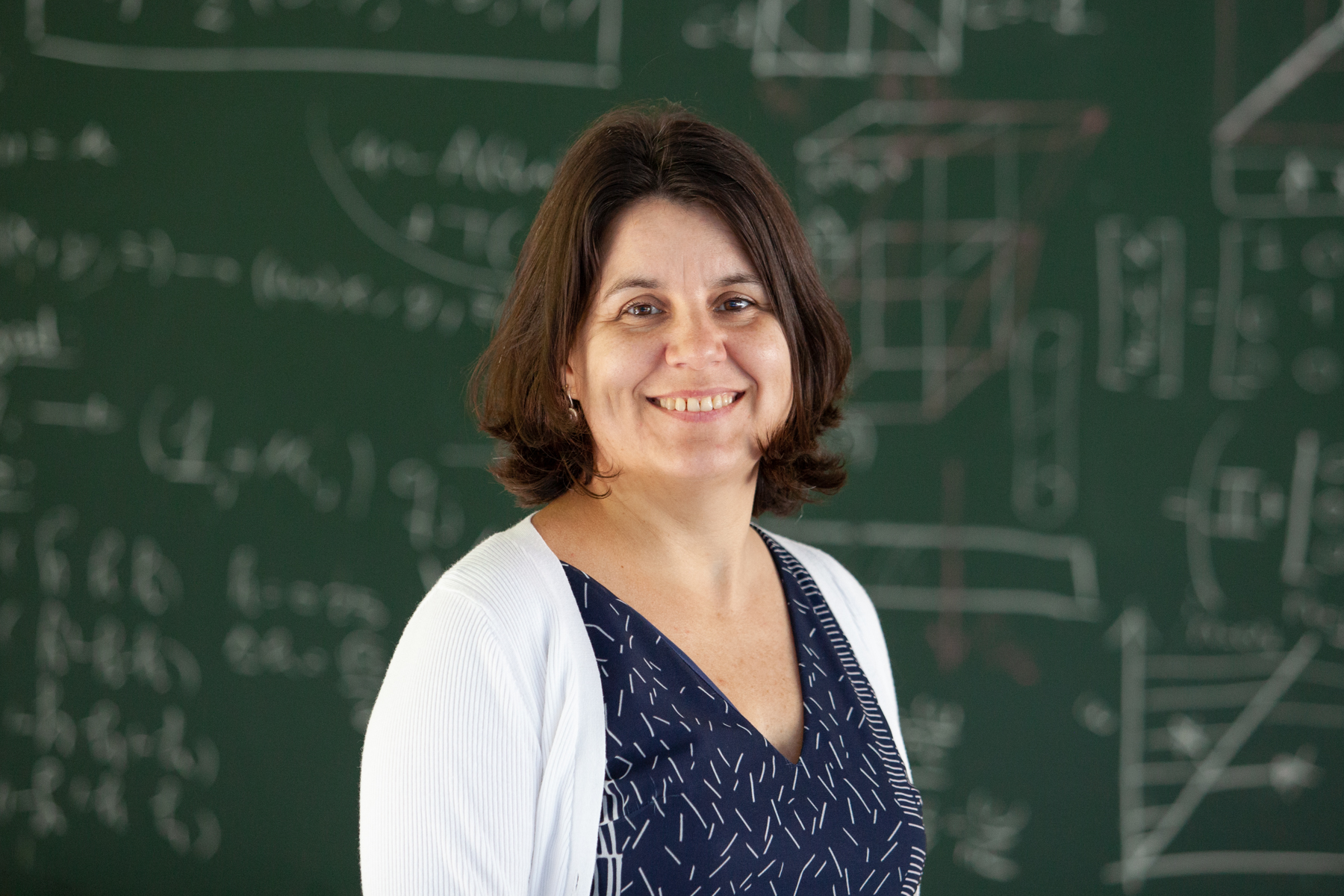
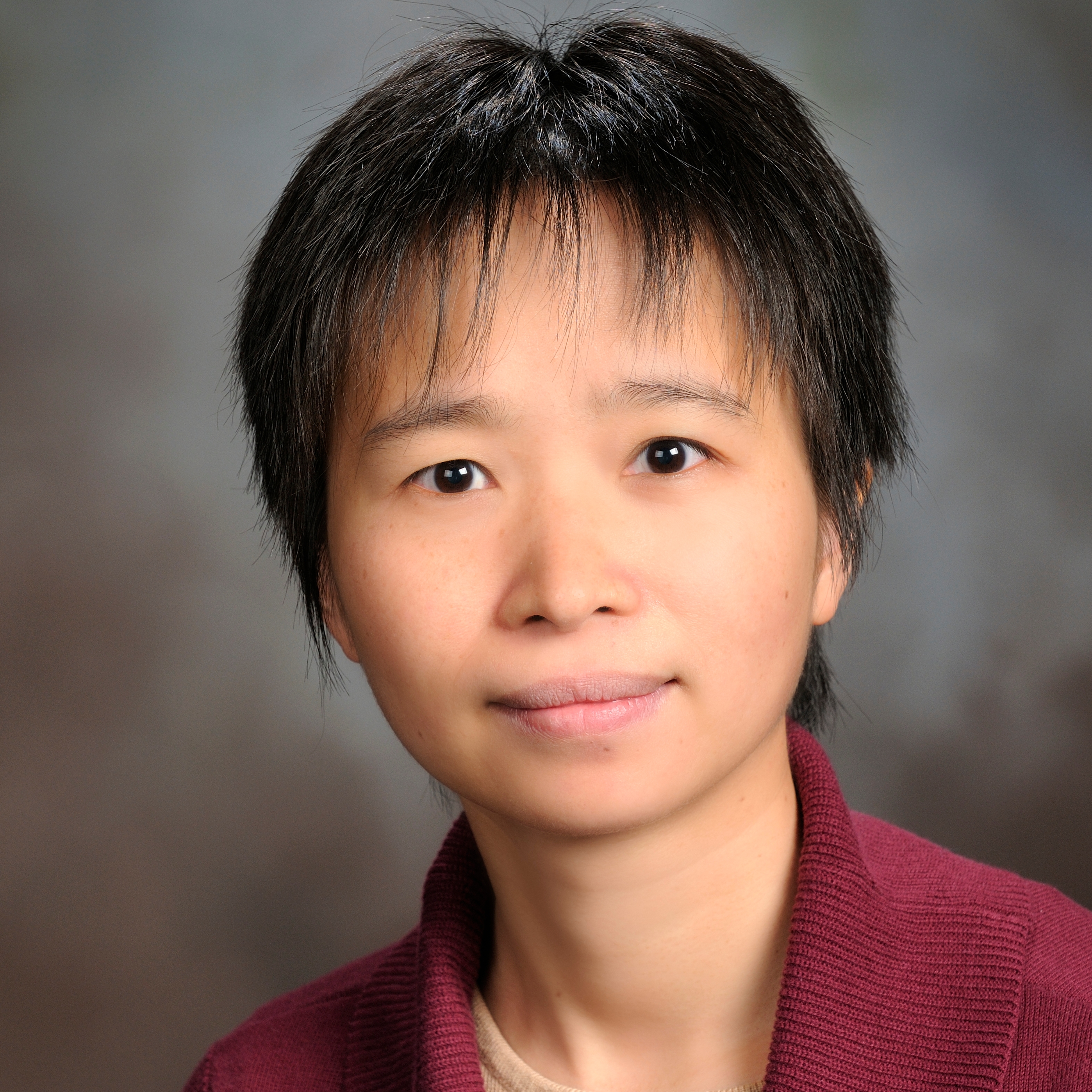
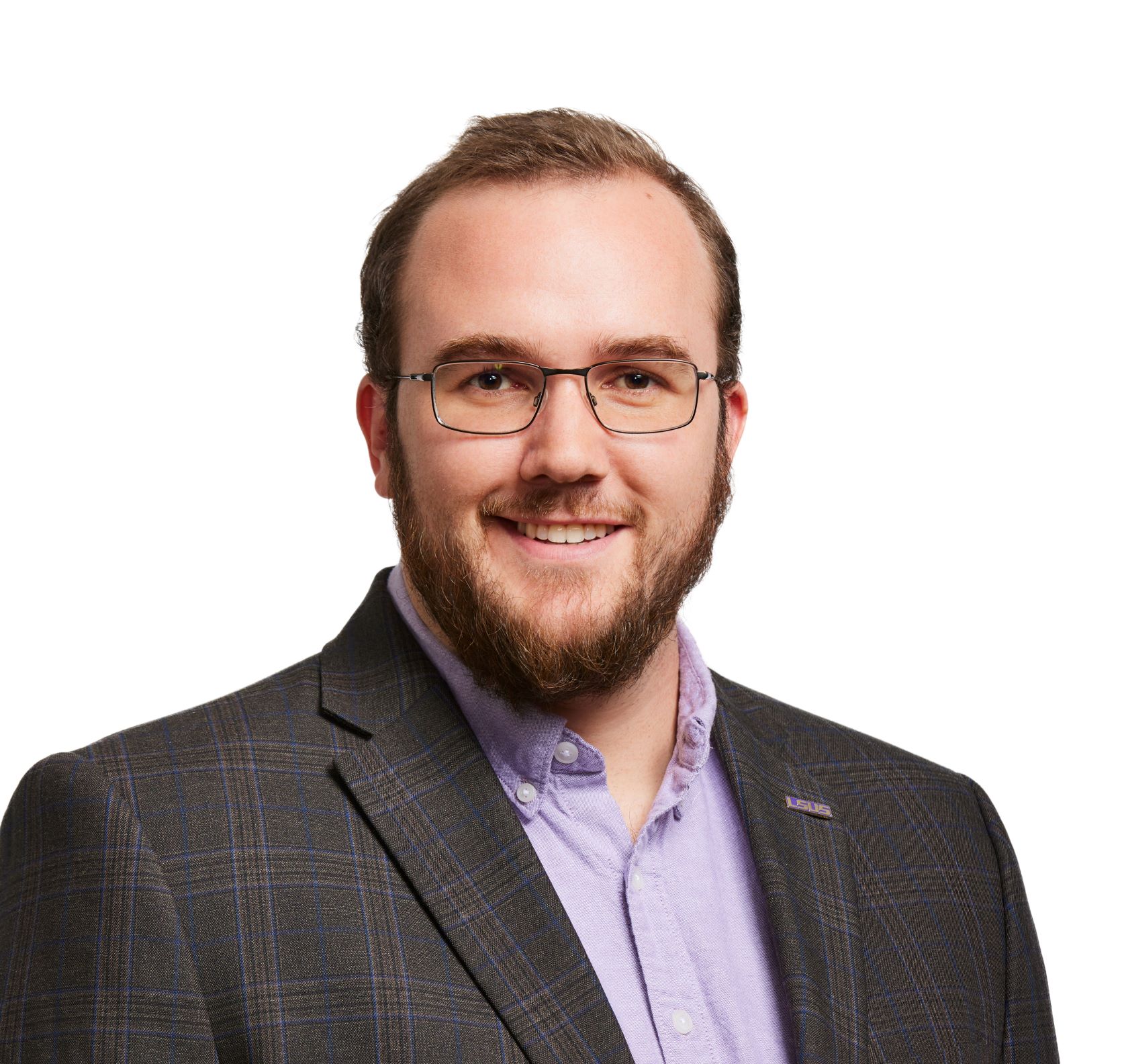
Prof. Dr. Tilman Esslinger is a Full Professor at the Department of Physics, ETH Zürich. He serves as Deputy Head of the Institute for Quantum Electronics and has held leadership roles including Head of the Department of Physics (2013-2015) and Vice Director of the National Centre of Competence in Research Quantum Science and Technology (2011-2022). His research focuses on quantum many-body physics, matter-light interactions, and quantum simulation using ultracold atoms in optical lattices. Institutions: ETH Zürich (Department of Physics, Institute for Quantum Electronics) Roles: Full Professor, Deputy Head of Institute, Former Head of Department Research Interests: Esslinger pioneers experimental studies of quantum phase transitions, topological materials, and quantum computing. His work on optical lattice-based quantum simulators has revealed novel phenomena like fermionic Mott insulators, quantum magnetism, and artificial graphene. Recent efforts include realizing dissipative quantum systems, topological pumps, and exploring thermoelectric effects in quantum gases. Scientific Awards: Fellow of the American Physical Society Honorary Doctorate from Heriot-Watt University Senior BEC Award (shared) Philip-Morris Research Prize ERC Advanced Grants (2) SNF Advanced Grant Contributions: Esslinger has published over 140 papers (13 in Nature, 10 in Science). His lab has trained numerous researchers who now hold professorships globally. He has held visiting positions at institutions like JILA, Harvard University, and the University of Innsbruck.
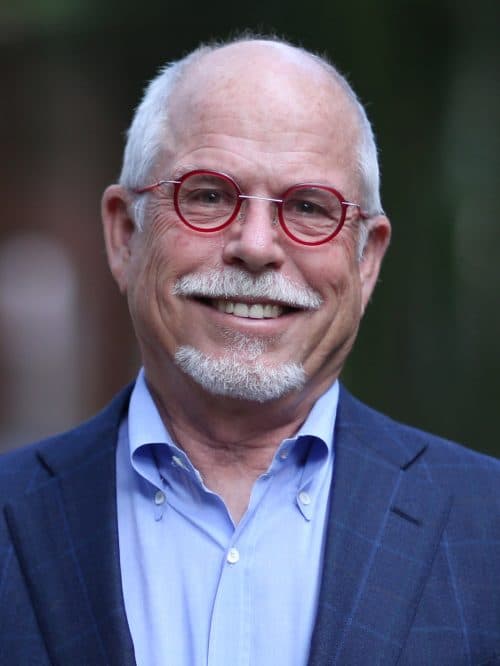
Christopher M. James is the William H. Dial/SunTrust Eminent Scholar in Finance and Economics at the University of Florida's Warrington College of Business. He also serves as a senior advisor to Cornerstone Research. Previously, he taught at the University of Michigan and the University of Oregon. His academic roles include editorships at top journals like Journal of Finance and Journal of Financial Economics . Education: Ph.D. in Economics (Industrial Organization & Finance), University of Michigan, 1978 MBA in Finance, University of Michigan, 1977 BA, Michigan State University, 1973 Research Focus: Professor James specializes in financial intermediaries' role in corporate capital acquisition and mortgage-backed securities valuation. His work explores banking, corporate finance, and applied econometrics, with notable contributions to loan pricing, debt restructuring, and disclosure requirements. Recent themes include interest rate risk exposure and institutional synergies in loan funds. Professional Service: Associate Editor, Journal of Financial Markets (2017–present) Editor, Journal of Financial Services Research (2014–present) Editor, Journal of Managerial and Decision Economics (2014–present) Advising & Grants: Advised PhD students Jing Lu and Mustafa Emin (2021–2022). His research has been supported by grants related to banking crises, mortgage markets, and corporate finance dynamics. Labs/Teams: Active in interdisciplinary teams at the Warrington College of Business focusing on financial stability, corporate governance, and quantitative finance methodologies.
Laura Becker is an Assistant Professor at the Department of General Linguistics, University of Freiburg. Her research focuses on linguistic typology, quantitative methodology, and the role of coding efficiency in grammatical structures. She holds a PhD exploring article systems across languages and has contributed to cross-linguistic studies on syntax, morphology, and sociolinguistics. Her work emphasizes statistical rigor and computational tools, such as the glottospace R package for geospatial linguistic analysis. Recent projects include investigating phoneme inventories in Polynesian languages and socio-linguistic influences on conditional constructions. Publications highlight her expertise in morphosyntax, language contact, and corpus-based approaches. No scientific awards are explicitly mentioned in the provided materials. Dr. Becker has advised no recorded students in the available data and has not listed specific grants or labs. Her current research trends prioritize quantitative frameworks to address typological and evolutionary questions in linguistics.
Alice Gaby is an Associate Professor (Research) in the Department of Linguistics at Monash University. Her work focuses on semantic and structural typology, the interplay between language, culture, and cognition, and the documentation of endangered Australian Aboriginal languages. She collaborates extensively with Indigenous communities, particularly speakers of Paman languages like Kuuk Thaayorre, emphasizing ethical research practices. Her research explores how environmental and cultural factors shape spatial language and cognition, including studies on geo-centric directional systems and time-space mappings. Notable projects include 'Unlocking the Archive' (2024–2029) and a descriptive grammar of Warriyangga/Thiinma. Gaby has presented keynote lectures at international conferences such as the Linguistic Association of Canada and the International Cognitive Linguistics Conference. Her contributions span over 49 publications, with recent work addressing gender-based dialect variation and reflexive constructions in Australian languages. She advocates for linguistic justice in revitalization efforts and emphasizes the importance of collaborative, community-driven documentation.
Edward Flemming is a Professor of Linguistics at the Massachusetts Institute of Technology (MIT), affiliated with the Department of Linguistics and Philosophy. His research focuses on the intersection of phonetics and phonology, particularly the Dispersion Theory of Contrast and phonetic realization as an optimization problem. He explores how phonological systems are shaped by communicative efficiency and shared human perceptual and articulatory capabilities. Research Interests: Phonology, Phonetics, Speech Perception, Optimization in Speech Production, Language Typology Recent Work: Advances in probabilistic phonology, Mandarin intonation modeling, and statistical learnability of phonological constraints. His theoretical framework unifies phonetic and phonological analysis, emphasizing constraints driven by perceptual distinctiveness and articulatory efficiency. Key contributions include studies on vowel inventories, consonant markedness, and the phonetic specification of contour tones.
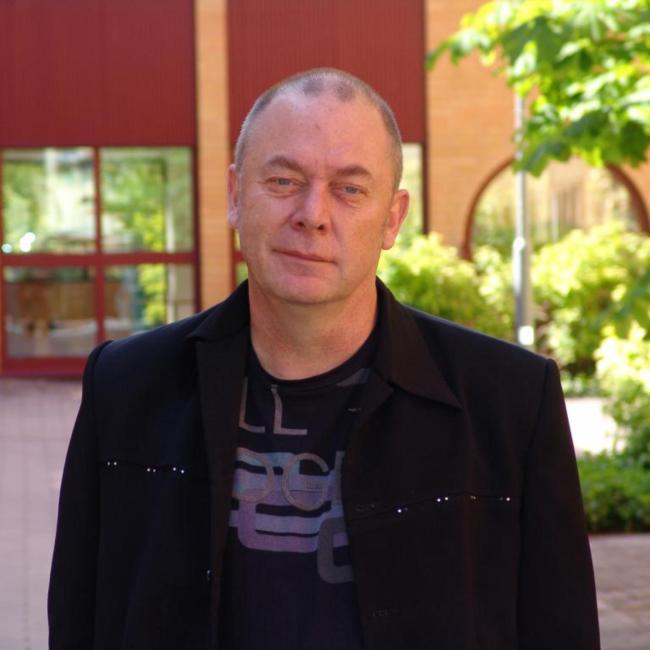
Ulf Mellström is a Professor in Gender Studies at Karlstad University, Sweden. He holds a PhD from Linköping University (1995) and has held academic positions at Linköping University (1995-2009), Luleå University of Technology (2005-2011), and Karlstad University since 2011. His research focuses on gender and technology studies, masculinity studies, globalization, and higher education. Key areas include the political economy of global knowledge production, gendered professions in STEM, and the intersection of technology, risk, and security. Education: PhD in Technology and Social Change (1995), Linköping University. Major research projects include investigations into globalized eduscapes, corporate universities in Dubai/India/Brazil, and gender mainstreaming in Swedish rescue services. He collaborates internationally, serving on boards such as MSB's Scientific Board and the Norwegian Research Council's gender studies program. Research interests span ethnographically grounded studies of gendered knowledge production, global comparative perspectives on STEM fields (e.g., Malaysia's female-dominated computer science), and the cultural embeddedness of technology use. He has supervised multiple PhD students and teaches courses in gender studies, ethnographic methodology, and STS. Publications include influential works like Masculinity, Power and Technology: A Malaysian Ethnography (2003), and articles in journals such as Science, Technology & Human Values and International Journal of Gender, Science, and Technology . His recent work explores posthumanist masculinity, autonomous vehicles, and transnational bachelorhood.
Prof. Fabienne Barroso Bujans is an Ikerbasque Research Professor at the Donostia International Physics Center (DIPC) and the Materials Physics Center (CFM) in San Sebastián, Spain. Her research group focuses on topological polymers, cyclic polymer synthesis, and their applications in nanodevices and graphene-based hybrid materials. She leads a multidisciplinary team exploring polymer confinement, functionalization, and biomedical applications. Her work emphasizes the synthesis of cyclic polymers using novel methodologies like zwitterionic ring-opening polymerization (ZROP) with B(C6F5)3 catalysts. Key areas include understanding polymer dynamics under confinement, developing luminescent polymer-ruthenium complexes, and creating nanomaterials for energy and biomedical uses. She has supervised numerous students, including PhD candidates and visiting researchers supported by grants like 'Woman for Africa.' Recent research highlights include the 2024 study on glycidol polymerization kinetics and the 2022 work on macrocyclic polymer applications. Her group has pioneered methods to isolate and characterize cyclic polymers using UPLC-MS/MS and dielectric spectroscopy. She actively recruits interns and postdocs, emphasizing organic chemistry and polymer science expertise. Founded research group in 2016 Collaborations with international institutions (e.g., Nnamdi Azikiwe University, Beni-Suef University) Key facilities: DIPC labs in Donostia
Ahmedullah Aziz is an Assistant Professor in the Department of Electrical Engineering and Computer Science at the University of Tennessee, Knoxville, within the Tickle College of Engineering. He earned his Ph.D. in Electrical and Computer Engineering from Purdue University (2019), an M.S. from Pennsylvania State University (2016), and a B.S. from Bangladesh University of Engineering & Technology (2013). His research focuses on mixed-signal VLSI circuits, non-volatile memory, and beyond-CMOS device design, emphasizing emerging technologies like ferroelectrics and spintronics. He leads the NorDIC Lab and has published over 60 articles in journals, conferences, and patents. Education: PhD, Electrical & Computer Engineering, Purdue University, 2019 MS, Electrical Engineering, Pennsylvania State University, 2016 BS, Electrical & Electronic Engineering, BUET, 2013 Research Interests: Aziz explores device-circuit-system co-design techniques, particularly in cryogenic neuromorphic systems, superconducting memory, and ferroelectric-based circuits. His work bridges material innovation with practical applications, aiming to advance energy-efficient and high-performance computing. Awards: EDAA Outstanding Dissertation Award (2019/2020) Outstanding Graduate Student Research Award (Purdue, 2019) Samsung 'Icon' Award (2013) Best Publication Awards (SRC-DARPA STARnet, 2015/2016) Advising & Grants: While specific grants are not detailed, his research has been supported by prestigious institutions. He has advised/co-advised projects in emerging technologies but no listed students. His work extends to reviewing IEEE journals, conference TPC roles, and editorial contributions. Labs & Teams: He directs the NorDIC Lab, focusing on next-generation computing and device innovation.
Professor Ling Li is a faculty member at Curtin University's School of Electrical Engineering, Computing and Mathematical Sciences (EECMS), within the Faculty of Science and Engineering. Their research focuses on interdisciplinary applications of machine learning, computer vision, and deep learning in structural engineering and materials science. Notable contributions include advancements in structural health monitoring, blast loading prediction, and 3D displacement measurement using monocular vision. Professor Li has authored numerous peer-reviewed articles and collaborates on projects involving civil infrastructure resilience, smart materials, and AI-driven solutions for engineering challenges. They hold an office in the New Technologies Building at Curtin Perth and can be reached at L.Li@curtin.edu.au.
Madelaine Adelman is a Professor of Justice and Social Inquiry at Arizona State University's School of Social Transformation. She holds affiliations with the Mary Lou Fulton College for Teaching and Learning Innovation, Institute for Social Science Research, Jewish Studies, and Center for the Study of Religion and Conflict. Her work bridges cultural anthropology, law, and education with a focus on gender violence, LGBTQ+ rights, and social justice in schools. Adelman earned her Ph.D. in Cultural Anthropology (1997) and A.B. in Anthropology and Political Science (1989) from Duke University. Her research examines domestic violence policies, school climate reforms, and transnational social movements. Notable works include Battering States: The Politics of Domestic Violence in Israel (2017) and co-edited Jerusalem: Conflict and Cooperation (2014). Her interdisciplinary studies address anti-LGBTQ bullying interventions, gaps between workplace equality and safe schools policies, and legal frameworks impacting marginalized groups. She co-founded GLSEN Phoenix and advised Arizona's education policies through the Morrison Institute. Adelman's research spans topics like transdisciplinary approaches to gender violence, Middle Eastern conflict studies, and U.S. education justice. Her over 30 peer-reviewed articles and book chapters emphasize policy advocacy, ethnographic methods, and intersectional analysis.
Prof. Dr. Jann Lay is a Lead Research Fellow and Head of the Research Programme "Globalisation and Development" at the German Institute for Global and Area Studies (GIGA). He has held this position since 2009, initially as Head of GIGA Research Programme 3 "Socio-Economic Development in the Context of Globalisation." Since 2015, he has also served as an Apl. Prof. (Extraordinary Professor) at the Georg-August-Universität Göttingen. Between October 2015 and October 2018, he acted as Director of the GIGA Institute of African Affairs. His educational background includes: Doctoral Studies at Georg-August-University, Göttingen, Germany; Dr.rer.pol. (summa cum laude) Dissertation on 'Evaluating the Poverty and Distributional Impact of Economic Policies and External Shocks Combining Macro and Micro Approaches: Three Case Studies from Latin America' Master in Economics (Diplom-Volkswirt) at Christian-Albrechts-University, Kiel, Germany Undergraduate Studies at Otto-Friedrich-University, Bamberg, Germany Additional studies at University of Alcalá, Alcalá de Henares, Spain and University of California, Los Angeles, United States Prof. Lay's research focuses on development economics, with particular emphasis on informal entrepreneurship in developing countries, structural change and its poverty and distributional implications, and the relationship between natural resources, economic development and conflict. His work primarily centers on Africa, where he has conducted extensive research on labor markets, economic policies, and development challenges. He has examined how digital technologies are tailored to local needs in Africa's emerging tech sector, the impact of global supply chains on decent work, and the effects of special economic zones on local labor markets in developing countries. Prof. Lay's recent publications demonstrate a strong focus on empirical research addressing key development challenges. His work spans labor economics, agricultural development, digital transformation, and environmental sustainability within the context of global value chains. A notable trend is his use of rigorous impact evaluation methods, including randomized controlled trials, to assess the effectiveness of development interventions. His research often addresses policy-relevant questions about formalization of employment, skills training, land acquisitions, and sustainable supply chains, with implications for development policy formulation. His scientific contributions include: Membership in the Rat für nachhaltige Entwicklungspolitik der Stadt Hamburg (RANEP), 2018-2020 Advisory board member of W3 - Werkstatt für internationale Kultur und Politik e.V. (W3), 2015-2022 Membership in the Entwicklungsökonomischer Ausschuss, Verein für Socialpolitik, since 2010 Membership in the International Association for Research in Income and Wealth (IARIW), since 2009 Prof. Lay has supervised doctoral researchers, including Tevin Tafese, with whom he has co-authored several publications on Africa's tech sector and sustainable supply chains. His research has been supported by various grants from organizations including the German Federal Ministry for Economic Cooperation and Development (BMZ), the Federal Foreign Office (FFO), the German Ministry for Education and Research (BMBF), and GIZ. Current projects include research on platforms and online workers in India and Africa, land-based investments in global supply chains, digital transformation for diplomacy, and the Merian Institute for Advanced Studies in Africa. Prof. Lay leads and contributes to several research teams and initiatives, including the Research Network Sustainable Global Supply Chains and the Merian Institute for Advanced Studies in Africa (MIASA) based at the University of Legon, Ghana. His work through the Digital Transformation Lab (DigiTraL) explores how digitalization creates new opportunities and challenges for foreign policy.
Xiaolin Zhu, MD, PhD is an Adjunct Lecturer in the School of Medicine at the University of California, San Francisco (UCSF), specializing in the Genitourinary Medical Oncology Program. His clinical focus is on prostate, bladder, and kidney cancers, while his research explores cancer evolution mechanisms through patient biospecimen analysis. He holds roles as Principal Investigator on grants from the Department of Defense, Prostate Cancer Foundation, and Conquer Cancer Foundation. Education: Bachelor of Medicine (MD equivalent) in Clinical Medicine, Shanghai Jiao Tong University School of Medicine (2011) PhD in Genetics and Genomics, Duke University (2017) Internal Medicine Residency, UT Southwestern Medical Center (2020) Hematology/Oncology Fellowship, UCSF (2024) Research Interests: Focuses on precision oncology, genomic profiling of treatment resistance, and translational research in prostate and urothelial cancers. Key areas include epigenetic evolution in cancer progression, biomarker discovery, and developing novel therapeutic strategies. Awards: ASCO Young Investigator Award (2022-2023) PCF Young Investigator Award (2022-2025) Department of Defense Physician Research Award (2024-2028) Grants: Investigating SSTR1 as a novel biomarker for advanced prostate cancer (DOD, 2024-2028) Resistance mechanisms to androgen receptor inhibitors (PCF, 2022-2025) Genomic profiling of metastatic castration-resistant prostate cancer (ASCO, 2022-2023) Labs/Teams: Active in UCSF's Genitourinary Oncology research teams and collaborates with the West Coast Prostate Cancer Dream Team.
Felix Otto is a Director at the Max Planck Institute for Mathematics in the Sciences and an Honorary Professor for Analysis and Mathematical Modeling at the University of Leipzig. His research focuses on pattern formation, energy landscapes, and scaling laws, with contributions to stochastic homogenization, PDEs, and optimal transport. He has held academic positions at the University of California and the Hausdorff Center for Mathematics. Notable grants include projects on microstructure formation in thin coatings and stochastic homogenization. He has organized conferences such as the ICM satellite conference on Probability and Mathematical Physics. His work bridges pure and applied mathematics, with implications for materials science and fluid dynamics. Education: Diplom (1990), PhD (1993) from Bonn University. Postdoctoral roles at Bonn, Courant Institute, and CMU. Tenured faculty roles at UCSB (1998–2010) and Bonn (1999–2010). Research interests span stochastic PDEs, calculus of variations, and the mathematical theory of materials. Grants include BMBF and DFG projects on microstructure modeling and homogenization.
Zhou Ying is an Associate Professor of Geophysics at Virginia Tech's College of Science, Department of Geosciences. Her research focuses on understanding seismic heterogeneities in the Earth's interior through finite-frequency wave propagation theory and diffractional tomography. Ph.D. in Geophysics from Princeton University (2005) Her research interests include: Seismic Wave Propagation in Heterogeneous Media Global and Computational Seismology Finite-Frequency Seismic Tomography 3-D Anelasticity (Q) Structure in the Mantle Seismic Anisotropy in the Upper Mantle and Transition Zone Core-Diffracted Waves and Core-Mantle Boundary Structure Signal Processing and Array Data Analysis Zhou's 15 most recent publications span seismology, geophysics, and unexpected interdisciplinary topics like molecular biology. Most studies focus on mantle discontinuities, finite-frequency tomography, and outer core dynamics, with specific attention to 410-km/660-km discontinuities and surface-wave sensitivity kernels. Current graduate advisee: Zhen Guo (Ph.D. candidate in Geophysics). Former advisees include Youyi Ruan (Ph.D. 2012), Kui Liu (Ph.D. 2014), Kai Deng (MS 2014), and Jing Xue (MS 2014). She teaches undergraduate courses in Physical Geology and Earthquake Seismology, and graduate courses in Theoretical Seismology, Advanced Seismology, and Seismic Data Analysis.
Dr. Matthew Pollock is an Assistant Professor of Linguistics and Spanish at Louisiana State University in Shreveport (LSUS), serving as Interim Chair of the Department of English and Foreign Languages. He holds dual PhDs in Hispanic Linguistics and Linguistics from Indiana University (2023), with prior teaching experience in Germany via a Fulbright Scholarship and Spain through the IU Honors Program. His research focuses on sociolinguistics, phonetics/phonology, bilingualism, second language acquisition, and usage-based approaches. Education: PhD in Spanish/Hispanic Linguistics (Indiana University, 2023) PhD in Linguistics (Indiana University, 2023) MA in Hispanic Linguistics (Indiana University, 2018) BA in Spanish and English Literature (Auburn University, 2015) Research Interests: Dr. Pollock examines political speech, sociophonetic variation (e.g., Andalusian/Caribbean Spanish), bilingual acquisition, and corpus-based methodologies. His work bridges theoretical linguistics with applied sociolinguistics, emphasizing style-shifting in political contexts and perceptual sociolinguistics. Teaching: At LSUS, he instructs courses in Linguistics, Spanish language, and Hispanic linguistics. He has extensive experience teaching across multiple levels, including high school abroad and university-level courses in the U.S. and Spain. Professional Contributions: He serves as an editor for major linguistic handbooks (e.g., The Oxford Handbook of the Spanish Language ), reviews for journals like Hispania , and actively participates in academic conferences globally. His research has been funded through grants and presented at institutions such as the Linguistic Society of America and NWAV.