Dr. Brigitta Mittmann is a Senior Lecturer at the Department of English and American Studies, Friedrich-Alexander University Erlangen-Nuremberg (FAU), holding the Alexander von Humboldt Professorship for Language and Cognition. Her work focuses on lexicography, phraseology, and comparative analysis of spoken English varieties.
Prof. Gerhard Jäger holds the Chair of General Linguistics at the Faculty of Humanities, University of Tübingen . He serves as a Principal Investigator (PI) in the Clusters of Excellence Human Origins and Machine Learning for Science , and leads projects like Phylomilia (funded by Volkswagen Foundation) and CrossLingference (ERC Advanced Grant). His career spans multiple institutions, including Bielefeld University (2004-2009) and Stanford University (visiting scholar, 2004). Habilitation (2002) at Humboldt University Berlin with thesis on Anaphora and Type Logical Grammar PhD (1996) at Humboldt University Berlin on Dynamic Semantics His research bridges computational linguistics , phylogenetic analysis , and game theory , focusing on Bayesian models , language evolution , and cross-linguistic typology . Recent work explores phylogenetic inference from acoustic speech data and geographic influences on language trees . Key contributions include 15+ recent publications on topics spanning phylogenetic typology , cognate detection , and Bayesian language modeling . These works employ machine learning , statistical inference , and evolutionary game theory to analyze language change , typological variation , and linguistic stability . Honors include ERC Advanced Grant , Volkswagen Foundation funding , and DFG-Humanities Centre for Advanced Studies participation. He has taught courses in Computational Historical Linguistics , Phylogenetic Methods , and Bayesian Data Analysis across institutions like Tübingen, Bielefeld, and Stanford. He actively contributes to academic communities through workshop organization (e.g., Quantitative Theoretical Linguistics , Game Theory in Pragmatics ) and serves on the faculty council at Tübingen. His team collaborates with institutions like Max Planck Institute for Evolutionary Anthropology , University of Pennsylvania , and LMU Munich .
Christopher P. Higgins serves as Professor and AMAX Distinguished Chair in the Department of Civil and Environmental Engineering at the Colorado School of Mines, a position he attained in 2025 following his 2022 designation as University Distinguished Professor. Joining Mines in 2009, he leads critical research on environmental contaminants with emphasis on poly- and perfluoroalkyl substances (PFASs) in natural and engineered systems. His educational foundation includes: PhD in Civil and Environmental Engineering from Stanford University (2007) MS in Civil and Environmental Engineering from Stanford University (2002) AB in Chemistry from Harvard University (1998) Dr. Higgins' research program investigates chemical fate and transport mechanisms, particularly PFAS movement through soils and water, human exposure pathways, and remediation technologies. His work integrates field studies, laboratory experiments, and mathematical modeling to address: PFAS leaching dynamics in vadose zones Advanced treatment methods for contaminated media Exposure assessment via water, food, and indoor environments Environmental risk characterization at contaminated sites His recent publications demonstrate increasing focus on analytical method development, source identification, and destruction technologies for ultrashort-chain PFAS compounds. Notable recognitions include: ASCE Huber Prize for Civil Engineering Research (2019) SERDP Environmental Restoration Project of the Year (2020) Honorary Professorship at The University of Queensland, Australia His research program has secured substantial funding from NSF, NIH, EPA, USDA, and DoD, supporting interdisciplinary collaborations and graduate student mentorship. Current initiatives emphasize translating laboratory findings to field applications through partnerships with regulatory agencies and industry stakeholders. Dr. Higgins directs the Center for Environmental Risk Assessment and co-leads the PFAS@Mines Initiative, which coordinates campus-wide research on PFAS contamination through integrated experimental, computational, and policy-focused approaches.
Kamal Al Haddad is a Lecturer in the Department of Electrical Engineering at École de technologie supérieure (ÉTS). He holds a Doctorate from INTP, Toulouse, and advanced degrees from UQTR. His research focuses on power electronics, renewable energy integration, and smart grid technologies. He leads the GREPCI research group, specializing in Power Electronics and Industrial Control. Education: B.Eng., M.Sc.A. (UQTR), Doctorate (INTP, Toulouse). Research interests span energy conversion, industrial electronics, power quality, and electromagnetic interference. He emphasizes sustainable energy solutions, electric traction systems, and high-efficiency power sources. His work includes developing advanced power electronic converters and grid stability solutions. Recent articles highlight advancements in modular converters for STATCOM, AI-driven fault detection in hydrogenerators, and renewable energy policy frameworks. He has received notable awards, including the 2014 IEEE Eugene Mittelmann Prize and Fellowships from IEEE and other institutions. Supervised over 60 students, including doctoral theses on topics like hydrogenerator diagnostics, EV charging systems, and renewable energy integration. His research also involves real-time simulation of power systems and FPGA-based implementations. Labs/Teams: GREPCI – Power Electronics and Industrial Control Research Group, leading projects on smart grids and energy efficiency.
Alain Durmus is a Professor at École Polytechnique, affiliated with the applied mathematics department (CMAP). His research focuses on computational statistics, machine learning, and stochastic methods, including Monte Carlo algorithms, Bayesian inference, and optimization. He explores topics such as Markov chain Monte Carlo (MCMC), stochastic approximation, and generative models. His work emphasizes theoretical guarantees for algorithms like Langevin Monte Carlo and Hamiltonian Monte Carlo, with applications to high-dimensional Bayesian inference and inverse problems. Key contributions include hypocoercivity analysis of piecewise deterministic MCMC processes, convergence guarantees for stochastic gradient methods, and the development of efficient sampling techniques. He has also contributed to Bayesian imaging and federated learning through works like the QLSD algorithm. Awarded the Best Student Paper Award at ICASSP 2020 for his work on the Sliced-Wasserstein distance. His teaching spans mathematical statistics, stochastic methods, and probability at École Polytechnique and ENS Paris-Saclay. He has also contributed to conferences and workshops on topics ranging from MCMC convergence to optimization in machine learning.
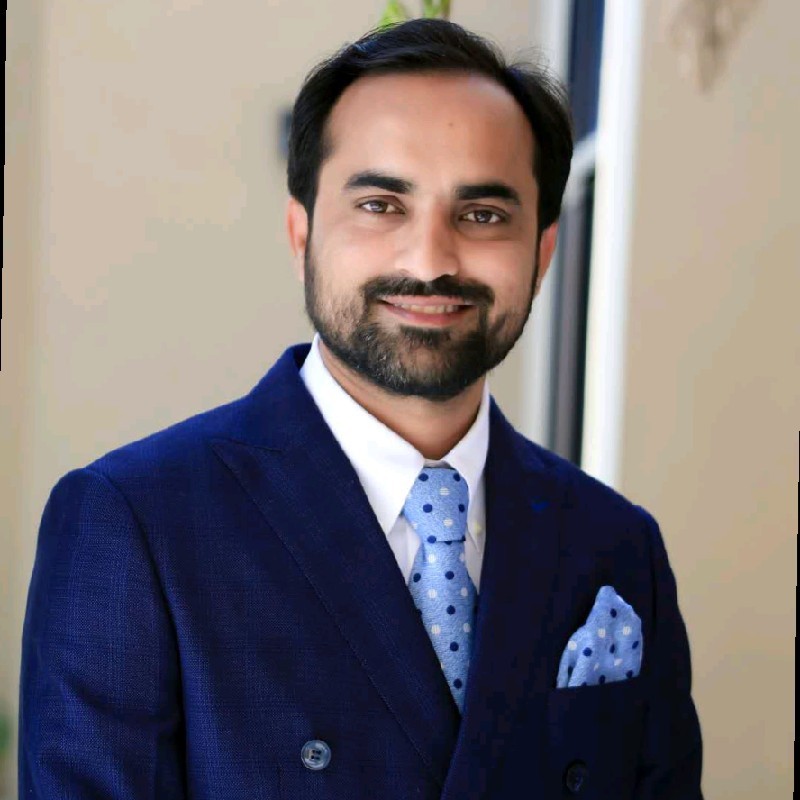
Dr Wasim Ahmad is a Lecturer in Marketing at the Department of Marketing, Lancaster University Management School (LUMS), having joined the institution in January 2024. His prior academic appointments include Monash University, Florida State University, Teesside University, and Fujian University of Technology, where he conducted research, taught undergraduate/postgraduate modules, and led curriculum development. Education: Ph.D. in Marketing, University of International Business and Economics PostDoc, Florida State University Research Interests: Dr Ahmad investigates consumer behaviour with emphasis on negative emotions (brand hate, betrayal) and extreme responses to brands across cultural contexts. His work spans sustainability-oriented innovation in B2B firms, eco-brand strategy, and cross-cultural CSR implementation—particularly during crises like the pandemic. He employs quantitative methodologies including experimental designs and meta-analysis, frequently examining digital marketing phenomena such as virtual influencers, travel apps, and dark patterns in online interfaces. Publication Trends: His 2023-2025 output reveals concentrated research on brand hate consequences in B2B relationships, sustainability innovation linked to triple-bottom-line performance, and cross-cultural digital behaviour (e.g., social media addiction, travel app usage). Key journals include Journal of Business Research , Industrial Marketing Management , and Annals of Tourism Research , demonstrating interdisciplinary reach across marketing, sustainability, and tourism. Scientific Awards: No specific awards, prizes, or fellowships mentioned in source materials Advising and Grants: Dr Ahmad actively supervises PhD candidates in green marketing topics (product sustainability, eco-brand orientation) using quantitative approaches. He teaches core modules including International Marketing (MKTG101), Strategic Marketing (MKTG301), and Marketing Research (MKTG212). No grant funding details were provided in the directory. Labs and Teams: No dedicated research labs or teams specified in current affiliation Collaborative work evident in B2B sustainability studies with international co-authors
Yoshiko Matsumoto is the Yamato Ichihashi Professor in Japanese History and Civilization and Professor of East Asian Languages and Cultures at Stanford University, with a courtesy appointment in Linguistics. She has been a faculty member at Stanford since 1992, progressing from Assistant Professor to her current distinguished position. Matsumoto also serves as coordinator of the Japanese Language Program and has held significant administrative roles including Chair of the Department of Asian Languages (2003-2005) and Interim Chair of the Department of East Asian Languages and Cultures (2016). Matsumoto earned her Ph.D. in Linguistics from the University of California, Berkeley (1989), following M.A. degrees in Linguistics from UC Berkeley and General and Applied Linguistics from the University of Tsukuba, an M.I.A. in American Studies from the University of Tsukuba, and a B.A. in English Language & Literature from Japan Women's University. Professor Matsumoto's research focuses on linguistic pragmatics from cross-linguistic perspectives, with particular expertise in Japanese language. Her work spans structural and sociocultural aspects of language in use, including noun-modifying clause constructions, honorifics, discourse markers, and the intersection of language with gender and aging. She has pioneered research on conversational narratives of older adults, examining how ordinary framing strategies help individuals navigate difficult experiences. Her current projects explore intergenerational communication through haiku, communicative abilities of people with dementia, and noun-modifying constructions across Eurasian languages. Matsumoto's scholarship consistently bridges theoretical linguistics with practical applications for understanding human communication in diverse social contexts. Matsumoto's recent publications reveal a growing focus on practical applications of linguistic research for social benefit, particularly in intergenerational communication and dementia care. Her work increasingly integrates arts-based approaches, especially haiku poetry, to bridge generational divides and enhance communication with elderly populations. The research shows a consistent trajectory from theoretical linguistic frameworks toward applied, human-centered language studies that address real-world challenges in aging societies, with particular attention to how ordinary language practices help individuals navigate life transitions and difficult experiences. Dean's Award for Distinguished Teaching, School of Humanities and Sciences, Stanford University (2000) Richard E. Guggenhime Faculty Scholar, Stanford University (2000-2003) Violet Andrews Whittier Fellow, Stanford Humanities Center (2019-2020) Faculty Research Fellow, Michelle R. Clayman Institute for Gender Research (2014-2015) Research Fellow, Japan Foundation (2002) Internal Fellow, Stanford Humanities Center (2005-2006) Presidential Fund for Innovation in the Humanities, Stanford University (2009-2011) Professor Matsumoto has mentored numerous students through her teaching in Japanese language and linguistics courses, including specialized offerings on language and aging, points in Japanese grammar, and haiku-based communication. Her research has been supported by prestigious grants from the National Endowment for the Humanities, the Japan Foundation, and Stanford's Presidential Fund for Innovation in the Humanities. She has served on multiple editorial boards including the Journal of Pragmatics since 1992, demonstrating long-standing leadership in her field. Matsumoto has also advised students through individual studies and thesis projects in East Asian Languages and Cultures. Matsumoto leads several collaborative research initiatives including the 'Sharing Conversations' project which examines intergenerational communication through haiku, and research on communicative abilities of people with dementia. Her work often involves interdisciplinary teams spanning linguistics, gerontology, and creative arts, with fieldwork conducted in both Japan and the United States. The 'Noun-Modifying Constructions in Languages of Eurasia' project represents a major international collaboration examining linguistic structures across cultural boundaries. She also directs the 'Language, Old Age and Gender in Japan' project supported by the Stanford University/Japan Foundation, and the 'Difficult Conversations Continue: Memories of the 3.11 Disaster and Bereavement Narratives' project focused on post-disaster communication.
Sampsa Hautaniemi is a Professor at the Department of Biochemistry and Developmental Biology within the Faculty of Medicine at the University of Helsinki. He serves as Principal Investigator of the Systems Biology of Drug Resistance in Cancer research group and holds docentship in the Faculty of Medicine. Professor Hautaniemi actively supervises doctoral students across multiple programs including the Doctoral Programme in Biomedicine, Doctoral Programme in Clinical Research, and Doctoral Programme in Integrative Life Science. His research focuses on systems biology approaches to understand drug resistance mechanisms in cancer, particularly ovarian cancer. His work integrates computational biology, genomics, epigenetics, and bioinformatics to develop precision medicine approaches for cancer treatment. His laboratory develops innovative computational methods and experimental models including patient-derived organoids to study tumor evolution, identify therapeutic targets, and predict treatment responses. Analysis of his recent publications reveals a strong emphasis on understanding tumor heterogeneity, clonal evolution during therapy, and the development of computational tools for cancer genomics. His work spans multiple disciplines including cancer biology, computational biology, immunology, and precision medicine, with a particular focus on high-grade serous ovarian cancer as a model system. Scientific Awards: The Anders Jahre Medical Prize to young medical scientists (2014) for outstanding research on systems biology and cancer The Finnish Medical Foundation 50-years jubileum award (2010) Professor Hautaniemi has supervised numerous doctoral students and early-career researchers, contributing significantly to cancer research education. His research is supported by multiple active projects including the DECIDER project (Clinical Decision via Integrating Multiple Data Levels to Overcome Chemotherapy Resistance in High-Grade Serous Ovarian Cancer) funded until 2026, as well as projects from the Academy of Finland, Cancer Foundation, and industry partners like Orion Corporation. His laboratory maintains a patient-derived organoid biobank for high-grade serous ovarian cancer and develops computational tools like Jellyfish for visualizing tumor evolution.
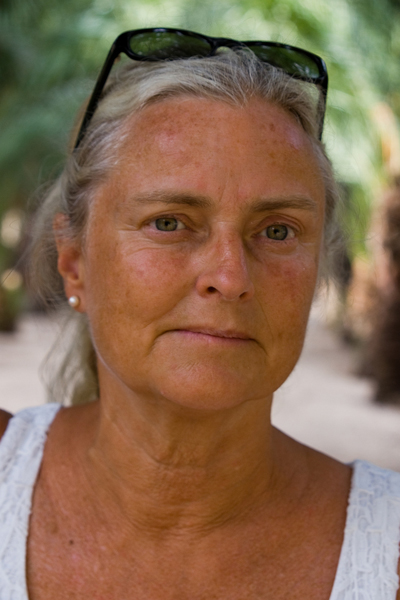
Carita Paradis is a Professor Emerita at Lund University's Centre for Languages and Literature, specializing in English Linguistics. She holds a PhD from Lund University (1997) and has held leadership roles including Chair of the Swedish Research Council's Linguistics panel (2010–2015). She coordinates the Language, Cognition and Discourse@Lund (LCD@L) research group, focusing on discourse meaning, language acquisition, and sociocultural variation. Her research spans cognitive linguistics, discourse analysis, semantics, and sensory language. She has authored/co-authored over 100 refereed publications, 5 books, and edited 10 journal volumes. Awards include membership in Academia Europaea (2016) and leadership roles in Scandinavian linguistic associations. She has supervised 14 PhD students and 8 postdocs, taught at all academic levels, and participated in numerous national/international research projects. Her editorial roles include serving on Cognitive Semantics, Languages, and Human Cognitive Processing series.
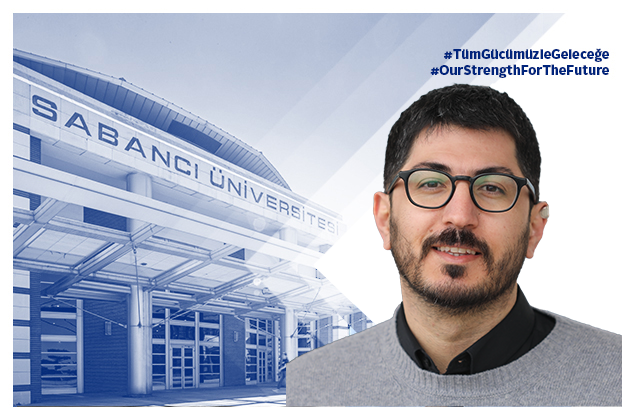
Dr. Morteza Ghorbani is a researcher and faculty member at Sabancı University's Faculty of Engineering and Natural Sciences (FENS), specializing in fluid mechanics and environmental engineering. He leads the AquaCav project, a collaborative effort with Oxford Brookes University, focused on developing sustainable water treatment solutions using hydrodynamic and acoustic cavitation. His research addresses global challenges such as PFAS pollution and wastewater management, with applications in biomedical devices and energy-efficient technologies. Key collaborations include projects funded by the International Science Partnership Fund (ISPF), leveraging his expertise in microfluidic systems and cavitation dynamics. Dr. Ghorbani's work combines experimental and numerical methods to optimize cavitation-based processes for environmental and biomedical applications. His contributions span from fundamental fluid dynamics studies to applied technologies like flexible cystoscopes and clot-on-a-chip platforms. Scientific achievements include the ISPF Research Collaboration Grant (2024) and advancements in PFAS removal, graphene exfoliation, and microalgae cultivation. His research group at Sabancı University explores interdisciplinary solutions at the intersection of engineering, nanotechnology, and sustainability.
Dr. Sarah Jones is an Associate Professor in Thrombosis and Haemostasis at Manchester Metropolitan University, serving as Deputy Director of Research for the Department of Life Sciences. She leads the Thrombosis Group and holds an honorary Reader position at the University of Manchester. Academic Affiliation: Manchester Metropolitan University Secondary Appointment: University of Manchester (Honorary Reader) Over 20 years, Dr. Jones has pioneered research on platelet signaling pathways and their role in thrombosis. Her current work focuses on platelet-endothelial crosstalk in disease states, with emphasis on in vitro thrombosis modeling to replace animal testing. This research, funded by BBSRC, NC3Rs, and BHF, addresses cardiovascular disease mechanisms and translational antithrombotic testing. Her scientific publications demonstrate expertise in platelet biology (Pim kinase signaling, SIRT1 regulation, proteoglycan interactions) and thrombosis modeling. Recent work includes placental perfusion studies for pregnancy-related cardiovascular complications. Grants & Projects: UKRI (NC3Rs) Partnership and Impact Award (2025-2026) UKRI BBSRC/NC3Rs grant for human haemostasis models (2023-2025) British Heart Foundation collaborations (2021-2025) Dr. Jones supervises PhD students (Mishaal Reyman, Poppy White, etc.) and teaches on Biomedical Science, Cellular Science, and Clinical Haematology programs. She has developed innovative endothelialised in-vitro thrombosis models that reduce animal usage in cardiovascular research.
Boris Buffoni is a Senior Lecturer at École Polytechnique Fédérale de Lausanne (EPFL) in the School of Basic Sciences, Institute of Mathematics, specifically within the Chair of Partial Differential Equations. He maintains his office at MA C2 605 (MA Building), Station 8, 1015 Lausanne, Switzerland, and can be contacted at boris.buffoni@epfl.ch or +41 21 693 49 87. His academic role spans both teaching responsibilities across multiple mathematics programs and active research in theoretical and applied mathematics. Dr. Buffoni's research program centers on the calculus of variations applied to Lagrangian and Hamiltonian systems, with significant contributions to optimal transportation in Lagrangian dynamics and hydrodynamics. His work explores semi-global minimization methods for quasi-linear elliptic variational problems and the variational approach to capillary-gravity water waves and their energetic stability. Additional research foci include local bifurcation and center-manifold theory for elliptic PDEs, the configurations of infinite elastic cylinders under compression or traction, and the analytic theory of global bifurcation with applications to gravity waves and their secondary bifurcations. The trajectory of his recent publications reveals a deepening focus on three-dimensional water wave phenomena, particularly steady rotational flows, gravity-capillary solitary waves, and advanced mathematical techniques for analyzing these complex systems. His 2025 publications demonstrate continued innovation in applying Kato's approach to locally coercive problems and developing the theoretical foundations of global bifurcation. The consistent application of variational methods and bifurcation theory across his work represents a unifying theme in addressing challenging problems in fluid dynamics and nonlinear partial differential equations. Dr. Buffoni has received research support including an EPSRC grant (GR/L41059) for work on 'Multibump localised solutions for spatially homogeneous partial differential equations,' reflecting the significance of his contributions to the field. His teaching portfolio at EPFL includes foundational courses such as Analysis II, Functional Analysis I, and Partial Differential Equations of Evolution, where he imparts knowledge of differential and integral calculus of real functions of several variables, linear functional analysis, and fundamental techniques for solving evolution equations.
Mikhail Gelfand is a Full Professor and Director of the Center for Molecular and Cellular Biology at Skolkovo Institute of Science and Technology (Skoltech), where he also serves as Vice President for Biomedical Research. His distinguished career spans multiple prestigious institutions including Lomonosov Moscow State University and the Higher School of Economics. His educational background includes: 1985: MSc in mathematics (functional analysis) 1993: PhD in physics-mathematics (biophysics) 1998: DSc in biology (molecular biology) 2007: full professor (bioinformatics) Professor Gelfand's research focuses on molecular evolution, comparative genomics, systems biology, and metagenomics. His work examines eukaryotic processes including alternative splicing, mRNA editing, and chromatin structure, as well as bacterial genome evolution and transcription regulation. His lab combines data on three-dimensional chromatin structure, epigenetic states, and gene expression to obtain an integrated view of genome functioning across diverse organisms from humans to amoebae. One major research direction focuses on the evolution of transcript splicing and editing, while comparative analysis of bacterial genomes yields functional annotations of novel enzymes, transporters, and transcription factors. His recent publications demonstrate a strong focus on RNA editing in cephalopods, bacterial genome analysis, and computational approaches to understanding chromatin structure. The work spans molecular biology, evolutionary biology, and bioinformatics, with particular emphasis on how RNA editing contributes to adaptation and molecular evolution across metazoans. His research shows how edited adenines are more frequently substituted with guanine in evolution than their unedited counterparts, suggesting RNA editing may enhance adaptation. His notable awards include: The President of Russian Federation's Award for Young Doctors of Science (2000) The "Best Scientist of the Russian Academy of Sciences" award (2004) A. A. Baev Prize in Genomics and Genoinformatics (2007) Member of Academia Europaea (2010) As Director of the Center for Molecular and Cellular Biology, Professor Gelfand leads a research group that combines computational and experimental approaches to study genome function and evolution. His lab's work has significant implications for understanding molecular mechanisms of evolution and adaptation across diverse biological systems, from bacteria to complex eukaryotes. His research on metagenomics extends to practical applications in areas including coral disease, aphids, and oil wells.
Dusan Paredes Araya serves as Professor in the Department of Economics at the Catholic University of the North (UCN), Chile, with research expertise in regional and urban economics focusing on spatial market interactions. His work emphasizes causal mechanisms in regional labor and housing markets, supported by leadership roles as former Dean of the School of Business and Economics and Director of the Economics Department at UCN. He concurrently holds an Adjunct Professor position at Michigan State University's Department of Agricultural, Food, and Resource Economics. His research centers on spatial economic dynamics , investigating wage differentials, commuting patterns, housing demand, and economic convergence through advanced econometric methods. Key contributions include analyzing spatial inequality in Chile, migration responses to violence in Mexico, and policy impacts of mining taxes on public education. His work consistently bridges theoretical spatial economics with empirical policy analysis for Latin American contexts. Recent publications (2016-2021) reveal strong thematic continuity in spatial economics, with expanding methodological sophistication in multilevel modeling and causal inference. Dominant themes include labor market spatiality (commuting premiums, gender wage gaps), housing economics (demand attributes, price indices), and public finance (mining taxation, local service provision), increasingly incorporating international collaborations. Paredes has received significant recognition: Peter Nijkamp RSAI Award (2017) His research leadership includes: Chilean Funding: Three FONDECYT projects and multiple National Agency for Research and Development (ANID) grants International Projects: Collaborations with U.S. Department of Agriculture and Lincoln Land Institute Academic Service: Associate editor of Resource Policy (ISI Q1) and reviewer for major international journals
Andrew Riseman serves as an Associate Professor in the Department of Applied Biology within the Faculty of Land and Food Systems at the University of British Columbia. His academic work bridges sustainable agricultural systems, plant breeding, and educational innovation, with particular emphasis on integrated crop-livestock models and urban farming applications. His educational background includes: PhD from Pennsylvania State University (1997) MSc from Pennsylvania State University (1990) BSc from Pennsylvania State University (1984) Riseman's research program investigates plant genetics for sustainable production systems, focusing on intercrop interactions, nutrient use efficiency, root physiology, and biotic/abiotic stress resistance. He develops germplasm specifically for multi-trophic production environments and urban agriculture contexts. Complementing his biological research, he actively engages in the Scholarship of Teaching and Learning and Community Based Action Research, with interests in critical thinking pedagogy and technology-enhanced educational environments. Analysis of his 2011-2015 publications reveals consistent investigation into intercropping dynamics (wheat-bean, barley-pea), nutrient cycling, and water management across diverse cropping systems. Key contributions include evaluations of organic production methods, root architecture variation, and sustainable rice intensification techniques, demonstrating a systems-oriented approach to agroecological challenges. No scientific awards or honors were documented in the provided source material. As a graduate supervisor, Riseman mentors students in UBC's Integrated Studies in Land and Food Systems and Plant Science programs. His research portfolio includes funded projects on bioactive agricultural formulations, plant genetics in intercropping systems, and nitrogen source evaluations in organic production. Educational grants have supported his development of computer simulations for plant breeding education and scaffolded experiential learning initiatives within Land and Food Systems curriculum. Riseman maintains active affiliation with the Centre for Sustainable Food Systems at UBC Farm and the Diversified Agroecosystem Cluster. He champions the UBC Farm as a vital academic resource for sustainable food system research, teaching, and community outreach, viewing its continued evolution as essential to advancing land and food systems scholarship.