Paul J. Kennedy is a Professor at the University of Technology Sydney's Centre for Artificial Intelligence. He holds a PhD from the same institution (1999). His research focuses on machine learning applications in healthcare, bioinformatics, medical imaging, and data mining. Key areas include developing algorithms for genomic data analysis, healthcare pathway modeling, and edge-cloud frameworks for omics data. Education: PhD in Artificial Intelligence (1999, UTS). Research interests span machine learning, health informatics, and data compression. Notable work includes studies on administrative health records, lung nodule detection, and virtual reality-based cancer cohort analysis. He has co-authored over 100 publications across journals like BMC Bioinformatics, IEEE Transactions, and Artificial Intelligence in Medicine. Advising: Collaborates extensively with students/researchers but no explicit student list provided. Grants and labs: Active in interdisciplinary projects involving medical and computational teams, though specific grants are not detailed here.
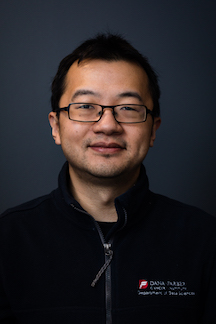
Li Song is an Assistant Professor at the Department of Biomedical Data Science within the Geisel School of Medicine at Dartmouth College . He earned his Ph.D. in Computer Science (2018) and a Master's in Applied Mathematics and Statistics from Johns Hopkins University , advised by Liliana Florea. He completed postdoctoral training in the labs of X. Shirley Liu and Heng Li at the Data Science Department of Dana-Farber Cancer Institute . Education Ph.D. in Computer Science (Johns Hopkins University, 2018) M.S. in Applied Mathematics and Statistics (Johns Hopkins University) Research Focus : Designing algorithms for next-generation sequencing data analysis in immunology and microbiology. Key projects include: TRUST4 - De novo assembly of T-cell/B-cell receptors from RNA-seq T1K - Genotyping of polymorphic HLA/KIR genes Centrifuger - Compressed microbial genome classification Chromap - Ultrafast chromatin profiling data processing Recent Publications demonstrate expertise in computational immunogenetics, metagenomic analysis, and chromatin profiling workflows. The 2024 Genome Biology paper on Centrifuger received a Best Paper Award at RECOMB2024 . Training & Recruitment : The Song Lab actively seeks postdocs and graduate students through the Quantitative Biomedical Sciences program and Department of Computer Science at Dartmouth.
Ramana V Davuluri serves as Professor in the Department of Biomedical Informatics at Stony Brook University's Renaissance School of Medicine. With over 20 years of experience in bioinformatics and computational genomics, he leads research at the intersection of machine learning and cancer genomics, focusing on translating high-dimensional -omic data into clinically actionable insights through statistically rigorous methodologies. Dr. Davuluri's research spans Machine Learning applications in Cancer Data Science , isoform-level gene regulation , and precision-medicine development. His lab pioneers bioinformatics solutions for genomic data interpretation, with emphasis on developing machine learning algorithms that convert NextGen sequencing outputs into experimentally testable discovery models. A core focus involves creating rapid biomarker identification systems from human tissue and blood samples through integrated computational-experimental approaches in systems biology. Analysis of his 2023-2025 publications reveals a dominant trend toward genomic foundation models (e.g., DNABERT variants), multi-omic cancer subtyping , and time-dependent therapeutic strategies for pediatric brain tumors and ovarian cancer. His work consistently bridges computational innovation with biological validation across diverse cancer types including glioma, lung adenocarcinoma, and high-grade serous carcinoma. As Principal Investigator for multiple multi-investigator and multi-site projects, Dr. Davuluri directs research integrating high-throughput experimental procedures with advanced data-mining techniques. His laboratory maintains strong collaborations across oncology, neuroscience, and immunology domains while developing genomics-based decision support systems for clinical translation. The Davuluri Lab employs a systems biology framework to develop novel informatics tools for precision oncology, with particular emphasis on translating genomic discoveries into clinical applications through biomarker discovery and therapeutic strategy optimization.
Scott T. Doyle is an Associate Professor in the Department of Pathology and Anatomical Sciences at the Jacobs School of Medicine & Biomedical Sciences, University at Buffalo. His research integrates biomedical imaging, artificial intelligence, and computational pathology to develop quantitative tools for clinical diagnostics and anatomical modeling. Education: PhD in Biomedical Engineering, Rutgers, The State University of New Jersey (2011) BS in Biomedical Engineering, Rutgers, The State University of New Jersey (2006) Optical Microscopy & Imaging in the Biomedical Sciences, Marine Biological Laboratory (2014) hES Stem Cell Culture Training, WNYSTEM (2014) R Bioconductor Training, Roswell Park Cancer Institute (2016) Dr. Doyle’s research focuses on developing AI-driven algorithms for biomedical image analysis, particularly in digital pathology and 3D anatomical modeling. His work spans tumor segmentation, risk prediction in oral and thyroid cancers, and integration of virtual and physical anatomy in medical education. He applies machine learning, deep learning, and computational modeling to enhance diagnostic accuracy and patient outcomes. His recent publications reflect a strong trend in applying artificial intelligence to histopathology, with emphasis on active learning, 3D reconstruction, and multi-institutional data fusion. Key areas include oral cavity cancer recurrence prediction, thyroid cancer subtyping, and computational modeling of surgical margins and anatomical structures. Scientific Service and Recognition: Reviewer for NIH SPORE grants Peer reviewer for journals including Medical Image Analysis , BMC Bioinformatics , IEEE Transactions on Biomedical Engineering Program Committee and Session Chair, SPIE Medical Imaging: Digital Pathology (2016–present) Member, Graduate Program Steering Committee, Pathology & Anatomical Sciences Mentor, McNair Scholarship and CSTEP programs for underrepresented students Dr. Doyle has secured significant research funding as Principal Investigator on NIH and CTSI grants, including a $2M+ NIH grant for predicting oral cancer recurrence. He has also contributed to educational innovation through hybrid anatomy curriculum development and AI training for pathologists. He leads the 'Atoms to Anatomy' research initiative and is active in strategic planning at the Jacobs School. Laboratories and Collaborative Teams: Dr. Doyle collaborates with the Center for Computational Research (CCR) and is involved in the Structural Sciences Learning Center (SSLC). He has led projects with teams at Ibris, Inc., Veterans Affairs Hospital, and Mount Sinai School of Medicine.
Weerachai Jaratlerdsiri is a Research Fellow at the School of Medical Sciences , Faculty of Medicine and Health , University of Sydney . He is also a member of the University of Sydney Nano Institute and leads bioinformatics initiatives at the Charles Perkins Centre . His work focuses on genomics , prostate cancer , and health disparities in underrepresented populations. PhD in Comparative Genomics (University of Sydney, 2014) Postdoctoral Fellow at Australian Prostate Cancer Research Centre Co-Investigator for US Department of Defense Prostate Cancer Research Programs Developed frameworks for personalized genomics in cancer disparities His research interrogates "Big Data" genomics to uncover genetic and environmental factors influencing prostate cancer in African and other underrepresented populations. He has identified ancestral heritage connections to aggressive cancer and environmental effects on ethnic groups. His work spans computational biology , epigenetics , and translational research . His publications from 2014–2025 emphasize African-ancestral disparities , oncogenic drivers , mitochondrial genomics , and epigenetic machinery . Key journals include Nature , Science , and Cancer Discovery , often in collaboration with global institutions across Australia, South Africa, the UK, and the US. Scientific recognition includes: Best early-career presentation at the Australasian Genomic Technologies Association Conference FMH Showcase Travel Award 2023 (Faculty of Medicine and Health) Dr. Jaratlerdsiri supervises Ruotian HUANG and Jue JIANG , who investigate telomere length and genomic processes in prostate cancer. He collaborates with the Hayes Lab and the ICGC Pan-Prostate Cancer group to harmonize global genomic data from over 2,000 patients.
Professor Yi Lyu is a faculty member at the Department of Hepatobiliary Surgery, College of Medicine, Xi’an Jiaotong University, with extensive leadership roles including Vice President of the university and Director of the First Affiliated Hospital. His research bridges hepatobiliary surgery, magnetic surgery, and biomedical engineering, focusing on innovative surgical devices and transplantation immunity. Bachelor's, Master’s, and Doctorate in Clinical Medicine and General Surgery from Xi’an Medical College Postdoctoral training in Surgery at Nippon Medical School Hospital, Tokyo His research interests span hepatobiliary surgery, magnetic surgery applications, cancer therapy, transplantation immunity, and biomedical engineering. Recent work emphasizes magnetic devices for vascular reconstruction during liver transplantation and immunomodulation via nanotherapeutics. Article trends reflect a strong focus on magnetic surgical technologies (6/15), cancer-related applications (4/15), and immune/gut microbiome interactions (3/15). High-impact publications (IF >15) include work on nanotherapeutics for muscle regeneration and catalytic systems in alkaline seawater. 2023 : Editor-in-Chief of Magnetic Medicine , National Key R&D Program grant (¥12M) 2022 : National Teaching Achievement Award, Annals of Surgery publications 2018 : Chinese Medical and Technology Award, NSFC Project grant 2015 : Ministry of Education Technology Invention Award
Yuan Huang is an Assistant Professor in the Department of Biostatistics at the Yale School of Public Health . Her research focuses on statistical methods for high-dimensional data, motivated by challenges in cancer genomics and neurodegenerative diseases. She develops approaches for biomarker identification, network structure estimation, and gene-environment interaction analysis, with applications in Alzheimer’s, Huntington’s, and Parkinson’s diseases. Key Affiliations: Yale Cancer Center, Center for Brain & Mind Health, Yale Center for Analytical Sciences (YCAS) Her methodological work emphasizes integrative analysis across multiple datasets to improve reproducibility and discovery. Recent collaborations span clinical trials, genetics, and epidemiology, with a focus on addressing heterogeneity and nonlinearity in complex biomedical data. Her publications include Bayesian finite mixture models, precision matrix estimation, and advanced techniques for high-dimensional causal mediation analysis. She actively engages in translational research, linking statistical innovation to clinical and public health challenges.
Katherine A. Hoadley, PhD, is an Associate Professor in the Department of Genetics at UNC School of Medicine and a member of the UNC Lineberger Comprehensive Cancer Center. Her lab specializes in cancer biology through gene expression analyses and integrative genomic approaches , with a focus on breast cancer and pan-cancer projects. Key Affiliations : UNC Lineberger Comprehensive Cancer Center Computational Medicine Program Research Themes : Multi-omics cancer characterization Immune landscape mapping Proteogenomic therapeutic targeting Clinical trial genomic analysis Scientific Recognition : Clarivate Analytics Highly Cited Researcher (2018–2024) Breast Cancer Research Foundation Award (2020) Clinical Research Forum Awards (2015) Her work contributes to precision oncology through large-scale initiatives like The Cancer Genome Atlas (TCGA) and the Genomic Data Analysis Network (GDAN) , with applications in RNA sequencing analysis and clinical trial optimization .
Professor Alison Dunning serves as Professor of Cancer Genetic & Applied Epidemiology at the University of Cambridge's Centre For Cancer Genetic Epidemiology (CCGE), where she leads wet-lab operations and contributes to major international consortia including BCAC and CIMBA. Appointed to her professorship in 2022 after becoming Reader in 2016, she concurrently acts as University Disability and Wellbeing Champion and Co-Chair of the Disabled Staff Network. Her research focuses on cancer genetic epidemiology , particularly fine-scale mapping of breast cancer risk loci, genetic modifiers of BRCA-related cancer risks, and radiotherapy toxicity mechanisms. She directs high-throughput genotyping for consortia studying polygenic risk scores across diverse populations, mammographic density genetics, and radiation-induced normal tissue complications. Her work bridges wet-lab sample management with statistical genetics to translate findings into clinical risk prediction. Analysis of her 2023-2025 publications reveals dominant themes in cross-ancestry polygenic risk score development and genetic determinants of radiotherapy toxicity , with significant contributions to prostate cancer dose-response modeling and BRCA variant classification. These studies frequently employ large-scale GWAS and international cohort collaborations to address clinical implementation challenges. As Director of Graduate Studies for the Oncology Department (2019-2024) and current formal supervisor for CRUK Cambridge Cancer Centre MRes students, she mentors early-career researchers while teaching on the University's Certificate in Genetics program until 2022. Her advocacy focuses on disability inclusion and combating workplace bullying through epidemiological frameworks that promote belonging in academia. Dunning manages the CCGE's wet-lab team responsible for biological sample curation and genotyping across consortia including Confluence, BRIDGES, and EMBED. Her leadership extends to patient engagement in the Early Detection program, where she supports patient representatives while overseeing sample collection for ctDNA analysis and related studies.
Dr. Leslie G. Biesecker serves as Director & NIH Distinguished Investigator leading the Center for Precision Health Research at the National Human Genome Research Institute (NHGRI), part of the National Institutes of Health. His work bridges clinical practice and genomic research with focus on elucidating genetic mechanisms of rare developmental disorders. Educational background includes: B.S. from University of California, Riverside M.D. from University of Illinois College of Medicine Pediatrics training at University of Wisconsin Clinical and molecular genetics training at University of Michigan His research program centers on precision genomics with dual foci: (1) rare disorders of development and overgrowth including Proteus syndrome, PIK3CA-related overgrowth, and Pallister-Hall syndrome; and (2) hypothesis-generating clinical genomics through the ClinSeq ® program. The laboratory employs integrated clinical-molecular approaches, massively parallel sequencing, and animal models to investigate genotype-phenotype correlations while developing therapeutic strategies targeting the AKT/PIK3CA pathway. Recent work expands into pharmacogenetics and cancer susceptibility gene evaluation. Key publication trends reveal consistent leadership in rare disease gene discovery (2000-2012), methodological innovation in genomic analysis (2009-2013), and translational implementation of genomic medicine (2013-2016). Research spans molecular genetics, clinical diagnostics, and therapeutic development with strong emphasis on somatic mosaicism and pathway-targeted treatments. Major recognitions include: Election to National Academy of Medicine Presidency of American Society of Human Genetics (2019) NIH Distinguished Investigator appointment Dr. Biesecker co-directs a CLIA-certified molecular diagnostic laboratory and serves on editorial boards for four biomedical journals. His advisory roles include Illumina Corporation consultation and World Trade Center victim identification efforts. The Precision Genomics Section maintains active recruitment for clinical protocols studying rare disorders through the NIH Clinical Center, with recent expansion into therapeutic interventions for overgrowth disorders. Current lab structure includes staff scientists (Jennifer Johnston), genetic counselors (Julie Sapp), research scientists (Marjorie Lindhurst), and postdoctoral fellows working on genomic analysis and clinical protocols.
Jonathan Douxfils is a Professor at the University of Namur, affiliated with the Namur Research Institute for Life Sciences and the Thrombosis and Hemostasis Center. His expertise lies in pharmacology, thrombosis, and anticoagulant therapies. He holds a Pharm.D. and Ph.D. from the University of Namur and a Master of Pharmacy from Université Catholique de Louvain. Key roles include CEO of Qualiblood, Co-Chairman of the International Society on Thrombosis and Hemostasis's SSC Control of Anticoagulation, and Pharmacovigilance Expert at the Federal Agency of Medicines and Health Products. His research focuses on anticoagulant safety, thrombosis risk assessment, and innovative diagnostic tools like the DOAC Dipstick. Notable awards include the Alfers Prize 2022, Eberhard F. Mammen Young Investigator Award 2019, and multiple recognition in hemostasis research. He leads projects such as NucleoGlio (glioblastoma diagnostics) and GT4HEALTH (gene therapy research). He has supervised 19 thesis works and contributed to over 436 research outputs. His work aligns with UN SDGs in health and innovation.
Rish K Pai, M.D., Ph.D. is a Professor of Laboratory Medicine and Pathology at Mayo Clinic in Phoenix, Arizona, with subspecialty expertise in gastrointestinal and hepatic pathology. He serves as Associate Chair of Research for the Department of Laboratory Medicine and Pathology (2020-2023) and was President of the Rodger C. Haggitt Gastrointestinal Pathology Society (2020-2021). Dr. Pai's educational background includes an MD/PhD in Immunology from Case Western Reserve University (2005), followed by residency and fellowship training in Anatomic Pathology and Gastrointestinal and Hepatic Pathology at The University of Chicago Medical Center. His clinical expertise focuses on diagnosis of inflammatory disorders and neoplastic diseases of the gastrointestinal tract and liver. His research interests span gastrointestinal pathology, liver pathology, colorectal cancer genetics, inflammatory bowel disease, and liver transplant pathology. Dr. Pai lectures nationally and internationally on gastrointestinal and hepatic pathology and has directed multiple continuing medical education courses in these areas. He serves as principal investigator of the Colon Cancer Family Registry at Mayo Clinic. Analysis of his recent publications reveals a strong focus on colorectal cancer genetics, molecular pathology of gastrointestinal disorders, and translational applications of pathological findings to improve cancer diagnosis and treatment. His work frequently employs advanced genomic and epidemiological methods including Mendelian randomization and genome-wide association studies. Jack Yardley Investigator Award, Rodger C. Haggitt Gastrointestinal Pathology Society (2019) Rodger C. Haggitt Gastrointestinal Pathology Society Resident Award (2009) Hans Popper Hepatopathology Society Resident Award (2007) Martin Wahl Memorial Fund Award (2005) Dr. Pai has held significant leadership roles including Chair of the Education Committee for the Rodger C. Haggitt Gastrointestinal Pathology Society (2017-2018) and Member of the Education Committee for the United States and Canadian Academy of Pathology (2016-2020). He has also contributed to digital pathology initiatives as a member of the Digital Pathology Practice Subcommittee and the Artificial Intelligence Strategy Working Group at Mayo Clinic.
Professor Marcel Dinger is a prominent academic and researcher currently serving as Professor and Head of School for Biotechnology and Biomolecular Sciences at UNSW Sydney. With over 20 years of experience in genomics, he has established himself as a leading figure in both academic and entrepreneurial spheres within the field. He has published 153 papers with over 24,000 citations and maintains an h-index of 61 on Google Scholar. His leadership extends beyond academia as he serves as President of the Australasian Genomics Technologies Association (AGTA) and holds director positions at Pryzm Health and the National Centre for Indigenous Genomics (NCIG). Professor Dinger's research laboratory focuses on establishing new links between phenotype and genotype, particularly examining rare and complex diseases in relation to underexplored regions of the genome including pseudogenes, repetitive elements, non-canonical DNA structures, and noncoding RNAs. His work harnesses population-scale genomic datasets and sophisticated data science methods to bring an objective perspective to understanding how the genome stores information and how it is transacted in biology. His research interests span genomics, non-coding RNA biology, clinical applications of genomic medicine, and the development of computational approaches for analyzing complex genomic data. Analysis of Professor Dinger's recent publications reveals a strong emphasis on non-coding RNA research, particularly long noncoding RNAs and their roles in disease mechanisms. His work spans cancer genomics, neurological disorders, and fundamental genomic mechanisms including DNA secondary structures like i-motifs and G-quadruplexes. His research combines experimental approaches with advanced bioinformatics to address fundamental questions in genomic medicine and has significant translational implications for disease diagnosis and treatment. Highly Cited Researcher in Cross-Field category (2019, 2020, 2021) Fellow of the Faculty of Science (Research), Royal Society of Pathologists of Australasia (2016) NHMRC Career Development Award (2010) Queensland Government Smart Futures Fellowship (2009) Foundation of Research, Science and Technology New Zealand Postdoctoral Fellowship (2005) Professor Dinger has been instrumental in establishing and leading several significant research initiatives including Genome.One, one of the first companies globally to provide clinical whole genome sequencing services, and the Kinghorn Centre for Clinical Genomics at the Garvan Institute of Medical Research. His entrepreneurial experience includes founding four biotechnology and IT startups. He serves on multiple governance boards including the National Centre for Indigenous Genomics, focusing on using genomics to improve health outcomes for Australia's First Peoples. His laboratory at UNSW continues to advance our understanding of genomic regulation and its implications for human health and disease.
Dr. Zeynep Erson Omay serves as an Assistant Professor in the Department of Neurosurgery and Biomedical Informatics & Data Science at Yale School of Medicine. Her work bridges computational biology with neurosurgical oncology, focusing on precision medicine applications for brain tumors, with particular emphasis on understanding tumor heterogeneity and molecular mechanisms of CNS tumors. Dr. Erson Omay's educational background includes: PhD in Computer Science from Case Western Reserve University (2011) MS in Computer Science from Bilkent University (2005) BS in Computer Science from Bilkent University (2003) Her research focuses on computational analysis of multi-omic datasets to understand tumor heterogeneity, particularly in central nervous system tumors. Dr. Erson Omay specializes in genomic, transcriptomic, and epigenetic profiling of brain tumors, with emphasis on meningiomas, glioblastomas, and rare CNS tumor subtypes. She leads the Erson Lab, which develops bioinformatics approaches to study large datasets and reveal molecular mechanisms in tumor formation, progression, and clinical outlier subgroups. Her work in precision medicine aims to decipher the molecular architecture of individual tumors to guide personalized treatment approaches, with significant contributions to understanding tumor ecosystems and evolutionary patterns in brain cancers. Dr. Erson Omay's scientific contributions span neuro-oncology, computational biology, and precision medicine, with a strong emphasis on translating genomic findings into clinical applications. Her publications demonstrate consistent innovation in applying computational methods to complex neurosurgical problems, with particular focus on tumor heterogeneity, molecular classification, and racial disparities in tumor genomics. Her notable scientific awards include: 10x Genomics 2021 Pilot Award (2022) Mission Bio Tapestri Grant (2022) Case Western Reserve University, Research ShowCASE-Best Poster Award (2007) Dr. Erson Omay actively mentors students and researchers at various levels, including undergraduate students, graduate students, postdocs, and postgraduate associates. She collaborates extensively within Yale's neurosurgery department and across disciplines to advance computational approaches to brain tumor research. Her work is supported by various grants that enable the development of novel bioinformatics platforms for tumor genomic characterization. She leads the Erson Lab, which focuses on three major research areas: Tumor Ecosystem (studying interactions among tumor and immune cells), Tumor Evolution and Heterogeneity (understanding temporal and spatial tumor evolution), and Precision Medicine (applying genomic techniques to personalize brain tumor treatment). The lab employs diverse omics technologies to explore brain tumor biology and develop computational methods for precision medicine applications.
Sylvia Kurz, MD, PhD, is an Associate Professor of Neurology specializing in Neuro-Oncology at Yale School of Medicine. She leads patient care at the Chênevert Family Brain Tumor Center at Smilow Cancer Hospital and Yale Cancer Center. Her research focuses on developing novel therapies and optimizing treatment protocols for brain tumors, particularly gliomas and meningiomas. Dr. Kurz holds dual degrees from Ludwig-Maximilians-University in Munich, Germany, and has completed advanced training at institutions including Massachusetts General Hospital and Perlmutter Cancer Center. Roles: Neuro-Oncologist, Associate Professor, Molecular Medicine Researcher Affiliations: Yale School of Medicine, Smilow Cancer Hospital, Chênevert Family Brain Tumor Center Education: MD and PhD: Ludwig-Maximilians-University, Munich Residency: University Hospitals Case Medical Center Fellowship: Massachusetts General Hospital/Dana-Farber Cancer Institute Dr. Kurz’s research emphasizes translational neuro-oncology, including radiopharmaceuticals, targeted therapies, and biomarker-guided treatment strategies. Her clinical work integrates cutting-edge diagnostics like SSTR2 PET imaging and molecular methylation profiling. She has pioneered initiatives like the DivINe Initiative to promote diversity in neuro-oncology leadership and co-developed the NEURO-MCBS clinical benefit scale for CNS tumor trials. Her clinical trials focus on therapies for glioblastoma, meningioma, and diffuse midline glioma (DMG), including ONC201 for H3 K27M-mutant tumors and LITT for glioblastoma recurrence. She also addresses care challenges such as venous thromboembolism management in brain tumor patients and caregiver psychosocial burdens. Dr. Kurz collaborates extensively with teams at Yale Cancer Center, the Molecular Tumor Board (TRACE initiative), and international neuro-oncology groups like NCOG. Her work spans from bench-to-bedside innovations in immunotherapy and precision medicine to improving patient-reported outcomes through digital health tools.