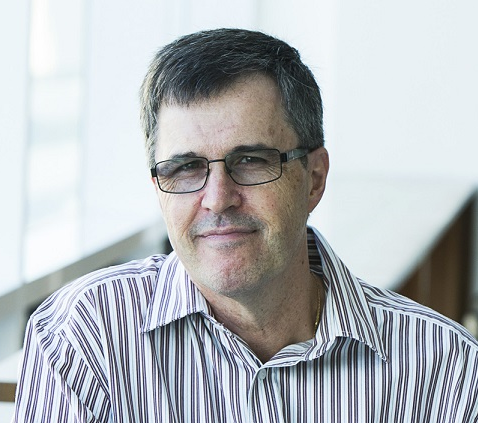
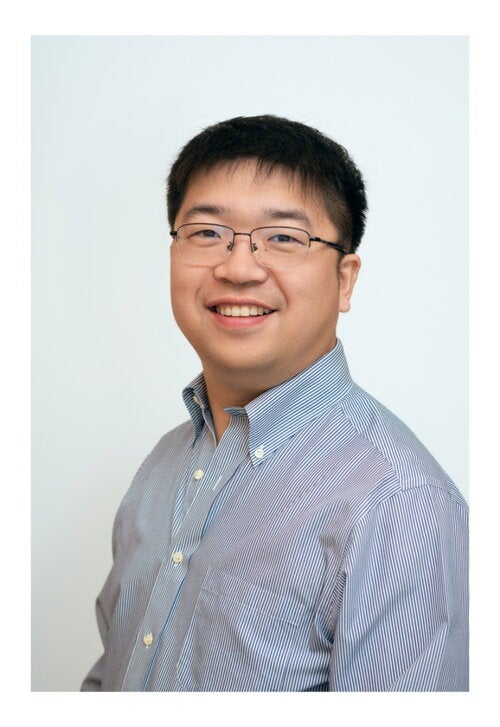
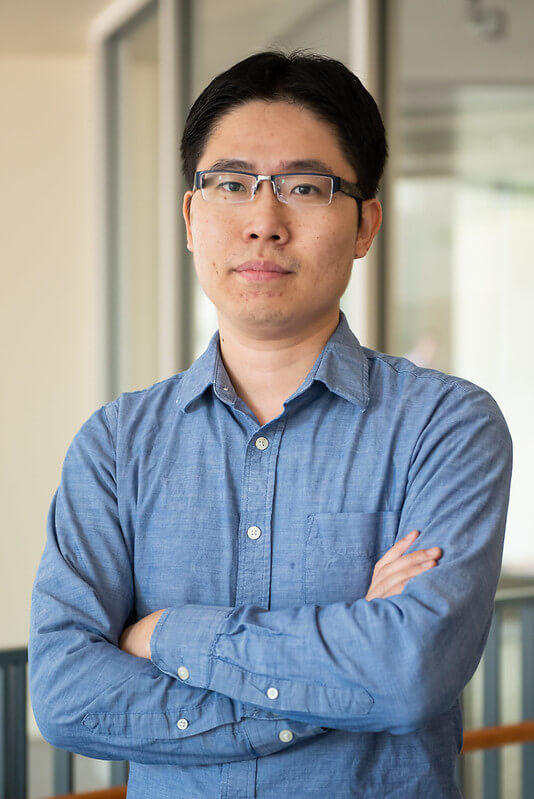
Professor Denzil G Fiebig is a leading academic in econometrics and health economics, affiliated with the School of Economics at UNSW Business School . He has held visiting appointments at prestigious institutions including the University of Florida and Tilburg University. His research focuses on econometric modeling in healthcare decision-making and policy design. Member of the Australian Research Council College of Experts (2014-17) President of Australian Health Economics Society (2005-10) Chair of iHEA Scientific Committee (2016-19) His work has attracted over $AUD15.6 million in research funding from ARC and NHMRC. Key editorial roles include service on Economic Record and Social Science and Medicine . Recent publications analyze topics ranging from: Discrete choice experiments in healthcare Health insurance market dynamics End-of-life care economics Neonatal healthcare utilization Major awards include: 2016 Vice Chancellor’s Award for Teaching Excellence 2003 Fellow of the Academy of Social Sciences in Australia
Karin H. James is a Professor and Director of Graduate Studies in the Department of Psychological and Brain Sciences at Indiana University Bloomington's College of Arts and Sciences, actively reviewing applications for Fall 2026 admissions. Her research program investigates how self-generated actions shape cognitive development through neural mechanisms. Her educational background includes: Post Doctoral Fellow, Vanderbilt University (2001-2003) Ph.D. in Psychology, University of Western Ontario (2001) M.A. in Psychology, University of Western Ontario (1998) B.S. in Psychology, University of Toronto (1996) B.A. in History, University of Toronto (1991) Dr. James' research centers on the neural correlates of learning, specifically how motor experience influences visual recognition across domains including object recognition, reading acquisition, language learning, and mathematical understanding. Using fMRI and behavioral methods, she examines how sensorimotor interactions during symbol production (e.g., handwriting) reconfigure brain networks for perception. Her work demonstrates that visual-motor contingency during learning creates lasting neural changes that enhance recognition, with implications for educational practices in literacy and numeracy development. Analysis of her 2018-2021 publications reveals consistent focus on embodied cognition principles, particularly how action-perception loops establish neural representations. Key themes include gesture-based learning in mathematics, visual-motor integration in symbol recognition, and category formation mechanisms, bridging cognitive neuroscience with developmental psychology through innovative methodologies like the MRItab neuroimaging tool. Dr. James maintains active membership in the Society for Research in Child Development (2007-present), Cognitive Neuroscience Society (2004-present), and Vision Sciences Society (2000-present), reflecting her interdisciplinary approach to learning mechanisms. As Director of Graduate Studies, she oversees program development and student mentorship while leading the Cognition and Action Neuroimaging Lab. Her research infrastructure includes specialized neuroimaging tools developed for naturalistic experimental paradigms, supporting investigations into how embodied experiences shape cognitive architecture from childhood through adulthood. The Cognition and Action Neuroimaging Lab develops cutting-edge methodologies like the MRItab touchscreen system to study naturalistic learning during fMRI scanning, focusing on how sensorimotor experiences during symbol production reconfigure neural networks for perception and recognition across developmental stages.
Associate Professor Jonathan Ziveyi is an academic at the UNSW Business School , where he serves as an Associate Head in the School of Risk and Actuarial Studies . He holds a PhD in Quantitative Finance from the University of Technology Sydney and has published extensively in journals like Insurance: Mathematics and Economics and Quantitative Finance . Education PhD in Finance, University of Technology Sydney Graduate Certificate in University Learning and Teaching, UNSW Sydney BSc (Hons) in Applied Mathematics, National University of Science and Technology, Zimbabwe His research focuses on longevity risk management , valuation of guarantees in variable annuities , and option pricing under stochastic volatility . Recent work includes pooled annuity smoothing, hybrid insurance-product designs, and mortality forecasting with stacked regression ensembles. His publications span affine mortality models , regime-switching frameworks , and machine learning applications in actuarial contexts. Key topics include guaranteed minimum withdrawal benefits, longevity bonds, and tax implications in insurance contracts. Grants & Awards Australian Research Council Grant (2021–2023, AUD386,139) Society of Actuaries Grant (2017–2020, US$248,278) Multiple UNSW Business School linkage and research grants Vice Chancellor’s Prize for First-Class Degree (2005) International Postgraduate Research Scholarship (2007) He supervises PhD students including Samuel Thirurajah , Gayani Thalagoda , and Yawei Wang . His teaching includes courses on Asset-Liability Models and Financial Economics for Insurance .
Ranjana Mehta serves as Professor in the Department of Industrial and Systems Engineering at the University of Wisconsin-Madison and Affiliate Faculty in the BerbeeWalsh Department of Emergency Medicine, directing the NeuroErgonomics Laboratory while co-directing the Texas A&M Ergonomics Center and holding faculty fellowships at the Center for Population Health and Aging and Center for Remote Health Technologies and Systems. Her academic background includes: PhD in Industrial & Systems Engineering from Virginia Tech MS in Industrial Engineering from University at Buffalo BE in Production Engineering from University of Mumbai, India Mehta pioneers neuroergonomic approaches to study human performance under fatigue and stress in safety-critical environments, developing closed-loop human augmentation technologies for emergency response, space exploration, and oil/gas operations. Her work integrates adaptive AR/VR interfaces, wearable systems, human-robotic interactions, and brain-computer interfaces to enhance human-technology partnerships through user-centered design. Analysis of her recent publications reveals strong emphasis on fatigue detection in offshore workers, trust dynamics in human-robot collaboration, and sex-specific neural adaptations to exoskeletons. Her research spans human factors engineering, neuroscience, and industrial engineering, employing multimodal physiological metrics to address real-world safety challenges across high-risk industries. Her scientific recognition includes: 2024 Virginia Tech, ISE Distinguished Alumni 2023 Human Factors and Ergonomics Society, Fellow 2022 IISE Award for Technical Innovation in Industrial Engineering 2022 NASA ideas* Fellow 2022 NASEM Gulf Research Early Career Research Fellow 2022 The Human Factors Prize 2021 Virginia Tech, ISE Emerging Leaders Award 2021 Texas A&M Presidential Impact Fellow 2020 TEES Engineering Genesis Award 2020 Virginia Tech Engineering Outstanding Recent Alumni Award 2019 HFE Woman of the Year 2017 William C. Howell Young Investigator Award Her research receives funding from multiple federal agencies and industry partners supporting neuroergonomic solutions for worker safety. She mentors graduate students through ISyE 699/790/890/990 research courses and PSYCH 859 special topics, focusing on human factors engineering applications in emergency response and healthcare systems. Mehta leads interdisciplinary teams across the NeuroErgonomics Laboratory and Texas A&M Ergonomics Center, integrating engineering, neuroscience, and emergency medicine expertise to develop real-time fatigue monitoring systems and adaptive interfaces for high-stakes occupational environments.
Zhiyu (Frank) Quan is an Assistant Professor at the University of Illinois at Urbana-Champaign (UIUC), holding positions in the Department of Mathematics, Department of Statistics, and National Center for Supercomputing Applications (NCSA). He is also an affiliate faculty member at Discovery Partners Institute as InsurTech Lead and serves as an ORMI Faculty Fellow in Finance. His research focuses on data science applications in actuarial science, including tree-based models, natural language processing, and deep learning for insurance risk modeling, predictive analytics, and InsurTech innovation. Education: Ph.D. in Actuarial Science (University of Connecticut, 2019), MS in Applied Statistics (Michigan State University, 2014), and BS in Mathematics and Applied Mathematics (Xiamen University, 2012). Research interests include computational statistics, insurance analytics, and leveraging machine learning for actuarial challenges such as claim prediction, rate-making, and cyber risk modeling. He leads the Illinois Risk Lab, bridging academic research with industry needs, and has pioneered hybrid tree-based models to address imbalanced data in insurance. Notable achievements include the Arnold O. Beckman Research Award and Society of Actuaries Research Institute recognition. He advises two doctoral students and teaches advanced predictive analytics courses, emphasizing practical applications in actuarial science and data ethics. Key collaborations involve InsurTech companies and NCSA, focusing on NLP-driven academic paper repositories (CyLit) and federated learning for privacy-preserving insurance data sharing. His work addresses real-world challenges in cyber insurance and automated machine learning systems.
Matthew R. Ryan is an Associate Professor in the School of Integrative Plant Science (Soil and Crop Sciences Section) at Cornell University. His research focuses on sustainable cropping systems, agroecology, and cover crop management with an emphasis on ecological weed suppression and organic production. Ryan leads the Sustainable Cropping Systems Lab and co-directs the Organic @ Cornell initiative. Education: PhD in Agronomy (2010), MS in Agronomy (2007) from The Pennsylvania State University; BS in Biology (2001) from Kutztown University. Research Interests: Development of diversified cropping systems that integrate perennial grains like Kernza Evaluation of cover crop genetics and management strategies Optimization of no-till systems for organic crop production Assessment of agronomic practices' environmental impact Recent Work Trends: Over 15 publications (2023–2025) emphasize cover crop genetics, no-till weed management, and perennial grain development. Collaborative projects across 16 U.S. states highlight regional adaptation strategies. Awards: No formal awards listed, though his work has been featured in news articles about cover crop adoption and perennial grain development. Teaching & Mentorship: Teaches PLSCI 1900 and 3800 courses. Advises graduate students in Soil and Crop Sciences. Coordinates multi-university courses like the Cover Crop Challenge. Labs/Teams: Leads Sustainable Cropping Systems Lab and collaborates with Cornell's Agricultural Experiment Station. Active in regional farmer-extension partnerships.
Xianyang Zhang is a Professor in the Department of Statistics at Texas A&M University, affiliated with the College of Arts & Sciences. He holds a Ph.D. from the University of Illinois at Urbana-Champaign (2013) and a B.S. from the University of Science & Technology of China (2008). His research focuses on high-dimensional statistics, functional data analysis, kernel methods, and genomics, supported by grants from NIH, NSF, and Texas A&M. Education: Ph.D., Statistics, University of Illinois at Urbana-Champaign, 2013 B.S., Statistics, University of Science & Technology of China, 2008 Research Interests: Xianyang Zhang develops statistical theories and methodologies for complex data structures, including high-dimensional inference, kernel-based testing, change-point detection, and microbiome analysis. His work bridges computational and theoretical statistics, addressing challenges in genomics, omics-wide studies, and spatial statistics. Key Contributions: Developed KDist , a package for kernel and distance-based statistical inference Authored fastcpd for efficient change-point detection Advanced covariate-adaptive FDR control methods for omics studies Contributed to microbiome analysis tools like MicrobiomeStat and LinDA Advising & Grants: Advises multiple Ph.D. students in statistics and interdisciplinary projects Recipient of NIH and NSF grants for high-dimensional statistical research Collaborates with institutions like Mayo Clinic and Chinese University of Hong Kong Labs/Teams: Leads research groups focused on statistical methodology development, software implementation, and applications in computational biology and genomics.
Dr. Lin Wei is a Professor and Graduate Coordinator in the Department of Agricultural and Biosystems Engineering at South Dakota State University (SDSU). He holds a B.S. in Agricultural Engineering from China Agricultural University, M.S. in Mechanical Engineering (Guangxi University), and M.S./Ph.D. in Biological Engineering (Mississippi State University). His research focuses on biomass conversion, bioenergy production, smart agriculture, and food safety. He leads projects on biochar-based fertilizers, cold plasma food safety technologies, and AI-driven precision farming. Dr. Wei has authored over 80 peer-reviewed papers and secured $7M+ in grants. He chairs multiple professional committees (ASABE Renewable Energy, USDA-S1075, ISO-WG6) and serves as editor for journals like Agricultural Engineering and Transactions of the ASABE. Recent grants include biochar soil health studies ($583K USDA) and nanobubble dairy waste management ($22K SD WRI). His team develops smart sensors for crop monitoring and biopolymer nanocomposites for food packaging. Notable awards include 2024 Outstanding Researcher (College of Agriculture) and 2022 Excellence in Editing (ASABE). Ongoing work integrates thermochemical processes with AI to enhance biofuel production efficiency and environmental sustainability.
Pascal Da Costa is a Professor of Economics at CentraleSupélec, part of the University of Paris-Saclay. He is affiliated with the Industrial Engineering Laboratory and focuses on Environmental and Energy Economics for Sustainable Development. His research integrates planetary boundaries into economic analysis, emphasizing policy design for climate resilience and decarbonization. Key research areas include climate policy evaluation, nuclear energy economics, sustainable mobility solutions, and ecosystem valuation. He has contributed to projects such as the French Climate Roadmap and evaluates strategies for renewable energy integration alongside nuclear flexibility. Recent work addresses corporate climate ratings, CDR (Carbon Dioxide Removal) research trends, and equitable mobility solutions in urban/rural contexts. Da Costa has authored over 47 publications, including analyses of CO2 mitigation pathways, nuclear reactor investment scenarios, and ecosystem service valuation at Corsican rivers. His work bridges academic research with policy implementation through collaborative frameworks and interdisciplinary approaches. He teaches introductory economics courses at CentraleSupélec and participates in national initiatives like the 2030 Commission of the National Contributive Conference. His lab focuses on energy systems analysis, sustainable development metrics, and decision-support tools for sustainable strategy selection.
David A. Aborn is a Professor in the Department of Biology, Geology, and Environmental Science at the University of Tennessee-Chattanooga (UTC). His primary research focuses on bird migration, urban ecology, and conservation, particularly studying stopover biology, habitat selection in urban environments, and the effects of urbanization on avian populations. He holds a PhD in Biological Science from the University of Southern Mississippi (1996), an MS in Zoology from Clemson University (1989), and a BS in Zoology from Clemson University (1985). His work integrates field studies, telemetry, and citizen science to address ecological questions. Dr. Aborn’s research projects include assessing urban greenspaces as stopover sites for migratory birds, studying overwintering Sandhill Cranes, and investigating the breeding biology of Tree Swallows. He has received grants totaling over $595,000 from organizations like the National Science Foundation and the Tennessee Wildlife Resources Agency. His publications span 40+ articles in journals such as Nature Ecology and Evolution , Wilson Journal of Ornithology , and Southeastern Naturalist , with a focus on avian behavior, habitat use, and conservation challenges. Key research trends in his articles include urban birdstopover dynamics, stress physiology in migratory species, and invasive species impacts. He serves on committees for UTC’s Environmental Task Force, Reappointment, and Promotion. As a certified Master Bird Bander (USGS), he actively engages in public outreach through roles like Chattanooga Audubon Society board member and frequent guest lectures at local schools and organizations. Dr. Aborn advises the UTC Wildlife Zoology Club and coordinates graduate programs in Environmental Science. His work bridges academic research with applied conservation, emphasizing the role of urban ecosystems in avian survival and biodiversity preservation.
Zhengyuan Zhou is an Assistant Professor in the Department of Technology, Operations, and Statistics at the Leonard N. Stern School of Business, New York University. He is also associated faculty at the Department of Computer Science and Engineering, Tandon School of Engineering, and affiliated with the NYU Center for Data Science. He joined NYU Stern in 2020 after serving as an IBM Goldstine Research Fellow and a Visiting Scholar at NYU Stern during 2019–2020. Education: Ph.D., Electrical Engineering, Stanford University, 2019 Master’s in Computer Science, Stanford University Master’s in Statistics, Stanford University Master’s in Economics, Stanford University B.A., Mathematics, UC Berkeley B.S., Electrical Engineering and Computer Sciences, UC Berkeley His research centers on the intersection of machine learning, stochastic optimization, control theory, and game theory, with a focus on data-driven decision-making. He develops algorithms for reinforcement learning, contextual bandits, and policy learning under uncertainty, with applications in inventory control, revenue management, and auction bidding. His work emphasizes sample efficiency, computational tractability, and robustness. The recent publications reflect a strong trend in distributionally robust learning , offline reinforcement learning , and multi-agent systems , particularly in settings with delayed feedback, adversarial environments, and adaptive data collection. His articles span top journals in operations research, machine learning, and control theory. Scientific Awards and Honors: IBM Goldstine Fellowship (2019–2020) INFORMS Nicholson Award Finalist (2017, 2018) NSF and ONR grants (multiple, 2021–2027) NYU Research Catalyst Prize (2023) Horizon Robotics, Bain, and JP Morgan faculty awards (2021) CRA Outstanding Undergraduate Researcher (2013) Zhou advises PhD students in operations management and has served on dissertation committees at Georgia Tech and Tsinghua University. He has received over $1.8 million in research funding from NSF, ONR, and industry partners. He is actively involved in editorial roles as Associate Editor for Management Science , Operations Research , and Mathematics of Operations Research , and as Area Chair for NeurIPS, ICML, and ICLR. He also mentors high school students through logic and cryptography programs at Stanford’s Pre-Collegiate Summer Institute.
Katarzyna Wac is a researcher at the University of Geneva affiliated with the Faculty of Economics and Management and the Information Science Institute . Her work bridges Digital Health , Mobile Computing , and Human-Computer Interaction , focusing on leveraging wearable devices, smartphones, and AI for health and quality of life (QoL) quantification. Research Themes: Digital biomarkers for Alzheimer's and migraines, QoL assessment via ubiquitous computing, peer- and self-reported behavioral data, and QoE of mobile applications. Labs: Leads the mQoL Lab , a platform for interactive, mobile, and wearable-based studies. Her recent publications explore Transformer models for health data analysis, social robots in homecare, and ethical frameworks for digital mental health. She has contributed to standards for proxy-reported QoL measures and personalized drug delivery systems in digital health. The multimodal integration of emotional signals and context-aware QoS/QoE provisioning for m-health services are recurring technical themes. Key collaborations include the MobiHealth project and COPD24 , translating future internet technologies into telemonitoring solutions. Her work spans from foundational studies on mobile cognition to applied ambulatory assessment of affect and health risks.
Didier Meuwly is a Full Professor of Forensic Biometrics at the University of Twente (since 2013) and Principal Scientist at the Netherlands Forensic Institute (NFI). His work focuses on automating and validating probabilistic evaluation of forensic evidence, particularly biometric traces. He has contributed to international standards via ISO Technical Committee 272 and served as Associate Editor for Forensic Science International . PhD in Forensic Speaker Recognition (University of Lausanne, 2000) Research spans forensic biometrics, likelihood ratios, AI validation, and gait/body analysis from surveillance footage. Recent work addresses ISO standards (21043), forensic AI explainability, and multimodal evidence evaluation. His publications emphasize empirical validation and statistical rigor. Key awards include: ENFSI Distinguished Forensic Scientist Award (2022) University of Lausanne Law Faculty Prize (2002) Active in global forensic networks, he chairs the ENFSI R&D Committee and collaborates across disciplines on digital evidence, biometric security, and forensic methodology.
Dr. Manuela Angioi is a Reader in Sports and Exercise Medicine Education at Queen Mary University of London's Faculty of Medicine and Dentistry, leading the iBSC Sports and Exercise Medicine Course. She specializes in curriculum development for intercalated degrees, supervising student research projects and managing academic modules. Her research focuses on injury prevention in performing arts, particularly dance and judo, and the application of exercise in healthcare, such as dementia care. She collaborates with organizations like the National Centre for Circus Arts and Dancefit Prime. Teaching includes modules on research methods, exercise physiology, and dance medicine at levels 6 and 7. Research interests span physiological determinants of performance, musculoskeletal injury risk in dancers, and cardiovascular health interventions. She has contributed to high-impact journals and international conferences. Collaborations include the Royal Ballet School and NHS projects on dance-based therapies.
Yeyin Shi is an Associate Professor and Agricultural Intelligence Engineer at the University of Nebraska-Lincoln, Department of Biological Systems Engineering. His research focuses on applying artificial intelligence and remote sensing technologies to enhance agricultural productivity and sustainability. He teaches courses such as AGST 316: Technologies and Techniques for Digital Agriculture and AGEN/AGRO/AGST 431/892: Site-Specific Crop Management. He holds a Ph.D. in Biosystems and Agricultural Engineering from Oklahoma State University (2014), an M.S. (2010), and a B.S. in Mechanical Engineering from Nanjing Forestry University (2007). Research Interests: Agricultural data generation/analysis, remote sensing systems (satellite/UAV-based), crop stress sensing, precision crop management, and high-throughput phenotyping. His work bridges machine learning, robotics, and agronomy to address challenges in sustainable farming practices. Recent projects include maize tassel detection via deep learning, UAV-based weed detection, and nitrogen stress indices for maize using hyperspectral imagery. Awards: ASABE Outstanding Manuscript Reviewer (2015), 1st Place Postdoc Research Poster (2015), 2nd Place Student Robotic Competition (2012) Grants: Active collaborations on USDA-funded projects for precision agriculture and phenotyping Labs/Teams: Leads the Agricultural Intelligence Research Group at UNL, focusing on AI-driven agricultural solutions His research emphasizes scalable solutions through edge computing and cloud-based frameworks for irrigation scheduling and crop monitoring, aiming to optimize resource use in both row crops and livestock systems.