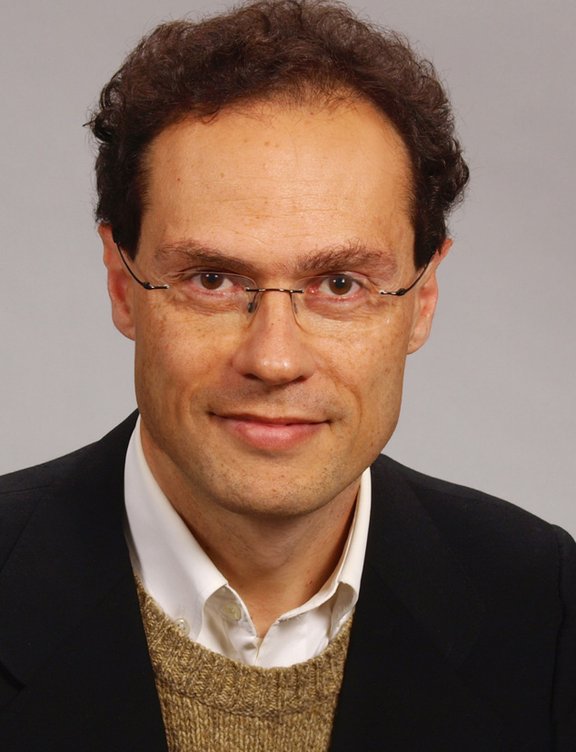
Dr. Irmgard Juen is an academic researcher at the University of Innsbruck's Department of Geography, specializing in glaciology and climate science. She holds a PhD (2006) and diploma (1999) in Geography from the same institution. Her work focuses on glacier dynamics, climate change impacts in mountain regions, and hydrological modeling in tropical and alpine environments. She contributes to interdisciplinary projects like the International Mountain Conferences and manages infrastructure for doctoral programs such as DK CIM and DP DOCC. Education: PhD (2006), University of Innsbruck; Diplom (1999), University of Innsbruck Her research integrates field observations, remote sensing, and climate modeling to address environmental challenges in mountainous regions. Key areas include glacier mass balance, precipitation patterns, and sustainable water management. She has co-authored influential studies on the Cordillera Blanca (Peru) and the Rofental basin (Austria), producing long-term hydro-meteorological datasets. Recent work highlights include bibliometric analyses of mountain research trends and policy recommendations from the 2019 International Mountain Conference. Her administrative roles involve organizing workshops, maintaining institutional websites, and overseeing financial aspects of infrastructure projects.
Professor Anne Hecksteden holds a professorship at the Institute of Sports Science, University of Innsbruck since 2022. A physician with a multidisciplinary background in sports science, her research focuses on exercise physiology, injury prevention, recovery management, and biomarker applications in sports medicine. Her work integrates data analytics, molecular biology, and clinical insights to address performance optimization and athlete health. Before joining Tyrol, Hecksteden spent nearly three decades near Saarbrücken, completing her medical studies and residency while balancing elite sports careers in inline skating (German champion) and horseback riding. Her competitive spirit translates into academic rigor, evident in her over 100 peer-reviewed articles across sports science, physiology, and clinical medicine. Key research themes include: Exercise intensity prescription and training adaptation mechanisms Injury epidemiology and return-to-play protocols in football/badminton Thermoregulation and cross-adaptation strategies Blood-borne biomarker profiling for recovery assessment MiRNA expression patterns in training response Her 2025 publications emphasize data-driven approaches in sports decision-making and personalized training strategies. Recent work on Bayesian networks for injury prediction and heat therapy applications showcases cutting-edge methodological innovation. Awards/recognitions: While specific awards aren't listed, her sustained academic output and leadership in sports medicine research position her as a field authority. Labs/Teams: Leads the Saddle, Skates and Sports Lab, collaborating with international sports federations and clinical institutions on translational research projects.
Eva Beaujouan is an Associate Professor at the University of Vienna's Institut für Demografie, leading the institute as its director. Her research focuses on fertility trends, family change, and the sociocultural drivers of delayed childbearing in high-income countries. She has secured prestigious grants, including an ERC Consolidator Grant (BIC.LATE, 2021–2026) and an FWF Stand-alone Project (LATEFERT, 2019–2023), to study late fertility dynamics and biological/individual contextual factors. Her work examines educational disparities in fertility, urban-rural fertility gradients, and the interplay between health, reproductive intentions, and policy. She teaches courses such as 'Research Seminar: Empirical Study' and 'Population Policy: Fertility, Health and Migration,' reflecting her expertise in demographic methodologies and policy analysis. Eva’s awards include grants for her groundbreaking analysis of late parenthood's societal impacts. Her research spans multiple countries, with notable contributions to understanding fertility recovery, childlessness trends, and the role of education in reproductive decisions. She also explores family instability, repartnering after separation, and generational fertility differences through microsimulation models and large-scale datasets. Her leadership at the Institut für Demografie underscores her commitment to advancing demographic research in Austria and Europe. Current projects include simulating fertility scenarios and analyzing the viability of 'ageing fertility' in European contexts.
Univ.-Prof. Dr. Doris Marko is a Professor at the Faculty of Chemistry, University of Vienna, affiliated with the Institute of Food Chemistry and Toxicology and the Department of Microbiology and Ecosystem Research. Her research focuses on mycotoxin toxicology, food safety, and environmental risk assessment. She leads projects addressing emerging mycotoxin risks in beans and climate change resilience. Her work contributes to UN Sustainable Development Goals related to health and environmental sustainability. Key research areas include Alternaria mycotoxins’ immunosuppressive effects, nanoparticle interactions with intestinal cells, and hazard characterization of enniatins and beauvericin. She has published over 255 articles, emphasizing mycotoxin toxicity, gut microbiota interactions, and cancer cell biology. Notable awards include the 2022 Award for Good Teaching. Projects: Leading global collaborations on mycotoxin risk mitigation and food safety. Grants: Active in securing research funding for interdisciplinary studies. Labs/Teams: Engaged in microbiology and environmental systems science research groups.
Rudolf Krska is a full Professor at the University of Natural Resources and Life Sciences, Vienna (BOKU), where he leads the Institute for Bioanalytics and Agro-Metabolomics in Tulln. His joint appointments include Professorships at Queen's University Belfast and Kansas State University. With a career spanning over three decades, he specializes in analytical chemistry, food/feed safety, and mycotoxin research. Research Focus: Krska's work centers on developing cutting-edge analytical methods (LC-MS/MS, infrared spectroscopy) for detecting contaminants in food chains. Key areas include: Mycotoxin control strategies and metabolomics of plant-fungi interactions Immunoassays, reference materials, and proficiency testing Climate change impacts on food contaminants and rapid on-site detection technologies Scientific Output: His recent publications (2024-2025) demonstrate a strong emphasis on spectroscopic mycotoxin detection, climate-related contaminant patterns, and global food safety challenges, particularly in vulnerable regions like Sub-Saharan Africa. Awards & Honors: Nils Foss Excellence Prize (2024), Chemistry Leader Award (2023) 5x Web of Science Highly Cited Researcher (2015-2019) Honorary Professor (China), Royal Irish Academy Membership Golden Ring of Tulln, Fritz-Pregl-Medal, and 20+ other distinctions Leadership & Projects: Krska directs major initiatives including FFoQSI's strategic research and EU projects like MyControl-ET. He founded two spin-offs (Biopure, Quantas Analytics) and oversees BOKU's analytical core facilities. Education & Training: Trained at TU Wien (Dipl.-Ing. 1990, Dr.techn. 1993), he mentors emerging scientists through international collaborations and laboratory management.
Karin Tremetsberger is a Privatdozent and researcher at the Institute of Botany , part of the University of Natural Resources and Life Sciences, Vienna (BOKU) . Her work focuses on plant genetics, biogeography, and conservation biology, particularly for steppe and ephemeral wetland species. Academic Background : Habilitation (2013), Dr. rer. nat. (2004), and Mag. rer. nat. (1999) from the University of Vienna. Her research explores genetic diversity , phylogeography , and adaptive mechanisms in plants facing climate change and habitat fragmentation. Key projects include assessing genetic diversity in steppe plants, studying epigenetic changes in ex situ conservation, and analyzing soil diaspore banks in ephemeral species. Recent publication trends highlight her expertise in Adonis vernalis , Krascheninnikovia , and Cyperus fuscus , with methodologies like genotyping-by-sequencing and molecular phylogenetics. She frequently presents at European botany and conservation conferences. Karin mentors students in plant genetics and conservation research , with supervised theses on topics like alpine vegetation dynamics and wetland seed bank ecology. She actively contributes to scientific societies as a peer reviewer for journals such as Molecular Ecology and Plant Systematics and Evolution .
Katharina Paschinger is a prominent glycobiology researcher at the University of Natural Resources and Life Sciences, Vienna (BOKU), where she leads the Institute of Biochemistry within the Department of Natural Sciences and Sustainable Resources. With over two decades of research experience, she holds a Dipl.-Ing. (1998) and Dr. (2008) from BOKU, specializing in the structural and functional analysis of N-glycans in diverse biological systems. Education: Dipl.-Ing. in Life Sciences (1998, BOKU), Doctorate in Biochemistry (2008, BOKU) Current Position: Principal Investigator leading multiple FWF-funded projects on glycan analysis Research Infrastructure: Utilizes advanced mass spectrometry and glycan microarray facilities Her research focuses on evolutionary glycobiology, particularly examining N-glycan structures across nematodes, parasites, and marine organisms. Paschinger's work reveals how glycan modifications influence host-parasite interactions, immune recognition, and developmental processes. Her laboratory employs cutting-edge mass spectrometry techniques to characterize complex glycan structures that conventional methods cannot resolve. Analysis of her 101 publications shows a consistent trajectory from foundational nematode glycomics toward translational applications in immunology and parasitology. Recent work increasingly emphasizes the functional consequences of glycan variations, particularly how branched N-glycans modulate host immune responses in parasitic infections. Paschinger actively contributes to the scientific community through editorial review for leading journals including Journal of Proteomics, Glycoconjugate Journal, and Carbohydrate Research. Her methodological innovations in negative-mode mass spectrometry have become standard approaches in invertebrate glycomics. As a dedicated mentor, she has supervised multiple doctoral and master's theses focusing on glycan analysis techniques and their biological applications. Her laboratory serves as a hub for international collaboration, hosting researchers from Australia, Italy, and the United States.
Christoph Pfeifer is a full professor at the Institute of Process Engineering and Energy Technology (BOKU, Vienna). His research focuses on biomass gasification , biochar applications , renewable energy systems , and thermal conversion technologies . He leads projects funded by the EU, Austrian government, and industry partners. Key Projects: GreenLNG (2022-2027) - biomass-to-LNG with EU funding IEA Bioenergy Task 33 (2019-2024) - thermal gasification leadership Capacity Building in Gaza Strip (2017-2020) - renewable energy training Research Themes include: Advanced biomass and waste valorization via dual fluidized bed gasification Carbon-negative technologies (biochar soil storage, CO2 capture) Hybrid renewable energy systems for rural electrification Circular economy applications of biochar (nutrient recovery, soil remediation) Collaborations span institutions in Austria , United Kingdom , Italy , Chile , and Palestine . He has co-authored 193 publications and presented at 155 international conferences. Recent Highlights: 2024: Keynote at SEEP conference on negative emission technologies 2024: Feature in Austrian media about CO2 reduction facilities 2023: Invited speaker at European Geosciences Union assembly
Manfred Dorninger serves as Associate Professor in the Department of Meteorology and Geophysics at the University of Vienna's Faculty of Earth Sciences, Geography and Astronomy. His research spans meteorological modeling, renewable energy systems, and atmospheric observation techniques. His primary research interests focus on weather forecasting in complex terrain , cloud physics and classification , lightning phenomena , and renewable energy integration . Recent work leverages machine learning for ground-based cloud observations and improves photovoltaic efficiency under variable cloud conditions. His fingerprint analysis reveals significant contributions to Complex Terrain (100%), Lightning (72%), and Weather Forecast (42%) research domains. Analysis of his 111 publications shows increasing emphasis on AI-driven meteorological analysis (2024-2025), with recent papers developing neural network ensembles for cloud classification and novel metrics for ensemble forecast verification. His work bridges fundamental atmospheric science with practical applications in renewable energy and weather impact assessment. He has led significant research projects including NWP-Modellverifikation (2008-2011) and actively participates in the MesoVICT (Mesoscale Verification in Complex Terrain) initiative. His 120 recorded activities include 78 scientific talks and 38 poster presentations, demonstrating extensive knowledge dissemination. Dorninger maintains strong collaborative networks with researchers like Markus Rosenberger and Martin Weißmann, focusing on computational meteorology and atmospheric observation systems. His laboratory work centers on ground-based optical radar systems and neural network applications for weather parameter analysis.
Mirjam Ernestus is a Professor of Psycholinguistics at the Centre for Language Studies within Radboud University's Faculty of Arts. She serves as Chair of the Editorial Board of Radboud University Press and Scientific Director of the Centre for Language Studies since 2017. Her career spans 20+ years in psycholinguistics and phonetics research. Member of Royal Netherlands Academy of Arts and Sciences Recipient of ERC Starting Grant and NWO VICI grant Specializes in speech comprehension and conversational speech Research Focus: Her work integrates psycholinguistics and phonetics to explore auditory word recognition, morphological processing, and cross-linguistic speech phenomena. She develops computational models like DIANA for speech comprehension analysis. Publication Trends: Recent studies examine exemplar-based processing differences between native/non-native speakers, phonetic-morphological interactions, speech rate dynamics, and multimodal language learning approaches. Her work frequently applies machine learning and experimental paradigms. Awards: ERC Starting Grant (2011) NWO VICI grant (2011) KNAW membership (2015) EURYI Award (2006) Leadership: She has directed major research initiatives including the gravitation project Language in Interaction and the Research Unit Spoken Morphology. Her management roles include overseeing 160+ researchers at the Centre for Language Studies.
Nicole Borth is Associate Professor (associate Univ.Prof.) at the University of Natural Resources and Life Sciences, Vienna (BOKU) and Deputy Head of the Institute of Animal Cell Technology and Systems Biology . Her work sits at the intersection of cell engineering, systems biology and biopharmaceutical manufacturing, with CHO and HEK293 cells as primary platforms. Research in a nutshell: Genome-wide CRISPR/Cas deletion and activation screens to map essential loci and boost recombinant protein titres. Epigenetic and synthetic-biology toolboxes (dCas9-DNMT, synthetic promoters, RNA devices) for multiplexed gene-control. Glyco-engineering and biomarker discovery to optimise critical quality attributes of monoclonal antibodies. Low-cost, animal-component-free media design and microfluidic single-cell cloning to shorten development timelines. Between 2022-2025 her group released a rapid succession of papers exploiting nanopore Cas9-targeted sequencing to pinpoint transgene integration sites, unveiled novel stress-biomarkers for difficult-to-express mAbs, and provided public-domain glyco-analytics for the NIST CHO reference line. Parallel projects apply similar tool-chains to AAV production in HEK293 and characterise human diamine oxidase biopharmaceuticals. Awards & funding: Specific prizes not enumerated in supplied text; however, the volume and recency of high-impact publications indicate sustained competitive funding. Contact: nicole.borth@boku.ac.at | Tel +43 1 47654-79064 | Muthgasse 11, 1190 Vienna, Austria.
Associate Professor Roberto Viviani, PhD is affiliated with the University of Innsbruck , where he leads neuroimaging research in clinical psychology. His work focuses on bridging psychopathology with brain function networks through functional neuroimaging, genetic variation, and statistical modeling. Research Interests : Functional neuroimaging of affective processes and social cognition Genetic polymorphisms in drug-metabolizing enzymes and their neurobiological effects Pharmacogenetics in polypharmacy and affective disorders Statistical analysis of neuroimaging data Development of tools like PHATE for high-dimensional data visualization Methodological Contributions : Advocates for multimodal imaging to enhance brain structure-function characterization Active in validating neuroimaging inference through advanced analytical techniques Grants : Recipient of a NEURON-Eranet grant for studying genetic influences on brain imaging endophenotypes. Collaborations : Engages in interdisciplinary projects, including AI-driven semantic similarity assessments and clinical applications of neuroimaging in depression, borderline personality disorder, and Parkinson's disease.
Thomas Plümper is a Professor at Vienna University of Economics and Business (WU Wien) specializing in Political Economy, Social Science Methodology, and Natural Disasters. His research integrates spatial analysis with political science to examine crisis response dynamics, particularly in pandemic and disaster contexts. Plümper's research interests center on methodological rigor in political science, with emphasis on spatial contagion patterns, robustness testing, and causal inference. His work bridges quantitative methodology with substantive applications in disaster politics and pandemic policy, notably through extensive collaboration with Eric Neumayer on COVID-19 spatial dynamics. Recent publications demonstrate his pivot toward analyzing political protests against containment policies and data integrity issues in authoritarian regimes. His publication trends reveal a methodological trajectory: early work focused on dyadic data analysis and robustness tests (2010-2015), transitioning to spatial disaster economics (2016-2020), and culminating in pandemic-related spatial epidemiology since 2020. Key thematic clusters include political methodology (35% of output), disaster politics (30%), and pandemic policy analysis (25%), characterized by innovative spatial econometric applications. Scientific awards highlight his interdisciplinary impact: ESRC Transformative Grant (2012) for methodological innovation SAGE Best Paper Award in EU Politics (2005) University of Essex Teaching Award (2004) Suedwestmetall Price for economic research (2002) Plümper maintains active scholarly engagement through 47 journal peer reviews (including BMJ and Social Science Quarterly), 12 research proposal evaluations (e.g., Riksbank Jubilee Fund), and editorial board membership. His consulting activities with institutions like University of Colorado demonstrate policy-relevant expertise. Collaborative networks are anchored in his long-term partnership with Eric Neumayer, producing 12 co-authored publications since 2020. Current research focuses on spatial contagion mechanisms in crises, examining how disasters and pandemics propagate across political boundaries while interacting with institutional responses. His lab work centers on developing spatial-effect variables for dyadic data analysis, with recent Stata modules (SPAGG, SPUNDIR) becoming field standards.
Clemens Brunner is a Researcher at the Institute of Psychology within the Faculty of Natural Sciences at the University of Graz. His work bridges electrical/biomedical engineering and cognitive neuroscience, specializing in the neural mechanisms of arithmetic processing and numerical cognition. He actively develops open-source neuroimaging tools used globally in EEG research and sleep analysis. His research focuses on EEG oscillations, biosignal processing, and machine learning applications in cognitive neuroscience. Key interests include arithmetic fact learning, neural correlates of numerical order processing, and non-invasive brain stimulation effects on mathematical cognition. His expertise spans Python programming, statistical analysis, and contributions to major scientific libraries like scikit-learn and SciPy. Analysis of his recent publications reveals consistent emphasis on electrophysiological signatures of arithmetic processing, with growing integration of computational methods and neuromodulation techniques. His work demonstrates strong methodological innovation through open-source software development for EEG analysis and sleep staging. Brunner contributes to the University of Graz's "Brain and behavior" research network, developing tools like MNELAB, SleepECG, and XDF.jl that enhance reproducibility in neuroscience. His collaborations extend to major projects including MNE-Python and BNCI Horizon 2020, advancing brain-computer interface methodologies and neuroimaging standards.
Professor Sebastian Kummer is a distinguished academic and practitioner in the field of transport and logistics management. Currently serving as Head of the Institute for Transport and Logistics Management at Vienna University of Economics and Business (WU Vienna), he has shaped the field through both academic research and practical applications since joining WU in 2001. His academic journey began with studies in economics and philosophy at the University of Tübingen (1982-1984) and business administration at the University of Cologne (1984-1987), followed by doctoral and habilitation work at WHU Otto Beisheim School of Management. His professional path uniquely combines academic rigor with industry experience, having served as CEO of Zahnradfabrik Unna GmbH from 1989-1993 before transitioning to academia with a professorship at TU Dresden (1997-2001). Professor Kummer's research spans transport industry, mobility management, logistics controlling, supply chain management, sustainable mobility, and digitization. His work bridges theoretical frameworks with practical applications, particularly evident in his development of the 'Kummertabellen' for truck toll calculation, which became an industry standard across multiple European countries. His recent research focuses on carbon management in supply chains, digital transformation in logistics, and urban mobility solutions. With 555 publications including 10 leading textbooks, Professor Kummer has established himself as a prolific scholar whose work informs both academic discourse and industry practice. His publication trend shows consistent output over decades, with recent works increasingly addressing sustainability challenges in transport and supply chains. Red Arrow 2022 infrastructure award from Future Business Austria Silver Honorary Pin from the Austrian Federal Association of Logistics (2017) Emerald Literati Network Outstanding Paper Award 2022 WU Vienna Excellence in Teaching Award (2013) Alexander Freud Medal (2007) Honorary member of the Austrian Transport Science Society (2017) Professor Kummer maintains strong industry connections, having consulted for major companies including Deutsche Bahn, Siemens, and Red Bull. He leads numerous research projects (201 total, with 102 currently active) and serves in leadership roles including President of the German Arbitration Court for Logistics and Head of the Austrian BVL. His work exemplifies the integration of academic research with practical problem-solving in the transport and logistics sector. His institute serves as a hub for both teaching and applied research, with Professor Kummer directing the university course in logistics and supply chain management while maintaining active collaborations with industry partners across Europe. He has developed several educational programs including the Professional MBA Mobility Management at WU in cooperation with Porsche Holding and the MBA Supply Chain Management at ETH Zurich.