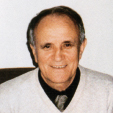
Valentin P. Dymnikov is a Professor and Director of the Institute of Numerical Mathematics at the Russian Academy of Sciences. His career spans decades of leadership in geophysics and atmospheric modeling, with significant contributions to climate science and meteorology. Academic Positions: Director of Institute of Numerical Mathematics (2000–present); Head of Department of General Circulation Atmosphere Modelling (1980–2000); Head of Department of Numerical Weather Prediction (1971–1974). Education: Doctor of Sciences in Geophysics (1981) and Candidate of Science in Geophysics (1970), both from the Main Geophysical Observatory in St. Petersburg. Research Interests: Valentin's work focuses on numerical weather prediction, climate modeling, atmospheric dynamics, and mathematical methods in meteorology. Key areas include baroclinic instability, humidity transport, attractors in atmospheric models, and atmosphere-ocean interactions. Scientific Awards: 1990: Member-correspondent of USSR Academy of Sciences 1993: A. Friedman Award for dynamical meteorology 1997: Full member of Russian Academy of Sciences 2000: State Prize for models/methods in atmosphere-ocean problems
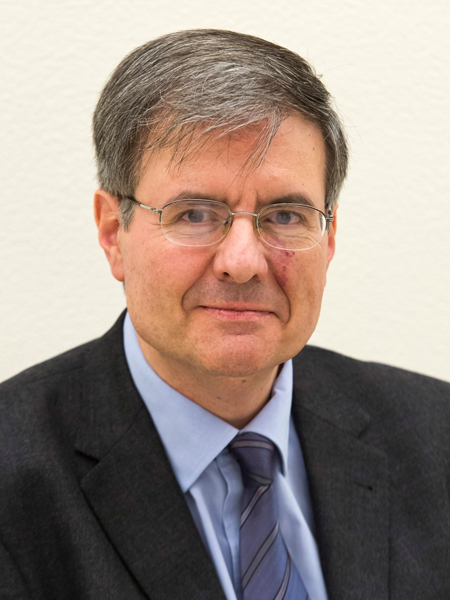
Erich Striessnig is an Associate Professor at the University of Vienna's Department of Demography, serving as Deputy Head of the department. He actively contributes to teaching courses such as Population Forecasting and Population, Climate Change and Sustainable Development , and collaborates with the Environment and Climate Research Hub. Research Focus : Striessnig integrates demography with climate change, sustainability, and human capital. His work examines how environmental concerns interact with fertility decisions, the role of education in climate risk mitigation, and the relationship between aging populations and temperature-related mortality. He also investigates demographic metabolism, intergenerational equity, and computational reproducibility in research. Scientific Contributions : His recent publications in Global and Planetary Health and Demographic Research include analyses of sustainable wellbeing metrics (e.g., 'Years of Good Life'), demographic responses to climate change, and methodological studies on data uncertainty. A key project, Climate, Health and Population (CHAP) , explores vulnerability differences in Vienna's metropolitan region.
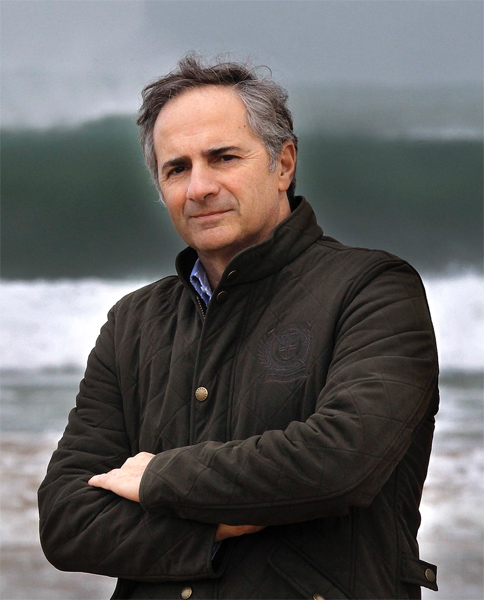
Iñigo J. Losada is a Full Professor at the School of Civil Engineering, University of Cantabria, and Research Director at the Environmental Hydraulics Institute (IHCantabria). He co-founded the Cantabria-Cornell Engineering Exchange Program and serves as Scientific Director of the Cantabria Coastal and Ocean Wave Basin. His work focuses on coastal dynamics, climate change adaptation, and ocean renewable energy. Coordinating Lead Author for IPCC reports (2014-2019) Editor-in-Chief of Coastal Engineering Ranked 2nd in Ocean Engineering citations (1992-2019) His research emphasizes: Coastal protection using green and grey solutions Wave interaction modeling with coastal features Climate change risk assessment and adaptation Wind and wave energy conversion systems Recent publications analyze global wave power variability, coral reef flood protection benefits, and nature-based coastal defenses. His work bridges experimental facilities (Cantabria Coastal Basin) with policy impact across 25+ countries. Scientific Awards King Jaime I Award (2018) John G. Moffat-Frank E. Nichol Award (2017) Navy Medal of Merit (2017) Member of Spanish Royal Academy of Engineering Losada has led over 25 EU/national projects, >80 technology transfer initiatives, and supervised 23 PhD students, shaping coastal protection policies and ocean energy development in Europe. His experimental infrastructure ranks 6th globally in Ocean Engineering (Shanghai Ranking, 2017).
Manuel Arellano is Professor of Economics at the Center for Monetary and Financial Studies (CEMFI) in Madrid since 1991, with prior appointments at the University of Oxford (1985-89) and London School of Economics (1989-91). A leading econometrician specializing in panel data analysis, his work bridges theoretical econometrics and labor economics applications. He earned his undergraduate degree from the University of Barcelona and Ph.D. from the London School of Economics. Arellano's research focuses on econometric methodology for panel data, particularly dynamic models with heterogeneity. His seminal book Panel Data Econometrics (2003) established foundational frameworks for nonlinear and dynamic panel estimation. Current work extends to distributional analysis of random coefficients and robust inference under uncertainty, maintaining consistent emphasis on labor market applications like unemployment duration and policy evaluation. His publication history reveals a 30-year trajectory advancing panel data econometrics, evolving from specification testing (1987-1995) to sophisticated dynamic and nonlinear models (2003-2014), with persistent focus on practical implementation and labor economics applications. Major honors include: President of the Econometric Society (2014) Foreign Honorary Member of the American Academy of Arts and Sciences (2014) Rey Jaime I Prize in Economics (2012) ISI Highly Cited Researcher status (2010) Fellow of the Econometric Society (2002) No information on student advising or research grants appears in the source materials. Similarly, details about research laboratories or collaborative teams are not documented in the provided texts.
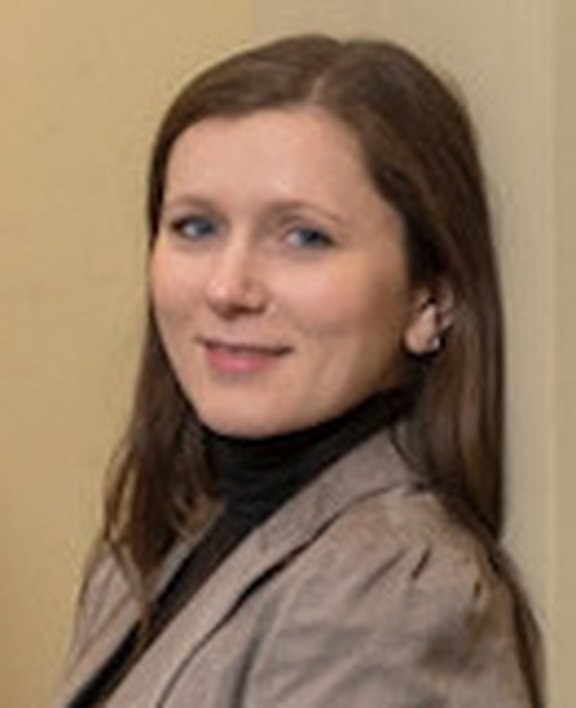
Dr. Nikolina Ban is an Assistant Professor at the Department of Atmospheric and Cryospheric Sciences (ACINN) at the University of Innsbruck, Austria. Her research focuses on high-resolution climate modeling, convection-permitting models, and mountain climate dynamics. She leads projects such as 'Mountain Climate at the Kilometre-Scale Resolution' and collaborates with international teams like TEAMx-UIBK and the CORDEX-FPSCONV-Team. Key areas include extreme rainfall projections, hail/lightning diagnostics, and the impact of climate change on Alpine regions. Expertise: Regional climate modeling, convection-permitting approaches, mountain climate variability. Key Projects: Third Pole climate simulations, Alpine hydrological studies, and national climate scenario development in Austria. Her work addresses challenges in resolving fine-scale climate processes over complex terrains. Recent studies emphasize improving projections of precipitation extremes and understanding model uncertainties. Collaborations span institutions globally, including the Swiss Federal Institute of Technology (ETH Zurich) and the University of California, Los Angeles (UCLA). Publications highlight advancements in ensemble-based climate simulations and the added value of kilometer-scale models for capturing temperature and wind patterns in alpine regions. Ongoing research includes evaluating dynamical downscaling techniques for reliable regional climate change assessments.
Sabine Seidel is a full Professor at the Institute of Crop Production, Department of Agrarwissenschaften, University of Natural Resources and Life Sciences, Vienna (BOKU). Her research integrates plant modeling, sustainable agriculture, and digital farming to enhance climate-resilient and resource-efficient crop systems. Her research interests focus on the development and testing of innovative, diverse (organic) cultivation systems, particularly mixed cropping and intercropping. She investigates ecosystem services such as yield and greenhouse gas emissions through measurements and modeling. Her work emphasizes the interactions between genotype, environment, and management (G×E×M), especially concerning water, nitrogen, and root dynamics. She also explores root growth responses to nutrient deficiency and drought stress, and leads initiatives in digital farming, including AI tools for pollinator detection and digital twin development in agriculture. Analysis of her recent publications (2024–2025) reveals a strong trend in interdisciplinary research combining field experiments with advanced modeling. Her work spans agroecosystem modeling, intercropping systems (especially wheat and faba bean), soil-crop interactions, and the application of AI and machine learning in agriculture. She frequently contributes to multi-model studies and calibration protocols, emphasizing model accuracy and validation. Her research is highly collaborative, involving teams across Germany and Austria. Root:shoot ratio under conservation tillage Phenotypic plasticity in winter wheat Resource acquisition in intercropping Digital crop growth simulation using GANs Soil carbon sequestration and organic matter dynamics She has been actively involved in the PhenoRob Cluster of Excellence as a junior research group leader (2020–2025), focusing on optimizing plant mixtures through field experiments and modeling. Prior to this, she conducted postdoctoral research on subsoil management at the University of Bonn. Her work bridges ecology, plant science, soil science, and digital technologies. She earned her doctorate on plant modeling and irrigation from the Technical University of Dresden and studied agricultural sciences at the Technical University of Munich. She is based in Vienna and maintains an active presence in knowledge transfer, with media contributions in print and online outlets discussing sustainable farming practices.
Theresa Scharl-Hirsch is a Senior Scientist and Deputy Scientific Director at the Core Facility Bioinformatics, University of Natural Resources and Life Sciences, Vienna (BOKU). She holds concurrent appointments at the Institute of Statistics, BOKU, and has extensive experience in bioprocess modeling, machine learning, and statistical computing. Her work bridges biochemical engineering with advanced data science methodologies. Her research focuses on real-time monitoring of biopharmaceutical processes, clustering of high-dimensional data (particularly RNA sequencing), and application of explainable machine learning techniques. She has developed statistical models for process optimization and quality prediction in antibody capture and protein purification, with a strong emphasis on industrial implementations using R programming. Key trends in her publications include three-way data analysis, matrix-variate Gaussian mixture models, and permutation-based variable importance methods for deep learning architectures. Her work spans bioprocess engineering, bioinformatics, and industrial data science applications.
Edouard Hannezo is a Professor at the Institute of Science and Technology Austria (ISTA) since 2022, focusing on the application of theoretical physics to elucidate design principles of self-organization in biological systems. His research spans multiple scales, from cytoskeletal dynamics to tissue architecture, with key collaborations in developmental and cell biology. The Hannezo Group integrates solid/fluid mechanics, statistical physics, and soft materials engineering to address fundamental questions in morphogenesis. Current Research: Investigates stochastic branching in mammalian organs, active fluids in cytoskeletal organization, and fate selection during development. Key Contributions: Developed biophysical frameworks for intestinal organoid morphogenesis, branching morphogenesis, and mechanochemical feedback loops. Scientific Awards: EMBO Young Investigator Award (2019) ERC Starting Grant (2019) Wellcome Trust Fellowship (2015) Bettencourt-Schuller Young Researcher Prize (2014) Team: Leads a multidisciplinary team including PhD students (Zuzana Dunajova, Andreas Ehrmann, Kasumi Kishi) and postdocs (Oliver Drozdowski, Yuting Li), with technical support from image analyst Suyash Naik.
Enrique Sentana is a Professor of Economics at CEMFI (Centro de Estudios Monetarios y Financieros) in Madrid, Spain. He is also a Research Fellow at the CEPR Financial Economics Programme and a Senior Research Associate at the LSE Financial Markets Group. His academic career spans prestigious institutions including the London School of Economics and the University of Alicante. Degrees: PhD in Economics (LSE, 1991), MSc in Econometrics and Mathematical Economics (LSE, 1987), Licenciado en Ciencias Económicas y Empresariales (University of Alicante, 1985) Dr. Sentana specializes in Econometrics , with a focus on Asset Pricing , Financial Economics , and VIX Derivatives . His methodological contributions include work on ARCH models, indirect estimation, and identification issues in econometrics, advancing volatility modeling and financial risk assessment. His research trends highlight innovations in empirical asset pricing , nonlinear time series , and financial market linkages . Notable achievements include the Rey Jaime I Prize in Economics (2014) , Fellowships at the Econometric Society and Journal of Econometrics , and prestigious prizes from the University of London and LSE. Scientific Awards: Rey Jaime I Prize in Economics (2014) Fellow of the Econometric Society (2012) Fellow of the Journal of Econometrics (2010) Sayers Prize, University of London (1992) Ely Devons Prize, London School of Economics (1987) Dr. Sentana has advised 10 PhD students at CEMFI and held editorial roles including Managing Editor of the Review of Economic Studies and Co-Editor of the Journal of Financial Econometrics . He has also served as Executive Vice-President of the Econometric Society and Treasurer of its European Standing Committee.
Prof. Andreas Farnleitner is a Professor at TU Wien, affiliated with the Environmental Microbiology and Molecular Diagnostics Research Group. His research focuses on microbial water quality, molecular diagnostics, and environmental microbiology. Key areas include PCR-based methods for fecal pollution tracking, antimicrobial resistance in aquatic environments, and climate change impacts on waterborne pathogens. He has contributed to advancements in DNA aptamer technology for rapid water quality monitoring and employs machine learning for predictive modeling in hydrology. His work spans collaborations across Europe, addressing One Health challenges and wastewater-based epidemiology. Recent projects include studies on Vibrio cholerae in Austrian bathing waters and the biostability of drinking water resources. Prof. Farnleitner leads interdisciplinary initiatives to improve water safety and environmental management. Publications highlight his expertise in microbial source tracking, climate change effects on infection risks, and antibiotic resistance patterns. His team develops innovative diagnostic tools and models for environmental monitoring, with applications in both academic and applied settings. Current projects emphasize the integration of molecular biology and engineering to address global water quality challenges.
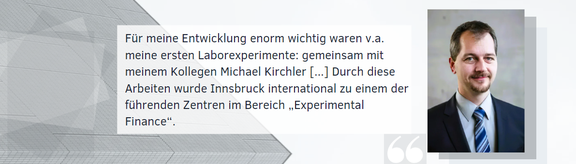
Jürgen Huber is a Full Professor in Finance and Head of the Department of Banking and Finance at the University of Innsbruck. He has been a central figure in experimental finance since 1998, founding the Society for Experimental Finance and leading international collaborations with institutions like Stockholm School of Economics and VU Amsterdam. Education: PhD in Political Sciences (2001) and Business Administration (Habilitation, 2007), both from University of Innsbruck. Research Interests: His work spans Experimental Economics , Behavioral Finance , and Meta Science , focusing on market microstructure, replicability of scientific research, and communication behavior. Recent projects explore: Climate change policy through CO2 taxation and climate dividends . Digital finance implications of cryptocurrencies and NFTs . Communication differences (face-to-face vs. online) and their impact on decision-making. Scientific objectivity in peer review via the Nobel and Novice project. Article Trends: His 2024 publications in Nature Human Behaviour and PNAS emphasize replicability crises, climate economics, and communication behavior. Earlier work in Management Science and Journal of Economic Behavior and Organization analyzes market microstructure, financial transaction taxes, and crowd-sourced research validation. Scientific Awards: Voted Professor of the Year by students (2019-2023), with multiple FWF and OeNB grants totaling over €1 million. Received the Pater Johannes Schasching SJ-Preis (2016) and Forschungspreis der Stiftung Südtiroler Sparkasse (2015). Teaching: Integrates research into interactive lectures, including lab-based simulations for stock market experiments. Taught at universities in Austria, Germany, USA, Thailand, Vietnam, and Indonesia.
Katharina Kaltenbrunner serves as an Associate Professor in Business Administration at the University of Salzburg (Paris Lodron Universität Salzburg), where she maintains an active research profile with publications extending through 2025. Her institutional affiliation is evident from her university email address (Katharina.Kaltenbrunner@plus.ac.at) and ORCID profile. Her research interests focus on nonprofit marketing, blood donation behavior, partnership capabilities, disaster management, and volunteer tourism. Kaltenbrunner's work examines how dynamic partnership capabilities influence blood donation behavior, with particular attention to organizational context variables and emotional appeals through electronic word of mouth (e-WOM). She investigates how strategic relationships between blood donors and donation agencies can be optimized, and extends this research framework to areas like volunteer tourism and disaster management. Her recent publications demonstrate a strong focus on blood donation systems and partnership dynamics, with multiple publications in 2025 addressing these themes from different methodological angles. This research trajectory shows consistent development from her earlier work on disaster management exercises like Taranis 2013. Her scientific recognition includes: Best Paper Award (2024 with Stötzer) Best Paper Award (June 25, 2025 with Scheibmayr) Best Reviewer Award (March 23, 2018) Leopold-Kunschak Wissenschaftspreis 2009 (April 17, 2009) Maria Schaumayer Anerkennungspreis (2020) Kaltenbrunner has led significant research projects including 'Individual and organizational determinants of multiple blood donation' (2018-2024) as Project Manager, and 'Administrative evaluation of the international disaster management exercise Taranis 2013' (2012-2013). Her academic activities are extensive, with 78 recorded activities including 49 presentations, 12 event organizations, and 9 committee memberships spanning from 2005 to 2025. Her research has practical applications in public health campaign design, nonprofit management, and disaster response coordination, with evidence of ongoing collaborations with researchers like Scheibmayr and Stötzer across multiple publications and presentations.
Andreas Fink serves as a University Professor at the Institute of Psychology within the Faculty of Natural Sciences at Karl-Franzens-University Graz, Austria. His research bridges cognitive neuroscience, psychology, and sports science with a particular emphasis on understanding the neurobiological foundations of creative thinking and emotional processing. As a leading figure in creativity neuroscience, Professor Fink employs advanced methodologies including EEG, fMRI, and ambulatory monitoring to investigate how physical activity influences brain function and cognitive performance. His work has significant implications for mental health interventions and cognitive enhancement strategies across various populations. Professor Fink's research interests center on three interconnected domains: biological mechanisms of cognitive and affective functions, creativity neuroscience, and the relationship between physical activity and brain health. His laboratory investigates how physical exercise influences neural processes related to creativity, emotion regulation, and cognitive performance through both basic neuroscience research and applied interventions. A hallmark of his approach is examining EEG alpha power during creative ideation tasks while simultaneously exploring how running, dance, and other physical activities can improve mental health outcomes and cognitive functioning. His work spans from laboratory-based experimental designs to real-world interventions with ecological validity. Analysis of Professor Fink's recent publication trajectory reveals a sophisticated evolution in his research focus, with increasing emphasis on the intersection of physical movement, brain function, and creative cognition. His work has progressively incorporated more ecologically valid approaches using ambulatory monitoring to study creativity in natural contexts, while maintaining rigorous neuroscience methodology. A consistent theme across his publications is neuroplasticity, particularly how physical exercise interventions induce structural and functional brain changes, with special attention to hippocampal volume and white matter integrity. His research has expanded to explore specialized forms of creativity including malevolent creativity and the nuanced relationship between everyday movement patterns and creative cognition. 2009 Psychology Prize for innovative scientific or practical work for his habilitation thesis 'The neuroscientific study of creative thinking' from the Professional Association of Austrian Psychologists (BÖP) and the Austrian Psychological Society (ÖGP) Professor Fink currently leads multiple significant research initiatives funded by the Austrian Science Fund (FWF), including 'Neuronal mechanisms underlying the generation of creative solutions in complex environments' (2016-2018), 'Running Away From Depression with Your Brain and Your Heart' (2022-2025), and 'Dance and Brain' (2024-2026). These projects demonstrate his commitment to translating basic neuroscience findings into practical interventions for mental health. While specific doctoral students aren't listed in the provided materials, his position as a full professor and principal investigator on multiple grants indicates active mentorship of junior researchers and graduate students. His collaborative approach is evident through interdisciplinary partnerships spanning psychology, neuroscience, sports science, and clinical practice. Professor Fink is an active member of the 'Complexity of Life' profile area at the University of Graz and participates in the 'Brain and Behavior' research network. His laboratory environment fosters interdisciplinary collaboration, bringing together researchers from diverse backgrounds to tackle complex questions about the brain-mind-body connection. Current projects suggest his team employs a multimodal approach combining neuroimaging, physiological monitoring, behavioral assessments, and intervention studies to comprehensively investigate how physical activity influences brain function and creative cognition. His 'Running Away From Depression' project exemplifies his translational research focus, directly connecting basic neuroscience findings to clinical applications for mental health improvement.
David Goldblatt is a Professor of Vaccinology and Immunology at the UCL Great Ormond Street Institute of Child Health (UCL ICH) and Consultant Paediatric Immunologist at Great Ormond Street Hospital for Children NHS Trust. He serves as Deputy Director of NHS Engagement at UCLICH, Head of the Immunobiology Section, and Director of the WHO Reference Laboratory for Pneumococcal Serology. His academic journey includes roles as Reader (2000–2003), Senior Lecturer (1995–2000), and Clinical Lecturer (1991–1995) at UCL. Research focuses on pneumococcal immunity, vaccine development, and pediatric immunology. Notable contributions include establishing immune memory paradigms, standardizing pneumococcal serology assays, and evaluating vaccine efficacy. He led the £37 million NIHR GOSH/UCL Biomedical Research Centre (2007–2017) and advised WHO on conjugate vaccines. Key Honors: NIHR Senior Investigator (2012–2020), WHO Advisor Grants: £37M Biomedical Research Centre, multiple NIH-funded studies Labs/Teams: Immunobiology Section, WHO Reference Lab, Thailand Birth Cohort Study
Andreas Richter is a Professor affiliated with the Department of Microbiology and Ecosystem Science and the Department of Analytical Chemistry within the Faculty of Chemistry. His research focuses on soil microbiology, climate change impacts, microbial ecology, and biogeochemical processes. Key interests include soil organic carbon dynamics, microbial responses to environmental stressors (e.g., drought, warming), and permafrost thaw effects on nitrogen cycles. He has led or co-led 12 projects, including studies on permafrost nitrogen cycling, Arctic microbial growth, and European polar research coordination. His research contributes to UN Sustainable Development Goals related to climate action and life on land. Richter’s recent work explores drought impacts on plant-soil carbon allocation, microbial community shifts under climate change, and metatranscriptomic techniques for quantifying soil microbiomes. His activities include keynote lectures and presentations on soil systems ecology and Arctic microbiology. His publications (285+ articles) span journals like Global Change Biology , Soil Biology and Biochemistry , and Molecular Ecology Resources , emphasizing interdisciplinary approaches to environmental challenges.