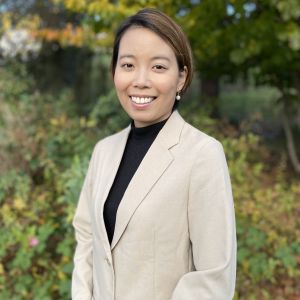
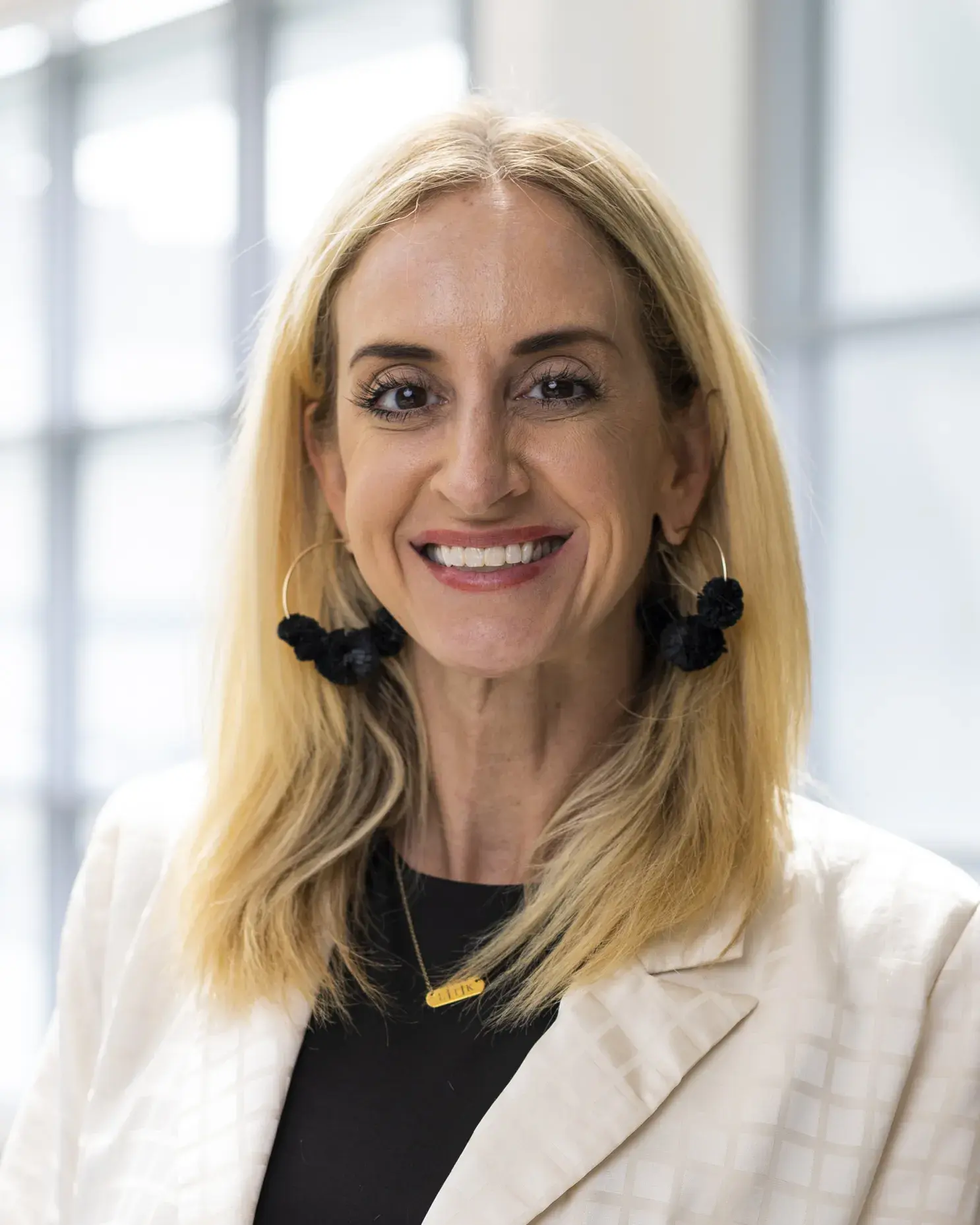
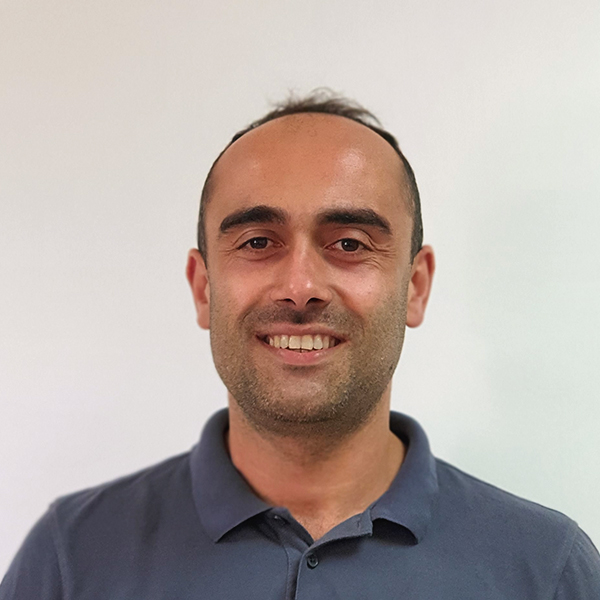
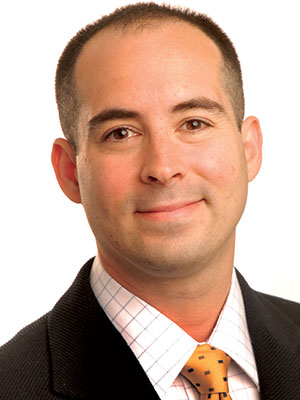
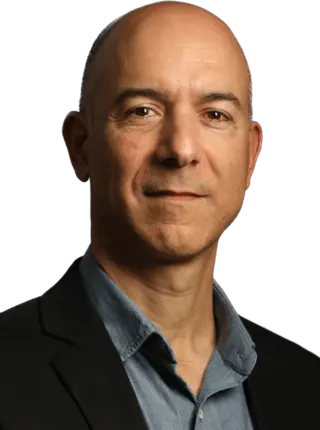
Haruka Nagao is an Assistant Professor at the Schnitzer School of Global Studies and Languages within the University of Oregon . Their research focuses on health governance , Africa-China relations , gender dynamics , public opinion , soft power diplomacy , and East Asia . Recent publications highlight interdisciplinary trends: (1) Public Health and Health Governance (e.g., mental health in rural China, prenatal care, vaccine distribution), (2) Political Science and Policy Analysis (e.g., grassroots elections, women's leadership, immigration policy), and (3) International Relations and Diplomacy (e.g., China's global soft power, Africa-China collaborations). Their work integrates China studies with comparative analysis , addressing intersections between social networks , democratic understanding , and global health politics .
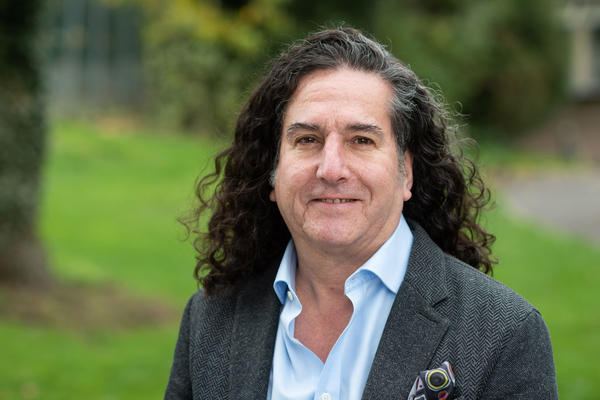
Dr. Shyh-Dar Li is a Professor and Tong Louie Chair in Pharmaceutical Sciences at the University of British Columbia's Faculty of Pharmaceutical Sciences, where he also serves as Chair of Nanomedicine and Chemical Biology. With a BSc in pharmacy from National Taiwan University (1998) and PhD in pharmaceutical sciences from UNC Chapel Hill (2008), followed by postdoctoral training at UC San Diego's Moores Cancer Center (2009), Dr. Li has established himself as a leading researcher in advanced drug delivery systems. His research focuses on developing innovative nanomedicine platforms for targeted delivery of biological therapeutics including peptides, proteins, antibodies, and nucleic acids. Dr. Li's laboratory has pioneered several novel drug delivery approaches, particularly in lipid-based nanoparticles, phospholipid-free vesicles, and polymer systems for cancer immunotherapy, pain management, and protein delivery. His work bridges fundamental nanotechnology with translational applications for difficult-to-treat diseases. Analysis of his recent publications reveals a strong emphasis on tumor microenvironment modulation, endosomal escape mechanisms for nucleic acid delivery, and non-invasive delivery routes for protein therapeutics. His research demonstrates increasing sophistication in nanocarrier engineering, with recent work incorporating machine learning approaches to optimize nanoparticle design and expanding into immunomodulatory therapies that harness the body's immune system to fight cancer. Scientific Recognition: 2014 AFPC New Investigator Award 2013 AAPS New Investigator Award in Pharmaceutics and Pharmaceutical Technologies 2013 CIHR New Investigator Award 2013 CSPS Early Career Award 2012 Prostate Cancer Foundation Young Investigator Award Dr. Li's research program has been consistently supported by major Canadian funding agencies including CIHR, NSERC, and MITACS. He actively collaborates across disciplines and accepts graduate students into his research program, focusing on cutting-edge approaches to overcome biological barriers in drug delivery. His laboratory, the Laboratory of Targeted Drug Delivery and Nanomedicine, serves as a hub for innovation in pharmaceutical nanotechnology.
Charles D. Sprenger is a Professor of Economics at the California Institute of Technology (Caltech), where he has served since 2020 and held the position of Executive Officer from 2022 to 2025. He is affiliated with Caltech's Division of the Humanities and Social Sciences (HSS) and holds key roles at the Ronald and Maxine Linde Institute of Economic and Management Sciences and the Center for Theoretical and Experimental Social Sciences (CTESS). His external appointments include Board of Editors for the American Economic Review and Associate Editor roles for the Journal of the European Economic Association and Quantitative Economics . His educational background includes a B.A. from Stanford University (2002), an M.Sc. from University College London (2005), and a Ph.D. from the University of California, San Diego (2011). These credentials established his foundation in economic theory and experimental methodology. Sprenger is a leading behavioral and experimental economist specializing in intertemporal decision making and choices under uncertainty. His research designs innovative experiments across diverse contexts—from food deserts in the United States to polio vaccination drives in Pakistan—to test the validity of standard economic models. His work consistently reveals significant deviations from rational choice theory, particularly regarding time inconsistency, risk preferences, and reference-dependent behaviors. He has pioneered methods for measuring time preferences and testing cumulative prospect theory, with implications for public policy and behavioral interventions. Analysis of his 15 most recent publications (2015-2024) shows a cohesive research program centered on behavioral anomalies in decision making. His work bridges laboratory precision with real-world field applications, demonstrating how psychological factors like procrastination and loss aversion manifest in high-stakes environments. Key trends include the development of tailored incentive structures, validation of rank-dependent utility models, and exploration of dynamic inconsistency across domains including health, finance, and public policy. His notable recognition includes: Sloan Foundation Fellowship (2016-2018) Sprenger actively contributes to the academic community through editorial leadership and collaborative research. His work has been featured in Caltech news for projects like "Reducing Procrastination with Tailored Incentives" (2023) and the graduate summer program "Experimental Economics in Theory and Practice" (2023). Though specific advisees aren't listed, his teaching of advanced courses like Experimental Economics (SS 212 abc) indicates mentorship of graduate researchers. He secures significant research funding through fellowships and institutional support, enabling large-scale field experiments. As a core member of CTESS, Sprenger leads a multidisciplinary team conducting cutting-edge experimental economics research. His lab integrates theoretical modeling with empirical validation, focusing on how behavioral insights can improve policy design in areas like tax compliance, vaccination programs, and financial decision making. Current work emphasizes scalable interventions for procrastination and preference-based incentive customization.
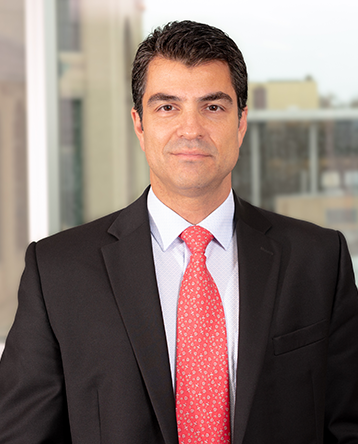
Emilio A. Parrado is the Dorothy Swaine Thomas Professor of Sociology at the University of Pennsylvania's School of Arts & Sciences and Director of the Population Studies Center. His research focuses on migration dynamics, particularly Hispanic populations in the U.S., international migration patterns, and social/demographic changes in Latin America. He combines quantitative and qualitative methods, including original survey and ethnographic data. Education: Ph.D. (Sociology, University of Chicago, 1997), M.A. (Sociology, University of Chicago, 1994), B.A. (Sociology, University of Buenos Aires, 1988). Key research areas include: Migrant health risks and transnational mobility (e.g., HIV/STI patterns at the U.S.-Mexico border) Gendered impacts of migration on labor markets and family structures Demographic transitions and social inequality in Latin America, including post-pandemic labor market shifts in Argentina Recent work emphasizes deportation effects on mental health, regional migration trends to Buenos Aires, and the intersection of immigration policy with fertility and urban development. His Migrante Project focuses on Mexico-U.S. border health observatories. Awards: None explicitly listed. Active in grants related to migrant health and labor studies. Labs/Teams: Leads the Population Studies Center and collaborates with the Latin American and Latino Studies Program at UPenn.
Claudio Sillero is a Professor of Conservation Biology at the University of Oxford and Section Head of Ecology & Conservation at the Wildlife Conservation Research Unit (WildCRU). He leads global efforts to conserve endangered species, particularly the Ethiopian wolf, and chairs the IUCN Canid Specialist Group. His work integrates behavioral ecology, disease mitigation, and transfrontier conservation strategies. Since joining WildCRU in 1988, he has pioneered research linking fundamental biology to practical conservation solutions. As founder and director of the Ethiopian Wolf Conservation Programme (EWCP), he focuses on safeguarding Afroalpine ecosystems through vaccination campaigns and habitat protection. His IUCN role oversees conservation strategies for all canid species worldwide. Research interests include carnivore behavioral ecology, human-wildlife conflict mitigation, and the role of networks in conservation. Notable projects include resolving taxonomic ambiguities in wolf lineages and developing low-cost wildlife tracking technologies. His work emphasizes interdisciplinary approaches, combining ecological data with socio-political analysis to address conservation challenges. Key roles: Professor at University of Oxford, WildCRU Section Head, EWCP Director, IUCN Canid Specialist Group Chair Primary research sites: Ethiopian highlands, South American forests, African savannahs Key collaborations: Panthera, African Wild Dog Conservancy, local communities in Ethiopia and Bolivia Students and staff under his mentorship include Claire Marr (jaguar conservation), Dr. Sandra Lai (postdoctoral research on Ethiopian wolves), and Emily Madsen (conservation genetics). His work has led to breakthroughs in understanding canid disease dynamics and carnivore spatial ecology.
Marcus Smith is an Associate Professor in Law at the Charles Sturt University , where he teaches LAW222 Technology Law and directs the Bachelor of Laws program. He holds advanced degrees from the Australian National University (PhD, LLM) and the University of Cambridge (MPhil). His research spans technology law and regulation , focusing on genomic data governance biometric identification AI ethics blockchain policy cybersecurity surveillance law He leads the Contemporary Threats to Australian Security research group and serves as Chief Investigator on an NHMRC-funded project (MRF2015531) addressing genomic dataset governance. His recent work analyzes algorithmic bias in facial recognition AI in healthcare blockchain's regulatory challenges post-pandemic cybercrime surveillance ethics data security frameworks He actively supervises PhD and honours students in technology law and contributes to law reform through submissions to international bodies like the UN Human Rights Council .
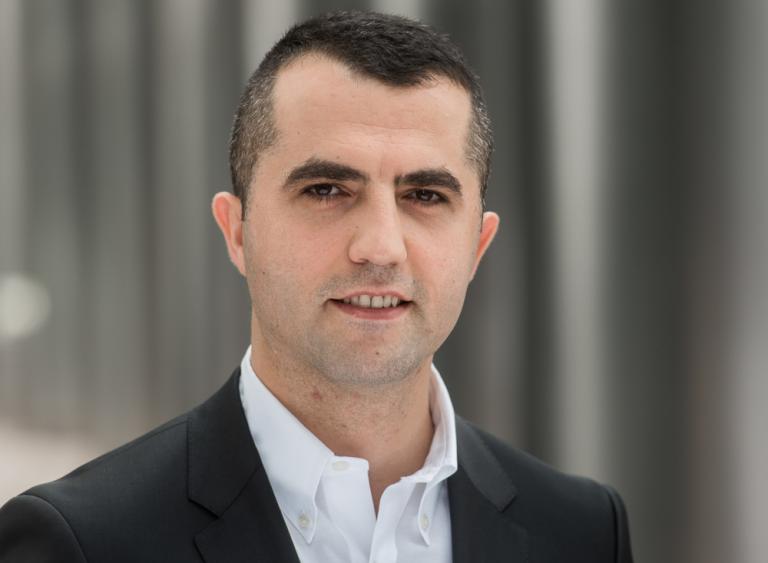
Dr. Kenan Arifoglu is an Associate Professor at the UCL School of Management. He previously held a postdoctoral position at the Ross Business School, University of Michigan (2008–2012). His education includes a PhD in Industrial Engineering and Management Sciences from Northwestern University (2012), two MSc degrees from Northwestern University (2008) and Koç University (2007), and a BSc from Koç University (2005). His research focuses on behavioral motivations in healthcare, supply chains, pricing, and entrepreneurial operations. Key projects include analyzing inefficiencies in flu vaccine supply chains and developing frameworks for high-growth startups. His work bridges operations management with practical challenges in healthcare, retail, and entrepreneurship. Recent publications address topics such as luxury brand licensing dynamics, incentive programs in healthcare systems, and the theoretical foundations of lean startup methodologies. These contributions span disciplines like marketing, operations research, and public health, emphasizing cross-sectoral applications. Dr. Arifoglu’s advising and grant activities are not detailed here. He is affiliated with the UCL School of Management and actively contributes to academic discourse through his research and teaching roles.
Professor Mark Coles serves as Professor of Immunology and Lead for Industrial Strategy and Entrepreneurship at the Kennedy Institute of Rheumatology, University of Oxford, holding concurrent roles as Kennedy Trust Senior Research Fellow, Official Fellow at Reuben College, and Affiliate Faculty at the Wolfson Centre of Mathematical Biology. His interdisciplinary work bridges immunology, computational modeling, and translational research to accelerate therapies for immune-mediated inflammatory diseases. His academic journey began with a BSc in Microbiology from Cornell University (1992), followed by a PhD in Molecular and Cell Biology at UC Berkeley under David Raulet, and postdoctoral training with Dimitris Kioussis at the National Institute of Medical Research. At the University of York (2006-2017), he pioneered stromal immunology research and co-founded the York Computational Immunology Laboratory. Coles' research centers on stromal and systems immunology, with core expertise in stromal cell biology, inflammatory disease mechanisms, and mathematical modeling of immune responses. He champions 3Rs-based approaches (Replacement, Reduction, Refinement) to reduce animal testing through in silico models, integrating spatial single-cell biology with multi-scale computational frameworks to dissect immune function in human tissues. His 2025 publications reveal a cohesive research trajectory applying interdisciplinary methods across diverse disease contexts—from cardiac fibrosis and vaccine responses to arthritis pathogenesis and CAR-T cell therapy—unified by focus on stromal-immune crosstalk and quantitative modeling to identify therapeutic targets. Key honors include: Fellow of the Royal Society of Biology Kennedy Trust Senior Research Fellow As former Director of Graduate Studies (2017-2024) at the Kennedy Institute, Coles mentored numerous graduate students while co-leading major initiatives including the Arthritis Therapy Acceleration Program and Human Cell Atlas medicalization. His entrepreneurial impact spans three co-founded ventures: Simomics Ltd (in silico disease modeling), Lightox Ltd (phototherapy for oral cancer), and Mestag Therapeutics (fibroblast-targeted therapies for cancer/inflammation). He directs the Laboratory of Stromal and Systems Immunology and Oxford Mathematical Immunology Group, fostering collaborations with Christopher Buckley, Calliope Dendrou, and Eamonn Gaffney to develop Quantitative Systems Pharmacology models that translate mechanistic insights into patient therapies.
Burak Ozdoganlar is a Ver Planck Endowed Chair Professor of Mechanical Engineering at Carnegie Mellon University (CMU) and Associate Director of the Engineering Research Accelerator. He holds courtesy faculty positions in Biomedical Engineering and Materials Science and Engineering. Ozdoganlar earned his Ph.D. in Mechanical Engineering from the University of Michigan (1999), M.S. degrees from Ohio State University (1993, 1995), and a B.S. in Aeronautical Engineering from Istanbul Technical University (1991). Ph.D., Mechanical Engineering, University of Michigan (1999) MS, Mechanical Engineering, Ohio State University (1995) MS, Aeronautical and Astronautical Engineering, Ohio State University (1993) BS, Aeronautical Engineering, Istanbul Technical University (1991) Ozdoganlar’s research focuses on multi-scale manufacturing processes (macro/micro/nano), precision engineering , structural dynamics , and modal testing , with applications in biomedical device fabrication , microneedle arrays , soft electronics , and 3D ice printing for vascular networks. His work bridges computational modeling with experimental validation. Recent scientific awards include the 2023 AIMBE College of Fellows induction, ASME Fellow (2019), and NSF CAREER Award (2006). He served as interim CTO of the Advanced Robotics for Manufacturing (ARM) Institute and chaired the ASME-MED Manufacturing Equipment Technical Committee. Ozdoganlar leads projects in scalable manufacturing for implantable medical devices , bioelectric medicine , and wearable robotics . His lab develops 3D ice-printed vascular templates for tissue engineering and liquid metal circuits for soft electronics, funded by institutions like the Manufacturing Futures Institute and ARPA-H.
Brooke Hudspeth, PharmD, is an Associate Professor and Chief Practice Officer at the University of Kentucky (UK) College of Pharmacy. She oversees community pharmacy initiatives and serves as acting President of the Kentucky Pharmacists Association (KPhA). Her roles include mentoring pharmacy students and residents as a preceptor, and leading collaborative projects with organizations like the American Pharmacists Association Foundation, Kroger Co., and the CDC. Educationally, she holds a Doctor of Pharmacy from the UK College of Pharmacy, alongside PGY1/PGY2 Community-based Pharmacy Practice Residencies from the same institution. Her research focuses on diabetes prevention, obesity, and pharmacist-driven clinical services, particularly through expanding the National Diabetes Prevention Program (NDPP) to five U.S. states via a $7.5M CDC grant. Research interests emphasize health disparities, vaccine accessibility, and optimizing pharmacist roles in self-care conditions. Notable projects include influenza point-of-care testing and pharmacy partnerships during the pandemic. Her work bridges academic innovation with real-world healthcare challenges, advocating for policy changes to enhance pharmacist payment for clinical services. Despite no explicitly listed awards, her impactful grant-funded projects reflect significant contributions to public health. She advises students and residents while leading residency expansion initiatives. Collaborations with major institutions underscore her role in advancing pharmacy practice and education nationally. Hudspeth’s lab/team is embedded within UK’s College of Pharmacy, focusing on translational research to improve patient care through pharmacist-led interventions. Future work includes expanding telehealth pharmacy services and addressing healthcare workforce shortages.
Lindsey Draper, MD serves as an Adjunct Instructor in the Roybal Laboratory within the Department of Medicine, Division of Hematology and Oncology at the University of California San Francisco School of Medicine. Her clinical practice focuses on the treatment of patients with recurrent ovarian cancer using systemic therapies including chemotherapy and immunotherapy, with a commitment to evaluating and offering clinical trial opportunities as part of individualized patient care. Dr. Draper completed her educational training with a B.S. in Biology from Juniata College (2010), an M.D. from the University of Maryland School of Medicine (2017), an Internal Medicine Residency at The Mount Sinai Hospital (2022), and is currently completing a Medical Oncology Fellowship at UCSF (2025-2027). Her research interests center on cancer immunotherapy, particularly T cell-based approaches for HPV-associated cancers and ovarian cancer. She investigates engineered T cell therapies targeting viral antigens in cervical and other HPV-related cancers, with a focus on overcoming treatment resistance and improving clinical outcomes through novel immunotherapeutic strategies. Her work bridges fundamental immunological mechanisms with clinical applications, emphasizing the translation of laboratory discoveries into patient treatments. Dr. Draper's publication record demonstrates consistent contributions to the field of cancer immunotherapy, with recent work focusing on TCR-engineered T cells for leukemia and HPV-associated malignancies. Her research trajectory shows increasing sophistication in T cell engineering approaches and a growing emphasis on addressing inflammatory responses and treatment resistance mechanisms. Parker Institute for Cancer Immunotherapy Early Career Research Award: Parker Scholar (2024) Gladstone-UCSF Institute of Genomic Immunology Symbiont Seed Grant for 'Antigen Discovery for Ovarian Cancer' (2024) Conquer Cancer Young Investigator Award, American Society of Clinical Oncology (2024) Women in Cancer Immunotherapy Network Leadership Institute Selected Participant, Society for Immunotherapy of Cancer (2024) Physician-Scientist Fellow, Chan Zuckerberg Biohub - San Francisco (2023-2025) As a physician-scientist, Dr. Draper maintains an active research program while providing clinical care, with particular emphasis on developing novel immunotherapies for gynecologic cancers. Her current fellowship at UCSF and multiple early-career awards indicate strong potential for continued contributions to the field of cancer immunotherapy. Dr. Draper works within the Roybal Laboratory at UCSF, which focuses on innovative approaches to cancer immunotherapy and T cell engineering. Her research intersects with multiple collaborative initiatives at UCSF, including the Parker Institute for Cancer Immunotherapy and the Gladstone-UCSF Institute of Genomic Immunology.
Calliope Dendrou is an Associate Professor in Clinical Pathology and Inflammation at the Kennedy Institute of Rheumatology (KIR), University of Oxford, leading the Immune Disease Multiomics Laboratory. She previously held a Wellcome & Royal Society Sir Henry Dale Fellowship at the University of Oxford’s Centre for Human Genetics before joining KIR in 2023. Her research focuses on immune disease mechanisms using multiomics approaches, including genomic profiling to identify therapeutic targets across tissues and immune-mediated diseases. She co-leads large-scale projects like the Oxford-J&J Cartography Consortium and the Chan Zuckerberg Initiative’s LEGACY Network, and teaches on the MSc in Genomic Medicine program. Educational Background: BSc (Biology, Imperial College London, 2005; Forbes Memorial Medal Winner); PhD in Infection & Immunity (University of Cambridge, 2010). Postdoctoral training at the Weatherall Institute of Molecular Medicine under Prof. Lars Fugger. Research interests include immunogenetics, cytokine signaling pathways, drug repositioning, and cross-disease pathophysiology. Her work integrates single-cell and spatial transcriptomics to dissect immune-cell interactions in diseases like rheumatoid arthritis, inflammatory bowel disease, and celiac disease. Recent articles highlight her contributions to understanding vaccine adjuvant responses, Th17 cell roles in spondyloarthritis, and immune-epithelial networks in celiac disease. Collaborations emphasize multi-omic data analysis (e.g., Panpipes pipeline) and translational studies toward precision medicine. Awards: Forbes Memorial Medal (BSc), Wellcome & Royal Society Sir Henry Dale Fellowship. Leadership roles include Equality, Diversity, and Inclusion Champion and 'Single-Cell & Spatial Omics for Precision Medicine' Module Lead. Lab & Teams: Immune Disease Multiomics Lab at KIR. Active in collaborative initiatives such as the LEGACY Network, focusing on large-scale immune profiling in ancestrally diverse populations.
Dr. Ahmet Acar is an Associate Professor at the Department of Biological Sciences, Middle East Technical University (METU), Ankara, Turkey. He leads the Cancer Precision Medicine and Drug Resistance Laboratory, focusing on understanding mechanisms of drug resistance in cancer. His research integrates experimental models, next-generation sequencing, and deep learning to address clinical challenges in cancer therapy. Dr. Acar holds a B.Sc. from METU's Biological Sciences department and a Ph.D. from the Cancer Research UK Manchester Institute. He completed postdoctoral training at the Institute of Cancer Research, London, and the University of Manchester. Research Interests: Drug resistance mechanisms, precision oncology, tumor microenvironment modeling, patient-derived organoids, computational pathology, and evolutionary cancer biology. His lab develops 2D/3D co-culture systems, PDO biobanks, and AI-driven histopathology tools to improve treatment strategies. Recent Work Trends: Recent publications emphasize tumor evolution modeling, matrix mechanics in drug resistance, and AI applications in histopathology. Collaborations with hospitals in Turkey and Europe support PDO biobank initiatives. His team explores evolutionary steering strategies to exploit collateral drug sensitivities. Labs/Teams: Precision Medicine and Drug Resistance Lab at METU focuses on interdisciplinary approaches combining wet-lab experiments with computational methods. Current projects include ex vivo tumor modeling and AI-driven diagnostic tools for oncology.
Ronald J. Colombo is Professor of Law and Associate Dean for Distance Education at Hofstra University's Maurice A. Deane School of Law. He teaches courses in Business Organizations, Securities Regulation, Contracts, and corporate law seminars. He has been on the faculty since 2006 and previously served as Associate Dean for Academic Affairs (2013–2015). Education: JD, New York University School of Law (magna cum laude, Order of the Coif), 1998 BS, Cornell University, 1994 Clerkship: Judge Jerry E. Smith, U.S. Court of Appeals for the Fifth Circuit Professor Colombo’s research focuses on corporate law, securities regulation, financial regulation, and the constitutional rights of corporations, especially First Amendment protections. His work explores the moral and philosophical underpinnings of corporate personhood, religious liberty in business, and the role of trust in financial systems. He is particularly known for bridging legal doctrine with ethical and theological perspectives. His recent scholarly publications reveal a strong thematic trend: the intersection of religion, corporate governance, and constitutional law. He has also contributed to legal education, especially in online teaching methodologies, and continues to publish on financial regulation and corporate ethics. Scientific Awards: Stessin Prize for Outstanding Scholarly Publication Lawrence A. Stessin Prize for Outstanding Scholarly Publication (2008) Professor Colombo has been actively involved in professional service, including serving on the editorial review board of the Review of Business and as an arbitrator for the Financial Industry Regulatory Authority (FINRA). He has not listed any formal research grants or PhD students, but his influence extends through media engagement—quoted in The New York Times , Wall Street Journal , and Bloomberg —and through his widely read op-eds in The Financial Times and Huffington Post . He has held leadership roles in academic administration and is a recognized expert in both practitioner and scholarly legal communities. His treatise Law of Corporate Officers and Directors is republished annually by Thomson Reuters, indicating sustained scholarly and practical impact.
Rotem Karni, PhD, is an Associate Professor of Genetics at the Perelman School of Medicine, University of Pennsylvania, Philadelphia. He leads a research lab focused on understanding how alternative RNA splicing contributes to cancer and genetic diseases, with a strong emphasis on translating these findings into RNA-based therapies. Karni's lab develops decoy oligonucleotides, small molecules, and splice-switching technologies to modulate splicing factors and enhance immunotherapy. Education BSc in Biological Chemistry from The Hebrew University of Jerusalem (1997) PhD in Biological Chemistry from The Hebrew University of Jerusalem, Israel (2002) Postdoctoral Fellowship at Cold Spring Harbor Laboratory, NY (2002-2007) Karni's research explores the deregulation of alternative splicing in oncogenesis, particularly how splicing factors like RBFOX2 and S6K1 influence metastasis, DNA repair, and immune checkpoint modulation. His team investigates m6A RNA modifications for stabilizing mutant genes, with applications in Duchenne Muscular Dystrophy and pancreatic cancer. The lab's work is commercialized through biotech companies: SKIP Therapeutics, Andlit Therapeutics, and RNAble. Selected Research Trends RNA mis-splicing and neoantigen generation (2025) Splicing factor inhibition for tumor suppression (2023) Metastatic splicing signatures in pancreatic cancer (2023) Immune checkpoint splicing in cancer immunotherapy (2021) m6A modulation for mRNA stabilization (2023) Advising & Collaborations Karni has mentored numerous PhD and postdoctoral researchers, many of whom now hold leadership roles in academia, biotech, and medical institutions globally. His lab collaborates extensively on projects involving RNA innovation, including partnerships with the Institute for RNA Innovation. Contact Department of Genetics & Institute for RNA Innovation, One uCity Square, Room 4018, Philadelphia, PA 19104 Phone: 215-898-5072 Email: Rotem.Karni@Upenn.edu