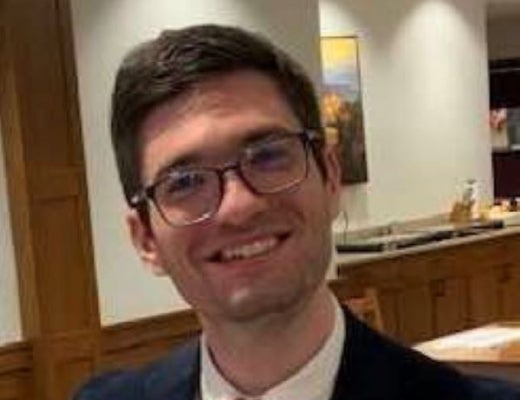
Patrick Skeba is a Teaching Assistant Professor at the University of Pittsburgh's Department of Computer Science within the School of Computing and Information. He holds a PhD in Computer Science from Lehigh University (2022) and bachelor's degrees in Cognitive Science and Computer Science from Johns Hopkins University (2017). His research focuses on internet privacy, AI ethics, and the responsible use of data. He teaches courses in machine learning and programming. Research Interests: Skeba's work bridges technology and societal impact, emphasizing privacy risks in data systems, algorithmic fairness, and user-centric privacy frameworks. His recent studies explore informational friction in data collection, community-based privacy strategies, and lay-expert disparities in understanding privacy-enhancing technologies (PETs). Publications: His articles analyze privacy dynamics in digital spaces, from pandemic-era discourse on r/privacy to methodological approaches for categorizing technology non-use. His earlier work includes breakthroughs in sleep disorder diagnostics, particularly periodic leg movement (PLM) analysis and telemedicine applications for neurological conditions. Awards: No scientific awards listed. Grants and advising details are currently unspecified. Labs/Teams: No specific lab affiliations mentioned in provided materials. His teaching and research emphasize collaboration across computational and social domains.
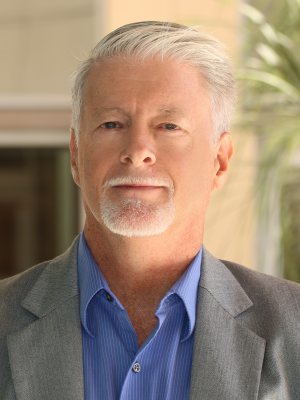
Ronald E. Rice is a Distinguished Professor and Arthur N. Rupe Endowed Professor in the Department of Communication at the University of California, Santa Barbara. He has held visiting positions at Nanyang Technological University in Singapore and the University of Amsterdam. His research focuses on environmental communication, public communication campaigns, organizational theory, and digital technology impacts. He has authored/co-authored numerous books, including the Oxford Handbook of Digital Technology and Society . Education: Columbia University (B.A., English Literature, 1971), Stanford University (M.A. and Ph.D., Communication Research, 1978/1982). Professional roles include Department Chair at UCSB (2013–2015), Co-Director of the Carsey-Wolf Center, and President of the International Communication Association (2006–2007). Research interests span environmental communication, digital divide analysis, and organizational communication. Recent work examines media multitasking, online misinformation, and pro-environmental behavior drivers. Over 230 refereed articles and book chapters highlight his contributions to media effects and technology studies. Notable awards include the Honorary Doctorate from Université de Montréal (2010), ICA Fellowship, and Fulbright Scholarships. His research integrates interdisciplinary methods, emphasizing social networks, media affordances, and policy implications. Advising and grants include leadership in public health communication campaigns and environmental initiatives. Collaborations span global institutions, reflecting his commitment to applied research in digital society challenges.
Prof. Maryline Laurent is a Professor at Telecom SudParis, affiliated with the SAMOVAR research laboratory. Her work focuses on cybersecurity, privacy-preserving technologies, blockchain applications, and IoT security. She has contributed to numerous high-impact publications and conferences, addressing challenges in secure healthcare systems, decentralized identity management, and privacy in distributed systems. Her research spans cryptographic protocols, access control mechanisms, and compliance with EU data protection regulations. Key areas of expertise include secure communication protocols for IoT, blockchain-based solutions for healthcare, and privacy-enhancing technologies. She has collaborated on projects such as self-sovereign identity frameworks, anonymized data aggregation, and privacy-preserving smart grid systems. Her work emphasizes practical methodologies for assessing re-identification risks in anonymized datasets and designing secure systems compliant with evolving regulations. Prof. Laurent’s contributions extend to book chapters and edited volumes on digital identity management and wireless network security. She actively participates in international conferences and initiatives, advocating for privacy-by-design principles in intelligent infrastructures.
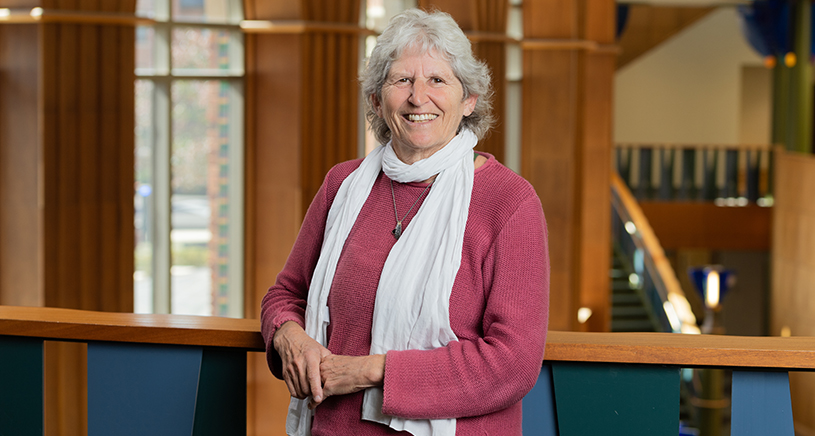
Betsy Foxman serves as the Hunein F. and Hilda Maassab Professor of Epidemiology at the University of Michigan School of Public Health. She directs three major initiatives: the Center for Molecular and Clinical Epidemiology of Infectious Diseases, the Integrated Training in Microbial Systems program, and the Certificate in Healthcare Infection Prevention & Control. Her academic leadership spans decades with continuous research contributions. Dr. Foxman earned her PhD and MSPH from UCLA (1983, 1980) and BS from UC Berkeley (1977). Her research centers on infectious disease transmission, microbiome ecology, antibiotic resistance, and wastewater surveillance . Key projects include analyzing the oral microbiome in dental caries using genomic methods, studying nose/throat microbiome associations with respiratory infections in nursing facilities, and developing wastewater monitoring for antibiotic-resistant pathogens. Her work integrates next-generation sequencing with epidemiological analysis to identify novel interventions. Publication trends reveal consistent focus on microbiome-pathogen interactions across multiple body sites (oral, vaginal, gut, respiratory). Recent articles demonstrate methodological innovation in wastewater epidemiology (2024 Norovirus GII monitoring) and clinical applications like predicting vancomycin-resistant enterococci contamination (2023 Lancet study). Her research bridges molecular microbiology with population health, emphasizing translational potential for diagnostics and public health interventions. Fellow of the Infectious Disease Society of America Fellow of the American College of Epidemiology Fellow of the American Academy of Microbiology Dr. Foxman's advising portfolio includes numerous NIH-funded projects on microbiome dynamics and infection control. Her leadership in the Center for Molecular and Clinical Epidemiology drives collaborative research across departments. Current initiatives focus on wastewater surveillance standardization and microbiome-based diagnostics for infection prevention. She maintains active laboratories for genomic analysis of microbial communities and clinical sample processing.
Luigi De Russis is an Associate Professor at the Department of Control and Computer Engineering (DAUIN) within Politecnico di Torino . He serves as Deputy Director of DAUIN and is a member of the PIC4SeR (PoliTO Interdepartmental Centre for Service Robotics). His academic roles focus on Human-Computer Interaction , Digital Wellbeing , and Artificial Intelligence applications. Research interests: Accessibility, Conversational agents, Developers tools, Digital wellbeing, Intelligent user interfaces, Internet of Things Teaching: Courses in Human-AI Interaction, Web Applications, and Computer Vision at undergraduate and graduate levels Leadership: Vice-President of ACM SIGCHI (2024-), Executive Committee member (2021-2024) His research explores: Digital wellbeing education for teens through gamified systems AI-assisted UI design tools Smart home interaction via multimodal commands End-user development for self-control technologies Integration of accessibility guidelines in AI systems Recent article trends show a focus on generative AI for interface design, attention-capturing heuristics, and educational systems for step-by-step learning. He has received the Most Influential Paper Award (2024) and Best Late Breaking Results Award (2025) from ACM SIGCHI. Scientific awards: Award of Scientific Excellence, University of Salamanca (2011) Most Influential Paper Award, International Conference on Intelligent Environments (2024) Best Late Breaking Results Paper Award, ACM SIGCHI Symposium (2025) As advisor, he supervises PhD students in Artificial Intelligence and Computer Engineering , focusing on topics like user-centered AI, generative models, and digital self-control interfaces. He leads the ELITE research group and contributes to commercial projects including TEIA (AI tourism) and MAPP (interactive museums).
Dr. Mary Wyer is an Associate Professor of Practice (Biocontainment) at the University of Sydney’s Susan Wakil School of Nursing and Midwifery, affiliated with the Sydney Infectious Diseases Institute and the NSW Biocontainment Centre. She holds a PhD in infection prevention and control (2017) and has extensive experience in biocontainment and qualitative research. Her roles are supported by the Western Sydney Local Health District. **Education**: PhD (2017), RN, MACN. Research interests include high-consequence infectious diseases (HCIDs), outbreak management, infection prevention, qualitative methods, and patient involvement in healthcare. She leads projects on biocontainment preparedness, using video-reflexive ethnography to improve clinical practices. **Current Projects**: Strengthening bio-preparedness via simulation and video-reflexive methods; 24-hour in situ simulations for biocontainment centre readiness; aged care infection control strategies; and establishing national infection control standards. She co-leads the Australian BioCOP network for HCID collaboration. **Key Contributions**: Authored/co-authored over 30 peer-reviewed publications, including a book on video-reflexive ethnography. Awards include the 2019 Best Poster Award (ACIPC) and recognition for innovation in infection control research. **Grants**: Secured $2.3M+ in funding for research projects, including NHMRC grants and partnerships with UTS and NSW Health.
Ke Wu is a Professor in the Department of Computer Science and Engineering at the University of Michigan. Their research focuses on the intersection of machine learning, biostatistics, and healthcare technology, with an emphasis on mobile health interventions, causal inference, and Bayesian methods. They lead a small, hands-on research group mentoring PhD students and postdocs. Key interests include developing predictive models for health outcomes, improving treatment effect estimation, and leveraging mobile technology for caregiver support. Their work has addressed critical challenges in clinical decision-making, public health surveillance, and healthcare innovation. Research projects span synthetic data generation for electronic health records, mHealth app development for care partners of traumatic brain injury patients, and algorithmic fairness in reinforcement learning. Ke Wu emphasizes interdisciplinary collaboration and has contributed to global health studies, including analyses of pneumonia etiology in low-resource settings and the PERCH study. Their group's methodologies often integrate wearable sensor data and machine learning to address real-world health challenges. Advising priorities include fostering student independence while maintaining close mentorship, with expectations for consistent research productivity and professional development. Students are encouraged to pursue teaching roles (e.g., GSI positions) and internships aligned with career goals. Funding support for conference participation is available through institutional and external grants. Ke Wu's contributions extend to statistical methodology, including Bayesian latent class models and dynamic risk prediction frameworks. They actively engage in translational research, bridging computational methods with clinical and public health applications, and prioritize open-source software development to advance reproducible research practices.
Dr. Carolin Vollenberg serves as a Post-Doctoral Researcher at the Chair of Information Systems & Transformation Management within the Faculty of Computer Science at the University of Duisburg-Essen (UDE). Her academic journey includes a PhD from the University of Muenster (2021-2025), an M.Sc. in Technical Consulting and Management from Hochschule Hamm-Lippstadt (2018-2020), and a B.Eng. in Biomedical Technology from the same institution (2014-2018). Prior to her current position, she worked as a Research Assistant at South Westphalia University of Applied Sciences and gained industry experience at Zapp Systems GmbH. PhD in Business Informatics (2021-2025), University of Muenster M.Sc. Technical Consulting and Management (2018-2020), Hochschule Hamm-Lippstadt B.Eng. Biomedical Technology (2014-2018), Hochschule Hamm-Lippstadt Research Focus: Vollenberg specializes in the governance of lightweight IT systems, digital transformation in public and healthcare sectors, and process mining applications. Her work bridges technical implementation with organizational behavior, particularly examining resistance to automation in sensitive domains like healthcare. She investigates how organizations navigate unintended consequences of technology adoption, with emphasis on RPA (Robotic Process Automation), omnichannel transformation, and data-driven process optimization. Her research methodology combines ethnographic field studies with quantitative process analysis. Publication Trends: Analysis of her 16 publications (2020-2025) reveals strong focus on healthcare IT (45% of works), public sector digitalization (30%), and foundational process management (25%). Recent output shows increasing emphasis on ethical dimensions of process mining and sustainability applications. Her collaborative work spans multiple European institutions with consistent publication in top IS conferences (ICIS, ECIS, HICSS). Best Paper nomination at HICSS-55 (2022) Associate Editor for General Track at Internationale Tagung Wirtschaftsinformatik (WI) 2025 Professional Engagement: Vollenberg actively contributes to academic discourse through editorial roles and peer review. Her industry collaborations with healthcare providers and public sector entities demonstrate applied research impact. Current projects examine virtual nursing transformations and crisis-responsive RPA implementations, reflecting her commitment to solving real-world operational challenges through information systems innovation.
Daniela Strenkert is an Assistant Professor at Michigan State University, affiliated with the MSU-DOE Plant Research Laboratory, Plant Biology Department, Molecular Plant Sciences Program, BioMolecular Science Gateway, and Cell & Molecular Biology Program. Her research focuses on systems biology approaches to understand gene regulation in photosynthetic organisms. Ph.D., University of Kaiserslautern, Germany Her lab investigates photosynthetic performance through multi-omics analysis of chromatin structure, transcriptomes, proteomes, and metabolomes in Chlamydomonas reinhardtii . Key areas include environmental acclimation, histone modification mapping (GreENCODE project), and regulatory RNA characterization. Recent publications emphasize computational modeling of photosynthetic protein interactions, metal homeostasis under stress, and chloroplast protein import mechanisms. Articles span 2025-2010, with 15 most recent from 2025-2022. Her work integrates genome-wide datasets to decode algal regulatory programs under climate change-relevant stressors. She teaches BS 161: Cells and Molecules and maintains a lab at 106 Plant Biology Lab. Contact: strenke2@msu.edu .
Tridas Mukhopadhyay is the Deloitte Consulting Professor of e-Business at Carnegie Mellon University's Tepper School of Business, where he has served on the faculty since 1986. His academic journey at CMU progressed from Instructor of Information Systems (1986-1987) to Assistant Professor (1987-1993), Associate Professor (1993-1997), Professor (1998-present), and Deloitte Consulting Professor of e-Business (2000-present). He also served as Director of the MS in Electronic Commerce program from 1999-2004. Ph.D. in Computer and Information Systems, University of Michigan–Ann Arbor, 1987 M.B.A. in Computer and Information Systems, Indian Institute of Management Calcutta, 1981 B. Tech. in Electrical Engineering, Indian Institute of Technology Kharagpur, 1978 Professor Mukhopadhyay's research spans multiple critical areas in information systems and technology management. His work on strategic IT use examines how organizations derive business value from information technology investments. He has conducted extensive research on business-to-business commerce, particularly focusing on e-procurement systems, web-based marketplaces, and electronic intermediation models. His cybersecurity research investigates the economic aspects of cyber security, including liability mechanisms and patch release strategies. In software engineering, he has studied productivity, quality metrics, and offshore software development contracts. His most recent publications reveal several key trends in his research trajectory. There's a growing focus on digital platform economics, examining advertising models, virtual currency systems in gaming, and sharing economy dynamics. His work increasingly incorporates behavioral aspects, studying how users respond to personalized content and how backers exert control in crowdfunded projects. Methodologically, his research employs sophisticated analytical approaches including hierarchical Bayesian models, structural equation modeling, and natural experiment designs. CART Research Frontier Award, Carnegie Mellon, 2005 Distinguished Ph.D. Alum, Michigan Business School, 2004 Best Paper, International Conference on Information Systems, 2001 Best Paper, MIS Quarterly, 1995 Xerox Research Chair, Tepper School of Business, 1988-1989 Information Systems Society Distinguished Fellow, 2012 Professor Mukhopadhyay has served on numerous editorial boards including Information Systems Research (1994-2003), Management Science (1999-2003), and MIS Quarterly (1997-1999), demonstrating his significant contributions to the field. His consulting work with major organizations including Alcoa, Chrysler, Ford, General Motors, IBM, and governmental agencies like the United States Post Office and Pennsylvania Turnpike has provided practical insights that inform his academic research. He has been actively involved in university governance through committee service including the Business Technology Faculty Search Committee and the CMU Faculty Senate. His research has been supported through various industry partnerships and academic grants, though specific grant details aren't provided in the source material. His teaching focuses on Business Computing and Strategic IT courses, reflecting his expertise in both foundational information systems concepts and strategic applications of technology in business contexts.
Wesley McGee serves as Associate Professor of Architecture and Director of the Fabrication and Robotics Lab (FABLab) at the University of Michigan Taubman College of Architecture and Urban Planning. He co-founded Matter Design, a studio pioneering innovative applications of advanced manufacturing in architectural production across global contexts including the US, Europe, Middle East, and Australia. Education Bachelor of Science in Mechanical Engineering, Georgia Tech Master of Industrial Design, Georgia Tech McGee's research critically interrogates material production methods in architecture through robotics and digital fabrication, developing novel connections between design, engineering, and manufacturing processes. His work explores spatial-laminated timber systems, geometrically adaptive robotic workflows, and real-time fabrication-aware form finding to create material-efficient architectural solutions. His publications trend toward integrating computational design with physical construction, emphasizing topological optimization, adaptive robotic motion planning, and additive manufacturing techniques that reduce material usage by up to 46% compared to conventional systems. Scientific Awards Architectural League Prize for Young Architects & Designers Design Biennial Boston Award ACADIA Award for Innovative Research Architect Magazine R+D Award (multiple) McGee leads NSF Regional Innovation Engines semifinalist projects including Next-Generation Factory-Built Housing and secures University of Michigan grants for climate action initiatives. His Matter Design studio collaborates with architects, engineers, and artists on exhibitions like Climate Futures and SPLAM, advancing equitable city-making through material innovation. As FABLab Director, he operates a cutting-edge robotics facility where industrial tools are reconfigured for architectural production, mentoring students in courses like ARCH 581 (Advanced Robotics) and ARCH 702 (Robotic Engagement) while pushing boundaries in mass timber and glass fabrication.
Dr. Farshid Rahmani is a Lecturer at the School of Property, Construction and Project Management (PCPM), RMIT University, Australia. His research and teaching focus on Construction Procurement , Relational Contracting , and Agile Project Management . He supervises Masters and PhD students in areas including Early Contractor Involvement (ECI) Alliances Public-Private Partnerships (PPP) Collaborative Delivery Systems . His recent publications explore agile frameworks for building adaptation, sustainable materials like recycled concrete, and team dynamics in large infrastructure projects. Key themes include modular construction , project lifecycle management , and innovative material usage . He actively applies Grounded Theory and Abductive Reasoning in construction management research.
Courtney N. Reed is a Lecturer in Digital Technologies at Loughborough University London, where she joined in November 2023. She maintains a dual role as a visiting research fellow at the Max Planck Institute for Informatics. Her academic journey includes a BMus in Electronic Production and Design from Berklee College of Music (2016), followed by an MSc (2018) and PhD (2023) in Computer Science from Queen Mary University of London. Prior to her current position, she completed postdoctoral research at both the Max Planck Institute for Informatics and King's College London. Bachelor of Music: Electronic Production and Design, Berklee College of Music (2016) Master of Science: Computer Science, Queen Mary University of London (2018) Doctor of Philosophy: Computer Science, Queen Mary University of London (2023) Dr. Reed's research explores the entangled relationships between humans, bodies, instruments, and technology in music interaction, with particular focus on vocal electromyography (VoxEMG) and the vocalist-voice relationship. Her work incorporates feminist and post-human theories to examine sociopolitical contexts within arts technology, aiming to design for creativity while acknowledging individual, messy bodies in artistic practice. She has developed an open-source platform for vocal electromyography to investigate how biosignal feedback changes understanding and perception of the body in vocal performance. Her interdisciplinary approach bridges music technology, human-computer interaction, and embodied interaction studies. Analysis of Dr. Reed's recent publications (2023-2025) reveals a strong thematic focus on embodied interaction in music technology, with particular emphasis on vocal performance, biosignal feedback, and the philosophical underpinnings of digital instrument design. Her work consistently integrates theoretical frameworks like Karen Barad's agential realism with practical applications in digital musical instruments. Key trends include the exploration of ambiguity in data representation, the sociocultural dimensions of timbre in instrument design, and the development of novel methodologies for understanding embodied musical experiences through micro-phenomenology and ethnographic approaches. ACM SIGCHI Outstanding Dissertation Award (2024) for her thesis 'Imagining & Sensing: Understanding and Extending the Vocalist-Voice Relationship Through Biosignal Feedback' Best Newcomer Award at Loughborough University London's Community Awards Celebration (2024) Dr. Reed actively contributes to the academic community through conference organization and leadership roles. She serves as Member-at-Large on the NIME Board, previously chaired papers for NIME 2024, and co-organized the IBM SkillsBuild Sprint at Loughborough London. She has also chaired sessions at the ACM TEI Conference and co-chaired the Student Design Competition. Her collaborative work spans multiple institutions and includes significant contributions to interdisciplinary projects that bridge music, technology, and human experience. She has been instrumental in developing the senSInt research group and the RaveNET wearable network project. Dr. Reed leads the senSInt research group which focuses on sensorimotor interaction in music and performance contexts. The group develops innovative technologies including the VoxEMG platform for vocal electromyography, the Bones anti-corset for vocal performance, and the RaveNET network of wearable biosensing nodes. These projects explore the intersection of biosignals, embodied interaction, and musical expression, creating novel frameworks for understanding how technology mediates human creativity and performance. The group frequently collaborates with musicians, technologists, and theorists to develop and test these systems in real-world performance contexts.
Dr. David Wright is a Professor in the Department of English and Technical Communication at Missouri University of Science and Technology (Missouri S&T). He joined the faculty in 2007 after prior roles at NASA’s Education Project, Oklahoma state government, and the software industry. He holds a Ph.D. in Technical Communication (Oklahoma State University, 2007), an M.S. in Higher Education Administration (1996), and a B.S. in Organizational Psychology (1993), all from Oklahoma State University. His research focuses on smart home technology and artificial intelligence, particularly examining human-AI interaction through usability and user experience (UX) testing. He also explores technology diffusion, technical communication practices in emerging technologies, and educational methodologies for technical fields. His work integrates interdisciplinary approaches, blending engineering, sociology, and computer science. Recent publications highlight his contributions to IoT usability, smart home adoption challenges, and the intersection of AI ethics with virtual assistants. He has also authored studies on knowledge graph design, technical documentation in software development, and educational initiatives in computer science and healthcare. Dr. Wright teaches courses in technical writing, usability studies, and web-based communication. His academic service includes curriculum development and advising on technical communication pedagogy. While no specific awards are listed, his extensive publication record reflects sustained scholarly impact in his fields.
HUANG Fei is a Professor of Chinese History and Society in the Department of Chinese Studies at the Faculty of Humanities, University of Tübingen, Germany. She has held this position since 2020, following a Junior Professorship at the same institution from 2014 to 2020. Her academic journey began with a BA in History from Sun Yat-sen University (Guangzhou, 2005) and culminated in a PhD in Chinese Studies from Leiden University (2012). University: University of Tübingen School: Faculty of Humanities Department: Department of Chinese Studies Academic Rank: Professor Email: fei.huang@uni-tuebingen.de Her research spans an interdisciplinary terrain, combining landscape studies, environmental history, history of the body, cultural geography, historical anthropology, art history, and material culture studies . Her work primarily investigates China’s historical development from the 16th to the 20th century, with a regional focus on Southwest China, especially Yunnan, and thematic attention to frontier dynamics, urban environments, and the interplay between natural resources and cultural memory. Professor Huang’s recent publications reveal a consistent and evolving scholarly trajectory centered on the transformation of natural and urban landscapes. Her research on hot springs —such as Huaqing Hot Springs—explores their roles in public health, urban planning, and ideological representation in modern China. Her earlier work on Dongchuan examines how imperial and local actors reshaped frontier landscapes through cultural representation, religious practice, and economic interests. Articles on sulfur manufacturing, bathing culture, and Tusi succession highlight her ability to connect local practices with broader global and environmental networks. Scientific Awards and Recognition: No specific awards or fellowships are mentioned in the provided texts. Advising and Grants: She supervises PhD and Master’s theses in Chinese history and culture, though specific student names are not listed. No explicit mention of grants or funded research projects is made in the texts, but her extensive publication record in top-tier journals suggests active research engagement. Labs and Research Teams: She is affiliated with the Department of Chinese Studies at the University of Tübingen and participates in interdisciplinary research within the Faculty of Humanities. Her work often involves collaboration with scholars in anthropology, geography, and environmental history, as evidenced by her co-taught courses and international academic engagement.