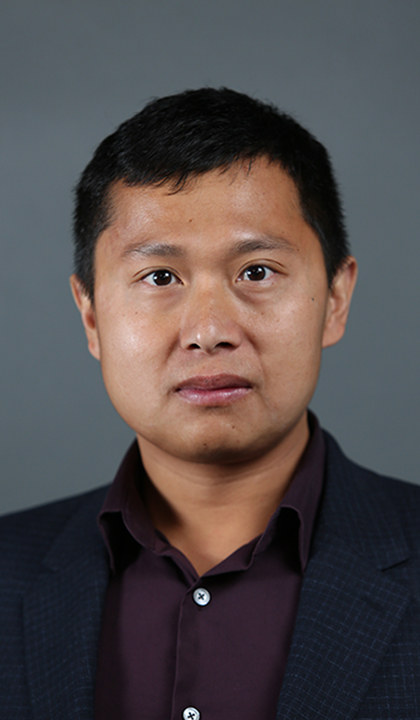
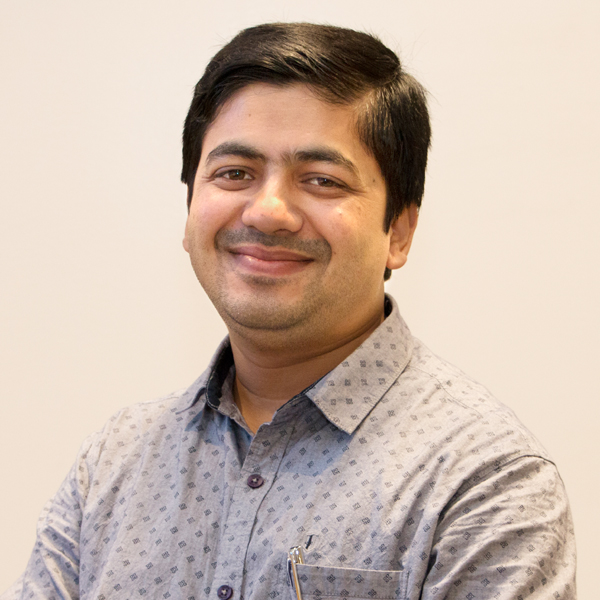
Carol Frost, PhD, is an Assistant Professor in the Department of Renewable Resources at the University of Alberta's Faculty of Agricultural, Life and Environmental Sciences. Her research focuses on arthropod community ecology, particularly biodiversity conservation and the impacts of human activities on ecological functions. She holds a PhD in Ecology from the University of Canterbury (2014), an MSc in Entomology from McGill University (2009), and a BSc in Animal Biology from the University of Alberta (2006). Her work spans three key areas: (1) identifying low-cost industrial/urban modifications for biodiversity conservation, (2) advancing ecological network approaches to predict community dynamics, and (3) documenting Alberta's arthropod biodiversity. Recent studies include analyzing pollinator networks, habitat edge effects, and agricultural landscape impacts on hoverflies and canola crops. Frost teaches courses such as Principles of Managing Natural Diversity (REN R 364/765), Exploratory Data Analysis (REN R 581), and Statistical Methods for Environmental Sciences (REN R 582). Her research outputs emphasize ecosystem resilience, keystone species roles, and multitrophic interactions, with a focus on applied conservation solutions.
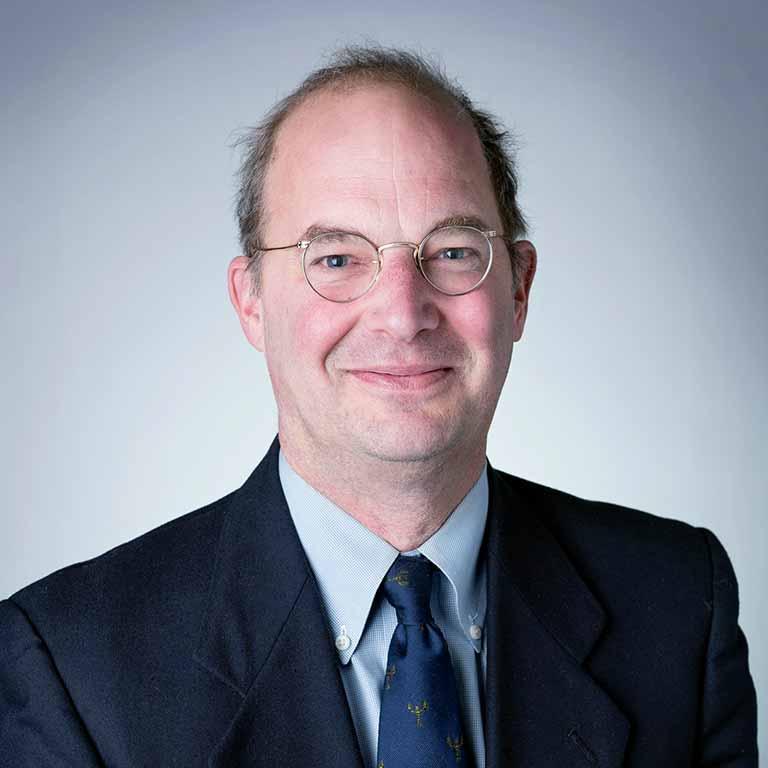
Professor Daniel Caner is a Core Faculty member and Director of the Program in Ancient Studies at Indiana University Bloomington's Hamilton Lugar School of Global and International Studies. He also serves as Adjunct Faculty in History, Classics, and Religious Studies. His research focuses on late antique religious and social history, particularly the intersection of monasticism, philanthropy, and ecclesiastical structures in the Byzantine world. Caner's academic work examines topics such as early Christian charitable practices, monastic mobility, and the construction of sacred authority through material culture. He has published extensively on figures like John Chrysostom and monastic figures in late antiquity, analyzing how religious institutions shaped social hierarchies and cultural memory. His recent publications explore the socio-economic dimensions of Christian charity, the role of ascetic itinerancy in promoting monasticism, and the legal/ritual frameworks defining sacred spaces. Courses taught include courses on Byzantine history, Near Eastern religions, and macrohistorical patterns of change. No research grants or advising details are explicitly noted in the provided materials. He is affiliated with IU Bloomington's Global and International Studies Building and maintains ties with interdisciplinary programs in ancient studies and religious studies.
Dr. Yijing Li is a Senior Lecturer in Urban Informatics at King’s College London, Department of Informatics. She joined King’s in 2018 and previously held roles at the University of Warwick and China Executive Leadership Academy Pudong. Her research focuses on spatial analysis of urban crime, counter-terrorism strategies, climate change impacts on crime, and risk management using big data. She holds a PhD in Geography of Crime from the University of Cambridge and an MSc in Urban Ecology from Peking University. Her work integrates theories from sociology, criminology, and economics with quantitative and qualitative methods. Key research areas include crime patterns during pandemic lockdowns, One Belt One Road security strategies, and environmental sustainability assessments. She has authored over 30 publications, including studies on London’s crime dynamics, spatial disparities in crime data, and vegetation change modeling using remote sensing. Dr. Li is affiliated with the Centre for Urban Science and Progress (CUSP) London and the Computing Education Research Centre (CERC). She has supervised interdisciplinary projects on employability in data science programs and collaborated with organizations like Transport for London and Westminster City Council. Her recent work examines health resilience in European countries post-pandemic and employs Bayesian models to analyze crime patterns during lockdowns.
Dr. David Firang is an Associate Professor in the Department of Social Work at Trent University, where he also holds appointments in the M.A. Sustainability Studies (MASS) and PhD IDSR programs. He previously served as Assistant Professor (Ltd) at the University of Windsor’s School of Social Work, focusing on curriculum leadership in advanced social policy and community practice. With over 13 years in child welfare at Toronto’s Children’s Aid Society and experience in community advocacy, Dr. Firang bridges academic and practical social work expertise. His research emphasizes Equity, Diversity, and Inclusion (EDI), immigrant transnationalism, environmental sustainability, and Afro-Canadian issues. He has led projects funded by SSHRC, Theall Research Grant, and the Symons Foundation, contributing to over a dozen peer-reviewed articles since 2018. Education: PhD and MSW, University of Toronto M.A., University of Saskatchewan Post-Diploma, British Columbia Institute of Technology B.A., University of Ghana Research Focus: Dr. Firang’s work explores transnational immigrant practices, housing inequities, and the intersection of race and environmental justice. Recent studies analyze Ghanaian diasporic housing strategies, pandemic impacts on international students, and anti-Black racism in policing. His advocacy spans Black communities, international students, and African diasporas in Toronto. Grants & Awards: SSHRC Research Grant Theall Research Grant Symons Research Foundation Grant SSHRC Insight Development Grant (IDG) Leadership & Community Engagement: Dr. Firang has led equity initiatives for marginalized communities, including grants management for Toronto’s Access & Equity Division. His roles in the Ghanaian Methodist diaspora and African community advocacy reflect his commitment to social justice.
Joao Carlos Amaro Ferreira is a Professor at the Faculty of Logistics, Molde University College (HiMolde), Norway. He holds PhDs in Computer Engineering and Industrial Engineering from the Technical University of Lisbon and the University of Minho, respectively. His research focuses on Artificial Intelligence (AI) applications in healthcare, energy, transportation, IoT, blockchain, and smart cities. He has led over 40 projects, including 6 as Principal Investigator, and contributed to international conferences like OAIR and INTSYS. He served as IEEE CIS President (2016-2018) and is an IEEE Senior Member since 2015. His academic contributions span AI-driven solutions for public sector informatics, healthcare data quality, and cybersecurity. He actively participates in European projects such as e-Hospital4Future and explores blockchain applications in supply chains and medical records. Ferreira leads the ABC-AI research group, emphasizing ethical and applied AI. His work bridges academia and industry through projects like gamification systems for eco-driving and AI in fisheries traceability. Recent publications highlight AI's role in cardiovascular disease detection, emergency department optimization, and blockchain-enhanced healthcare interoperability. He collaborates internationally, co-editing journals like Applied Sciences , and has authored patents in edge computing for maritime monitoring.
John Ries is the HSBC Professor in Asian Business and a Professor in the Strategy and Business Economics Division at the University of British Columbia's Sauder School of Business. He also serves as Senior Associate Dean for Special Projects, overseeing strategic initiatives. His educational background includes a B.A. from the University of California, Berkeley, and an M.A. and Ph.D. from the University of Michigan. Research Focus Professor Ries specializes in international trade dynamics, business economics, and industrial organization, with a distinct emphasis on the Japanese economy. His work examines trade policy impacts, innovation financing, and globalization effects, leveraging empirical and theoretical frameworks to analyze market behaviors and policy outcomes. Publications Overview His research portfolio spans international trade, investment, and urban economics, with recurring themes like information asymmetry in innovation, gender biases in project assessment, and historical trade legacies. Recent articles demonstrate a shift toward behavioral and developmental economics, using simulations and granular data analysis. Awards and Advising No awards or student advising details are documented in available sources.
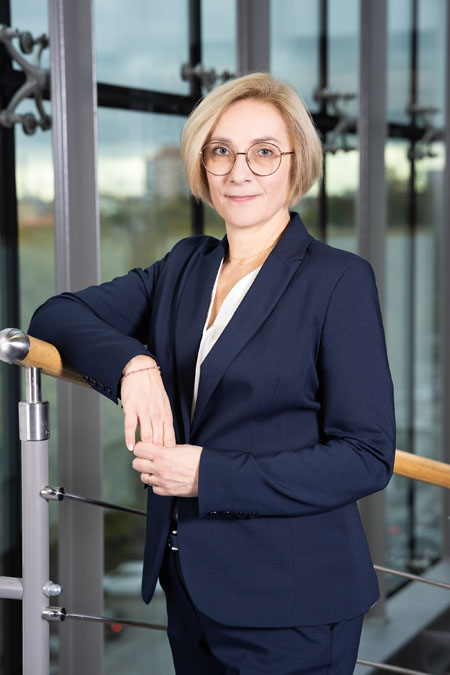
Prof. Ewa Szostak holds a professorial position at Wrocław University of Economics (UEW), serving as BIPS Program Coordinator. Her work focuses on EU policy analysis, regional development dynamics, innovation economics, and sustainable urban planning. Key research interests include Poland's EU integration trajectory, post-1989 educational reforms, energy transition strategies, and socio-economic challenges posed by aging populations. Her publications span topics such as territorial cohesion, smart specialization strategies, and the impact of migration on transportation networks. Notable works include analyses of Lower Silesia's regional infrastructure, smart city development challenges in Poland, and the decarbonization of inland navigation systems. Methodologically, her research combines policy evaluation with case studies examining institutional effectiveness and spatial planning. Laboratory/Team Affiliations: While specific lab names aren't listed, her role as a professor at UEW implies involvement in the university's economic policy research units. Her work frequently engages with EU-funded regional development projects and policy implementation frameworks.
Daniel Kidane is a British composer and Visiting Tutor in Composition at the Royal Northern College of Music and University of Cambridge. His works blend multicultural influences with contemporary classical techniques, exploring themes of identity, conflict, and social justice. Key roles include commissions from major orchestras like the BBC Symphony and London Symphony Orchestra, alongside awards such as the Paul Hamlyn Award (2016) and an honorary doctorate from Coventry University (2022). Education: Began violin at age 8, composition studies at Royal College of Music Junior Department Private study in St. Petersburg with Sergey Slonimsky BMus and postgraduate studies at Royal Northern College of Music under Gary Carpenter and David Horne Research Interests: Kidane’s music merges traditional orchestration with modernist innovation. Key themes include multiculturalism (evident in works like Aloud reflecting his Russian-Ukrainian heritage), pandemic reflections ( Be Still ), and socio-political commentary ( Dream Song setting MLK’s texts). His compositional style draws from Russian chant, Messiaen, and Janáček, creating vivid soundscapes that balance tension and resolution. Awards: Royal Philharmonic Society Prize (2013) Paul Hamlyn Award for Artists (2016) Jerwood Composer+ (2018) Coventry University Honorary Doctorate (2022) Current Projects: 2024 violin concerto Aloud with Julia Fischer and London Philharmonic Orchestra. Upcoming works include a cello piece Sarabande and continued exploration of pandemic-era compositions. Labs/Teams: Collaborates with ensembles like Chineke! Orchestra (pioneering BAME representation) and mentors through Music Masters charity.
Sonia Machause López is a Lecturer in the Department of Prehistory and Archaeology at the Faculty of Geography and History, University of Valencia. She is a member of the GRAM Archaeological Research Group on the Mediterranean and holds a PhD from the University of Valencia (2017) on ritual caves in the Iberian Iron Age. Her work bridges archaeological theory, landscape analysis, and sensory studies, focusing on ritual practices in natural spaces. PhD in Mediterranean Prehistory and Archaeology, University of Valencia (2017) Thesis: Caves as ritual spaces in Iberian Iron Ages: the cases of Kelin, Edeta and Arse Supervisors: Dr. Consuelo Mata Parreño, Dr. Carmen Aranegui Gascó Her research centers on Iberian Iron Age ritual practices, particularly the use of caves as sacred spaces. She integrates GIS, archaeoastronomy, and sensory archaeology to explore ritual landscapes, territoriality, and embodied experiences. Her work emphasizes multisensory dimensions, ritual journeys, and the symbolic role of water and darkness in underground spaces. She has published extensively on sites such as Cueva del Sapo, Sima de l'Aigua, and Cova de les Dones. Her recent publications reveal a strong trend toward interdisciplinary methodologies, combining material analysis with spatial and sensory modeling. She frequently collaborates with experts in archaeozoology, geophysics, and ethnography. Her work challenges elite-centric models of ritual, emphasizing community participation and variability in religious experiences. Enduring Sacred Places: The Astronomical Orientation of the Iberian Cave-Sanctuary of Cueva Santa del Cabriel in Spain (2019) Caves, Senses, and Ritual Flows in the Iberian Iron Age: The Territory of Edeta (2022) Delving into the Iberian rituality of the Sima de l'Aigua (2024) Sonia Machause López actively mentors early-career researchers and participates in academic dissemination, including public talks and gender studies in archaeology. She has contributed to projects on women in universities and archaeological outreach. While no specific grants are listed, her sustained research output suggests active funding support. She is affiliated with the GRAM research group, which focuses on Mediterranean archaeological dynamics, ritual landscapes, and material culture. Her work often involves field prospection, laboratory analysis, and collaborative interpretation across disciplines.
Kenan Li, Ph.D., is an Associate Professor in the Department of Epidemiology and Biostatistics at Saint Louis University’s College for Public Health and Social Justice. He joined SLU in August 2022 and teaches courses such as Statistical Learning, R for Spatial Analysis, and Environmental Determinants of Health. His research bridges data science, GIS, and public health, focusing on spatial computation, environmental exposures, and community resilience. Ph.D. in Environmental Sciences, Louisiana State University M.S. in Environmental Sciences, Louisiana State University B.S. in Environmental Sciences and Applied Mathematics, Nankai University, China Dr. Li’s research interests lie at the intersection of spatial computation, environmental health, and community resilience . He develops geo-AI frameworks , integrated geo-cyber-infrastructures , and biostatistics algorithms using big data, deep learning, and sensor data. His work emphasizes understanding human-environment interactions, urban sustainability, and health disparities. His recent publications from 2023 to 2015 reveal a strong trend in spatial modeling of population dynamics , machine learning for environmental exposure analysis , and resilience assessment in vulnerable coastal regions. He has pioneered methods like Dynamic Time Warping Self-Organizing Maps and Wavelet-based Shapelet Discovery to extract meaningful patterns from high-frequency sensor data. His scientific awards include the Taylor Geospatial Institute Seed Grant (2023) , the Saint Louis University 2023 Health Research Grant , and selection for the Scholarly Undergraduate Research Grants and Experiences . He has secured funding from NSF, NIH, USC Keck School of Medicine, and the US Army Corps of Engineers. Dr. Li has advised and collaborated on numerous research projects, particularly in interdisciplinary teams studying the Mississippi River Delta and urban health interventions. He has been involved in NIH/NIBIB-funded projects and led research on emergency management of trail systems in Los Angeles County. He is actively involved in building research labs and teams focused on spatial data science and public health analytics , having previously worked at USC’s Spatial Sciences Institute and Population and Public Health Sciences Department.
Monowar Bhuyan is an Associate Professor in the Department of Computing Science at Umeå University, Sweden, leading the Cyber Analytics and Learning Group within ADSLab. He holds a Ph.D. in Computer Science from Tezpur University and has held academic positions at Assam Kaziranga University and Umeå University. His research focuses on machine learning, anomaly detection, edge AI, and distributed systems security. He has secured over 35 MSEK in grants from WASP, STINT, and EU Horizon programs. Education Ph.D. in Computer Science and Engineering, Tezpur University (2014) M.Tech. in Information Technology, Tezpur University (2009) B.E. in Computer Science and Engineering, IETE (2007) Research Interests Distributed/Federated/Responsible Machine Learning Cybersecurity and Anomaly Detection in Edge Clouds AI for DDoS Defense and Cyber Resilience Edge AI and Serverless Computing Recent Contributions His recent work addresses secure federated learning, DDoS attack detection in cloud-edge systems, and responsible AI. Key publications include novel frameworks for VSI-DDoS detection and federated learning optimizations. Awards & Grants Best Paper Awards at ICONIP 2023 and ACM ICACCI 2012 WASP NEST Grant (AIR2 Project, 5 MSEK) EU Horizon Europe Grant (SovereignEdge.Cognit, 8.27 MSEK) Lab & Collaborations He leads the Cyber Analytics and Learning Group (ADSlab), collaborating with institutions like KTH, Linköping University, and Nara Institute of Science and Technology (NAIST). The lab focuses on AI-driven security solutions for distributed systems.
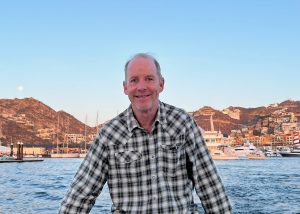
Jack Baker is the William Alden Campbell and Martha Campbell Professor of Engineering and Associate Dean for Faculty Affairs in the Stanford Doerr School of Sustainability at Stanford University. He is a Professor of Civil & Environmental Engineering with expertise in probabilistic and statistical tools for quantifying and managing disaster risk and resilience. His work has significantly influenced building codes, performance-based engineering guidelines, and catastrophe risk models. Dr. Baker's educational background includes: Ph.D. in Civil & Environmental Engineering from Stanford University (2005) M.A. in Statistics from Stanford University (2004) M.S. in Civil & Environmental Engineering from Stanford University (2002) B.A. in Mathematics/Physics from Whitman College (2000) His research focuses on disaster risk and resilience, particularly in earthquake engineering and seismic hazard analysis. Baker uses probabilistic and statistical approaches to analyze risk in spatially distributed systems, characterize earthquake ground motions, and simulate post-disaster recovery processes. His work bridges theoretical frameworks with practical applications in building codes and risk management strategies. He has made significant contributions to understanding the relationship between ground motion characteristics and structural response, while also expanding into climate-related hazards like atmospheric rivers and their compound effects. His recent publications demonstrate a growing focus on interdisciplinary research that connects engineering with socioeconomic factors in disaster contexts. There's a clear trend toward integrating machine learning techniques with traditional engineering approaches, particularly in modeling household displacement, economic recovery, and flood damage prediction. His work increasingly addresses the human dimension of disasters, examining how physical damage translates to social impacts and recovery timelines. Dr. Baker has received numerous prestigious awards recognizing his contributions to the field: William B. Joyner Lecture Award from the Seismological Society of America and Earthquake Engineering Research Institute (2023) PROSE Awards finalist for Seismic Hazard and Risk Analysis textbook (2022) Thorpe Medal from the European Council on Computing in Construction (2022) Walter L. Huber Civil Engineering Research Prize from the American Society of Civil Engineers (2018) CAREER Award from the National Science Foundation (2010) As an educator and mentor, Baker advises numerous doctoral and master's students while serving as Associate Dean for Faculty Affairs. His research group has secured significant funding for projects related to seismic risk, disaster recovery modeling, and infrastructure resilience. He has directed major initiatives like the Stanford Urban Resilience Initiative and co-founded the Haselton Baker Risk Group, demonstrating strong leadership in translating research into practical applications. Dr. Baker leads the Baker Research Group, which focuses on probabilistic approaches to disaster risk assessment and management. The group maintains active collaborations with government agencies, industry partners, and international research institutions to advance the state of knowledge in earthquake engineering and broader disaster resilience fields. Their work often involves developing innovative computational tools and frameworks that are made publicly available through GitHub repositories.
Troels Schultz Larsen is an Associate Professor in the Department of Social Sciences and Business at Roskilde University, specializing in Social Dynamics and Change. With a PhD and MSc in Public Administration, he has been with Roskilde University since 2005, progressing from PhD fellow to his current position as Associate Professor since 2014. His work focuses on urban sociology, territorial stigmatization, and the dynamics of marginalized urban areas within the Danish welfare state context. Dr. Schultz Larsen's academic journey includes: 2014-Present: Associate Professor, Department of Social Sciences and Business, Roskilde University 2009-2014: Assistant Professor/Post-Doc, Department of Society and Globalization, Roskilde University 2005-2009: PhD Fellow, Department of Society and Globalization, Roskilde University 1998-2005: MSc (Public Administration equivalent), Department of Social Science, Roskilde University Identifying his theoretical position as "Historically-Specific Praxis-Theory," Dr. Schultz Larsen draws inspiration from Bourdieu, Wacquant, Gramsci, and other critical theorists. His research spans urban sociology, territorial stigmatization, welfare state dynamics, and public innovation. He examines how marginalized urban areas are produced and maintained through intersecting social, economic, and political processes, with particular attention to the Danish context and its "ghetto list" policies. His work challenges simplistic interpretations of urban marginality, emphasizing the complex interplay between housing markets, labor markets, education systems, and family structures in reproducing spatial inequalities. Dr. Schultz Larsen's recent publications reveal a deepening focus on territorial stigmatization as both a theoretical concept and practical policy issue. His 2024-2025 work, including the book "Fragmenting Cities: The State, Territorial Stigmatization and Urban Marginality," develops a comprehensive framework for understanding how state policies actively produce spatial inequalities. He critically analyzes Denmark's controversial "ghetto list" policy, demonstrating how such classifications function as mechanisms of dehumanization and social exclusion. His research increasingly adopts comparative perspectives, connecting Danish urban marginality to broader European and global patterns of spatial inequality. Dr. Schultz Larsen's scholarly contributions include: Active participation in major research projects including EU-HORIZON24's RURALITIC Membership in the Royal Danish Academy (2025-2027) Extensive media engagement on urban policy issues With over 15 years of teaching experience at Roskilde University, Dr. Schultz Larsen has supervised numerous student projects across social sciences, politics, and public administration. His supervision spans diverse topics including urban policy, social integration, housing, labor market policies, and public innovation. He has been involved in several significant research grants, most notably as a participant in the CLIPS project (Collaborative Innovation in the Public Sector), a major multi-institutional collaboration examining innovation in public services. His current research includes the EU-HORIZON24 project RURALITIC and the BOSID project on housing stigmatization in Denmark. Dr. Schultz Larsen is actively involved in research networks focused on urban marginality and territorial stigmatization. He collaborates closely with Dr. Katrine Nørgaard Delica on multiple projects and publications, including their forthcoming book "Fragmenting Cities." His work with the North Seeland Police Department on the "TRYK Politi" initiative represents a significant practice-oriented research partnership examining citizen engagement in crime prevention. As a member of the Royal Danish Academy (2025-2027), he contributes to national scholarly discussions on urban policy and social governance.
Per Hammarström is an Associate Professor in History at the Department of Humanities and Social Sciences, Mid Sweden University, based on the Sundsvall campus (Room M413). He holds a PhD in History from Uppsala University (2007) and has been affiliated with Mid Sweden University since 2010. Education : PhD in History, Uppsala University (2007) Primary Research Areas : Jewish history, minority integration, nationalism, missionary history, religious encounters, anti-Semitism, Jewish-Christian relations, migration studies His work explores Jewish integration in Sweden (1870–1940), Jewish converts to Christianity (19th–early 20th centuries), anti-Semitic and anti-Judaic discourse in Swedish religious movements (e.g., Swedish Israel Mission, Unitarians, low-church revival), and broader themes like racism, minority history, and religious didactics. Recent publications analyze Jewish communities in Gothenburg, conversion narratives, and theological debates in 19th-century Sweden. Hammarström teaches courses on racism history, minority studies, antisemitism, Islamophobia, antigypsyism, and religious didactics within teacher training programs. He has participated in international conferences including the 17th World Congress of Jewish Studies (2017) and Greifswald University's antisemitism studies symposium (2018).
Professor Jamie Wilson serves in the Department of History at Salem State University, teaching courses including African American history, U.S. history, and specialized seminars on jazz culture and civil rights movements. His academic credentials include: PhD in History from New York University MA in History from New York University BA in History from the University of Delaware Wilson's research centers on Black History, Race and Ethnicity Studies, and United States History, with particular emphasis on 20th-century African American experiences. His work examines civil rights activism, cultural expressions like jazz, religious practices in Harlem, and health politics in Black communities, revealing systemic inequalities and community resilience. His publication trajectory from 1999-2023 shows consistent scholarly engagement with African American history through diverse formats. Books address foundational movements like the Civil Rights era and Black Panther Party, while journal articles explore nuanced topics including magico-religious practices, student protests, and health disparities in Harlem, demonstrating methodological range across social, cultural, and political history. No scientific awards are documented in available sources. While specific grant funding isn't cited, his extensive publication record and course development in African American history suggest sustained research activity. The absence of student listings or lab descriptions indicates either unpublicized mentorship or primary focus on independent scholarship.