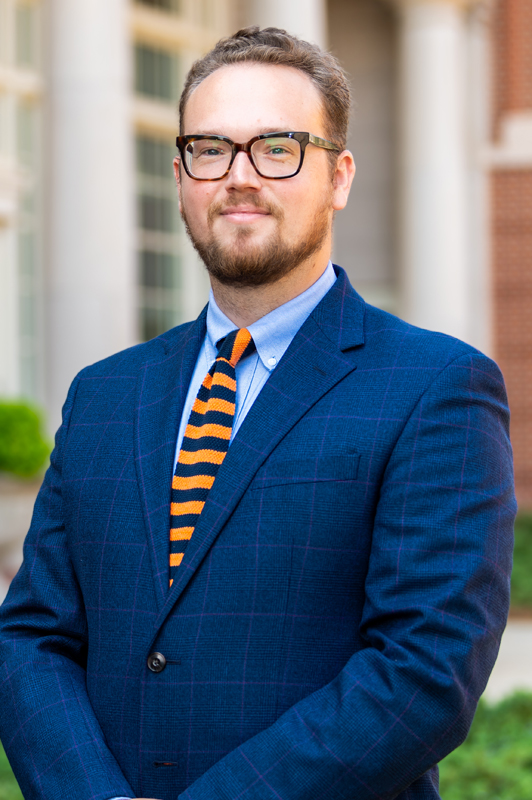
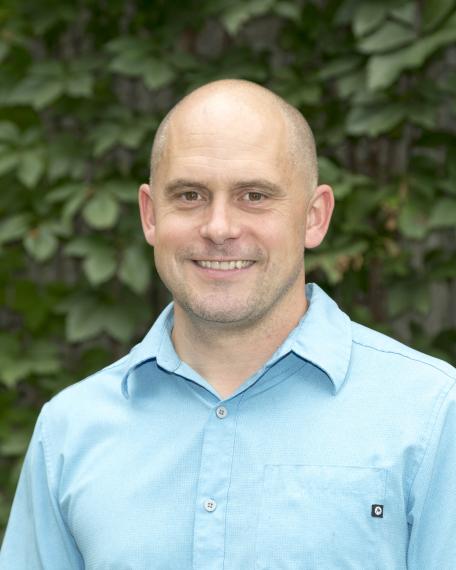
Qiushi Fu is an Associate Professor in the Department of Mechanical and Aerospace Engineering at the University of Central Florida, focusing on neuromuscular control, human-robot interaction, and biomechanics. His work leverages assistive and rehabilitation technologies to improve motor function and performance. Ph.D. in Biomedical Engineering – Arizona State University M.S. in Mechanical Engineering – State University of New York at Buffalo B.S. in Automation – Tsinghua University Research interests include sensorimotor learning, bioinspired robotics, and rehabilitation prosthetics, integrating neuroscience, robotics, and machine learning. His recent publications emphasize adaptive control in dexterous manipulation, haptic communication, and wearable rehabilitation devices. Fu leads a multidisciplinary lab advancing human movement through technology, with applications in stroke recovery and prosthetic design. His work demonstrates trends in machine learning integration for neural decoding, bioinspired exoskeletons, and collaborative human-robot systems. Though no specific awards are listed, his research has been published in high-impact journals like Frontiers in Neurorobotics and Journal of Neuroscience .
Carlos Cifuentes is an Associate Professor in Human-Robot Interaction at the Bristol Robotics Laboratory (BRL) , part of the University of the West of England (UWE Bristol) . He also serves as the Deputy Director of the VIVO Hub , a £13.4M UK-funded research initiative (2024-2030) focused on robotics for rehabilitation and healthcare. His research spans Human-Robot Interaction , Rehabilitation Robotics , Healthcare Robotics , and Socially Assistive Robotics , with applications for conditions such as cardiac diseases , post-stroke recovery , spinal cord injuries , cerebral palsy , Parkinson's disease , musculoskeletal disorders , and autism spectrum disorder (ASD) . Carlos has over 15 years of experience and 200+ publications in robotics for rehabilitation and assistive technologies. His recent work explores smart walkers with multimodal feedback, soft prosthetics using polymeric optical fiber sensors , and machine learning models for fatigue and stress estimation. He also investigates inclusive design for social robots in global contexts , including a CASTOR Robot for ASD therapy and collaborative design processes with Colombian communities. Carlos serves as an Associate Editor for IEEE Robotics and Automation Magazine (since 2021), ICRA , and IROS (since 2023). He leads projects integrating wearable sensors , deep learning , and haptic feedback to enhance mobility, autonomy, and quality of life for individuals with disabilities. As Deputy Director of the VIVO Hub, he focuses on long-term deployment of robotic systems in real-world healthcare settings, emphasizing collaboration with clinicians , caregivers , and neurodiverse communities . His work bridges robotics , biomedical engineering , and human-centered design .
Chad G. Rose is an Assistant Professor of Mechanical Engineering at Auburn University's College of Engineering. He holds a Ph.D. and M.S. from Rice University and a B.S. from Auburn University. His research focuses on robotics, particularly in human-robot interaction, rehabilitation robotics, and wearable devices. He actively collaborates on projects like robotic rehabilitation systems and virtual reality empathy training for healthcare professionals. Dr. Rose has received internal research funding from Auburn University and contributes to multidisciplinary initiatives with Toyota and European institutions. Education : Ph.D. Mechanical Engineering, Rice University M.S. Mechanical Engineering, Rice University B.S. Mechanical Engineering, Auburn University His research interests emphasize robotic rehabilitation , including exoskeleton design for functional tasks and neuromechanical modeling of injuries. He also explores virtual reality applications to enhance empathy in medical training and collaborative assembly frameworks for industrial robotics. His work bridges biomechanics, control systems, and human-centered design. Recent publications span topics like soft hand exoskeleton control, human-robot collaborative assembly, and predictive haptic feedback for autonomous systems. His research has been highlighted in interdisciplinary collaborations and competitions like the NASA Robotic Mining Challenge. Awards : Recipient of Auburn University's internal research funding (2023) Dr. Rose advises projects in robotic systems development and has contributed to Auburn's Robotic Mining Team. His lab focuses on wearable robotics, sensorimotor interfaces, and human-centered automation. He collaborates with industry partners like Toyota and international institutions to advance safety and accessibility in robotics.
Dr Hannah Gullo is a Senior Research Fellow at the School of Health and Rehabilitation Sciences , The University of Queensland . With a focus on neurorehabilitation, her work spans traumatic brain injury, stroke, Parkinson's disease, multiple sclerosis, and neurodevelopmental conditions. Masters (Coursework) of Occupational Therapy Studies, The University of Queensland Bachelor of Science, The University of Queensland Doctor of Philosophy, The University of Queensland Her research interests include: Cognitive assessment and intervention - exploring relationships between cognitive impairment, depression, and fatigue Technology-enhanced therapy - leveraging smartphones, smartwatches, and tele-rehabilitation Recent publications highlight her work in CO-OP approaches for Parkinson's , technology-enabled rehabilitation , and technology accessibility for vision impairment . Awards include NHMRC MRFF PPHR grants and Advance Queensland Women's Academic Fund support. She supervises PhD projects on: Smart technology for cognitive rehabilitation Remote occupational therapy delivery Metacognitive strategies in neurorehabilitation Current funding (2024-2027) focuses on co-creating virtual environments for brain injury recovery. She leads feasibility trials and validation studies in cognitive assessment tools.
Raviraj Nataraj is an Associate Professor in the Department of Biomedical Engineering at Stevens Institute of Technology, leading the Movement Control Rehabilitation (MOCORE) Laboratory. He holds a PhD from Case Western Reserve University (2010) and an MS from Stanford University (2003). His research focuses on integrating control systems with assistive technologies to enhance motor function recovery for individuals with neurotrauma, including spinal cord injury, stroke, and amputation. Key areas include wearable sensors, virtual reality environments, and neuroprosthetics. Education: PhD in Biomedical Engineering, Case Western Reserve University (2010) MS in Mechanical Engineering, Stanford University (2003) Research interests emphasize sensory feedback mechanisms, cognitive factors in motor rehabilitation, and the development of personalized computerized interfaces. His lab creates instrumented wearables and VR tools to improve functional movement. Recent work includes optimizing feedback modalities for upper-limb rehabilitation and studying neural responses to altered visual feedback. Notable awards include the NSF CAREER Award (2023) and Stevens’ Harvey Davis Distinguished Teaching Award. He has secured grants from NSF, Department of Veterans Affairs, and New Jersey Health Foundation for projects like ‘Personalizing sensory-driven interfaces for motor rehabilitation’. Professional roles include NIH Review Panelist and Associate Editor for Frontiers of Medical Engineering. He chairs Stevens’ Institutional Review Board and oversees BME faculty searches. The MOCORE Lab (www.mocorelab.com) collaborates on clinical solutions like the ‘Cognition Glove’ and muscle-training braces.
Dr. Andrea Bauer is an Associate Professor of Orthopedic Surgery at Harvard Medical School and an Orthopedic Surgeon at Boston Children's Hospital, where she serves as Director of the Brachial Plexus Program and Director of Faculty Development. She also serves as Co-School Physician at Berklee. Dr. Bauer is a specialist in pediatric hand, upper extremity, and peripheral nerve surgery, with a particular focus on brachial plexus birth injury, congenital hand differences, and peripheral nerve injuries. Dr. Bauer completed her undergraduate education at Princeton University (2001), medical school at Columbia University College of Physicians and Surgeons (2005), orthopedic surgery residency at Harvard Combined Orthopedic Residency Program (2010), hand surgery fellowship at Massachusetts General Hospital (2011), and pediatric hand surgery fellowship at Shriners Hospital for Children in Sacramento, CA (2011). Dr. Bauer's research primarily focuses on improving outcomes for children with brachial plexus birth injuries through early diagnosis and intervention. She has extensive expertise in congenital hand differences and peripheral nerve injuries in children. Her work bridges clinical practice and research to advance pediatric orthopedic care, particularly in complex nerve injuries and congenital conditions. She has been instrumental in developing protocols for diagnosing and treating brachial plexus injuries in infants, with an emphasis on improving functional outcomes. Analysis of Dr. Bauer's recent publications reveals a strong focus on brachial plexus birth injuries, congenital hand differences, and pediatric orthopedic conditions. Her work spans diagnostic techniques (particularly MRI), surgical interventions, and outcomes research. She has made significant contributions to understanding the relationship between perinatal factors and injury severity, developing return-to-play protocols for young athletes, and improving diagnostic accuracy for nerve injuries. Her research often involves multi-center collaborations and registry-based studies, reflecting her commitment to evidence-based practice in pediatric orthopedics. Dr. Bauer received the competitive Ruth Jackson Orthopaedic Society Traveling Fellowship in 2014, which she used to visit three centers specializing in brachial plexus birth injury treatment. This fellowship allowed her to bring innovative techniques and approaches back to Boston Children's Hospital, continuing the institution's legacy of advancing care for children with brachial plexus injuries. As Director of the Brachial Plexus Program at Boston Children's Hospital, Dr. Bauer oversees a comprehensive program dedicated to the care of children with brachial plexus injuries. The program includes multidisciplinary teams of surgeons, therapists, and researchers working together to provide optimal care from diagnosis through rehabilitation. Dr. Bauer also serves as Director of Faculty Development, playing a key role in mentoring junior faculty and shaping the educational mission of the department. Her clinical work spans multiple locations including Boston, Lexington, and Waltham, ensuring broad access to specialized pediatric orthopedic care.
Matthew Michael Hanks is an Assistant Professor at the University of Illinois at Urbana-Champaign, affiliated with the College of Applied Health Sciences and the Beckman Institute for Advanced Science and Technology. He also serves as an affiliate at Disability Resources and Educational Services (DRES). Research focuses on biomechanics and adaptive sports medicine Specializes in spinal cord injury rehabilitation and upper extremity joint dynamics Active in analyzing wheelchair athletics and pediatric rehabilitation His work spans biomechanical analysis of wheelchair lacrosse, scapular positioning in postural compression garments, and muscle activation patterns in adaptive sports. Current research includes 3D trunk and upper limb biomechanics in athletes with disabilities and sex-based differences in pediatric wheelchair users. Recent publications emphasize sports injury prevention, mobility enhancement technologies, and comparative physiological studies in wheelchair basketball. Collaborations include clinical researchers in orthopedics and rehabilitation engineering.
Max Cohen is a Postdoctoral Scholar Research Associate in the Department of Mechanical and Civil Engineering at the California Institute of Technology (Caltech). His research focuses on safety-critical control systems, adaptive control, and the integration of control barrier functions with reinforcement learning. He explores theoretical frameworks for robust control design in nonlinear systems, emphasizing safety guarantees through formal verification methods. His work addresses challenges in automated vehicle navigation, hybrid systems, and rehabilitation engineering using functional electrical stimulation (FES). Key research directions include uncertainty quantification in adaptive systems, layered control architectures, and safe exploration strategies in model-based reinforcement learning. Publications span topics like control barrier function synthesis, temporal logic-guided learning, and reduced-order modeling for safety-critical applications. Current research trends emphasize bridging formal methods with data-driven control paradigms to ensure safe operation in complex robotic and cyber-physical systems. No scientific awards or grants are explicitly mentioned in the provided information. His office is located in Gates-Thomas Laboratory (Room 300), and he actively contributes to interdisciplinary projects at Caltech's engineering division.
Dr. John Zettel is an Associate Professor at the University of Guelph, specializing in biomechanics and motor control of human movement. His research focuses on postural control, balance recovery, and the integration of voluntary movements with rapid compensatory stepping reactions, particularly in aging populations and clinical groups such as stroke survivors. Education : B.Sc. in Kinesiology from the University of Waterloo; M.Sc. and Ph.D. from the University of Toronto. His work examines how attention, visual feedback, and vestibular input modulate balance recovery strategies, with applications to fall prevention and mobility enhancement in older adults. Recent studies include vibrotactile feedback systems for sensory substitution and dual-task paradigms for assessing age-related declines in dynamic stability. Dr. Zettel's research is funded through grants focused on clinical rehabilitation and aging populations. He supervises graduate students, including MSc candidates like Cassidy, and teaches courses in biomechanics and biophysics at the Guelph-Humber campus.
Josep M. Font-Llagunes is a Full Professor of Mechanical Engineering at the Polytechnic University of Catalonia (UPC), where he leads the Biomechanical Engineering Lab (BIOMEC) within the Research Centre for Biomedical Engineering (CREB). His work bridges engineering and clinical rehabilitation, focusing on robotics, biomechanics, and computational modeling for human movement disorders. His research interests include rehabilitation robotics, biomechanics of human movement, multibody system dynamics, gait analysis, wearable exoskeletons, and neuromuscular rehabilitation. He employs advanced computational techniques to model human motion and optimize assistive devices, with a strong emphasis on clinical translation. The trends in his recent publications highlight a focus on predictive simulation of human movement, clinical evaluation of exoskeletons, musculoskeletal modeling, and upper limb assessment in neuromuscular diseases. His work integrates biomechanical modeling with wearable sensor technology and virtual reality to enhance rehabilitation outcomes. Agustín de Betancourt y Molina Medal by the Royal Academy of Engineering (2017) OpenSim Outstanding Researcher Award (2018) He actively mentors students and collaborates on numerous research projects involving PhD candidates and postdoctoral researchers. His lab conducts clinical trials and develops novel computational protocols for prosthetic alignment, exoskeleton control, and muscle force estimation. The Biomechanical Engineering Lab (BIOMEC) at UPC is a key hub for innovation in rehabilitation technology, focusing on personalized, evidence-based solutions for gait and upper limb rehabilitation.
Katherine Saul is a Professor in the Department of Mechanical and Aerospace Engineering at North Carolina State University's College of Engineering, where she also serves as Director of Graduate Programs. Her research focuses on dynamics and neural control of the musculoskeletal system, upper limb biomechanics, orthopaedic rehabilitation, computational simulation of movement, and musculoskeletal imaging. Dr. Saul directs the Movement Biomechanics Lab (MoBL), which investigates musculoskeletal structure-function relationships in the upper limb through integrated approaches combining MR imaging, strength assessments, functional testing, and computational simulations. The lab characterizes neuromuscular control mechanisms in both healthy populations and those with impairments such as brachial plexus injuries and cerebral palsy. Her recent publications (2023-2025) reveal consistent focus on upper limb biomechanics across diverse conditions including birth brachial plexus injuries, transtibial amputation, and hemiplegic cerebral palsy. Key methodological themes include computational modeling of musculoskeletal systems, analysis of motor unit properties, and development of rehabilitation frameworks that bridge engineering principles with clinical applications. Scientific awards were not explicitly mentioned in the source material. As Director of Graduate Programs, Dr. Saul oversees MAE's graduate curriculum and mentorship while leading externally funded research. Her active grants portfolio includes projects on brachial plexus birth injury mechanisms, neural interfaces for rehabilitation, military injury evaluation frameworks, rotator cuff repair analysis, MRI segmentation for clinical applications, and exoskeleton control for post-stroke rehabilitation. The Movement Biomechanics Lab (MoBL) serves as the primary research vehicle, employing interdisciplinary teams to translate engineering principles into clinical orthopaedic solutions through advanced imaging and simulation techniques focused on upper limb function.
Andre Nyberg is a Professor at the Department of Community Medicine and Rehabilitation, Section of Physiotherapy, Umeå University, Faculty of Medicine. He serves as Group leader of Umeå Translational Respiratory EXercise group (U-TREX), a multidisciplinary research group dedicated to patient-centered research for individuals with respiratory diseases. His educational background includes: Associate Professor, Physiotherapy (2019) Ph.D. in Physiotherapy, Umeå University (2014) Master's degree in sports medicine, Umeå University (2013) Master's degree in physiotherapy, Umeå University (2013) Bachelor's degree in sports medicine, Umeå University (2011) Bachelor's degree in physiotherapy, Umeå University (2009) Bachelor's degree in health sciences, Umeå University (2007) Dr. Nyberg's primary research focuses on developing new strategies for the assessment and management of extrapulmonary manifestations among people with COPD. His work examines the effects and explanatory mechanisms of different forms of physical exercise on extrapulmonary manifestations such as impaired muscle, cardiovascular, and cognitive function. He investigates the reliability, validity, and feasibility of different strategies for assessing thigh muscle function in COPD and develops new treatment strategies optimizing physical exercise in COPD through both in-vivo and in-vitro experiments using quantitative and qualitative research methods. His recent publications (2023-2024) demonstrate a strong emphasis on high-intensity interval training for COPD patients, muscle function assessment, and digital health interventions. The research spans from physiological mechanisms to clinical implementation and patient-centered outcomes, reflecting a comprehensive translational approach that bridges laboratory findings with practical clinical applications. Scientific awards and recognitions: Erik K Fernströms Pris for young promising researchers (2023) European Research Council Starting Grant (2022) Heart and Lung Foundations Mentor Program for promising young scientists (2022) Prince Daniel's Research Grant for Promising Young Researchers (2021) Best Abstract at CR-IUCPQ, Quebec, Canada (2020) Best Poster presentation at Nordic Lung Congress (2017) Best abstract in COPD at European Respiratory Society, Munich (2014) Dr. Nyberg serves as a supervisor for bachelor's and master's level projects and has been teaching undergraduate and master's training for physiotherapists and occupational therapists since 2011. He became a Senior Lecturer in 2016 and was recognized as a distinguished university teacher in 2021. He is responsible for the course 'Physiotherapy - clinical evaluation and measurement methodology' and delivers lectures at Master and Research levels. He leads multiple research projects including 'Countering stigma in self-management in people with chronic obstructive pulmonary disease' (2024-2026) and 'COPD-HIIT' (2021-2028), and serves in various leadership roles including Chair of the European Respiratory Society - Physiotherapy Subgroup (2024-2027).
Dr. Alejandro Melendez-Calderon is a Senior Lecturer at the University of Queensland (UQ), holding dual affiliations with the School of Electrical Engineering and Computer Science (primary appointment) and the School of Health and Rehabilitation Sciences. He also serves as a Principal Research Fellow at the Jamieson Trauma Institute, leading the Rehabilitation and Outcomes theme. With over 19 years of interdisciplinary experience in robotics, biomedical engineering, and clinical research, his work focuses on human augmentation technologies, neuromuscular control, and neurorehabilitation engineering. He earned his PhD in Robotics and Biomedical Engineering from Imperial College London (2011) and has held roles at institutions such as Northwestern University, ETH Zurich, and industry leader Hocoma AG. His lab, the NeuroEngineering, Rehabilitation and Medical Robotics Lab at UQ, develops innovative solutions for movement disorders, wearable robotics, and sensorimotor rehabilitation. Research interests include human-robot interaction strategies, computational modeling of motor control deficits, and clinical translation of assistive technologies. His recent work emphasizes adaptive robotic systems for gait training, competition-driven physical effort modulation, and sensor-based assessments for stroke and spinal cord injury populations. Publications highlight contributions to movement smoothness metrics, robotic exoskeleton control algorithms, and interdisciplinary frameworks for sensorimotor evaluation. Collaborations span academic, clinical, and industrial partners to bridge engineering innovation with clinical needs.
Pamela Roberts is an Adjunct Associate Professor of Clinical Occupational Therapy at the University of Southern California (USC) Chan Division of Occupational Science and Occupational Therapy. She holds a PhD in Health Sciences from Touro University International, an MS in Health Administration from California State University, Northridge (1994), and a BS in Occupational Therapy from Washington University School of Medicine (1982). Her research focuses on neurological rehabilitation, stroke recovery, and healthcare services research. Notable contributions include studies on electronic health record (EHR) data utilization, functional outcomes in acquired brain injuries, and brain imaging biomarkers for stroke recovery. She has collaborated with the ENIGMA Stroke Recovery Working Group on neuroimaging and big data projects. Roberts is a Fellow of the American Occupational Therapy Association (FAOTA) and the National Academies of Practice (FNAP), and holds certifications in healthcare quality (CPHQ). Her work emphasizes improving patient care transitions, optimizing rehabilitation protocols, and understanding the role of subcortical structures in post-stroke sensorimotor function. She has authored or co-authored over 25 peer-reviewed articles and book chapters, addressing topics such as motor learning, inpatient rehabilitation outcomes, and discharge planning strategies. Education: PhD in Health Sciences, Touro University International (2007) MS in Health Administration, CSU Northridge (1994) BS in Occupational Therapy, Washington University (1982) Key Awards: Fellow of the American Occupational Therapy Association (FAOTA) Fellow of the National Academies of Practice (FNAP) Roberts has contributed to initiatives on value-based healthcare, stroke rehabilitation metrics, and reducing hospital readmissions. Her research bridges clinical practice, neuroimaging, and health policy to enhance patient-centered care outcomes.
Associate Professor Amit Pujari is a biomedical engineer and neuroscientist at the University of Hertfordshire, leading the Neu(RAL)² Laboratory. He holds an honorary position at the University of Aberdeen and is a Royal Academy of Engineering Industrial Fellow. His work focuses on developing non-invasive neuromodulatory devices for stroke and spinal injury rehabilitation. Education: PhD in Biomedical Engineering, University of Aberdeen (2016) MSc in Biomedical Engineering, University of Strathclyde (2007) BE in Instrumentation & Control Engineering, Pune University (2003) Research Interests: Optimizing neuromodulatory stimuli (vibrotactile/electrical) for rehabilitation, neurophysiological basis of vibration therapy, and assistive technologies. His lab is equipped with advanced tools like high-density EMG systems, TMSi devices, and custom vibration stimulators. Awards: Academy of Medical Sciences’ Top 25 Emerging Leaders (2023) British Science Association Award Lecture (2022) Winston Churchill Memorial Trust Fellowship (2017) Grants/Projects: VECTOR: Randomized controlled trial for Crohn’s disease rehabilitation (2024–2027) SPASMS: Wearable sensor technology for spasticity management (2023–2025) User-led design of neurotechnologies for stroke survivors (2023–2025) Labs: Neu(RAL)² Laboratory focuses on neural systems rehabilitation, housing state-of-the-art equipment for EMG/EEG, TMS, and custom devices.