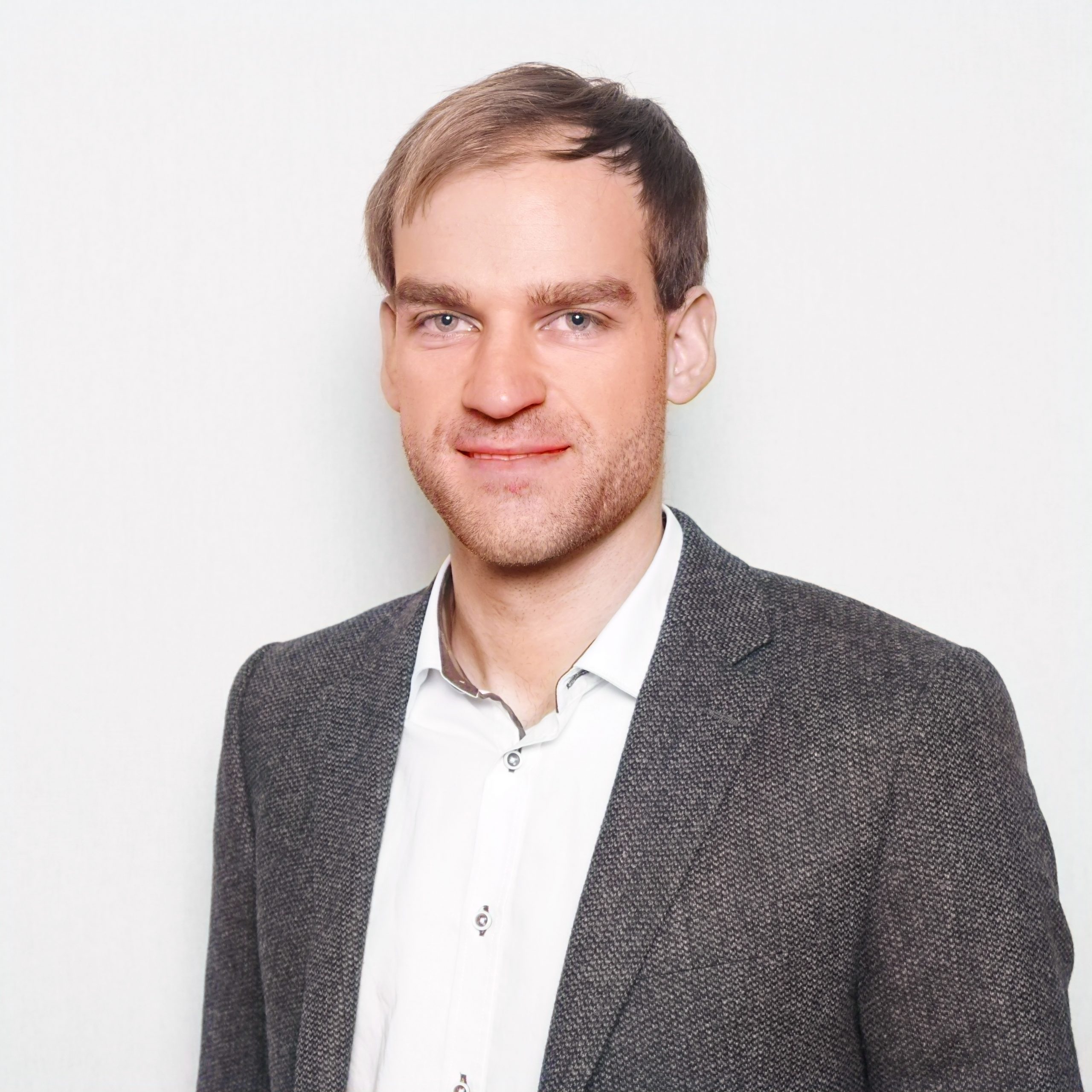
Eyad ElyanView profile
Professor
Professor Eyad Elyan is a leading academic and researcher at Robert Gordon University's School of Computing, Engineering and Technology, where he serves as a Professor in Machine Learning and Computer Vision. He is the founder and head of the Machine Vision Research Group, driving innovative research in applied computer vision and deep learning with significant industry impact. Professor Elyan's research focuses on converting complex and unstructured data into knowledge and actionable insights, with particular emphasis on learning from images, videos, and other forms of unstructured data. His work spans engineering diagrams processing, remote inspection for oil and gas installations, intelligent condition monitoring of offshore assets, predictive maintenance, biometric applications, and medical datasets analysis. His expertise in ensemble-based learning and learning from unstructured and imbalanced datasets has been successfully implemented in various real-world applications. Professor Elyan was awarded the UK Knowledge Transfer Partnership Academic of the Year Award in 2023 for his transformative work in developing pioneering AI solutions for the oil and gas sector, and was a finalist for the Scottish Knowledge Exchange Award in 2024. These recognitions highlight his exceptional ability to bridge academic research with practical industry applications. His research has been supported by various public funding bodies including Innovate UK, the Data Lab Innovation Centre, Oil and Gas Innovation Centre (OGIC), NetZero Technology Centre (NTZ), and Historic Environment Scotland. Professor Elyan has supervised twelve PhD students to completion and examined more than fifteen others. He plays an active role in the academic community as a Fellow of the British Higher Education Academy and The International Neural Network Society, and serves as the Scotland Data Lab Innovation Centre Ambassador. Under Professor Elyan's leadership, the Machine Vision Research Group has developed innovative solutions including an end-to-end system for processing Piping and Instrumentation Diagrams (P&ID), AI-driven inspection systems for oil and gas assets, and defect recognition technologies. His work demonstrates a consistent commitment to translating cutting-edge research into practical tools that address real-world challenges, particularly in the energy sector.