Jason Shahin is an Assistant Professor at the Department of Medicine , Faculty of Medicine and Health Sciences , McGill University . He serves as an Investigator at the Research Institute of the McGill University Health Centre (RI-MUHC) , specifically within the Translational Research in Respiratory Diseases Program . His academic and clinical work bridges critical care medicine and respiratory medicine at the McGill University Health Centre (MUHC) . Research Focus: Dr. Shahin specializes in risk prediction in intensive care units (ICU) , with particular emphasis on prediction tools for complex populations , including the chronic critically ill and potential organ donors . His work integrates clinical data science with translational approaches to improve ICU outcomes. Article Trends: His publications span critical care medicine , sepsis , mechanical ventilation , and organ donation . Recent studies focus on machine learning applications , probiotics in infection prevention , and blood conservation strategies in ICU settings. Key Collaborations: He contributes to large-scale trials like the LOVIT , PROSPECT , and FORECAST studies, collaborating with networks such as the Canadian Critical Care Trials Group and REVA Network .
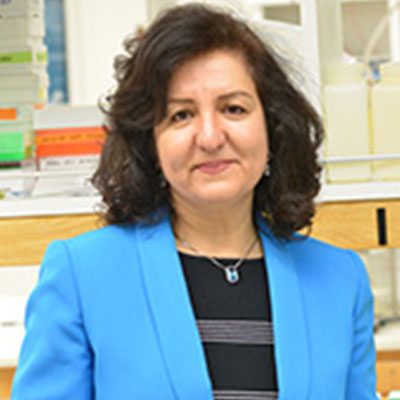
Dr. Jun-Li Liu is an Associate Professor in the Department of Medicine, Faculty of Medicine and Health Sciences at McGill University, and a Scientist at the Research Institute of the McGill University Health Centre (RI-MUHC) at the Glen site. She is affiliated with the Metabolic Disorders and Complications Program within the Centre for Translational Biology, focusing on diabetes research and pancreatic islet biology. Dr. Liu's educational background includes: BSc in Biology from Peking University, China (1978-1982) MSc in Physiology from Peking University Health Science Centre, China (1982-1985) PhD in Experimental Medicine from McGill University, Montreal, Canada (1990-1995) Postdoctoral fellowship at the National Institutes of Health, NIDDK, Bethesda, MD (1995-2000) Dr. Liu's research focuses on exploring novel growth factors that can be used to expand or preserve islet beta cells, which produce insulin, to prevent or treat diabetes mellitus. Her current work centers on CCN5/WISP2 and Reg family proteins normally produced in the pancreas, which have shown promise in rodent models of diabetes. Her laboratory investigates how these proteins promote beta-cell proliferation, survival, and regeneration through mechanisms including activation of signaling molecules like Akt and Erk1/2 kinases. The ultimate goal is to develop novel therapeutic approaches for diabetes treatment by exploiting these growth factors and their molecular targets. Her recent publications demonstrate a consistent focus on pancreatic islet biology, with particular emphasis on CCN5/WISP2 and Reg family proteins. These works span molecular mechanisms of beta-cell growth and survival, connections to diabetes pathogenesis, and potential translational applications. A significant theme across her work is understanding how growth factors might be harnessed for diabetes therapy, with implications for both type 1 and type 2 diabetes. Dr. Liu has received numerous scientific awards and recognitions throughout her career: Fellowship award from Medical Research Council of Canada (1996-1999) New Investigator Award from The Endocrine Society (1998) Fellows Award for Research Excellence from NIH (1999) Career Development Award from Juvenile Diabetes Research Foundation International (2000-2005) Travel Grant Award from The Endocrine Society (2001) John R. & Clara M. Fraser Memorial Award from McGill University (2005-2008) Chercheurs boursiers Fondamental, Senior, from Fonds de la recherché en santé Quebec (2008-2011) Dr. Liu has served on the editorial boards of the Journal of Diabetes (Blackwell Publishing) since 2008 and the Canadian Journal of Diabetes since 2017. She is also a member of the Montreal Diabetes Research Centre. Her research has been supported by various funding agencies, including the Juvenile Diabetes Research Foundation International and the Medical Research Council of Canada. She has mentored numerous graduate students and postdoctoral fellows in her laboratory. Dr. Liu leads a research laboratory at the RI-MUHC focused on pancreatic islet biology and diabetes research. Her team employs molecular, cellular, and in vivo approaches using transgenic and knockout mouse models to investigate the mechanisms by which growth factors regulate beta-cell mass and function. Current projects include studying CCN5/WISP2 and Reg family proteins in beta-cell proliferation, survival, and regeneration, with implications for diabetes therapy. They also investigate the role of Reg proteins in pancreatic ductal adenocarcinoma, exploring their potential as diagnostic markers and therapeutic targets.
Daniela Gabor is a Professor in the Department of Economics at SOAS University of London. Her research focuses on macrofinancial regimes, climate policy integration into monetary systems, and critiques of central banking practices related to decarbonization. Key affiliations: Department of Economics (ECO), SOAS University of London Associated research clusters: Centre for Financial and Management Studies (CeFiMS), Centre for Sustainable Structural Transformation (CSST) Her work explores the intersection of climate finance, macroeconomic policy, and institutional dynamics, particularly in the context of global central banks like the European Central Bank (ECB) and the Bank of England. Recent publications analyze challenges in aligning quantitative easing programs with climate goals, the role of collateral frameworks in decarbonization, and the dominance of the Wall Street Consensus in sustainable development discourse. Collaborative research with colleagues such as Y. Dafermos and M. Nikolaidi has produced influential reports and journal articles on green finance strategies for the G20 and UK. Daniela Gabor's scholarship emphasizes the need for systemic financial reforms to address climate change, advocating for active central bank participation in decarbonization efforts. Contact: dg24@soas.ac.uk
David W Parent serves as Professor in the Electrical Engineering Department at San José State University's College of Engineering. He holds office ENGR 355 with contact (408) 924-3963 and email david.parent@sjsu.edu. As co-Principal Investigator and Project Coordinator for Project Engineering Success—a five-year, $5 million Department of Education grant—he leads initiatives to improve Hispanic and low-income student outcomes in engineering and computer science through partnerships with San Jose City College and Gavilan Community College. Professor Parent's research spans two critical domains: semiconductor device engineering and innovative engineering education. His technical work focuses on neuromorphic circuits, particularly ReRAM implementations, semiconductor fabrication, MOS devices, solar cells, and MEMS technologies. His education research targets student success mechanisms for underrepresented populations, including directed self-placement exams, transfer student pathways, and faculty development for inclusive teaching practices. The Microscale Process Engineering Laboratory under his direction supports hands-on semiconductor research. Analysis of his recent publications reveals a strategic shift toward addressing systemic barriers in engineering education while maintaining technical expertise. His work demonstrates growing emphasis on Hispanic student retention, community college transfer pathways, and faculty development programs—complementing his ongoing contributions to neuromorphic hardware design. This dual focus creates meaningful bridges between advanced technical research and practical educational interventions. As co-PI of Project Engineering Success, Parent manages multiple grant-funded activities including the 3-Day Summer Faculty Workshop (focused on active learning strategies for diverse classrooms), Model Transfer Curriculum Pathways development, and industry outreach programs with partners like SEMI. He provides critical leadership in creating structured support systems that help students rapidly progress through core engineering courses at SJSU and partner institutions. Professor Parent directs several key project components: Activity 3 (Faculty Development), Activity 4 (Transfer Pathways), and Activity 5 (Industry Outreach). His laboratory work in the Microscale Process Engineering Laboratory continues to advance semiconductor research while his educational innovations reach beyond campus through partnerships with community colleges and industry. He maintains active research profiles on Research Gate, ORCID, and Google Scholar while developing course materials for EE110/EE110L and providing student success guidance for electrical engineering coursework.
Nicole Tillquist is a Postdoctoral Research Associate at the University of Connecticut in the Department of Animal Sciences. She earned her BS (2018), MS (2020), and PhD (2023) in Animal Sciences from Colorado State University and the University of Connecticut, respectively. She works in Dr. Kristen Govoni’s lab, focusing on the impacts of maternal nutrition on fetal development and offspring health in ruminant species. Education: PhD in Animal Sciences, University of Connecticut (2023) MS in Animal Sciences, Colorado State University (2020) BS in Animal Sciences, Colorado State University (2018) Her research spans nutrient restriction effects on fetal small intestine development, mineral metabolism in ruminants, and how poor maternal diet impacts offspring growth, feed efficiency, and organ function. She investigates these mechanisms using sheep models to identify pathways like hormonal dysregulation, oxidative stress, and epigenetic modifications. Her recent work includes multigenerational studies on mitochondrial function and transgenerational effects of maternal nutrition on offspring immune status, glucose tolerance, and microbiome dynamics. She has presented award-winning talks on metabolic programming in sheep and antioxidant interventions in equine health. Scientific Awards: Awardee Talk: Poor Maternal Nutrition Impacts Metabolic Factors and Glucose Tolerance in Sheep Offspring (2022) Awardee Talk: Astaxanthin Supplementation Reduces Oxidative Stress in Polo Ponies (2022) Her work in Dr. Govoni’s lab integrates ruminant nutrition with developmental biology to address how maternal dietary choices program lifelong health in livestock species.
Darko Etinger is an Associate Professor and currently serves as the Dean of the Faculty of Informatics at Juraj Dobrila University of Pula in Croatia. His academic career spans over two decades with significant contributions to the fields of information systems, educational technology, and artificial intelligence. He teaches undergraduate courses including Artificial Intelligence, Business Information Systems, Business Process Management, ICT Fundamentals, Information Systems, Introduction to Artificial Intelligence, and Multimedia Systems. At the graduate level, he teaches Development of IT Solutions, IT Management, Modelling and Simulation, and Project Management. He also supervises doctoral research in Management of Information Technologies in Education. Dr. Etinger's research interests span several key areas in computer science and education technology. He has made significant contributions to understanding how information and communication technologies can support children with special educational needs, as evidenced by his 2024 and 2025 books on the topic. His work also focuses on business process management, educational data mining, and the application of artificial intelligence in educational contexts. His 2024 book 'Introduction to R and RStudio' demonstrates his commitment to data science education. Analysis of his recent publications shows a strong focus on practical applications of technology in education and business. His work spans educational robotics, learning management systems analysis, business process modeling, and the application of large language models in healthcare. He has a particular interest in how technology can be made accessible and beneficial for diverse learner populations, including those with special needs. His research often takes a human-centered approach, examining not just the technology itself but how it's adopted and used by end users. His 2025 bibliometric analysis of metaverse security demonstrates his ability to tackle emerging technological challenges. Associate Professor at Faculty of Informatics, Juraj Dobrila University of Pula Current Dean of Faculty of Informatics Author of multiple publications on educational technology and information systems Supervisor for numerous graduate theses on educational technology topics Active participant in EDIH Adria project as evidenced by 2025 publications Researcher in educational robotics implementation in Croatian schools Dr. Etinger has advised numerous students completing their theses, with a focus on educational technology applications. His research has been published in various international conferences and journals including IEEE Engineering Management Review, Procedia Computer Science, and System Dynamics Review. His current research appears to be heavily focused on the EDIH Adria project, which is a European Digital Innovation Hub initiative focusing on technology transfer and business innovation. He maintains an active research program with publications spanning from 2003 to the present, demonstrating sustained scholarly contribution to his fields of expertise.
Brooke Coley is an Assistant Professor in Engineering at The Polytechnic School of Arizona State University . She is also affiliated with the Engineering Education Systems and Design department and serves as an Affiliate Faculty Member in the Mary Lou Fulton College for Teaching and Learning Innovation . Ph.D., Bioengineering, University of Pittsburgh B.S., Chemical Engineering, University of Maryland Research Interests include Engineering Education , Social Justice in STEM , Educational Technology , and Biomechanics . Her work focuses on virtual reality for empathy development, hidden populations in engineering, and inclusive pedagogies . She co-leads NSF-funded studies on diversity in makerspaces and identity formation for underrepresented students. Recent Publications highlight themes of anti-Blackness in STEM , equity in engineering education , and inclusive pedagogical tools . Her 2025 articles explore collaborative innovation , advisor support systems , and intersectional leadership in STEM. Scientific Awards include the Apprentice Faculty Grant from ASEE and the AAAS Science and Technology Policy Fellowship . She advocates for inclusion in research, teaching, and service and mentors the National Society of Black Engineers at ASU. Lab and Teams include NSF-funded studies on makerspaces and community college pathways . She co-facilitates international workshops on inclusive maker pedagogies and collaborates with global institutions to redefine engineering cultures .
Emanuel Petricoin is a Professor and Co-Director of the Center for Applied Proteomics and Molecular Medicine (CAPMM) at George Mason University's School of Systems Biology, a position held since 2005 with prior leadership at the FDA-NCI Clinical Proteomics Program (1993-2005). His academic affiliation spans proteomics, molecular medicine, and precision oncology within GMU's research ecosystem. His educational background includes: Ph.D. in Microbiology from the University of Maryland, College Park (1990) Dr. Petricoin pioneers clinical proteomics for personalized therapy and biomarker discovery, with seminal work in cancer signaling pathways, tumor microenvironment analysis, and diagnostic assay development. His research integrates proteogenomics, phosphoproteomics, and functional protein analysis to address therapeutic resistance in breast and pancreatic cancers. As a translational scientist, he bridges laboratory innovation with clinical implementation through FDA-regulated platforms. Analysis of his 2024-2025 publications reveals dominant themes in proteogenomic tumor characterization, KRAS/HER2 pathway dynamics, and biomarker-guided immunotherapy. Key trends include spatial proteomics of tumor heterogeneity, extracellular vesicle-mediated signaling, and quantitative assessment of drug targets for precision oncology decision-making. The work consistently emphasizes clinical applicability through CLIA-certified assays and molecular tumor boards. His scientific recognition includes: University Professorship at George Mason University NIH Director’s Award FDA Distinguished Scientist Award 2015 Innovator of the Year Award GAP50 Top Virginia Entrepreneurs Nifty 50 Award American Society of Cytopathology Basic Research Award Roche Diagnostics/CLAS Distinguished Scientist Award Harvard University Leading Edge Award Dr. Petricoin drives research commercialization as co-founder of four biotech firms (Theranostics Health, Ceres Nanosciences, C-4 Diagnostics, Perthera) and co-inventor of 40+ patents. His editorial leadership spans Proteomics, Cancer Epidemiology Biomarkers and Prevention, and other high-impact journals. He actively shapes national initiatives as a HUPO founding member and Virginia Health Research Biosciences Corporation board representative. The CAPMM under his co-direction serves as a national hub for clinical proteomics, specializing in reverse-phase protein array (RPPA) technology, laser capture microdissection, and biomarker validation for direct patient care applications. The center integrates multi-omic data to advance personalized cancer therapy through industry partnerships and clinical trial support.
Nancy McCreary Waters serves as Associate Professor in the Department of Biology at Lafayette College, where she has taught since 1985. Her instructional responsibilities include Ecology, Limnology, Environmental Biology, General Biology 102, and a VaST course in Reproductive Technology. Education Ph.D., Notre Dame University Research Focus : Dr. Waters investigates freshwater ecosystem dynamics with emphasis on population/community-level phenomena and physiological adaptations to environmental stressors. Her work spans stream invertebrate distribution, aquatic macrophyte-invertebrate interactions, and mercury toxicity pathways in polluted ecosystems. Laboratory approaches integrate field sampling, greenhouse mesocosms, and analytical chemistry to examine competition, disturbance responses, and bioremediation potential. Publication Trends : Recent work (2000-2005) demonstrates consistent focus on macroinvertebrate community responses to reservoirs, colonization timelines, and pollution impacts. Publications frequently feature undergraduate co-authors examining diel limnological cycles and mercury-resistant bacterial symbiosis, reflecting her commitment to student-integrated research in applied freshwater ecology. Mentorship & Training : She supervises academic-year and summer research projects through programs like the Nalven Summer Fellowship. Student collaborations address stream invertebrate colonization, macrophyte competition dynamics, and effluent pollution impacts, with outcomes presented at conferences like Sigma Xi and the National Conference for Undergraduate Research. Laboratory Operations : The Waters lab conducts multi-method investigations of freshwater systems using field sites in New Jersey streams and lakes. Current projects analyze mercury-bacteria-plant interactions, macroinvertebrate community assembly on artificial substrates, and physiological adaptations of submersed macrophytes under nutrient stress.
Kelly Bass serves as Associate Professor and Faculty Chair in the Department of Social Work at the University of South Dakota, directing the Child & Adult Advocacy Studies (CAASt) program. His clinical expertise spans forensic evaluations, crisis intervention, and therapeutic treatment for vulnerable populations across criminal justice, mental health, and welfare systems. His educational background includes: Doctorate in Social Work (DSW), Clinical Social Work, University of Tennessee - Knoxville, 2015 MS, Advanced Generalist Social Work, University of Nebraska at Omaha, 2001 BS, Generalist Social Work, University of Sioux Falls, 1998 Bass focuses on clinical supervision frameworks, interprofessional education, and trauma-informed interventions for at-risk youth and families. His research examines service delivery integration at healthcare-discipline intersections and outcomes improvement for mentally ill populations within institutional systems. Recent publications reveal a strong emphasis on culturally relevant case studies, advocacy curriculum development, and ACEs mitigation through neuroscience-informed practice. His scientific recognition includes the 2023 IPEC Excellence Award Honorable Mention and multiple Belbas-Larson Teaching Award nominations. Current grants like HRSA's COMPASS initiative ($1.2M) address South Dakota's behavioral health workforce shortages through innovative training pipelines, while the NCWWI case-based learning project enhances child maltreatment practitioner competencies. Bass leads the CAASt certificate program and serves as an ASWB Path to Licensure Scholar, developing national curricular guides for licensing regulation. His clinical supervision research informs the COMPASS grant's mentorship framework, creating sustainable pipelines for rural mental health professionals through university-community partnerships.
Dr. Stephanie de Alcantara Fernandes is a Minerva Fast Track Group Leader at the Max Planck Institute for Biology of Ageing in Cologne, Germany, where she leads research on muscle metabolism and aging. Her laboratory investigates how spatial and functional regulation of mTORC1 signaling influences skeletal muscle health, growth, and regeneration throughout the lifespan, with implications for understanding and promoting healthy aging. Dr. Fernandes completed her academic training through a distinguished path: PhD in Biology (Summa cum laude, with distinction), University of Cologne/Max Planck Institute for Biology of Ageing (2017-2023) Master of Science in Genetics, University of São Paulo (2015-2017) Bachelor of Science in Biological Sciences, University of São Paulo (2009-2014) Exchange year at University of Birmingham, UK (2013) Her research focuses on skeletal muscle biology, particularly the balance between anabolic and catabolic processes that maintain muscle health. Dr. Fernandes investigates how mTORC1 (mechanistic Target of Rapamycin Complex 1), a central signaling hub, is spatially organized within cells to selectively regulate specific cellular functions in response to different nutrient sources. Her work reveals that mTORC1 is not simply "on or off" but can be finely tuned to control distinct processes in different cellular compartments, particularly in skeletal muscle cells. A key aspect of her research examines how these regulatory mechanisms change with age, contributing to age-related muscle loss (sarcopenia). By understanding the molecular basis of muscle maintenance and regeneration, her laboratory aims to identify targets for interventions that could promote healthier aging and prevent age-related decline in muscle function. Analysis of Dr. Fernandes' publication record shows a clear trajectory of increasingly independent research focused on mTORC1 signaling, nutrient sensing, and their roles in aging and muscle biology. Her most recent work demonstrates sophisticated understanding of mTORC1's spatial regulation, revealing how different pools of mTORC1 respond to distinct amino acid sources to control specific cellular processes. This research bridges fundamental cell biology with translational applications for aging-related conditions. Dr. Fernandes has received numerous prestigious awards recognizing her scientific excellence: Minerva Fast Track Fellowship (2025) - Group Leader Position for Outstanding Female Scientists from Max Planck Society Graduate School for Biological Sciences (GSfBS) doctoral award for 2023 (2025) World Muscle Society Fellowship (2016) Cologne Graduate School of Ageing Research fellowship (2017-2020) Master's scholarship from São Paulo Research Foundation (2015-2017) Science Without Borders Scholarship from Brazilian Council for Scientific and Technological Development (2013) As a newly appointed Group Leader through the Minerva Fast Track program, Dr. Fernandes is establishing her independent research program with substantial institutional support. Her laboratory combines advanced techniques including high-throughput omics approaches (proteomics, metabolomics), molecular biology, biochemistry, cell biology, and super-resolution microscopy. She utilizes multiple model systems including mouse models, skeletal muscle cell lines, and iPSC-derived skeletal muscle cells to identify evolutionarily conserved mechanisms relevant to human health. Dr. Fernandes leads the Minerva Fast Track Group at the Max Planck Institute for Biology of Ageing, which focuses specifically on "Muscle metabolism and aging." Her team investigates how selective mTORC1 signaling is coordinated between different skeletal muscle cell types and how it changes with age, with the ultimate goal of understanding how muscle health can be maintained throughout life.
Prof. Juliette Legler is a Professor of Toxicology at Utrecht University's Institute for Risk Assessment Sciences (IRAS), within the Faculty of Veterinary Medicine. She leads the Division of Toxicology and previously headed the Department of Population Health Sciences (2020–2022). Her research focuses on environmental contaminants' molecular mechanisms, particularly endocrine-disrupting chemicals (EDCs), microplastics, and metabolic disorders. She coordinates major EU projects like GOLIATH (testing metabolism disruptors) and the Microplastics and Human Health Consortium (MOMENTUM), investigating fetal exposure risks. She also leads the Virtual Human Platform for Safety Assessment (VHP4Safety), advancing animal-free testing methods. Education and Career: Before Utrecht, she held roles at Brunel University London (2018) and Vrije Universiteit Amsterdam (2001–2015), where she became a Professor of Toxicology in 2013. She is a European Registered Toxicologist and former President of the Netherlands Society of Toxicology (2019–2022). Research Interests: Her work spans EDC impacts on human and wildlife health, microplastic exposure in fetal environments, and developing in vitro models to replace animal testing. Key projects include the EURION and ENKORE clusters for EDC research and the AFARA project for regulatory acceptance of non-animal assays. Publications and Awards: Over 100 publications, including landmark studies on microplastics and EDCs. Awards include the Poulsson Prize (2018), EUROTOX Lecture Award (2024), and ZonMw Pearl Award for microplastics research. She also received the VENI and VIDI grants from NWO. Grants and Projects: Coordinates €11.4M NWO projects (VHP4Safety, AFARA) and European H2020 initiatives (GOLIATH, AURORA). Her work bridges academia, industry, and policy to address environmental health challenges. Labs/Teams: Active in IRAS, leading cross-disciplinary teams in toxicology, in vitro modeling, and environmental health. Collaborates with global networks like the EURION and AURORA consortia.
Mansoureh Eghbali, PhD, is a Professor in the Department of Anesthesiology at the David Geffen School of Medicine, University of California, Los Angeles. Her research program investigates molecular mechanisms of cardiovascular and pulmonary diseases with emphasis on sex-specific pathophysiology. She leads an active NIH-funded laboratory focused on pulmonary hypertension, myocardial ischemia-reperfusion injury, and the role of RNA-binding proteins in vascular remodeling. Her research integrates multiomics approaches to explore: Sex chromosome influences (Y-gene Uty) in pulmonary vascular protection MicroRNA regulation of cardiac fibrosis and calcification (e.g., miR-129-5p/Asporin axis) Gut-heart-lung interactions in diet-induced pulmonary hypertension Endothelial subpopulations (TM4SF1+) in disease progression Analysis of her recent publications reveals strong emphasis on: Integrative multiomics in vascular diseases Sex differences in drug responses Novel therapeutic targeting of RNA-binding proteins Cross-organ communication in cardiopulmonary pathologies She directs multiple NIH grants including: R01HL159865: Role of Chromosome Y gene, Uty (2021-2025) R01HL147586: Role of miR125 in pulmonary hypertension (2019-2023) R01HL129051: Role of miR193 in oxidized lipid-induced PH (2016-2021) R01HL131182: Epigenetic regulation by X chromosome (2016-2021)
Sanjiv Sinha is a Professor in the Department of Mechanical Science and Engineering at the University of Illinois, serving as the Associate Head for Undergraduate Programs. He is also affiliated with the Micro and Nanotechnology Lab. His research focuses on thermal conductivity, nanomaterials, thermoelectrics, energy storage, and advanced manufacturing. Key contributions include innovations in thermochemical energy storage systems, nanowire thermal properties, and hybrid material fabrication techniques. Sinha has been recognized with prestigious awards including the DARPA Young Faculty Award (2011) and NSF CAREER Award (2010). His recent work spans hydrogel thermal characterization, nanoporous crystalline materials, and intracellular thermometry. Articles highlight interdisciplinary approaches to energy systems, environmental engineering, and biomedical applications. Ongoing projects include developing smart water management systems and advanced thermal interfaces for electronics cooling. Collaborations emphasize sustainable technologies and nuclear materials science. Research Highlights: Thermoelectric materials, nanostructured phase change systems, and ultrasonic welding of metal-polymer composites. Grants & Funding: Supported by DARPA, NSF, and industry partnerships focused on thermal energy storage and nanofabrication. Labs & Teams: Leads the Micro and Nanotechnology Lab, collaborating with interdisciplinary teams in materials science and energy engineering.
Luca Barra is Full Professor of Television and Digital Media at the Department of Arts, University of Bologna. His research focuses on media studies, particularly television history and contemporary evolution, transnational circulation of content, serialization, and comic/humorous genres. He has coordinated the Master's Degree in Information, Cultures and Media Organization since 2021 and serves as editor-in-chief of VIEW. Journal of European TV History and Culture. University of Bologna, Department of Arts Research areas: Television History, Transnational Media, Digital Transformation, Italian TV Production Barra's work examines the international mediation of ready-made TV formats, Italian streaming partnerships, and the cultural implications of digital television. His recent articles analyze dystopian narratives, sitcom reception in Italy, and the redefinition of celebrity during the pandemic. He contributes to academic discourse through editorial roles in journals like SERIES and Comunicazioni Sociali. His publications include monographs on Italian television programming, sitcoms, and co-edited volumes exploring European premium TV fiction and digital media frameworks. Barra has led research projects such as ATLas and F-ACTOR, and collaborates with international institutions including Brown University and NECS.