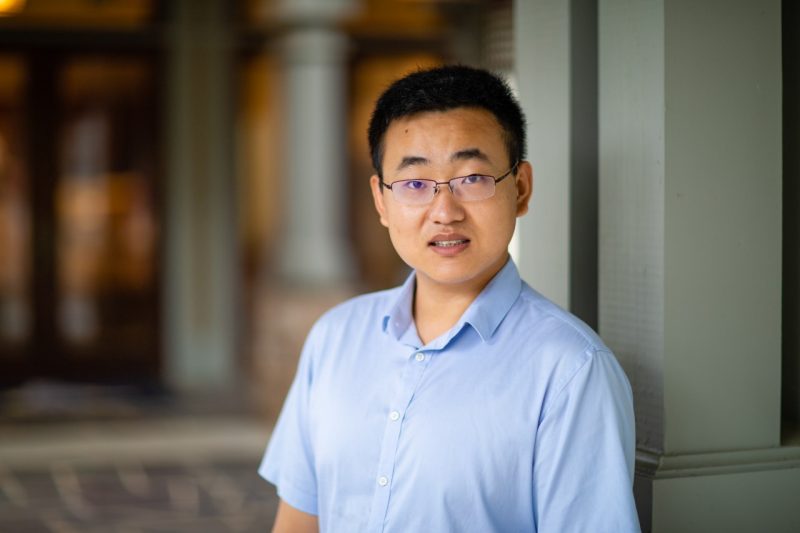
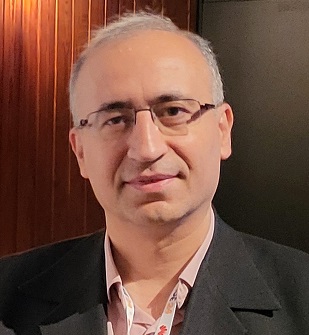
Peng Gao is an Assistant Professor in the Department of Computer Science at Virginia Tech. He is affiliated with the Virginia Tech Security & Intelligence Lab and holds a Ph.D. in Electrical Engineering from Princeton University. Prior to his faculty position, he was a postdoctoral researcher at UC Berkeley and held research internships at Microsoft Research, Facebook, and NEC Laboratories America. Education includes a B.Eng. from Shanghai Jiao Tong University (2009-2013), M.A. and Ph.D. from Princeton (2013-2019), and an exchange program at the University of Hong Kong (2012). Key roles include Technical Program Committee memberships for conferences like IEEE S&P, USENIX Security, and CCS. Research focuses on Cybersecurity (APT prevention, network security with P4/eBPF) AI applications (LLMs for security, AI safety) Systems security (attack investigation, threat intelligence) AI for science (molecular/materials prediction) Notable awards include the 2022 Amazon-VT Initiative Faculty Award, CCI Fellowships, and multiple best paper nominations. His lab has received grants from CCI, NSF, and industry partners like Google Cloud and Cisco. Teaching includes courses on Principles of Computer Security (CS 4264) and Blockchain Technologies (CS 5594). He advises ~20 students across Ph.D., MS, and undergraduate levels.
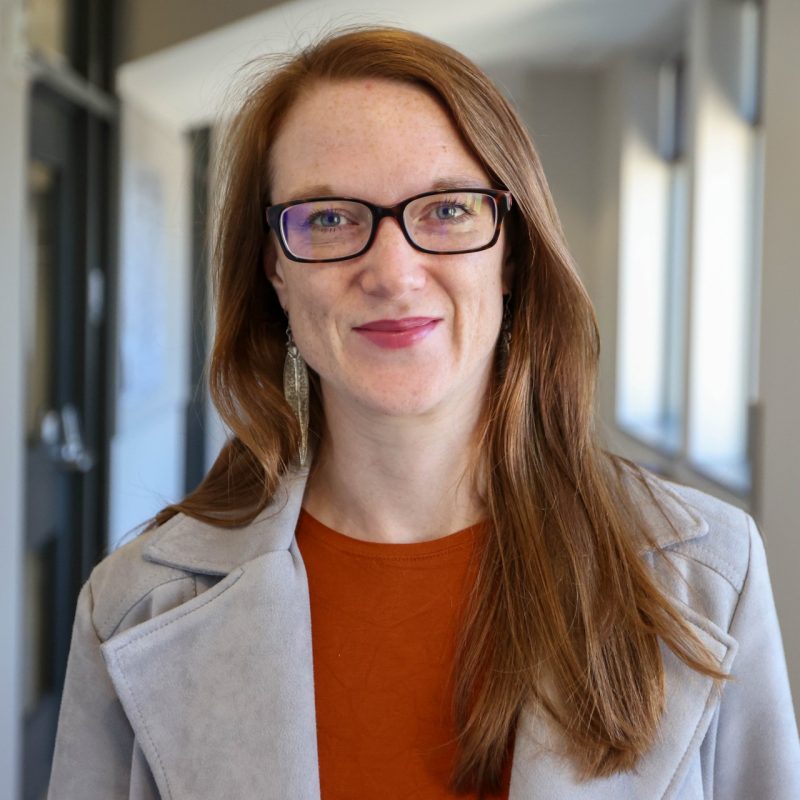
Valerie Welborn is an Assistant Professor in the Department of Chemistry within the College of Science at Virginia Tech. Her research program focuses on multiscale simulation of condensed phase systems, particularly examining the role of electric fields in biological interfaces and biological-like systems. She leads an active research group that bridges computational chemistry with experimental validation through multiple collaborations. Dr. Welborn's research interests span protein dynamics and function, characterization of structural and functional water, polysaccharides in solution, and polymer design for metal chelation. Her work combines morphological, structural, dynamic and electronic factors to develop new models of biological interfaces, with particular emphasis on how water interacts at a fundamental molecular level with biological entities such as proteins and bone tissues. She specializes in electric field calculations to understand protein flexibility in catalysis and ion transport, seeking to reconcile protein dynamics with electrostatic preorganization theory. Her recent publications demonstrate strong activity across multiple domains, with particular emphasis on electric field analysis in protein function, water dynamics at biological interfaces, and polymer design for metal chelation. Her work shows a consistent trajectory toward increasingly complex biological systems and more sophisticated computational approaches, including polarizable force field methods and multiscale modeling techniques. Centre for Doctoral Training (CDT) on Theory and Simulation of Materials (TSM) Ph.D. Prize for Research Excellence, 2014 Outstanding Contribution to Outreach and Public Engagement, CDT TSM, 2014 Engineering and Physical Sciences Research Council (EPSRC) fully-funded Ph.D. Fellowship, CDT TSM, 2011 Editor-selected as '2021 Hot PCCP article' Front cover article in Phys. Chem. Chem. Phys. Dr. Welborn actively mentors a diverse group of researchers, including multiple postdoctoral associates, graduate students across chemistry and related disciplines, and undergraduate researchers. Her lab participates in the NSF Materials Innovation Platform GlycoMIP (DMR-1933525), focusing on polysaccharide research. She collaborates extensively with experimental groups, particularly with Professor Michael Schulz on polymer design for metal chelation projects. Her lab develops computational tools like the ELECTRIC software package for electric field calculations in biomolecular systems. The Welborn group maintains active research programs in four main areas: protein dynamics and function, characterization of structural and functional water, polymer design for metal chelation, and polysaccharides in solution. Each program employs specialized computational approaches to address fundamental questions in biological chemistry, with particular emphasis on how electric fields govern molecular behavior at biological interfaces.
Jonathan Perris is a DPhil Candidate at Oriel College, University of Oxford , specializing in British Romanticism, cultural history, and medical humanities. He works as a Tutor for English literature and supervises undergraduate dissertations at the Middlebury-CMRS Oxford Humanities Program . Research Focus: Romantic nationalism, epidemiological metaphors in literature, imperialism, transatlantic slavery, and Enlightenment philosophy. Key Publications: Studies on William Blake, Thuggee sensationalism, and intersections of abolitionism and religion in Romantic texts. Scientific Awards: Recipient of the BSECS Bursary Award for conference participation. Teaching: Develops syllabi and tutorials on 18th-19th century British literature, covering topics like satire, Gothic literature, and Romantic Orientalism.
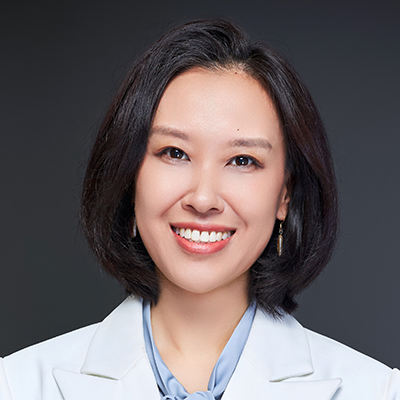
Dr. Juan Song is a **Professor** and **Jeffrey Houpt Distinguished Investigator** in the Department of Pharmacology at the University of North Carolina (UNC) School of Medicine. Her research focuses on adult neurogenesis mechanisms, neural circuit regulation, and applications to neuropsychiatric disorders and neurodegenerative diseases such as Alzheimer’s. She leads the Song Lab, which employs advanced techniques like optogenetics, electrophysiology, and genetic models. Dr. Song earned her Ph.D. from UC Berkeley and completed postdoctoral training at Johns Hopkins University before establishing her independent lab at UNC in 2013. She was promoted to Full Professor in 2023. **Education**: Ph.D. in Neuroscience, University of California, Berkeley (2007); Postdoctoral Fellowship at Johns Hopkins University (2007–2013). **Research Interests**: Circuit mechanisms regulating adult neurogenesis, hippocampal neurogenesis and memory, Alzheimer’s disease modeling, and translational therapies. Her lab explores how neural circuits influence stem cell activation and newborn neuron integration, with implications for schizophrenia, autism, stroke, and Alzheimer’s. **Publications**: Over 50 peer-reviewed articles, including high-impact work in *Cell Stem Cell*, *Nature Neuroscience*, and *Neuron*. Recent studies focus on cholinergic circuits in neurogenesis, hypothalamic modulation of cognitive function, and G9a inhibitors for Alzheimer’s. **Advising & Grants**: Mentors postdocs, graduate students, and undergraduates. Active in training programs like BBSP and MSTP. Her lab collaborates on projects involving neural stem cell regulation and circuit-based therapies. **Lab & Affiliations**: Song Lab (UNC Neuroscience Center) develops innovative tools like transdermal drug delivery systems and employs cutting-edge imaging techniques. Collaborates with institutions globally on neurodegenerative disease research.
Olufisayo Omojokun is the Associate Dean for Undergraduate Education and Principal Lecturer at Georgia Tech's College of Computing. He also serves as the inaugural chair of the School of Computing Instruction and is affiliated with the Online Master of Science in Computer Science (OMSCS) program. His roles include curriculum innovation and teaching across diverse areas like computer law, entrepreneurship, and software development. Education: B.S. in Computer Science, Virginia Commonwealth University (1999) M.S. in Computer Science, University of North Carolina at Chapel Hill (2001) Ph.D. in Computer Science, University of North Carolina at Chapel Hill (2006) Research interests span mobile computing, networking, ethical/legal issues in technology, recommendation systems, and educational technology. He emphasizes practical applications of computing in entrepreneurship and online learning, as seen in his development of video-based content for CS 1331's online section. Awards: Institute's Co-Curricular Innovation Award (2022) College's William D. 'Bill' Leahy Jr. Outstanding Instructor Award (2021) Institute's Curriculum Innovation Award (2019) Jim Pope CREATE-X Faculty Fellow (2020) Teaching highlights include courses such as CS 4010 (Introduction to Computer Law), CS 4853-X (CREATE-X Capstone), and online variants of CS 1331. He also trains graduate TAs through CETL 8000/8801 courses. His work with the Laboratory for Interactive Artificial Intelligence (postdoc, 2006) contributed to research in user interfaces and device interaction.
Les A. Gellis is a Teaching Professor of Psychology at Syracuse University's College of Arts and Sciences. He holds a Ph.D. in Clinical Psychology from the University of Memphis (2006) and a B.A. in Psychology from SUNY Albany (1995). His research focuses on insomnia treatment, sleep behaviors in college students, cognitive interventions, and the intersection of sleep with substance use. Current projects include smartphone app development for sleep measurement and exploring disparities in sleep health. He teaches courses like Abnormal Psychology and Laboratory in Health Psychology. Dr. Gellis has received significant grants, including a National Institute on Alcohol Abuse and Alcoholism award (2019–2025) for studying sleep-alcohol associations in youth. He also leads innovative projects like the sleep experience assessment app funded by CUSE Grants. He actively contributes to academic governance, serving on committees such as the CAS Faculty Council and Psychology Department Strategic Planning Committee. As a clinical supervisor, he oversees the Psychological Services Center and mentors undergraduate research through programs like STAHR-U.
Owen Cramer is the Moses Clement Gile Professor of Classics at Colorado College, where he has been a faculty member since 1965. He revived the Classics program after a decade-long hiatus and contributed to curriculum development in multiple disciplines. His academic background includes a PhD from the University of Texas, an undergraduate degree from Oberlin College, and early studies at the University of Chicago. Education: PhD in Classics (University of Texas), BA (Oberlin College), faculty child at University of Chicago His research interests center on Homer and oral poetry, with publications in Homeric studies. Over time, his scholarship expanded into European and American literature and history. He co-founded the Comparative Literature program, co-teaching introductory courses and advanced seminars. He also engaged with the Romance Languages and Spanish Departments. Outside academia, Cramer sings tenor in the CC Choir and has a family with four sons and eight grandchildren. His career has bridged classical studies with broader literary and historical inquiries.
Michele Ewing is a Professor in the School of Media and Journalism at Kent State University, part of the College of Communication & Information. With over 30 years of experience in public relations practice and education, she specializes in integrating digital and social media strategies into curricula. She teaches courses like PR Tactics, PR Campaigns, and pioneered the Digital Public Relations course. As PRSSA Kent faculty adviser, she led the chapter to national awards, including 2019 and 2014 Outstanding Chapter distinctions. Her research focuses on internal communication, leadership development, and digital engagement, addressing challenges like fake news management and AI ethics in PR. Education: B.A. in Speech Communication/Telecommunications from Youngstown State University and M.A. in Public Relations from Kent State University. She previously served as vice president at Marcus Thomas LLC, contributing to healthcare and internal communication strategies. Research highlights include exploring data analytics in PR leadership, social media's role in employee engagement, and mitigating fake news crises. Her work emphasizes bridging academic and professional PR practices, with notable contributions to PRSA's standards and pedagogy innovation. Awards include the 2014 Davis Young Award for mentoring and induction into PRSA College of Fellows. Advocacy and grants: Advised student teams achieving national recognition, such as the 2019 PRSA East Central District Diamond Award for the Donate Life Ohio campaign. She has shaped PRSSA Kent into a model chapter, fostering student leadership and professional readiness. Labs/Teams: Actively involved with the Public Relations Student Society of America (PRSSA) and the School of Media and Journalism's academic leadership committees. Her research collaborates with industry practitioners to address modern PR challenges like AI ethics and data-driven strategies.
Kristen Diliberto-Macaluso is a Professor of Psychology and Director of Undergraduate Research at Berry College, located in the Department of Psychological Science. She holds a Ph.D. from the University at Albany, SUNY (1996-1999), and has served in roles including Department Chair (2007-2013), Coordinator of the George Scholar Program, and has been a faculty member since 1999. Her research focuses on cognitive processes such as false memory, perceptual pop-out effects, and the interplay between emotion and memory. She also investigates practical applications like using mobile apps to enhance student learning and the psychological impacts of art. Recently, her work includes studies on academic burnout among students and autobiographical memory in Latino immigrants. Dr. Diliberto-Macaluso is deeply engaged in mentoring undergraduate researchers. Her articles span topics from religious schema activation to educational technology, emphasizing applied cognitive science. She actively participates in professional organizations like the Society for the Teaching of Psychology and the Psychonomic Society. Her teaching interests include cognitive psychology, research methods, and eyewitness memory. She has consistently integrated innovative pedagogical strategies into her courses, such as app-based learning tools, as highlighted in her Teaching of Psychology publication.
Dr. Angelika Niemz is the Finnigan Professor of Applied Life Sciences and Dean of the Riggs School of Applied Life Sciences at Keck Graduate Institute. She holds a PhD in Chemistry from the University of Massachusetts Amherst (1999) and a bachelor's degree from the University of Konstanz, Germany (1992). Her expertise spans medical diagnostics, nucleic acid testing, and infectious disease research. Dr. Niemz has held progressive roles including Assistant Professor (2002), Associate Professor (2008), Director of Research (post-sabbatical 2009), Department Chair (2021), and Associate Dean (2022). Her research focuses on developing point-of-care diagnostic systems for infectious diseases like tuberculosis, Chlamydia, and Dengue fever, integrating isothermal amplification and lateral flow detection technologies. She has secured funding from NIH, NSF, and DoD, and organized a summer undergraduate research program at KGI. Research Interests: Dr. Niemz specializes in translating molecular diagnostics into practical tools for global health challenges. Her work emphasizes low-cost, rapid nucleic acid testing systems for resource-limited settings, including innovations in sample preparation, isothermal amplification methods, and Raman-based sensor technologies for volatile biomarkers. Her team has developed integrated sample-to-answer platforms for tuberculosis diagnosis and mechanical bacterial lysis devices for robust pathogen detection. Advising & Grants: Dr. Niemz has directed externally funded research projects totaling over $X million, managed multidisciplinary teams, and mentored numerous graduate students in bioengineering and applied life sciences. Her administrative leadership includes overseeing faculty development as Associate Dean and advancing interdisciplinary programs at KGI. Current initiatives focus on expanding point-of-care technologies and fostering industry partnerships in diagnostic innovation. Labs & Teams: Her laboratory at the Riggs School develops integrated diagnostic systems combining microfluidics, molecular biology, and sensor engineering. Collaborations include partnerships with Roche Molecular Diagnostics and global health organizations to deploy field-ready diagnostic tools.
Ana Andrés Payán is a Lecturer in Chemical Engineering at the University of Cantabria, Spain. Her research focuses on Sustainable Environmental Management of hazardous wastes and marine sediments, with contributions to the development of eco-efficient construction materials using industrial byproducts. She has collaborated on R+D projects at European and national levels, emphasizing both academic and industrial partnerships. Since 1992, she has taught Chemical, Industrial, and Marine Engineering courses at the undergraduate level and contributed to postgraduate programs with quality awards. Her work integrates environmental toxicology, materials science, and waste management to address sustainability challenges. Key research areas include recycling industrial byproducts into construction materials (e.g., slag, fly ash), assessing ecotoxicological impacts via bioassays (luminescent bacteria, sea urchin embryogenesis), and optimizing waste management strategies through multi-criteria analysis. She emphasizes circular economy principles and collaboration with industry to achieve sustainable outcomes. Her publications (2025–2021) highlight innovation in alkali-activated binders, eco-toxicity testing, and material durability. No scientific awards are listed, but her work has been applied in regional planning and industrial ecology initiatives. She leads research in the GER group , focusing on environmental and materials science applications.
Donna Marley is a Senior Lecturer in Adult Nursing Practice at the University of Sunderland. She is a Registered Adult Nurse and member of the Nursing and Midwifery Council (NMC), with a clinical background in urology and public health. Her current roles include module lead for NRS200 Application of Evidence-Based Practice for Nurses (a Level 5 module), and part-time Deputy Faculty Academic Support. She also serves as the Academic Integrity Lead for the undergraduate adult nursing course and Clinical Link for PIVO spoke placements. Teaching focuses on clinical skills/simulation, public health, and research methodology across years 1-3 of the BSc (Hons) Adult Nursing Practice program. Research interests include public health strategies in healthcare and widening participation in higher education. Current research project: Investigating first-year nursing students' use of Studiosity prior to submitting NRS100 assessments. She supports student academic development and clinical placement diversity through her roles. Contact: 0191 515 3629, based at City Campus.
Dr. Yi-Qian Nancy You is a Professor in the Department of Colon & Rectal Surgery at The University of Texas MD Anderson Cancer Center. She also holds dual appointments as Associate Professor in the Department of Clinical Cancer Prevention and Assistant Professor at the University of Texas Health Sciences Center at Houston. Her clinical focus is personalized surgical care for colorectal cancer, emphasizing sphincter-preservation, quality-of-life, and long-term survivorship. She is the Medical Director of the Familial High-risk Gastrointestinal Cancer Clinic, specializing in inherited cancer syndromes. Her research addresses hereditary cancer predisposition and young-onset colorectal cancer, focusing on clinical registries, quality improvement, and cancer genetics. Education: Harvard University (undergraduate), Mayo Clinic College of Medicine (MD), Duke University (MHSc in Health Sciences). Fellowship in Clinical Surgical Oncology with the American College of Surgeons Oncology Group. Research Interests: Dr. You’s work spans hereditary cancer syndromes, surgical innovations for colorectal cancer, and translational studies to optimize patient outcomes. She leads efforts in clinical trials for gastrointestinal cancers and advocates for early detection in young adults. Her program integrates genetic counseling, preventive strategies, and multidisciplinary care. Awards: Fellow of the American College of Surgeons (FACS) Leadership & Roles: Associate Medical Director of the Clinical Cancer Genetics Program and Affiliate Faculty in Clinical Cancer Genetics. Active in education, mentoring, and clinical trial development through ALLIANCE for Clinical Trials in Oncology. Clinical Contributions: Pioneers minimally-invasive colorectal surgery techniques and directs programs addressing young-onset colorectal cancer. Collaborates with the Young-Onset Colorectal Cancer Program and Gastrointestinal Cancer Center to improve patient care and survivorship.
Abbas Heydarnoori is an Assistant Professor in the Department of Computer Science at Bowling Green State University (USA) since 2022, and previously held a faculty position at Sharif University of Technology (Iran) from 2012 to 2022. He earned his Ph.D. in Computer Science from the University of Waterloo (Canada, 2009), and M.Sc. and B.Sc. in Software Engineering from Sharif University of Technology (2001 and 1999). His research focuses on AI-driven software engineering (AI4SE/SE4AI), leveraging data science and AI to address challenges like fault localization, bug prediction, and code comprehension. He analyzes software repositories (e.g., GitHub, Stack Overflow) to improve developer productivity and software quality. He has contributed to tools like CrowdSummarizer and ExceptionTracer, and his work spans topics such as microservices architecture, API usage analysis, and code summarization. Teaching includes graduate/undergraduate courses on AI for Software Engineering, Database Systems, and Software Engineering. His service roles include editorial board membership at Science of Computer Programming , and PC membership in conferences like MSR, SANER, and FSE. His research group actively publishes on automated code analysis, documentation generation, and developer productivity tools, with a focus on empirical and data-driven approaches.
Karine GAGNÉ is an Assistant Professor at the School of Psychoeducation, University of Montreal, within the Faculty of Arts and Sciences. Her research focuses on parental mentalization (both verbal and non-verbal), parent-child relationships, socio-emotional development, and clinical processes. She holds affiliations with the Centre de recherche sur les jeunes et les familles (CRUJeF) and the Ordre des psychoéducateurs et psychoéducatrices du Québec (OPPQ). Education: PhD in Psychoeducation (University of Sherbrooke, 2021), Master's in Psychoeducation (2014), and Bachelor's in Psychology (UQAM, 2011). Active in teaching, she instructs courses like PSE-4001 and PSE-66112, and contributes to programs in psychoeducation at undergraduate and graduate levels. Her recent projects include studies on parental mentalization profiles, migration trajectories and parenting, and embodiment in mentalization. Key awards include the 2022 Prix Relève Étoile Paul Guérin-Lajoie and a Joseph-Armand Bombardier Doctoral Scholarship (2017–2020). Grants include funding from the CRSH for projects on mentalization-based interventions and parental attachment dynamics. Labs/Teams: CRUJeF, where she is a regular researcher, focusing on youth and family research.