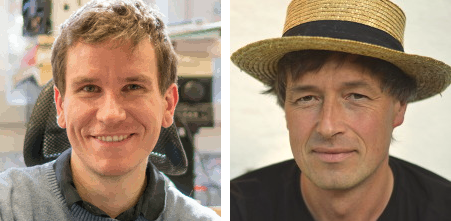
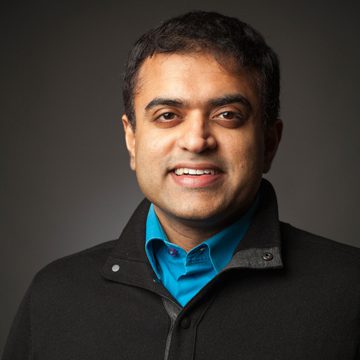
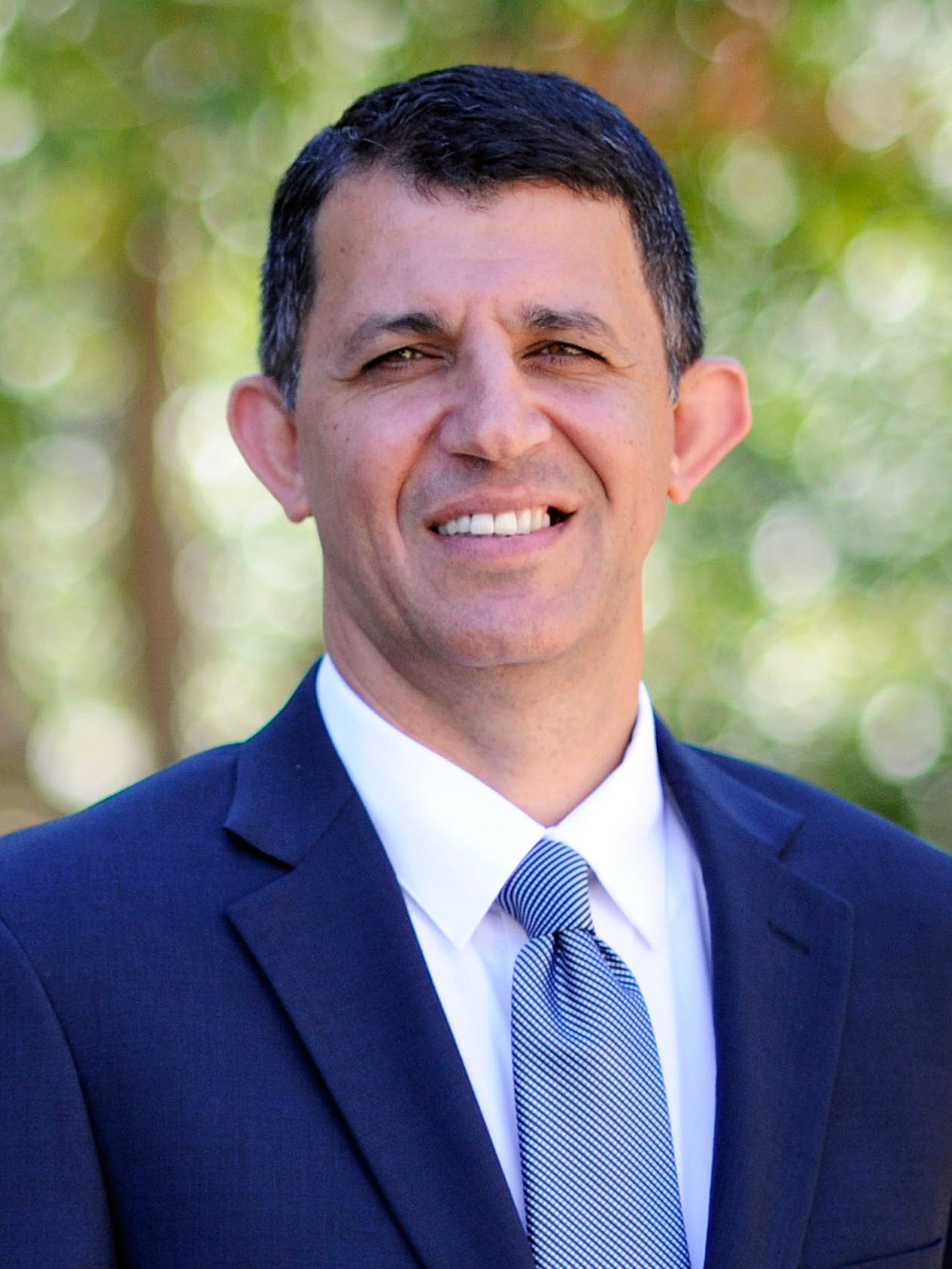
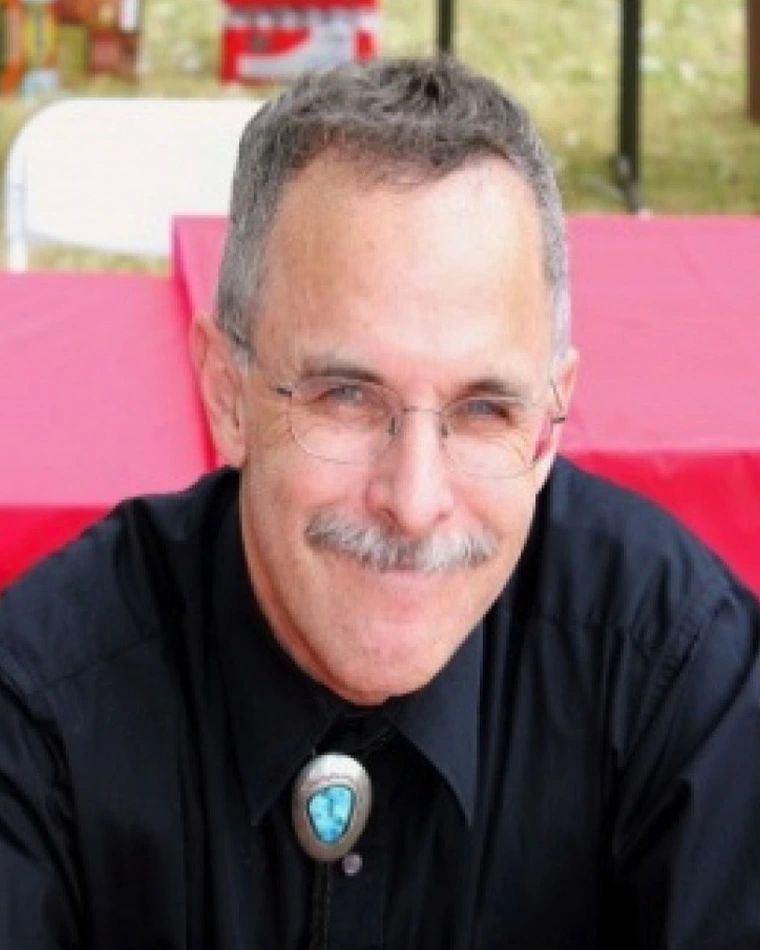
Prof. Dr. Jörg E. Drewes is a Full Professor and Chair at the Research Institute for Urban Water Management, Technical University of Munich (TUM), Germany. He also serves as Academic Program Director for Environmental Engineering at TUM and is a co-founder of Waterloop Solutions GmbH. His work spans advanced water treatment technologies, wastewater reuse, and environmental health surveillance. Affiliations : TUM, Colorado School of Mines, King Abdullah University of Science and Technology, UNSW Water Research Centre Research focuses on advanced oxidation processes , membrane fouling mitigation , micropollutant removal , and wastewater epidemiology for public health. His team develops integrated systems for water-energy-food nexus applications and graphene oxide-based treatment solutions. Recent publications address PFAS remediation , UVC-LED pre-treatment for biofouling control, and GIS-based wastewater surveillance models . Awards include the Bayerische Staatsmedaille (2023) and William Dunbar Medal (2022). 2023 : Bayerische Staatsmedaille 2022 : William Dunbar Medal 2018 : IWA Fellow He leads the Nexus@TUM initiative and contributes to EU water resilience strategies. Collaborations include projects in Germany, China, India, and Spain, focusing on climate-resilient water systems and resource recovery .
Terry C. Lansdown is an Associate Professor in the School of Social Sciences and Department of Psychology at Heriot-Watt University. His expertise lies in Human Factors, particularly focusing on driver safety, workload management, and attentional distraction in transportation contexts. Prior to his academic role, he worked as a senior researcher at the Transport Research Laboratory, contributing to numerous EU-funded and government-sponsored projects. His research integrates ergonomics principles with real-world applications, addressing issues like automated driving systems, social distractions in vehicles, and occupational health in construction industries. Key research interests include: Driver behavior and road safety Human factors in automated systems Workload and attentional demands in complex tasks Health and safety in small-to-medium enterprises (SMEs) He has led studies on pandemic response strategies, such as the CHARIS project analyzing behavioral adherence during the COVID-19 crisis. Lansdown’s work frequently bridges psychological theory with practical interventions, including text messaging campaigns to improve construction worker safety and experimental designs to evaluate automation failure responses. Collaborations span academic and industrial sectors, with publications addressing topics ranging from UV exposure in outdoor workers to the cognitive impacts of in-vehicle distractions. His contributions align with UN Sustainable Development Goals related to health (SDG 3) and sustainable cities (SDG 11).
Michael McAlpine is a Professor in the Mechanical Engineering department at the University of Minnesota . He also holds affiliations with the Biomedical Engineering and Electrical and Computer Engineering departments. His research focuses on 3D printing functional materials & devices , Nanoscale inks , Biomedical devices , Bioelectronics , and Flexible Microsystems . Research Interests : 3D Printing, Biomedical Engineering, Nanotechnology, Flexible Electronics, Microfluidics Labs : ME 361/363 Contact : mcalpine@umn.edu , (612) 626-3303, ME 117 Recent Research Trends include 3D Printed Biomedical Devices , Flexible Electronics , and Bioprinting Applications . His work spans from Spinal Organoid Formation to Programmable Drug Release Capsules . Scientific Award : Circulation Research 2020 Best Manuscript Award
Professor Shubhra Pasayat is affiliated with the Department of Electrical and Computer Engineering and Materials Science & Engineering at the University of Wisconsin-Madison. She holds a PhD (2021) and MS (2017) from University of California, Santa Barbara, and a B.Tech (2013) from Indian Institute of Technology Kharagpur. Research focus: MOCVD growth of III-nitrides/oxides for optoelectronics, power electronics, quantum materials, and bio-photonics Key applications: LEDs, LASERs, HEMTs, bio-photonics, and sanitization technologies Her research interests center on wide bandgap semiconductor materials, particularly group-III nitrides and oxides. She works on strain relaxation techniques using porous GaN substrates, quantum dot engineering for visible light emission, and high-voltage GaN HEMT development. Current projects include lattice engineering for improved crystal quality and thermal management in RF devices. Publications highlight advancements in ultraviolet lasers, high-electron-mobility transistors, and micro-LEDs. Her work spans fundamental material studies and device optimization for industrial applications like electric vehicles, 5G/6G communications, and horticultural lighting. 2024 Awards : NSF CAREER, ONR DEPSCoR, WARF Early Career Innovator 2022 Awards : UCSB ECE Outstanding Dissertation, JAP Best Paper She teaches ECE 235 Introduction to Solid State Electronics and mentors research at both graduate and undergraduate levels.
Gunnar Kusch is a Senior Research Associate at the Department of Materials Science & Metallurgy, University of Cambridge. His research focuses on defects in semiconductors, porous AlGaN materials, and advanced characterization techniques like cathodoluminescence (CL) and atom probe tomography (APT). He holds a PhD from the University of Strathclyde and leads projects on UV-B LED optimization, nanoscale defect behavior analysis, and semiconductor device design. His work bridges materials synthesis, characterization, and device performance, with applications in energy-efficient lighting and solar cell technology. Key research areas include: Defect engineering in III-nitride semiconductors Porous AlGaN templates for high-efficiency UV emitters Correlative microscopy techniques (CL, EBSD, APT) Composition-structure-property relationships in photovoltaic materials Notable contributions include developing CL-based methods for nanoscale defect analysis and demonstrating improved Cu(In,Ga)S₂ solar cell efficiencies through compositional engineering. His laboratory focuses on translating microscopic insights into macroscopic device improvements.
Dieter Braun is a Professor in the Faculty of Physics at Ludwig Maximilian University of Munich (LMU), leading the Functional NanoSystems research group. He serves as speaker of the CRC 235 Emergence of Life and coordinates the Molecular Origins component of the Origins Cluster. Dr. Braun holds an ERC Synergy Grant (starting April 2025), leads the CRC 392 Molecular Evolution (starting April 2024), and is a Fellow in the Max Planck School Matter to Life (since October 2023). His research focuses on understanding the physical mechanisms that could have led to the emergence of Darwinian evolution from prebiotic molecules on early Earth. Braun's laboratory investigates non-equilibrium settings, particularly asymmetrically heated open cracks in rocks, which create intricate wet-dry cycles, temperature gradients, and fluidic effects that could drive molecular evolution. His work bridges physics, chemistry, and biology to explore how dead molecules might combine through physical forces into autonomous mechanisms of evolution. Analysis of Braun's recent publications reveals a strong focus on thermal gradients and non-equilibrium physics in prebiotic environments. His research demonstrates how heat flows can concentrate molecules, drive polymerization, create pH gradients, and enable non-enzymatic replication of nucleic acids. The publications span high-impact journals including Nature, Nature Physics, and Nature Chemistry, showing interdisciplinary work connecting physics, chemistry, geology, and biology in the context of life's origins. Klung-Wilhelmy Weberbank Price (2011) Technology Transfer Price of the DPG (with LMU and NanoTemper) Deutscher Innovationspreis (2012) Step Award (2012) Dr. Braun has successfully mentored numerous PhD students, including Stefan Duhr and Philipp Baaske who founded the award-winning startup NanoTemper Technologies. His research is supported by multiple prestigious grants including ERC Starting, Advanced, and Synergy Grants, as well as funding from the Simons Collaboration on the Origins of Life. His laboratory collaborates extensively with other researchers across disciplines and institutions, particularly with Hannes Mutschler in the new ERC Synergy project. The Braun laboratory operates within the CRC 235 Emergence of Life and the Origins Cluster at LMU Munich, with strong connections to the Max Planck Society through the Max Planck School Matter to Life. The research group maintains active collaborations with geochemists, biophysicists, and molecular biologists to create comprehensive experimental models of prebiotic environments.
Debdeep Jena is the David E. Burr Professor of Engineering at Cornell University, holding appointments in the Departments of Electrical and Computer Engineering and Materials Science and Engineering, and serving as a field member in Applied and Engineering Physics. He joined Cornell in 2015 after twelve years on the faculty at the University of Notre Dame. Professor Jena's research focuses on the quantum physics of semiconductors and electronic/photonic devices based on quantized semiconductor structures. His work spans Nitrides, Oxides, and 2D Materials, with applications in energy-efficient transistors, LEDs, RF and power electronics, and quantum computation. His group explores the fundamental limits of computation, memory, and communications by exploiting new physics in semiconductor devices, particularly investigating ultrahigh-speed GaN and AlN transistors, ultra-wide bandgap semiconductors for power electronics, deep-UV LEDs and lasers, and novel materials for quantum computing. His recent publications demonstrate a consistent trajectory toward integrating semiconductors with superconductors, ferroelectrics, and magnets to create hybrid quantum systems. This research direction aims to overcome classical device limits while dramatically improving energy efficiency across computing, communications, and power management applications from the chip to the grid level. Art Gossard MBE Innovator Award, North American Conference on Molecular Beam Epitaxy (NAMBE) 2024 Intel Outstanding Researcher Award 2020 David Burr Chair Professor of Engineering 2020 Fellow, American Physical Society 2016 MBE Young Scientist Award 2014 IBM Faculty Award 2012 Professor Jena leads a $34 million research center focused on energy-efficient semiconductor materials and technologies. His research group actively engages in materials synthesis using Molecular Beam Epitaxy (MBE) while collaborating with theoretical physicists to develop comprehensive understanding of electron transport, light-matter interactions, and correlated electron physics. In 2022, he published the textbook 'Quantum Physics of Semiconductor Materials and Devices' through Oxford University Press, which has become a top seller in solid-state physics and electromagnetism categories. The Jena research group operates at the intersection of multiple advanced materials systems, maintaining expertise in Nitride Electronics, Oxide Electronics, UV Lasers/Photonics, 2D Materials, Ultrapolar/Ferro Semiconductors, and Super/Semi Electronics. Their work spans fundamental materials science to device engineering, with strong connections to energy systems, advanced materials processing, and quantum information science applications.
Akram N. Alshawabkeh is the George A. Snell Professor of Engineering and University Distinguished Professor at Northeastern University's College of Engineering, where he also serves as Senior Vice Provost and Director of the PROTECT Superfund Research Center. He holds a PhD in Civil and Environmental Engineering from Louisiana State University (1994), an MS from Jordan University of Science & Technology (1990), and a BE from Yarmouk University (1988). His research focuses on geoenvironmental engineering, soil and groundwater remediation, and electrochemical processes. Alshawabkeh has led major research initiatives, including the PROTECT Superfund Research Center (since 2010) and the CRECE Children's Environmental Health Center (since 2015). He has over 100 peer-reviewed publications and has advised numerous PhD, MS, and undergraduate students. His honors include the ASCE Thomas A. Middlebrooks Award (2014), Fulbright Scholar (2005-2006), and National Science Foundation CAREER Award (2001). His service roles include Chair of the Superfund Research Program Conference (2015), Technical Program Co-Chair for GeoCongress 2008, and editorial board memberships in journals like Journal of Geotechnical and Geoenvironmental Engineering . He has also held leadership positions in professional societies, including Fellow status in the American Society of Civil Engineers (ASCE). Alshawabkeh's work emphasizes interdisciplinary collaboration, addressing environmental health challenges in Puerto Rico and beyond. His research integrates engineering, toxicology, epidemiology, and social science to tackle issues like preterm birth linked to environmental contaminants and karst aquifer remediation.
Douglas A. Loy is a full Professor at the University of Arizona with joint appointments in the Department of Materials Science and Engineering and the Department of Chemistry and Biochemistry, and additional affiliations with the BIO5 Institute and the School of Mining and Mineral Resources. A fifth-generation Arizonan, he earned his BS in Chemistry from the University of Arizona (1983), MS in Chemistry from Northern Arizona University (1986), and PhD in Organic Chemistry from the University of California, Irvine (1991). Before returning to academia he spent 14 years at Sandia National Laboratories and then led the Polymer and Nanomaterials Synthesis Team at Los Alamos National Laboratory. Research Interests Sol-gel & polysilsesquioxane chemistry: fundamental studies and unconventional routes to hybrid organic-inorganic materials. Tetrazine polymer chemistry: synthesis, click modification, and application in antioxidant foams and UV-stable sunscreens. 3-D printing of glasses & ceramics: additive manufacturing of micro-optics, multi-refractive-index glass objects, and transparent devices using silica and silsesquioxane resins. Energy & biomaterials: new materials for energy storage, polymer-ceramic bone scaffolds, and smart packaging films. Across more than 70 recent publications (2012-2025), the dominant themes are advanced additive manufacturing of specialty glasses and ceramics, design of photochemically stable sunscreen systems, and development of multifunctional polymer-ceramic composites for biomedical and energy applications. The work integrates molecular-level organic synthesis with macro-scale materials processing, enabling applications ranging from holographic micro-optics to lunar in-situ resource utilization. Scientific Awards & Recognition While specific honors are not listed in the provided text, Loy is described as a “distinguished member of technical staff” at Sandia National Laboratories, indicating prior recognition for his research achievements. Funding & Collaborative Teams At the University of Arizona his group pursues federally and industrially funded projects spanning NSF, DOE, and NASA programs, particularly in advanced manufacturing and energy materials. He collaborates closely with the BIO5 Institute for biomedical applications and with the School of Mining and Mineral Resources for resource-based materials research. No explicit student lists are included in the text. Laboratory & Facilities Loy’s laboratories are located in Mines and Metallurgy 338B at the University of Arizona, equipped for sol-gel synthesis, polymer processing, and state-of-the-art 3-D printing instrumentation including multi-photon lithography systems for micro-optics fabrication.
Dr. Patrick J. McNamara is an Associate Professor in the Department of Civil, Construction and Environmental Engineering at Marquette University's College of Engineering. He directs the McNamara Research Group, which focuses on understanding how chemicals from consumer products impact public health and the environment once they pass through water treatment systems. His research bridges environmental engineering and microbiology to address critical water quality challenges facing modern infrastructure. Dr. McNamara's educational background includes: Ph.D., 2012, Civil Engineering, University of Minnesota, Twin Cities M.S., 2008, Environmental and Water Resources Engineering, University of Texas at Austin B.S., 2006, Civil Engineering (Minor - Spanish for the Business Professions), Marquette University His research program investigates how consumer product chemicals impact engineering treatment processes that rely on healthy bacteria to treat water. The McNamara Research Group develops non-traditional treatment processes to remove these chemicals from water and mitigate their environmental effects. His work spans antibiotic resistance in water systems, micropollutant removal technologies, pyrolysis of biosolids, PFAS contamination, and electrochemical treatment processes. Specific areas include the impact of corrosion inhibitors on antibiotic resistance, removal of chemicals via drinking water treatment, environmental antibiotic resistant bacteria, beneficial biosolids reuse, and pyrolysis applications. Dr. McNamara's publication record demonstrates a strong focus on emerging water quality challenges, particularly the intersection of chemical contaminants and antibiotic resistance. His recent work examines corrosion inhibitors' impact on antibiotic resistance in drinking water, PFAS mitigation through advanced treatment processes, and environmental drivers of antibiotic resistance in stormwater systems. His research combines fundamental microbiology with practical engineering solutions to address complex water quality issues. Dr. McNamara has received numerous honors and awards: 2022 OCOE Outstanding Researcher Award from Marquette University Marquette University's Campus 2020 KEEN Rising Star Faculty Scholar Award from Provost Office (2019) Central States Water Environment Association Bill Boyle Outstanding Educator Award (2018) Way Klingler Young Scholar Award (Marquette University, 2018) Excellence in Review Award – Environmental Science & Technology (2017) Dr. McNamara has secured significant research funding as Principal Investigator on multiple projects, including NSF grants focused on mitigating antibiotic resistance in drinking water and studying the environmental impacts of quaternary ammonium compounds. His current research portfolio includes projects on PFAS removal through novel electrocoagulation-peroxidation processes, designing green stormwater infrastructure to combat antibiotic resistance, and removing contaminants from greywater using electrocoagulation technology in collaboration with industry partners like Kohler Company. The McNamara Research Group at Marquette University maintains strong collaborations with researchers across multiple institutions and works closely with water utilities and industry partners to translate research findings into practical solutions for water treatment challenges. Their work addresses critical infrastructure needs while protecting environmental and public health through innovative engineering approaches.
James S. Speck is the Seoul Viosys Professor of Solid State Lighting in the Department of Materials at the University of California, Santa Barbara (UCSB), within the College of Engineering. His research focuses on the materials science of wide bandgap semiconductors such as GaN and β-Ga₂O₃, emphasizing epitaxial growth, defect engineering, and device applications. He holds over 725 publications and has co-founded Soraa, a company commercializing GaN-based lighting technologies. Education: Sc.D. in Materials Science (MIT), S.M. in Metallurgy (MIT), B.Sc.Eng (University of Michigan). Research Interests: GaN-based semiconductors, nitride materials, epitaxial growth mechanisms, nonpolar/semipolar GaN, and β-Ga₂O₃. His work addresses threading dislocations, defect dynamics, and optoelectronic device performance. Awards: IEEE Photonics Society Aron Kressel Award, APS Fellowship, MRS Fellowship, and multiple best paper awards. Key Contributions: Pioneered MBE growth of GaN, developed V-defect engineering for LEDs, and advanced β-Ga₂O₃ research. Collaborates on Soraa’s high-brightness LED technologies. Lab/Teams: The Speck Group studies GaN heterostructures, defect mitigation, and wide bandgap semiconductor applications. Recent work includes V-defect-controlled LEDs and β-Ga₂O₃ etching techniques.
George T. C. Chiu is a Professor in the School of Mechanical Engineering at Purdue University, with courtesy appointments in Electrical and Computer Engineering and Psychological Sciences. He holds a 50% appointment as Assistant Dean for Global Engineering Programs and Partnerships. His research focuses on mechatronics, dynamic systems and control, functional printing, and human-machine interaction, with applications in biomedical engineering, robotics, and advanced manufacturing. Education: PhD (1994), MS (1990) University of California, Berkeley; BS (1985) National Taiwan University. Research interests emphasize application-driven solutions for printing technologies, motion control, and embedded systems. Notable projects include developing inkjet printing for biomedical materials and sensor systems. Awards include ASME Fellowship (2013) and the 2024 ASME Rabins Leadership Award. Publications span topics like inkjet drop dynamics, control systems, and biofabrication. He has led initiatives such as the Purdue FIRST Programs, fostering K-12 STEM education through robotics mentorship. Editorial roles include Editor-in-Chief of IEEE/ASME Transactions on Mechatronics (2017-2019).
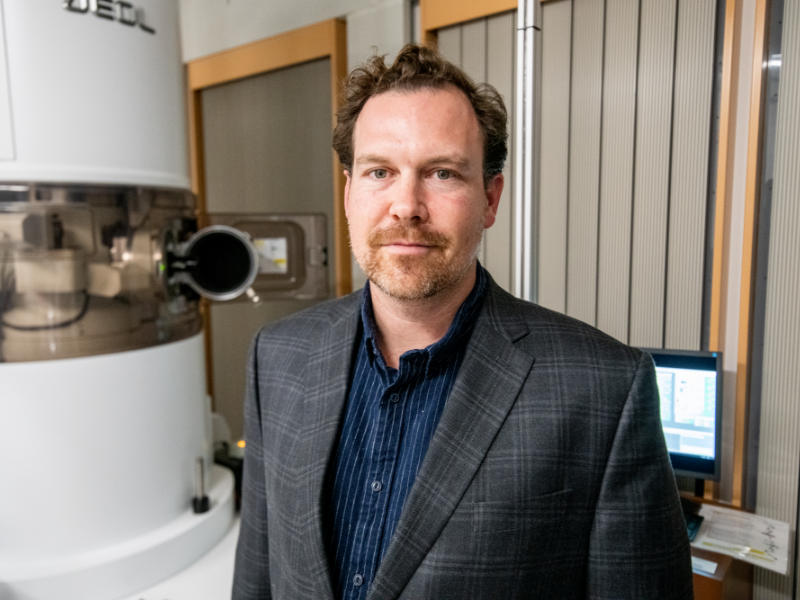
Dr. Jamie Warner is a Professor and Temple Foundation Endowed Professor in the Walker Department of Mechanical Engineering at The University of Texas at Austin, leading the TMI Electron Microscopy Facility within the Cockrell School of Engineering. His research focuses on nanostructured materials, advanced transmission electron microscopy, and opto-electronic applications. Prior to UT Austin, he held a Full Professorship at the University of Oxford's Department of Materials, where he led the Nanostructured Materials Group and graduated 30 PhD students. Key roles include Director of the Texas Materials Institute and Visiting Professorships at MIT and Sungkyunkwan University. Education: PhD in Physics (University of Queensland, 2004), Postdoc (New Zealand/Australia, 2005-2006) Research Interests: Atomic-scale characterization of 2D materials (graphene, MoS₂, WS₂), electron microscopy techniques, nanoelectronic devices, and energy storage materials. His articles span advanced TEM techniques, 2D material synthesis, and opto-electronic device fabrication. Notable awards include the Royal Society University Research Fellowship (2010), ERC Consolidator Grant (2017), and ACS Nano Lectureship (2019). Awards: Fellow of the Royal Society of Chemistry (2019), Top 10 'Highly Prolific' ACS Nano Author (2018) Advising: 30+ PhD graduates, extensive postdoc and master's supervision Grants: ERC Consolidator Grant for opto-electronics, multiple industry and academic collaborations He leads the Warner Group, which operates cutting-edge facilities for electron microscopy and nanofabrication. Current projects include cryo-TEM for battery materials and single-atom catalysts.
Xiaohang Li is an Associate Professor in the Department of Electrical and Computer Engineering at the King Abdullah University of Science and Technology (KAUST) , where he serves as Principal Investigator of the Advanced Semiconductor Laboratory (ASL) . He holds a Ph.D. (2015), M.S. (2011), and B.S. (2008) in Electrical Engineering and Applied Physics from Georgia Institute of Technology, Lehigh University, and Huazhong University of Science and Technology, respectively. Research Focus: Professor Li specializes in (ultra)wide bandgap semiconductors (III-nitrides, III-oxides) for next-generation devices, including LEDs, lasers, transistors, and sensors. His work spans materials growth, simulation, fabrication, and characterization, targeting applications in energy, communications, and biomedical industries. Key Trends in Publications: Recent articles highlight advancements in InGaN micro-LED fabrication, β-Ga2O3 flexible transistors, AlN MOSFETs, and machine learning-optimized plasmonic structures. Themes include wide bandgap materials , 3D integration , thermal management , and flexible electronics . Scientific Awards: Harold M. Manasevit Young Investigator Award (2018) IEEE North Jersey Section ED/CAS MTT/AP Chapters Award (2019) Georgia Tech representative, Global Young Scientist Summit (2015) IEEE Photonics Society Graduate Student Fellowship (2014) D. J. Lovell Scholarship (2013) Mentorship: Since joining KAUST, Li has advised over 100 students and leads the ASL team in pioneering semiconductor research. His group focuses on fundamental and applied studies of wide bandgap materials to drive innovations in energy and health sectors.
Dr. Patrick Kung serves as Associate Professor and Associate Department Head for Undergraduate Programs in the Department of Electrical and Computer Engineering at the University of Alabama's College of Engineering. His research spans nanotechnology, quantum computing, and terahertz photonics with significant contributions to metamaterials and optical systems. Research Focus: Dr. Kung specializes in terahertz spectroscopy, polarization-sensitive imaging, and nanoscale material engineering. His work integrates machine learning with optical systems for applications in underwater imaging, quantum networking, and biodegradable polymers. Recent projects include $1 million Department of Energy funding for quantum networking research (2024) and development of materials for slowing light propagation. Publication Trends: His recent publications (2022-2025) demonstrate a clear trajectory toward multimodal sensing systems combining terahertz technology, polarization control, and AI-driven image processing. Key themes include underwater object recognition using single-photon LiDAR, compact drone-compatible imaging platforms, and cryogenic photonic components for quantum applications. The work consistently bridges fundamental nanophotonics with practical engineering solutions. Department of Energy Funding ($1 Million for Quantum Networking Research, 2024) Dr. Kung actively mentors students in EPA-funded water disinfection projects using UV-LED technology and collaborates with industry partners through the Southeast Executives-on-Roster program. His laboratory work focuses on nanowire-based thin films and metamaterial absorbers, with applications in environmental monitoring and quantum communication hardware.