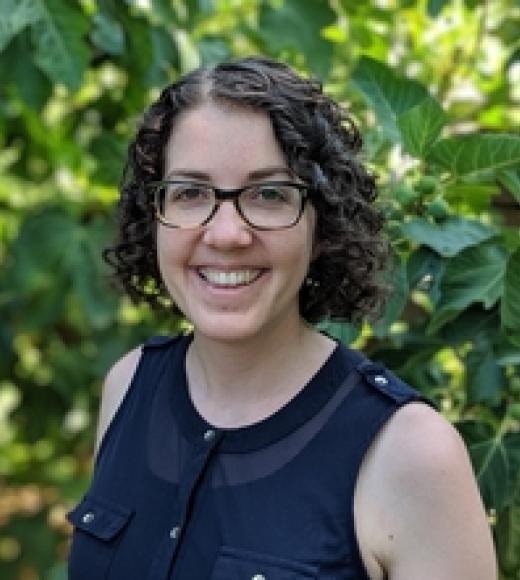
Dr. John Rohde is an Associate Professor in the Department of Microbiology & Immunology at Dalhousie University's Faculty of Medicine. His research focuses on understanding mechanisms of bacterial pathogenesis, particularly how Shigella spp. exploits host cell systems. He holds a PhD in Biochemistry from the University of British Columbia and completed postdoctoral training at Duke University, Institut Pasteur, and Mount Sinai Hospital's Samuel Lunenfeld Research Institute. His lab develops genetic tools to study bacterial virulence at systems levels. Education: BS/MS in Bacteriology (University of Idaho), PhD in Biochemistry (UBC) Research Interests: Shigella pathogenesis, ubiquitin ligases, type III secretion systems Recent work includes studies on Shigella's manipulation of host actin via RACK1 and the role of ubiquitin in pathogen survival. He collaborates internationally on projects combining proteomics and immunology to uncover antimicrobial defense mechanisms.
Eileen M. Barry serves as Professor in the Department of Medicine at the University of Maryland School of Medicine, with secondary appointments in Medical and Research Technology and Microbiology and Immunology. She directs education for the Center of Vaccine Development & Global Health, leading research on vaccines against enteric pathogens and biodefense threats. Her academic background includes: B.A. in Biology from University of Delaware (1985) Ph.D. in Microbiology and Immunology from Virginia Commonwealth University Medical College of Virginia (1991) Postdoctoral Fellowship at University of Maryland School of Medicine Center for Vaccine Development (1992-1994) Postdoctoral Fellowship at University of Maryland School of Medicine Center for Vaccine Development (1994-1996) Dr. Barry's research focuses on oral live attenuated vaccines targeting Shigella , enterotoxigenic E. coli (ETEC), and Francisella tularensis . Her work spans pathogen engineering, host-pathogen interactions, and clinical translation, with emphasis on pediatric and military applications. Key methodologies include human enteroid models, BSL3/ABSL3 pathogenesis studies, and immunogenicity assessment. Recent publications reveal a strategic shift toward multivalent platforms and advanced organoid systems for predicting human immune responses. Her scientific recognition includes: University System of Maryland PROMISE Alliance Outstanding Faculty Mentor (2015) Faculty Teacher of the Year Award (2011) Teaching Commendation in Host Defenses (2009/2012) As a dedicated mentor, Dr. Barry has served on Graduate Student Admissions Committees since 2007 and received special recognition for advancing underrepresented STEM students. Her substantial NIH funding portfolio includes: P01AI125181: Pathogenesis of E. Coli and Shigella in Human Enteroid Models (2016-2021) R01AI125841: Serological Assays for Shigella Vaccine Efficacy (2016-2021) R01AI123129: Tularemia Vaccine Protection Correlates (2016-2021) Her laboratory operates BSL2/3 and ABSL2/3 facilities, integrating genetic engineering, organoid models, and genomics to dissect enteric pathogenesis and accelerate vaccine development for global health impact.
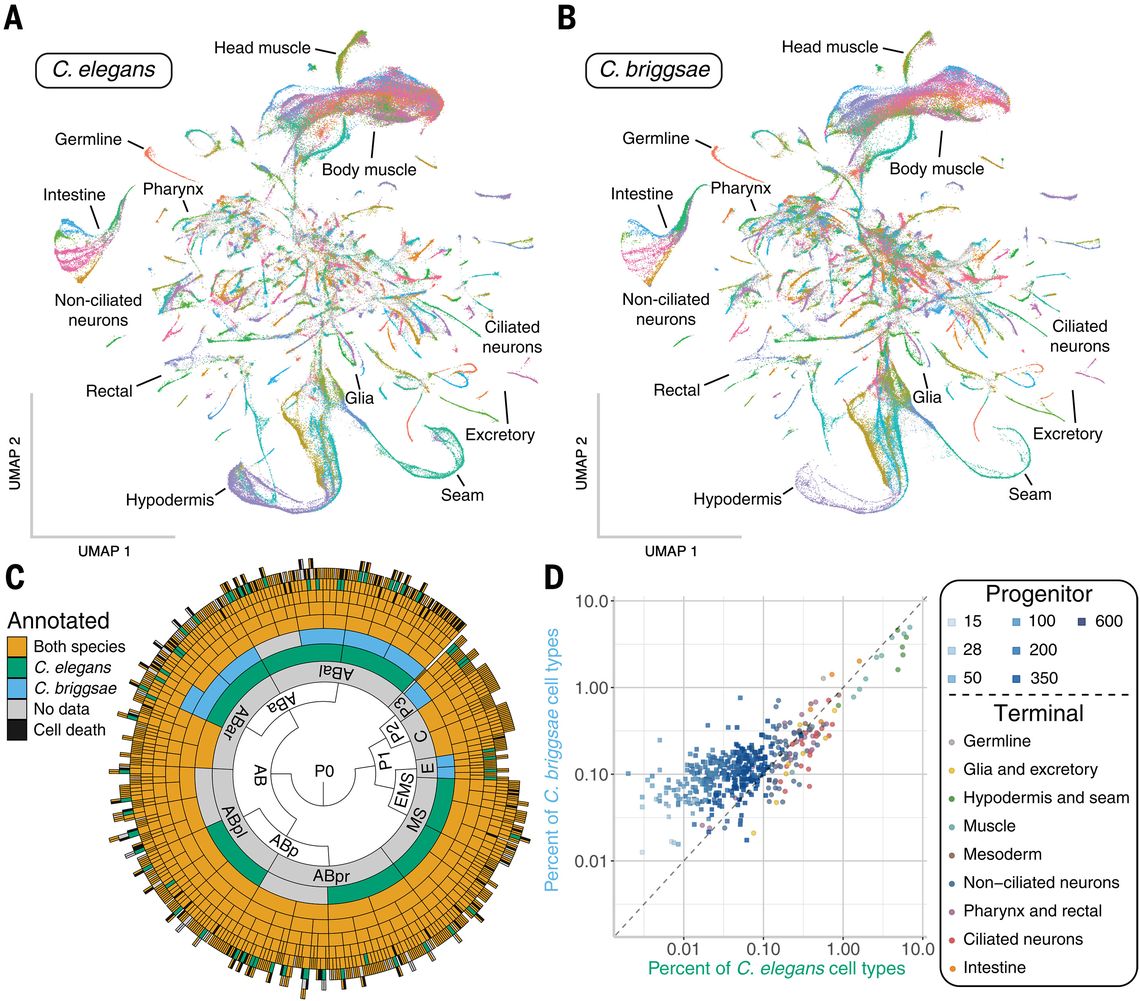
John Isaac Murray is a Professor of Genetics at the Perelman School of Medicine, University of Pennsylvania. His laboratory focuses on understanding how genomes orchestrate animal development at single cell resolution using the nematode worm Caenorhabditis elegans as a model organism. Dr. Murray's research integrates powerful imaging-based experiments with genomics and computational tools to determine gene expression patterns across entire embryos at single cell resolution. Dr. Murray received his B.S. in Civil Engineering with a minor in Biology from Carnegie Mellon University in 1999, followed by a Ph.D. in Genetics from Stanford University in 2004. He completed his post-graduate training as a Senior Fellow in Genome Sciences at the University of Washington from 2003 to 2009, working in the laboratory of Robert Waterston. Dr. Murray's research interests span developmental biology, genomics, and gene regulation. His laboratory has developed innovative lineage tracing methods that allow quantitative determination of gene expression at single cell and approximately 1-minute temporal resolution for essentially all embryonic cells. Current research focuses on three main areas: (1) improved technology for lineage tracing and expression mapping in developing embryos, (2) mechanisms ensuring robust development across environmental conditions, and (3) defining mechanisms of context specificity in developmental gene regulation. His work has revealed how transcription factors and signaling pathways regulate developmental gene expression, with implications for understanding cancer and other human diseases. Dr. Murray's laboratory has produced significant publications in high-impact journals including Science, Genome Research, and Genetics. His recent work has focused on single-cell resolution analysis of embryonic gene expression evolution, mRNA decay dynamics in developing embryos, and comprehensive mechanisms of lineage specification in C. elegans . His research employs cutting-edge techniques including live-cell imaging, single-cell RNA sequencing, and computational analysis to build comprehensive molecular atlases of embryonic development across multiple species. Large CRL, et al. (2025). Lineage-resolved analysis of embryonic gene expression evolution in C. elegans and C. briggsae. Science. Peng F & Murray JI (2024). A spatiotemporally resolved atlas of mRNA decay in the C. elegans embryo. Genome Research. Liu J & Murray JI (2023). Mechanisms of lineage specification in Caenorhabditis elegans. Genetics. Dr. Murray has mentored numerous students and postdoctoral fellows who have gone on to successful careers, including Dr. Felicia Peng who recently completed her PhD in his laboratory, Dr. Priya Sivaramakrishnan who now leads her own laboratory at the Children's Hospital of Philadelphia, and Dr. Amanda Zacharias who is an Assistant Professor at Cincinnati Children's Hospital Medical Center. His laboratory is affiliated with several graduate programs at Penn including Biomedical Graduate Studies, Cell and Molecular Biology, Genomics and Computational Biology, Biochemistry and Molecular Biophysics, and Bioengineering. The Murray laboratory maintains active collaborations with other research groups and has contributed to studies on chromatin regulation, neuronal development, and cuticle formation in C. elegans . Dr. Murray's work continues to advance our understanding of how genomes control the complex process of animal development at unprecedented resolution.
Jürgen Cito is an Associate Professor in the Department of Software Engineering at the Faculty of Informatics, TU Wien, where he leads research in probabilistic programming, security, and configuration management. His work is supported by major grants from the Austrian Science Fund (FWF), European Commission, and Meta Platforms, Inc., with active projects spanning 2022-2027. His research focuses on the intersection of software engineering and machine learning, particularly in static analysis of probabilistic programs, AI-driven penetration testing, and infrastructure security. Key contributions include identifying secret exposure in configuration files, grammar inference for ad hoc parsers, and performance prediction from source code, often combining empirical studies with tool development. Analysis of his 15 most recent publications (2020-2024) reveals three dominant trends: (1) Security vulnerabilities in configuration management systems, especially secret leakage in dotfiles; (2) Application of large language models to offensive security testing; and (3) Machine learning techniques for performance prediction and AutoML optimization in software contexts. Cito has supervised 22 Master's students on cutting-edge topics including AI security, infrastructure as code, and program analysis. His current research portfolio includes: Types4Strings (FWF, 2024-2027): Type systems for string processing Cloud Open Source Research Mobility Network (EU, 2023-2026): Open-source cloud infrastructure Software Assistants for Probabilistic Programming (Meta, 2022-2026): AI tools for probabilistic code He is embedded in TU Wien's Institute of Software Technology and Interactive Systems (E194), collaborating on cross-institutional projects focused on software security and developer tooling, with particular emphasis on empirical validation of security practices and configuration management systems.
Dayoung Oh is an Assistant Professor in the Department of Internal Medicine at UT Southwestern Medical Center and a member of the Touchstone Diabetes Center. She holds a Ph.D. in molecular endocrinology and completed postdoctoral training at UC San Diego under Jerrold Olefsky. Her research focuses on G protein-coupled receptors (GPCRs), particularly GPR120, in metabolic syndromes like obesity, type 2 diabetes, and chronic inflammation. She employs biochemical and physiological approaches, including GPCR knockout models and cell-based studies, to elucidate molecular mechanisms and identify therapeutic targets. Education: Ph.D. in molecular endocrinology (university unspecified), postdoctoral training at UC San Diego. Research Interests: GPCR signaling pathways, orphan GPCR ligand identification, omega-3 fatty acid receptor function, macrophage-mediated inflammation, insulin resistance, and metabolic syndrome pathophysiology. Her work bridges basic science and translational research, aiming to improve metabolic health through GPCR-targeted therapies. Teaching and Service: Teaches at the Graduate School of Biomedical Sciences and serves on committees for the Molecular Metabolism and Metabolic Diseases Program. Labs and Affiliations: Leads the Oh Laboratory at UT Southwestern and collaborates within the Touchstone Diabetes Center. Research emphasizes GPCR-driven metabolic processes and therapeutic innovations.
Asger Bach Lund serves as a Clinical Associate Professor in the Department of Clinical Medicine at the University of Copenhagen's Faculty of Health and Medical Sciences. His institutional address is Blegdamsvej 3, 2200 Copenhagen N, Denmark, affiliated with Region Hovedstaden (Region H) healthcare system. Dr. Lund's research focuses on endocrine physiology with specialization in gut-derived hormones, particularly proglucagon-derived peptides (GLP-1, GIP, GLP-2), their roles in metabolic regulation, and therapeutic applications for diabetes and obesity. His work investigates intestinal hormone expression patterns, amino acid-stimulated secretion dynamics, and molecular mechanisms underlying bariatric surgery outcomes. Analysis of his recent publications reveals dominant research trends in mucosal transcriptomics, pancreatic alpha cell function, and gut-bone axis interactions. His studies frequently employ human physiological models, translational mouse-human comparisons, and advanced molecular techniques to explore metabolic pathways. Lund maintains extensive collaborative networks within Copenhagen's endocrine research community, particularly with the Knop and Holst research groups. His work appears in high-impact journals including Cell Reports Medicine , Gut , and Physiological Reviews , demonstrating significant contributions to metabolic disease research.
Barbara Kunkel is Professor of Biology and Associate Chair of Undergraduate Education at Washington University in St. Louis. Her research investigates signaling and regulatory events governing interactions between bacterial plant pathogens (particularly Pseudomonas syringae) and their hosts (Arabidopsis thaliana), focusing on molecular pathogenicity mechanisms and plant signaling pathway modifications. Research areas include: Molecular basis of Pseudomonas syringae pathogenicity Plant physiological responses to virulence factors Auxin's role in plant-pathogen interactions Bacterial virulence gene regulation Her publications demonstrate consistent focus on hormone-mediated plant-pathogen interactions, particularly auxin signaling mechanisms in disease susceptibility. Scientific awards: AAAS Fellow (2020)
Dr. Yong Cheng is an Assistant Professor in the Department of Biochemistry and Molecular Biology at Oklahoma State University (OSU). He holds a B.S. (2002) and Ph.D. (2007) in Microbiology from Huazhong Agricultural University, China. His postdoctoral training included work at the University of Basel (2007-2010) and the University of Notre Dame (2011-2019), where he studied host-pathogen interactions in mycobacterial infections. His current research focuses on understanding molecular mechanisms of Mycobacterium tuberculosis and non-tuberculous mycobacteria (NTM) pathogenesis, with an emphasis on host immune responses and drug discovery. Key research areas include the role of extracellular vesicles (exosomes/microvesicles) in modulating host immunity, iron metabolism in aging-related infections, and antimicrobial resistance mechanisms. He has received grants from the Oklahoma Center for Respiratory and Infectious Diseases and investigates novel therapies targeting mycobacterial infections. Dr. Cheng teaches courses on cancer immunology, biotechnology, and undergraduate research supervision. His work contributes to Sustainable Development Goal 3 (Good Health and Well-being), leveraging cutting-edge proteomics and spatial biology technologies.
Tiffany Lowe-Power is an Assistant Professor of Plant Pathology at the University of California, Davis, affiliated with the Department of Plant Pathology. Her research focuses on bacteriology, bacterial genetics, and plant-microbe interactions with particular emphasis on xylem pathogenesis and rhizosphere ecology. Her work explores how plant pathogens such as Ralstonia species colonize and thrive in plant vascular systems, including mechanisms of biofilm formation, chemotaxis, and virulence factor regulation. Her research interests also encompass bacterial physiology and metabolism, particularly the role of exopolysaccharides like EPS-I in pathogen dissemination, and the degradation of plant defense compounds such as hydroxycinnamic acids. She has developed diagnostic tools for Ralstonia species differentiation and contributed to open-access standards in plant pathology research. Key themes in her publications include genomic analyses of Ralstonia diversity, functional genomics of type VI secretion systems, and the ecological and evolutionary drivers of pathogen virulence. Her recent work addresses emerging bacterial wilt outbreaks in crops like ginger and the genetic basis of resistance in tomato, pepper, and eggplant cultivars. Tiffany’s research integrates molecular biology, genomics, and biophysical approaches to understand microbial adaptation in plant environments. She advocates for reproducibility and transparency in scientific practices, as highlighted in her 2024 guidelines for open-access plant pathology research. She leads the Lowe-Power Lab at UC Davis, whose research portal is available at https://lowepowerlab.github.io/ .
Dr. Pao Theen See is a Research Fellow at Curtin University's School of Molecular and Life Sciences within the Faculty of Science and Engineering. His research focuses on fungal plant pathogens, particularly Pyrenophora tritici-repentis (causal agent of wheat tan spot), with expertise in molecular genetics, genomics, and pathogen-host interactions. He collaborates with the Centre for Crop Disease Management (CCDM) to advance crop disease management strategies. Dr. See's work integrates genomic, biochemical, and field-based approaches to investigate pathogen virulence mechanisms, effector proteins, and toxin production. Key contributions include genome sequencing studies (using PacBio and Oxford Nanopore), secretome profiling, and molecular characterization of effector genes like ToxA and ToxB. His research also supports breeding programs by identifying novel genetic resistance sources in wheat. Notable research trends include: 1) dissecting fungal effector biology and their roles in pathogenicity, 2) exploring genomic plasticity and horizontal gene transfer in pathogens, and 3) developing molecular tools for pathogen detection and disease resistance assessment. His work spans both fundamental molecular studies and applied agricultural solutions. Labs/Teams: Active member of the Centre for Crop Disease Management (CCDM), collaborating with national and international institutions in plant pathology research.
Prof Nicholas Thomson is an Honorary Professor in the School of Medicine at the University of St Andrews, specializing in microbial genomics and infectious disease research. His work focuses on understanding bacterial pathogens such as Treponema pallidum (syphilis), Shigella sonnei , and Serratia marcescens through genomic analysis. He contributes to global health initiatives by investigating pathogen evolution, antibiotic resistance mechanisms, and epidemiological patterns. Key research areas include bacterial genomics, pathogen lineage tracking, and genomic surveillance of infectious agents. Notable achievements include defining the genetic basis of contemporary syphilis outbreaks and elucidating the global population structure of dysentery-causing Shigella sonnei . His work often involves international collaborations and genomic data sharing platforms like NCBI and Figshare. Prof Thomson’s publications span high-impact journals including Cell Host & Microbe , Nature Microbiology , and Genome Research . While no formal student advisees are listed, his research collaborations involve multiple institutions globally. He actively participates in initiatives addressing UN Sustainable Development Goals related to good health and wellbeing (SDG 3).
John A. Corbett, PhD, serves as Professor and Chair of the Department of Biochemistry at the Medical College of Wisconsin (MCW), where he joined in 2010 after holding the Nancy R. and Eugene C. Gwaltney Family Endowed Chair in Juvenile Diabetes Research at the University of Alabama at Birmingham (2007-2010). Previously, he rose from Assistant Professor to Professor in Biochemistry at Saint Louis University (1995-2005). His academic credentials include a BS in Chemistry from Saint Norbert College (1985) and a PhD in Biochemistry from Utah State University (1990), followed by postdoctoral training in Pathology at Washington University School of Medicine (1990-1994). Dr. Corbett's research centers on pancreatic beta cell mechanisms in diabetes pathogenesis, with three core programs: (1) nitric oxide's dual role in beta cell toxicity and protection against cytokine damage; (2) viral infection impacts on macrophage activation and beta cell dysfunction; and (3) mitochondrial DNA mutation consequences on beta cell failure. His work integrates molecular, cellular, and transgenic approaches to dissect diabetes etiology. Analysis of his 2022-2025 publications reveals dominant themes in beta cell inflammatory responses, BET bromodomain inhibition, and mitochondrial DNA integrity. His research bridges immunology, molecular biology, and endocrinology to identify therapeutic targets for diabetes, with consistent focus on oxidative stress pathways and transcriptional regulation in islet cells. No scientific awards are documented in the source material. As department chair and principal investigator, Dr. Corbett leads a diabetes-focused research laboratory at MCW. While specific grant details and team composition remain unreported, his extensive publication record indicates active mentorship of graduate students and postdoctoral researchers within the Biochemistry Department.
Jeffery Floyd Miller is a Professor in the Department of Molecular, Cell, and Developmental Biology at the University of California, Los Angeles (UCLA), and serves as Director of the CA NanoSystems Institute. His research focuses on bacterial pathogenesis, molecular microbiology, and nanotechnology applications in infectious disease. Key research areas include diversity-generating retroelements, type III secretion systems, and bactericidal nanomachines. Director, CA NanoSystems Institute (since 2012) Professor, Molecular, Cell, and Developmental Biology (since 1995) Research highlights include: Investigating evolutionary mechanisms in pathogens via diversity-generating retroelements Developing nano-enabled vaccine strategies Characterizing bacterial virulence and host interactions Exploring structural biology of contractile nanomachines His publication record spans 2002-2022 , covering topics in microbiology, nanotechnology, and molecular pathogenesis. Miller's work has been supported by continuous NIH grants since 1991, including R01-level projects on bacterial virulence and vaccine development. Scientific impact evident through collaborations with leading institutions: Co-investigator in multidisciplinary microbial pathogenesis training program Co-authorships with experts in UCLA, UCSD, and international institutions Contributions to understanding Listeria -based vaccines and Bordetella pathogenesis Key techniques developed include the photothermal nanoblade for cellular delivery and structural analysis of bacterial secretion systems. His work bridges fundamental microbiology with translational nanotechnology applications.
Joan Mecsas is a Professor in the Molecular Biology and Microbiology department at Tufts University School of Medicine. Her research focuses on bacterial pathogenesis, host-pathogen interactions, and innate immunity. She leads a lab developing 3D intestinal organoid models to study enteric pathogens and investigates mechanisms by which pathogens like Yersinia pseudotuberculosis and Klebsiella pneumoniae subvert neutrophil functions. Her work includes identifying druggable targets for antibiotic-resistant pathogens and characterizing effector proteins that modulate host immune responses. Education: Bachelor of Arts, Swarthmore College (1994) Doctor of Philosophy, University of Wisconsin (1993) Research Interests: 3D tissue modeling of gastrointestinal tracts Type III secretion system (T3SS) effector proteins Neutrophil signaling and antimicrobial mechanisms Pathogen survival strategies in immunocompromised hosts Small molecule inhibitors targeting bacterial virulence factors Teaching: Host Pathogen Interface (Taught 2008–present) Microbiology/Infectious Disease courses Labs/Teams: Mecsas Lab focuses on integrating molecular microbiology, immunology, and cell biology to understand pathogen-host interactions at mucosal surfaces. Collaborations include Microbiotix for T3SS inhibitor development.
Bin Tian, Ph.D., is a Professor and Program Co-Leader in the Genome Regulation and Cell Signaling Program at The Wistar Institute’s Ellen and Ronald Caplan Cancer Center. He also serves as Director of the Center for Systems & Computational Biology. His interdisciplinary research integrates molecular biology, functional genomics, and computational approaches to study RNA-level gene regulation, particularly alternative polyadenylation (APA) and its roles in cancer and immunity. Dr. Tian earned his B.S. in biochemistry from East China University of Science and Technology and his Ph.D. in molecular biology from Rutgers Biomedical and Health Sciences. He completed postdoctoral training in bioinformatics and genomics at Johnson & Johnson. He led a research group at Rutgers New Jersey Medical School from 2003 to 2020, where he became a tenured professor in 2014, before joining The Wistar Institute. His research focuses on: Mechanisms of cleavage and polyadenylation (CPA) and alternative polyadenylation (APA) Early transcriptional termination (ETT) and its role in gene regulation and cancer immunotherapy Spatial control of mRNA metabolism via alternative 3'UTRs, including translation-independent ER association (TiERA) Secretion-coupled APA (SCAP) in B cell differentiation and humoral immunity Development of CPA inhibitors (CPAi) as anti-cancer therapeutics Bioinformatics tools such as PolyA_DB, APAlyzer, and MAAPER for APA analysis Analysis of his recent publications reveals a strong focus on the functional consequences of APA across biological systems, particularly in cancer vulnerability, immune cell regulation, and subcellular mRNA targeting. His work bridges computational modeling with experimental validation, often leveraging single-cell and long-read sequencing technologies. A recurring theme is the therapeutic potential of modulating RNA processing, especially through CPA inhibition and CRISPR-based APA regulation. Dr. Tian leads an active research lab comprising postdoctoral fellows, predoc trainees, and research staff, fostering training and innovation in RNA biology. His lab has developed widely used databases and software tools that support the broader genomics community. He is actively involved in grant-funded research aimed at understanding fundamental gene expression mechanisms and translating these insights into novel cancer and immune therapies. His work on CPA inhibitors and antisense oligonucleotides highlights a strong commitment to therapeutic development. Dr. Tian’s lab operates at the intersection of systems biology, computational genomics, and molecular oncology, with ongoing projects in: Regulating gene expression through ETT for immunotherapy enhancement Modulating mRNA localization via 3'UTRs to influence cell signaling Developing next-generation CPAi compounds and delivery strategies Identifying cancer biomarkers predictive of CPAi response