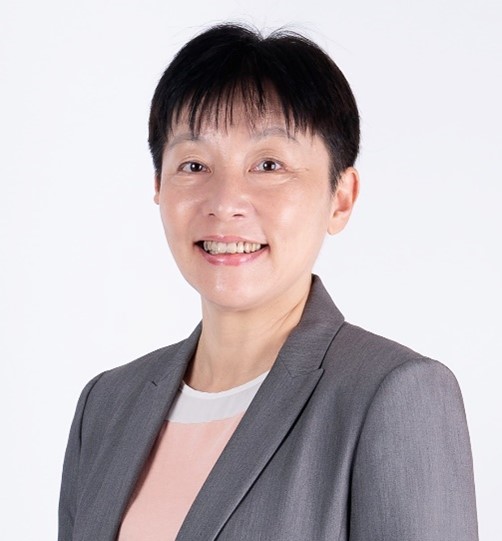
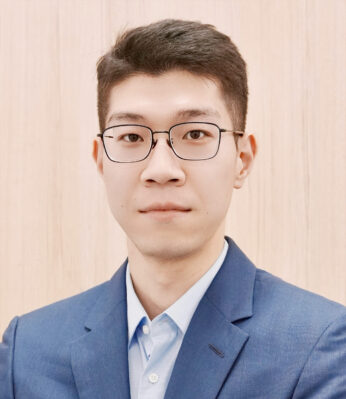
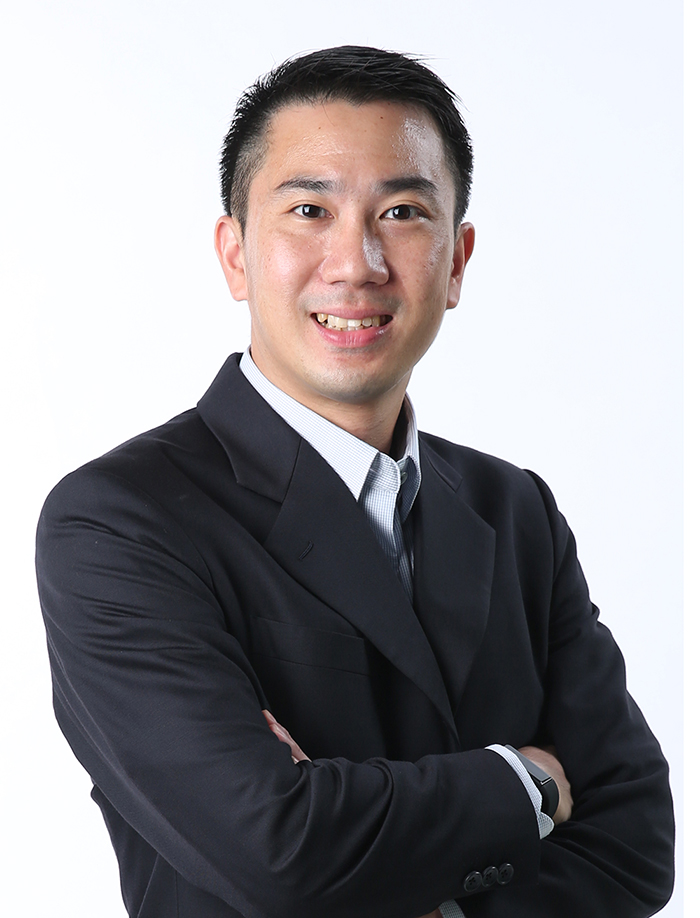
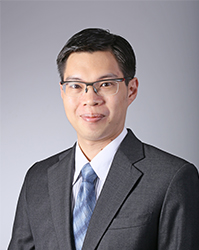
Liu Haiyan is an Associate Professor at NUS Medicine's Department of Microbiology and Immunology, leading research on tumor immunology and immunotherapy approaches for hepatocellular carcinoma. Her investigations focus on: Immunosuppressive mechanisms in the tumor microenvironment Novel cytokine-based immunotherapies γδ T cell engineering for adoptive therapies Overcoming resistance to checkpoint inhibitors Key findings include identifying IL-1α as a critical immunosuppressive factor regulated by calpain 1, and developing IL-12/18/21 preactivation strategies to enhance γδ T cell efficacy against PD-L1 resistant tumors. She received the NUSMed Fortitude Award in 2021 for her research contributions.
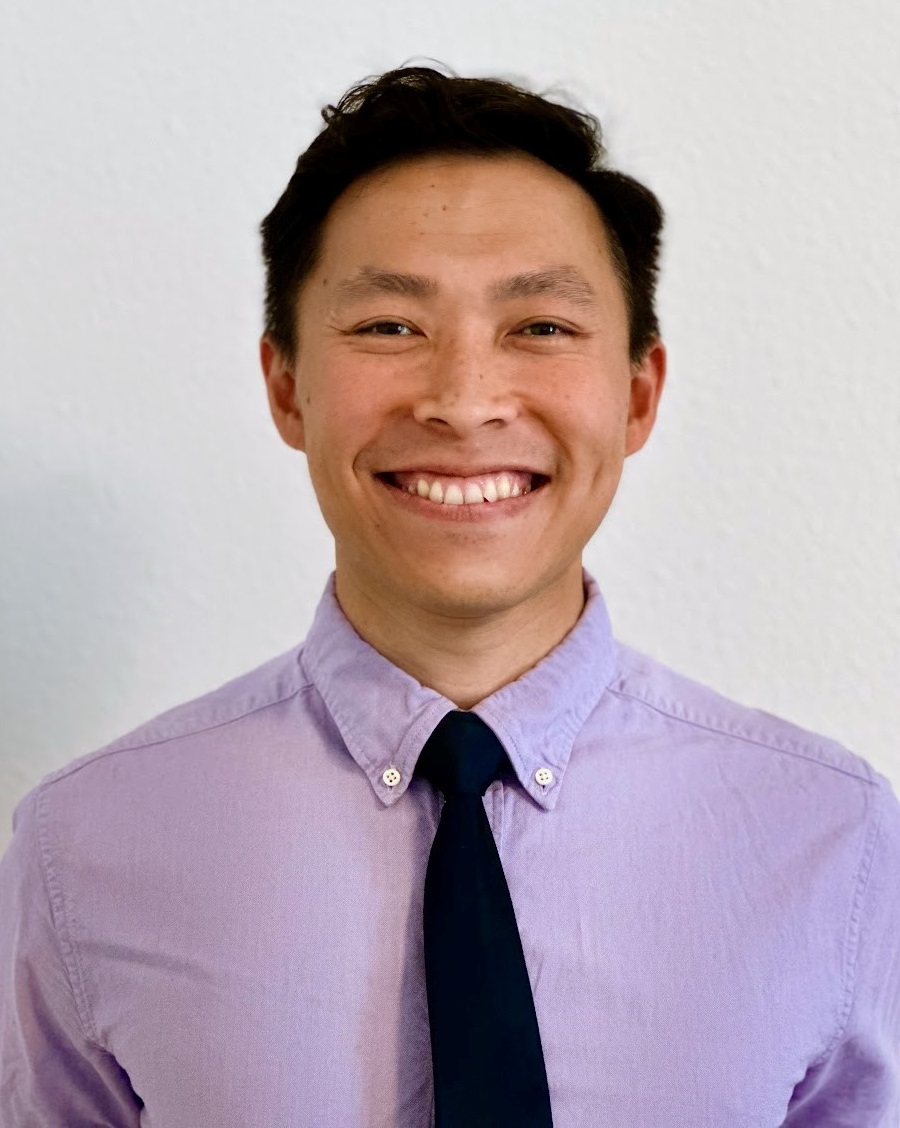
Assistant Professor Low Jun Siong is affiliated with the Department of Microbiology and Immunology at the National University of Singapore (NUS), under the Yong Loo Lin School of Medicine. His research focuses on understanding T and B cell biology in the context of infection, cancer, and autoimmunity. He collaborates with clinical partners to characterize immune cell responses in patient cohorts and explores strategies to manipulate these cells for therapeutic purposes. Key areas of interest include antigen specificity, immune cell dysfunction, and immune-based disease interventions. Education: Holds a BSc and PhD (specific disciplines unspecified). Affiliated with the Cancer Science Institute (CSI) and A*STAR Infectious Diseases Labs. His work spans translational immunology, virology, and cancer immunotherapy. Recent projects include studies on SARS-CoV-2 immune responses, tumor microenvironment interactions, and tropical sponge microbiome evolution. He employs high-throughput approaches and machine learning for immune profiling. Research highlights include: Characterizing T/B cell responses against pathogens and cancers Engineering immune cells for enhanced functionality Investigating antibody mechanisms against coronaviruses Dissecting metabolic influences on T cell efficacy in tumors Exploring symbiotic microbiome evolution in marine environments No specific grants or advising roles are detailed in the provided text. He contributes to collaborative initiatives like the Department Safety and Health Programme (DSHP) and the Department Microbial Culture Collection (DMCC).
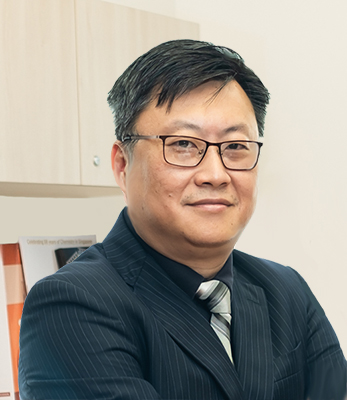
Associate Professor Navin Kumar Verma serves in the Department of Immunology and Cell Biology at Nanyang Technological University's Lee Kong Chian School of Medicine (LKCMedicine), holding dual roles as Deputy Research Integrity Officer and Postgraduate Tutor. His research focuses on T-cell immunology mechanisms in wound healing, skin pathologies, and cancer progression. Verma earned his PhD in Clinical Medicine from Trinity College Dublin followed by postdoctoral training at the Institute of Molecular Medicine, Trinity College Dublin, where he specialized in T-cell motility and function within tumor microenvironments and tissue repair contexts. His primary research examines the adhesion receptor LFA-1's role in T-lymphocyte biology, driving translational work in chronic wound management and dermatological conditions through LKCMedicine's Skin Diseases & Wound Repair Programme. This initiative collaborates with Singapore's National Skin Centre and Skin Research Institute to address prevalent Asian skin disorders including atopic dermatitis, pigmentary disorders, and acne. Verma actively mentors four PhD candidates: Gopika Suresh Babu (IGP), Wang Chenyu, Kong Zheng Yao, and Bai Hangyu. His research team includes postdoctoral fellows Dr. Erfan Rezvani Ghomi and Dr. Zhi Sheng Poh, alongside research assistant James Tan Chia Wei. As Programme Director for Skin Diseases & Wound Repair, Verma leads interdisciplinary collaborations translating laboratory discoveries into clinical applications for chronic wound treatment and skin disease management through industry partnerships. His scholarly output comprises over 80 peer-reviewed publications (h-index 42), 20 book chapters, and 5 co-authored patents focused on immunological mechanisms in tissue repair and oncology.
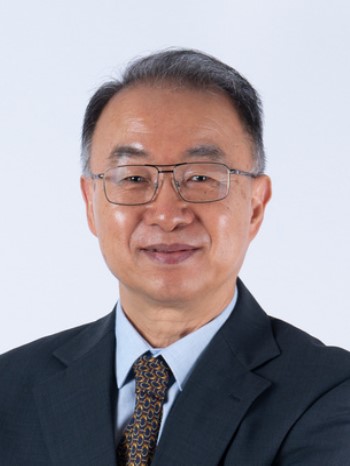
ANG Wee Han is a Professor in the Department of Chemistry at the National University of Singapore (NUS), serving dual roles as Vice Dean (Special Duties) and Associate Provost overseeing NUS's Multidisciplinary and Interdisciplinary Masters’ Programmes. His research focuses on developing therapeutic metallopharmaceuticals, particularly transition metal-based drugs for cancer and antibacterial therapies. He holds a PhD from the École Polytechnique Fédérale de Lausanne (2007) and a Postdoc from MIT (2009), complemented by a BSc from Imperial College London (1995). Research interests include platinum(IV) prodrugs, ruthenium-based anticancer complexes, and immunogenic cell death mechanisms. Notable achievements include the EPFL Doctorate Prize (2008) and leadership roles in conferences like AsBIC-9. His lab, the Laboratory of Bioinorganic Chemistry, explores drug design, fluorescent probes, and combinatorial chemistry, with over 150 publications in high-impact journals. Collaborations span drug discovery, nanomedicine, and clinical applications such as oxaliplatin-based chemotherapy. ANG has mentored numerous students, including Zhi Chiaw (PhD thesis on cellular ROS responses), Violet Lee Eng Yee (platinum prodrug research), and Kwan Wei (CO2 removal studies). His work bridges chemistry and medicine, addressing challenges in drug resistance, targeted delivery, and immune modulation.
Associate Professor Lu Jinhua holds a BA and PhD, and currently serves in the Department of Microbiology and Immunology at the National University of Singapore's Yong Loo Lin School of Medicine. Her research focuses on understanding molecular mechanisms of antinuclear antibodies (ANA) and developing cancer vaccines using alarmin motifs. She is affiliated with the Immunology Translational Research Programme and LSI Immunology Programme. Her research interests include investigating how complement C1 deficiency induces ANA through alarmin motifs in the nucleolus, particularly the GAR/RGG motif which also exhibits cell-penetrating peptide activity. This discovery is being leveraged to create cancer vaccines targeting cytoplasmic MHC I pathways. Recent work spans immunological mechanisms in diabetes, tumor microenvironment analysis, and neurodegenerative biomarkers. She holds editorial roles at the Journal of Immunology and Frontiers in Immunology , contributing to advancing immunological research and education. Key technical contributions include nuclear scaffold extraction methods and insights into NF-κB RelB binding variations during microbial infections. Her translational focus bridges basic immunology with clinical applications in autoimmune diseases and cancer immunotherapy.
Giulia Adriani is a Principal Investigator at the Singapore Immunology Network (SIgN, A*STAR) and holds an Adjunct Assistant Professor position in the Department of Biomedical Engineering at the National University of Singapore (NUS). Her work focuses on developing 3D microfluidic systems to study tumor-immune interactions and improve cancer immunotherapy efficacy. Education: PhD in Biomedical and Biomechanical Engineering (2012) Research Interests: Giulia’s research addresses the limitations of conventional 2D cell cultures and in vivo models by creating 3D microfluidic platforms that mimic tumor microenvironments. These systems enable precise control of parameters like ECM stiffness, oxygen gradients, and cytokine signaling, critical for studying immunosuppressive mechanisms in solid tumors. Her work aims to bridge gaps between pre-clinical studies and clinical outcomes by providing quantitative, real-time insights into tumor-immune dynamics. Lab & Collaborations: Her lab at SIgN includes postdocs, research officers, and PhD students like Nur Izzah Nabilah Binte Hussein and Ying Jie QUEK. Collaborations include MIT’s SMART BioSyM Group and institutions in Singapore and internationally. Awards: Recipient of the Interpolytechnic Doctoral School Fellowship during her PhD. Key Contributions: Giulia pioneered microfluidic-based assays to study tumor immune microenvironments, emphasizing their advantages over traditional models in screening immunotherapies and understanding ECM-cancer interactions.
Shyam Prabhakar is a Senior Group Leader and Associate Director at the A*STAR Genome Institute of Singapore (GIS). His research focuses on gene-regulatory mechanisms in human diseases using high-throughput omics technologies and computational methods. Key roles include leading the Laboratory of Systems Biology and Data Analytics, and contributing to initiatives like the Human Cell Atlas (HCA) and Asian Immune Diversity Atlas (AIDA). Research Interests: Transcriptional regulation in cancer, autism, and immune disorders Single-cell and spatial omics data analysis Development of algorithms for genomic data interpretation Major Achievements: First single-cell transcriptomic analysis of colorectal tumors (Nature Genetics 2017) Landmark studies on histone acetylation in autism (Cell 2016) and tuberculosis immunity (Nature Microbiology 2022) Key contributions to spatial omics tools like BANKSY (Nature Genetics 2024) Labs/Teams: Prabhakar Lab, Spatial and Single Cell Systems Platform, Human Cell Atlas initiatives.
Dr. Ira Agrawal is an instructor and research fellow at the National University of Singapore , affiliated with the Yong Loo Lin School of Medicine and the Department of Physiology . She contributes to the Healthy Longevity Translational Research Program , focusing on neurodegeneration and aging. Her research emphasizes integrated multi-omics data analysis to uncover non-cell autonomous glial regulatory mechanisms and cryptic splicing events in motor neuron diseases like ALS. She has taught courses such as Bioinformatics , Neuropharmacology , and Computational Genomics since 2016. 2025 : Integrated aberrant transcript detection 2024 : Fish biomarker genes for PCB126 exposure 2022 : Lipid dysregulation in ALS 2021 : TDP-43's role in myelination and neuroinflammation 2019 : Liver tumor regression in zebrafish 2016 : Reference gene identification and hepatotoxicity mechanisms Her work bridges computational biology and environmental toxicology , with publications spanning ALS pathology, zebrafish models, and transcriptomic tools for oncology research.
Asst Prof TANG Wei leads the Tang Wei Lab at the National University of Singapore (NUS) , affiliated with the Department of Pharmacy and Pharmaceutical Sciences within the Faculty of Science . He holds a BSc in Chemistry from the University of Science and Technology of China and a PhD in Chemistry from the University of Georgia (USA), followed by postdoctoral research at the National Institutes of Health (NIH). His research focuses on precision nanomedicine , immunoengineering , and translational drug delivery , leveraging biomaterials, nanotechnology, and molecular imaging to address cancer and other healthcare challenges. Key research areas include: Designing smart nanoparticles for nucleic acid (mRNA/siRNA) delivery targeting tumor microenvironments Engineering biomaterial strategies to modulate cancer immunity cycles Developing mucosal/parenteral nanovaccines for enhanced vaccine efficacy Translational approaches to overcome biological barriers (respiratory mucosa, skin) Recent projects include Singapore MOE Tier 2 grants ( "Systemic Circular mRNA Nanovaccines" S$988K, "Pulmonary mRNA Nanovaccines" S$1.124M) and an NMRC grant ( "Extracellular Vesicle-Based Cancer Vaccines" S$1.625M). His lab has produced over 25 peer-reviewed articles since 2019, emphasizing nanotechnology-driven solutions for cancer therapy and immunomodulation. Lab members include PhD/master students (Zhang Han, Li Sha, Muye), research fellows (Guo Yunqi, Chen Yi-Fang), and visiting scholars. The team actively collaborates with institutions globally, emphasizing interdisciplinary approaches to translational medicine.
Asst Prof Gloryn CHIA is an Assistant Professor in the Department of Pharmacy and Pharmaceutical Sciences at the National University of Singapore (NUS), affiliated with the Faculty of Science. She holds a PhD from the University of Cambridge, UK, and completed postdoctoral research at Columbia University, USA. Her research focuses on developing novel cancer vaccines and stem cell therapies, particularly leveraging neoantigen identification and engineered stem cells for personalized medicine. Research interests include cancer immunotherapy, neoantigen vaccine design, and stem cell-based approaches to address challenges in vaccine efficacy and delivery. Her lab explores scalable methods for producing artificial antigen-presenting cells using induced pluripotent stem cells to enhance tumor-specific immune responses. The work aims to translate discoveries into clinical applications for personalized cancer treatment. Notable projects involve investigating intronic polyadenylation as a neoantigen source, optimizing non-viral genetic engineering of immune cells, and understanding embryonic development mechanisms related to pluripotency and lineage specification. While no specific awards are listed, her contributions span high-impact areas such as stem cell reprogramming and cancer immunology. Her research bridges genomic technologies with clinical translation, emphasizing interdisciplinary collaboration in biomedicine.
Associate Professor Zhang Yongliang is affiliated with the Department of Microbiology and Immunology at the National University of Singapore's Yong Loo Lin School of Medicine. He leads research on immune signaling pathways, particularly the role of MAPK phosphatases (MKPs/DUSPs) in immune regulation and disease. His work spans microbial infection, metabolic disorders, and cancer, with a focus on translational applications for clinical therapies. Educational Background: PhD (specific program details not explicitly stated) Research interests include dissecting how dysregulated signaling pathways contribute to autoimmune and inflammatory diseases. Current projects investigate MKPs in obesity-related metabolic diseases and cancer chemoresistance using genetic models and human studies. Recent publications highlight contributions to understanding microbiome-cancer links, adipose inflammation, and drug resistance mechanisms. Awards include the 2022 Faculty Research Excellence Award and 2019 Graduate Mentor of the Year recognition. Awards: Yong Loo Lin School of Medicine Faculty Research Excellence Award 2022 Yong Loo Lin School of Medicine Graduate Mentor of the Year (GRAMAY) 2019 Lab members include researchers such as Dr. Png Chin Wen and students like Goie Jian Yi Gerald, focusing on immunology and molecular biology. Collaborations span basic science to clinical translation, addressing unmet medical needs in immune-mediated diseases.
WEI Jiangbo is an Assistant Professor and holder of the NUS Presidential Young Professorship at the Department of Chemistry, National University of Singapore. His research focuses on RNA modifications, epigenetic mechanisms, and their applications in precision medicine and biotechnology. He holds a B.Sc. from Peking University (2015), a Ph.D. from The University of Chicago (2021), and completed a postdoctoral fellowship there (2021-2023). B.Sc., Peking University, 2015 Ph.D., The University of Chicago, 2021 Postdoctoral Researcher, The University of Chicago, 2021-2023 His research interests span three core areas: (1) Investigating RNA modifications' roles in genetic information flow and epigenetic inheritance, (2) Leveraging RNA modifications for precision medicine via synthetic lethality and therapeutic targeting, and (3) Developing next-generation RNA profiling and modulation technologies. Notable contributions include studies on FTO-mediated LINE1 demethylation and YTHDF1-driven neuronal translation regulation. His work has been recognized with awards such as the NUS Presidential Young Professorship (2023), Josef Fried Chemical Biology Award (2021), and Chinese Government Award for Outstanding Self-Financed Students (2020). Key findings include insights into m6A's role in adipocyte metabolism, cancer progression, and plant development. Labs/Teams : The Wei Lab at NUS focuses on RNA-centric regulatory mechanisms, with ongoing projects in cancer biology, epigenetic therapies, and RNA technology development.
Dr. Zhao Wenting is an Assistant Professor at the School of Chemistry, Chemical Engineering and Biotechnology (CCEB) within the College of Engineering at Nanyang Technological University (NTU) in Singapore. She leads a multidisciplinary research group focused on nanoscale engineering of biological systems, with expertise in membrane curvature, nuclear mechanics, and biomolecular organization. Dr. Zhao received her Bachelor's degree in Bioengineering from Zhejiang University in China, followed by a Ph.D. from the Hong Kong University of Science and Technology (HKUST). She completed her postdoctoral training at Stanford University before establishing her independent research laboratory at NTU. Her educational background bridges engineering, chemistry, and biology, enabling her unique approach to cellular biophysics. Her research program focuses on engineering the nanoscale organization of biological systems and uncovering the nanoscale interplay between cells and their environment in both physiological and pathological conditions. Dr. Zhao's group develops innovative nanofabrication technologies to manipulate nano- to micro-scale biophysical properties of subcellular components, with particular emphasis on plasma membrane and nuclear envelope deformations to study cancer, aging, and infectious diseases. Her laboratory has pioneered techniques for using nanopillar arrays to guide subcellular deformations and study cellular responses. Dr. Zhao's research has resulted in numerous high-impact publications in journals such as Nature Nanotechnology, PNAS, Nano Letters, ACS Nano, Nature Protocols, and Accounts of Chemical Research. Her work demonstrates expertise in nanoscale manipulation of membrane curvature, nuclear deformation, and biomolecular condensation, with applications spanning cancer diagnostics, viral infection mechanisms, and smart biomedical devices. Biomedical Engineering Nanomaterials and Nanotechnology Ageing Biochemistry, Genetics and Molecular Biology Biotechnology Cancer Research Mechanobiology Membrane Biology Cellular Physics Dr. Zhao has secured competitive research funding from multiple sources including the Ministry of Education, NTUitive Pte Ltd, and the prestigious Human Frontier Science Program (HFSP) Young Investigator Grant. Her laboratory actively recruits talents from diverse backgrounds including engineers, biologists, and material scientists, and maintains active collaborations with institutions worldwide such as Yale University and Freie Universität Berlin.
Professor Loo Say Chye Joachim is a distinguished academic at Nanyang Technological University (NTU), Singapore, holding multiple appointments as Professor in the School of Materials Science & Engineering (MSE), Singapore Centre for Environmental Life Sciences Engineering (SCELSE), and Lee Kong Chian School of Medicine (LKCMed). He currently serves as Associate Dean (Students) in the College of Engineering, overseeing student outreach, admissions, and student life. His research spans multiple disciplines with a focus on designing encapsulation systems for controlled and targeted delivery applications across agri-food, biomedical, environmental, and pharmaceutical fields. His work integrates principles from Biomedical Engineering, Nutrition Science, Circular Economy, Food Technology, Polymer Science, Neuroscience, and Neurotechnology. Prof. Loo's publication record includes over 220 journal papers (h-index: 69), three book chapters, and more than 20 patents (three licensed). His research demonstrates consistent innovation in drug delivery systems, with recent publications showing expertise in nanocellulose for fat absorption inhibition, Janus particles for dual-drug delivery, programmable lipid-polymer nanoparticles for biofilm treatment, and osmogen-mediated hollow microparticles for bioactive molecule delivery. His research trends indicate a strong focus on translating fundamental materials science into practical applications for health and environmental challenges. Nanyang Education Award (School) in 2011 and 2016 Nanyang Education Award (College) in 2020 Enterprise Singapore & Singapore Standards Council Commendation Award in 2021 Singapore Food Agency (SFA) Science Excellence Award in 2022 Prof. Loo has successfully mentored numerous PhD and Master's students, with several receiving awards for their research. His educational impact extends beyond direct mentorship through his role as Associate Dean and his leadership in curriculum development. He has received the Bill and Melinda Gates Foundation grant to develop delivery systems for nutraceuticals and has spun off two companies: LiberaTx for extended-release oral drug delivery systems and Dietrics for valorizing cellulose for fat absorption as a food ingredient. He leads the Delivery and Controlled Release Technologies (DCRT) Laboratory, which focuses on developing innovative particulate systems including multi-layered particles, floatable microcapsules, and hydrophilic-hydrophobic core-shell particles for drug delivery applications. His research group collaborates with scientists and companies globally to translate cutting-edge technologies into commercial applications.
Tan Bee Huat is a Senior Consultant Medical Oncologist and Director of Research at the National Cancer Centre Singapore (NCCS) , with joint appointments as Associate Professor at the National University of Singapore (NUS) Saw Swee Hock School of Public Health and Duke-NUS Medical School . His work bridges clinical oncology and population health research, focusing on leveraging large-scale datasets for precision oncology and cancer care optimization. Academic Affiliations: NUS Saw Swee Hock School of Public Health (Joint Associate Professor) Duke-NUS Medical School (Associate Professor, Cancer and Stem Cell Biology Programme) Clinical Roles: Senior Consultant Medical Oncologist, NCCS Director of Research, Division of Medical Oncology, NCCS Research Interests: Dr. Tan's research spans cancer genomics , colorectal cancer , non-invasive diagnostics , and health economics of precision oncology . He leads initiatives like the Singapore Cancer Data Commons (CDC) , integrating anonymized cancer data across public healthcare clusters to study patient outcomes, survivorship, and care effectiveness. Selected Trends: His recent work includes single-cell transcriptomics for tumor heterogeneity analysis, circulating tumor DNA assays for post-surgery monitoring, and exploring immune cell dynamics in tumor microenvironments. These studies reflect his commitment to translational research and data-driven cancer care innovation. Awards: National Youth Award Labs & Collaborations: He serves as Platform Lead for Databases and Biobanks at the Singapore Translational Cancer Consortium (STCC) under CRIS, MOH, and contributes to initiatives like the Infectious Diseases Programme and Climate, Environment and Health Programme at NUS.