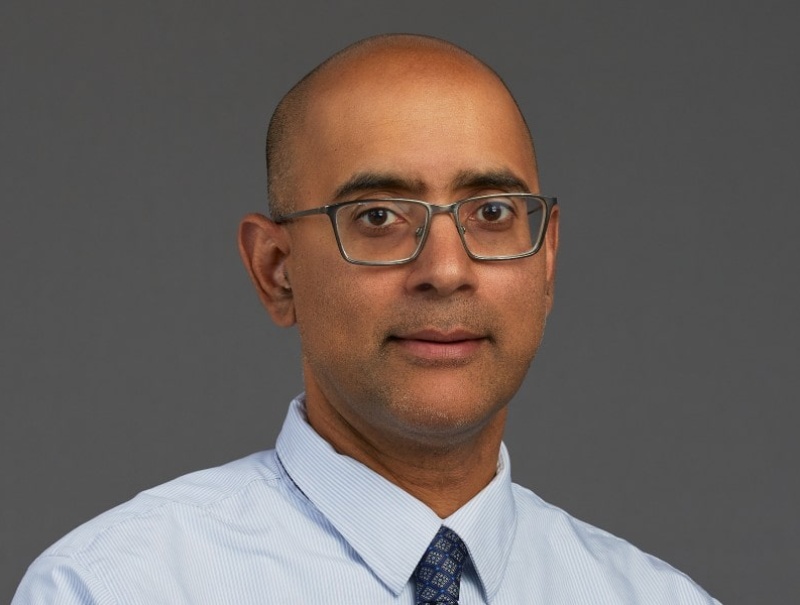
Muhannad M. AlsyoufView profile
Assistant Professor
Muhannad M. Alsyouf, MD is an Assistant Professor in the Department of Urology at Loma Linda University School of Medicine. His clinical and research focus centers on urological oncology with particular expertise in testicular cancer, bladder cancer, and minimally invasive surgical techniques. Dr. Alsyouf maintains active research programs investigating novel diagnostic approaches for germ cell tumors and optimizing surgical outcomes in urological cancer patients. Dr. Alsyouf's research interests span multiple critical areas in modern urology including biomarker development for early cancer detection, surgical technique optimization, and quality improvement in urological care. His work on miRNA biomarkers for germ cell tumors represents a significant advancement in non-invasive cancer detection. He has substantial expertise in retroperitoneal lymph node dissection techniques and has published extensively on outcomes related to this complex surgical procedure. His research also addresses important clinical issues such as opioid stewardship following urological cancer surgery and the impact of surgical techniques on patient recovery. Analysis of Dr. Alsyouf's recent publications reveals a strong emphasis on testicular cancer management, particularly the use of novel biomarkers like miRNA-371 for detecting active germ cell tumors. His work on the MAGESTIC Trial represents a significant contribution to the field. He also maintains active research programs in bladder cancer outcomes, kidney stone management, and surgical technique optimization. His publications demonstrate a consistent focus on improving diagnostic accuracy and surgical outcomes while reducing patient morbidity. Dr. Alsyouf serves as Principal Investigator or Co-Investigator on numerous active research projects, including the MAGESTIC Trial investigating serum Micro RNA-371 for detecting active germ cell tumors, multiple studies on bladder cancer management, and various projects examining surgical techniques in stone disease. His research portfolio demonstrates strong institutional support with funding from both internal university sources and external industry partners. As an active member of the urology research community, Dr. Alsyouf has contributed significantly to advancing knowledge in urological oncology through his extensive publication record and ongoing clinical investigations. His work bridges the gap between basic science discoveries and clinical applications, with particular attention to improving diagnostic accuracy and surgical outcomes for patients with urological malignancies.