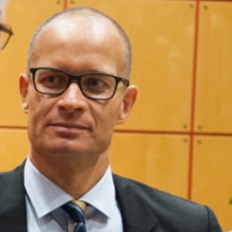
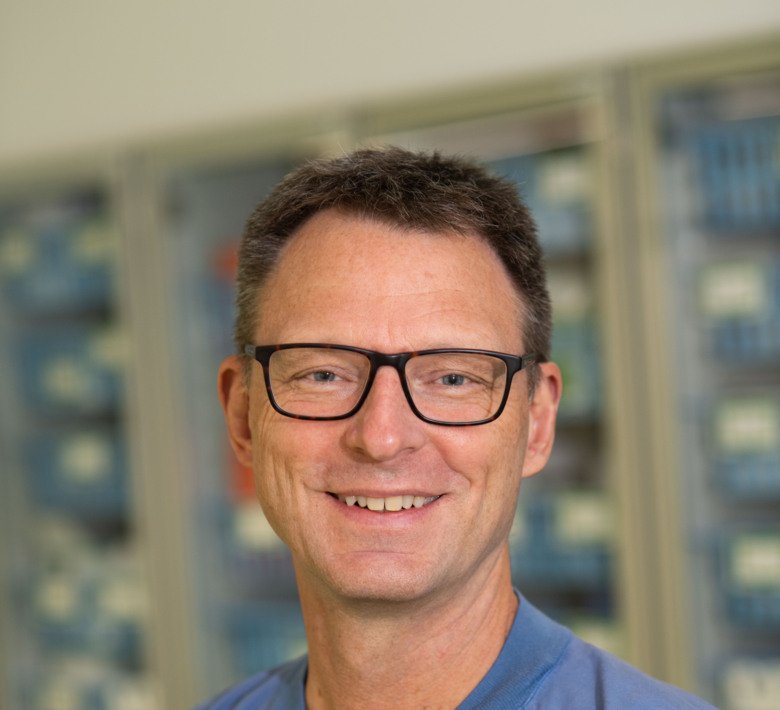
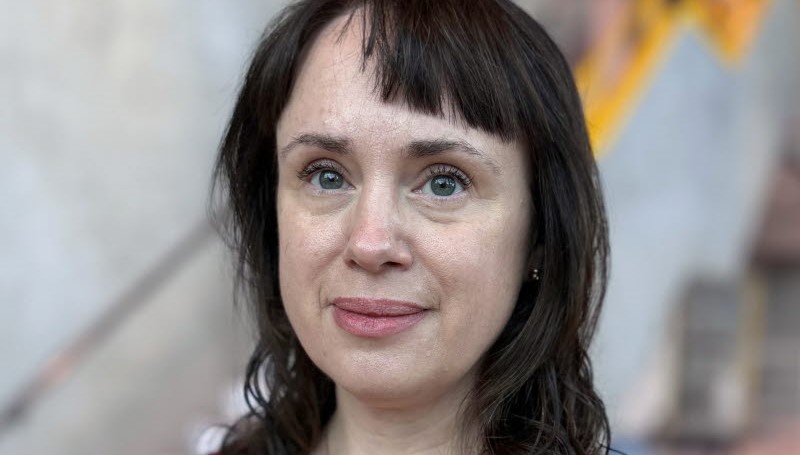
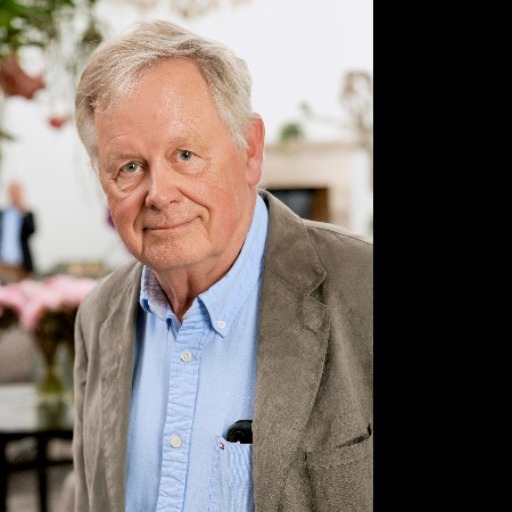
Andreas Wladis is an Adjunct Professor at the Department of Biomedical and Clinical Sciences (BKV) at Linköping University , Sweden. He also serves within the Department of Surgery, Orthopaedics and Oncology (KOO) , where his interdisciplinary research bridges clinical surgery with disaster medicine frameworks. His academic mission focuses on strengthening disaster medicine as a formal discipline and developing traumatology as a clinical research field in Sweden. Research Focus : Disaster medicine preparedness and response systems Global surgery accessibility in low-resource and conflict-affected settings Trauma care optimization in non-specialist environments Pandemic response structures and indirect health consequences Humanitarian surgical education and competency development Recent Research Trends emphasize surgical outcomes in resource-limited contexts (e.g., Rwanda, Uganda), trauma triage accuracy in non-trauma hospitals, and pediatric injury patterns in war zones. His 2025 publications include groundbreaking studies on groin hernia repair techniques and war-related pediatric trauma in Ukraine. Professional Affiliations include: Disaster Medicine Center, Linköping University Former Chief Surgeon at the International Committee of the Red Cross (ICRC) (2022-2023) Medical Expert for the European Union (CPCC) (2008-2020) Current adjunct professorship at BKV since 2024
Karl Eriksson is an Adjunct Professor at the Department of Clinical Science and Education, Södersjukhuset , Karolinska Institutet , and a Consultant Orthopaedic Surgeon at Södersjukhuset. He serves as group leader for the Orthopaedics – Karl Eriksson's research group and holds the position of Secretary General of the European Society for Sports Traumatology, Knee Surgery and Arthroscopy (ESSKA) . His research focuses on improving patient outcomes in cruciate ligament and meniscus injuries through clinical and registry-based studies. Key projects include evaluating surgical timing for ACL reconstruction, novel meniscus substitution techniques, and functional outcomes in joint replacement surgery. He has pioneered studies on semitendinosus tendon regeneration and early surgical intervention for cruciate ligament injuries. Recent publications highlight his work on graft choices in ACL reconstruction, risk factors for revision surgery, and minimally invasive techniques for cartilage lesions. Collaborative efforts span international multicenter trials and Swedish national registry analyses. Education Doctor of Philosophy in Clinical Science and Education, Karolinska Institutet (2001) Docent in Orthopaedic Surgery, Karolinska Institutet (2010)
Elham Rostami is an Associate Professor of Neurosurgery and Researcher at Karolinska Institutet's Department of Neuroscience, specializing in traumatic brain injury (TBI) pathophysiology and outcome prediction. She chairs the young committee of the European Association of Neurosurgical Societies (EANS) trauma section since 2017 and leads research in the Experimental Traumatology Research Unit. Her educational background includes: Medical Degree, Karolinska Institutet, 2008 PhD in Neuroscience, Karolinska Institutet, 2012 Dr. Rostami's research focuses on multimodal TBI monitoring using cerebral microdialysis to analyze energy metabolism and blood flow dynamics, combined with genetic analysis and patient-specific iPSC models. Her work aims to identify prognostic markers explaining differential recovery patterns and the role of genetic background in TBI outcomes, bridging clinical neurosurgery with molecular neuroscience. Analysis of her 15 most recent publications reveals strong thematic continuity in neurocritical care monitoring techniques, with significant expansion into neurological complications of infectious diseases (particularly COVID-19) since 2020. Her work consistently emphasizes translational applications of cerebral blood flow monitoring, biomarker validation, and genetic factors in neurotrauma, often involving large-scale clinical collaborations across European institutions. Dr. Rostami has not listed any specific scientific awards in her institutional profile. While her profile indicates active research leadership and committee chairmanship, specific details about grant funding or student advising are not provided in available materials. She operates within Karolinska Institutet's Experimental Traumatology Research Unit, where her team integrates clinical neurosurgical practice with preclinical TBI modeling, microdialysis data analysis, and genetic investigation to develop personalized TBI management approaches.
Mattias Sköld serves as an Adjunct Lecturer at Karolinska Institutet's Department of Neuroscience and Associate Professor of Neurosurgery at Uppsala University, concurrently functioning as Senior Consultant Neurosurgeon at Akademiska Sjukhuset Uppsala and Senior Researcher in Neuroscience. His academic credentials include: M.D. from Karolinska Institutet (2003) Ph.D. in Neuroscience from Karolinska Institutet (2004) Medical Internship at Karolinska University Hospital (2004-2006) Neurosurgery residency at Akademiska Sjukhuset Uppsala (2006, 2012-2019) Sköld's research investigates traumatic nervous system injuries through methodologies ranging from in vitro cavitation models to animal studies, with military medicine applications forming a critical focus. His work examines blast-induced trauma mechanisms, neural regeneration pathways, and molecular responses to high-energy injuries, particularly emphasizing VEGF signaling and inflammatory cascades in neural repair processes. Analysis of his 15 most recent publications reveals consistent exploration of blast injury modeling frameworks, peripheral nerve regeneration techniques using biomaterials, and temporal gene expression patterns following neural trauma across military and civilian contexts. No scientific awards are documented in the provided materials. He supervises Ph.D. students in both basic neuroscience and clinical neurosurgery domains. Current research is supported by Swedish Research Council grants including "Novel strategies for nervous tissue regeneration" (2020-2023) and previously "Targeted anti-inflammatory treatment in traumatic brain injuries" (2009-2010). Sköld leads Karolinska Institutet's Experimental Traumatology Research Unit and contributes to multiple NATO human factors and medicine task groups focused on brain injury modeling standards and combat casualty care performance metrics.
Anders Enocson is an Adjunct Professor of Orthopedic Traumatology at the Karolinska Institutet , leading the Orthopedics Research Group at the Department of Molecular Medicine and Surgery. He combines academic research with clinical practice as a senior physician at Karolinska University Hospital. Specialist in orthopedic surgery since 2007 First professor in orthopedic traumatology in Sweden (2020) Extensive clinical experience across Sweden and UK Research focus: Trauma epidemiology, fracture outcomes, and AI applications His research spans: Trauma Registry Karolinska - Data-driven quality improvement SweTrau - National trauma registry machine learning models Pelvic Fractures - Complication reduction strategies Tendon Repair - Mechanobiology and neuropeptide regulation Medical Imaging - CT motion analysis for fractures Orthopedic Oncology - Sarcoma treatment outcomes Key publication trends show emphasis on Machine learning for mortality prediction 3D CT analysis in fracture follow-up Long-term joint replacement outcomes Postoperative complication risk factors Tendon healing biomarkers Clinical collaborations include AO Foundation courses in Sweden Karolinska Traumacentrum leadership International orthopedic networks Multidisciplinary teams in trauma care
Charlotte Häger is a Professor of Physiotherapy at Umeå University's Faculty of Medicine, holding a joint clinical appointment in the Department of Community Medicine and Rehabilitation's Physiotherapy Unit. She leads the interdisciplinary U-Motion Laboratory, focusing on human sensorimotor control and rehabilitation. Her research examines movement mechanics in conditions like ACL injuries, stroke, and spinal cord damage using advanced methodologies including motion capture, fMRI brain imaging, and robotic exoskeletons. Her research interests span sensorimotor control , rehabilitation biomechanics , and neurological recovery , with particular emphasis on developing precision medicine approaches for knee injuries and neurorehabilitation. Current projects include ACL injury mechanisms, sensorimotor control post-stroke, and movement assessment innovations. She received the IKSU Sports Science Prize 2021 for research excellence. Her work is funded by major organizations including the Swedish Research Council, Swedish Brain Foundation, and Promobilia. Häger maintains extensive international collaborations across 8+ countries and leads a multidisciplinary team of engineers, statisticians, and clinicians. She teaches in physiotherapy programs and holds key university leadership positions including Research Board membership.
Professor Sari Ponzer is Senior Professor at Karolinska Institutet, affiliated with the Department of Clinical Science and Education at Södersjukhuset and Karl Eriksson's Orthopaedics research group. With an MD (1986) and PhD in Traumatology (1996), she specializes in orthopaedic surgery and has held leadership roles including Head of Department of Orthopaedics (2011-2019), Head of Department of Emergency Care (2019-2023), and Dean of Education (2009-2011). Her research focuses on osteoporosis-related fractures and medical education innovation. She has published approximately 200 papers and supervised 12 PhD students as primary supervisor plus 20 as co-supervisor. Her educational research emphasizes interprofessional training and leadership development. Honors include the Karolinska Pedagogical Prize (2003), Matts Halldin Prize (2005), and invited lectureships in Melbourne (2008) and Perth (2011). Current governance roles include board memberships at Örebro University and Karolinska University Hospital.
Håkan Gauffin is an Associate Professor and Senior Physician at the Orthopedic Clinic of Linköping University. He holds dual affiliations with the Department of Surgery, Orthopaedics and Oncology (KOO) and the Department of Biomedical and Clinical Sciences (BKV). Dr. Gauffin's research spans multiple domains within sports medicine, with primary focus on knee injuries, athletics, and football. His work has evolved from biomechanics and orthopedic surgeries to incorporate psychological and contextual factors. Key research areas include: Long-distance running (both elite and recreational) Women's soccer (where he serves as team doctor) Figure skating injury mechanisms Advanced knee imaging using MRI and CT through CMIV collaboration Cardiac screening in sports physiology His recent publications demonstrate interdisciplinary approaches to understanding injury mechanisms, treatment efficacy, and prevention strategies across various sports. The NACOX study on ACL injuries represents a significant longitudinal investigation into surgical versus nonsurgical approaches. As an educator, Dr. Gauffin is the primary responsible for the four-week elective Sports Medicine course within the K10 medical education program at Linköping University, where he teaches orthopedics and knee injury management. He actively contributes to the Athletics Research Center (ARC), an international hub for interdisciplinary athletics research, and collaborates with the Center for Medical Imaging and Visualization (CMIV) on advanced diagnostic techniques for sports injuries.
Anders Henricson is a Senior Physician affiliated with Uppsala University's Center for Clinical Research Dalarna . His work focuses on orthopedic surgery and clinical research, particularly in joint replacement and prosthetics. Recent publications highlight his expertise in ankle arthroplasty and tibia implant stability. These studies explore patient satisfaction, long-term clinical outcomes, and advanced prosthetic technologies. His research contributes to understanding musculoskeletal disorders and improving surgical techniques for younger and middle-aged patients undergoing joint replacements.
Anna-Clara Hollander is an Associate Professor (Docent) and Principal Researcher at Karolinska Institutet's Department of Global Public Health, where she leads the Mental Health and Psychiatric Care Utilization in Minority Groups research team within the EPiCSS (Epidemiology of Psychiatric Conditions, Substance use and Social Environment) research group. Since June 2025, she has served as section head of Transkulturellt Centrum, succeeding Sofie Bäärnhielm who retired. Her work bridges psychiatric epidemiology, migration studies, and public health interventions with a focus on health disparities among migrant populations. Docent (2021), Karolinska Institutet PhD in Psychiatric Epidemiology (2013), Karolinska Institutet Clinical Psychologist (leg. psykolog) qualification Postdoctoral training at University College London's Division of Psychiatry Field research experience in Tajikistan (2006-2008) studying PTSD and depression post-civil war Hollander's research examines how social determinants, particularly migration and cultural factors, influence mental health outcomes, psychiatric care utilization, and mortality. She employs both register-based epidemiological methods using Swedish national health registers and field epidemiological approaches to study vulnerable populations including undocumented migrants. Her work addresses critical gaps in understanding mental health disparities among minority groups and developing culturally appropriate interventions. She has conducted validation studies of psychiatric diagnoses in national registers and leads intervention research to increase mental health service utilization among newly arrived immigrants. Hollander's publication record demonstrates consistent focus on migration and mental health, with recent work examining PTSD in pregnant women and ADHD risk in offspring (2024), compulsory care disparities among migrants with psychosis (2020), and substance abuse patterns related to duration of residence (2019). Her research portfolio shows strong methodological diversity spanning register studies, field epidemiology, and intervention trials, with consistent emphasis on practical applications for improving mental healthcare for migrant populations. European Psychiatric Association Research Prize 2017 (category: 'Biological correlates and treatments of mental disorders') Hollander teaches Migrant Health, Migrants' Mental Health, Global Mental Health, and Ethnicity and Health at bachelor's, master's, and PhD levels at Karolinska Institutet. She also serves as course leader for the 7.5 HP Evidence-Based Public Health Intervention course at Stockholm University. Her research has been supported by the Swedish Research Council, including funding for the TINA (Tidiga Insatser för Nyanlanda) project on early interventions for newly arrived immigrants. She actively collaborates with healthcare systems to translate research findings into practice, particularly through Transkulturellt Centrum's work on improving healthcare access for marginalized populations. As section head of Transkulturellt Centrum, Hollander leads initiatives addressing healthcare access for groups facing discrimination, with expanded focus on all seven grounds for discrimination and universal design in healthcare. Her team's work includes developing health communication strategies for communities with low mental health service utilization and creating culturally appropriate assessment tools.
Lars Andersson serves as Senior Professor of Oral and Maxillofacial Surgery at Malmö University's Faculty of Odontology. With a distinguished career spanning over four decades, Professor Andersson has established himself as a global authority in dental traumatology and maxillofacial reconstruction. His scholarly contributions have significantly influenced clinical practices and research methodologies in the field of traumatic dental injuries. Professor Andersson's research program focuses on traumatology, healing processes, bone augmentation techniques, and facial reconstruction methods. His work bridges fundamental biological processes with clinical applications, emphasizing evidence-based approaches to improve patient outcomes following dental trauma. He has pioneered assessment tools and classification systems that have become standard in dental trauma management worldwide. His scholarly output demonstrates consistent engagement with evolving techniques in oral surgery, including virtual surgical planning, tissue engineering applications, and innovative approaches to complex facial fractures. The breadth of his research spans from immediate emergency management of dental injuries to long-term rehabilitation strategies. Professor Andersson's professional leadership includes serving as Editor in Chief for the Medline-indexed journal Dental Traumatology (2007-2015) and as President of the International Association of Dental Traumatology (2011-2014). These roles positioned him at the forefront of global efforts to standardize trauma care protocols and improve outcomes for dental injury patients across diverse healthcare systems. Prior to his position at Malmö University, Professor Andersson served as Professor and Chairman of the Department of Surgical Sciences at Kuwait University (2002-2017). His earlier career included a Docent position at Karolinska Institute (1990-) and service as a Consultant Oral and Maxillofacial Surgeon in Västerås, Sweden (1982-2002), establishing a strong foundation in both clinical practice and academic research.
Mattias Günther is an Associate Professor and Principal Researcher at Karolinska Institutet, affiliated with the Department of Neuroscience and the Department of Clinical Science and Education at Södersjukhuset. He is a licensed Anesthesiologist and Intensive Care physician at Södersjukhuset (Stockholm South General Hospital) and serves as Docent (Associate Professor) in Anesthesiology and Intensive Care. His research focuses on Experimental Traumatology in defense medicine contexts, spanning trauma pathology , prehospital care , and damage control surgery . Key areas include hemorrhage control , airway stabilization , and Behind Armor Blunt Trauma (BABT) in military and civilian settings. The 15 most recent publications demonstrate expertise in porcine trauma models , hemodynamic stabilization , and decompression strain . Research trends emphasize acute trauma interventions , ventilation strategies , and coagulopathy analysis in hemorrhagic shock. Supervision : PhD candidate Frode Gottschalk on eccentric exercise and decompression strain Labs/Teams : Leads the Experimental Traumatology Research Unit at Karolinska Institutet, collaborating with Swedish Armed Forces and NATO defense medicine groups.
Professor Dongan Wang is a Professor in the Department of Biomedical Engineering at The Chinese University of Hong Kong (CUHK) since 2024. He holds adjunct appointments as Foreign Adjunct Professor at Karolinska Institutet's Department of Neuroscience (2024–2027) and a courtesy professorship in CUHK's Department of Orthopaedics and Traumatology. His research focuses on biomaterials, tissue engineering, regenerative medicine, and molecular pharmaceutics, with specialties in functional biomaterials for therapeutic cell delivery and nucleic acid delivery systems. Education: B.S. and Ph.D. in Polymer Materials from Zhejiang University (China). Postdoctoral training at Johns Hopkins University (USA) and the University of Tennessee Health Science Center (USA). Prior academic roles include Professorships at City University of Hong Kong (2018–2024) and Nanyang Technological University (2005–2018), where he held roles like Associate Chair and Acting Head of Department. Research Interests: Biomaterials for tissue engineering Stem cell-based translational medicine Engineered biomimetic platforms for drug evaluation Nanomedicine for cartilage repair Awards: Top 2% Highly Cited Scientist (Stanford University) Fellow of the Royal Society of Chemistry Biomaterials Science Prize (Royal Society of Chemistry) Leadership: Current roles include Head of Research (part-time) at the Karolinska Institutet Ming Wai Lau Centre for Reparative Medicine and Project PI at InnoHK's Center for Neuromusculoskeletal Restorative Medicine. Labs/Teams: His group has contributed to over 200 publications in journals like Advanced Materials and Nature Materials , with patents and collaborations in biomaterials and regenerative medicine.
Mårten Risling is Senior Professor in the Department of Neuroscience at Karolinska Institutet, leading the Experimental Traumatology Research Unit. His research investigates central nervous system injuries from blast exposures, pressure waves, and trauma using rodent and swine models. Professor Risling develops experimental models for penetrating brain injuries, spinal cord injuries, and blast neurotrauma. His work establishes guidelines for blast injury research and explores neuroprotective strategies for traumatic brain injuries.
Johan Mårtensson is a Senior Lecturer/Senior Physician and Docent at the Department of Physiology and Pharmacology, Karolinska Institutet. He leads the research team 'Towards personalized physiology in Intensive Care,' focusing on understanding how chronic illnesses, acute physiological changes, and intensive care therapies impact outcomes in critically ill patients. His work integrates high-resolution ICU data with health registry data to identify modifiable targets for improved patient care. Education: Not explicitly detailed in provided text. Research Interests: Johan’s research emphasizes personalized approaches to intensive care, including the role of chronic conditions in critical illness outcomes, biomarker development (e.g., calprotectin, NGAL), and glycemic control strategies in diabetic patients. His studies often involve large-scale cohort analyses and international collaborations to address clinical challenges like sepsis, acute kidney injury, and post-ICU recovery. His publications highlight trends in ICU patient management, including glucose variability in diabetes, benzodiazepine use patterns, and the impact of SARS-CoV-2 variants on critical illness. Key collaborations include researchers from Uppsala University, Austin Health (Melbourne), and the Royal Institute of Technology. Funding: Supported by Region Stockholm (ALF project, clinical research appointment), Karolinska Institutet, and the Australian and New Zealand Intensive Care Foundation. Grants & Labs: Leads the ALF-funded project on personalized ICU physiology and oversees clinical research appointments. His team actively investigates biomarkers and therapeutic strategies in critical care, with a focus on translational research to clinical practice.