Besa Arifi is a Full Professor at the Faculty of Law, South East European University (SEEU), with over 15 years of academic experience in criminal law, criminology, and victims' rights. Her career spans roles as Coordinator for International Cooperation and Mobility (2015–present), former Head of SEEU's Human Rights Centre, and leadership in academic reform projects. PhD in Criminal Law Sciences (2007–2010), St. Cyril and Methodius University Master of Arts in Criminal Law and Criminology (2003–2006), St. Cyril and Methodius University Bachelor of Arts in Law (2000–2003), St. Cyril and Methodius University Her research bridges criminal law , cybercrime , and gender-based legal analysis , with a focus on restorative justice and counter-violent extremism strategies . Recent publications address blockchain-enabled corruption , hate crime drivers , and children's procedural rights . Arifi's scholarly output spans 15 years, covering hate speech regulation , domestic violence legislation , and digital forensics . She has collaborated with institutions like OSCE and UNDP on projects related to judicial independence and whistleblower protection in higher education.
Ana Romero Abrio is a Professor at the Department of Education and Social Psychology at Universidad Pablo de Olavide (Spain), with a concurrent affiliation as a Faculty Member in the Faculty of Education at the International University of La Rioja. She earned her PhD from Universidad Pablo de Olavide in 2019, focusing on psychosocial analyses of adolescent violence. Her research integrates family dynamics, educational psychology, and digital behavior. Her primary research interests include: Adolescent psychosocial development and aggression Cyberbullying and digital safety in youth Family communication and parent-child relationships Educational interventions for at-risk adolescents Gender differences in behavioral psychology Her publications demonstrate a consistent focus on adolescent well-being, with recent work exploring intersections between family communication, technology use, and violence. She frequently employs gender analyses and longitudinal frameworks in her studies. Dr. Romero Abrio is an active member of the FAMINTER Research Group (Values, Family, Equality and Intergenerational Relations), where she collaborates on projects addressing youth violence prevention and family support systems.
Chantal Mérette is a Professor at Laval University's Faculty of Medicine in the Department of Psychiatry and Neuroscience. She serves as a Researcher at the Quebec Mental Health Institute Research Center, Director of the Clinical and Cognitive Neuroscience division at CERVO Brain Research Center, and Director of the Neuroscience Biostatistics Platform. Her research focuses on developing and applying biostatistical methods for neuroscience data analysis. Key interests include biomarker discovery for neurodevelopmental disorders (schizophrenia, bipolar disorder, depression), genetic risk factors, clinical trial design, and prediction modeling. She leads a team specializing in database development, study power analysis, and advanced statistical methodologies for neuroscience research. Dr. Mérette's work spans multiple domains including insomnia treatment efficacy, neurodevelopmental trajectories in at-risk youth, childhood neglect impacts on psychosis development, and genetic variants in suicidal behavior. Her research has produced clinical trials on omega-3 supplementation, tele-rehabilitation, and exercise interventions for psychiatric conditions. She directs the Neuroscience Biostatistics Platform which provides end-to-end methodological support for neuroscience research, from study design to publication. The platform specializes in clinical trial conceptualization, confounding factor analysis, prediction modeling, and non-inferiority testing. Her collaborative work has advanced psychiatric knowledge through endophenotype and biomarker identification for neurodevelopmental diseases. Current projects include developing electroretinogram-based clinical decision tools and studying psychosocial impacts of pandemic restrictions through the MAVIPAN cohort study.
Professor Brenda Dvoskin serves as a faculty member at Washington University in St. Louis School of Law, teaching Feminist Legal Theory and Torts while pioneering research at the intersection of sexuality, technology, and legal frameworks. Her work critically examines digital consent architectures, privacy invasions, and participatory governance models in online environments. Her academic credentials include: S.J.D. from Harvard Law School (2023) LL.M. from Harvard Law School (2018) Law degree from Torcuato Di Tella University, Argentina (2015) Dvoskin's research synthesizes feminist legal theory with digital rights advocacy, focusing on how algorithmic systems impact sexual autonomy and privacy. She investigates the structural failures in content moderation systems that perpetuate gender-based harms while developing frameworks for trauma-informed digital consent protocols. Her scholarship bridges theoretical legal analysis with practical interventions in platform governance. Analysis of her 2022-2025 publications reveals three dominant trajectories: (1) deconstruction of 'safety' narratives in Big Tech feminism, (2) forensic examination of democratic deficits in platform governance, and (3) development of counter-surveillance methodologies for sexual privacy violations. These works consistently challenge technocratic solutions while centering marginalized experiences in digital policy design.
Janet Wilmoth is a Professor in the Department of Sociology at Syracuse University, affiliated with the Maxwell School of Citizenship and Public Affairs and the Gerontology Center/Aging Studies Institute. Her research focuses on the demography of aging, migration, health disparities, and social support systems. Ph.D. in Sociology and Demography, Pennsylvania State University (1995) M.A. in Sociology and Demography, Pennsylvania State University (1992) B.A. in Sociology and Psychology, Lenoir-Rhyne College (1990) Recent publications highlight her work on vascular aging and cognition, military service effects on health, and socioeconomic influences on caregiving. She has secured significant grants from the National Institute on Aging and leads interdisciplinary initiatives at Syracuse University. Scientific Awards Outstanding Mentor Award, American Sociological Association (2023) As Director of the Gerontology Center and Chair of Sociology (2020-2023), she has shaped research agendas in aging and interdisciplinary collaborations. Her work bridges demography, health policy, and veteran studies.
Dorinne Kondo is a Professor of American Studies and Ethnicity and Anthropology at the University of Southern California, where she previously served as Director of Asian American Studies. She holds a Ph.D. and M.A. in Anthropology from Harvard University and a B.A. from Stanford University. Her academic appointments include positions at Harvard University and Pomona College, alongside residencies at the Getty Research Institute and Stanford Humanities Center. Kondo's research integrates arts, scholarship, and activism, focusing on cultural theory , performance studies , race and power , and reparative creativity . Her work examines racialized structures in theater, affective politics, and interdisciplinary approaches to identity. She employs ethnography, dramaturgy, and critical race theory to analyze how artistic practices challenge systemic inequalities. Her publications explore themes of racial affect, decolonization, and cross-racial collaboration. Recent works emphasize reparative creativity in BIPOC artistry and critiques of structural racism, while earlier articles delve into Japanese aesthetics, identity formation, and documentary theater. Awards and Honors: USC Raubenheimer Outstanding Senior Faculty Award (2022) Jane Chambers Award runner-up (2014) J.I. Staley Prize for Crafting Selves (1999) Fulbright Award and multiple Rockefeller Fellowships Kondo has secured grants including $60,000 from the ACLS for research on creativity and race. She mentors through initiatives like USC’s Advancing Scholarship program and co-leads the research cluster Creativity, Theory, Politics . As a playwright and dramaturg, she develops works like Seamless (addressing Japanese American incarceration) and collaborates with theaters including the Mark Taper Forum.
Adam T. Schmidt serves as an Associate Professor in the Department of Psychological Sciences at Texas Tech University, where he conducts research at the intersection of neuropsychology, developmental cognitive neuroscience, and forensic psychology. His work primarily investigates the effects of traumatic brain injury and environmental adversity on brain and behavioral development in youth, with a focus on resilience and positive outcomes in high-risk populations such as justice-involved adolescents. Dr. Schmidt's research program, centered in the Pathways to Resilient Youth Development (PRYDE) laboratory, explores how cognitive abilities, neurobiology, and psychosocial environments interact to influence resilience. He examines mechanisms of chronic neuroinflammation, structural neuroimaging correlates, and the role of protective factors in mitigating the impact of adverse childhood experiences and traumatic brain injuries on youth development, particularly within forensic contexts. His translational approach integrates neuroscience with real-world applications for vulnerable populations. Analysis of Dr. Schmidt's 15 most recent publications (2023-2025) reveals a dominant focus on justice-involved youth, pediatric and adolescent traumatic brain injury, and neurocognitive mechanisms of resilience. Key thematic clusters include adverse childhood experiences and mental health outcomes, executive function deficits in forensic populations, structural neuroimaging biomarkers of recovery, and the moderating role of protective factors in treatment response. His work consistently bridges basic neuroscience with clinical and forensic applications. Dr. Schmidt leads the PRYDE laboratory, which employs multidisciplinary methodologies including structural neuroimaging, neuropsychological assessment, and longitudinal designs to study resilience pathways. The lab's research specifically targets youth experiencing traumatic brain injuries or justice system involvement, investigating how cognitive, biological, and environmental factors interact to foster positive development despite adversity. He is actively recruiting graduate students for the 2025-2026 academic year, indicating ongoing mentorship in the Department of Psychological Sciences. His training program emphasizes neuropsychological assessment techniques, neuroimaging analysis, and research ethics with high-risk youth populations, preparing students for careers in clinical, forensic, and research settings.
Dr Jasmine Childs-Fegredo is a Senior Lecturer and Programme Director for the Doctorate of Counselling Psychology at York St John University , School of Education, Language and Psychology. As a chartered Counselling Psychologist (HCPC & BPS) and Fellow of the Higher Education Academy, she combines clinical practice with academic leadership. Her teaching spans doctoral and undergraduate psychology programs, with PhD supervision capabilities. York St John University affiliation Health and Care Professions Council registration British Psychological Society accreditation Higher Education Academy fellowship Research focuses on Yoga-integrated Psychotherapy (YiP) and qualitative methodologies like Interpretative Phenomenological Analysis (IPA). Key collaborations include the University of Melbourne's Contemplative Practices Center, NIMHANS India, and Birkbeck London. Recent publications explore mental health screening in schools and yoga-based therapeutic interventions. Professional activities include external examining at New School of Psychotherapy and Counselling and VIVA examination at Teesside University. Conference presentations span Harvard University, NIMHANS India, European Congress of Psychology, and Public Health England events.
Professor Amy Conley Wright serves as Director of the Research Centre for Children and Families at the University of Sydney's Faculty of Arts and Social Sciences, where she holds a professorship in Child and Family Social Work. She is an active member of both the Sydney Centre for Healthy Societies and Sydney Policy Lab, contributing to interdisciplinary research initiatives focused on vulnerable populations. Her academic leadership extends to editorial roles, including former associate editor for the journal Child & Family Social Work . Dr. Conley Wright earned her PhD and Masters of Social Welfare from UC Berkeley and completed her undergraduate studies in Child Development & Public Policy at Boston University. Her educational background provides the foundation for her interdisciplinary approach to child welfare research. Her research program spans multiple critical areas in child and family welfare, with particular focus on child protection systems, permanency planning, and cultural connection for children in out-of-home care. She employs diverse methodologies including surveys, case file reviews, interviews, focus groups, and administrative data analysis to examine complex family dynamics. Her work on disability inclusion within child welfare systems has generated significant policy impact, particularly regarding the intersection of disability services and out-of-home care. Analysis of her recent publications reveals consistent thematic focus on permanency planning, cultural connection for diverse children in care, and innovative approaches to maintaining family relationships. Her research demonstrates strong interdisciplinary collaboration across social work, law, sociology, and criminology fields, with increasing emphasis on digital technologies for maintaining family connections and improving service delivery. SOAR Fellowship (2019) Professor Conley Wright has successfully secured millions in research funding from diverse sources including the Australian Research Council, NSW Government, and Australia's National Research Organisation for Women's Safety. She currently supervises PhD candidate Meredith MCLAINE, whose research examines judicial interpretation of the 'realistic possibility of restoration' test in NSW Children's Court proceedings. Her collaborative approach extends to working with government agencies, non-profits, and international partners on child welfare initiatives. As Director of the Research Centre for Children and Families, she leads a multidisciplinary team conducting cutting-edge research on child protection systems, adoption practices, and family support services. Her work with the Institute of Open Adoption Studies has significantly influenced policy development in this specialized area, while collaborations with international partners in Taiwan have expanded understanding of intercountry adoption dynamics.
Dr. Yu-Wen Chen is a Full Professor at the Department of Social Work, National Taiwan University, where she has served since 1996. She holds a Ph.D. in Social Work from Washington University in St. Louis (1996) and specializes in youth welfare, quantitative research methods, and social policy analysis. Her research focuses on disadvantaged populations, particularly children and adolescents facing economic hardship, mental health challenges, and social inequality. Professor Chen leads research on child well-being measurement, adolescent mental health interventions, and cross-cultural social policy comparisons. Her recent work examines COVID-19 impacts on vulnerable children and international adoption practices. She employs advanced statistical methods in large-scale studies across 35 countries and advises Taiwanese government ministries on child protection policies. Her publication corpus reveals strong thematic continuity in youth development research, with recent expansion into pandemic-related well-being studies and AI applications for social policy. She maintains active collaborations with NGOs including World Vision and the Taipei Women's Rescue Foundation, serving on their governing boards to translate research into practice. Professor Chen has received multiple awards for teaching excellence and research impact, though specific honors are not enumerated in available materials. Her advisory roles include formal appointments with Taiwan's Ministry of Education and Health and Social Welfare, shaping national policies on child welfare and poverty alleviation.
Kayvan Bozorgmehr is a Professor in Public Health at the Faculty of Health Sciences, Bielefeld University , specializing in Social Epidemiology, Health Services Research, and Forced Migration . He leads the Section Health Equity Studies & Migration and directs the Research Lab for Population Medicine . Medical Doctor (Frankfurt) Dr. med. (Charité Berlin) MSc. Public Health (Umeå University) Habilitation in Health Services Research and Social Epidemiology (Heidelberg University) His research focuses on structural, social and economic determinants of refugee health , with emphasis on health equity, migration policy, and health system resilience . He has led major projects like RESPOND , PRICARE , and NEXUS , funded by BMBF, BMG, DFG, and EU. Recent publications analyze refugee health system resilience , social isolation impacts , COVID-19 disparities , and housing environment effects on migrant mental health. His work appears in The Lancet , BMJ Global Health , and SSM - Population Health . Scientific Awards: Stephan-Weiland Prize (German Society for Epidemiology, 2015) Ferenc-Boyan Young Investigator Award (European Public Health Association, 2016) Bozorgmehr serves as consultant to WHO Europe , IOM , and Robert Koch Institute , and co-chairs the German Alliance for Global Health Research . His lab develops privacy-preserving data linkage methods for refugee health studies.
Katina Sawyer is an Associate Professor of Management and Organizations at the Eller College of Management , University of Arizona. She joined Eller in 2022, prior to which she served as Assistant Professor of Management at George Washington University and Assistant Professor of Psychology in Human Resource Development at Villanova University. Education: PhD in Psychology (Industrial-Organizational) and Women's Studies, Pennsylvania State University (2012) BA in Psychology, Villanova University (2006) Research Interests: Diversity, Equity, and Inclusion (DEI) in Organizations Employee Well-being and Positive Organizational Scholarship Work-Family Dynamics and Transgender Workplace Experiences Mindfulness, Gratitude, and Prosocial Behavior Intersectionality and Layered Discrimination Publication Trends: Sawyer's recent work explores DEI interventions, ethical leadership, and psychological mechanisms in workplace discrimination. Her studies span journals like Administrative Science Quarterly , Journal of Applied Psychology , and Human Resource Management , focusing on marginalized identities and organizational well-being. Scientific Awards: Outstanding Publication in Positive Organizational Scholarship (2022) SIOP Scientist-Practitioner Presidential Distinction (2019) SIOP’s LGBT Research Award (2016-2018) Multiple teaching and editorial excellence awards Grants & Service: Recipient of National Science Foundation and Society for Human Resource Management grants. Active editorial board member for Journal of Applied Psychology , Journal of Organizational Behavior , and Journal of Business and Psychology .
Professor Cheryl Mcewan is a leading geographer at Durham University specializing in postcolonial development, cultural politics, and ethical consumption. Affiliated with the Department of Geography, she holds a PhD from Loughborough University and has held academic positions at Swansea, Birmingham, and Durham since 2003. Her research spans three interconnected themes: (1) Ethical consumption in the Global South, including ESRC-funded work on sustainable food systems in Brazil/China/South Africa; (2) Citizenship and democratic transformation in South Africa, examining gendered experiences and ethical trade in the wine industry; (3) Decolonial theory in geography, explored through her Routledge publications. Current projects include mobile app development for sustainable wildflower harvesting with Flower Valley Conservation Trust. Key publications reveal consistent focus on postcolonial ethics, with recent work analyzing pandemic street art, solar energy transitions, and multispecies storytelling. Her 15 most recent articles demonstrate methodological diversity across South Africa, East Africa, and the UK, emphasizing place-based ethical economies and challenging Eurocentric development paradigms. ESRC GCRF Peer Review College member International Advisor to South Africa’s National Research Foundation Commonwealth Scholarship Commission panel member As an active supervisor, she mentors PhD students including Nawal Ali Watali while leading major grants like the £584k ESRC project on sustainable consumption. Her work bridges academic research and practical impact through partnerships with NGOs and policymakers, particularly in biodiversity conservation and ethical trade certification systems.
Hilde Anette Aamodt is a Professor of Social Work at Oslo Metropolitan University's Faculty of Social Sciences, specializing in child welfare systems and family-centered interventions. Her institutional affiliation includes the Department of Social Work within the Service Organization and Innovation in Social Work and Child Welfare research group. Her research focuses on qualitative analysis of child welfare investigations, care orders, parent-child contact under public care, and family centers. Key interests include: Systems theory applications (particularly Niklas Luhmann) Parental perspectives on care orders Cultural dimensions in contact arrangements Emotional care in social work practice Discursive constructions of risk in child welfare Recent publications reveal a strong emphasis on Norwegian child welfare practices, with 15+ articles (2024-2025) analyzing parent-child contact dynamics, cultural biases in foster care, and systemic flaws in zero-tolerance policies. Her work consistently employs Luhmannian systems theory to deconstruct professional decision-making processes. Award highlights: OsloMet Work Environment Prize (2018) Aamodt leads three active research projects: Care Orders from Parental Perspectives, Parent-Child Contact Under Public Care, and Family Centers for Assessment. She served as editor for Fokus på familien (2019-2022) and teaches at bachelor, master, and PhD levels. Her outreach includes 61 public engagements, including policy briefings and stakeholder workshops on family-centered interventions. She operates within the Knowledge for Practice research group, focusing on developing practice-oriented solutions for child welfare systems through collaborative projects with municipal services and national agencies.
Cecilie Pedersen Dalland is a Professor at the Faculty of Teacher Education and International Studies , Oslo Metropolitan University (OsloMet), with affiliation to the Department of Primary and Vocational Teacher Education . She holds a doctorate from the University of Oslo's Institute of Educational Research and has taught at OsloMet, the University of Oslo, and other institutions. Doctorate: University of Oslo (Institute of Educational Research) Master of Education: University of Oslo (Pedagogical Research Institute) General Teacher Education: Oslo University College (Department of Teacher Education) Her research focuses on classroom practices , self-regulation , gender dynamics , and school-home collaboration . She has been pivotal in evaluating the six-year reform (Reform 97 to Fagfornyelsen) and contributes to the FRAME project on reading across mediums. Her publications span topics like inclusive mathematics teaching , qualitative data reuse , and trauma-informed pedagogy . Recent trends in her publications include equity in Nordic education models , methodological pluralism , and crisis-driven pedagogical shifts . She currently teaches master's courses in pedagogy (M5GPE4100/5100), leads the ProFPED master's course (MGMO5900), and oversees doctoral training in classroom research (PHUV9370). She is involved in the Welfare Access Through Technology (WATT) research group and has contributed to projects like Inclusive Mathematics Teaching (IMaT) and Classroom practices 20 years later .


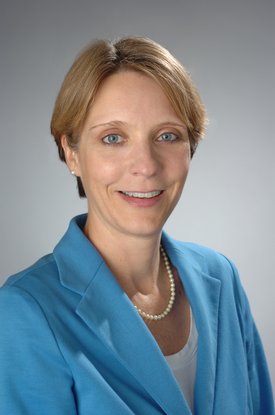

/prod01/yorksjacuk/media/content-assets/staff-profile-images/Jasmine-Childs-Fegredo.jpg)
