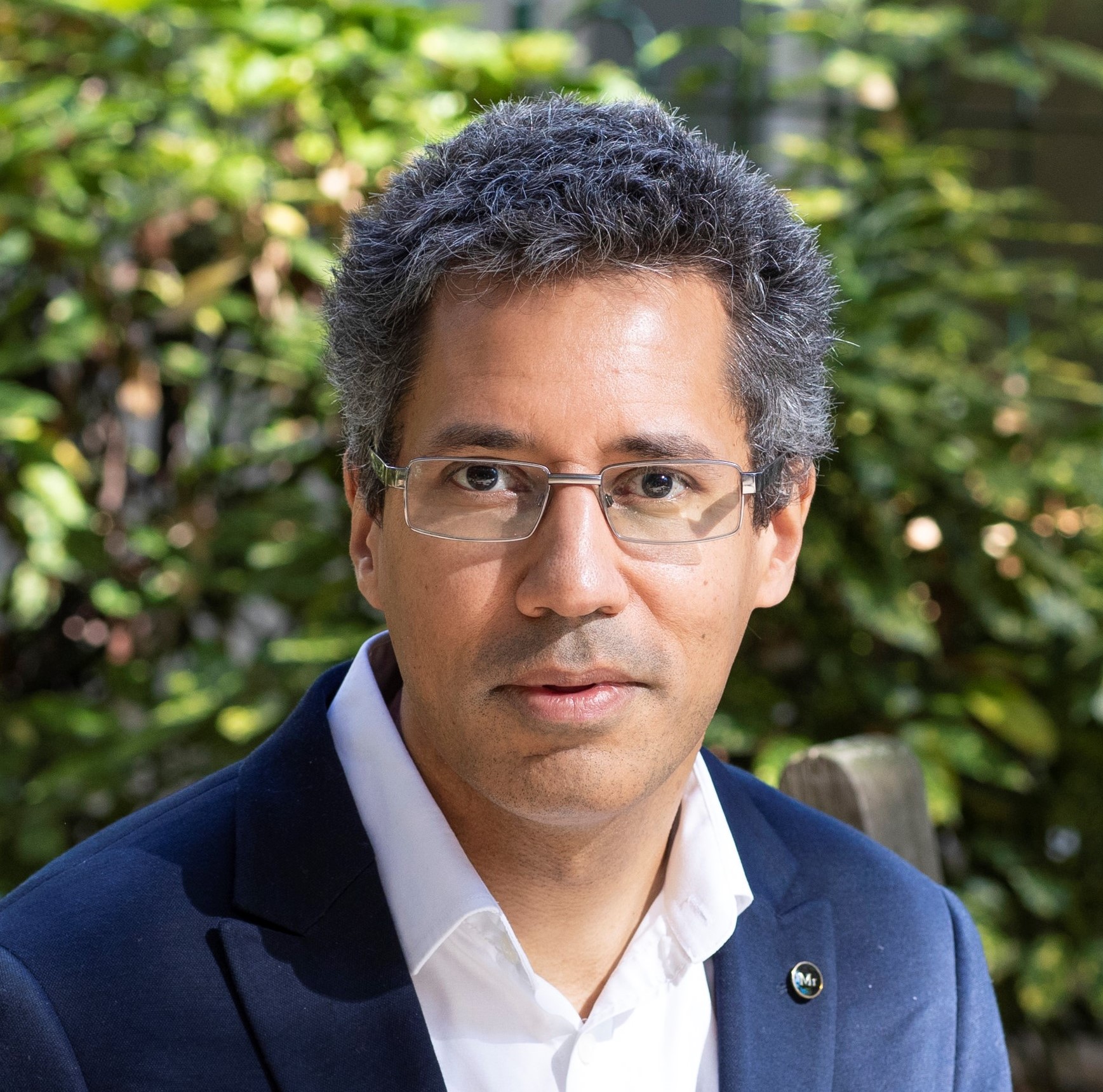
James Wilson is a Professor of Philosophy at University College London and co-director of the UCL Health Humanities Centre . His academic career at UCL spans since 2008, progressing from Lecturer (2008-2013) to Associate Professor (2014-2019) and Professor (2019-present). He holds a PhD from the University of London (2002) and BA (Hons) from the University of Bristol (1994). Research Focus : Public health ethics, data governance, and philosophy of public policy External Roles : Co-editor of MIND (2025+), Trustee at Royal Institute of Philosophy (2022+), Deputy Chair of MetREC (2021+), and member of National Data Guardian's Panel (2016+). His book Philosophy for Public Health and Public Policy: Beyond the Neglectful State (OUP, 2021) integrates philosophical rigor with pragmatic policy solutions. Recent publications show expertise in health data ethics , pandemic governance , and equity in healthcare , with recurring themes of moral distress , ethical AI , and social justice . He teaches Aesthetics and Philosophy of Public Policy and leads the Philosophy, Public Policy and Social Change MA program.
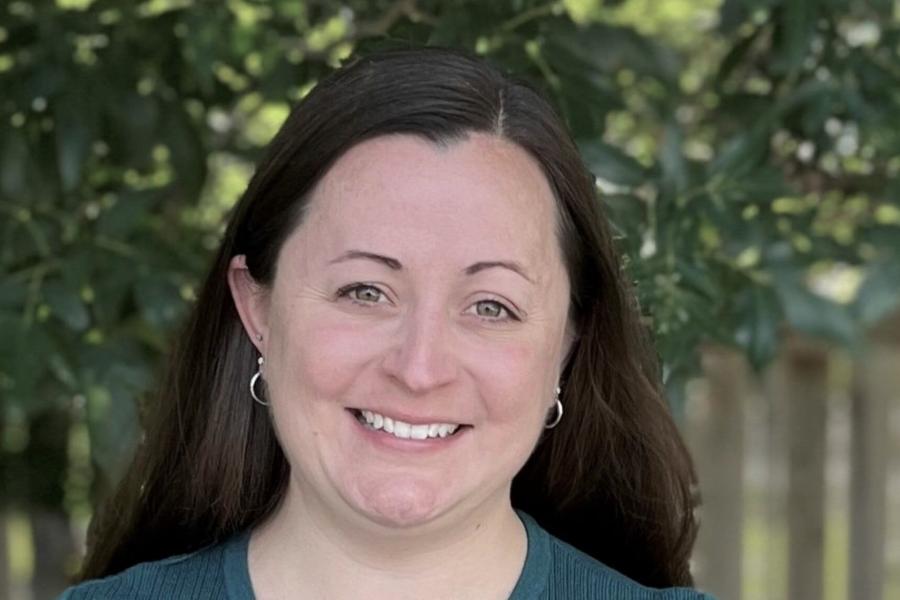
Sabine Harrer is a Senior Lecturer at the Department of Game Design , Uppsala University, Campus Gotland. Contact: sabine.harrer@speldesign.uu.se , Tel: 073-461 81 74. Research Interests Harrer specializes in critical game design , focusing on ethics , queer theory , and decolonial studies . Key areas include: Transgender allyship in game systems Racial bias in European game studies Colonial narratives in board games Intimate game design and player vulnerability Indigenous heritage preservation through games Anti-racist and decolonial game methodologies Publications & Collaborations Harrer's work spans 15+ years, addressing game ethics , cultural representation , and critical pedagogy . Notable collaborations include the Sami Game Jam and critiques of games like Assassin's Creed: Origins and Afrikan Tähti . Labs & Teams Active in the Sami Game Jam , Harrer explores collaborative game design for cultural sustainability and Indigenous storytelling.
Prof. Dr. Reto Huber is a leading researcher in Developmental Pediatrics , focusing on sleep neuroscience, EEG dynamics, and cognitive development. His work bridges pediatric neurology with advanced neurostimulation techniques. Key affiliations: Zurich University Children's Hospital (inferred from context) Research areas: Sleep EEG modulation, memory consolidation, psychiatric sleep links, and neurodevelopmental disorders Research Highlights : Recent studies explore auditory stimulation to enhance slow-wave sleep in Parkinson's patients, fractal sleep cycle modeling, and the impact of 5G electromagnetic fields on EEG patterns. His projects also address sleep-cardio interactions in aging populations and trauma memory processing during NREM sleep. Article Trends : A focus on targeted auditory stimulation (7/15), sleep-related memory processing (6/15), and clinical sleep applications (5/15) emerges. Cross-disciplinary work connects neurology , psychiatry , and cardiology through sleep biomarkers.
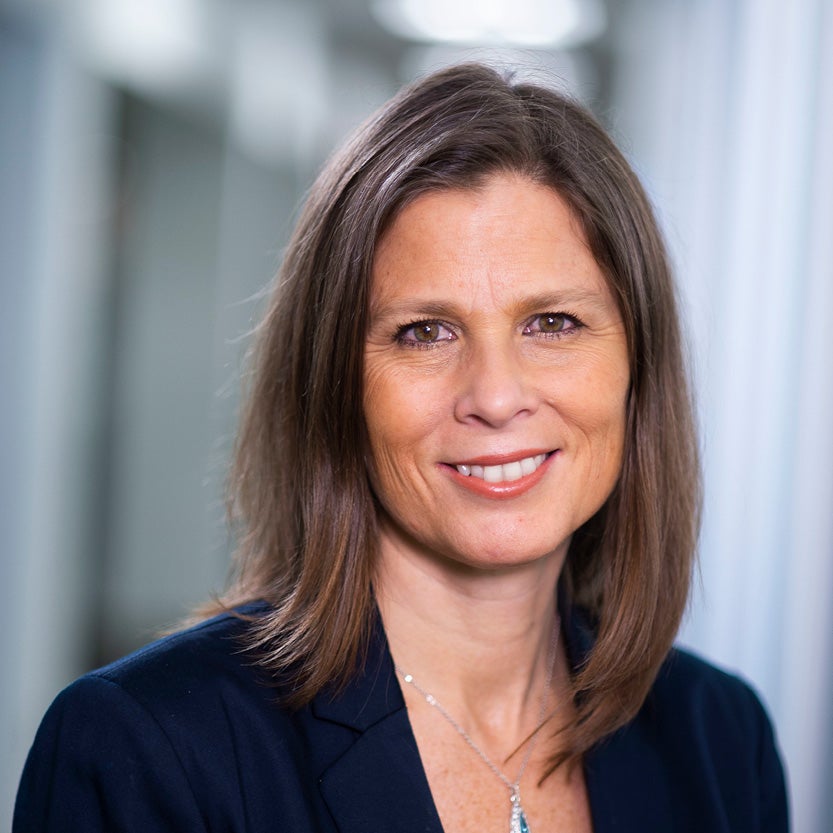
Seraina Rüegger is the Scientific Director of the Population Research Center (PRC) at the University of Zurich since 2023. She has previously worked as a senior researcher in the International Conflict Research group at ETH Zurich and as an expert on Ukraine at the Swiss Federal Department of Foreign Affairs (FDFA). At ETH Zurich and the Universities of Basel, Lucerne, and Zurich, she served as a lecturer in conflict research and forced migration. Education: PhD in Political Science, ETH Zurich (2013) Master's in Political Science, University of Zurich (2009) Research Interests: Seraina’s work focuses on the intersection of public health, forced migration, conflict dynamics, and ethnic power relations. She has developed datasets such as the CShapes 2.0 and Refugee-Related Security Incidence Dataset (RRSID) , emphasizing large-scale data collection and transdisciplinary approaches to sustainable development. Her recent studies explore mental health burdens among displaced populations and the role of ethnic power structures in conflict diffusion. Publications Trends: Her research spans geopolitical mapping, refugee security, pandemic vulnerabilities, and inequality-driven unrest. The majority of her work addresses conflict causality, migration patterns, and data-driven frameworks for analyzing ethnic and political tensions. Teams and Labs: Seraina leads the Healthcare Epidemiology team at the University of Zurich’s Population Research Center, contributing to tools for personalized, preference-sensitive healthcare and patient-centered care models.
Dr. Yusuf Ransome serves as an Associate Professor of Public Health in the Social and Behavioral Sciences department at Yale School of Public Health. He is the Founder and Director of the Society, Connectedness and Health (SOCAH) Lab, where he leads innovative research at the intersection of social connectedness, contemplative practices, and digital technology to address complex public health challenges. His work focuses on creating sustainable pathways to health, wealth, and prosperity for historically underserved communities both in the United States and globally. Dr. Ransome's research integrates social connectedness, contemplative practices, and digital technology to address complex public health challenges. His current priority research areas include: building social connectedness to buffer mental health and improve community resilience; strengthening faith-based infrastructure to improve community health and economic well-being; developing interventions that integrate contemplative practices, belief systems, and artificial intelligence to strengthen well-being; and leveraging the science of strengths through portable technologies to optimize well-being. His methodologies combine advanced quantitative survey analysis, in-depth qualitative research through interviews and focus groups, geospatial data science applications, and artificial intelligence tools for public health solutions. His research has been featured in top-tier public health journals including the American Journal of Public Health and Social Science & Medicine. Dr. Ransome's commitment to accessibility ensures his findings reach beyond academia through community engagement events, digital storytelling initiatives, and practical well-being products that empower communities to thrive. His work demonstrates clear trends across social determinants of health, HIV prevention, mental health, and the role of religion and spirituality in public health, with increasing emphasis on commercial determinants of health and advanced methodological approaches. Public Voices Fellowship with Yale and The OpEd Project (2024) Office of Health Equity Research (OHER) Award (2023) Dr. Ransome brings extensive academic training to his work, including an Alonzo Smythe Yerby Postdoctoral Fellowship from Harvard T.H. Chan School of Public Health, a DrPH in Public Health from Columbia University Mailman School of Public Health, an MPH in Health Behavior & Health Education from the University of Michigan School of Public Health, and a BS in Business Management and Science from Brooklyn College. His work addresses critical social determinants of health through innovative research-to-practice frameworks, providing actionable insights for policymakers, community organizations, faith-based institutions, government entities, and healthcare systems. The SOCAH Lab, which he directs, employs a multidisciplinary team that applies advanced research methodologies to real-world public health challenges.
Kaveh Khoshnood is an Associate Professor of Epidemiology (Microbial Diseases) at the Yale School of Public Health, where he serves as Director of Undergraduate Studies and Faculty Director for the Humanitarian Research Lab. He is Program Co-Director of the Global Health Ethics Program at the Yale Institute for Global Health and an executive committee member at the Yale Council on Middle East Studies. Dr. Khoshnood's academic affiliations span multiple departments and organizations including: Epidemiology of Microbial Diseases (Primary Appointment) School of Nursing (Secondary Appointment) African Studies Center for Interdisciplinary Research on AIDS Climate Change and Health Formative Childhood and Peace Building GEOHealth-MENA program Global Health Studies Yale Center for Asylum Medicine Yale Institute for Global Health Trained as an infectious disease epidemiologist with over three decades of experience, Dr. Khoshnood specializes in HIV prevention research among people who use drugs and other at-risk populations. His research interests encompass epidemiology and prevention of HIV/AIDS, research ethics, and humanitarian health, with particular focus on health and human rights, international relations, and ethical dilemmas involving vulnerable populations. His work spans multiple continents, with active research and mentoring in China, Lebanon, and Bhutan. Dr. Khoshnood's recent scholarly output demonstrates significant contributions to understanding healthcare delivery in conflict zones, with emphasis on Ukraine, Syria, and Yemen. His work combines epidemiological methods with human rights documentation, producing actionable evidence for humanitarian response. Through the Humanitarian Research Lab, he has pioneered methodologies for documenting war crimes against healthcare infrastructure and exposed Russia's program of coerced adoption of Ukrainian children. Among his notable recognitions are the Teacher of the Year Award from the Yale School of Public Health and the Surgeon General's Certificate of Appreciation. Dr. Khoshnood has served as a consultant for the Office of AIDS Research at the National Institute on Drug Abuse, extending his impact on national health policy. As Faculty Director of the Humanitarian Research Lab, Dr. Khoshnood oversees a team that analyzes open source and remote sensing data, including satellite imagery and social media information, to document humanitarian crises and support operational response. The Lab maintains rigorous chain-of-custody procedures for data preservation to support accountability mechanisms. Their real-time analyses provide critical support to partners delivering healthcare in conflict settings worldwide.
Dr. Leslie Redmond serves as an Assistant Professor in the Department of Food and Human Nutritional Sciences within the Faculty of Agricultural and Food Sciences at the University of Manitoba. Her research focuses on developing culturally grounded nutrition interventions for minoritized populations, with particular emphasis on Indigenous communities across Canada and Native American reservations in the United States. Her academic credentials include a PhD in Nutrition from Johns Hopkins University Bloomberg School of Public Health, an MSc in Exercise Physiology from James Madison University, and a BSc in Food Science from Clemson University. These diverse foundations inform her interdisciplinary approach to public health nutrition. Dr. Redmond's research program centers on three interconnected pillars: (1) theory-based, culturally appropriate nutrition interventions co-developed with communities; (2) prevention strategies for diet-related chronic diseases in marginalized populations; and (3) sustainable solutions to food insecurity among college students. Her work frequently addresses Indigenous food sovereignty, gestational diabetes in urban Indigenous women, and obesity prevention through community-centered frameworks. Analysis of her recent publication trajectory reveals consistent focus on Indigenous health contexts across North America, with significant contributions to understanding traditional food systems, community-based obesity interventions (notably the OPREVENT2 trial), and circumpolar food security challenges. Her methodological approach emphasizes community-based participatory research and culturally safe practices. Dr. Redmond actively supervises graduate students through the university's formal inquiry process and has led multi-institutional projects including the OPREVENT2 obesity prevention trial across six Native American communities. Her research demonstrates strong community partnerships with Indigenous organizations in Manitoba, Alaska, and reservation communities throughout the United States, translating evidence into practical health solutions for vulnerable populations.
Simon Partner is a Professor of History at Duke University specializing in late 19th- and 20th-century Japanese history. His research focuses on consumer markets, technology’s role in social change, and Japanese rural society. He holds degrees from Columbia University (Ph.D. 1997), the University of Cambridge (B.A. 1980, M.A. 1985), and the University of Manchester (M.B.A. 1984). He has authored multiple acclaimed books, including *Koume’s World* (2024) and *The Merchant’s Tale* (2017). Partner has received prestigious awards like the Humboldt Research Award (2015). His recent publications analyze samurai women’s lives, Meiji-era social dynamics, and the cultural impact of technological adoption. He teaches courses on modern Japanese history, global rural life, and pedagogy. Partner’s work bridges historical analysis with interdisciplinary methods, emphasizing archival research and comparative frameworks.
Karen Appleyard Carmody is an Associate Professor in the Department of Psychiatry and Behavioral Sciences at Duke University and holds a concurrent appointment as Associate Professor of the Practice in Psychology and Neuroscience at Trinity College of Arts & Sciences. She serves as Deputy Director of the Duke National Center for Child Traumatic Stress (NCCTS). Her work focuses on infant mental health, child-parent attachment, early childhood trauma, and evidence-based interventions for vulnerable families. Dr. Carmody earned her PhD from the University of Minnesota. She has held previous roles including Assistant Professor in Psychiatry and Behavioral Medicine and Clinical Associate in Psychiatry at Duke. Her research examines trauma prevention, resilience in families experiencing homelessness, and implementation of evidence-based parenting programs such as Attachment and Biobehavioral Catch-up (ABC). Her recent publications highlight innovations in child maltreatment response during the pandemic, resilience-building interventions for homeless families, and scaling up effective parenting programs. She has received awards including the 2012 Early Career Award from APA's Division 37 for contributions to child maltreatment research. Dr. Carmody leads the NCCTS research team and collaborates with institutions like Johns Hopkins University through the Home Visiting Applied Research Collaborative (HARC). She teaches courses in clinical psychology and has secured grants including a 2021-2026 award from UCLA's National Center for Child Traumatic Stress.
Ingrid Söchting is a Clinical Professor and Director of the UBC Psychology Clinic, affiliated with the University of British Columbia. She holds a PhD from Simon Fraser University (1996) and specializes in cognitive behavioral therapy (CBT) and interpersonal therapy (IPT) for depression and anxiety disorders. PhD, Simon Fraser University, 1996 Her clinical research focuses on evaluating outcomes of CBT and IPT group therapies, particularly for Asian immigrants. Key areas include patient expectations, predictors of therapeutic success, dropout rates, alexithymia's impact on outcomes, and competency standards for OCD CBT. She also explores bridging science and practice in psychotherapy. Recent publications investigate CBT standards for OCD, virtual group therapy, and psychometric tools for child psychology. Her work spans collaborations with international researchers and contributions to group therapy frameworks. Scientific awards include certification as a Canadian-CBT therapist and a Certified Group Therapist by the American Group Psychotherapy Association. She coordinates UBC's CBT program for psychiatry residents and teaches CBT/IPT to psychology and psychiatry trainees. The UBC Psychology Clinic, where she directs, serves as a hub for clinical practice and research.
Mariana K. Falconier is a Professor in the Department of Family Science at the University of Maryland, College Park, and Director of the Couple and Family Therapy Master's Program. She holds a PhD and MS in Family Studies from the University of Maryland, alongside a Licentiate in Psychology from the University of Buenos Aires. Her work integrates clinical practice with research on couple dynamics under chronic stress, particularly focusing on economic, immigration, medical, and minority stressors among marginalized groups such as low-income, Latine, and LGBTQ+ populations. Educations: PhD in Family Studies, University of Maryland, College Park (2005) Master’s in Marriage and Family Therapy (MFT), University of Maryland, College Park (2002) Licentiate in Psychology (equivalent to MA Psychology), University of Buenos Aires (1992) Research Interests: Dr. Falconier’s work centers on dyadic coping mechanisms, economic and immigration-related stress mitigation, and culturally adapted interventions for underserved populations. She has developed the evidence-based TOGETHER/JUNTOS en PAREJA program, which integrates relationship and financial education, funded over $11 million federally and adapted for Latine immigrant and LGBTQ+ couples. Her research emphasizes emotional co-regulation, intersectional stress frameworks, and program evaluation methodologies. Grants & Awards: Recipient of the National Council for Family Relations’ Excellence in Professional/Clinical Practice Award and the George F. Kramer Practitioner of the Year Award. Over $11 million in federal grants have supported her program development and evaluation efforts. Teaching & Leadership: Taught nationally and globally in multicultural MFT, couple therapy, and post-modern approaches. Directed the Virginia Tech Center for Family Services (2008-2016) and the MFT Master’s Program (2017-2018). Currently teaches courses on gender/ethnicity in family services, couple therapy, and clinical supervision. International Impact: Collaborations in Switzerland, Romania, Italy, Hungary, Pakistan, and Chile. Presented at the Vatican City on family stress and coping for Pope Francis and the Pontifical Academy of Social Sciences. Editor of Couples Coping with Stress: A Cross-Cultural Perspective (2016) and co-author of Treatment Plans and Interventions in Couple Therapy (2024). Labs & Teams: Active in the Center for Healthy Families and the Department of Family Science’s interdisciplinary initiatives.
Dr. Glenda Fisk is Associate Professor and Undergraduate Chair in Employment Relations Studies at Queen's University. She holds a Ph.D. in Industrial/Organizational Psychology from Pennsylvania State University. Her research examines psychological entitlement in workplace contexts, investigating how feelings of undeserved reward expectations develop and impact organizations. Additional work explores emotion regulation, leadership during organizational change, and grief management in professional settings. Current research investigates trauma-informed leadership approaches, psychological factors influencing conspiracy beliefs during crises like COVID-19, and social-ecological models of workplace grief. She teaches courses in Human Resource Management, Organizational Behavior, and research methods.
Dr. Ashton Verdery is the Harry and Elisa Sichi Early Career Professor of Social Data Analytics, Sociology and Demography at Pennsylvania State University. His research examines how social networks influence demographic processes including migration, kinship structures, and population health. He develops innovative methodologies for sampling hard-to-reach populations and analyzing complex social systems. His research focuses on kinship network evolution, migration impacts on family structures, demographic consequences of drug mortality, and network-based sampling methodologies. He applies computational approaches to large-scale demographic questions. Recent work explores bereavement patterns following the opioid crisis, kinship structures in high-migration contexts, and social network interventions to reduce healthcare disparities. Publications demonstrate methodological innovation in demographic forecasting and network analysis. He conducts interdisciplinary research through the Population Research Institute and international collaborations.
Renee Galliher is a Professor and Director of Clinical Training for the Combined Clinical/Counseling Specialization in the Psychology Department at Utah State University’s Emma Eccles Jones College of Education and Human Services. Her research focuses on identity development processes at the intersection of cultural contexts, emphasizing multicultural issues, discrimination, and prejudice. She employs observational, self-report, and qualitative methodologies to explore ethnic, sexual, religious, and professional identities across developmental transitions. Her work examines risk and resilience in family/peer relationships and cultural influences, with a particular focus on marginalized groups. Recent publications highlight LGBTQ+ BIPOC resilience strategies, microaggression interventions, and Native American sovereignty issues. She advises students in clinical training programs and contributes to the field through validated scales like the LGBTQ+ Community Resilience and Inequity Scale. Notable research areas include intersectionality, identity negotiation, and community resilience. Her lab’s work bridges theory and practice, addressing systemic inequities through identity-focused interventions.
Dr. Lauren B Cattaneo, a Clinical Professor at George Mason University's Clinical Psychology Program, focuses on community psychology, marginalized populations, and social justice. Her work bridges individual experiences with systemic inequities, emphasizing partnership with community organizations in research and advocacy. Doctorate in Clinical/Community Psychology from University of Maryland (2001) Faculty at George Mason University since 2003 Her research centers on empowerment and resilience among survivors of intimate partner violence, exploring survivor-centered practices and systemic barriers. She also investigates transformative education strategies to cultivate civic engagement and social change. Recent publications highlight intersections of policy gaps in housing assistance for survivors, religious help-seeking dynamics, and structural factors influencing trauma responses. Her work spans empirical studies, theoretical frameworks, and service-learning pedagogy. Scientific awards include recognition for teaching and mentorship from George Mason University and the Society for the Psychological Study of Social Issues. Supervised 11 PhD students, including Kevin Ramseur II and Tahani Chaudhry Currently teaches courses on psychopathology, therapeutic communication, and social change