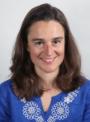
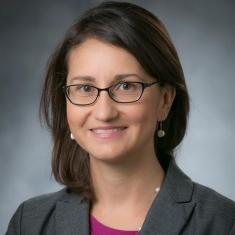
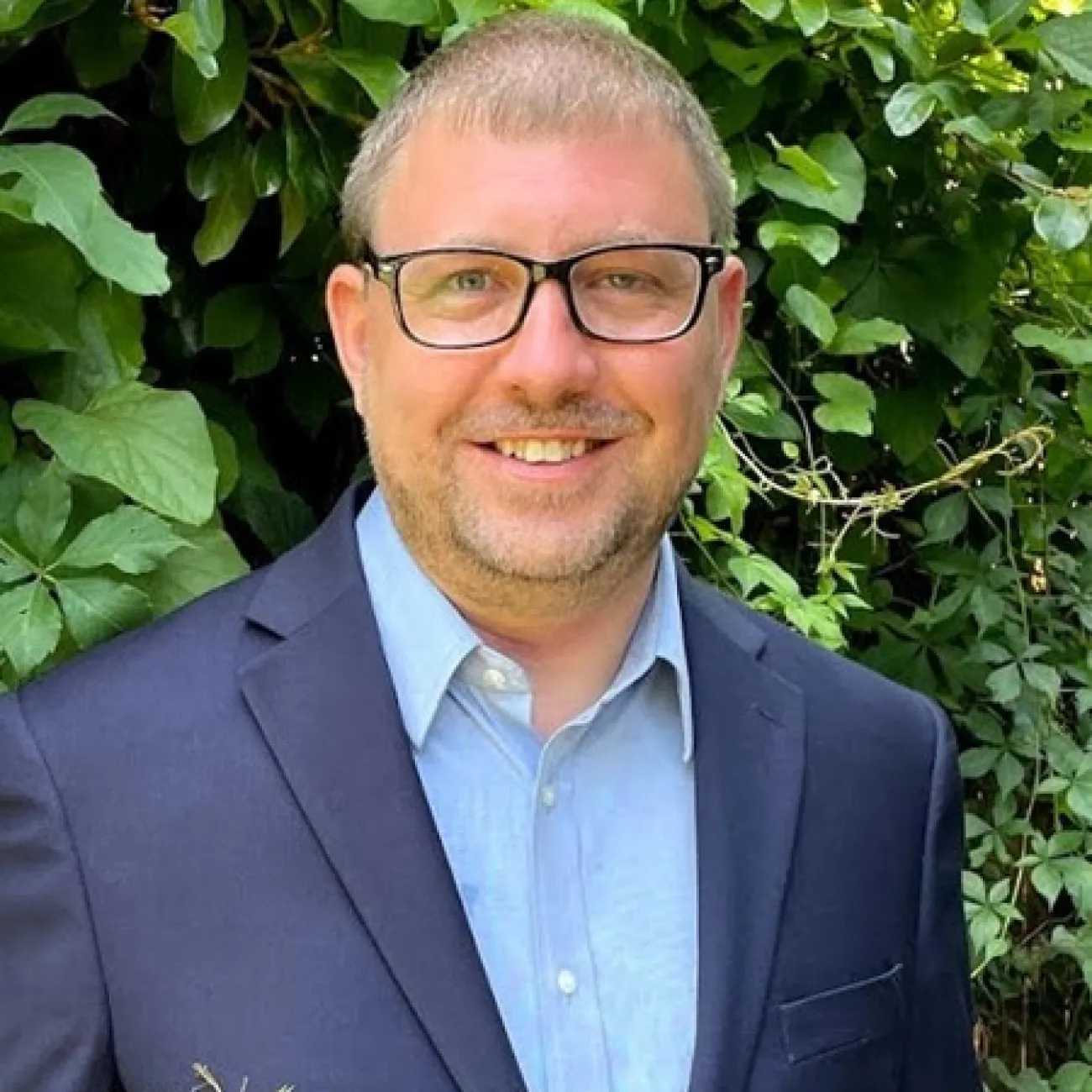
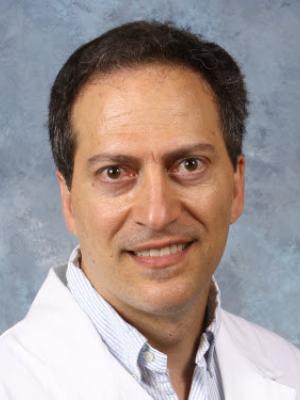
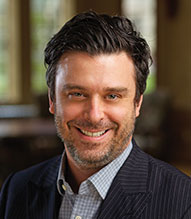
Professor Sophie von Stumm is the Director of the Hungry Mind Lab at the Department of Education, University of York. She holds a Professorship in Psychology in Education and leads research at the intersection of psychology, education, sociology, epidemiology, and genomics. Her work focuses on three core areas: (a) using genome-wide polygenic scores to understand educational outcomes; (b) examining early life environments' impact on language development; and (c) exploring how personality traits like curiosity and imagination influence learning. Funded by the British Academy, Jacobs Foundation, and Nuffield Foundation, she actively collaborates on interdisciplinary projects and mentors PhD students interested in these domains.
Dorna Rahimi is a Lecturer in the School and Applied Child Psychology (SACP) program at the Department of Educational and Counselling Psychology, and Special Education, University of British Columbia. As a UBC alumna with post-secondary education completed at the institution, she maintains deep ties to the university. Dr. Rahimi combines academic instruction with clinical practice, teaching courses like EPSE 556 Cognitive and Academic Practicum Assessment while conducting complex assessments at public and private clinics in Greater Vancouver. Research and Teaching Interests: Immigrant families' lived experiences Constructionist/critical psychology Ecological systems theory Family-school partnerships Program evaluation Assessment of developmental conditions Courses Taught: EPSE 556 Cognitive and Academic Practicum Assessment EPSE 560 Laboratory in Cognitive and Academic Assessment EPSE 561 MA Practicum in School and Applied Child Psychology EPSE 661 Doctoral Practicum in School and Applied Child Psychology EDUC 500 Research Methodology in Education EPSE 421 Assessment of Learning Difficulties
Teofilo Ruiz is a Distinguished Research Professor in the History Department at the University of California, Los Angeles (UCLA), where he has taught since 1998. He is a renowned scholar of late medieval and early modern Spain and the Western Mediterranean, with a focus on social and popular cultures. Prior to joining UCLA, Ruiz taught at Brooklyn College, the CUNY Graduate Center, the University of Michigan, the École des hautes études en sciences sociales in Paris, and Princeton University as the 250th Anniversary Visiting Professor for Distinguished Teaching. His educational background includes a PhD from Princeton (1974), an MA from New York University (1970), and a BA from The City College of the City of New York (1969). Ruiz's research explores how societies cope with crises, particularly through examining festive traditions, social structures, and religious practices in late medieval and early modern Spain. His work connects micro-historical studies with broader patterns of social, economic, and political change across the Mediterranean world, with special attention to how ordinary people experienced and shaped historical transformations. He has made significant contributions to understanding the transformation of Castilian society and the development of national consciousness in the Iberian Peninsula. His publications reveal consistent focus on the social and cultural dimensions of historical change, with particular attention to responses to terror, community formation, and the interplay between local and global forces in shaping medieval and early modern societies. National Humanities Medal (2011, awarded 2012 by President Obama) University's Distinguished Teaching Award (2008) Faculty Research Lecturer (2011-12) CASE and Carnegie Foundation U.S. Professors of the Year (1994) Doctor honoris causa from Universidad de Cantabria (2017) Elected to American Academy of Arts and Sciences (2013) Premio Del Rey Prize (American Historical Association) Ruiz has been a dedicated mentor to graduate students including Claire Gilbert, Kathryn Renton, Carrie Sanders, and Antonio Zaldivar. He served as Principal Investigator for a California History project that created 7th grade lesson plans on global sites of encounter, now taught in California public schools. His distinctive teaching philosophy emphasizes engagement and learning over grades, with classroom demonstrations that include teaching in a cape by candlelight. Ruiz has also served in leadership roles with the American Historical Association, including as Vice President for Research and member of the AHA Council.
Sylvie VIGNES is a Professor of French literature at the University of Toulouse-Jean Jaurès (UT2J), where she has held several significant academic positions including Director of the Master's in Literary Creation (2012-2024), Deputy Director of the Department of Letters, Cinema, Occitan (2016-2020), and Deputy Director of the ELH team of the PLH laboratory (2017-2020). She also served as Director of the journal 'Littératures' at Presses Universitaires du Midi from 2011 to 2017 and as Director of the collection 'Littératures francophones au présent'. Her educational background includes CAPES and master's degree with honors at 21 years old, Agrégation at 22 years old, third cycle doctorate on Julien Gracq with honors at 25 years old, new regime doctorate with honors in 1998, and HDR (Habilitation à Diriger des Recherches) in 2007. She was a Lecturer from 1998 to 2014 before becoming a University professor in 2014. Professor VIGNES specializes in contemporary French literature with a particular focus on authors Julien Gracq, Jean Giono, and Jean Proal. Her research explores the relationship between literature and other arts, notably painting, and examines French-language literature from 1980 to the present day. Her scholarly work demonstrates deep engagement with literary theory, intermedial studies, and the representation of cultural identity in contemporary writing. Her recent publications reveal a strong focus on 20th and 21st century French authors, with particular attention to Jean Giono's work through various theoretical lenses including ecopoetics. She has produced significant scholarship on literary metaphors, family narratives, and the intersection of literature with visual arts and cultural identity. Her work spans traditional literary analysis, comparative studies, and theoretical explorations of contemporary narrative forms. André Ferran Prize (2009) for Encrine, published in 2011 Professor VIGNES has been actively involved in academic leadership, co-organizing numerous international conferences including 'Stase d'écrit stase d'écran' (2018), 'États des lieux dans la littérature narrative contemporaine' (2015), and the Centenary Julien Gracq colloquium (2010). She serves on the scientific committees of several academic associations including SELF XX (Society for Studies in 20th Century French Literature) and GREC (Research Group in Canadian Studies). Her radio appearances on France Culture, particularly on Jean Giono, demonstrate her commitment to public intellectual engagement. As a member of the PLH laboratory (Patrimoine, Littérature, Histoire) and the ELH team, Professor VIGNES contributes to interdisciplinary research connecting literature with history and cultural heritage. Her work with the Association of Friends of Jean Giono, Jean Proal, and Pierre Michon reflects her dedication to preserving and advancing the study of significant 20th century French authors.
Joanna Bettmann Schaefer is a Professor at the University of Utah, College of Social Work , with an additional appointment as Adjunct Instructor in Psychiatry . Her work bridges nature-based mental health interventions , wilderness therapy , and attachment theory , focusing on therapeutic outcomes for adolescents, young adults, and military veterans. She has held editorial leadership as Editor-in-Chief of the Journal of Experiential Education and contributes to public health discourse through research on nature exposure's impact on mental health. Educational Background: B.A. in English with Environmental Studies minor, Dartmouth College (1993) MSW in Social Work, University of Utah (1999) Ph.D. in Social Work, Smith College School for Social Work (2005) Dr. Schaefer's research emphasizes therapeutic outdoor interventions , particularly analyzing how nature exposure affects veterans' mental health and how caregiver engagement enhances adolescent wilderness therapy outcomes. Her meta-analyses explore nature dosage effects and mechanisms underlying therapeutic success. She also investigates attachment dynamics across diverse populations, including refugees and preschoolers. Her scholarly output includes meta-analyses , editorial leadership , and international collaborations . Recent work examines barriers to outdoor programs for marginalized veterans and the role of self-transcendence in nature connectedness. Research trends span short-term nature exposure benefits , familial intervention strategies , and mental health policy . Scientific Honors: 2025 Rosalind Franklin Society Special Award in Science 2025 Eagle Award, National Association for Therapeutic Schools and Programs 2023 Betty van der Smitten Distinguished Researcher Award 2019 Council on Social Work Education Harvard Scholar 2013 Dean's Faculty Excellence in Teaching Award 2011 Psychoanalytic Psychodynamic Research Society Award 1993 Lawrence Marx Jr. Award, Dartmouth College She teaches courses including DSM for Social Work Practice , Mental Health Practice II , and Independent Studies . Her grant funding includes support from the Nature and Human Health-Utah initiative and the Sierra Club for veteran-focused wilderness research. Dr. Schaefer co-leads the Nature and Human Health - Utah community group and maintains active involvement with the National Association for Therapeutic Schools and Programs Practice Research Network .
Ivana Pajic is an Assistant Professor at the Faculty of Philosophy, University of Novi Sad , specializing in German Studies and Literary Studies. She holds a PhD in Philological Sciences and has been actively contributing to intercultural research through teaching, publications, and international collaborations since 2009. Focus areas: Modern German Literature, Intercultural Narratology, Literary Translation, Postcolonial Studies Key projects: International DAAD-funded initiatives on parallel biographies (2018-2020), war violence literature processing (2016-2017) Exhibitions: Co-organized Parallel Biographies Serbia/Germany: Identity and Work in Budapest (2019) and Novi Sad (2019) Her research explores transcultural dynamics in post-Yugoslav contexts, including migrant narratives, Kiezdeutsch dialect formation, and German-Austrian cultural recognition. She has led translation workshops and contributed to educational resources for German studies in Serbia.
Necolle Morgado-Vega, DO is an Associate Professor of Orthopaedics and Rehabilitation at Yale School of Medicine and serves as the Medical Director of the Yale New Haven Hospital Rehabilitation and Wellness Center at the Milford campus of Bridgeport Hospital. Dr. Morgado-Vega specializes in physical medicine and rehabilitation (PM&R), focusing on providing nonsurgical solutions for problems with the muscles, joints, and nerves. As a physiatrist, she treats a broad range of conditions including traumatic brain and spinal cord injuries, neurological disorders, and orthopaedic issues. Her clinical work focuses on acute rehabilitation for patients who have suffered various injuries including stroke, trauma, amputations, Guillain-Barre Syndrome, and multiple sclerosis, as well as post-operative patients recovering from spinal surgeries, joint replacements, and fractures. She supervises physical, occupational, and speech therapy while managing pain and monitoring overall recovery. Dr. Morgado-Vega employs a conservative approach to pain management, emphasizing stretching, strengthening exercises, massage, relaxation and postural techniques before resorting to medication. Her unit typically has patients stay for 14 days (21 days for stroke patients) with the goal of returning patients home as functionally independent as possible. She provides care for young adult to elderly patients who have not recovered enough to go home from the hospital, spending significant time in patients' rooms providing support and encouragement throughout their recovery process.
Saraswathi Vedam is Professor of Midwifery at the University of British Columbia's Faculty of Medicine and Lead Investigator of the Birth Place Lab. As an MSFHR Health Professional Investigator (2017), she directs community-led research examining place of birth, respectful maternity care, and health equity for over 30 years of clinical and academic experience. Her work bridges transdisciplinary collaboration with patient-centered outcomes measurement. Her educational foundation includes a PhD in Transdisciplinary Collaboration from the University of Sydney, Master of Science in Nursing from Yale University, and Bachelor's in Comparative Literature from Amherst College. Additional credentials encompass nurse midwifery certification and registered nursing diplomas from Yale. Professor Vedam's research centers on developing and validating patient-informed quality measures including the Mothers' Autonomy in Decision Making (MADM) scale, Mothers on Respect (MOR) index, and Pregnant Persons' Experience of Mistreatment by Providers (PPEMP) index. Her work exposes systemic racism in maternity care, examines interprofessional dynamics, and promotes culturally-centered models through tools like the Birthplace ResQu Index and MISS index for system integration. Analysis of her recent publications (2023-2025) reveals intensifying focus on racial justice in maternity care, LGBTQ2S+ inclusive practices, and algorithmic bias in clinical decision tools. Her scholarship consistently centers community-defined quality metrics and exposes how structural inequities manifest as mistreatment, particularly for Black and Indigenous birthing people. Her scientific recognition includes: MSFHR Health Professional Investigator (2017) Fellow of the American College of Nurse-Midwives Professor Vedam has secured major CIHR funding for national projects including the Canadian Birth Place Study, Giving Voice to Mothers-Canada, and RESPCCT study. She supervises graduate students through UBC's Interdisciplinary Studies programs while leading policy initiatives like the US Home Birth Consensus Summits. Her community-engaged approach prioritizes lived expertise in research design and implementation. She directs the Birth Place Lab and Perinatal Wellbeing Research Team, developing interventions like the Dialogue and Decisions interprofessional course. Current work focuses on global adaptation of respect measurement tools and dismantling institutional racism in maternity systems through transdisciplinary collaboration with frontline providers and community advocates.
Walt Scott is a Professor at the Psychology Department of Washington State University , where he also serves as the Director of the Psychology Clinic . He earned his Ph.D. from the University of Illinois at Chicago in 1996 and has since focused on integrating social cognitive theory into personality assessment and clinical case conceptualization . Education: Ph.D., University of Illinois at Chicago (1996) Research interests center on applying personality science to assess individual differences in temperament, self-schemata, goals, and moral standards , particularly in relation to depression and trauma-related disorders . His lab has pioneered the Person In Context Assessment (PICA) method, which examines dynamic "if-then" personality signatures. Recent studies show PICA reduces mood and anxiety symptoms in undergraduates and could improve clinical interventions for non-responsive patients. Scientific contributions include developing novel measures like the Relational Self-Schema Measure and Self-Efficacy for Parenting Adolescents Scale . Current projects aim to refine social cognitive assessment tools , test their efficacy in controlled experiments , and explore technology-driven personalized treatments for mood disorders. Advising highlights include mentoring graduate researchers such as S. Paup, B. Mallory, J. Tyser, C. Strauch, K.H. McDougall, and A.C. Mousseau . His lab also engages undergraduate research opportunities and collaborates on cross-disciplinary projects involving technology-enhanced mental health interventions .
Tamara Fitzgerald is an Associate Professor of Surgery and Associate Research Professor of Global Health at Duke University School of Medicine. Her work focuses on global pediatric surgery and healthcare access in low-income countries, particularly in sub-Saharan Africa. Education : MD (2004) and PhD (2004) from Boston University; General Surgery Residency (2004-2011) and Pediatric Surgery Fellowship (2011-2013) at Yale University. Research Interests include surgical capacity building, ethical challenges in global surgery, and technology solutions for low-resource environments. She has led projects in Uganda, Kenya, and Mozambique to address surgical disparities. Grant Highlights : NIH-funded KeyScope project (2022-2027), Association for Academic Surgery grants (2024-2026), and Makerere University collaborations (2023-2026). Scientific Trends from her 15 most recent articles reveal a focus on minimally invasive surgery, trauma data systems in conflict zones, portable medical devices, and ethical frameworks for global pediatric care.
Min Kyung Kim is an Assistant Professor in the Department of Communication at the University of Illinois. Her research focuses on organizational resilience in social welfare and humanitarian sectors, interorganizational network dynamics, and narrative rhetoric in cultural memory systems. Academic affiliation: University of Illinois, Department of Communication Key research areas: Resilience frameworks, emotional sustainability, interorganizational collaboration Her work examines how organizations maintain functionality under stress, particularly in humanitarian contexts involving refugee support and vulnerable communities. She also investigates storytelling and material rhetoric in historical memory preservation, as seen in her analysis of comfort women narratives. Recent publications highlight her expertise in multilevel communication strategies for resilience organizing (2022), emotional sustainability mechanisms (2022), and interorganizational network applications (2024). These 5 articles demonstrate interdisciplinary engagement across communication studies, organizational theory, and sustainability research.
Adnan Çelik is an anthropologist and historian currently serving as an Einstein Junior Scholar Fellow at the Institute for European Ethnology , Humboldt University of Berlin. His research focuses on minoritized peoples in Turkey , with particular emphasis on political violence, intra-ethnic conflicts, memory studies , and Kurdish transnational activism . PhD in Social Anthropology from École des Hautes Études en Sciences Sociales (EHESS), Paris Associated with CETOBaC, LAP, IFEA, and DFG research network His scholarly work explores three core themes: violence in Kurdish society , memory transmission in ethnic conflict , and Kurdish cross-border activism . Recent publications analyze smuggling networks , anti-colonial Kurdish movements , and solidarity networks during the Cold War . Collaborations include contributions to The Cambridge History of the Kurds and co-edited volumes on Kurdish experiences. While no specific awards are listed, Çelik's affiliations suggest significant academic recognition. His current research on Kurdish activism in 1960s Berlin highlights transnational connections under Cold War tensions.
Paul Conway is an Associate Professor of Psychology at the University of Southampton within the Faculty of Environmental and Life Sciences. He is actively engaged in research on moral psychology, supervises PhD students, and accepts new PhD applications. His work bridges theoretical understanding with practical applications in various professional contexts including law enforcement, military ethics, and healthcare. Dr. Conway's research interests focus primarily on moral psychology, examining how people decide what is right and wrong and who is good and bad. His work investigates why people are motivated to do good and sometimes fail, and why people agree and disagree over moral matters. His research spans multiple contexts including sacrificial moral dilemmas, moral injury among professionals, moral character judgments, and the social dimensions of ethical decision-making. He employs both experimental and field methods to understand the psychological mechanisms underlying moral cognition and behavior. Analysis of Dr. Conway's recent publications reveals a strong focus on applied moral psychology with significant attention to real-world contexts where moral judgments have serious consequences. His work spans military ethics, law enforcement mental health, online safety, and healthcare decision-making during crises like the pandemic. The publications demonstrate interdisciplinary approaches combining social psychology, cognitive neuroscience, clinical psychology, and behavioral economics to address complex moral questions. His research consistently examines how social factors, cognitive processes, and emotional responses interact in moral judgment formation. Fellow of the Society of Experimental Social Psychology (2014) APS Rising Star (2020) Transformation in Teaching Award (2018) Faculty Undergraduate Research Mentor Award (2019) University of Southampton Research & Innovation Services Impact Fund Award (2024) Faculty of Environmental and Life Sciences Higher Education Innovation Fund (2023) Dr. Conway currently supervises multiple PhD students including Irem Sevi Yilmaz, King Hang Jason Lam, and Serena Celeste Romanelli. His research has been supported by numerous grants including the EASP Seedcorn Grant (2022), RAPID grant on COVID-19 sacrifices (2020), and investigations into moral decision-making among people on the autism spectrum (2019). He is actively involved in translating research findings into practical applications, particularly in understanding moral injury among professionals exposed to traumatic material. Dr. Conway is a member of the Centre for Research on Self and Identity and the Centre for Behavioural Experimental Action and Research (C-BEAR) at the University of Southampton. These research groups provide collaborative environments for investigating the psychological foundations of moral judgment and behavior. His external engagements include numerous speaking roles on moral injury, sacrificial dilemmas, and moral psychology applications in professional contexts.
Daniel J. DiLorenzo, MD, PhD, MBA serves as an Assistant Professor with dual appointments in the Biomedical Engineering Science Division (Basic Sciences) and the Department of Neurosurgery at Loma Linda University School of Medicine. This unique positioning reflects his interdisciplinary expertise bridging clinical neurosurgery and biomedical engineering. Dr. DiLorenzo's educational background includes a Doctor of Medicine from Harvard University (awarded April 1, 2024), multiple advanced degrees in Electrical Engineering from MIT (including both Bachelor's and Master's degrees), and an MBA. This combination of engineering, medical, and business training forms the foundation of his translational research approach. His research program focuses on the development and clinical application of neurotechnologies, with particular emphasis on epilepsy monitoring and treatment systems, deep brain stimulation, and neural engineering solutions for neurological disorders. Dr. DiLorenzo has made significant contributions to understanding seizure prediction algorithms, electrode-tissue interfaces in chronic implants, and optimization of neurosurgical techniques for epilepsy management. His work spans from fundamental neural engineering principles to clinical implementation and commercial translation of neurotechnologies. Analysis of his publication record reveals a consistent trajectory from engineering fundamentals through clinical application to commercial implementation. His most recent work examines the societal return on investment in neurotechnology-based therapies, demonstrating his interest in the broader healthcare economics of neurological treatments alongside their clinical efficacy. Dr. DiLorenzo has been actively involved in medical device development, notably with the Neurovista system for epilepsy monitoring, and has published extensively on both technical engineering aspects and clinical neurosurgical applications. His historical reviews of the autonomic nervous system demonstrate a deep understanding of the foundational concepts in his field. His career exemplifies translational neuroscience, moving seamlessly between engineering laboratories, clinical neurosurgical practice, and medical device commercialization efforts, making significant contributions to both the scientific literature and clinical practice in neurosurgery and neural engineering.
Chris M. Belkofer is a Clinical Professor and Director of Clinical Training at the Graduate Art Therapy Program within the School of Graduate Health & Professional Programs at Mount Mary University . He holds a Ph.D. from Lesley University (2012), a M.A. from the School of Art Institute of Chicago, and a B.A. from the University of Missouri. Research Interests: His work bridges art therapy and clinical neuroscience , focusing on the neurobiological effects of art-making, particularly in trauma recovery and self-regulation. He explores how creative practices influence brain activity (e.g., alpha waves) and integrates mindfulness into therapeutic interventions. Key publications include studies on quantitative EEG and drawing, as well as co-authored works on trauma, neuroscience, and ethical challenges in social media culture . Academic Contributions: He has presented internationally on topics like art and the brain , relational aesthetics , and expressive therapies at conferences in Croatia, Texas, New York, and beyond. His work emphasizes the intersection of creativity and neurology, advocating for evidence-based art therapy practices.